• Skip to primary navigation
  • Skip to main content

International Salsa Magazine

  • HOME
  • Previous editions
    • 2026
      • ISM / March 2026
      • ISM / February 2026
      • ISM / January 2026
    • 2025
      • ISM / December 2025
      • ISM / November 2025
      • ISM / October 2025
      • ISM / September 2025
      • ISM / August 2025
      • ISM / July 2025
      • ISM / June 2025
      • ISM / May2025
      • ISM / April 2025
      • ISM / March 2025
      • ISM / February 2025
      • ISM / January 2025
    • 2024
      • ISM / December 2024
      • ISM / November 2024
      • ISM / October 2024
      • ISM / September 2024
      • ISM / August 2024
      • ISM / July 2024
      • ISM / June 2024
      • ISM / May 2024
      • ISM / April 2024
      • ISM / March 2024
      • ISM / February 2024
      • ISM / January 2024
    • 2023
      • ISM / December 2023
      • ISM / November 2023
      • ISM / October 2023
      • ISM – September 2023
      • ISM – August 2023
      • ISM July 2023
      • ISM Edition June 2023
      • ISM – May 2023
      • ISM April 2023
      • ISM March 2023
      • ISM February 2023
      • ISM January 2023
    • 2022
      • ISM December 2022
      • ISM November 2022
      • ISM October 2022
      • ISM September 2022
      • ISM August 2022
      • ISM July 2022
      • ISM June 2022
      • ISM May 2022
      • ISM February 2022
      • ISM January 2022
    • 2021
      • ISM December 2021
      • ISM November 2021
      • ISM October – 2021
      • ISM September 2021
      • ISM August 2021
      • ISM July 2021
      • ISM May 2021
      • ISM April 2021
      • ISM June 2021
      • ISM March 2021
      • ISM February 2021
      • ISM January 2021
    • 2020
      • ISM December 2020
      • ISM November 2020
      • ISM October 2020
      • ISM September 2020
      • ISM August 2020
      • ISM July 2020
      • ISM June 2020
      • ISM May 2020
      • ISM April 2020
      • ISM March 2020
      • ISM February 2020
      • ISM January 2020
    • 2019
      • ISM December 2019
      • ISM November 2019
      • ISM October 2019
      • ISM Septembre 2019
      • ISM August 2019
      • ISM July 2019
      • ISM June 2019
  • Download Salsa App
    • Android
    • Apple
  • Spanish

Search Results for: Cuban

Europe / April 2026

Cafe Berlin 2025Radio Gladys Palmera 2025

Karina Bernales present April 2026 FESTIVALS

Belgium circular flag
BELGIUM
Suave Dance Festival Easter

Suave Dance Festival Easter

Apr 02 / 06, 2026

Hotel Nivelles-Sud Van der Valk
Chaussée de Mons 22, 1400
Nivelles, Belgique

€ 110

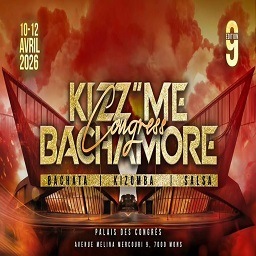
Belgium Kizzme 2026

‘KIZZ ME BACHAMORE’

April 10 / 13, 2026

Palais des Congrès Mons
Avenue Melina Mercouri 9
7000 Mons, Belgique

€ 110

Bulgaria Circle Flag
BULGARIA
World Stars Salsa Festival 2026

World Stars Salsa Festival

Abr 30 / May 04, 2026

Hotel Maritim Paradise Blue
Albena Resort
9620 Albena
Varna, Bulgaria

€ 169

Czech Republic circular flag
CZECHIA
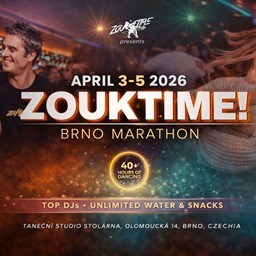
Zouktime 2026

ZOUKTIME! BRNO MARATHON

April 03 / 05, 2026

Taneční studio Stolárna
Olomoucká 1186/14, 618 00
Brno, Česko

Kč 2500

Finland Circle Flag
FINLAND
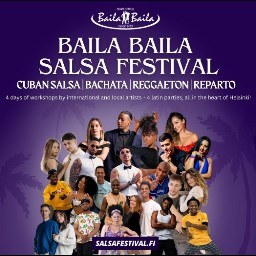
Baila Baila Salsa festival 2026

Baila Baila Salsa Festival

Apr 02 / 05, 2026

Valkoinen Sali
Aleksanterinkatu 16-18
Helsinki, Finland

€ 70

France circle flag
FRANCE
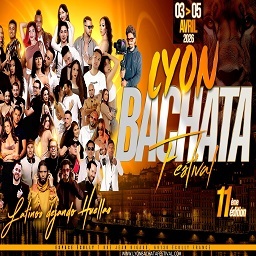
Lyon Bachacta 2026

LYON BACHATA FESTIVAL

April 03 / 05, 2026

31 Rue L’abbé Boisard 69003
Lyon-France

€ 99,99

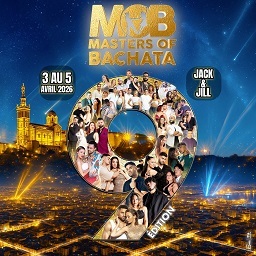
Master of Bachata 9 2026

Masters of Bachata 9

Apr 03 / 06, 2026

Bouches-du-Rhône
162 Boulevard Mireille Lauze
13010 Marseille, France

€ 205

Bachata Familyon 2026

Bachata Familyon International

Apr 24 / 26, 2026

Markadas Meyzieu
20 Avenue Docteur Schweitzer
69330 Meyzieu, France

€ 139

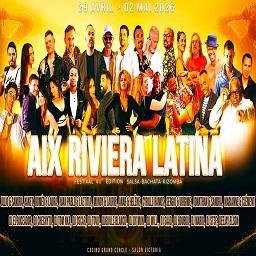
Aix Riviera Latina 2026

Festival Aix Riviera Latina

Abr 29 / May 02, 2026

Casino Grand Cercle
200 Rue du Casino, 73100
Aix-les-Bains, France

€ 70

Germany circular Flag
GERMANY
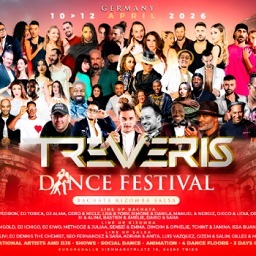
Raveris 2026

Treveris Dance Festival

Apr 03 / 05, 2026

Europahalle Trier
Viehmarktplatz 15 54290
Trier, Germany

€ 119

Greece circular flag
GREECE
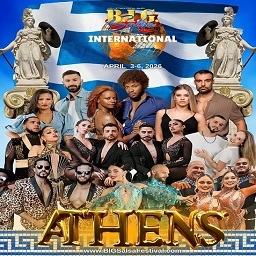
Big Athens 2026

BIG International Athens

Apr 03 / 05, 2026

Occasions Function Hall
Leof. Vouliagmenis 43-45
Elliniko 167 77, Greece

$ 185

Sensualonica 2026

SENSUALONICA Dance Festival

Apr 16 / 19, 2026

Imperial Port – Convention Club
26 Oktovriou 59
Thessaloníki, Greece 54627

€ 135

Italy circle flag
ITALY
La verdad 2026

La Verdad Easter Latin Event

Apr 4 / 6, 2026

Hotel Portogreco
Via Carlo Enrico Bernasconi
Scanzano Jonico, Italy, 75020

€ 130

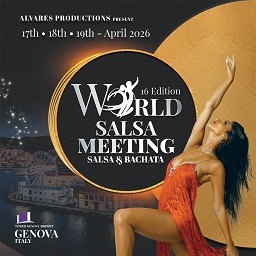
World Salsa Meeting 2026

World Salsa Meeting

Apr 16 / 19, 2026

Tower Genova Airport
Hotel & Conference Center
Via Pionieri e Aviatori d’Italia 44
Genova 16154, Italy

€ 120

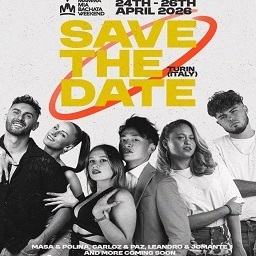
Mamamia 2026

Mamma Mia Bachata Weekend

Apr 24 / 26, 2026

Via Duccio Galimberti
8110040 Piobesi Torinese
Turin, Italy

€ 109

Netherlands circular flag
NETHERLANDS
ILKSAF Roterdam 2026

I Love Kizomba Sensual
Festival

Apr 03 / 06, 2026

EYK Studios
Metaalhof 27, 3067 GM
Rotterdam, Nederlands

€ 139

Poland flag
POLAND
eL Sol 2026

elSol Bachata Festival

Apr 10 / 12, 2026

Sound Garden Hotel
ulica Żwirki i Wigury 18, 02-134
Włochy, Polska

€ 150

Portugal Circular Flag
PORTUGAL
SBK Coimbra 2026

SBK Fever Coimbra

Apr 10 / 12, 2026

Caves de Coimbra
R. das Areias, N° 24, 3025-137 Coimbra, Portugal

€ 80

Romania Flag
ROMANIA
BtoB Romania 2026

BtoB Dance Festival

Apr 03 / 06, 2026

București
Bulevardul Dimitrie Pompeiu 4-6
București, 020334
Bucuresti, Romania

€ 100

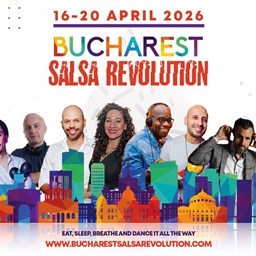
Bucharest Salsa Revolution 2026

Bucharest Salsa Revolution

Apr 17 / 20, 2026

Royal Hall
1 Piața Presei Libere
Bucharest, Romania

€ 140

Serbia And Montenegro circular flag
SERBIA AND MONTENEGRO
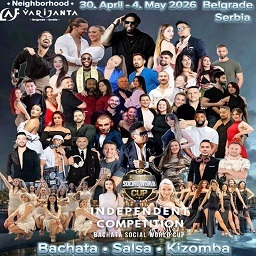
LAF Varijanta 2026

LAF Varijanta Neighborhood

Abr 30 / May 04, 2026

Dom Omladine
Makedonska 22 , 11000
Belgrade, Serbia

€ 124

Spain Flag
SPAIN
Hot Tropical 2026

Hot Tropical Dance Málaga

Apr 8 / 13, 2026

Hotel IPV Palace & Spa
Playa del Castillo, Km 1018
Carr. de Cadiz
29640 Fuengirola, Spain

€ 110,99

AloCubano Benidorm 2026

AloCubano Benidorm

Apr 9 / 13, 2026

Gran Hotel Bali
C. del Actor Luis Prendes, 4
Local B, 03502 Benidorm
Alicante, Spain

€ 105

Costa del Salsa 2026

Costa Del Salsa

Apr 23 / 30, 2026

Hotel Sol Don Pedro
Calle Río Guadazaón 2
Torremolinos 29620, Spain

€ 472,50

Locus Son 2026

Lucus Son Congress

Abr 24/ 26, 2026

Hotel Santiago Auditorio & Spa
Urbanización Bela Vista
Carretera N-540, km. 3.200
27004 Lugo, Spain

€ 85

Feeling Kizomba 2026

Feeling Kizomba Festival

Abr 28 / May 03, 2026

Av. del Rieral 55
Lloret de Mar, Spain 17310

€ 105

Arena Dance Fest 2026

ARENA DANCE FESTIVAL

Abr 30 / May 02, 2026

Av. del Decano, s/n
21100 Punta Umbría
Huelva, Spain

€ 55

Calibrated maracasMartinez attorney

Directory of European nightclubs

Czech Republic circular flag
CZECHIA

La Macumba 2024
La Macumba
Štefánikova 230/7 150 00
Prague, Czech Republic

fRANCE FLAG
FRANCE

Canela
Canela Club Latino Paris
77 Rue du Faubourg du temple 75010
Paris, France

Cuba Compagnie
Cuba Compagnie Café
48 BD Beaumarchais 75011
Paris, France

Cubana
Cubana Café
47 rue Vavin 75006
Paris, France

La Pachanga
La Pachanga Officiel
8, rue vandamme 75014
Paris, France

La Peña
La Peña Saint Germain
3 passage de la Petite Boucherie 75006
Paris, France

Balajo
Le Balajo
9 rue de Lappe 75011
Paris, France

Pachamama
Pachamama PARIS
46 rue du Faubourg Saint Antoine 75012
Paris, France

Selsero
Salseroparis
9 Rue du Petit Pont, 75005
Paris, France

Germany circular Flag
GERMANY

Cascadas
Cascadas
Ferdinandstr. 12
20095 Hamburg-Mitte, Germany

Havanna
Havanna Berlin
Hauptstr. 30
10827 Berlin-Schöneberg, Germany
La Macumba - The Real Latin Club in Hamburgs
La Macumba – The Real Latin Club in Hamburgs
Adenauerallee 3 20097
Hamburg, Germany

Latin Palace Changó
Latin Palace Changó
Münchener Strasse 57
60329 Frankfurt, Germany

SODA
Soda Club Berlin
Schönhauser Allee 36
10435 Berlin, Germany

Malta Circle flag
MALTA

Bario Latino Malta venue
Barrio Latino Malta
Ghar il Lembi Street SLM1562 Sliema
Central Region, Malta

Poland flag
POLAND

Teatro Cubano
Teatro Cubano Warsaw
ul. Aleksandra Fredry 6 00-097 /> Warsaw, Poland

Spain Flag
SPAIN

ACM City
ACM CitY
Carrer Can Pallarès 2, Cerdanyola del Vallès
08290 Barcelona, Spain

Antilla
Antilla Barcelona
C/ d’Aragó, 141
08015 Barcelona, Spain

Azucar
Azúcar SalsaDisco
Calle de Atocha, 107
28012 Madrid, Spain

Disco Bar Cuba Live
Cuba Live
Ramón y cajal número 2
07011 Palma de Mallorca, Spain

El Son
Discoteca El Son
C. de la Victoria, 6
28012 Madrid, Spain

Prisma Discoteca
Discoteca Prisma
C. de Alcalá, 192
28028 Madrid, Spain

Discoteca El Edén Boliviano
El Edén Boliviano
Carrer Gremi de Tintorers, 49A
07009 Palma, Illes Balears, Spain

Mojito
Mojito Club
Rosselló, 217
08008 Barcelona, Spain

Morena
Morena Barcelona
calle 11 num.29
08860 Castelldefels, Spain
Que Chimba
Qué Chimba
Av. del Vallès, 117
08223 Terrassa, Barcelona, Spain
Sala Olvido Madrid
Sala Olvido
C/ Olvido 15
28026 Madrid, Spain
Seven Dance
Seven Dance (Dio Club)
Carrer del Perill 10
08012 Barcelona, Spain

The Host Madrid
The Host
C/ Ferraz nº 38
28008 Madrid, Spain
+34 918 05 36 48

United Kingdom circular flag
UNITED KINGDOM

Salsa Soho
Bar Salsa Soho
96 Charing Cross Rd
WC2H 0JG London, UK

Salsa Temple
Bar Salsa Temple
Victoria Embankment, Temple
WC2R 2PH London, UK

Juju's
JUJU’s Bar & Stage
Ely’s Yard 15 Hanbury Street
E1 6QR London, UK

Revolucion de Cuba
Revolucion de Cuba Leeds
64-68 Call Lane
LS1 6DT Leeds, UK

LightHouse
The LightHouse Bar & Club
62 Rivington Street
EC2A 3AY London, UK


Latin America / April 2026

José Mangual - BuyúElpidio Vázquez LauzuricaRalph MercadoPaoli Mejías 04 2026Manolito Rodríguez Debuts

April 2026 – Festivals

Cuba circular flag
CUBA

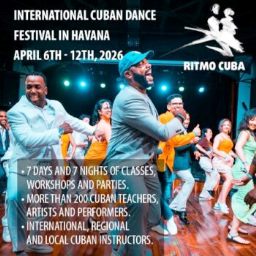
Dance Festival in Cuba 2026

International
Cuban Dance Festival

Apr 6 / 12, 2026

Hotel Nacional de Cuba
Calle 21 y O, Vedado, Plaza La Habana 10400
La Hanana, Cuba

€ 536

Bella MartinezCalibrated maracas

DIRECTORY OF NIGHTCLUBS

Argentina flag
ARGENTINA

Aruba circular flag
ARUBA

Belize circular flag
BELIZE

Bolivia circular flag
BOLIVIA

Brazil flag
BRAZIL

Chile circular flag
CHILE

Colombia
COLOMBIA

Costa Rica circular flag
COSTA RICA

Cuba circular flag
CUBA

Dominican Republic
DOMINICAN REPUBLIC

Ecuador circular flag
ECUADOR

Guatenala circular flag
GUATEMALA

Mexico Circular flag
MEXICO

Panama circular flag
PANAMA

Peru circular flag
PERU

Puerto Rico circular flag
PUERTO RICO

Venezuela circular flag
VENEZUELA


Profile of Raimundo Elpidio Vázquez Lauzurica: The Guardian of the Rhythm in Sonora Matancera

The heir to a musical dynasty that defined the sound of the “Dean of Latin Ensembles”

On March 15, 1934, the Jesús María neighborhood in Havana saw the birth of one of the most solid figures in Cuban syncopation: Raimundo Elpidio Vázquez Lauzurica. Known worldwide as “Elpidio Vázquez,” his destiny was written between the strings of a double bass and the mystique of Cuba’s most iconic musical group.

As the son of the legendary Pablo Vázquez Gobín (“Bubú”) and the older brother of master pianist Javier Vázquez, Elpidio did not just inherit an instrument he inherited a historical responsibility.

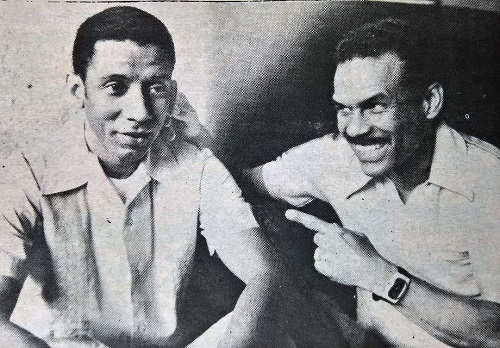
Javier Vazquez y Elpidio Vazquez

His formal connection with Sonora Matancera began in 1952, when he started subbing for his father. It didn’t take long for his talent to secure him the permanent spot, becoming the rhythmic backbone of the institution until the end of his career.

Legacy and Musical Contributions: Beyond the Double Bass

Elpidio Vázquez was not just a performer; he was a sonic architect. His ability to maintain a precise tumbao allowed Sonora Matancera to preserve that unmistakable harmonic signature that captivated the entire continent.

In addition to his technical prowess, Elpidio shined as a composer, contributing tracks that became essential hits:

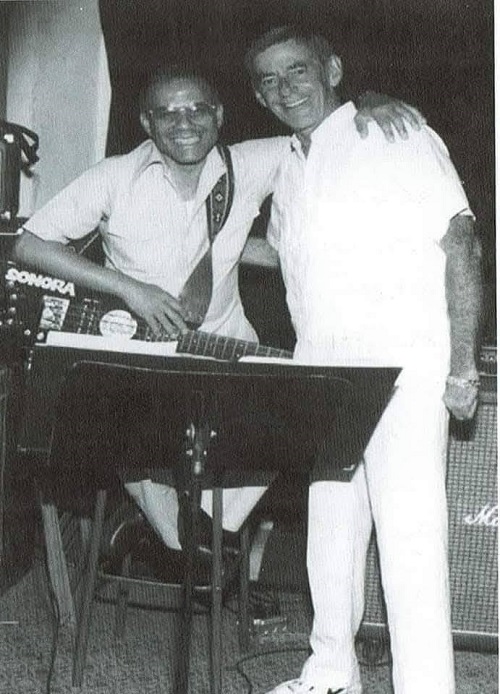
Elpidio y Vazquez y Celio Gonzalez
  • “Le dio con la sartén”: A guaracha recorded by the “Flaco de Oro” (The Golden Thin Man), Celio González, in late 1959.
  • “La negrita inteligente”: A gem performed by the Queen herself, Celia Cruz, in 1961.

His versatility led him to explore other musical horizons. He participated in the vibrant Cuban descarga (jam) sessions alongside Osvaldo “Chihuahua” Martínez and collaborated on historic recordings with giants of salsa and bolero, such as Ismael Rivera, Daniel Santos, Johnny Pacheco, Justo Betancourt, and Roberto Torres.

The Double Bass: Unlike many bassists of the salsa era who quickly transitioned to the Baby Bass or the electric bass, Elpidio is remembered for his mastery of the acoustic double bass, maintaining that organic, deep sonority of traditional, evolved Cuban son.

Recognition and Saying Goodbye to the Stage

One of the most memorable chapters of his career took place in 1989, during the 65th-anniversary celebration of Sonora Matancera. Organized by Gilda Mirós, Elpidio rocked world-renowned stages like Carnegie Hall and New York’s Central Park, reaffirming the band’s timeless relevance.

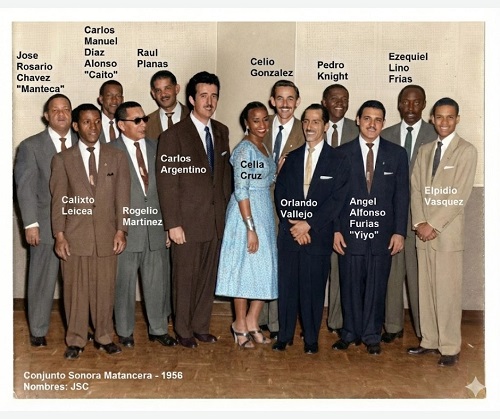
La Sonora Matancera en el año 1956

Career with Sonora Matancera

  • The Historic Handover: In 1952, Elpidio took on the responsibility of replacing his father on the double bass for Sonora Matancera. This was no small task, as he had to maintain the characteristic tumbao that had defined the group’s sound for decades.
  • Sonic Signature: He is credited with imprinting a robust harmonic stamp and a rhythmic stability that allowed Sonora to back the biggest stars of the era (Celia Cruz, Nelson Pinedo, Bienvenido Granda, etc.) with flawless precision.
  • Exile and Continuity: Like the rest of the group, he left Cuba in 1960, continuing his career abroad and participating in Sonora’s prolific New York era and their international tours.

A historical footnote: After the death of Rogelio Martínez, it is said that Elpidio was designated as the group’s musical director by public deed. However, in a gesture of humility and after decades of dedication, he preferred to retire in New Jersey, letting his brother Javier take the helm for the orchestra’s new era.

Sonora Mattancera
Sonora Mattancera

Today, the figure of Elpidio Vázquez remains a symbol of artistic fidelity and musical excellence the bridge between the tradition of “Bubú” and the modernity of New York salsa.

Also Read: La Sonora Matancera musical congregation of long trajectory and its sound quality, is one of the most popular in the Caribbean island “Cuba”

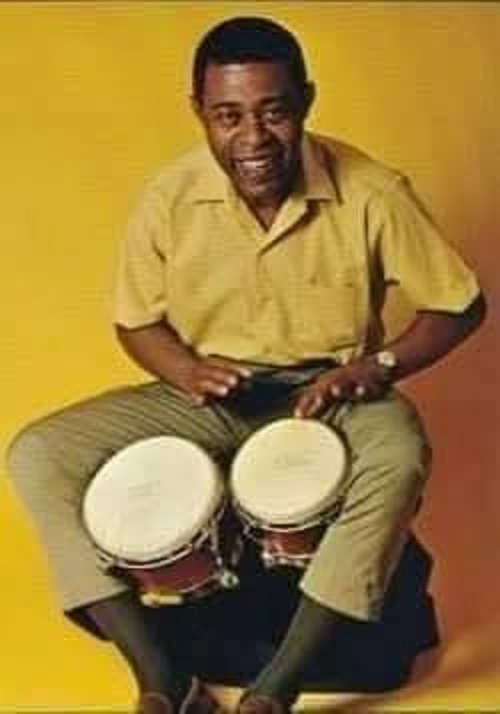
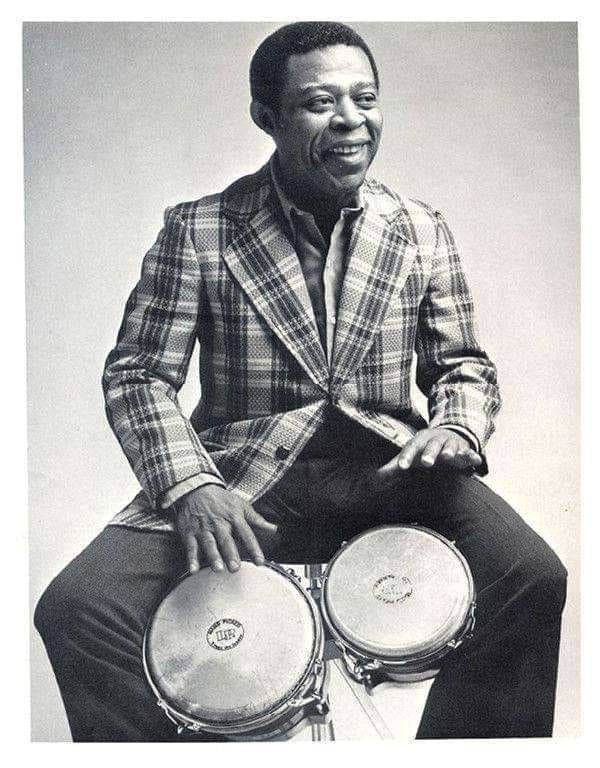
José Mangual Sr. “Buyú”: The Architect of Bongo Sound Defining the Rules of How it Should Sound

In the history of Afro-Latin music, there are names that didn’t just play an instrument they defined the rules of how it should sound. José Mangual Sr., known universally as “Buyú,” is one of those pillars.

José Mangual Sr., known universally as Buyú, is one of those pillars

An extraordinary and legendary percussionist, José Mangual Sr. was the founder of the prestigious percussive lineage that carries his surname.

Since his childhood in Juana Díaz, he professed a deep love for music; by age ten, he was already playing professionally, and during his youth, he even enjoyed crafting his own bongos.

Over time, he became the musician who endowed the instrument with an extraordinary sonority. He was the father of the equally prominent percussionists José Mangual Jr. and Luis Mangual.

The Architect of Sound on the Bongos defining the rules of how it should sound

The Architect of Sound on the Bongos defining the rules of how it should sound

Considered by experts as one of the greatest bongo players of all time, his legacy remains the gold standard for meter and tuning in Latin Jazz and Salsa.

From Juana Díaz to the Heart of Spanish Harlem

Born on March 18, 1924, in Juana Díaz, Puerto Rico, Mangual discovered his vocation at age 10. However, his musical destiny was sealed in 1938 when he migrated to New York at the age of 14.

Settling in Spanish Harlem (“El Barrio”), he found himself at the epicenter of a cultural explosion that was about to change world music forever.

The Consecration: Machito and his Afro-Cubans

Although he began by filling the timbales position, it was with the Machito and his Afro-Cubans orchestra where “Buyú” made history. Under the direction of Mario Bauzá (who is said to have given him his nickname), Mangual remained with the group for nearly 17 years.

The Legacy and the Patriarch of a Dynasty
  • Rhythmic Innovation: He was part of the “perfect percussion trio” alongside Carlos Vidal (congas) and Machito (maracas).
  • Historic Fusion: His performance was key to blending the complexity of Afro-Cuban rhythms with the harmonies of New York Jazz in the 1940s and 50s.

An Unrivaled Session Musician

His technique was so clean and his sound so bright that he became the preferred collaborator for the biggest stars. Throughout his career, he contributed his mastery to projects led by:

  • Tito Puente: The “King of the Timbales.”
  • Israel López “Cachao”: Participating in historic Afro-Cuban Jazz “descargas” (jam sessions).
  • Jazz Greats: His versatility allowed him to navigate fluidly between the world of Big Bands and traditional Salsa ensembles.

Pedagogical Legacy and Solo Career

In the 70s and 80s, Mangual recorded music not only for enjoyment but also for instruction:

The Patriarch of a Dynasty
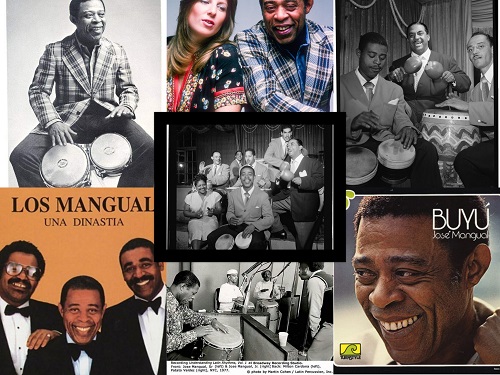
  • Album “Buyú” (1977): A Latin Jazz gem on the Turnstyle label, featuring tracks like “Black & Brown Boogie.”
  • Musical Education: Alongside conguero Carlos “Patato” Valdés, he recorded the volumes of Understanding Latin Rhythms. These LPs became the auditory manual for thousands of percussionists around the globe.
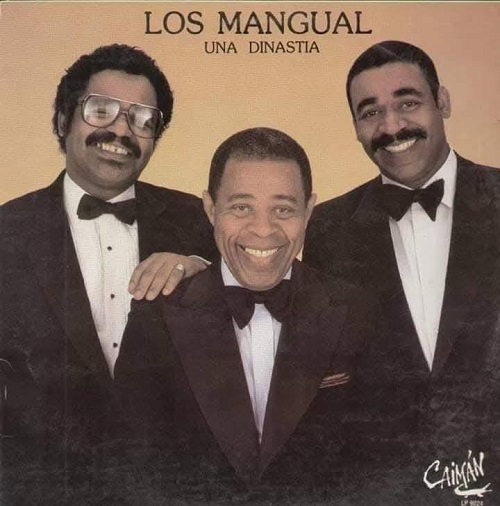
  • The Mangual Dynasty: In 1986, he consolidated his family heritage with the album Los Mangual: Una Dinastía, recording alongside his talented sons.

“The sound of his cowbell and his bongo didn’t just mark time; they cemented the foundations of the music we dance to today.”

The Patriarch of a Dynasty

The impact of José Mangual Sr. extends through his sons, who inherited his musical excellence:

  • José Mangual Jr. (“El Milamores”): Famous bongo player and singer, a key figure in the orchestras of Willie Colón and Héctor Lavoe.
  • Luis Mangual: Renowned percussionist and musical director.

Passing and Recognition: Buyú passed away in 1998, leaving an irreplaceable void. In 2001, he was posthumously inducted into the International Latin Music Hall of Fame  a fitting tribute to the man who gave the bongo unprecedented brilliance and elegance.

Also Read: Israel “Cachao” López, a Cuban musician and composer, has been hailed as “the Inventor of Mambo”

Uruguayan composer and multiinstrumentalist Sebastián Natal and his band Grupo Sensación

After having contact for days and overcoming some pitfalls, we could finally get to talking with producer, composer, and multi-instrumentalist Sebastián Natal, who kindly attended and revealed his views on the path he has followed to become the great artist he is today. 

Sebastián Natal posing
Sebastián Natal posing for the camera with his instruments

Sebastián Natal’s beginnings

First, Sebastián appreciated our interest in learning a little more about him and began to describe his native country’s musical and cultural context at the time. First of all, the artist was born in Montevideo, Uruguay, where a tropical music movement was established by then, considering many genres from the tropics and the Caribbean, such as salsa, bachata, merengue, cumbia, guaguancó, and many more.

Obviously, these genres did not originate in Uruguay, as bomba is Puerto Rican, salsa is Cuban, and bachata is Dominican. However, there were quite a few groups and musicians who used these tropical roots to create their own identity. Outside of Montevideo, other provinces listened much more to cumbia and charanga.

The orchestras that played these rhythms were dedicated to developing covers of salsa songs, but by bringing them into other genres that were emerging at the time, such as plena, plena danza, and bomba, among others. Sebastián grew up with this sonority in his country, so the whole musical environment he was exposed to abroad became very familiar to him and easy to assimilate. From the early ‘nineties, as a young boy, he began to absorb all the influence from the dawn of romantic salsa and iconic songs such as “Aquel Viejo Motel,” “Cinco Rosas,” “Sin Sentimiento,” “Amores Como El Nuestro,” and many others of its kind. 

It is worth adding that Sebastián comes from a family of musicians, starting with his own father, Yeneca Natal, who was the musical director and pianist for Grupo Sensación. Music always surrounded him, so it can be said that he was meant to follow this path. 

Sebastián and Yeneca Natal
Sebastián Natal next to his father Yeneca Natal

When and why Sebastián left Uruguay and moved to New York

In 2005, at just 21 years old, Sebastián joined the Sonora Borinquen, which was the most popular orchestra at the time. Thanks to them, he had the opportunity to tour the United States and Canada, where he could see environments and ways of working that were completely different from what he was used to. Two years later, he toured the United States again, but by then he already saw the country as a new destination to advance his career.

Unfortunately, Uruguay was becoming too small for the plans he had for his development in salsa, which sparked his curiosity about the Big Apple and all it had to offer him musically speaking.  

By 2008, he decided to move to New York for a few months, but so many doors opened for him that he never left and continues to live there to this very day. 

Sebastián, the multi-instrumentalist

The first instrument Sebastián came in contact with was the piano, which he started playing it at age four and from which he graduated at age 11. Since he had not attended high school yet, he could not study a master’s degree to continue his musical education. In addition, he was a child who wanted to play football and do the usual things for his age, so a few years later, his father made him join an Afro-Uruguayan music group. In that orchestra Sebastián played piano and bass, which allowed him to further develop his skills with those instruments. 

Sebastián in Panama
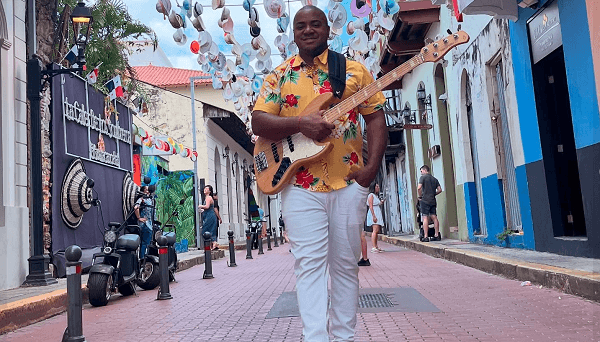
Sebastián Natal in Panama City

After that, he began to create his own tropical music band, inspired by the Venezuelan orchestra Los Adolescentes. All the members were minors, and, as well as in the previous group, Sebastián also played piano and bass.

Sebastián as a producer and composer

Regarding his role as a producer and composer, Sebastián confessed that he has no idea how he came to learn these areas of music. He did emphasize that he always lets his music and his feelings flow to deliver the message he wants to convey in each of his pieces. After that, he defines the ideas and adds the music.

He says he greatly admires professional lyricists and composers. He admits he is neither the best nor the worst composer, but he always tries to reach his own heart to convey what he feels. 

Sebastián Natal Y Grupo Sensación

The idea of Grupo Sensación started with the orchestra of the same name where his father worked in 1982, but unfortunately the group did not have much impact due to how closed that environment was at the time. There were a number of orchestras that got the best contracts, and it was very difficult for the rest to achieve. Over time, Yeneca left Grupo Sensación and managed to join several of these more established orchestras to gain more reputation.

Soon after, when Sebastián moved to the United States, he almost immediately noted that the Uruguayan community needed a tropical orchestra, but he did not know what name give it. With the passing of his father on October 19, 2010, he chose to use the name “Grupo Sensación” as a way to continue the legacy of his father and the tropical movement born in his country so many years ago. 

Sebastián and Pedrito
Pedrito Martínez and Sebastián Natal on stage

Artists he has collaborated with

Sebastián has had the opportunity to collaborate with artists of the stature of Nino Cegarra, Oscar D’León, José Alberto “El Canario,” Domingo Quiñones, Tony Vega, Roberto Blades, Cheo Feliciano, Tito Nieves, Viti Ruiz, and many more. However, few were the ones with whom he has truly been able to have a conversation or a close connection beyond purely profesional relationships.

“You can only say you played with someone if you’ve had a connection with that person. I’ve been able to play with great artists, but many times they don’t even know who I am. That’s why I don’t include them on my resume. Now if they call you back, then you can say you did things very well and that there’s someone really interested in you,” said Sebastián on this interesting subject.

The cases of Bill Murray and Camila Cabello were completely different, as he managed to record songs with them through his friend and fellow musician, Pedrito Martínez, whom he describes as “the best percussionist in the world”. It was also Martínez who connected him with the world-famous composer and guitarist Eric Clapton, with whom he performed at the American Airlines Center in Dallas—one of the most beautiful experiences he has had in his career and his life in general.

Read also: Bandleader and conga player Tony Rosa tells us how he built his career

  • « Go to Previous Page
  • Page 1
  • Interim pages omitted …
  • Page 8
  • Page 9
  • Page 10
  • Page 11
  • Page 12
  • Interim pages omitted …
  • Page 114
  • Go to Next Page »

International Salsa Magazine (ISM) is a monthly publication about Salsa activities around the world, that has been publishing since 2007. It is a world network of volunteers coordinated by ISM Magazine. We are working to strengthen all the events by working together.