• Skip to primary navigation
  • Skip to main content

International Salsa Magazine

  • HOME
  • Previous editions
    • 2026
      • ISM / March 2026
      • ISM / February 2026
      • ISM / January 2026
    • 2025
      • ISM / December 2025
      • ISM / November 2025
      • ISM / October 2025
      • ISM / September 2025
      • ISM / August 2025
      • ISM / July 2025
      • ISM / June 2025
      • ISM / May2025
      • ISM / April 2025
      • ISM / March 2025
      • ISM / February 2025
      • ISM / January 2025
    • 2024
      • ISM / December 2024
      • ISM / November 2024
      • ISM / October 2024
      • ISM / September 2024
      • ISM / August 2024
      • ISM / July 2024
      • ISM / June 2024
      • ISM / May 2024
      • ISM / April 2024
      • ISM / March 2024
      • ISM / February 2024
      • ISM / January 2024
    • 2023
      • ISM / December 2023
      • ISM / November 2023
      • ISM / October 2023
      • ISM – September 2023
      • ISM – August 2023
      • ISM July 2023
      • ISM Edition June 2023
      • ISM – May 2023
      • ISM April 2023
      • ISM March 2023
      • ISM February 2023
      • ISM January 2023
    • 2022
      • ISM December 2022
      • ISM November 2022
      • ISM October 2022
      • ISM September 2022
      • ISM August 2022
      • ISM July 2022
      • ISM June 2022
      • ISM May 2022
      • ISM February 2022
      • ISM January 2022
    • 2021
      • ISM December 2021
      • ISM November 2021
      • ISM October – 2021
      • ISM September 2021
      • ISM August 2021
      • ISM July 2021
      • ISM May 2021
      • ISM April 2021
      • ISM June 2021
      • ISM March 2021
      • ISM February 2021
      • ISM January 2021
    • 2020
      • ISM December 2020
      • ISM November 2020
      • ISM October 2020
      • ISM September 2020
      • ISM August 2020
      • ISM July 2020
      • ISM June 2020
      • ISM May 2020
      • ISM April 2020
      • ISM March 2020
      • ISM February 2020
      • ISM January 2020
    • 2019
      • ISM December 2019
      • ISM November 2019
      • ISM October 2019
      • ISM Septembre 2019
      • ISM August 2019
      • ISM July 2019
      • ISM June 2019
  • Download Salsa App
    • Android
    • Apple
  • Spanish

Search Results for: Cuban

Edgar “Balín” Ocando Venezuelan percussionist musician based in Mexico

Edgar “Balín” Ocando, Venezuelan musician born in Caracas in the parish of El Recreo, specifically in block 7 and 8 of Simón Rodríguez.

He studied music at the José Reyna school located behind the same building where he lived, he also studied at the Conac de Sarria with maestro Orlando Poleo.

In his childhood he met with friends who had the same restlessness and passion for music, getting together every weekend to make noise as the neighbor said to the one who had to endure the music end after end.

As a result of these rehearsals he ended up in a group with which he began his music career and received his first professional payment at the age of 14 with the group Ases de la Gaita, a group formed by childhood friends in order to get away from drugs, which for the 80s was very strong.

Edgar “Balín” Ocando músico percusionista venezolano radicado en México

In high school he joined the ranks of the Venezuelan Children’s Choir under the direction of maestro Raul Cabrera. During his time in the choir, the son of Professor Cabrera, known as Raulito, formed the salsa group Sabor Latino and became part of it.

Coming from a musical family, he always looked for a way to be close to his uncles Rafael and Yelitza Sivira, who were singers of the Polifónico Rafael Suarez and always looked for a way to be present in the rehearsals.

Yelitza Sivira was the one who took the responsibility to take him and he only sat and watched how they vocalized with the piano with the help of the director Maria Cabrera. It was then when they created the Polifónico Infantil Rafael Suarez and he became a baritone.

Already in adolescence at the age of 17 years old, he started working in a bank through a scholarship granted by the institution Insbanca, and while working, the Coral del Banco Italo Venezolano was created, thus participating in bank choral meetings, it was then that he returned to music as an instrumentalist when he saw in a newspaper advertisement that they requested a drummer to be part of a group of bagpipes, for which he went to the audition where there were countless drummers and of which he was left with the position thus becoming part of Estrellas de la Gaita.

The following year he was invited by a friend to join the group Santoral of Freddy Rangel, arriving to record for the first time in Requena Studios, the following year in full rehearsal with Santoral I was called to join the group Los Caracuchos of Joseito Rodriguez, forming part as a drummer for 2 years and recording in Manoca Studios, it was then where he enters the percussion workshops of the Biggot Foundation with the teachers Alexander Livinali and Williams Troconis.

He was in the ranks of important Venezuelan groups and orchestras such as Los Caracuchos, Catatumbo, Los Casanovas, Melody Gaita, Sabor Latino, Orquesta La Moderna, etc.
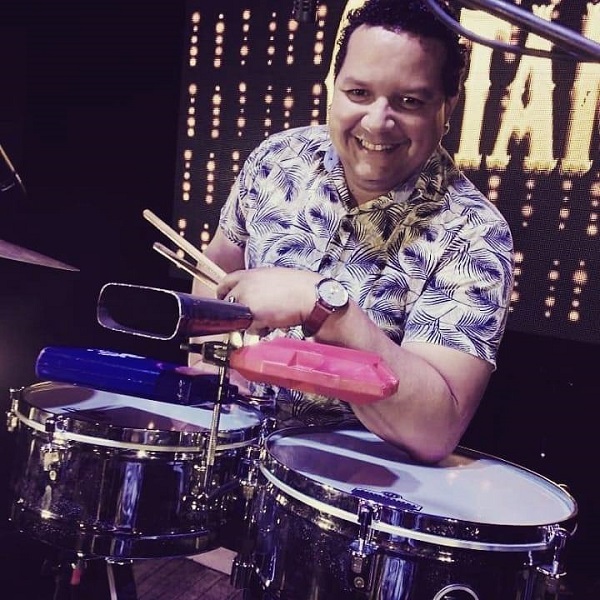
Edgar “Balín” Ocando

In 1999 he changed course and moved to Mexico where he has participated as a percussionist and backing vocalist in groups such as Cokodrilos, Kumbia Kings,

Sonora 100% Dinamita, Alicia Villarreal and today he has his own orchestra called Rumba Latina de Venezuela, which he formed in 2005 and has opened concerts for great international figures such as: Oscar D’ León, Willie Colon, Víctor Manuelle, Porfi Baloa y sus Adolescentes, Nigga, etc.

As well as Mexican artists such as Julión Álvarez, Los Tucanes de Tijuana, Mariana Seoane, El Grupo Pesado, Germán Montero, El Poder del Norte, Emilio Navaira among others.

Integrated by musicians of different nationalities from Venezuela, Cuba, Dominican Republic, Mexico and hand in hand with our representation office and record label Indepe Music, we will continue to bring our music to more and more people in every corner of the country.

Edgar Ocando Manager

Phone (52)-8132179324

Email: [email protected]

Edgar Balin Ocando

You can read: Anacaona The Cuban Female Orchestra
3 Reasons To Stay In Paris This Season

We show you the different places to visit with authentic Salsera fun

Paris (France) has always been a popular tourist destination with musical tradition, and the rhythm of Salsa is no exception. There are plenty of places to dance if you like this Afro-Caribbean tune, but what makes it especially appealing this season? We show you three reasons why you will want to spend more time in the capital of this beautiful Western European country during December 2022.

Latin New Year’s At Cabaret Sauvage

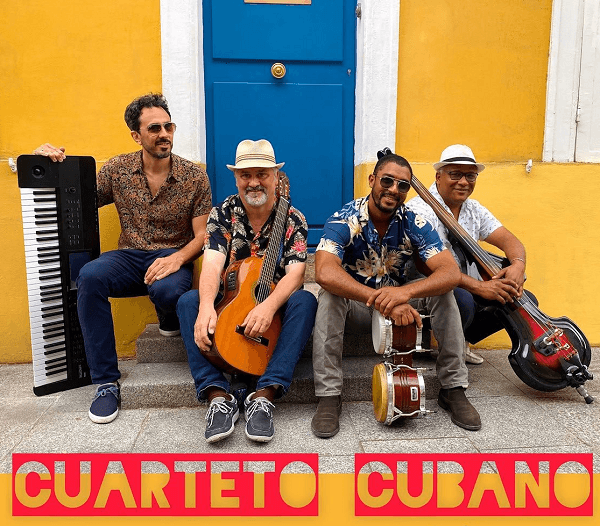
Cuarteto Cubano has toured France’s stages for four years

The biggest Latin New Year’s Eve in Paris will be at Cabaret Sauvage with the live presentation of Cuarteto Cubano playing the great classics of Cuban and French music that will make you travel through old Havana and give French hits an air of partying and joy. The Cuban Quartet www.cuartetocubano.com has toured the stages of France since 2018, always with the same goal of “making people dance and smile”.

Then, the wild mixes by DJ El Dany, DJ Hot Rod, and DJ El Cuco will begin with the best of Salsa, Merengue, Bachata, Guaracha, Reggaeton, Dembow, Funk, and Cumbia together with the magical voice of Cuban singer Denis Mora.

All of this is accompanied by the show of the Latin Cabaret and intelligent Pitshow that will take you into the idyllic atmospheres of the Latin American carnivals with the performances of the divine Cuban dancers Roima and Diane Alcalá who form the duo “Las Mulatas del Sabor” that will transport you to a paradise of the burning party of Havana, Cuba.

Cabaret Sauvage will open its magical doors on Saturday, December 31st, 2022, from 10 PM to 5:30 AM on Sunday, January 1st, 2023. Tickets are already available for reservation, but if you want to purchase them at the box office, they will have a value of €50 all night. Cabaret Sauvage is located at 59, bd MacDonald – Parc de La Villette – Paris 19 M° Porte de La Villette.

¡Vamos Pa’ La Rumba!

Cabaret Sauvage starts Christmas on December 3rd

If you like to dance Salsa, then you can go to Cabaret Sauvage https://www.cabaretsauvage.com/agenda throughout this season. Yes, we continue with the Latin party in this magnificent place.

The ingredients are assembled on the table to make La Rumba an unmissable event for all lovers of Latin music and Latin American culture in a unique party experience in Paris.

The Salsa Concerts will present the best current and classic pieces from the orchestras that make life in the capital of this country, renowned for its wines and haute couture brands.

On the stage of Cabaret Sauvage on Saturday, December 3rd, you will satisfy your Salsa cravings with Salsa Caleña classes with Calisabor instructors, a performance by the Jim López & La Nueva Edición orchestra, and tonight will be enlivened by the Show Super Heroes of Salsa and the mixes of DJ El Dany, DJ Dominicano, and DJ El Cuco de la Salsa.

On the second Saturday of the month (December 10th), the Rumba continues with the second edition of El Perreo de Navidad: Mega Reggaeton Party with the opening of its doors at midnight. Here, you will find until 6 AM the best selection of this urban rhythm that has guaranteed its permanence at the top of popularity among the youngest in France and the world. The DJs present will be DJ El Dany, DJ Ortega Dogo, DJ Lina, and DJ Driver MC. The ticket price at the box office is €20.

France’s  Clubs

Le Balajo nightclub
Le Balajo nightclub

This season you can have fun in Paris with its landscapes, winter climate, cultural offer, sophisticated gastronomy, and above all in the various clubs that offer a palette of Afro-Caribbean colors and Salsa enjoyment, among which the Le Balajo nightclub stands out https://www.balajo.fr/ open since 1936. Every Tuesday there are Salsa and Bachata classes for beginners and intermediate level dancers followed by a Latin party hosted by DJ Karim until 2 AM.

The Parisian Restaurant/ Bar/ Nightclub Pachamama https://www.pachamama-paris.com/index.php/en/home-alt-2/ is located at 46-48 rue du Faubourg Saint Antoine, 75012, in a historic building from the 19th century designed by Gustave Eiffel in the neo-vintage colonial style. It has three levels and is open from Thursday to Saturday from 8 PM to 5 AM with resident DJs lighting up the dance floor (Ground Floor) with harmonious mixes between Latin Music, Soul, Pop, and Deep House.

Finally we bring you the Bar/ Restaurant/ Club La Pachanga https://www.lapachanga.fr/, a place of reference for lovers of Salsa, it is located near the Eiffel Tower at 8, rue vandamme 75014.

At La Pachanga you can attend two-hour Cuban Salsa and Puerto Rican Salsa dance classes from Tuesday to Thursday from 7:30 PM to 9:30 PM, continuing with social dancing and a DJ set until 2 AM. On Saturdays La Pachanga closes its doors at 5 AM.

You Can Also Read: Where To Go Dancing Salsa In Paris?

The multifaceted artist Yamila Guerra and all her projects

Who is Yamila Guerra

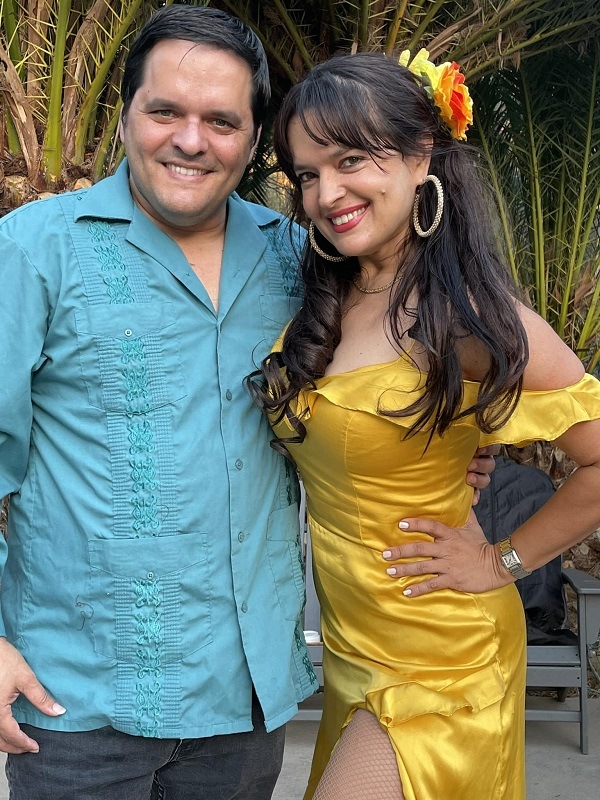
Yamila Guerra is a Cuban singer, dancer, actress and TV host who has always felt a great passion for music from an early age and knew she wanted to devote her life to the world of entertainment. She is the daughter of the famous Cuban duo Rosell y Cary and sister of famous producer, bandleader, arranger, composer, classical guitarist Yalil Guerra, who is a great friend of International Salsa Magazine.

Yamila Guerra in a studio

We had the honor of talking with Yamila for a while and know a little more about her both personally and professionally. It was really a pleasure for us to have had her here and to know more about her great career.

Inclination for the arts from an early age and academic background

Yamila reveals that she has always felt very attracted to the art world and started this journey doing impressions of certain Cuban and foreign artists who she saw on TV. Some of them were friends of her parents’or colleagues because they shared the stage with them in all the activities they did in Cuba.

Evidently, the fact that she grew up in an artistic and musical environment included a lot in the inclination she had towards this world, but it was not the only thing that made her dedicate herself to all this. She always felt a natural and organic attraction to the world of entertainment, music and art.

Seeing that her career began at the Cuba’s National Ballet School, it can be said that the first area in which she began to develop was dance. When she took the physical tests, she was admitted to the institution and attended as a listener until she was old enough to be able to participate in the classes. She feels that she had a complete training because, besides studying classical ballet, she learned all the Cuban dances such as contradanza, Cuban son, cha cha chá, danzón, among others.

Yamila Guerra with his brother Yalil Guerra

At the School of Artistic Varieties, she developed in areas such as acting, singing, music and much more. All these disciplines mentioned above helped her a lot with her professional future.

Once in the United States, she studied at Berkley College of Music and took singing lessons in some genres such as blues, jazz, country, ballads, among others. At other schools, she studied art history, marketing, business, sales and other areas that have served her professionally speaking.

Life in Spain

Guerra tells us that she left Spain and moved to Miami because she could not tolerate its cold climate and wanted to be closer to her family in Cuba, but she has many good memories and is thankful to the European country, as it gave her the opportunity to be a TV host on channels such as TVE, Canal Satélite Digital, Antena 3 and Telecinco. Likewise, she was able to take her music to different stages and many parts of Spain. She felt that the Spanish people welcomed her art with open arms.

Once she moved to Miami, she worked on  ”Sábado Gigante” as an actress with Don Francisco, whom she thanks for the opportunity his team gave her.

Yamila Guerra, His brother Yalil Guerra and their parents Rossel and Cary

How business, economics and legality have helped her in her career

One of the first pieces of advice Yamila gives to anyone who wants to work in entertainment in the United States is to master the English language. The artist defines herself as an eternal student because she has always liked to learn everything, especially languages. In fact, when she was in Spain, she paid for an English academy once a week to learn that language because she knew it would be very important in her career in terms of negotiation.

She also stresses that it is important to find out about legal and business issues to deal with clients and partners in the best possible way and avoid loopholes that naturally arise in the entertainment world. Yamila believes that it is very important to separate art from business and ”not to be trusted with money”. The Cuban highlights the importance of being pragmatic about making decisions and not allowing the artistic part to prevent people from making the right decisions at the level of business.

Social media

The talented performer considers that social networks are a fundamental part of her work and promotion, so she thinks it is important to have a presence on each and every one of them and design a strategy depending on the characteristics of each one. She considers that it is very important to post videos and photographs in order to promote her work, but also use her platforms to talk about other more personal topics such as family, beauty, nutrition, love and other things. That variety of facets is what attracts so many people to her content.

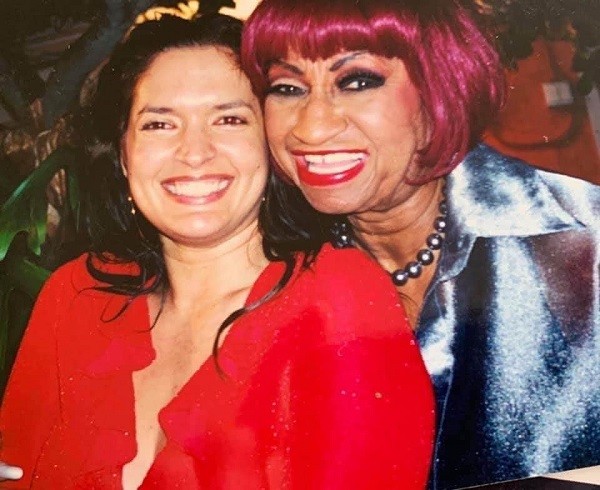
Yamila Guerra with Celia Cruz

As for her personal tastes, she confesses that she loves Tik Tok because she considers it a very organic and authentic platform. This is where she posts videos of herself acting and giving her opinion about all kinds of topics, something that gives her great exposure.

On this same issue, she stated that social networking has become essential to all types of professions and that we must all be present on them as much as possible because they have become part of our letter of introduction to others.

Tradicional Cubano

Yamila had been wanting to make an album fully dedicated to traditional Cuban music, which she considers to be the most flavorful, since it does not need a lot of instrumentation to feel it. It is very old, but it does not lose its flavor and its validity over the years. This is how her latest album ”Tradicional Cubano” came about.

This album includes composers such as Ignacio Piñeiro and Celina González. Guerra wanted to rescue this repertoire that she listened to when she was a child, since it always caught her attention and she was fascinated to be able to portray the Cuban culture and the lives of Cubans.

Read also: We interviewed IndiviDúo singers Tiffany Joy and Maqui Reyes

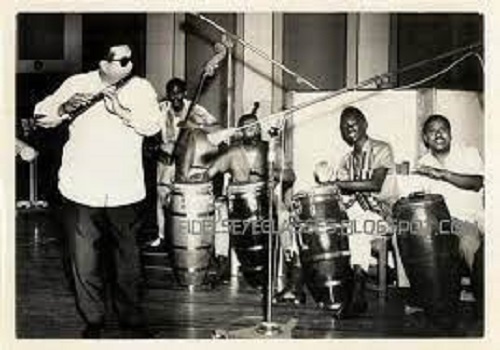
José Fajardo was a virtuoso flutist, composer, orchestra conductor and music producer

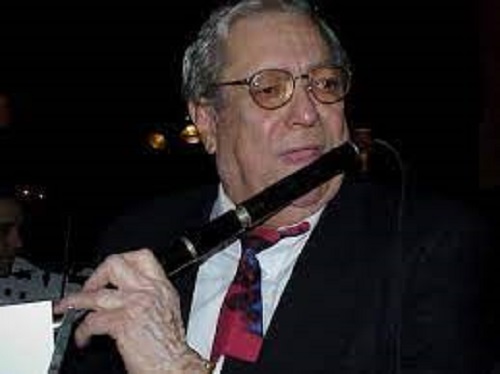
José Antonio Fajardo, in the month of November we refer to one of the greatest musicians that the island of Cuba has given in the last century; we are talking about maestro José Antonio Fajardo Ramos: flutist, composer, orchestra conductor and music producer; one of the great promoters of Cuban music represented in the rhythms of bolero, son, guaracha, mambo, chachachá and pachanga.

José Fajardo was born in Guane, province of Pinar del Río in 1919. He began his musical career as a maraquero in his father Alberto Fajardo’s orchestra, later he took up the flute.

From the age of 16 he was part of several groups such as: Joseíto Fernández, Paulina Álvarez, Melodías del 40, La Romance de René Álvarez, the orchestra of maestro Antonio María Romeu, the orchestra of pianist Luis González Valdés: “Neno” González and the orchestra of Antonio Arcaño, known as Arcaño y sus Maravillas.

José Fajardo fue un virtuoso flautista

After his time in these famous groups, in 1949, Fajardo created his own orchestra called Fajardo y sus Estrellas, with musicians such as: Orlando “Cachaito López”, René Fernández on piano, violinists Ignacio Berroa and Félix Reyna, who was also the composer; percussionist Jesús Esquijarrosa on timbales; Carlos Real on tumbadora and Rolando Valdés on güiro; in the vocal part he initially integrated Joseito Valdés.

In the early fifties, with the boom of chachachá in 1951, things improved a lot and the charangas orchestras began to perform in the best cabarets, aristocratic salons and private parties of high society, such as the Montmatre and Tropicana cabarets.

Fajardo became internationally known in the mid 50’s at the head of his orchestra, Fajardo y sus Estrellas, he was the first charanguero to introduce the cymbals to the timbal and the pioneer in the incorporation of the cowbell and the bongo to the charanga, his group was one of the sensations of the golden age of chachacha and pachanga.

After going into exile in the 1960s, he toured Asia, Africa, Europe and Latin America, popularizing an eminently Cuban repertoire.

Maestro José Fajardo has been one of the only musicians who have stood out in different periods of Latin music; initially in Cuba, in the 50’s with the arrival of Chachachá, later in the era of Pachanga and Boogaloo, in the sixties in the United States, and he also came to prominence in the golden era of salsa in the seventies and eighties of the last century.

In the seventies, eighties and later, the flute master recorded with Joe Quijano & His Conjunto Cachana, Tico-Alegre All Stars; Ray Barretto and Adalberto Santiago; Johnny Pacheco, Pupi, Javier Y Su Charanga; Jimmy Sabater, Orlando Contreras, Alfredo Valdés Jr, Fania All Stars, Louie Ramirez, Graciela and Mario Bauza, Israel “Cachao” Lopez, with our great Joe Arroyo in the nineties and with Hector Casanova, Mario Muñoz, Andy Gonzalez, Eddie Montalvo, Manny Oquendo, Alfredo “Chocolate” Armenteros, Carlos “Patato” Valdes, Alfredo Rodriguez and Francisco Aguabella.

After a brilliant musical career spanning more than six decades, Maestro José Antonio Fajardo passed away in New York City on December 11, 2001, leaving an enormous legacy to our culture.

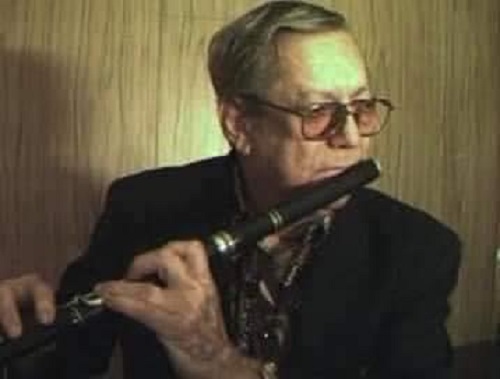
José Fajardo fue un virtuoso flautista, compositor, director de orquesta y productor musical

The great musical contribution of this portentous son of Pinar del Rio, has highlighted him as the highest flute of Cuba and Latin America, a true ambassador of Cuban music and salsa in the world; from our beautiful page ‘Los Mejores Salseros del Mundo’ we want to highlight the enormous artistic career of maestro José Antonio Fajardo Ramos as a tribute to his wonderful musical work.

José Antonio Fajardo,  uno de los más grandes músicos que ha dado la isla de Cuba

José Fajardo Jr.

You can read: Ángel Bonne He was part of Juan Formell’s Los Van Van Orchestra, and collaborated with the impressive Irakere band of maestro Chucho Valdés

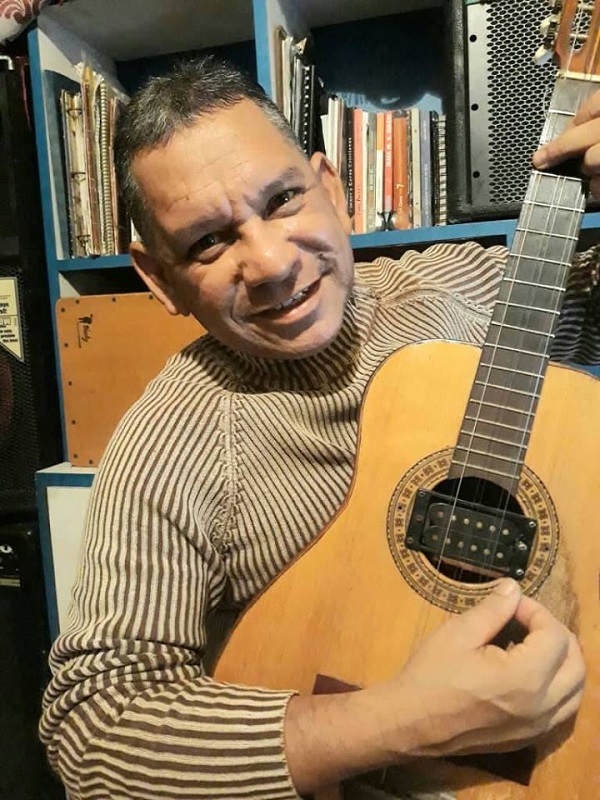
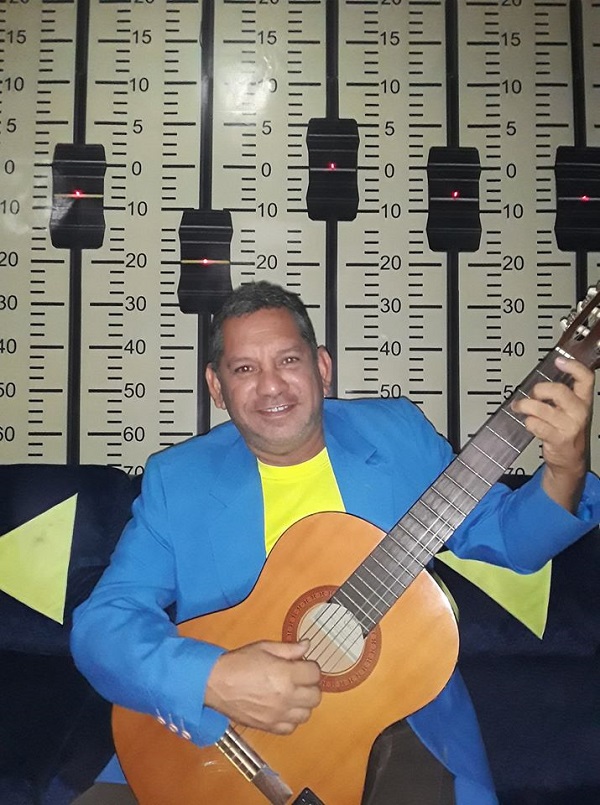
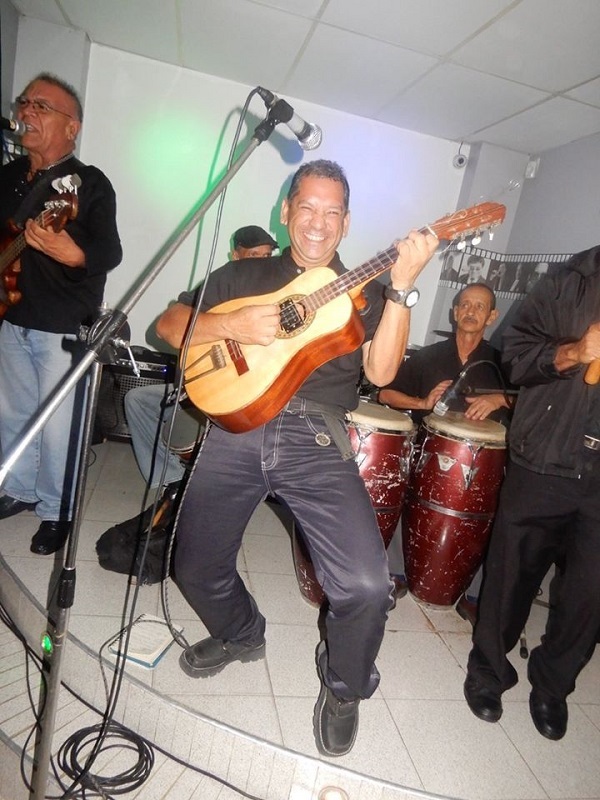
Today’s feature in “International Salsa Magazine” is multi-instrumentalist Jorge Gregorio Rojas Perozo

The name of the city of Barquisimeto continues to be known as the musical capital of Venezuela.

Characteristic by which, for years, is national and international reference and for proof of this, excellent musicians born in this city, who triumph and shine with their own light, demonstrating quality and versatility in all Latin rhythms stand out.

And today’s character in “Salsa Escrita” is the multi-instrumentalist Jorge Gregorio Rojas Perozo, artistically known as Jorge “El Papi” Rojas, extraordinary tres player, guitarist, bassist, arranger, composer, producer and teacher of Latin rhythms and tumbaos.

Jorge Gregorio Rojas Perozo

“El Papi”, as he is commonly known, was born on November 28th in the city of Crepuscular and from a very young age he started in this wonderful art of music, studying at the Vicente Emilio Sojo Music Conservatory.

Welcome Jorge to “Salsa Escrita”, through International Salsa Magazine, www.salsagoogle.com our readers want to know your wide and successful trajectory.

Thank you Professor Carlos Colmenárez for giving me the opportunity to appear in your well read and well known salsa column.

Jorge, tell us in general terms, with which groups have you been part of?

Professor, in 1986 I was director and founder of Grupo Identidad Caribe, in the salsa genre, then in 1987, founder of Grupo Miyare, also salsa.

From 1988 to 1992, director of the Orquesta Profecía (Christian salsa); 1996 to 2003, director of the Orquesta Monumental. From 2003 to 2008 I was director of the Epsilon Band (rock-pop) with music from the 60’s, 70’s and 80’s and from 2003 to 2010, bass player, accompanying on tours in Venezuela of: Henry Stephen, Trino Mora, Los Tres Tristes Tigres, Carlos Moreno, Los Pasteles Verdes, Los Ángeles Negros, Mirtha Pérez, Tania and Leo Dan; from 2007 to 2009, accompanying musician for singers: Mervin Rodriguez, Aurita Uribarri and Marco Molina.

Jorge “El Papi” Rojas, extraordinario tresista, guitarrista, bajista, arreglista, compositor

In 2012 to the present, tres player of “Sasón Latino”; in 2018, musical director of the Orquesta Siete Mangos y una Flor.

Today I direct the salsa group “Coimbre” and in parallel I am recording my own production of salsa and sones with lyrics and arrangements of my authorship to provide a contribution to Latin music from the state of Lara.

Also, I am giving virtual classes of Latin rhythms and tumbaos in the Cuban tres, bass and guitar, both nationally and internationally.

Very interesting and admirable your trajectory; Jorge, by the way, I remember a performance of you with the “Orquesta Profecía”, alternating with the “Estrellas de Fania” in the Municipal Coliseum of Barquisimeto, how was that experience? Well professor, it was an unforgettable experience, to be sharing the stage with Ismael Miranda, Larry Harlow, Bobby Valentin, Richie Ray, Bobby Cruz, Pete “Conde” Rodriguez and Jhonny Pacheco; in an unforgettable night, where we opened that concert, taking pleasant impressions from the audience and salsa specialists.

Jorge “El Papi” Rojas

And I tell you professor, besides alternating with Fania here in Barquisimeto, we also did it in the Poliedro of Caracas, in a tour made by them in our country in 1993.

And as for international tours, which countries have you visited? Professor Carlos, I had the honor of performing in the brother country of Neogranadino with the salsa group “Coimbre”, where the Colombian salsa public enjoyed the Afro-Caribbean music, made by musicians from Barquisimeto; visiting the cities of Cucuta and Medellin.

Recently we accompanied the sonero Ramoncito Mendez in his show at the end of 2019, here in the state of Lara. Current projects “Papi”, what do you have out there? Friend Carlos, at the moment, as I told you at the beginning, I am finishing my production and simultaneously I am teaching online classes, with people from abroad.

What are your digital platforms? They are, Facebook: Jorge El Papi Rojas; phone +58 426 3531337; email: [email protected]. Finally, on behalf of Salsa Escrita, we would like to congratulate you for your vast and interesting artistic career and we hope you continue to succeed in our country and abroad, with the help of God Almighty.

Multi-instrumentista Jorge Gregorio Rojas Perozo

Thank you Professor Carlos Colmenárez, for the interview in your salsa column, very grateful and I wish you long life to continue supporting and projecting the musicians from Barquisimeto, Venezuela and around the world.

Jorge El Papi Rojas

You can read: Henry Valladares, a brilliant, versatile, and disciplined percussionist

  • « Go to Previous Page
  • Page 1
  • Interim pages omitted …
  • Page 75
  • Page 76
  • Page 77
  • Page 78
  • Page 79
  • Interim pages omitted …
  • Page 114
  • Go to Next Page »

International Salsa Magazine (ISM) is a monthly publication about Salsa activities around the world, that has been publishing since 2007. It is a world network of volunteers coordinated by ISM Magazine. We are working to strengthen all the events by working together.