• Skip to primary navigation
  • Skip to main content

International Salsa Magazine

  • HOME
  • Previous editions
    • 2026
      • ISM / March 2026
      • ISM / February 2026
      • ISM / January 2026
    • 2025
      • ISM / December 2025
      • ISM / November 2025
      • ISM / October 2025
      • ISM / September 2025
      • ISM / August 2025
      • ISM / July 2025
      • ISM / June 2025
      • ISM / May2025
      • ISM / April 2025
      • ISM / March 2025
      • ISM / February 2025
      • ISM / January 2025
    • 2024
      • ISM / December 2024
      • ISM / November 2024
      • ISM / October 2024
      • ISM / September 2024
      • ISM / August 2024
      • ISM / July 2024
      • ISM / June 2024
      • ISM / May 2024
      • ISM / April 2024
      • ISM / March 2024
      • ISM / February 2024
      • ISM / January 2024
    • 2023
      • ISM / December 2023
      • ISM / November 2023
      • ISM / October 2023
      • ISM – September 2023
      • ISM – August 2023
      • ISM July 2023
      • ISM Edition June 2023
      • ISM – May 2023
      • ISM April 2023
      • ISM March 2023
      • ISM February 2023
      • ISM January 2023
    • 2022
      • ISM December 2022
      • ISM November 2022
      • ISM October 2022
      • ISM September 2022
      • ISM August 2022
      • ISM July 2022
      • ISM June 2022
      • ISM May 2022
      • ISM February 2022
      • ISM January 2022
    • 2021
      • ISM December 2021
      • ISM November 2021
      • ISM October – 2021
      • ISM September 2021
      • ISM August 2021
      • ISM July 2021
      • ISM May 2021
      • ISM April 2021
      • ISM June 2021
      • ISM March 2021
      • ISM February 2021
      • ISM January 2021
    • 2020
      • ISM December 2020
      • ISM November 2020
      • ISM October 2020
      • ISM September 2020
      • ISM August 2020
      • ISM July 2020
      • ISM June 2020
      • ISM May 2020
      • ISM April 2020
      • ISM March 2020
      • ISM February 2020
      • ISM January 2020
    • 2019
      • ISM December 2019
      • ISM November 2019
      • ISM October 2019
      • ISM Septembre 2019
      • ISM August 2019
      • ISM July 2019
      • ISM June 2019
  • Download Salsa App
    • Android
    • Apple
  • Spanish

Search Results for: Dancing

5th Rumba y Manana Afro-Cuban Festival in Cracow

Europe / Poland / Cracow

Rumba y Manana is a vibrant world of Afro-Cuban stories and legends coming alive in music and dance.

Rumba y Manana
Rumba y Manana

Rumba y Manana was born out of a pure passion for Cuban rumba and afro along with all they bring: roots, tradition, wealth of rhythms and movements, unlimited possibilities of interpretation, all the wide range of emotions and utility in the modern Cuban music and dance as well as all the amazing joy they bring.

  • We intend to create a place to develop and deepen your skills and knowledge of these dances, as we believe there is a true strength hidden in them.
  • We want them to become more and more popular, as they fully deserve it.
  • We want to share the joy and happiness of dancing them.
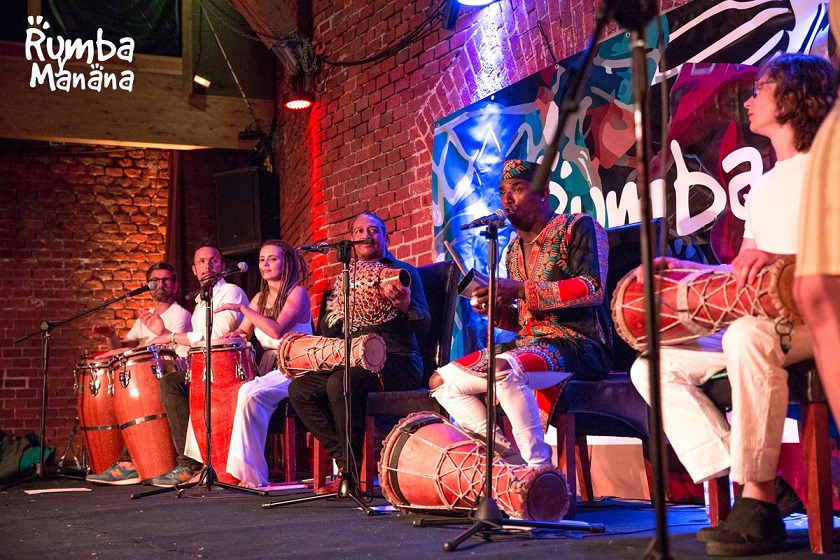
Rumba y Manana rumba in Cracow

We have also created another event to popularize rumba and Afro-Cuban dances: Sabado de la Rumba – a younger sister of Rumba y Manana. Sabado de la Rumba is a projector meetings with live music concerts and free-dancing accompanied by few workshops. We’ve hosted two editions of them in Cracow, where we always invite.

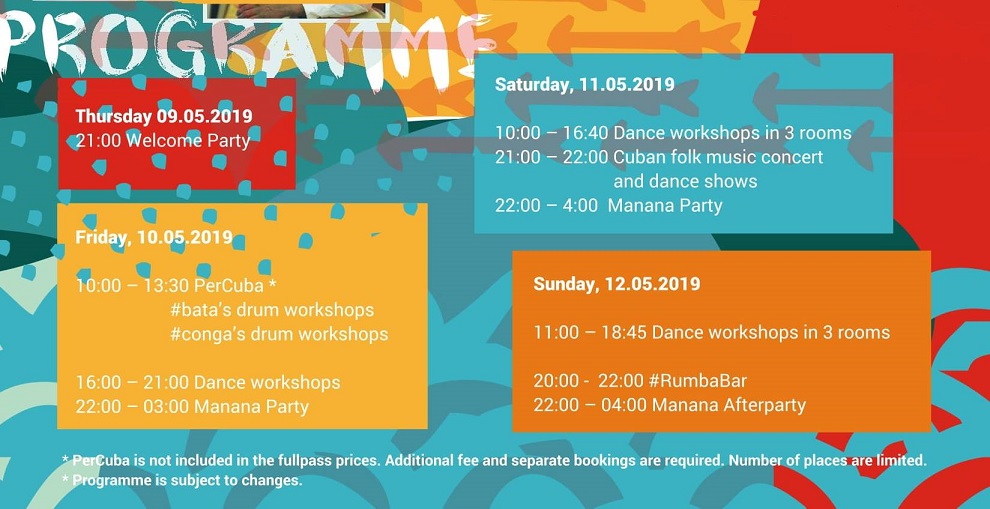
  • 3 workshop rooms , two of them with live music!
  • 4 levels of teaching : begginers, open, advanced, masterclass
  • One workshop room dedicated to Salsa
  • 3 salsa cubana parties with the best DJ!
  • Live Concert & Orisha show
Rumba y Manana Programm

Tickets & Programm: http://rumbaymanana.pl/

Pupy Pedroso An Ambassador of Cuban Music in the World

Latin America / Cuba / La Habana

When we talk about the beautiful island of Cuba, it is impossible not to automatically think of its rich and ancient musical culture. We are talking about a small piece of land in the world, of that long Caribbean, but it is full of the most successful musicians of Cuba. the history of Latin rhythms.

It all lies in the Spanish and African influences that came to the Island hundreds of years ago, that race that was created from the strings and the drum, from the white and the black, from singing and dancing.

On this occasion I feel very proud to be able to speak directly with a cultural ambassador, recently appointed by the Latin Institute of Music, the leader of those who are are and one of the founders of the very famous Van Van orchestra, the great Cesar Pupy Pedroso, teacher of teachers, as we have called him for this occasion.

Good morning maestro, thank you in advance for the time you give us to all the readers of the International Salsa Magazzine and the portal www. salsamundi.com.

“Well, here I am very happy to be able to talk a little with you and grateful that you want to talk about this server”

Maestro with 19 years of foundation with Pupy and those who are maestro, tell us how the idea of ​​founding this great orchestra was born after making the whole world dance with the Van Van.

“The idea for the project ‘’Los que Son Son’’ arose from a recording I made (while in Los Van Van) with songs of my authorship performed by an internationally renowned performer. (Omara Portuondo, Rolo Martínez, Xiomara Laugart, Raúl Planas, Caridad Cuervo, Pedro Calvo, Raúl Planas etc…etc..) From that moment on I got the idea of ​​making another album with other performers, with a German publisher, and The album was called César Pedroso y Los que Son.

There came a time when I was on tour with Van Van and the dancers came with the records, so I could sign them, and it was then that the idea came to me of forming an orchestra and leaving Van Van and calling it ‘Los que Son Son’. . ”

Why Pianist?

“In my house when I was born there was already a piano, my father was a pianist, and children always want to be like their parents, and I was not going to be the exception, regardless of the fact that I liked the piano since I was little.”

What theme do you consider the flag of Pupy Pedroso’s new journey? When your orchestra opens

“Themes of the new transit: themes like ”What are the things in life” ””A crazy man with a motorcycle” ”Mommy behave well”, ”They’re calling me” and of course ”Six weeks “”

Pupy Pedroso
Pupy Pedroso

Tell us the story of the musical piece “De la timba a Pogolotti” does it tell us about a change in your life?

“From Timba to Pogolotti: It arises from a piano solo that I did in ”Sandunguera” and Pedrito Calvo identified me, as ”Pupy the sandunguero of Pogolotti” and the neighbors of La Timba (neighborhood where I I was born) they asked my older relatives why they said about Pogolotti, if I was born in La Timba, then I wanted to be okay with the two neighborhoods, when I made ”Los que Son…”

Well, I made that song in honor of the two neighborhoods, because I was born in La Timba, but I grew up in Pogolotti, and all my childhood friends are from Pogolotti, I don’t have friends in La Timba, and I consider that one is from where one is from. upbringing, not where he was born, because all the customs, friendships, first ”girlfriend” were Pogolotti’s.”

Which song is your favorite from Van Van’s golden era?

“If you talk to me about the songs from Van Van’s golden age, there are several, of mine the authorship of Maestro Formell and others of mine, for example of the maestro, there are several, “My doubts” ”Marilu”” The Painful” ”There are women” ”I’m everything” and one of mine: ”Six weeks “Sugar” ”The Negro is cooking” ”It must be over” ”That’s good ”, among many others, we live in a wonderful time”

Since August 2018, he was named Cultural Ambassador by the Latin Music Institute. Do you consider it an achievement or a new commitment?

“I consider both things, an achievement because it is not easy in a country with so much talent and so many performers to take me into account for said recognition, and at the same time a commitment, because I am obliged not to let my musical guard down in any way.” sense.”

Maestro comes from a family of great musicians, his grandfather a director, his father a pianist, both from great Cuban orchestras. Can we say that being a musician in your family comes in your blood? Is it inherited in the genes?

“Yes, sir, I am grateful for having been born in this family where there was so much musical talent, where only music was breathed, my autistic grandfather, director of an orchestra called ”Cuba”, my uncle a percussionist in an orchestra very famous for that ”Arcaño y sus Maravillas” era, and I believe a lot in the musical heritage because I consider myself a product of it.

As a pianist, it is because my fundamental patron was my father, from whom I copied and learned a lot from what I could discreetly practice and as a conductor, because I had the joy of having worked with different directors, Rolando Valdés, Enrrique Pérez, I assisted in substituting for my father and the ones I spent the longest time with, Elio Revé and Juan Formell, I spent 6 years with Revé and 32 with Formell and I learned a lot with both directors, I was lucky.”

To what do you owe your great success as a pianist and conductor?

“I think that to be good at any career, the fundamental thing is that you like it and have the aptitude for it, I think that music does not escape from that rule, because you can like it, but if you don’t have the aptitude, don’t waste your time, and Maybe if you have aptitude and you don’t like it, over time you may like it and fall in love with it, so aptitude is the fundamental thing.”

What is your greatest reference or influence in music?

“My greatest influence is Son, I love Son, rumba, guaguancó, Cuban music and Brazilian music, jazz, but my greatest influence is Son.”

Currently, how do you see timba within the island of Cuba? Minimized by Cubaton or leader of local rhythms?

“I believe that at all times, there have been different musical genres, which have been in the preference of the dancer, in the era of Rock and Roll they danced with Elvis Presly, with Bill Halle and his comets, with Little Richard, but also they danced with Aragón, Benny Moré, Sonora Matancera, among others,…

but today the balance leans more towards these foreign movements, good and bad, and that is happening all over the world, in the dance area, but I do not consider our dance music critical or dead, because there is taste for everything and every time “A convening orchestra performs on an open-air stage, it overflows with audiences, that means we are in battle, and the country that has the most musicians making a living from music is Cuba.”

Tell us about the 2019 projects? New CD? Tours?

“Fundamentally starting the next album, the release of a documentary of a tour we are doing in Cuba and some presentations abroad, to reappear again at the end of the year in Europe, with one of the dance hits from France:

”Having a good time”, I make a parenthesis, clarify that there are countries where our music prevails (El Son, La Timba, La Salsa) like Peru and Colombia, Cuban rhythms are still in fashion, thanks to many musicians and orchestras that make a great job for the dissemination, to the printed media and now the digital wave that quite develops our work, look, you are an example of this, we hope to continue giving our audience reasons to dance.

In August we return to South America, it is the tour we are most looking forward to, the Latin public is one of the best, we think about stopping in August in Colombia, Ecuador and Peru, in the same way we are now planning to organize the calendar, for businessmen or producers who wish to have us in their cities, must contact our direct representatives, talking to them is like talking to Pupy”

What should a producer do to have them in their Latin American projects?

“No compadre, very simple, contact them at these numbers +573022582306 and +51992630351, they are the only ones authorized to market our tour, we want to be in all the cities of Latin America.”

Grateful teacher for your time and for letting us get to know you a little, may the successes continue for what they are.

“Grateful to you, thank you for the dissemination you make of the popular dance music of my island.

It remains to leave you the social media links of such an important orchestra so that you can follow in its footsteps and find out about the development of the successes of this great band, on Facebook:

@pupypedroso and the numbers

+573022582306 and +51992630351.

Legacy of the Cepeda family after eight generations

As all our readers may know, this is a space devoted entirely to the promotion of salsa and other derivative styles, but that does not mean we should leave out other Latin genres that also deserve to be promoted and recognized worldwide. Such is the case of bomba and plena, which we are going to talk about in the next lines.  

Bomba and plena are two Puerto Rican musical genres that initially became popular at the local level, but little by little, they have received international notoriety thanks to certain groups of Puerto Ricans who have devoted considerable effort to take their culture to as many places as possible in the world. This is how we get to the theme of the Cepeda family and all that its members have done for bomba and plena.  

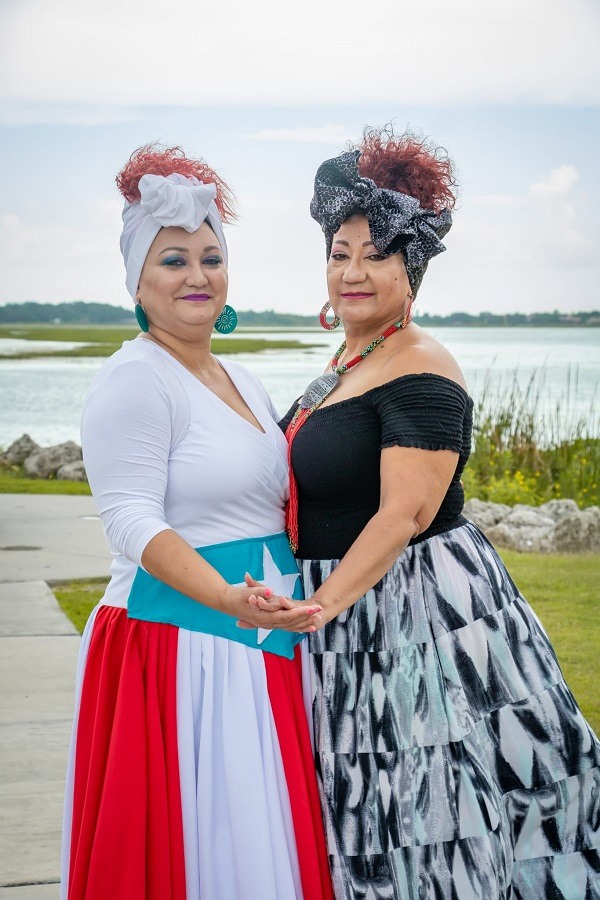
Bárbara and Margarita
Bárbara Liz Ortiz Sánchez and his mother Margarita ”Tata” Cepeda

The Cepeda Family  

The Cepeda family is a cultural institution that has been given the task of promoting bomba and plena for eight generations, so that they can be heard and danced all over the world. Don Rafael Cepeda Atiles, a professional musician and composer with an extensive career who has left a great legacy thanks to his hard work during his lifetime, which keeps current thanks to his descendants. 

When he married Caridad Brenes Caballero, he involved her in all his artistic activities and became a fundamental support for the musician in his work. The lady became a professional bomba and plena dancer, costume designer, and choreographer, which made her shine with her own light in every project directed by her talented husband.  

During his career, Don Rafael created several musical groups and, over the years, he and his wife involved their children and other family members to collaborate in what would become a renowned family business. 

One of the artist’s greatest achievements was the development of a cultural movement around the rescue and preservation of local traditions related to bomba and plena, which were thought to be lost. He was also decorated with the Smithsonian Institute’s National Endowment for the Arts Fellowship for his contributions to music. 

All this legacy remained in the hands of Don Rafael’s family and one of the first to do something about it was his son Modesto, who founded the Escuela de Bomba y Plena Don Rafael Cepeda in Santurce, Puerto Rico. This institution was created in order to teach bomba and plena in the areas of dance and percussion. 

Those who would follow these steps would be Margarita ”Tata” Cepeda, granddaughter of Don Rafael and Caridad, and Barbara Liz Ortiz Sanchez, great-granddaughter of Don Rafael and Caridad. Margarita currently runs the Escuela de Bomba y Plena Doña Caridad Brenes de Cepeda and her daughter, Barbara Liz, runs the Escuela de Bomba y Plena Tata Cepeda in the state of Florida. It was precisely the latter with whom we had the pleasure to talk about this project and the plans she has for the future.  

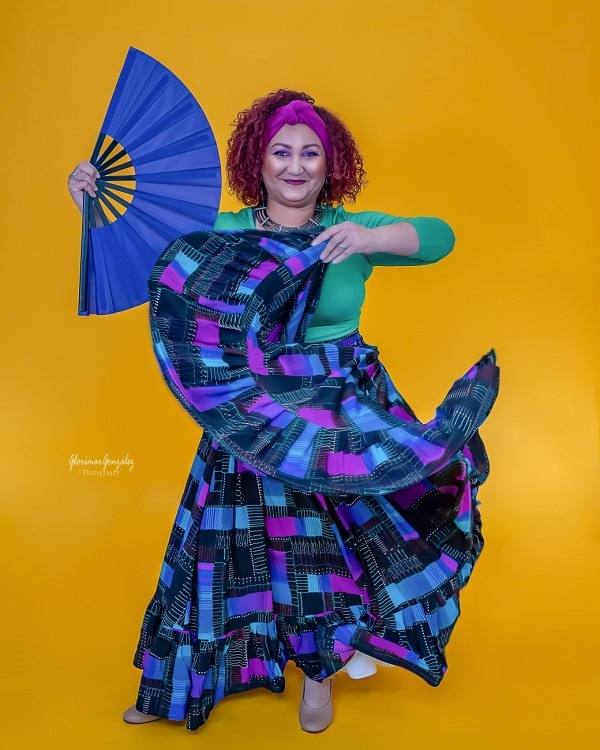
Bárbara and her bomba custome
Bárbara Liz wearing her bomba attire

Barbara Liz from the Escuela de Bomba y Plena Tata Cepeda 

Barbara Liz belongs to the seventh generation of the Cepeda family and her children, who also dance bomba and plena, would belong to the eighth generation. She says that each family member has tried to endorse Don Rafael’s legacy in their own way. In her particular case, she has spent five years running the Escuela de Bomba y Plena Tata Cepeda in Florida, which she decided to baptize with his mother’s nickname, which is Tata, to pay tribute to her in life.   

Although the operation of her school and his mother’s are different, they usually work together in cases that require it. For example, if for some reason a student cannot pursue his education here because he is going to Puerto Rico, he can continue studying at the school located on the Island of Enchantment without any problem.   

”We didn’t have a curriculum or educational program to follow to teach bomba and plena, but my mom was responsible for creating one so that we could teach dance and percussion with a clearer methodology,” said Bárbara Liz. 

As a result of Hurricane Maria, many Puerto Rican families went to live in Florida due to the loss of their properties and material things, so the students of the school in Puerto Rico became able to enroll in the Florida school instead. It can be said that they are sister schools working together towards the same goal.   

Percussion and dance in bomba and plena  

Something Bárbara Liz wanted to highlight about this point is that many girls are enrolling in her school to learn to play percussion, something that did not happen very often. 

At other times, it was believed that percussion in bomba and plena was exclusively for men and dance for women. In more conservative versions of these genres, women only sang and men were responsible for dancing and playing instruments. 

That has been changing over time. Nowadays, there are many guys who are setting their sights on dancing and many girls are having an interest in the percussion part. Every day, the female part is becoming more and more relevant in the different areas of bomba and plena.  

In addition to all this, the institution’s teachers also teach quite a bit about the emergence and history of these two genres, so that their students are not just dedicated to playing and dancing, but also know the origin of everything they learn now.   

Differences and similarities between bomba and plena 

When we wanted to know a little about the differences and similarities between bomba and plena, Bárbara Liz explained to us that both genres were very different from each other. The rhythms, the instruments used and the ways of dancing have many differences in both.   

In the case of bomba, this is the oldest musical genre and dance in Puerto Rico and is born from a barrel-shaped instrument, which is one of its most representative elements. It is also known as the ”first sung newspaper”.  

Similarly, it is the dancer who sets the pace for the percussionist, not the other way around. The musician should be guided by the footsteps of the dancer, which often gives rise to completely new rhythms.   

Plena was born a few years later with certain variants of bomba and is called the ”second sung newspaper”. It was plena that inspired several of the Cepeda family members to create their own groups such as the Grupo Gracimá (a variant of bomba), which originated in the school owned by Margarita in Puerto Rico.  

In contrast, Bárbara Liz named her professional group Kalindá in honor of one of the most popular variants of bomba. 

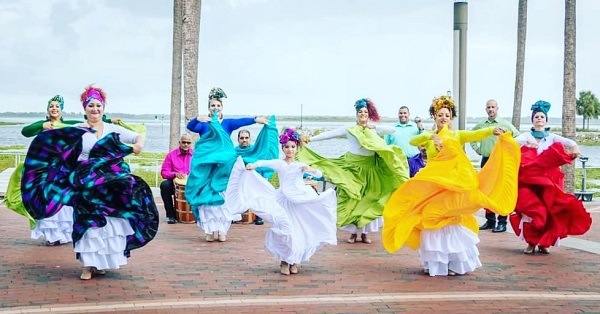
Bárbara and Kalindá
Bárbara Liz and her professional group Kalindá

Tributes 

Something that makes Bárbara Liz very proud is that both she and her mother had the opportunity to go to the Smithsonian National Museum in March to pay tribute to their ancestors and the genres that her great-grandfather promoted so much in life. 

At the time, Don Rafael donated some items related to bomba and plena such as barrels, a güiro and barrels However, some bomba costumes were missing to complete the collection, which were given by Bárbara Liz and Margarita to be exhibited in the institution, so anyone interested in learning more about Puerto Rican genres and musical culture can visit the place and cherish these valuables. 

Read also: Yani Borrell ‘‘El Elegante de La Salsa”

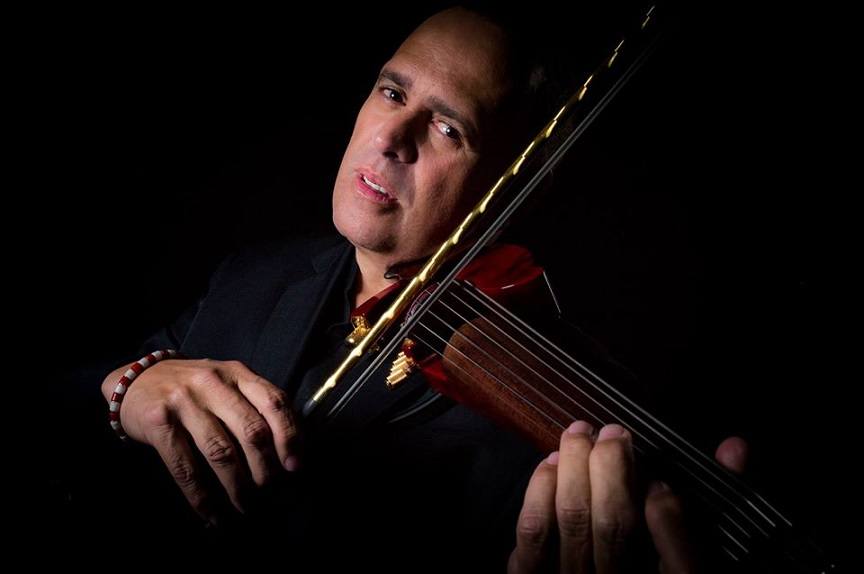
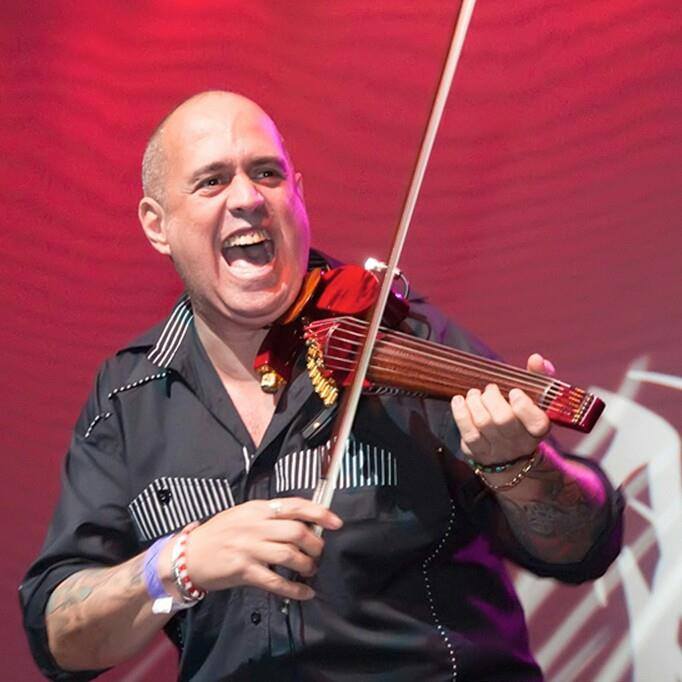
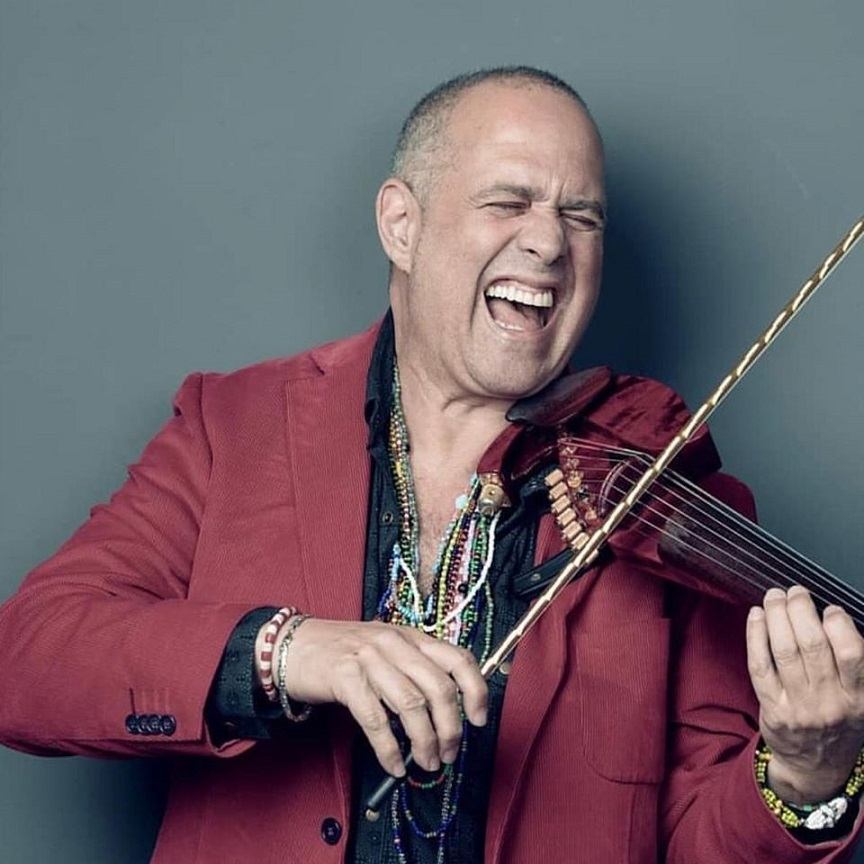
Alfredo De La Fe, is responsible for transforming the violin for Latin Music

Latin America/ Colombia/ Cali

Alfredo de la Fe is a Cuban-American violinist based in New York, who also lives in Colombia.

He is responsible for transforming the violin into a sound much more suitable for Salsa and Latin music, as well as having manufactured and patented his own violin. De la Fe began studying the violin at the Amadeo Roldán Conservatory in Havana in 1962.

Two years later, he receives a scholarship to enter the Warsaw Conservatory, in Poland.

In 1965, he soloed compositions by Mendelssohn and Tchaikovsky with the Metropolitan Opera Orchestra at Carnegie Hall.

Alfredo De La Fe playing the violin

A scholarship at Juilliard opened new doors for him. De la Fe began his professional career, at the age of twelve, when he switched from classical music to Salsa, and accepted an invitation to join charanga legend José Fajardo’s Orchestra.

In 1972, he joined the Eddie Palmieri orchestra. He was a member of the group for a very short period, temporarily moving to San Francisco, where he met Santana. Returning to New York, De la Fe joined Típica ’73 in 1977. Two years later, he released his debut solo album, Alfredo.

In 1980, De la Fe signed with the Fania All-Stars, and produced thirty-two albums for Fania Records. His second solo album, Charanga ’80, was released in the same year.

In 1981, De la Fe became musical director of Tito Puente’s Latin Percussion Jazz Ensemble.

The following year, he confirmed his solo career, signing with Taboga, for whom he recorded the album Triunfo. He settled in Colombia in 1983, and signed with Philips; As a result of this, he released three albums: Made in Colombia, Dancing in the Tropics and Alfredo de la Fe Vallenato, at the end of the 80s.

In 1989, De la Fe signed with Discos Fuentes. Although he was one of the members of the Fania All-Stars for 1995, De la Fe continued his solo career.

He signed with Sony Music in 1997. Two years later, he toured with his own orchestra, appearing at festivals in Denmark, the Netherlands, France, Turkey, and Belgium, and reuniting with Eddie Palmieri and his orchestra for a European tour.

In 2002, after several years in Europe, Alfredo moved back to New York and visited the US with his New York band, led by pianist Israel Tanenbaum.

Alfredo De La Fe
Alfredo De La Fe

Other musicians including bassist Máximo Rodríguez, percussionists Tony Escapa and Johnny Pequeño Rivero, and autistic Andrea Brachfeld.

Discography Solo albums

  • 1979 : “Alfredo”
  • 1980 : “Alfredo de la Fe y la charanga 1980”
  • 1981 : “Para África con amor”
  • 1982 : “Triunfo”
  • 1984 : “Made in Colombia”
  • 1985 : “Alfredo de la Fe Vallenato”
  • 1990 : “Salsa”
  • 1990 : “Los violines de Alfredo de la Fe”
  • 1992: “Los violines de Alfredo de la Fe vol. 2: Sentir de Cuba”.
  • 1993 : “Con toda la salsa Alfredo de la Fe”
  • 1995 : “La salsa de los dioses”
  • 2000 : “Latitudes”
  • 2006 : “Alfredo de la Fe y Fruko (La Llave de Oro)”
Alfredo De La Fe - Photo
Alfredo De La Fe – Photo

Session Artist and Collaborations:

    • 1973 : “The Sun de música latina” por Eddie Palmieri & Amigos Con Lalo Rodríguez
    • 1976 : “De ti depende” por Héctor Lavoe
    • 1977 : “Selecciones clásicas” por José Fajardo
    • 1977 : “El Baquine de Angelitos Negros” por Willie Colón
    • 1978 : “Comedia” por Héctor Lavoe
    • 1979 : “Típica 73 en Cuba – Intercambio cultural” por Típica 73
  • 1979 : ” Necesito tú” por Sylvester
  • 1980 : “Charangueando con la Típica 73” por Típica 73
  • 1980 : “Señor Charanga” por José Fajardo
  • 1982 : “Encima Broadway” por Tito Puento
  • 1997 : “Bravo” por Fania Todo-Estrellas
  • 2001 : “Diferente” por José Alberto (El Canario)


Melao
Melao

John Narváez and Elizabeth Rojas from Salsamania

John and Liz from Salsamania  

Between days 23 and 25 March, 2023, the San Francisco Salsa Festival took place, which brought together some of the cream of The Bay Area Latin music scene. One of those attending this great event was the main editor of International Salsa Magazine, Mr. Eduardo Guilarte.   

On site, he had the opportunity to share with other guests and some of the organizers such as Elizabeth Rojas, affectionately known as Liz, and John Narváez. We had the chance to talk with both dance professionals to know more about their beginnings, festivals and projects. Do not miss it!  

John and Elizabeth
Colombian dancers John Narváez and Elizabeth Rojas

Beginnings   

After several attempts to schedule a meeting with John and Liz, we finally managed to talk with these Colombian dancers and entrepreneurs, who began by thanking us for the contact and the opportunity to promote their passion for salsa and the community they represent.   

This love they have for the aforementioned musical genre has much to do with their roots. Both were born in Colombia and left the country when they were 12 years old (they are the same age) because of the violent situation caused by the guerrilla that existed in those years.   

Although those were hard times, John says these were very nice years from which he has fond memories. He remembers almost all his family members singing or playing an instrument, while he was the only dancer. All this influenced him in such a way that Latin music remains his north after so many years.  

Moving to the United States 

Since the social situation did not allow them to live in their country, they decided to move to the United States and apply for political asylum. At the beginning, it was not easy and the focus was on working hard to get ahead in this new country and to learn English. However, all that changed over time. 

With the arrival of economic and family stability, priorities changed. John comments that his interest in music and dance perked back up due to the family gatherings that his relatives celebrated such as birthdays, quinceañeras, weddings, among others. 

Although at the time dancing was not considered a serious profession, both John and Liz began to practice it at amateur level. Once they turned 21, they started going to the most popular salsa clubs, but it was all for recreational purposes. It was years later before they began to analyze all the technical and historical part of dancing to understand it better and take it more seriously.  

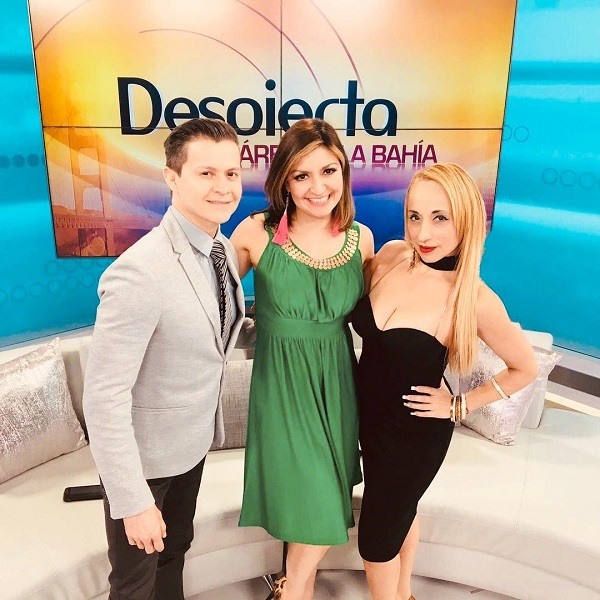
John, Liz, and Barbara
John and Liz with Barbara on Despierta América

Dancing as a profession 

John and Liz started to take dancing seriously in 1999. They both attended a three-day salsa event in Los Angeles, but what they did not know is that this was the first world salsa congress in America.   

This gave them the opportunity to share with the best salsa dancers in the world and they saw such impressive things that they were inspired to return next year with a well-established dance team with which they could participate fully in these activities. 

Being full of motivation, they decided to create Salsamania Dance Company and performed with their team at the festival. They started doing the same thing every year, which helped them gain experience and evolve their styles. 

After earning the trust of the festival organizers thanks to their talent and professionalism, they were given the opportunity to start teaching salsa workshops at the aforementioned congress. This is how little by little John and Liz began to build the reputation and credibility they have today.   

 In 2004, it got to a point where John took the important decision to quit his job to devote himself to dancing and Liz was quick to do the same. His resignation came with the opportunity to take a three-month trip to Hong Kong to teach salsa in a community where people did not dance it. 

They managed to build a community from nothing, since at that time, Hong Kong was not a place where people listened to salsa. However, everything went well and the dancers managed to seamlessly connect with the local audience. As John rightly said, ”salsa is a universal language and you don’t have to speak that language to feel the music”. 

On returning to the Bay Area, they began to practice dancing as a profession in the United States. 

On this point, Liz commented that her parents became very upset with her when she quit her job because of dancing, but today, they admit that it was the right decision and support her totally.  

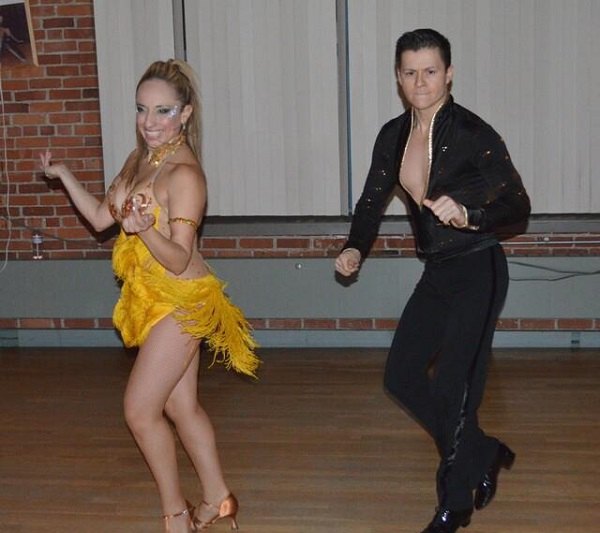
Liz and John dancing
Liz and John during a social dance in Boston

Salsamania Dance Company 

Liz told us that it was difficult to create Salsamania Dance Company because it requires a lot of discipline and healthy coexistance between different types of personalities to create a group like this and keep it together. Fortunately, John is an industrial psychologist, so he helped to prevent these aspects to be a problem. 

Basically, Liz is responsible for the company’s management and John is the one who takes care of the human part of all the staff. 

They started the whole process like any regular company and drew up the contracts for all those who were going to work with them, making Salsamania a much more established, structured and serious project in the eyes of everyone else. Today, it is one of the largest companies in the Bay Area.   

They also took it a step further and built a salsa academic program with a thoroughness and detail that has not been seen in other projects of this kind.   

San Francisco Salsa Festival  

San Francisco Salsa Festival is one of the biggest salsa events in California and the United States in general and we were fortunate to have representation there with our editor Eduardo Guilarte.  

It began to be celebrated in 2008 with the support of international salsa promoter Albert Torres, who was a fundamental piece in the development of the festival and talent recruitment for an event of this size, as there were many things John and Liz had to learn. That is why they are both incredibly grateful for what the congress organizer did for them back then.  

To recruit artists, the dancers only require candidates to be good teachers, to share with the salsa community and to put on a good show for the audience. 

They also often invite colleagues they have known for years and some recommended to whom they give them the opportunity to shine and make themselves known during those days. 

Every year, they look for dancers, dance instructors, DJs and live orchestras. For Liz and John, the thing about live bands is very important, as they are concerned that there are so many clubs and venues that no longer hire these talents. This year, they focused on local bands that play on Thursdays and Fridays in San Francisco and were very happy with the results.  

It is expected that the next San Francisco Salsa Festival is scheduled between days 22 and 24 March, 2024 at the same venue, which is the Marriott Waterfront Hotel.   

The orchestras hired to perform for next year are Cabanijazz, The Latin Rhythm Boys and Orquesta Boyacán. The dancing couples are Alex and Judy from Colombia, Colombians Felipe from Colombia and Kathe and Mauricio and Danny from Mexico.   

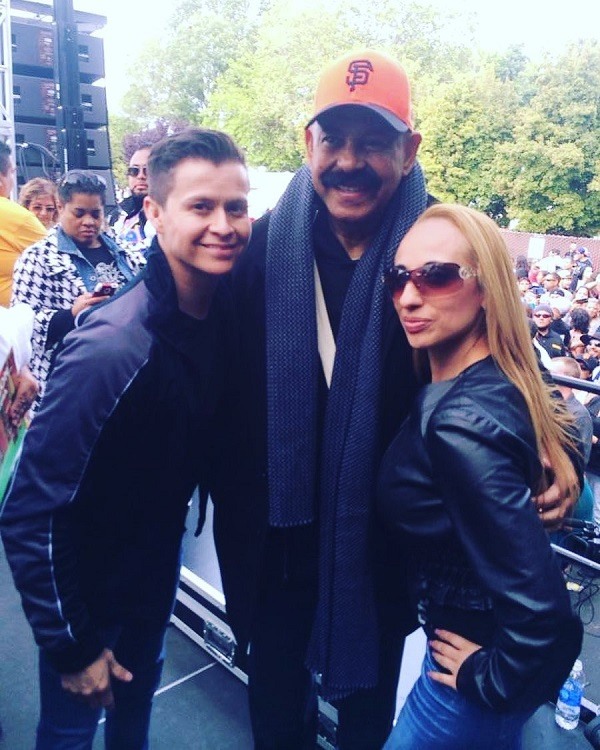
John, Liz, and Oscar D’ León
John and Liz with Venezuelan singer Oscar D’ León

Difficulties in the pandemic 

As dancing is an activity with a lot of physical contact and closeness, we were curious to know how they lived the pandemic and what they did to keep their project afloat in this situation. 

Though they admit that those months were not easy, they have always been very disciplined with their money and had enough to resist as long as possible without working.   

They tried to make up for lost time by teaching classes via Zoom as did most of their colleagues and designing new choreographies to apply when they went back to their usual activities. 

In addition to this, both had not spent time with their respective families in a long time, so they also took advantage of the absence of work to reunite with their loved ones and take up those important contacts that were lost due to stress and routine. 

Read also: Here we have Salseros With Attitude 

  • « Go to Previous Page
  • Page 1
  • Interim pages omitted …
  • Page 26
  • Page 27
  • Page 28
  • Page 29
  • Page 30
  • Interim pages omitted …
  • Page 65
  • Go to Next Page »

International Salsa Magazine (ISM) is a monthly publication about Salsa activities around the world, that has been publishing since 2007. It is a world network of volunteers coordinated by ISM Magazine. We are working to strengthen all the events by working together.