• Skip to primary navigation
  • Skip to main content

International Salsa Magazine

  • HOME
  • Previous editions
    • 2026
      • ISM / April 2026
      • ISM / March 2026
      • ISM / February 2026
      • ISM / January 2026
    • 2025
      • ISM / December 2025
      • ISM / November 2025
      • ISM / October 2025
      • ISM / September 2025
      • ISM / August 2025
      • ISM / July 2025
      • ISM / June 2025
      • ISM / May2025
      • ISM / April 2025
      • ISM / March 2025
      • ISM / February 2025
      • ISM / January 2025
    • 2024
      • ISM / December 2024
      • ISM / November 2024
      • ISM / October 2024
      • ISM / September 2024
      • ISM / August 2024
      • ISM / July 2024
      • ISM / June 2024
      • ISM / May 2024
      • ISM / April 2024
      • ISM / March 2024
      • ISM / February 2024
      • ISM / January 2024
    • 2023
      • ISM / December 2023
      • ISM / November 2023
      • ISM / October 2023
      • ISM – September 2023
      • ISM – August 2023
      • ISM July 2023
      • ISM Edition June 2023
      • ISM – May 2023
      • ISM April 2023
      • ISM March 2023
      • ISM February 2023
      • ISM January 2023
    • 2022
      • ISM December 2022
      • ISM November 2022
      • ISM October 2022
      • ISM September 2022
      • ISM August 2022
      • ISM July 2022
      • ISM June 2022
      • ISM May 2022
      • ISM February 2022
      • ISM January 2022
    • 2021
      • ISM December 2021
      • ISM November 2021
      • ISM October – 2021
      • ISM September 2021
      • ISM August 2021
      • ISM July 2021
      • ISM May 2021
      • ISM April 2021
      • ISM June 2021
      • ISM March 2021
      • ISM February 2021
      • ISM January 2021
    • 2020
      • ISM December 2020
      • ISM November 2020
      • ISM October 2020
      • ISM September 2020
      • ISM August 2020
      • ISM July 2020
      • ISM June 2020
      • ISM May 2020
      • ISM April 2020
      • ISM March 2020
      • ISM February 2020
      • ISM January 2020
    • 2019
      • ISM December 2019
      • ISM November 2019
      • ISM October 2019
      • ISM Septembre 2019
      • ISM August 2019
      • ISM July 2019
      • ISM June 2019
  • Spanish
  • Download Salsa App
    • Android
    • Apple

Search Results for: Dj

Background and reactions to Bad Bunny’s halftime show in The Super Bowl

The Super Bowl is the name given to the final match of the National Football League (or simply known as the NFL) championship, whose opponents are the winners of the National Football Conference and the American Football Conference. The match is due on the second Sunday of February every year and is one of the most watched broadcasts in the United States, but it is not the only thing that grabs viewers’ attention that day.

Over the years, the Super Bowl has become one of the most important social events in the country, to the point that it is one of the days of the year when more food and drink are consumed. One of its biggest attractions, and a matter of controversy from time to time, since its inception has been the Halftime Show. 

Absolutely every edition has featured a musical performance during halftime of the match. In the beginning, college marching bands were responsible for taking up the cudgel for the show, but its growing popularity got much more famous singers and bands be hired to take this prime spot.

There have been great and supremely talented artists, such as the exceptional case of Michael Jackson, who gave one of the most legendary and memorable performances to date. Likewise, artists such as U2, Justin Timberlake, Prince, Paul McCartney, The Rolling Stones, and Madonna, among others have also participated there. More recently, Shakira, Jennifer Lopez, Rihanna, and Usher have performed at the halftime show.

However, few musical performances have caused as much controversy as this year’s, which was performed by music producer, rapper, and reggaeton artist Benito Antonio Martínez Ocasio, known as Bad Bunny.
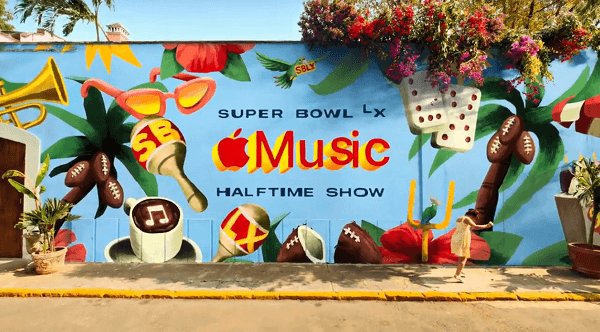
How Bad Bunny started his show
This is how the Bad Bunny’s halftime show started

Who is Bad Bunny?

Seeing everything he has achieved on a professional and artistic level, we could find it hard to believe the humble origins of the Puerto Rican artist, who grew up in a working-class household and was the son of a truck driver and a teacher who always instilled in their son the taste for music since childhood. By that time, many of his acquaintances started calling Benito “Bad Bunny” because of a sweet photo of him wearing bunny ears and having an annoying face.

What is known of his working life before becoming an artist is that for a time he worked as a bagger at Econo Supermarket while uploading the songs he composed to SoundCloud, material which reached the ears of producer DJ Luian. Through him, he managed to be signed to the label Hear This Music in 2016 and strengthened himself as an artist by collaborating with urban music greats such as J Balvin, Ozuna, and Cardi B. From there, his fame and popularity did nothing but grow and grow.

After that, what came next was a string of hits from his albums, which were “X 100PRE,” “YHLQMDLG,” “El Último Tour del Mundo,” “Un Verano Sin Ti,” “Nadie Sabe Lo Que Va A Pasar,” and “DeBÍ TiRAR MáS FOToS.” Following the release of “X 100PRE,” the Puerto Rican left Hear This Music and broke his professional relationships with DJ Luian and Mambo Kingz due to creative differences and the lack of support for their projects. 

Already in 2018, it was finally confirmed that “El Conejo Malo” left Hear The Music to join Rimas Entertainment led by his manager Noah Assad, who is the current CEO, public face, and majority owner of the company. However, the main investor since its founding in 2014 was former Venezuelan military officer and public official Rafael Jimenez Dan, whose links with the late President Hugo Chávez have made him a controversial figure and, to some extent, harmful to the company. For this reason, every effort has been made to disassociate Jiménez from the label until he finally sold his 60% stake in 2023, when Assad took full control of Rimas and Sony Music stepped in as a new investor.
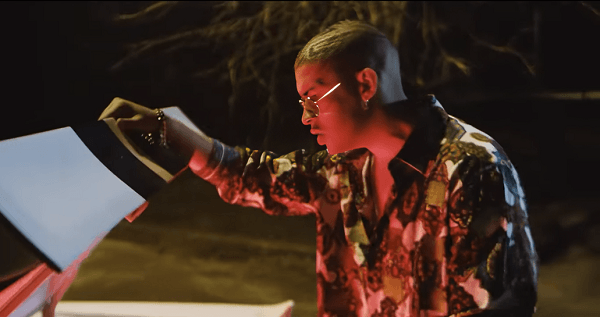
Bad Bunny singing ''Soy Peor''
Bad bunny in his videoclip ”Soy Peor” during his time with Hear The Music

However, this situation inflicts no injury on the image and great success of Bad Bunny, who clearly has nothing to do with these businesses and operations between the owners of his current record label.

Social and political stances

In recent years, Bad Bunny has used his art to put a magnifying glass on important issues for Puerto Rican and Latino communities. Some of them are the exodus of many inhabitants of the island, gentrification, the energy crisis, and the territory’s status of associated state. In fact, he participated in the 2019 protests demanding the resignation of then Governor Ricardo Rosselló and released the song “El Apagón” and financed a documentary of the same name denouncing the constant blackouts, the terrible service provided by the private company Luma Energy, the privatization of beaches, and the government’s abandonment of Puerto Rico’s infrastructure. 

As for the Latino community in the United States, the artist has been very vocal about Immigration and Customs Enforcement (ICE) proceedings against illegal immigrants and recent altercations with some protesters who claim that the institution has criminalized Latinos, no matter if they are criminals or not. Moreover, in his acceptance speech for his Grammy in the category of Best Urban Music Album, he said, “ICE out! We are not savages, we are not animals… we are humans and we are Americans.”

With this prelude, it is clear how Bad Bunny would focus his show at the Super Bowl a week later on February 8 of this year.
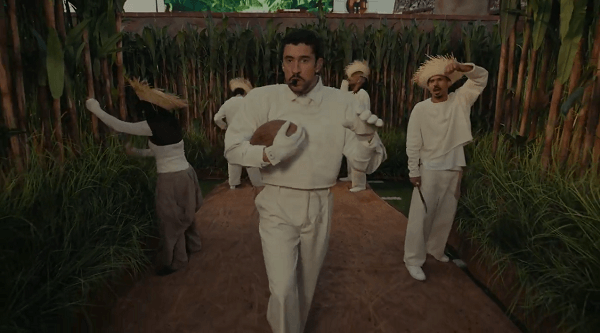
Bad Bunny during his performance
Bad Bunny during his performance in the Super Bowl

Bad Bunny’s participation in the Super Bowl

The NFL and the production company Roc Nation, led by American rapper Jay-Z, chose Bad Bunny as the main artist for the halftime show in order to attract a global and Latino audience, a decision that obtained Commissioner Roger Goodell‘s support, which earned him a tsunami of criticism from much of the American public. What is known about this is that Jay-Z took into account his cultural impact and status as a Spanish-language musical leader, aiming to go for freshness and novelty on stage. 

So, that was how February 8 arrived with a very high expectation for what the artist and his team had prepared for that day. And boy, did they have a few surprises.

The performance, executed entirely in Spanish, was a tribute to Puerto Rico and Latin America in general. During the 15 minutes the Puerto Rican artist was on stage, scenography represented typical elements from the Island of Enchantment and much of Latin America, such as sugar cane fields, men playing dominoes, piragua stands, boxers, plastic chairs, barbershops, among others. 

He kicked off the concert with one of his greatest hits, “Tití Me Preguntó,” followed by a remix of some of the most iconic songs by reggaeton artists such as Daddy Yankee, Don Omar, and Tego Calderón. One of the big surprises was the appearance of Lady Gaga performing “Die With A Smile” in salsa version and dancing with Bad Bunny to make way for Ricky Martin singing “Lo Que Pasó En Hawaii” in open protest against the parallels between the situation in Hawaii and that of Puerto Rico today. 

The show closed with the urban artist saying “God Bless America” and proceeding to list all the countries that comprise the American continent alongside people waving their flags. 
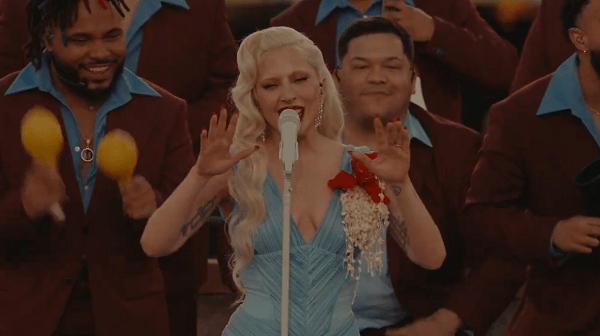
Lady Gaga singing
Lady Gaga singing ”Die With A Smile’’ in salsa version

Some reactions after the show

Reactions to the show were extremely divided. While much of the Latino audience welcomed the Benito’s message, many Americans found it boring and confusing because of unfamiliar references and language barrier. However, it is clear that it had a profound impact and will extend the conversation about Latinos for a long time. 

Even aside from art and the quality of the performance, many understand that the show goes much further than the artist and his actions, but rather the social and political message he wanted to bring to the United States and the world, to the point that President Donald Trump himself described it as “absolutely terrible, one of the worst, EVER!” He also added that the show “doesn’t represent our standards of Success, Creativity, and Excellence” of the United States and that it was “a slap in the face to our country.”

However, other personalities like Jimmy Fallon, who has had Bad Bunny on his show, have shown his support to the artist on numerous occasions both on his show and social media. He also received support and praise from singers such as Katy Perry, Kacey Musgraves, and Alicia Keys. 

Bad Bunny with the flags
Bad Bunny with the flags of Latino countries

A Puerto Rican artist’s perspective on Bad Bunny’s show

There have been many reactions from all over the world, but what do Puerto Ricans themselves think about it? To know what a Puerto Rican artist thinks about this great event, we spoke with singer, comedian, and actress Carmen Nydia Velázquez, who shared her thoughts about “el conejo malo” and all the debate his show generated in the media and social networks. The performer noted the following:

”In common with the vast majority of Puerto Ricans, I am deeply proud of our Bad Bunny’s performance in the Benito Bowl. He was spectacular! The fact that our beautiful island has given birth to a world-famous artist who has reached the most coveted stage for any artist fills your heart with joy. But the most important thing about Benito is his commitment to give us a relevant place in the world, with our Spanish language and our culture. The noise surrounding Benito’s participation, before, during, and after the Super Bowl seems to have no end. It’s now history!”

Read also: Musician and entrepreneur of Latin origin Jorge Torres talks about his band and his company
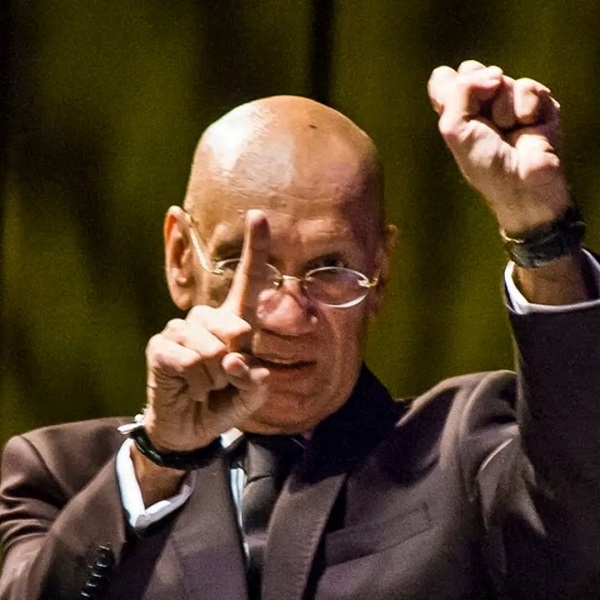
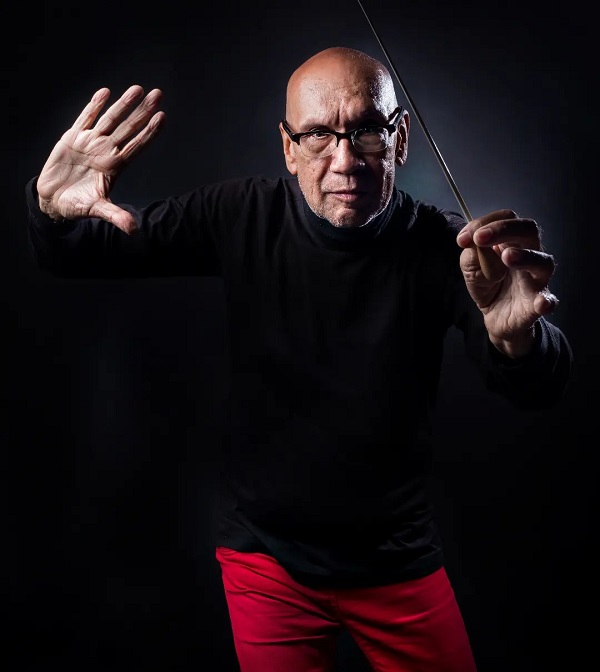
Andy Durán: The Architect of Mambo and Latin Jazz

If there is one name that embodies technical elegance and rhythmic passion in the contemporary Caribbean, it is Andy Durán.

A musician, arranger, composer, and conductor, Durán has spent over four decades serving as the guardian of the big band sound. He keeps the flame of legends like Tito Puente and Pérez Prado alive, but with a distinctive signature that fuses academic precision with popular soul.

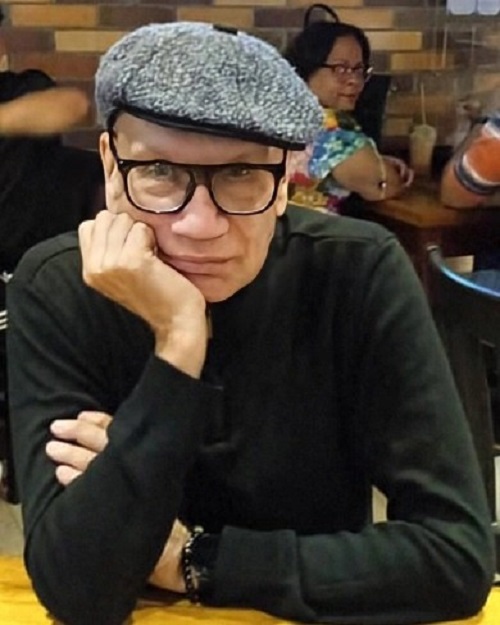
Andy Durán El Arquitecto del Mambo y el Latín Jazz

Born in Caracas, Venezuela, on January 2, 1949, as Nelson Valor Ramos, this extraordinary artist is today an essential figure in music production and direction.

The Musician: Master of the Arrangement

Andy Durán is more than just a conductor; he is a scholar of musical structure. His academic background has allowed him to master the art of the arrangement the ability to transform a simple melody into a complex masterpiece where twenty musicians move as a single, unstoppable force.

  • The Big Band Sound: He is one of the few directors who has kept the large orchestra format relevant in Venezuela. His ensemble, Andy Durán’s Latin Jazz Big Band, is an institution renowned for its rhythmic precision and powerful brass section.
  • Stylistic Versatility: While Mambo is his backbone, his repertoire flows seamlessly through Jazz, Salsa, Mambo-Jazz, and traditional Venezuelan music.
  • Cult Discography: Albums such as Tropicalia, Mambo 2000, and his acclaimed tribute to Tito Puente, Fidelidad, are essential pieces for any collector of the genre.

The Person: The Educator and Music Lover

Behind the baton, Durán is known for his humility and profound work ethic; he is frequently described as a “gentleman of music.”

Nacido en Caracas, Venezuela, el 2 de enero de 1949, bajo el nombre de Nelson Valor Ramos
  1. Relentless Researcher: Beyond performance, he is a historian of rhythm. His concerts often turn into masterclasses where he explains the origins of the pieces, always honoring the original composers.
  2. Generational Bridge: He has served as a mentor for young Venezuelan musicians, integrating new talent into his ranks and proving that classic Caribbean genres have no expiration date.
  3. Cultural Resilience: In an era dominated by commercial trends, Durán remains faithful to acoustic quality and the complexity of Latin Jazz, earning the respect of international critics.
  4. Si existe un nombre que personifica la elegancia técnica y la pasión por el ritmo en el Caribe contemporáneo, ese es Andy Durán
    Si existe un nombre que personifica la elegancia técnica y la pasión por el ritmo en el Caribe contemporáneo, ese es Andy Durán

Career and Legacy

Andy Durán is one of the greatest exponents of Salsa and Latin Jazz in Venezuela. With 16 albums to his credit, he holds the most extensive discography of any Venezuelan jazz artist. Additionally, he is recognized as the country’s premier music copyist.

His beginnings date back to his youth with the group Nelson y su Sexteto. In 1978, he founded the Orquesta Palladium. Shortly after, he adopted the stage name “Andy Durán” to avoid confusion with other artists of the era and because it was easy to remember and write.

Since 1982, he has been fully dedicated to professional music, working alongside giants such as Aldemaro Romero, Eduardo Cabrera, the Billo’s Caracas Boys, Los Melódicos, and Soledad Bravo. In 1985, he released his first LP, Mambo Salsa. Among his most notable works are:

Nacido en Caracas, Venezuela, el 2 de enero de 1949, bajo el nombre de Nelson Valor Ramos
  • Tropicalia Caraqueña
  • Canelita y Andy Durán: Tribute to Celia Cruz
  • Tito & Tito (A tribute to Tito Puente and Tito Rodríguez)
  • Salsa Dura y Descarga: A Tribute to Fania
  • Fiesta con Billo

Reflections by Andy Durán: Is Singing Easy?

The Requirements: Flawless pitch, breath control, phrasing, and diction; in addition, a strong memory for melodies, lyrics, and orchestral arrangements.

It is highly recommended to know how to dance according to the genre being performed (e.g., Salsa). It is also beneficial to have basic acting skills to handle dramatic themes when necessary.

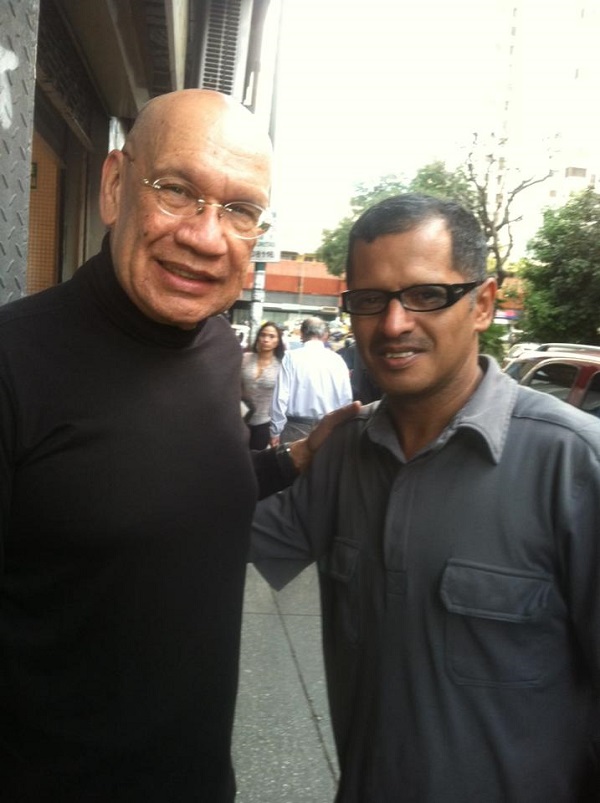
Andy Duran y Dj. Augusto Felibertt

Reading is mandatory to develop a rich vocabulary for improvisation or public speaking; it also prevents embarrassing spelling errors in written lyrics. Keeping the vocal cords healthy and trained is a vital matter. Music theory and sight-singing are the ideal, essential, and unavoidable tools.

Finally, a singer must define their style and repertoire with great care. One must invest in professional orchestral arrangements and have an arranger-director or advisor—this is an investment, just like stage attire.

Remember, my fellow singers: a director’s worst nightmare is a singer who is out of tune, off-beat, and forgetful.

Best regards to all vocalists and singers.

Maestro Andy Durán: Director, Arranger, and Composer

P.S. Vocalists must meet two more requirements: keep your nerves in check and sing from the heart.

Also Read: Víctor Cuica “The Eternal Breath of Latin Jazz and Venezuelan Identity“

The 2026 NAMM Show Took Center Stage as Historic Gathering Celebrating the Future of Global Music Industry

2026 Show Marked 125-Year Anniversary of NAMM and Demonstrated Why the Global Music Community Gathers Every Year at The NAMM Show.

 January 28, 2026 – NAMM (The National Association of Music Merchants), the largest global not-for-profit music trade organization, celebrated 125 years of NAMM at The 2026 NAMM Show — a powerful week that concluded on Jan. 24 and set the music industry’s narrative for years ahead. Featuring five days of incredible education, live concerts and special events, alongside three days of extraordinary exhibits and brand activations, this year’s show featured 1,650-plus exhibitors representing over 5,400 brands and more than 200-plus educational sessions for NAMM member communities.
The 2026 NAMM Show highlighted innovative music technologies, product introductions and trends that will shape the future of the music industry during a five-day-long platform for networking, connections and meetings that are critical for uniting and growing music makers globally.
“The 2026 NAMM Show once again delivered an incredible week of unity and energy for our global NAMM members, showcasing products, partnerships and networking for the entire music industry,” said John Mlynczak, NAMM president and CEO. “NAMM continues to be the global stage for our industry to announce groundbreaking products, establish transformative partnerships and gain valuable education that drives success for our industry for the rest of the year.”
NAMM SHOW 2026 BY THE NUMBERS
  • 60,000+ show attendees, including 8,760+ international attendees from 122 countries, regions and territories
  • 1,650+ exhibitors representing 5,400+ brands, which is 25% more than 2025
  • Nearly 15,000 artists demonstrating and endorsing products and brands
  • 200+ education sessions with 550+ speakers
  • 1,600+ media, influencers and content creators reaching over 200+ million followers, which is 50% more than 2025.
NAMM SHOW 2026 SET LIST HIGHLIGHTS
Product Launches
The NAMM Electronic Press Kit, an online book of product and show announcements, tripled in size from 2025, with nearly 400 brands and companies using the platform to launch new products at The NAMM Show.
NAMM Global Media Day
Now in its third year, NAMM’s Global Media Day featured iconic brands spanning music, sound and entertainment technology categories to announce more than 500 ground-breaking products and business news to an exclusive media/creator/podcast-only audience of 750-plus guests.
NAMM Events and Awards Shows
Providing the platform for some of the industry’s best awards shows and live events, The 2026 NAMM Show saw sold-out crowds all week long, starting with the TEC Awards, followed by The Bass Awards Show, She Rocks Awards and The Parnelli Awards. Each show catered to a thriving professional community that gathered to honor the best of the best in each category.
Looking Back on NAMM, 125 Years Later
NAMM has been consistently guided by the best minds in the music business, who share a common desire to grow the industry and music making. Ever since 1901, NAMM leaders have come together, even as competitors, to ensure their association is helping the entire industry expand. The 125-year timeline is fully digitized and available to everyone on NAMM.org
NAMM’s Music for Life Honor Awarded to Industry Icon Rick Beato
NAMM presented globally acclaimed producer, educator, musician and YouTube creator Rick Beato with its highest honor, the Music for Life Award, in recognition of his lifelong contributions to music and commitment to inspiring music makers. In an exclusive Thursday morning Q&A with NAMM President and CEO John Mlynczak, Beato discussed his early musical influences, the music products that have helped define his career and the future of the music business in the age of AI.
NAMM’s Grand Rally for Music Education 
NAMM rallied the industry around its mission Saturday morning, highlighted by magical moments with Grammy Award-winning artists Victor Wooten and Chad Smith. The session, hosted by John Mlynczak and Julia Rubio, brought the audience to its feet with inspirational performances, conversations and messages, as well as live performances from Roots of Rhythm.
The NAMM Foundation 
In honor of our 125th “NAMMiversary,” and the upcoming 250th anniversary of the United States, the NAMM Foundation — with a generous $125,000 matching donation from Chris Martin, past chair of NAMM — announced at the 2026 show a total of $250,000 in funds to give back.
The Return of NAMM NeXT Europe and New NAMM NeXT Latin America
Coming off the success of last year’s inaugural event, NAMM NeXT Europe will return and NAMM NeXT Latin America will debut in 2026. These NAMM NeXT events are one- to two-day leadership conferences that will gather our industry to focus on how we can grow the industry and address common challenges.
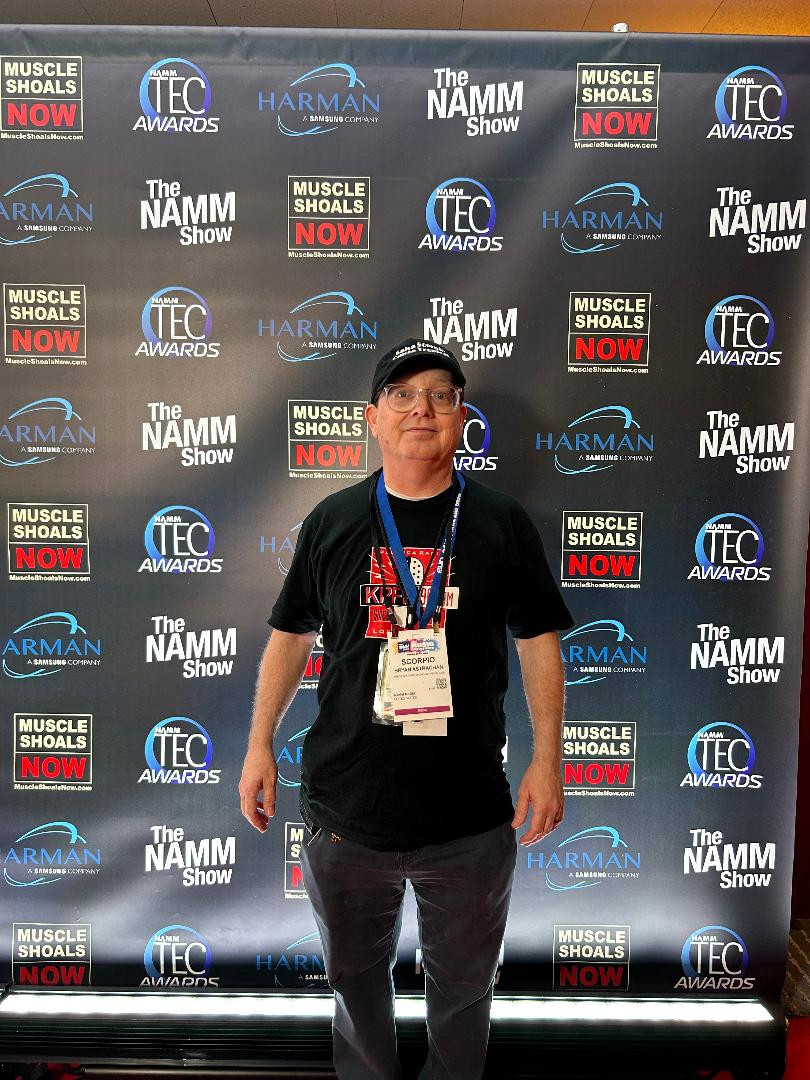
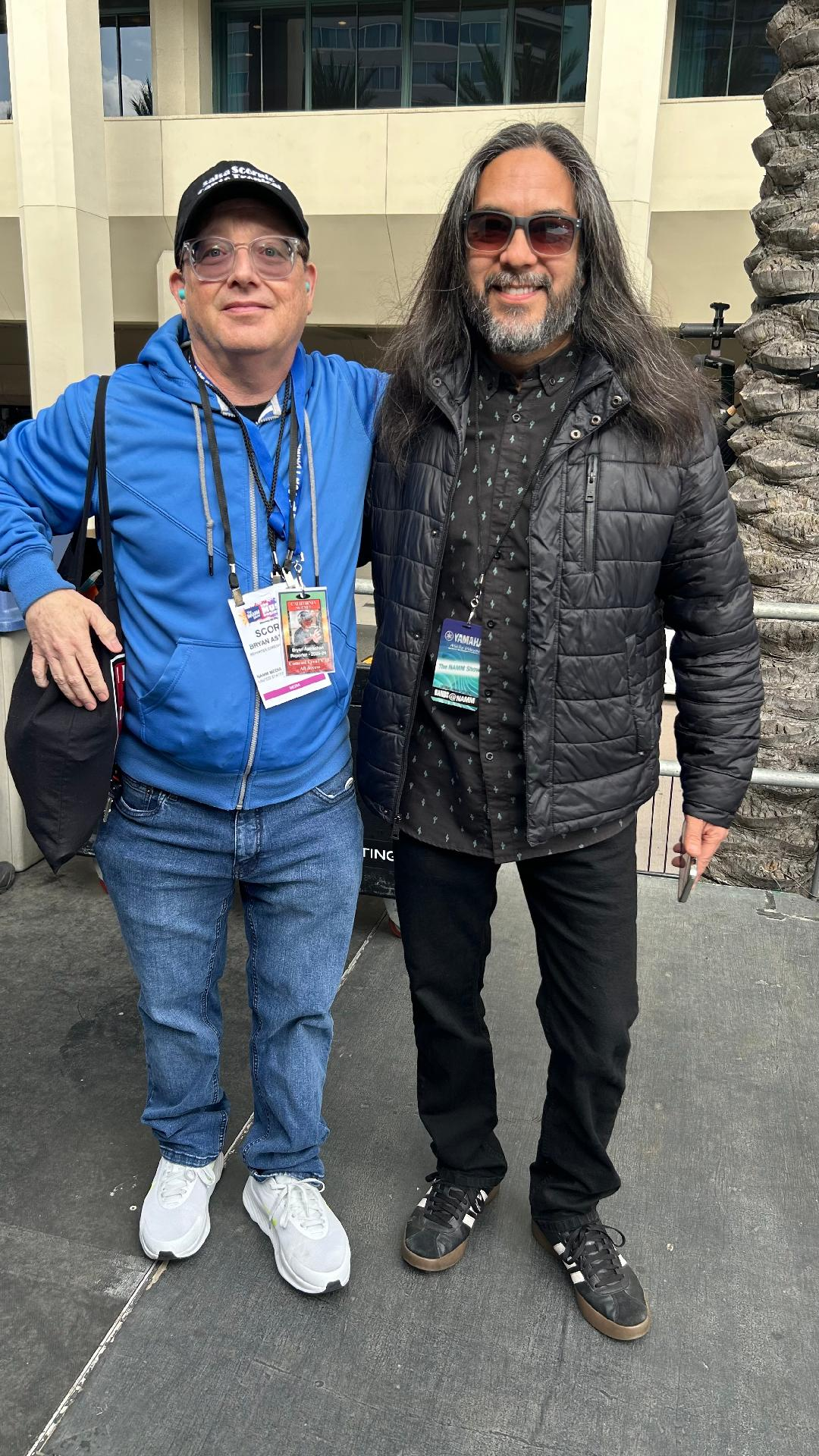
  SCORPIO, Reported and correspondent on the job at NAMM!
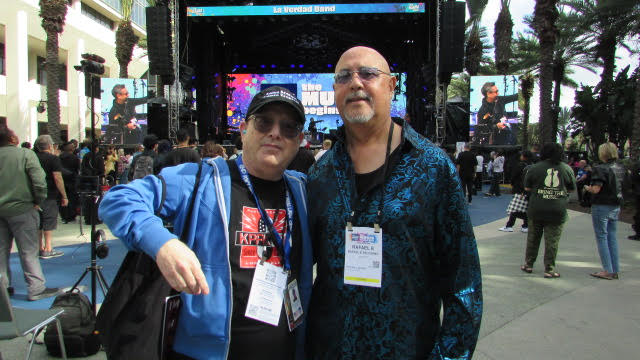
Bryan Astrachan, aka Scorpio, at the NAMM Show
Radio host and International Salsa Magazine correspondent Bryan Astrachan, aka Scorpio, at the NAMM Show

The 2027 NAMM Show is already in the works for January 26-30, 2027, at the Anaheim Convention Center. Booths with early bird rates and discounts are available now at NS27 Exhibit | NAMM.org

“I have worked with Gary since 2018 and I have been able to actively learn from his expertise as an engineer, host, programmer and now as the interim program director”

“Gary has always welcomed me with open arms and kindness”
He always supports Canto Tropical and our paths continue to cross as we support live music in all genres!  Scorpio
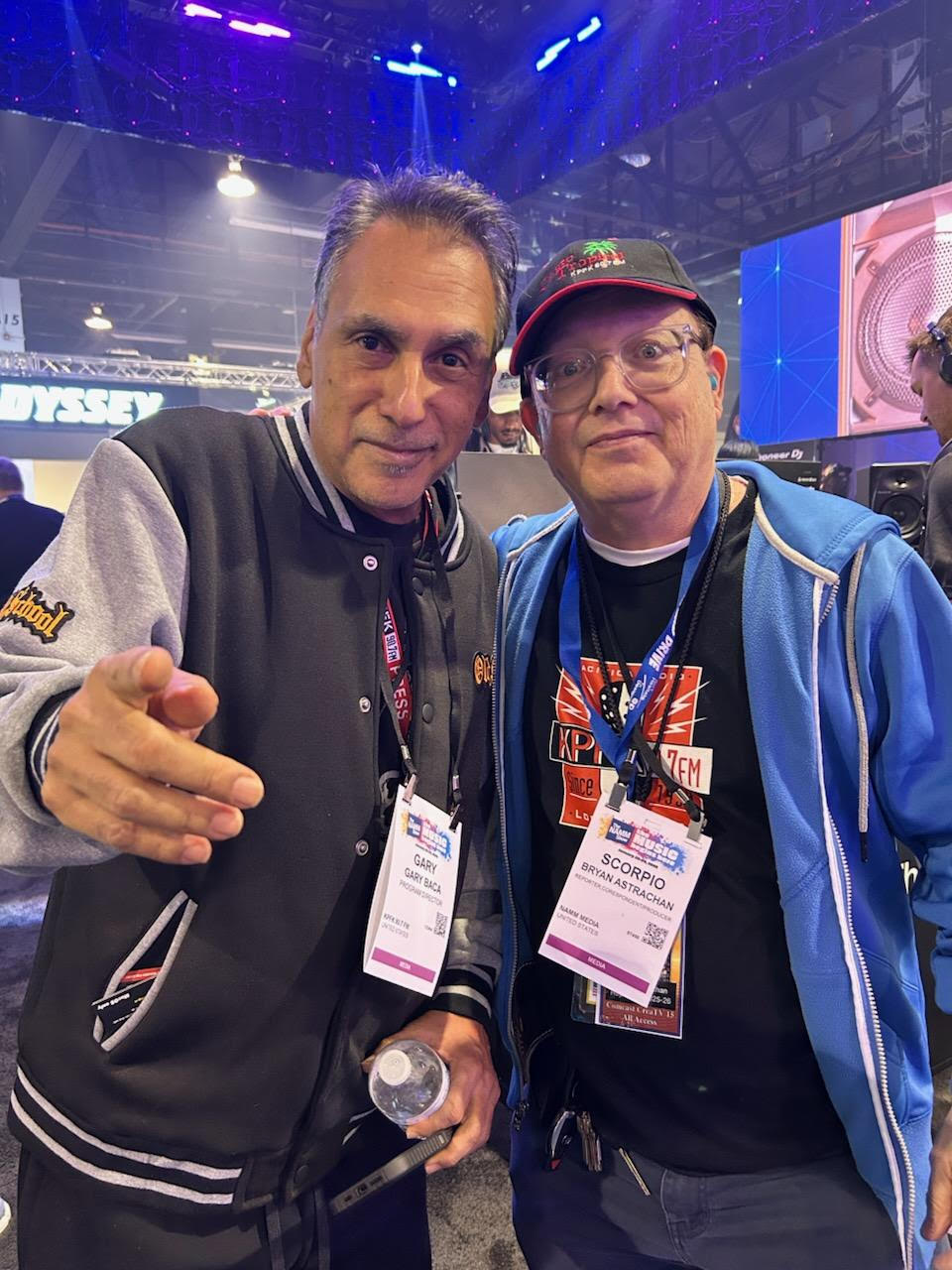
Gary baca and Scorpio at the NAMM
Gary Baca, KPFK, Interim Program Director & Scorpio, Reporter, Correspondent, and Anchor

Gary Baca, aka G-Spot was born and raised in East Oakland. Baca began his radio career at KALX Berkeley before initiating his radio programming at KPFA Berkeley which then lead him to KPFK Los Angeles.

Gary is an American radio veteran and cultural tastemaker who currently.
In previous radio programs, Baca’s featured presentations have included interviews with Lisa Lisa, Rick James, Morris Day & The Time, George Clinton, Boy George, Tito Puente, Macy Gray, Roger Troutman & Zapp, Bootsy Collins, WAR, James Brown and Cameo, Rakim, The Commodores, Buddy Miles, The Doors, Earth, Wind & Fire, Johnny Mathis and Carlos Santana.
Now celebrating over 30 years of radio programming, he is also a concert emcee introducing such acts as Ice Cube, Cameo, Cypress Hill, DJ Quik, Too Short, E40, Tierra, Malo, The Dramatics, Rappin 4Tay, Sheila E. & Rhythm Tribe.
KPFK 90.7 FM’s Pocho Hour of Power provides a smartly satirical look at political issues facing Latinos in America. Co-hosted by cartoonist Lalo Alcaraz, filmmaker Esteban Zul, comedian’s Jeff Keller, Paul Vato, and producer Gary Baca the show brings its raucous brand of satire.
*Gary has a history of discovering artists, hosting community TV, and teaching radio skills.
KPFK, Interim Program Director: Manages Programing for KPFK.DJ & Host:
Global Village (Tuesday’s 11am-
1pm) The Pocho Hour of Power
(Friday’s 3-4pm) Welcome 2 the
Dawn (Saturday 4:00 AM – 6:00 AM) Co-Host and produce La Raza radio Thursdays 3-4pm
Gary Began his career in radio in the late 80’s at KALX in Berkely
KPFK 90.7 FM Los Angeles, 98.7 FM
Santa Barbara,
93.7 FM San Diego, 99.5 FM
Ridgecrest & China Lake *ONLINE @ KPFK.ORG
Studios located in Glendale, CA
Transmitter high atop Mt. Wilson
With 110,000 watts of power
 
Scorpio and Rafael Feliciano
Scorpio with Rafael Feliciano, “Soul Sauce”
Born out love and respect for the unique musical sounds created by latin jazz legend/vibist Cal Tjader, this collective of pro players recreate the exact musical arrangements Tjader wrote and recorded for today’s audience. From original hits such as “Soul Sauce(wachi-wara)” to versions of jazz standards like “Speak Low”, this band will entrance an audience with its exotic, soothing sound which fuses afro-cuban and brazilian rhythms with modern jazz classics.
The band features Peter Burke on vibes/percussion, Ramon Banda on timbales, Rafael Feliciano on congas, Joe Rotondi on piano, and Ross Schodek on bass. There is usually a surprise guest appearance added to each show as well, making each performance a special occasion.
“I have had the pleasure of attending several “Soul Sauce” presentations at a variety of venues including Roscoe’s in Long Beach  and I have always been impressed with their professionalism, talent , respect & love for the music they play live”
Scorpio, Reporter, Correspondent and Anchor
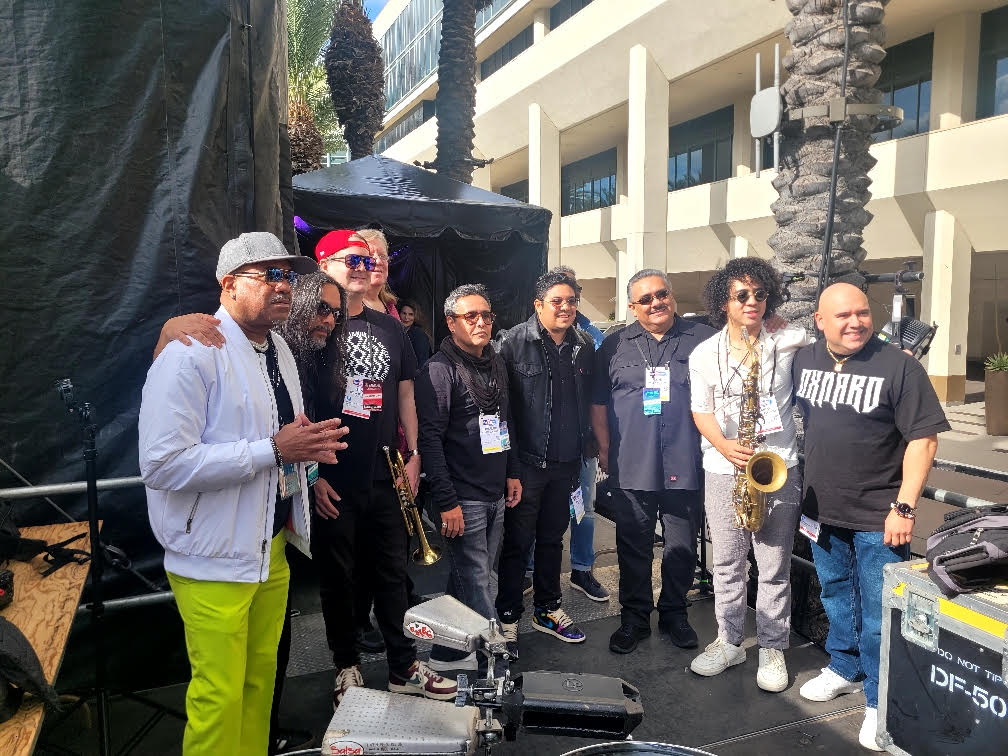
Musicians at The NAMM Show
Some musicians at The NAMM Show
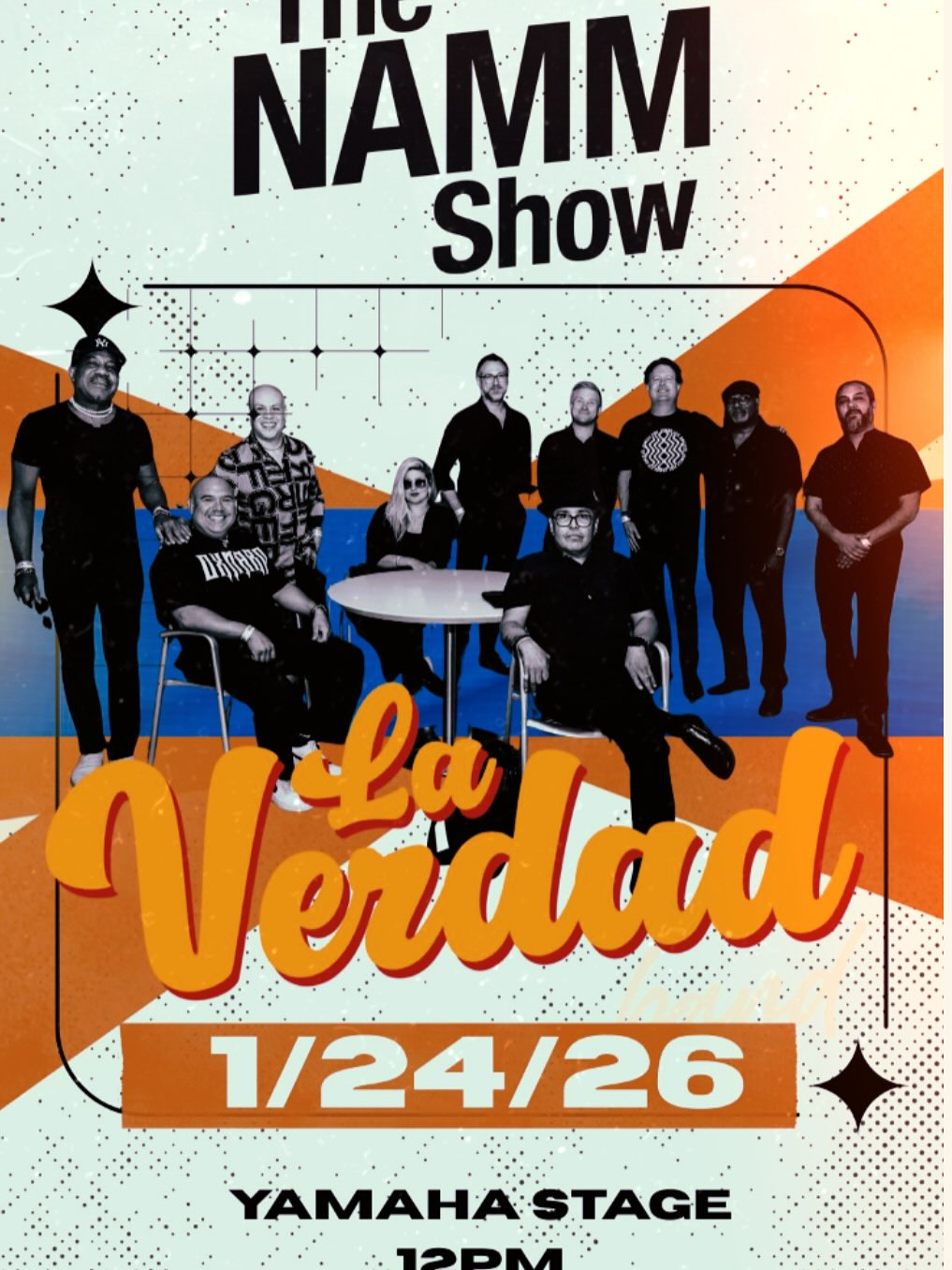
Gabrielito at The NAMM Show
Gabrielito Y La Verdad at The NAMM Show

Gabriel Gonzalez, also known by his stage name Gabrielito, is a multi-talented artist whose career spans decades of film, music, videos, commercials, theatre and live-performance concerts. Internationally recognized for movie roles from his childhood work in Mexican cinema to cult classic films as well as countless mainstream commercials, tours and stage productions, Gonzalez captivates audiences with his dynamic stage presence and larger-than-life vocals that make each performance a memorable experience.

He began his career in show business at the age of seven appearing in numerous top grossing films in Latin America featuring the Latin Orchestra La Sonora Santanera and famed comic Resortes. At eight years old, he recorded his first album. Gonzlaez has toured and shared billing with some of today’s most iconic artists across Mexico, Cuba, and the U.S. including Camilo Sesto, Lalo Guerrero, Juan Gabriel, Los Van Van, QUETZAL, Cubanismo, Lila Downs, Los Lobos and many more.

Most notably, he toured with the Tony award-winning musical, In the Heights by acclaimed composer Lin-Manuel Miranda as a principal character of the 2011-2012 North American National Tour. Gonzalez’s latest projects include working in the Salsa community with bands such as Boogaloo Assassins and the Los Angeles-based La Verdad.

La Verdad is the premier West Coast Latin music ensemble. A collective of world-class musicians embodying the truth of the Los Angeles Latin experience, the group is led by Grammy award-winning singer-songwriter Gabriel Gonzalez. La Verdad’s traditional and original repertoire spans the scope of Latin American route music including Salsa, Cha-Cha, Boogaloo, Latin Soul and much more.

Scorpio with Gabrielito

“I have had the absolute pleasure of knowing Gabrielito for several years and I have grown to love & respect his music”

I have had numerous conversations with him regarding community uplift activities and his love for his family and children!
“Gabrielto has impressed me with his ongoing support of public radio especially Canto Tropical and Alma Del Barrio and live music”
Scorpio, Reporter, Correspondent and Anchor
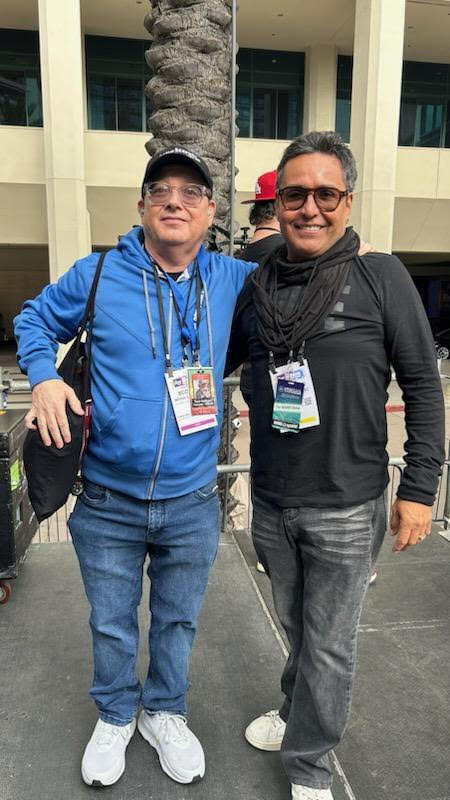
Scorpio and Max at the NAMM Show
Scorpio and Max from La Verdad
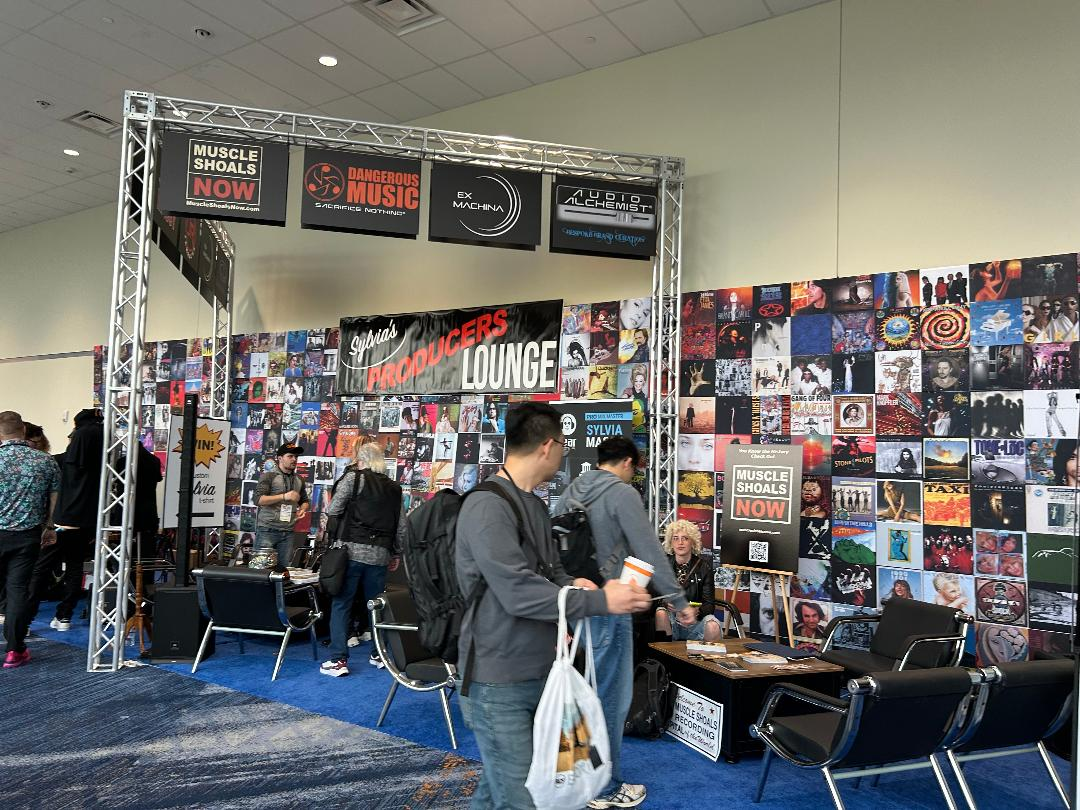
Pictures of NAMM
the stands of the NAMM Show
People shopping in the stands of the NAMM Show
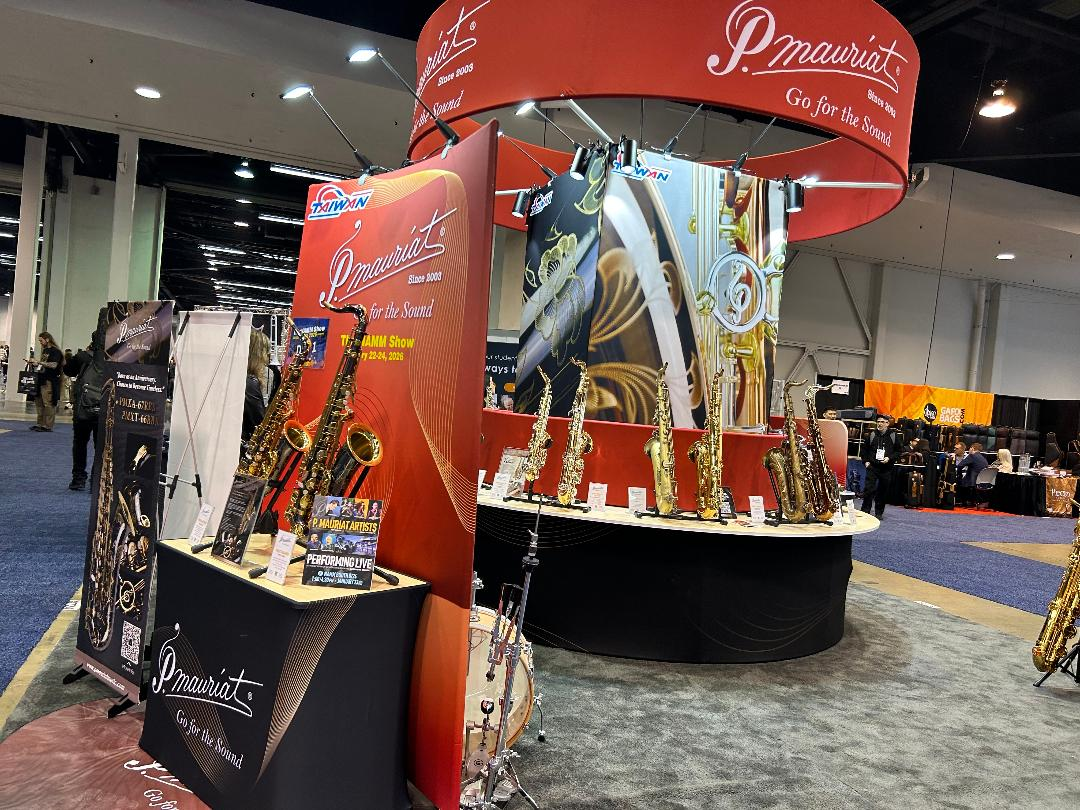
Instruments at The NAMM Show
Some instruments at The NAMM Show


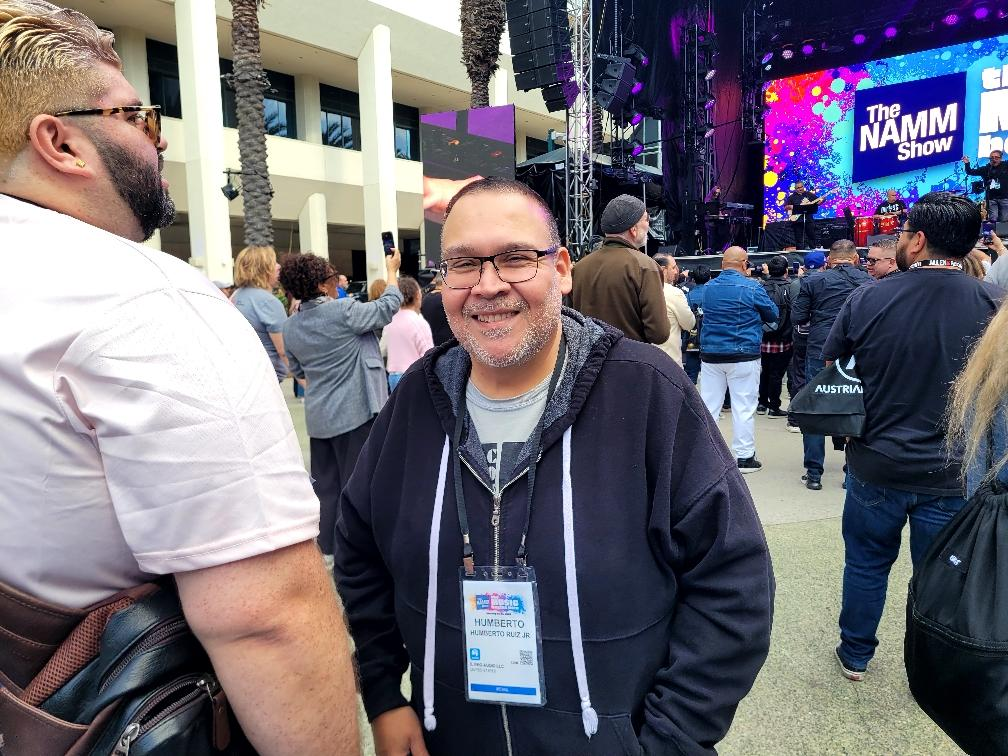
Humberto Ruiz Jr, Musician at The NAMM Show
Humberto Ruiz Jr, Musician
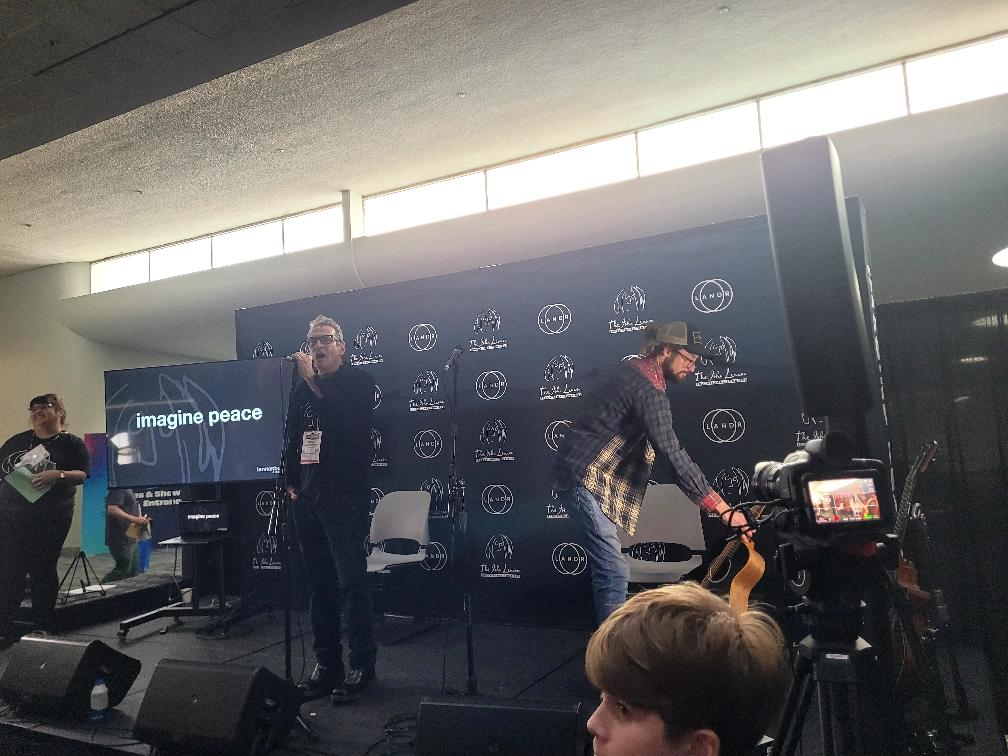
Musicians on stage at the NAMM Show
Some musicians on stage at the NAMM Show

MOLENNON BUSES IN THE UNITED STATES AND EUROPE ARE DEDICATED TO PROVIDING YOUNG PEOPLE, COMMUNITIES AND SCHOOLS WITH FREE EVENTS, WORKSHOPS, INTERACTIVE EXPERIENCES, AND HANDS-ON OPPORTUNITIES TO PRODUCE AUDIO, VIDEO, AND DIGITAL MEDIA PROJECTS.

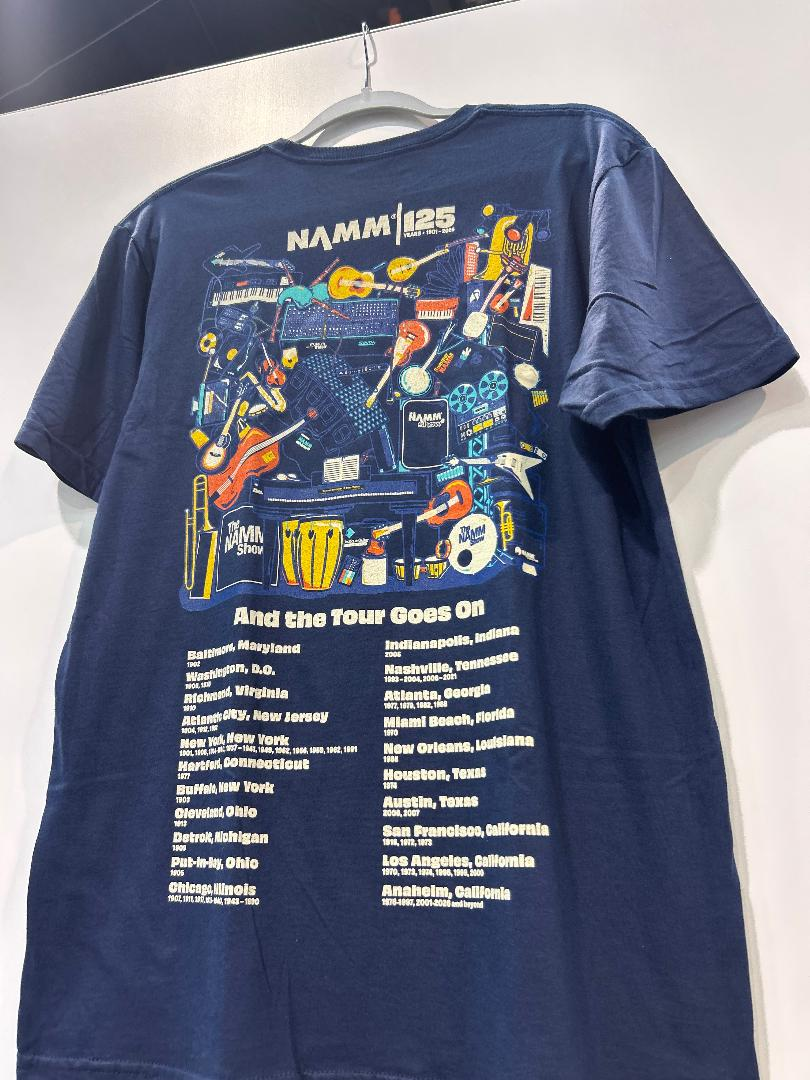
THE OFFICIAL NAMM SHIRT

THE JOHN LENNON EDUCATIONAL TOUR BUS IS A NON-PROFIT MOBILE PRODUCTION STUDIO.


MUSIC AND VIDEO CREATION

The John Lennon Educational Tour Bus is a non-profit mobile production studio.

MOBILE PRODUCTION STUDIOS

The John Lennon Educational Tour Bus is a non-profit mobile production studio.

MOBILE PRODUCTION STUDIOS

The John Lennon Educational Tour Bus is a non-profit mobile production studio.
Read also: Manhattan Latin Music by Jon Horn

Bryan 'Scorpio' Astrachan

Bandleader Arturo O’Farrill leaves behind Birdland to look for other opportunities

After making some room in his packed schedule, we finally managed to meet with bandleader, composer, and pianist Arturo O’Farrill, who after arriving in Richmond, Virginia, greeted us and talked about various interesting topics related to his long and successful career.

Of course, we did not miss the opportunity to ask if it is true that he and his orchestra will drop out of performing at Birdland as they had done over the past 29 years and what other projects in door they have from now on.

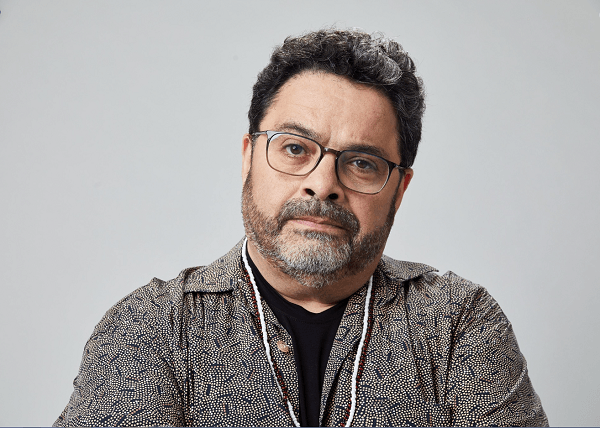
Arturo O'Farrill posing for the camera
Bandleader and pianist Arturo O’Farrill posing for the camera

What was his childhood like with two artist parents?

Arturo is the son of Cuban conductor, arranger, and musician Chico O’Farrill and Mexican singer Lupe Valero, so it is natural that he would show an interest in art like them. In addition, being the first male child in the family, there was lots of expectations on him and anything he could get, so he was enrolled in piano lessons and fortunately he had good aptitude for the instrument and was very present at his father’s parties and events with many other artists. 

So, he was for a time studying music on Saturdays until he discovered a Miles Davis album in his living room. He says that listening to it changed his life forever, and the song that most marked him was “Seven Steps to Heaven.” At that time, he knew he was going to become a professional musician by choice, not because his father had decided it for him.

He decided to become the best pianist he could be, and because of how busy Chico was with his own career, Arturo studied jazz alongside other young musicians. Some time later, he met bassist Andy González, who finally made him understand his Latin roots and encouraged him to study artists such as Charlie Palmieri and Eddie Palmieri.

“Precisely thanks to Andy, now I understand that our music is a treasure of the Afro-Latin diaspora, and the music my father and so many others of his generation made, for me, is the most incredible thing in the world,” said Arturo.

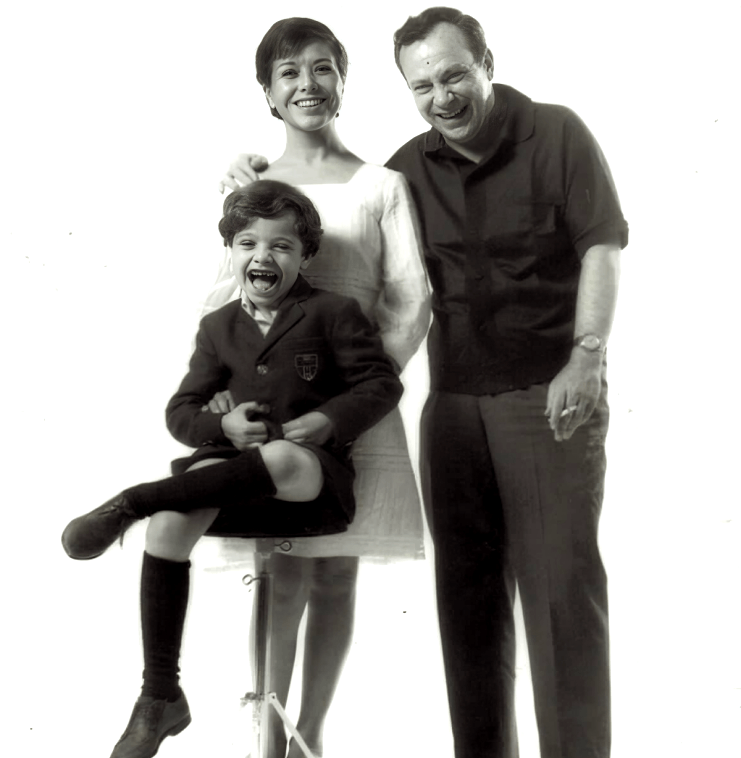
Arturo O'Farrill 02 2026
Arturo O’Farrill with his parents Lupe Valero and Chico O’Farrill

Arturo’s musical education

The artist studied at several top academic institutions, including LaGuardia High School of Music and Art, the Manhattan School of Music, the Brooklyn College Conservatory of Music, and the Aaron Copland School of Music. He clarified that he did not graduate from the Manhattan School of Music, but he does recognize that it was there that he began to truly understand music.

In the case of LaGuardia High School for Music and Art, his parents had to withdraw him because he never attended classes, as he was not interested in history and mathematics, but only in music. He was then enrolled in City As School and got his GED (General Educational Development). Later, at Brooklyn College, he met Professor Teófilo Ruiz, who taught him the importance of forging a social and political conscience, which had a profound impact on his development as a professional and a person. 

While working as a musician, Arturo earned his bachelor’s and master’s degrees at Queens College. He spent some time playing, studying, and teaching until Wynton Marsalis, artistic director of the jazz at Lincoln Center program, asked him to create an orchestra for the venue, which they called the Lincoln Center Jazz Orchestra. He worked there for five years until he knew he had to continue his career elsewhere.

Chico O’Farrill Afro-Cuban Jazz Orchestra

After playing along with the great jazz star Carla Bley and Machito, Arturo finally joined his father’s orchestra, the Chico O’Farrill Afro-Cuban Jazz Orchestra, at a time when they were creating many jingles for commercials. When the world was rediscovering Chico, his health was unfortunately in bad shape, so his son stood by his side to support him any way he could.

In the end, he had no other option than taking charge and, together with the rest of the musicians, recording the band’s last three albums. One thing that he had very clear when he took up this challenge was that he did not want to compete with his dad or be constantly compared to him, though he knew it was inevitable. In fact, after doing a concert with him, when he came home, he found a voicemail from someone saying: “You don’t have a fortieth of your father’s talent. In fact, I’ll see you picking through garbage.”

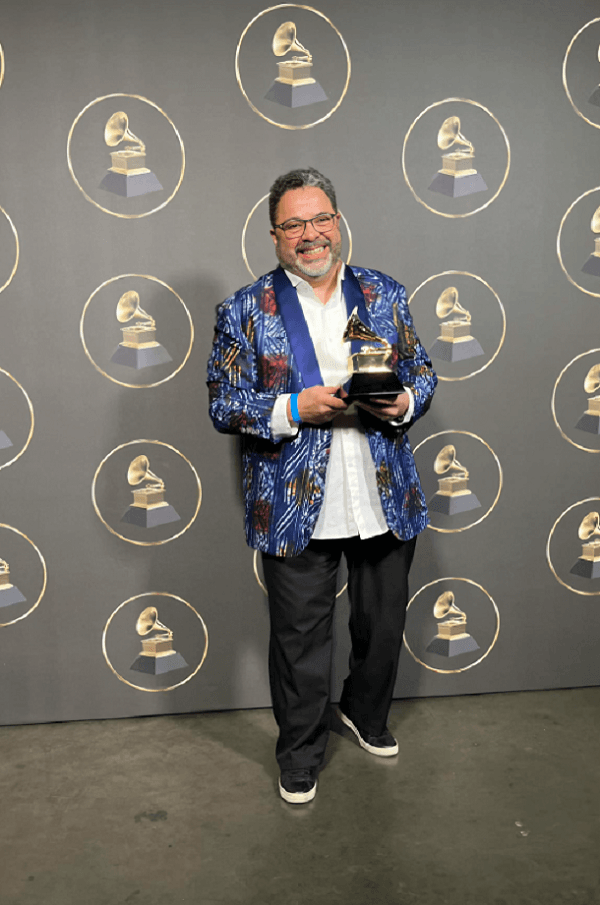
Arturo O'Farrill with the Grammy
Arturo O’Farrill posing with the Grammy he won in 2023

Despite the hurtful comments, it was liberating for him to hear it, since someone had the stupidity to compare him with his father when it did not make sense. That pushed him to use his own compositions in the orchestra, continue creating new music, and have a completely different path from Chico O’Farrill. Unknowingly, the man who insulted him had helped him throw off the mental and artistic chains that bound him by fear of being compared.

Afro Latin Jazz Orchestra

Although Arturo was sorry for leaving Chico’s orchestra, he knew he had to make many changes. One of them was that he wanted intergenerational musicians, more races and nationalities. This also led him to change the name of “Afro-Cuban Jazz Orchestra” to “Afro Latin Jazz Orchestra” because, from his point of view, Latin music must include not only Cuba, but also countries such as Puerto Rico, Colombia, Bolivia, Peru, Mexico, and many others.

Despite these changes, Arturo and his orchestra kept playing every Sunday at the prestigious Birdland jazz club, something they had been doing since 1997, before the death of Chico O’Farrill. However, 29 years after that important proposal, Arturo announced on social networks that he would not perform there anymore, but he was very grateful to the staff and management of Birdland for the opportunity they gave him over so many years.

When we wanted to know the reasons for this decision, the artist just told us that this was largely due to “creative and financial disagreements that were making the working environment very toxic,” so the best thing was to cut to the chase and seek pastures new. He assures us that his words do not want to disrespect anyone and that he wishes the best for both the club and its staff, who always treated him and his musicians the best. 

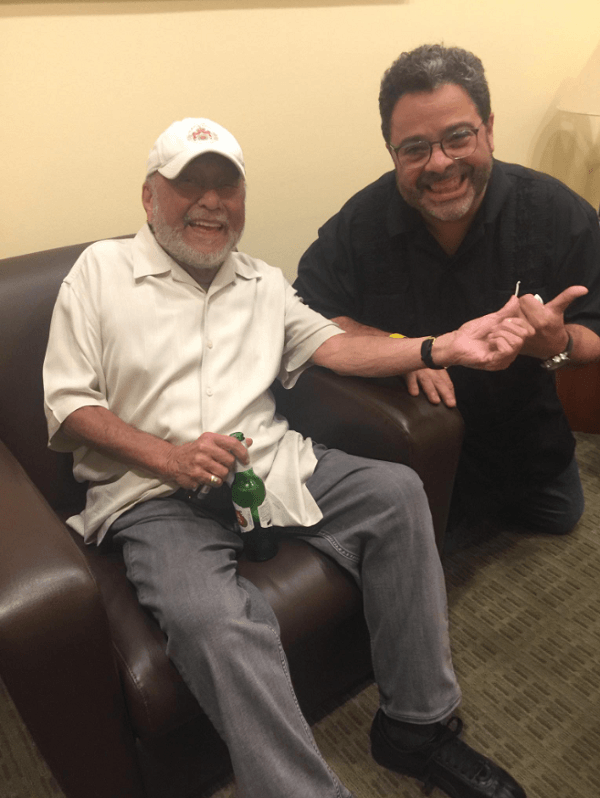
Eddie and Arturo
Eddie Palmieri and Arturo O’Farrill some years ago

Afro-Latin Jazz Alliance and Casa Belongó

The musician also wanted to talk about his foundation Afro Latin Jazz Alliance, which seeks to educate, play, and preserve. The project has grown so much that today it has 49 teachers, 21 public schools, and a preprofessional program known as “The Fat Cats,” which aims to help young musicians join an orchestra and exploit their talent as never before. 

After several formal requests, New York City finally agreed to construct a building with affordable apartments for residents of East Harlem and the first floors are destined to house Casa Belongó. These spaces will include a theater, a jazz club, a healthy restaurant, rehearsal rooms, classrooms, and much more. “Imagine that the power of our Latino community will physically change New York City history,” she concluded on this topic. 

Read also: Music reviewer and photojournalist Ricky Ricardo describes his work from the last 35 years

10th Annual Salsa Festival in Cuba: A Milestone Between Stage Lights and the Shadow of Crisis

The event founded by Maykel Blanco celebrates a decade of history amidst blackouts and inflation that make access difficult for the local public.

Havana. What began in 2016 as a personal dream for musician Maykel Blanco has evolved into Cuba’s most significant cultural tourism event for the genre.

As the Salsa Festival reaches its 10th edition, it has succeeded in uniting top-tier orchestras under a single project, fostering an organic exchange between local dancers and international visitors who travel specifically for the occasion.

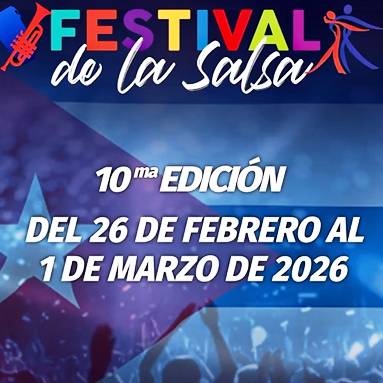
Festival de la Salsa 2026

However, the announcement of this year’s celebration scheduled for February 26 to March 1 at Club 500 comes at a time of extreme fragility for the country.

While the government promotes the festival as a showcase of “credibility and growth,” the Cuban population is grappling with a profound economic crisis characterized by daily blackouts, shortages of basic goods, and a steady decline in quality of life.

Tributes and a Star-Studded Lineup

This special edition will pay tribute to the 70th anniversary of Elito Revé y su Charangón, an iconic institution of popular dance music. Organizers announced in a press conference that the event will feature a strong international presence, including foreign dance instructors and DJs.

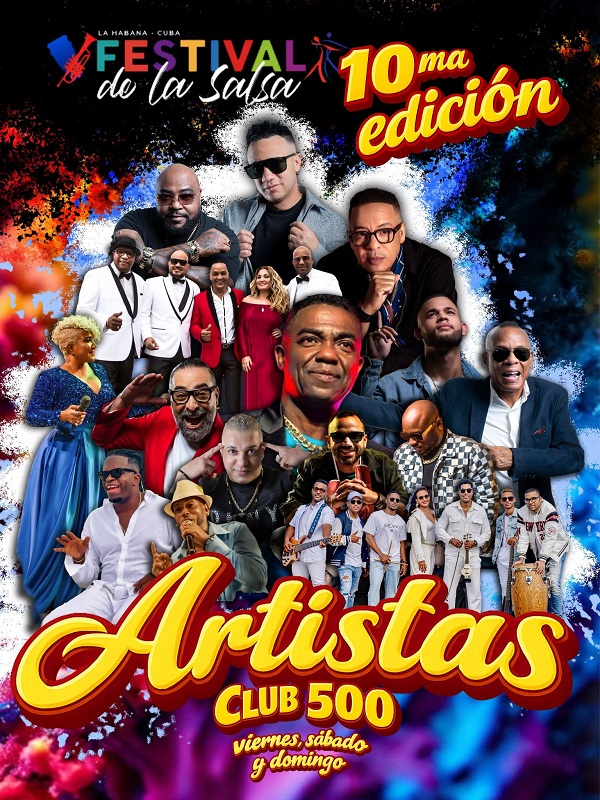
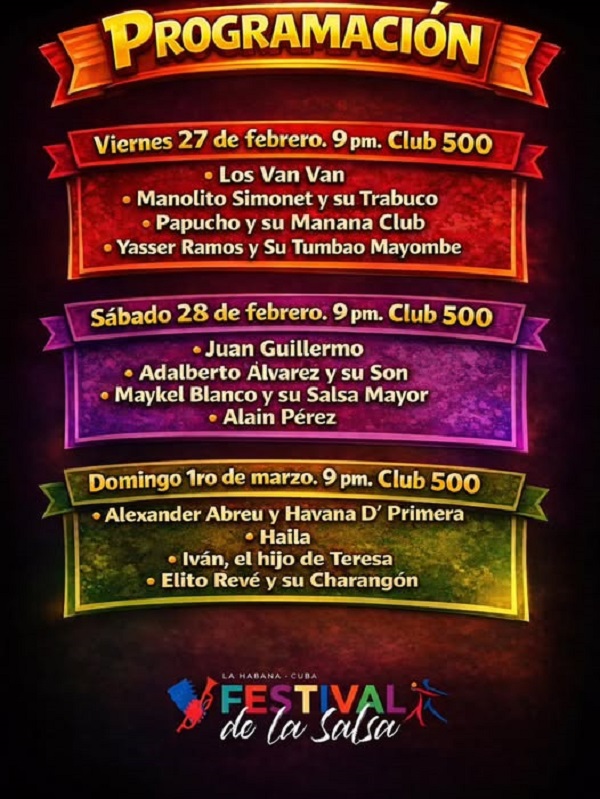
Starting Friday, February 27, four high-caliber orchestras will perform each night. Among the confirmed headliners are:

  • Los Van Van
  • Alexander Abreu y Havana D’Primera
  • Adalberto Álvarez y su Son
  • Alain Pérez
  • Willy García (Special guest from Colombia, former vocalist of Grupo Niche).
Cartel Oficial de los Artistas que estarán en la 10ma edición de el festival de la salsa en Cuba

The Economic Barrier to Entry

Despite its cultural relevance, ticket prices have sparked debate. Presale tickets at Cine Yara were set at 800 Cuban Pesos (CUP), a price that will rise to 1,000 CUP per night at the venue.

In a context of stagnant wages and runaway inflation, these figures are out of reach for many everyday Cubans, highlighting the gap between official propaganda and daily reality.

Main Concert Schedule

Date Featured Artists
Thursday, Feb 26 Opening Gala: Issac Delgado, Los Muñequitos de Matanzas, and Eduardo Sandoval.
Friday, Feb 27 Los Van Van, Manolito Simonet y su Trabuco, Papucho y Manana Club.
Saturday, Feb 28 Maykel Blanco y su Salsa Mayor, Adalberto Álvarez y su Son, Alain Pérez, and Willy García.
Sunday, March 1 Alexander Abreu y Havana D’Primera, Haila Mompié, and Elito Revé y su Charangón.
PROGRAMACIÓN OFICIAL (Horarios) de todas los conciertos que brindaremos en EL Festival dela salsa en cuba en su 10ma Edición

Beyond the Music: An Immersive Experience

The festival—driven by MB Producciones, ARTEX, and the Paradiso Agency—is not limited to evening performances (which begin at 9:00 p.m.). The agenda also includes:

  • Dance Workshops: Classes in Casino (Cuban salsa), Rumba, Son, and the popular “Reparto” genre, taught by prestigious instructors.
  • Pool Parties: Meet-and-greets with national and international DJs at the Memories Miramar Hotel.
  • Academic Forums: Lectures on the evolution of popular music and the legacy of figures like Elio Revé Matos.
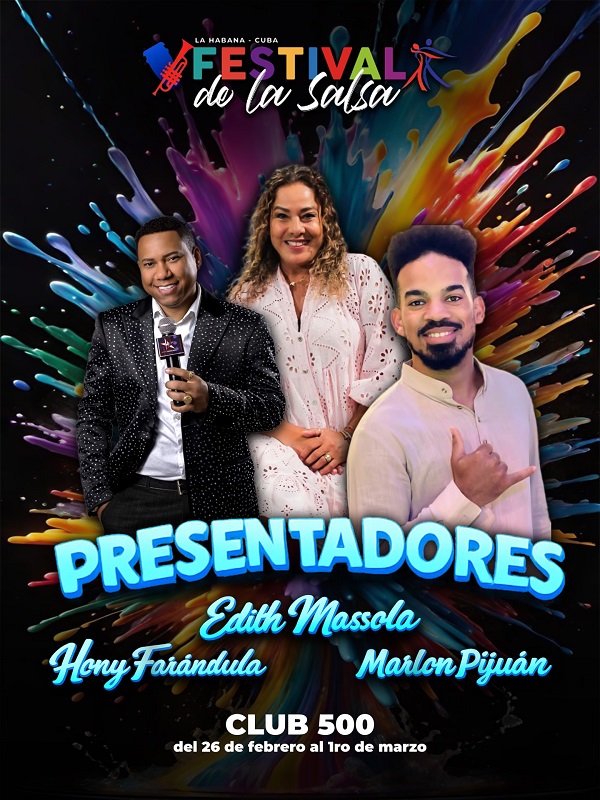
Presentadores Oficiales de la 10ma edición del Festival de Salsa en Cuba

Once again, the Salsa Festival presents itself as a musical oasis on an island mired in uncertainty, leaving open the question of whether art can truly build bridges in the midst of such a structural crisis.

Also Read: Compay Segundo The Eternal Patriarch of Cuban Son

  • « Go to Previous Page
  • Page 1
  • Interim pages omitted …
  • Page 4
  • Page 5
  • Page 6
  • Page 7
  • Page 8
  • Interim pages omitted …
  • Page 73
  • Go to Next Page »

International Salsa Magazine (ISM) is a monthly publication about Salsa activities around the world, that has been publishing since 2007. It is a world network of volunteers coordinated by ISM Magazine. We are working to strengthen all the events by working together.