• Skip to primary navigation
  • Skip to main content

International Salsa Magazine

  • HOME
  • Previous editions
    • 2026
      • ISM / April 2026
      • ISM / March 2026
      • ISM / February 2026
      • ISM / January 2026
    • 2025
      • ISM / December 2025
      • ISM / November 2025
      • ISM / October 2025
      • ISM / September 2025
      • ISM / August 2025
      • ISM / July 2025
      • ISM / June 2025
      • ISM / May2025
      • ISM / April 2025
      • ISM / March 2025
      • ISM / February 2025
      • ISM / January 2025
    • 2024
      • ISM / December 2024
      • ISM / November 2024
      • ISM / October 2024
      • ISM / September 2024
      • ISM / August 2024
      • ISM / July 2024
      • ISM / June 2024
      • ISM / May 2024
      • ISM / April 2024
      • ISM / March 2024
      • ISM / February 2024
      • ISM / January 2024
    • 2023
      • ISM / December 2023
      • ISM / November 2023
      • ISM / October 2023
      • ISM – September 2023
      • ISM – August 2023
      • ISM July 2023
      • ISM Edition June 2023
      • ISM – May 2023
      • ISM April 2023
      • ISM March 2023
      • ISM February 2023
      • ISM January 2023
    • 2022
      • ISM December 2022
      • ISM November 2022
      • ISM October 2022
      • ISM September 2022
      • ISM August 2022
      • ISM July 2022
      • ISM June 2022
      • ISM May 2022
      • ISM February 2022
      • ISM January 2022
    • 2021
      • ISM December 2021
      • ISM November 2021
      • ISM October – 2021
      • ISM September 2021
      • ISM August 2021
      • ISM July 2021
      • ISM May 2021
      • ISM April 2021
      • ISM June 2021
      • ISM March 2021
      • ISM February 2021
      • ISM January 2021
    • 2020
      • ISM December 2020
      • ISM November 2020
      • ISM October 2020
      • ISM September 2020
      • ISM August 2020
      • ISM July 2020
      • ISM June 2020
      • ISM May 2020
      • ISM April 2020
      • ISM March 2020
      • ISM February 2020
      • ISM January 2020
    • 2019
      • ISM December 2019
      • ISM November 2019
      • ISM October 2019
      • ISM Septembre 2019
      • ISM August 2019
      • ISM July 2019
      • ISM June 2019
  • Spanish
  • Download Salsa App
    • Android
    • Apple

Search Results for: Festival

From Cali, Colombia, “La Crítica Orquesta” by Harold Estrada

With a unique, impacting, dynamic sound and with an explosion of musical energy, “La Crítica Orquesta” of Harold Estrada comes to us in this delivery, directly from the city of Cali, Colombia; who presents to the world, a different proposal with a clear and forceful message of much social sense in his interpretations. In a brief conversation we had with its director Harold Estrada, a young musician of great experience with Colombian Orchestras, he shared with us aspects of this successful group from Caleña.

Welcome Harold to International Salsa Magazine “The Only Salsa Magazine in the World”. First of all, tell us: since what date does “La Crítica Orquesta” come out? Thank you Professor Carlos Colmenárez, for the wonderful invitation that you make us from your city Barquisimeto, in our sister Venezuela, with a fraternal greeting and thus let us know a little more through you and this prestigious media; because let me tell you friend, that the Orchestra begins to sound since 2012, with an enterprising, constructive, quality and very professional work, in search of an authentic sound that identifies it and allows it to take its rightful place in the salsa environment here in Colombia and internationally.
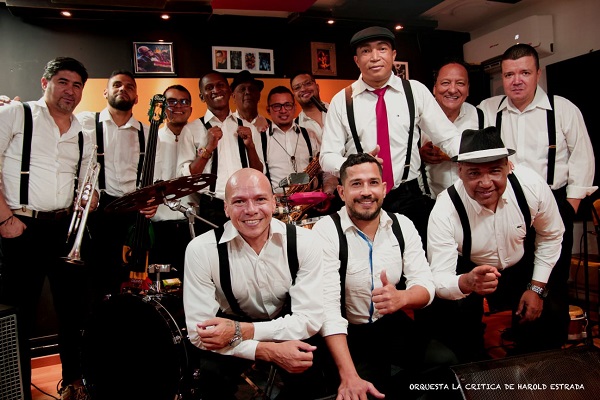
De Cali, Colombia, “La Crítica Orquesta” de Harold Estrada

And in these 10 years of trajectory, have you had important participations in events and festivals? Indeed Professor Carlos, we had the honor of being present at the World Salsa Festival 2012 and also in the fairs of Cali, likewise several departments of the country have witnessed this magnificent evolution, seeking to remember the essence and expression of salsa Caleña with that characteristic sound and Orchestras that left their mark on the Afro-Caribbean and Colombian music.

Harold friend I understand that you develop a social and musical work in the city of Cali, tell us… Yes, our orchestra is developing and forming a “Collective of salsa to the street”, which is a program that is ready to rescue the Caleña culture, with the purpose of safeguarding the salsa in the city.

Which international artists have been accompanied so far by “La Crítica Orquesta”. Carlos, we have had the privilege of accompanying here in Colombia salsa artists of the stature of: Rafu Warner, Luigi Texidor, Chamaco Rivera, Ruben Sierra, Julio Lopez, Manny Fuentes, and more, demonstrating the musical support of the group.

What is the mission of “La Crítica Orquesta”? We are convinced that our mission is to make quality music for the enjoyment of the people, for the delight of the dancer and the ear of the music lover, but especially, music to free the spirit and cheer the soul.

Who are the members of the Orchestra? “La Crítica Orquesta”, is conformed by: Harold Estrada (conductor and conguero), Oscar Eduardo González (Trumpeter), Cruz Ramón Mayora (Bongos player), Andrés Holguín (Trumpeter), Ramiro Lennis (Singer), Leo Bonilla (Trombonist), Andrés Felipe Silva (Bassist), Marco Felipe Ramírez (Timbalero), Carlos Alberto Cruz and Harrison Muñoz (Singers), Mauricio Bastidas (Saxophonist), Jerry Alejandro Figueroa (Pianist), Gregorio Gómez (Singer), by the way our bongos player, is Venezuelan, born in the city of Naiguatá, but since he was a child he lives in the city of Barquisimeto, to which soon will be back, the experienced and excellent musician Cruz Ramón Mayora Medina.
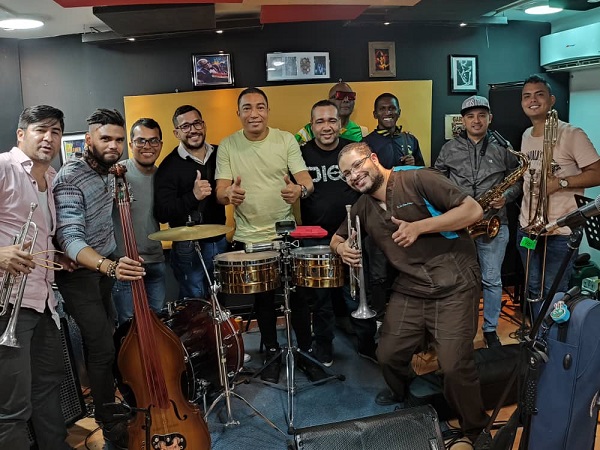
La Critica Orquesta de Harold Silva
La Critica Orquesta de Harold Estrada

As for productions, have you already recorded some? Yes Professor Carlos, we already have several songs and even videos on Youtube for the knowledge of all. And these are the titles, composers, arrangers and performers: “Cannabis”, this is the most recent single recorded just a month ago, with lyrics by: Einar Flores and in the arrangements Andrés Silva, both Colombians. “Canallón”, lyrics by Einar Flores (Colombia) and arrangements by Pedro Cruz, (Dominican Republic). “Dale Duro”, composer and arranger Luis Cabezas (Venezuelan), the interpreters are: Carlos Cruz, Harold Aguirre and Adrián Barragán, respectively.

Excellent friend Harold and the social networks of the Orchestra. On Youtube you can reach us as: Orquesta la Crítica de Harold Estrada, Instagram: lacriticadeharoldestrada and Facebook: lacriticaorquestacali; for bookings you can contact us at: +573147800543.

Upcoming concerts or events? We will be present God willing at the “Concierto Circulación”, on November 26 and also at the Cali Fair.

Thank you for accepting the invitation, brother and friend Harold Estrada and the whole Orchestra, for us it was an honor to have you in International Salsa Magazine salsagoogle.com, and from here we wish the greatest success to “La Crítica” of Colombia, a group that undoubtedly, is putting well in high the Salsa made in Cali.

The privilege is ours, Professor Carlos Colmenárez, and from Colombia, we will transmit you the best wishes of the Orchestra and the whole country, so that you continue to make known the salsa talent of your beloved Venezuela as well as of all the Salseros in the world. Thank you a thousand times for the support you give to “La Crítica Orquesta”, and on behalf of all its members, we send you blessings and wish you many successes and long life. You, the social communicators are a key factor to promote and publicize the musical work for Salsa made with quality and international flavor for the dancers and connoisseurs of the genre.

Until next time and we continue salseando…!

Carlos Colmenarez

You can read: Henry Valladares, a brilliant, versatile, and disciplined percussionist
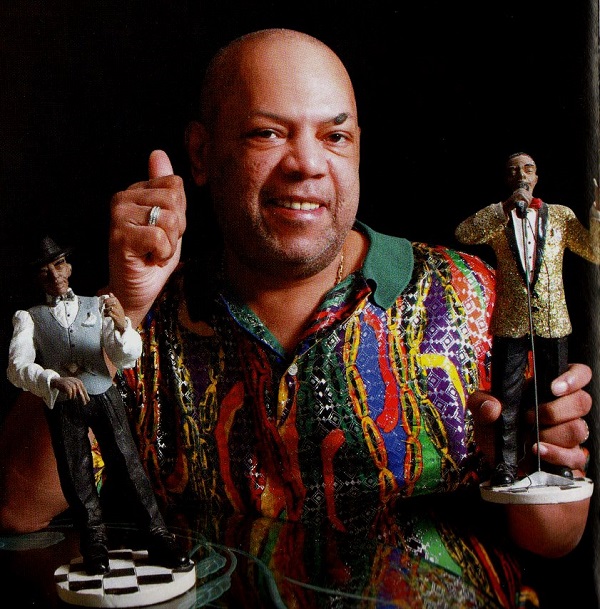
Joe Arroyo was an excellent Colombian singer and composer of salsa and tropical music

On November 1st, 1955, Alvaro José Arroyo González, better known as “Joe Arroyo”, was born in Cartagena de Indias, Colombia.

He was an excellent Colombian singer and composer of salsa and tropical music, considered one of the greatest interpreters of music in his country.

His songs were national and international hits, he won multiple Gold records throughout his career, among them, 18 Gold Congos and Super Congos won in the Festival of Orchestras of the Carnival of Barranquilla.

Among his most relevant songs are “La rebelión”, “Tania”, “Mary”, “En Barranquilla me quedo”, “El Ausente”, “Tumbatecho”, “Centurión de la Noche”, “Manyoma”, “La noche”, “La rumbera”, “La guarapera”, “El trato”, “Con Gusto y Ganas”, among others.

In November 2011, Arroyo won the Latin Grammy award for best singer/songwriter at the 2011 Latin Grammy ceremony.

Born and raised in the Nariño neighborhood of Cartagena, Arroyo began his career at a very early age, when from the age of eight he sang in bars and brothels in Tesca, the tolerance zone of his hometown.

Joe Arroyo fue un excelente cantante y compositor colombiano de música salsa y tropical

In his early days he sang with groups such as Los Caporales del Magdalena, Manuel Villanueva y su Orquesta and the Supercombo Los Diamantes (the last two in 1970); in 1971 he recorded with La Protesta.

To look back, he started with the song “Manyoma”, which is Fruko’s, but has my arrangements. That’s where that hit was born, but it really came on strong when I had been with my band for four years. It is a sound that has soka, salsa, African sounds, cumbia, sea breeze and a 50% that comes from me but I have no fucking idea what it is.

Joe Arroyo commenting on the origins of joesón.

In 1973 he got his big break when he signed for Discos Fuentes after the producer, author and artistic director of Discos Fuentes, Isaac Villanueva, in the Suri Salcedo park in Barranquilla, was struck by a “pelao” who sang with the vibe of Cuban Celia Cruz. The announcer Mike Char had recommended him to Fruko and told him that he could see him in action at the El Escorpión stand, in the Pradomar (Atlántico) beach resort, as the voice of the house orchestra, La Protesta.

On Sunday Villanueva was there. And it caused him more impact. He spoke with Leandro Boiga, director of La Protesta, and obtained permission to take him to rehearse days later to Medellín. Thus Joe Arroyo joined Fruko y sus Tesos, an orchestra with which he achieved great fame and with which he recorded uninterruptedly until 1981.

Between 1974 and 1975 he performed with Los Líderes (Los barcos en la bahía), between 1976 and 1981 with The Latin Brothers (La guarapera), in 1976 with Los Bestiales, in 1978 with Pacho Galán (Volvió Juanita) and with La Sonora Guantanamera, and in 1980 with Los Titanes.13 He also sang in other groups such as Piano Negro, Afro Son, Los Rivales, Los Bestiales, Wanda Kenya, los Hermanos Zuleta, el Binomio de Oro, Juan Piña, Mario Gareña, Gabriel “Rumba” Romero, Claudia Osuna, Claudia de Colombia, Oscar Golden, Yolandita y los Carrangueros, among others.

In 1981 he founded his own orchestra, La Verdad, with which he dedicated himself to mixing diverse musical influences, mainly salsa with coastal music (cumbia, porro, chandé, among others) and with diverse Caribbean rhythms (socca, reggae) until he created his own rhythm, the “joesón”.

Joe Arroyo
Joe Arroyo

Some of the hits recorded with La Verdad are classics of the coastal music that earned him many awards and being considered the King of the Carnival of Barranquilla, where he won 10 Gold Congos and a Gold Supercongo (created especially for him) in the Festival of Orchestras.

One of his biggest hits was “La Rebelión” (1986), a song that tells the story of an African couple, slaves of a Spaniard, in Cartagena de Indias in the 17th century.

The piano solo, played by Chelito De Castro, and Arroyo’s soneos made “La Rebelión” an immediate hit that is still danced to at parties and discotheques throughout the continent.

In Mexico the same phenomenon happened since the song was first published in the LP “Tequendama de Oro Volumen 7” by Discos Peerless in 1987 and its LP “Joe Arroyo y su Orquesta La Verdad, Grandes éxitos”, still to this date the song is very popular in the sonidero movement.

Other of Joe Arroyo’s most successful songs were “El Caminante”, “Confundido”, “Manyoma”, “Tania” (dedicated to his daughter) and “El Ausente”, all recorded with Fruko.

Álvaro José Arroyo
Álvaro José Arroyo González

The album “Fuego en mi mente” (1988) contains songs with influences from African music and contemporary salsa. With “La guerra de los callados” (1990), he made his first Spanish tour. In 1993 he released “Fuego” and played again in Spain.

Joe Arroyo recorded with Discos Tropical (1970-1971), Discos Fuentes (1973-1990) and Discos Sony (1991-2002). After an 11-year stint with Discos Sony, he returned to Discos Fuentes in Medellín in 2003, where he recorded his latest works: “Se armó la moña en carnaval” (2004), “Mosaico de trabalenguas” (2006) and “El Super Joe” (2007).

Joe Arroyo is one of the five Colombians who have appeared on the cover of Rolling Stone magazine.

Since the early 1980s, Joe Arroyo suffered multiple health problems that prevented him from touring and for which he was considered dead several times.

On September 7, 1983, he was presumed dead after suffering from a retrospective thyroid condition that kept him away from the stage. In 2000, he nearly died in Barcelona due to a diabetic coma and pneumonia.9

His medical history recorded ischemia, renal and motor problems and difficulty singing. In some concerts he even had to be helped up on stage due to weakness and disorientation.

In 1997, despite his health problems, he made a special appearance in the soap opera Perro Amor.

The singer’s health was affected on April 26, 2011 and he was hospitalized since late June 2011 in the clinic La Asunción de Barranquilla in intensive care for a clinical picture of hypertensive crisis, ischemic heart disease and diabetes mellitus with simple decompensation.

He was connected to an artificial respirator, underwent dialysis and a tracheotomy. His condition caused him to be considered dead on social networks, which was denied by both his relatives and the hospital.

All this took place in the midst of a controversy between the singer’s former family (his ex-wife Mary Luz Alonso and his children) and his friends, who considered that Joe was being exploited by his wife Jacqueline Ramón and his musical representative, who claimed that Joe Arroyo was not suffering from major health problems and announced his early return to the stage.

He died on July 26, 2011, at 7:45 (UTC -5), at La Asunción clinic in Barranquilla due to a cardiorespiratory arrest, as a result of a multiorgan failure (high blood pressure, infections, kidney problems) that had kept him in intensive care since Monday, June 27 of the same year.

He was buried on July 27, 2011 at the Jardines de la Eternidad cemetery in Puerto Colombia.

On October 19, 2011, his body was transferred to a special area for illustrious characters in the Jardines de la Eternidad cemetery.

On December 17, 2011, the Mayor’s Office of Barranquilla unveiled a statue of Joe Arroyo in the Musicians’ Park.

Arroyo had signed with Cenpro TV to produce a miniseries about his life, once Alejo, la búsqueda del amor of Caracol Televisión was finished, but in 2000 Cenpro TV went bankrupt after the crisis of public TV in Colombia.

Between June and December 2011 RCN channel aired a telenovela based on the singer’s life called El Joe “La Leyenda”. Sadly the singer passed away during the broadcast of the series.

After his death, Jacqueline Ramón and Mary Luz Alonso (two of Arroyo’s ex-wives) decided to build two museums respectively. Jacqueline’s museum will exhibit various items that stood out during her musical career, such as the 18 Golden Congos won at the Barranquilla Carnival.

Álvaro José Arroyo
Álvaro José Arroyo

In the future, the museum is expected to be moved to a more appropriate location, once the approval of the Ministry of Culture has been obtained.

A wax statue designed by an American sculptor will also be exhibited there.

The other museum, located in the home of Mary Luz Alonso Llanos and her daughters Eykol and Nayalibe Arroyo, will also feature articles, photos and other Congos de Oro, in addition to a statue.

In July 2011, the Mayor’s Office of Barranquilla decided to name one of the stations of the city’s mass transit system, Transmetro, “Estación de Retorno Joe Arroyo”, in tribute to the singer’s musical legacy. According to the then Manager of Transmetro, Manuel Fernández Ariza, the Joe Arroyo station is the most important station of the integrated transportation system.

On March 1, 2012, a Colombian scientist discovered a new species of bee on the Colombian Caribbean Coast that was named in honor of the singer, the Geotrigona Joearroyoi.

On the same day of Joe Arroyo’s death, singer Checo Acosta composed “Adiós Centurión” while on a trip from Medellín to Barranquilla.

The video and song were released months later. Another song that paid tribute to him was titled El Rey Del Carnaval, with the participation of Juan Carlos Coronel, Petrona Martínez, Checo Acosta himself, the pianist and singer Chelito de Castro, Ricardo El Pin Ojeda, who was timbalero of the orchestra La Verdad and also with Eykol Tato Arroyo, daughter of the Maestro. This song was included in the commemorative album made by Cervecería Águila.

Joe Arroyo

You can read: November 22nd International Musician Day

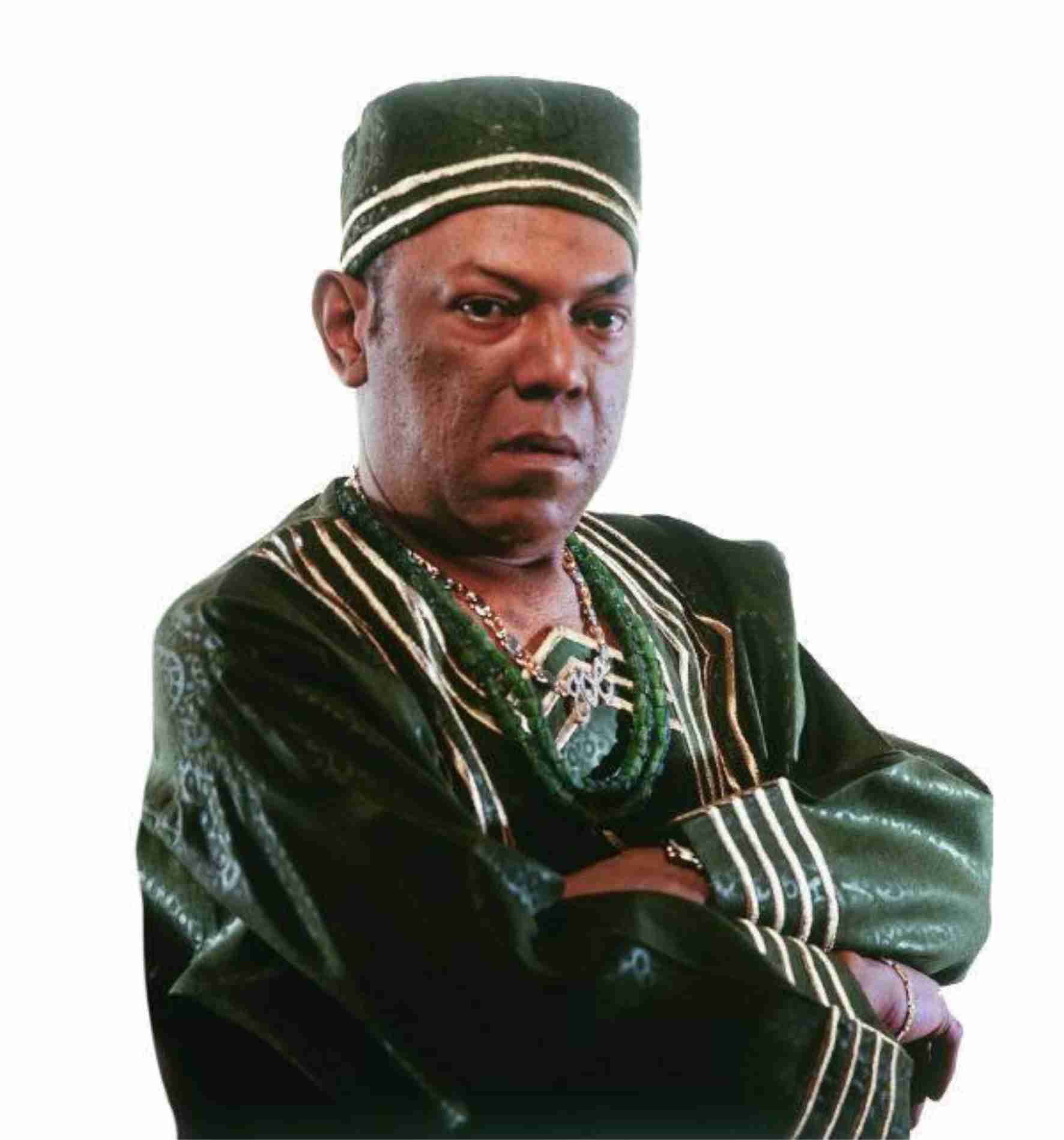
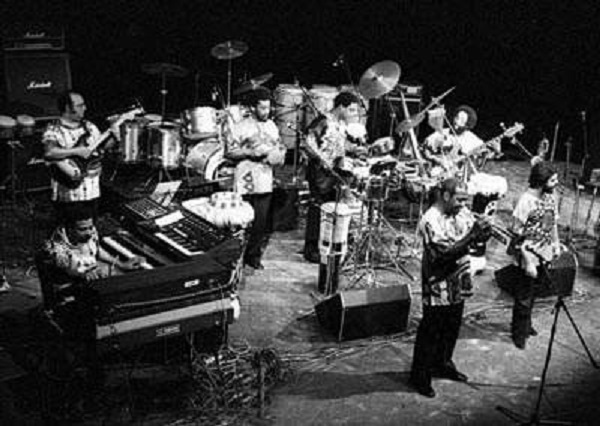
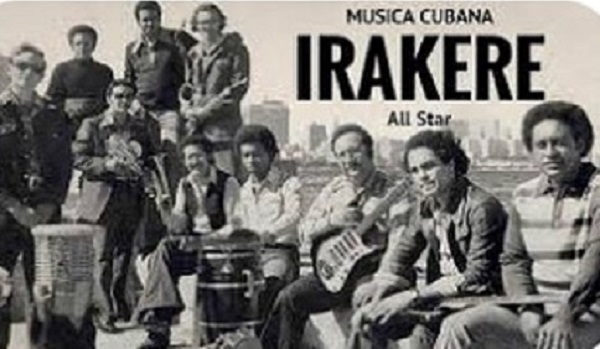
Irakere was a Cuban group that developed an important work in Cuban popular music and Latin Jazz under the direction of Chucho Valdés

Irakere was formed as such in 1967 but had begun to work much earlier; in that year precisely they went to a selection called in Havana to organize with the best musicians of that time the Cuban Orchestra of Modern Music; already in 1972 they were approaching to what they currently produce deciding in 1973 to call it Irakere, which in Yoruba language means Vegetation and that is how, starting from its name, they work based on the Afro-Cuban musical roots.

In this way, through the combination, mixture and interrelation of classical, impressionism, jazz, rock and various compositional techniques they managed to walk through all styles such as dance music, concert, traditional and popular Cuban music.

Thanks to the impulse of pianist Chucho Valdés, the Cuban group Irakere took off in 1973, nourished by Thelonious Monk’s bop.

Founders

Grupo Irakere: It was founded in Havana in 1973, by:

Jesús Valdés(Chucho) composer, director and pianist;

Paquito D’Rivera (Paquito), alto and tenor saxophone, flute and clarinet;

Carlos Averhoff, tenor saxophone, soprano, flute and bass clarinet;

Jorge Varona, trumpet, trombone and percussion;

Carlos del Puerto, bass, bass guitar and tuba;

Carlos Emilio Morales, guitar;

Bernardo García, drums and batá drums;

Jorge Alfonso, batá drums;

Enrique Plá, drums;

Carlos Barbón, güiro, chekeré and tambourine; and

Oscar Valdés, singer, tumbadora (conga), batá drums and bongo.

Irakere, fue un grupo cubano que desarrolló un importante trabajo en la música popular cubana y el Jazz Latino

On the founding of Irakere, Chucho Valdés expressed:

“For us the group always existed, it was present at all times; it was like something pending. At the beginning it had no name, it was just an idea we were working on: to use Cuban folkloric percussion in dance music, and to look for different timbres with a common characteristic: “ours”.

Then Oscar Valdés came up with the idea of combining the not easy and little known batá drum with the tumbadora, güiro and cowbell and so, step by step we arrived at the current group…”.

About Irakere’s first stage, the musicologist Leonardo Acosta points out: “one of the successes of Irakere had been not to try to invent and identify itself with a “new rhythm”, according to the old guidelines of advertising so much used from the forties to the sixties.

The slogan about the “new rhythm” was until recently the “open sesame” on which the musicians counted to become famous overnight, and by that way sometimes quite commercial results were achieved.

Apart from the fact that no “new rhythm” is so new, they all come from the alteration or amalgamation of pre-existing rhythms.

Irakere’s only alchemy comes from the spontaneous creativity of its members. Since there is no commercial endeavor, laboratory practices are unnecessary, and the group can perform a contradanza, a danzón, a son montuno or a cha cha chá without fear of seeming “old-fashioned”, since they are in fact playing something else at the same time. And without setting themselves the goal, nor having to invent a “pega” name, almost by an imperative of the material they are working on, new rhythmic combinations are emerging, to the point that Irakere’s rhythm is unmistakable among Cuban listeners or dancers.

Grupo cubano Irakere

Certainly, and in spite of their triumphs in international jazz festivals, Irakere is not a jazz group. But these successes are not gratuitous either, because as we have seen, they have formidable musicians with great experience in the jazz field, especially in the aspect of improvisation, the great discovery of jazz and perhaps its greatest contribution to the music of the 20th century.

“Paquito D’Rivera: Irakere was born against the will of the Cuban authorities”.

When talking about Cuban music, the name of one of the most emblematic groups in the country’s musical history comes to mind, Irakere, which in Yoruba language means vegetation, jungle.

Irakere became the seed that would germinate a lush forest of rhythms and sounds, a school through which many of the great stars of Cuban music have paraded.

Founded more than four decades ago, this legendary band has been a pioneer of Afro-Cuban jazz and the initiator of the musical revolution in the seventies.

Gracias al impulso del pianista Chucho Valdés, el grupo cubano Irakere levantó vuelo en 1973

Irakere emerged at a time when, due to political demands on the island, music and culture were treated as an instrument of revolutionary identification and jazz was branded as imperialist music.

It was at this time, in the late sixties and early seventies, that a group of great musicians founded a band whose main goal was to enrich Cuban popular dance music with Latin jazz as essential elements.

Under the direction of the outstanding pianist Jesús “Chucho” Valdés, excellent musicians came together in search of a different sonority, based on the use of Afro-Cuban folkloric percussion together with the renewed timbres of the popular rhythms of the time that fused jazz, rock, funk and popular Cuban rhythms such as son, mambo or cha cha chá, together with classical or concert music.

“Irakere was the Musical Generation of change”.

Sources:

https://www.ecured.cu/Irakere

Leonardo Acosta

Radio Televisión Marti

Mirna Guerra

Irakere

You can read: Israel Kantor was an excellent bassist, arranger and composer who achieved great popularity in Cuba for his vocal technique and original “Sonear” style

Where Will The “German Salseros” Celebrate In December?

Marathon, Festival, and current Salsa clubs we bring you for this season

18th Stuttgart Latino Festival

Germany has become one of the most hospitable countries for Latin American immigrants. In recent years, the number of people from Latin America has been on the rise, and this is due to the fact that this country located in the center of Europe offers a large number of job and educational opportunities, as well as a high quality of life.

Therefore, it is not surprising that many immigrants from the Caribbean and South America decide to celebrate their festivals and traditions in this region. In particular, the German Salseros (Latin American immigrants residing in Germany) are usually very active during the month of December, and this is because the Salsa events take place during this time of the year. So join us and discover all the Latin parties that Germany has prepared for you this month.

One of the most important social dance events in this country that borders nine nations is the 18th Stuttgart Latino Festival. This festival begins on the second day of December and will offer 36 hours of Workshops (Salsa On1, Salsa On2, Mambo, Pachanga, Bachata, Fusion Styles, and Body Movements), a lineup of more than 20 world stars of Salsa, Mambo, and Bachata, numerous national and foreign participants, and incredible international DJs mixing the best songs (DJ Rumbero – Salsa and DJ Milad – BACHATA) on three dance floors. The Stuttgart Latino Festival https://www.facebook.com/groups/latinfestival culminates on Sunday, December 4th, and will take place at the Sängerhalle Untertürkheim (Lindenschulstraße 29, 70327 Stuttgart). Tickets can be purchased at €179.

Hamburg Salsa Marathon 2022

Another event I present to you this month is Hamburg Salsa Marathon 2022 – NYE Edition. Hamburg Salsa Marathon 2022 – NYE Edition. This gender-balanced, high-level dance family Salsa-marathon will take place from Wednesday, December 28th (9 PM) to Sunday, January 1st, 2023 (8 PM) at Beerenweg 1D, Hamburg, 22761, De.

“The Marathon Pass NYE ​​Edition https://hamburgsalsamarathon.com/nye-edition?fbclid=IwAR2QJVxpxsQdQR9IRNZT-l5OI1TNrB3uXJMHx9buozmK13cqevAi0RuS8IY costs €190 (€180 couples pass) and includes 4 days and 4 nights of social dance practice. It also includes unlimited free drinks like coffee, tea, and water, some afternoon snacks, brunch on Thursday, Friday, Saturday, and Sunday, plus NYE ​​dinner on Saturday.”

And if you are wondering why they carry it out during these dates. Here, I give you the answer. The principal mission of its organizers is to be the perfect host so that you feel in a cozy atmosphere while you continue with your unstoppable passion for learning a social dance. In this way, they make sure to collaborate with the opportunity to spend the last days of the old year, where there were adventures and challenges, with friends.

Finally, I remind you that you don’t forget to stop by the Havanna club https://www.havanna-berlin.de/ located at Hauptstr.30 10827 Berlin, where you can enjoy Salsa, Merengue, Bachata, and other rhythms on four tracks dance with resident DJs. You can also try the mojitos in one of the seven bars, and as a prelude, you can take Salsa classes with qualified instructors at both advanced and amateur levels.

Ah! Here, I leave you this list of clubs where you will also find the “German Salseros” during December: Mint Club https://www.facebook.com/mintclubmunchen/?ref=page_internal (Munich), Buena Vista http://www.buena-vista-bar.de/ (Munich), Tank Bar https://tankbar-leipzig.de/ (Leipzig), Latin Palace Changó http://www.latinpalace-chango.de/  (Frankfurt), and Clärchens Ballhaus https://claerchensball.haus/ (Berlin).

Know The Best Latin Music Events In Spain During December

This month of vacation, you will have the opportunity to experience incredible concerts and festivals

In December, great festivals are celebrated in Spain that last from the beginning of Advent until New Year’s Day. Moderate, non-intrusive décor is ever-present in public spaces and homes during this exciting time of year. A wide range of music that goes from the traditional Spanish melody to Latin music (Salsa, Bachata, and Reggaeton) popular among the youngest will disperse throughout the Iberian country, and here I have summarized everything for you.

Salsa singer Yiyo Sarante will offer a concert in Girona for the first time at the Euphoria nightclub

In Girona (a province located in the northeast of the autonomous community of Catalonia), the Dominican singer Yiyo Sarante will make his first appearance on December 2nd in the spaces of the Latin disco Euphoria https://www.facebook.com/EUPHORIALATINAGIRONA/?ref=page_internal (Sala Univers, Girona, Carrer del camp de les lloses, 8) at midnight to present his most recent singles Quiero Perderme Contigo, Llorarás, Eres Pasado, Demonio y Prohíbeme Verte as well as his greats classics Pirata, Maldita Primavera, Tierra Mala, Nos engañó a Los Dos y Tres Semanas. Tickets are already available and range from €30 (online) to €40 (box office). The minimum age to access this event is 18 years.

This same day (Friday, December 2nd) the Sevillian exponent of Bachata Dani J will give a concert in Madrid as part of his Abraxas Dancing Tour to celebrate the season. This concert will take place at the Cervantes Complex (Highway M206 Torrejón at Km 2.6, M-206, Km 2, 600, 28890 Loeches, Madrid) at 1 AM, and its doors will open at 10:30 PM with a workshop, followed by an hour of social dance to then continue with the concert, and close with the second social dance until dawn. Tickets can be purchased from €15 by clicking here. https://complejocervantes.com/

The workshops, parties, and socials will be held at the 8 Tiempos Dance School

The third event that I bring you will take place in Zaragoza, the largest city in the autonomous community of Aragon in the northeast of Spain. The Zaragoza Dance Festival is a three-day celebration of tropical dance immersion with more than 30 Salsa, Bachata, and Kizomba workshops with great artists from Europe and Latin America in two simultaneous rooms, two nights of partying from 11 PM to 6 AM with DJ Tevez (Spain), DJ Sergio (Spain), DJ Shark (Cuba), DJ Antony Tarraxa (Italy), and DJ Enzo (Spain), as well as the concert of the world star of the song DANI J on Saturday night. The festival will take place from December 16th to December 18th at the facilities of the 8 Tiempos dance school located at C. de Tomás A. Edison, 9, Zaragoza. The full pass for the I Zaragoza Dance Festival which  will welcome thousands of fans from different corners of the planet can be purchased through its official website. https://lasalsadelbaile.com/zaragozadancefestival

Following the same trend in festivals this season, the Winter Bachata Festival stands out. It is an annual event that is organized in Gandia city, province of Valencia. This seventh edition features local dance professionals who will help hone the skills of amateur dancers. All this by the hand of DJ Miguelón, DJ Salva, and DJ Yago who will animate with their mixes the daytime and nighttime workshops as well as the parties and social dances that will start at 11:30 PM until 3 AM. In this field dominated by Latin dance professionals, you will have the opportunity to attend and meet new friends. Winter Bachata Festival https://lasalsadelbaile.com/winterbachata will take place from December 8th to December 11th at the Hotel Gandia Palace (Carrer de la Rioja, 41), and the ticket costs €45.

Seats will be assigned in order of entry of reservations. If necessary, tables will be shared

Finally, in this list of the best Latin music events in Spain that will make you live an unforgettable experience during this beautiful time of year, I bring you the Terra show with an international cast made up of almost 50 artists who will be in charge of guiding a trip around the world very particular that will surprise and show the spectator all the artistic richness with the main performances by the New Bambú Orchestra, the Christmas carols by candlelight with the tribute to Il Divo, and the singer Ami Tapper, who will accompany the spectators during this journey with musical themes that have become universal classics. In addition, award-winning magician David Climent, comedian Titto Lester, aerial contortionist Sharyn Monni, Kimberly Lester with the number of “sand art” and circus artists Sandy, Samantha & Jastin Monteiro Vassallo will perform.

On Sunday, December 25th (New Bambú show and tribute to Il Divo + gala dinner: €70), Saturday, December 31st (show + gala dinner: €185) and Thursday, January 5th (show + gala dinner: €64) are the dates to enjoy this amazing show by Terra at the Benidorm Palace concert hall www.benidormpalace.es located at Avenue Severo Ochoa 13 in the city of Benidorm, one of the most popular tourist destinations in Europe and the Second city in the world with the highest number of skyscrapers per square meter.

Read also: You will hallucinate with these 4 salsa clubs in spain

  • « Go to Previous Page
  • Page 1
  • Interim pages omitted …
  • Page 84
  • Page 85
  • Page 86
  • Page 87
  • Page 88
  • Interim pages omitted …
  • Page 120
  • Go to Next Page »

International Salsa Magazine (ISM) is a monthly publication about Salsa activities around the world, that has been publishing since 2007. It is a world network of volunteers coordinated by ISM Magazine. We are working to strengthen all the events by working together.