• Skip to primary navigation
  • Skip to main content

International Salsa Magazine

  • HOME
  • Previous editions
    • 2026
      • ISM / March 2026
      • ISM / February 2026
      • ISM / January 2026
    • 2025
      • ISM / December 2025
      • ISM / November 2025
      • ISM / October 2025
      • ISM / September 2025
      • ISM / August 2025
      • ISM / July 2025
      • ISM / June 2025
      • ISM / May2025
      • ISM / April 2025
      • ISM / March 2025
      • ISM / February 2025
      • ISM / January 2025
    • 2024
      • ISM / December 2024
      • ISM / November 2024
      • ISM / October 2024
      • ISM / September 2024
      • ISM / August 2024
      • ISM / July 2024
      • ISM / June 2024
      • ISM / May 2024
      • ISM / April 2024
      • ISM / March 2024
      • ISM / February 2024
      • ISM / January 2024
    • 2023
      • ISM / December 2023
      • ISM / November 2023
      • ISM / October 2023
      • ISM – September 2023
      • ISM – August 2023
      • ISM July 2023
      • ISM Edition June 2023
      • ISM – May 2023
      • ISM April 2023
      • ISM March 2023
      • ISM February 2023
      • ISM January 2023
    • 2022
      • ISM December 2022
      • ISM November 2022
      • ISM October 2022
      • ISM September 2022
      • ISM August 2022
      • ISM July 2022
      • ISM June 2022
      • ISM May 2022
      • ISM February 2022
      • ISM January 2022
    • 2021
      • ISM December 2021
      • ISM November 2021
      • ISM October – 2021
      • ISM September 2021
      • ISM August 2021
      • ISM July 2021
      • ISM May 2021
      • ISM April 2021
      • ISM June 2021
      • ISM March 2021
      • ISM February 2021
      • ISM January 2021
    • 2020
      • ISM December 2020
      • ISM November 2020
      • ISM October 2020
      • ISM September 2020
      • ISM August 2020
      • ISM July 2020
      • ISM June 2020
      • ISM May 2020
      • ISM April 2020
      • ISM March 2020
      • ISM February 2020
      • ISM January 2020
    • 2019
      • ISM December 2019
      • ISM November 2019
      • ISM October 2019
      • ISM Septembre 2019
      • ISM August 2019
      • ISM July 2019
      • ISM June 2019
  • Spanish
  • Download Salsa App
    • Android
    • Apple

Search Results for: Havana

Ignacio Berroa

USA / New York / New York

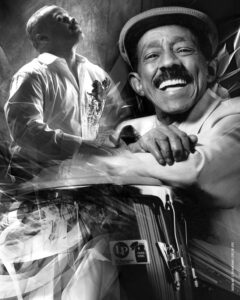
Ignacio Berroa has been recognized as one of the greatest drummers of our times. He was included in the 2011 Mp3 compilation entitled “Jazz Drumming Legends” which features some of the most renowned drummers in Jazz history.
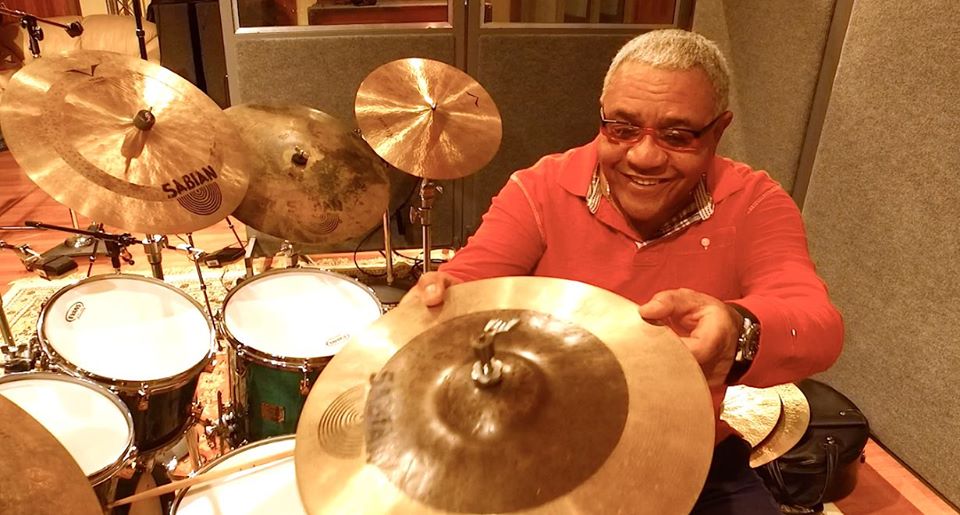
Ignacio Berroa
Ignacio Berroa

Ignacio Berroa was born in Havana Cuba on July 8 1953. He began his musical education at age 11 at the National School of Arts and subsequently at Havana’s National Conservatory, beginning his professional career in 1970. By 1975 Ignacio had become Cuba’s most sought after drummer.
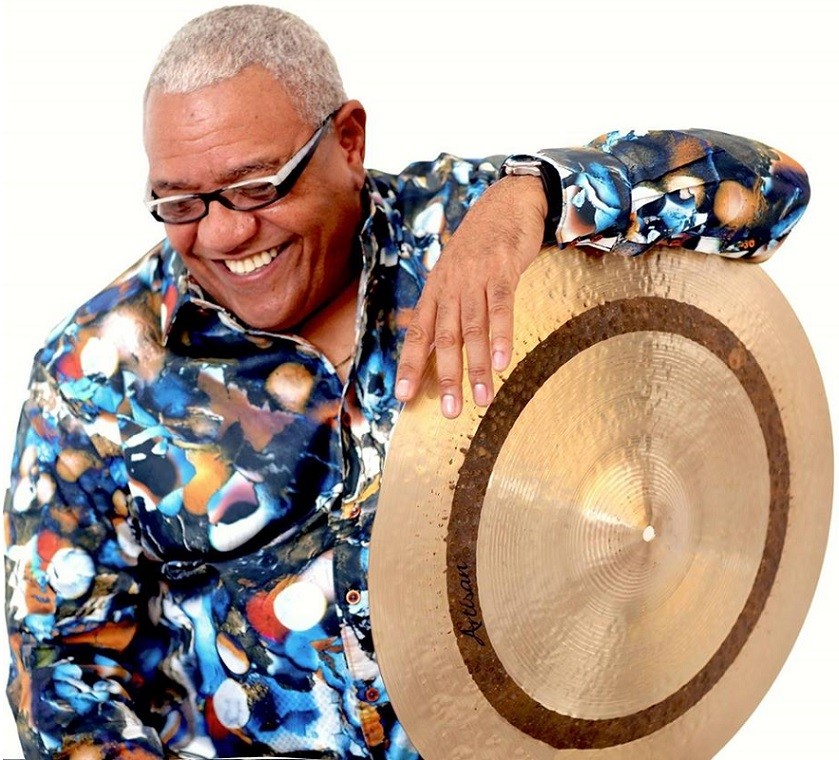
Ignacio Berroa
Ignacio Berroa

In 1980 he left his country during the Mariel boatlift and settled in New York City where he met the great Cuban musician Mario Bauza who introduced him to Dizzy Gillespie. In August 1981 Gillespie invited Ignacio to join his quartet.

Ignacio Berroa also took part of all the important bands Gillespie assembled during that decade such as: The Dizzy Gillespie 70th Anniversary Big Band, The Dizzy Gillespie All Stars Big Band and the Grammy Award winner, United Nation Orchestra. This relation lasted until Dizzy’s death.

Jazz Legend Dizzy Gillespie best defined Ignacio as: “… the only Latin drummer in the world in the history of American music that intimately knows both worlds: his native Afro Cuban music as well as Jazz…”As an author and a renowned educator he made his mark with the instructional video: Mastering the Art of Afro–Cuban Drumming as well as the books: Groovin’ in Clave and A New Way of Groovin’. He also conducts clinics and master classes around the world.
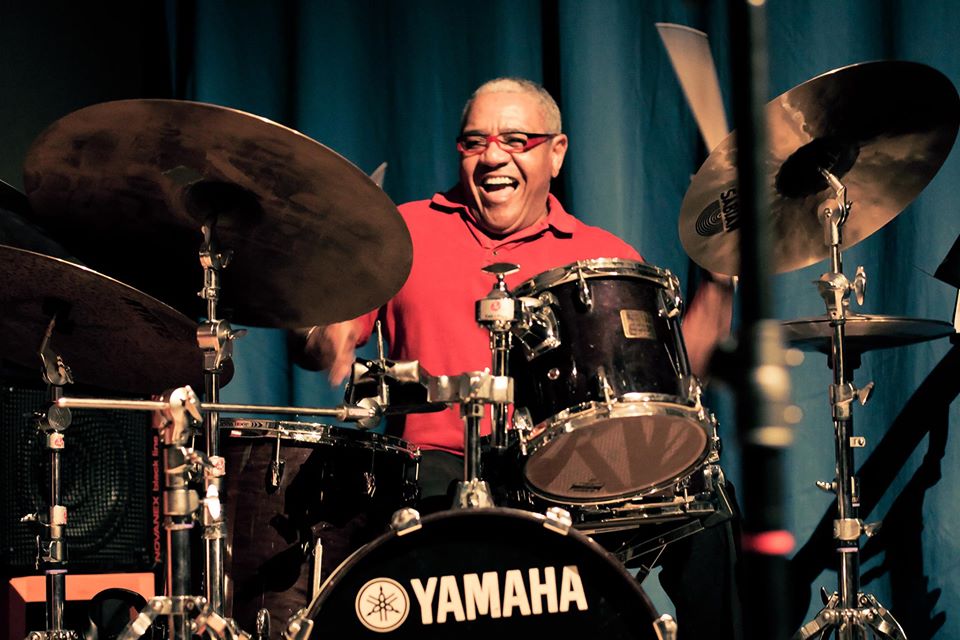
Ignacio Berroa in concert

As a leader, his album“ Codes” was released in 2007 under Blue Note Records. In 2007 Codes was Grammy nominated, winning a Danish Music Award as best International Jazz Album.

His second album as a leader “Heritage & Passion” was released in 2014 under 5Passion. Ignacio has recorded and played with musicians of the stature of: McCoy Tyner, Chick Corea, Wynton Marsalis, Freddie Hubbard, Clark Terry, Jackie McLean, Jimmy Heath, James Moody, Jon Faddis, Slide Hampton, Michael Brecker, Milt Jackson, Jaco Pastorius, Ron Carter, Charlie Haden, Tito Puente, Mario Bauzá, Lalo Schifrin, Gonzalo Rubalcaba, Danilo Perez, David Sanchez, Michel Camilo, Chico Bouarque, Gilberto Gil, Ivan Lins, Joao Bosco, Lenny Andrade, Lincoln Center Orchestra, WDR Big Band and BBC Big Band to name a few.

Ignacio Berroa
Ignacio Berroa

Luis “Papo” Marquez, Musician, singer, songwriter and producer

North America / Miami / Florida

This son of music, born on December 18, 1972, in the Pinar del Río Cuba Province, was raised between notes and chords that led him to be the artist he is today, known as Luis “Papo” Marquez, and considered a complete musician: trumpeter, composer, arranger, singer and music producer.

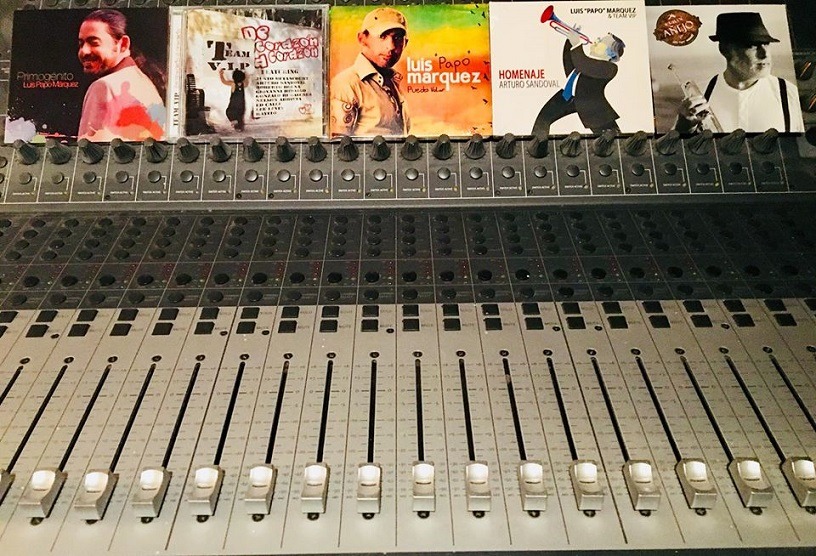
Luis Papo Márquez in the studio

As a child, he contemplated music as his environment, profession and way of life, thanks to his family who instilled in him all the passion for art and provided him with the tools to develop his knowledge. He began his trumpet studies at the age of 8 (eight) and, at 15 (fifteen), he already practiced professionally as a trumpet player in groups such as the Bella Mar Orchestra, Grupo Cumbre, musical grouping Los Trimmers, Grupo Íreme and Ricardo Hechemendía, in Pinar del Río and Havana.

Luis Papo Márquez
Luis Papo Márquez

At 19 (nineteen) he emigrated with his family to Venezuela, a country that opened the doors for his artistic consolidation, where he managed to make art on a large scale with the execution of his instrument and took the first steps within the world of composition and production.

“In Cuba, love and passion for music through the trumpet was born from me, but it was in Venezuela where I had, for the first time, the opportunity to look closely at how the art of composition worked. Suddenly, I was sitting in front of a piano and reading music sheet, trying to understand how they worked and falling in love with the trade. ” LPM

the equalizer equipment

This is how he started a successful career, thanks to his perseverance and permanent study, having the opportunity to play his trumpet with Venezuelan orchestras such as Mauricio Silva, Erick Franchesky, Naty and his Orchestra, Biella Da Costa, Ilan Chester, Sergio Pérez, Porfi Jimenez , Alfredo Naranjo, Orlando Poleo, Los Incorregibles, Mulato, Repicao and Guaco.

He continues forging his path and arrives in Miami, where he expands his international path with artists such as Jon Secada, Bacilos, Willy Chirino, Oscar D ‘León, Juan Gabriel, Gilberto Santa Rosa, Jerry Rivera, Celia Cruz, Cheo Feliciano, Chayanne, José Luís Quintana “Changuito”, Jose Alberto “El Canario”, Víctor Manuel, among others, with whom he has the opportunity to present himself as a trumpeter and in some cases, as arranger and producer.

Luis Papo Márquez playing trumpet

One of his biggest recognitions has been the delivery of an American Grammy Award for best music producer with the album “Son del Alma” by Willy Chirino; however, for LPM, the recognitions come day by day with the opportunity to make the music that moves and elevates them in their personal and artistic satisfaction.

Luis Papo Márquez defines himself as a “citizen of the world” born in Cuba and with a Cuban-Venezuelan heart. Work and discipline are his pillars to get ahead and his greatest passion will always be “creating music that makes the world move”.

Participation as Trumpeter and Arranger: Jon Secada, Bacilos, Willy Chirino, Juan Gabriel, Gilberto Santa Rosa, Jerry Rivera, Celia Cruz, Guaco, Cheo Feliciano, Chayanne, Edwin Bonilla, Luis Enrique, Victor Manuel, Rafael “El Pollo” Brito, Oscar D´León.

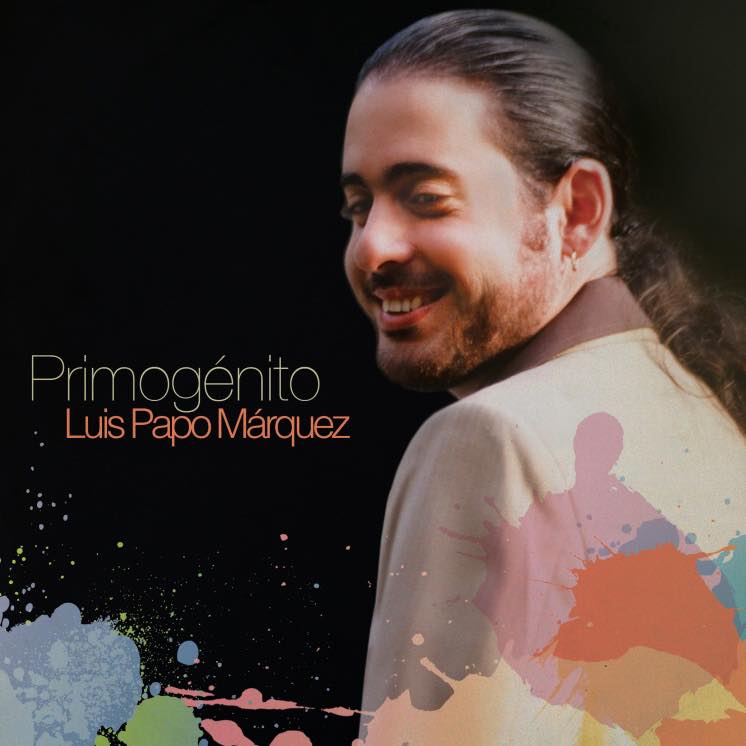
Primogénito Luis Papo Márquez

Record Productions:

  • Son del Alma (The rhythm of the soul). Willy Chirino. 2004. Grammy winner.
  • De corazon a corazon (From heart to heart). Team VIP. Luis Papo Marquez. 2007
  • Wireless Telegraphy. José Luis Quintana “Changuito”. 2007
  • Puedes volar (You can fly). Luis Papo Marquez. 2011
  • Arturo Sandoval tribute. 2016
  • Cuban Añejo. 2017
  • Firstborn. 2019

Wilson “Chembo” Corniel Jr.

Wilson “Chembo” Corniel Jr.“A sprinkling of be-bop, a touch of swing with a dollop of bomba, rumba, tango and danzón topped with ‘un chin’ de charanga.”

Grammy award nominated percussionist Wilson “Chembo” Corniel was born in Manhattan on November 22, 1953 of proud Puerto Rican parents; Chembo was raised in the humble streets of Red Hook, Brooklyn.

1- Wilson “Chembo” Corniel Jr

Wilson “Chembo” Corniel Jr

It was during these years, as a quick-witted youngster, that he had the privilege and honor to study with such percussion luminaries as, Tommy Lopez Sr., “Little Ray” Romero, Louie Bauzo, and Cachete Maldonado.

Chembo honed his skills at The Harbor Conservatory for the Performing Arts in New York, and also at the prestigious La Escuela Nacional de Arte in Havana, Cuba under the direction of the great Chucho Valdés.

His intense studies with such legends noted above channeled his energy onto a path where Wilson “Chembo” Corniel has now created a reputation for himself among musicians and the public. Today, he is considered as one of the best hard-hitting, versatile percussionists around.

Chembo teaches percussion to students at the SUNY Purchase Conservatory of Music and leads numerous clinics throughout the United States where he brings awareness to others of the rich Afro-Caribbean traditions.

Among his credits, Chembo was chosen to create his own instructional DVD called, “An Introduction to Hand Percussion: Volume I—Congas”. It was released in December of 2000 and with distribution by Warner Brothers it has been a success.

He’s been a vital endorser of Latin Percussion instruments since 1982 as he is currently for Remo drum heads, Vic Firth sticks and Sabian cymbals.

His touring credits are as long as his performing credits. Chembo has toured with many major artists throughout Europe, Asia, North & South America, and the Caribbean. Television credits include an appearance on the “Bill Cosby Show” and a recurring recording gig on Nickelodeon’s children show, “Dora the Explorer”.

Chembo continues to perform and/or record with many artists of different genres. He is currently concentrating on leading his own Latin Jazz quintet, “Chembo Corniel Quintet”. Chembo received a GRAMMY NOMINATION by NARAS IN 2009 for “BEST LATIN

JAZZ ALBUM” for his 2009 cd “Things I Wanted To Do”. This is a well-balanced Latin Jazz group that incorporates many rich traditions, such as writer Aurora Flores states:

“A sprinkling of be-bop, a touch of swing with a dollop of bomba, rumba, tango and danzón topped with ‘un chin’ de charanga.”

Wilson “Chembo” Corniel Jr. ARTISTS: RECORDINGS:

  • Wilson “Chembo” Corniel – “Land Of The Descendants” – 2016
  • Wilson “Chembo” Corniel – “Blue Monk” (ASM) – 2012
  • Wilson “Chembo” Corniel – “Things I Wanted To Do” – 2009
  • Akiko Tusuruga – Orient Express – 2009
  • Wilson “Chembo” Corniel – “For The Rest Of Your Life” – 2007
  • Mark Sherman – Family – 2007
  • Carlos Jimenez – El Flautista – 2007
  • Akiko Tusuruga – Sweet And Funky – 2006
  • Chris Washburne & SYOTOS – Land Of Nod – 2006
  • Chembo Corniel & Andrea Brachfeld – Beyond Standards 2006
  • Willie Martinez – La Familia – 2005
  • Hilton Ruiz – Steppin’ With T.P. – 2005
  • Wilson “Chembo” Corniel – Portrait In Rhythms – 2004
  • Ray Vega – Squeeze Squeeze2004
  • Chris Washburne & SYOTOS – Paradise In Trouble – 2003
  • Steve Wilson – Soulful Songs – 2003 Larry Harlow’s
  • Latin Jazz – Live At Birdland -12/02
  • Chico Freeman – By The Way -4/2002
  • Ray Vega – Pa’lante -3/2002
  • Blood, Sweat & Tears – Christmas Album -12/02
  • Chris Washburne & SYOTOS – The Other Side – 4/2001
  • David Gonzalez & LLB – Sofrito3/2000
  • Bobby Sanabria BIG BAND-Live At Birdland -2/2000
  • (Grammy Nominated) Chris Washburne & SYOTOS – Nuyorican Nights -10/99
  • Ray Vega – Boperation- 8/99
  • Larry Harlow – Latin Legends Band – 5/98
  • The Bronx Horns – Silver in the Bronx – 4/98
  • Greg Abate – Sweet Samba – 3/98
  • Buddy Montgomery Trio – Here Again -1/98
  • Ray Vega – Ray Vega -12/97
  • Willie Colón – Honra y Cultura Louie Ramirez – El Genio de la Salsa Jose Bello – Jose Bello y su Orchestra Bobby Rodriguez y la Compañia – Hay Que Cambiar La Rutina

ARTISTS: TOURS/PERFORMANCES:

  • Chucho Valdés
  • Hilton Ruiz
  • Buddy Montgomery
  • Angela Boll
  • Tito Puente
  • Grady Tate
  • Machito
  • Willie Colón
  • Toshiko Akiyoshi
  • Jane Bunnett & Spirits of Havana
  • Bobby Sanabria Big Band
  • Charlie Sepulveda
  • Andrea Brachfeld
  • Ray Vega
  • Bob Baldwin
  • Jose Alberto “El Canario”
  • Pete “El Conde” Rodriguez
  • Larry Harlow
  • Tito Nieves
  • Louie Ramirez
  • Chico Freeman
  • Chris Washburne & the Syotos Band
  • Chico O’Farrill Big Band
  • Bobby Rodriguez y Compañia
  • Lainie Kazan
  • Celia Cruz

Anya Katsevman: “You have the dream, I have the tools”

USA - New York - New York

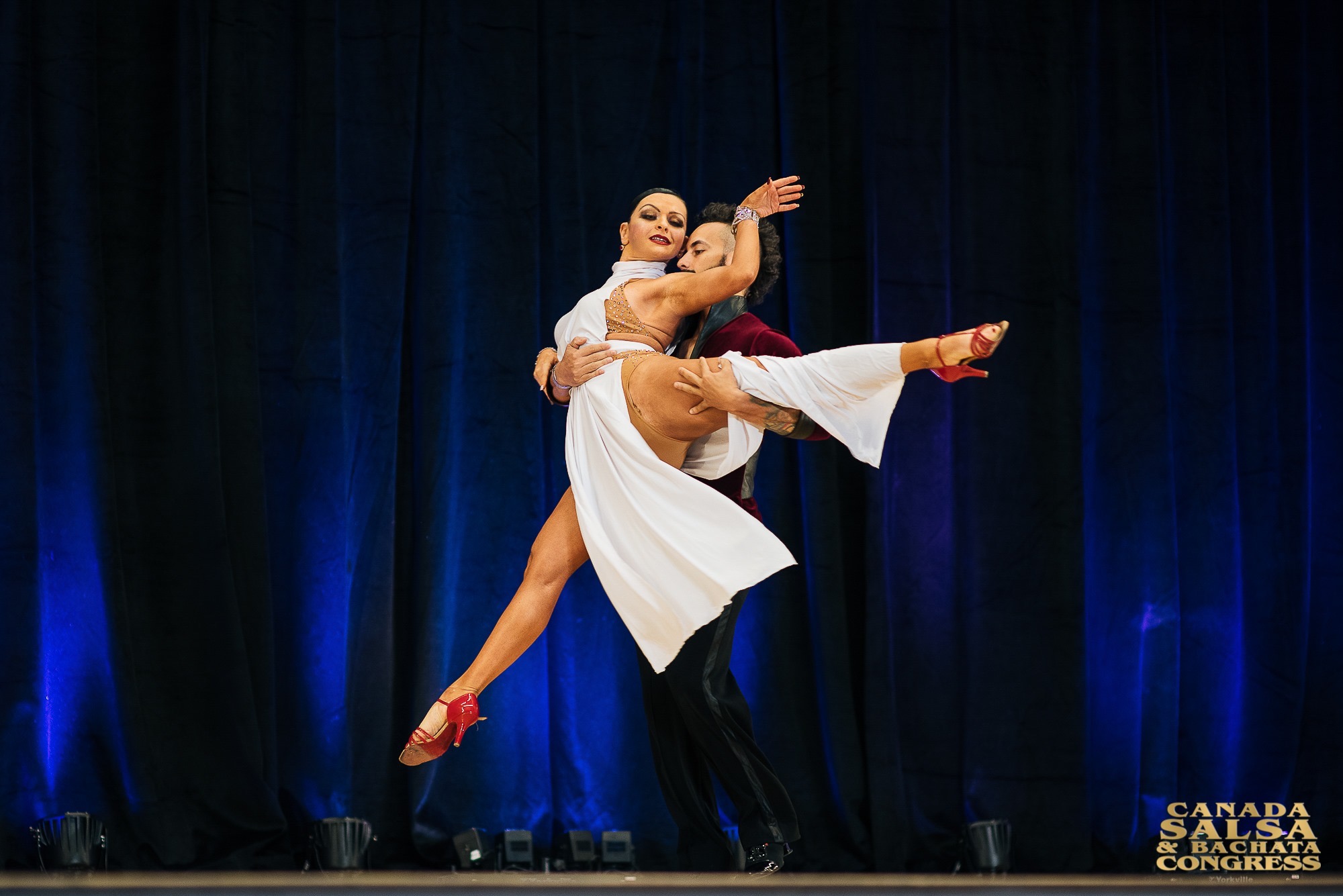
When we refer to Anya Katsevman, the first word that comes to mind is: passion! And that is the only way we could explain that a woman has so much strength, dedication and dedication in different facets of her life.

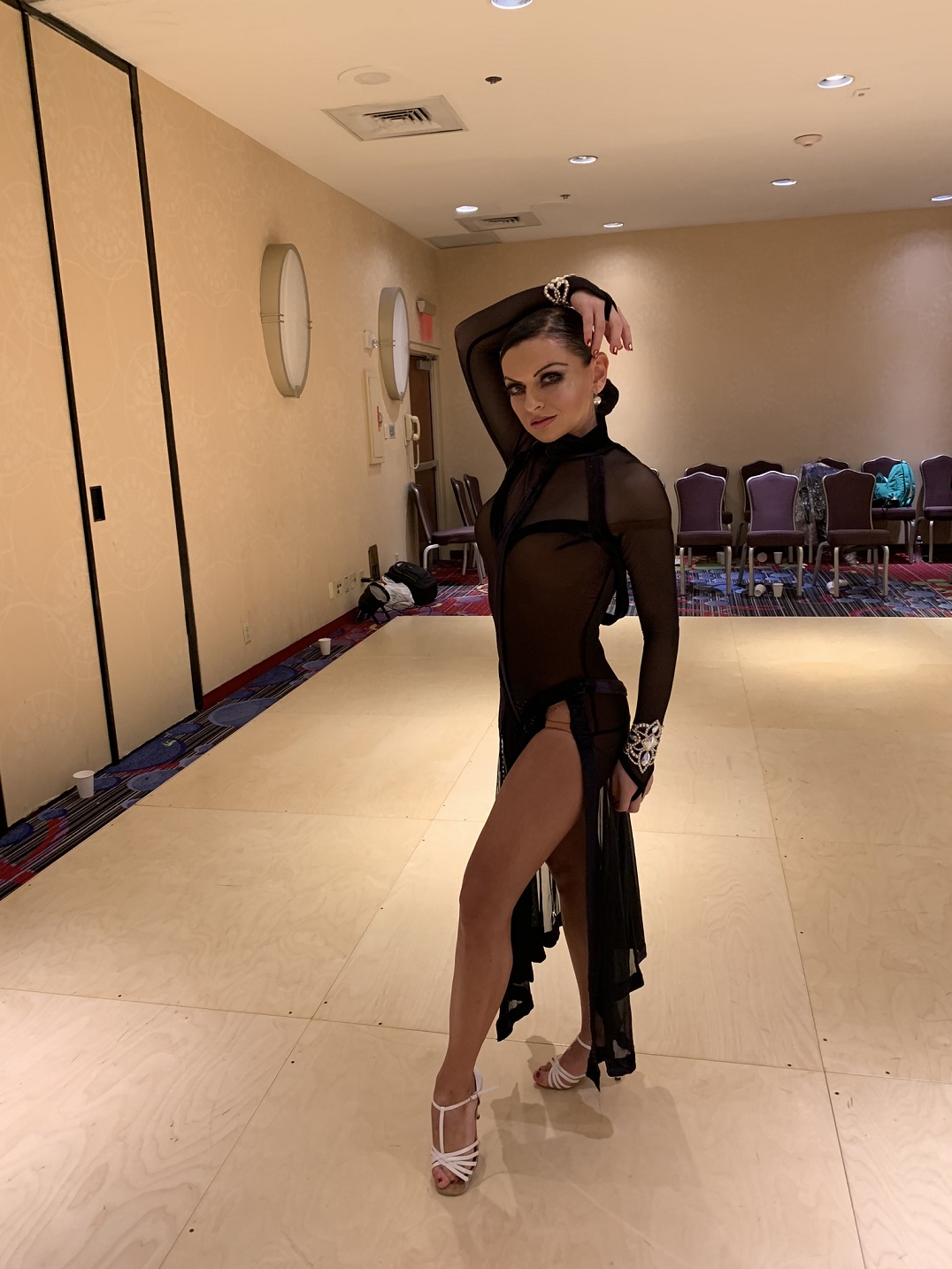
Anya Katsevman is not only a dancer and choreographer, but also a motivational coach and dream builder. In addition, it has its own line of dance dresses and costumes. An unstoppable woman!

Anya Katsevman by Franklin Liranzo
Anya Katsevman Courtesy of Franklin Liranzo

A native of Kiev, Ukraine, Anya and her family immigrated to the United States when she was 8 years old. She is the younger sister of award-winning Latin dancer Eugene Katsevman. She lives in New York.

She also holds numerous titles in salsa. Among them, she is a two-time World Champion as well as the San Francisco International Salsa Congress and New York Salsa Congress Champion.

Anya Katsevman dancing

Anya Katsevman is a maker of champions

This is precisely the distinctive mark of Anya Katsevman , that ability to make each dancer, each artist, each dreamer discover in himself his potential to succeed, his style and make the most of his abilities.

She believes that “the art of dance requires much physical ability, exposure and practice. The art of dance is also developing your own voice and getting to know the artist behind the athlete that makes the dancer”

A wonderful career

“Queen of Salsa” Anya Katsevman is a two-time World Salsa Champion, coach and choreographer to more than a dozen world champions, noted costume designer, respected salsa congress circuit judge and advocate for international Latin dance who has transformed the sport during her more than 25-year career.

Anya Katsevman
Anya Katsevman

Renowned for her unique coaching methods, Anya’s style blends multiple cultures and dance forms: her eastern European upbringing and the appreciation for Latin dance culture that she developed in the United States; and her ballroom and salsa backgrounds. She demands rigor, discipline and excellence, and uses her understanding of anatomy, physiology and movement while encouraging freedom of expression to turn her students into the top dancers in the world.

Anya trains and choreographs for “Dancing with the Stars Costa Rica” principal dancer Lucia Jimenez (2020 World Bachata, Chacha and Salsa Champion), “America’s Got Talent” stars Harold Rancano and Regan Hirose (9-time World Bachata Champions), the Huracan Dance Company (2019 World Team Salsa Champions), the stars of Quebec’s 
Revolucion Adriano Leropoli and Samantha Scali (2017 World Salsa Champions), principal dancers in Carmen to Havana and Back Isabelle Freiberger and Hunter Houde and the USA World Games Olympic salsa team.

Always successful and sharing her knowledge

As a competitor and performer, Anya has won more than 20 world titles including the 2009 and 2010 Salsa World Championships. She is also the 2008 North American Salsa Champion, a two-time San Francisco Open Salsa Champion, two-time New York Congress Salsa Champion, Puerto Rico Open Salsa Champion and La Classique Du Quebec Champion. Anya has starred in touring shows “Burn the Floor ” on Broadway and ABC’s “Dancing with the Stars, in addition to numerous other television productions, stage shows, movies, and showcases in the U.S. She has performed with El Gran Combo, Gilberto Santa Rosa and “The Mambo King” Eddie Torres, and for President Barack Obama.

Anya Katsevman - dancers
Anya Katsevman – dancers

Anya is an ambassador for salsa, helping to expand its popularity worldwide. She believes connection is one of the most important aspects of the human experience, and dance is the best medium to explore how we connect with each other and ourselves. Anya has expanded her dance instruction to include GoDeeper, which she co-founded in 2019 to provide monthly movement classes, individual coaching sessions, and group workshops to promote professional growth and self discovery.

Meet this talented woman

International Salsa Magazine had the pleasure of interviewing Anya recently and invites you to learn a little more about this magnificent artist.

International Salsa Magazine (ISM): How did you discover your passion for Latin Dance?

Anya Katsevman (AK): My brother is a professional ballroom dancer

I started to dance ballroom in 1995 following his footsteps  I competed in the international Latin category world wide  in 2007 I was teaching in a dance studio in Manhattan and they did a lot of salsa  that’s where I was introduced to social dancing  I fell in love with the idea that dance is accessible to all people and doesn’t have to be competitive  from there my love for salsa turned in to a career choice  I decided to study Latin social dance and became a two time world salsa champion  for me it was a passion to spread the beauty of dance through teaching as much as performing that did the trick.

ISM: Have you had any obstacle in your professional life? How could you overcome them?

AK: I think when your career is long enough you will probably have many obstacles to overcome  and your passion for your craft and the reason you do it is usually stronger than the obstacle in front of you that gives you the drive to overcome it  it is hard to narrow specifics down because I’ve had so many  my competitive dance partner lived 3000 miles away from me when we won the worlds in 2010 and I just made the commitment to work hard and travel pick up the slack where needed and get the job done regardless I think that was the formula in every struggle.

ISM: What is the achievement that has made you most proud?

AK: I am most proud of all of my students accomplishments  I am of course extremely proud and honored to be a world champion but for me the pleasure of having developed other world champion’s especially those who started learning from me from scratch makes me extremely proud beyond all measures I am also very proud of how individual and independent all of my students are  the variety and diversity of their dancing makes me really happy.

ISM: In the path of entrepreneurship, how did you manage to find the strategy to grow your business? What are the skills you consider an entrepreneur must have to achieve success?

AK: Honestly I believe success comes from genuine passion and desire  it is easy for us to study a successful person after the fact and say which moves appeared strategic but I believe who ever is on their way working toward that goal should do it because they are passionate about each step not because of the end result  my business grows because I am committed to my craft and doing it at my best capacity.

I am genuinely passionate about my dance quality  my students growth and the subjects I am teaching  I study the Industry I watch for what’s missing I ask what contribution would be of most value this doesn’t feel like hard work to me  it is my passion my genuine interest and the rest flows  when I feel I am doing something strategic or because it’s good for my brand or etc it doesn’t flow the same way feels forced and isn’t as successful so I try to only go with my own flow current interest and most passionate desires.

ISM: Could you give us some advice to maintain discipline, even in complex situations?

AK: Absolutely  discipline is hard for anyone when it feels needed and forced so I always try to flip the mindset  if I have to do something I’m bored of or am avoiding because it’s hard or tedious I always find something to be excited about instead whether it is dreaming of what the task will do for me  or adding something Sensory I enjoy to the task like my favorite sounds smells or visuals or including a friend in the process.

If you focus on what you do like about it it’s much easier to do it. Also discipline is really only hard at first pretty quickly it becomes a habit so if you put more disciplined things in to practice it will all feel like a habitual part of your day and you’ll start to enjoy it and feeling accomplished.

ISM: What would you say to all those young dancers who want to achieve a dream?

AK: They do come true!!!!!

Dream more!!!! Everything is possible  want it bad enough to work for it but don’t be afraid to dream those wild dreams if it wasn’t possible you wouldn’t have had the dream in the first place.

Bebo Valdés is considered one of the central figures of the golden age of Cuban music

On March 22, 2013 in Stockholm, Sweden, Dionisio Ramón Emilio Valdés Amaro, better known as Bebo Valdés, died.

He was an excellent musician of Cuban music and Afro-Cuban jazz, considered one of the central figures of the golden age of Cuban music.

In addition to being a pianist, his best known facet, he has been a composer, arranger and orchestra conductor.

He was born in Quivicán, Cuba, on October 9, 1918. He was the father of the Afro-Cuban jazz pianist Chucho Valdés (b. 1941). From 1931 to 1935 he studied piano in his hometown with Moraima González; in 1936 he moved with his family to Havana, where he studied music theory, harmony and composition with Oscar Bofartigue.

In 1938 he made his professional debut with Happy D’Ulacia’s orchestra. He played in Havana, since the 1940s, in the orchestras Ulacia, García Curbelo, Julio Cueva and Orquesta Tropicana, and recorded albums with groups dedicated to performing Afro-Cuban jazz.2

Known among his family and friends by the affectionate nickname of Caballón because of his considerable stature, he composed mambos, such as La rareza del siglo, which covers the genre recently introduced by Pérez Prado and which would change the course of Cuban music. From 1948 until 1957, he worked at the Tropicana cabaret as pianist and arranger for Rita Montaner.

The Sabor de Cuba orchestra, of Bebo Valdés, and that of Armando Romeu, made the show of this night club, in which Valdés stopped performing in 1957, when he was hired by Ernesto Roca, of the Peer International Music Publishers, to make arrangements for Xiomara Alfaro and Pío Leyva; at the same time, he joined Guillermo Álvarez Guedez, of the Panart and Rolando Laserie in Radio Progreso. With his orchestra Sabor de Cuba, he accompanied singers Reinaldo Henríquez, Orlando Guerra (Cascarita), Pío Leyva and Ada Rex; Beny Moré also sang with this group, and Chucho Valdés made his debut.

About the descarga or jam session, there are multiple versions, this is the one by Bebo Valdés which, due to the concreteness of data, dates and record labels that made the recordings, is the most objective: “One night in October 1952, I was resting in a cabaret in Havana with members of the Tropicana orchestra.

Bebo Valdés Fue un excelente músico de música cubana y jazz afrocubano, considerado como una de las figuras centrales de la época dorada de la música

It is important to know that since 1948, Cuban, Mexican or even American musicians used to meet on Sunday afternoons at the Tropicana to play descarga, in the course of which we mixed jazz and Cuban rhythms.

Sometimes the descargas were held at four o’clock in the morning, at the end of the [Tropicana] show. The percussionist Guillermo Barreto was the one who animated them; we had received Roy Haynes, Kenny Drew, Sarah Vaughan, Richard Davis and many other musicians passing through; in fact, all the great names of jazz paraded through the Tropicana.

All of that could have been recorded, but no one was interested. So, that night Irving Price, the owner of a record store on Galiano Street, announces to me that producer Norman Granz is in town and that he can’t believe that Cuban musicians are capable of playing jazz.

Granz and Price ask me to go to the studio to record. It was September 16, 1952. So, I called some musicians, but I myself was late for the session, because in the morning I had another recording for RCA: I was going to accompany a singer! When I finally arrived at Panart’s studio, Granz had already left for the United States.

We called the orchestra The Andre’s All Star, after the name of Irving Price’s record store. We had decided to play classic jazz tunes, such as Distrust, Taboo, Sleep and Blues for Andre. At the end of the session, as there were still a few minutes available for the record, I started playing a riff, from which we improvised. We called that track “Con poco coco.”

The record was titled Cubano! and the participating musicians were all from the Tropicana cabaret: Gustavo Más, tenor saxophone; Alejandro Vivar (El Negro Vivar), trumpet; Kiki Hernández, double bass; Guillermo Barreto, timbal; Rolando Alfonso, tumbadora and Bebo Valdés, piano.

The works it contains are the same as those mentioned by Bebo Valdés, and the label, Mercury. In 1955, Bebo Valdés recorded, in the studios of Radio Progreso, Holiday Habana and She Adores the Latin Type, for the Decca label, which contained mambo, chachachá, bolero, jazz descarga, even jazz with bebop tendencies.

According to Luc Delannoy, in 1956 the Panart recorded Cuban Jam Session, with Julio Gutiérrez and Pedro Jústiz (Peruchín), as directors, and the musicians Alejandro Vivar (El Negro Vivar), Edilberto Escrich, Osvaldo Urrutia (Mosquifin), Emilio Peñalver, José Silva (CHombo), Juan Pablo Miranda, Salvador Vivar, Jesús Esquijarrosa (Chucho), Oscar Valdés, father, Marcelino Valdés, Walfredo de los Reyes and José Antonio Méndez. The participation of Israel López (Cachao) in a descarga did not occur until 1957, when the Panart recorded Descargas cubanas, with the participation of Cachao himself, Guillermo Barreto, Gustavo Tamayo, Rogelio Iglesias, Richard Egües, Andrés Hechavarría (El Niño Rivera), Rolito Pérez, Alfredo León, Arístides Soto (Tata Güines), Alejandro Vivar (El Negro Vivar), Generoso Jiménez, Orestes López (Macho), Emilio Peñalver and Virgilio Vixama. In other years, there were also recordings of downloads, and some unrecorded ones, such as those recalled by Leonardo Acosta at the Cuban Jazz Club, held between 1958 and 1960, with the participation of Pedro Jústiz (Peruchín), piano; Guillermo Barreto, drums and pailas, and Arístides Soto (Tata Güines), tumbadora (drums). This proves -or at least shows another side of the coin- that Bebo Valdés was one of the initiators of descarga in Cuba, a resource used by Cuban musicians in the most diverse instrumental formats, genres and styles of our popular music, as, for example, did the composers of the filin movement.

On June 8, 1952, with a band of twenty musicians, Bebo unveiled the batanga rhythm in the studios of RHC Cadena Azul; among the three singers in the orchestra was Beny Moré.

Bebo Valdés un virtuoso de la música cubana

That same year he travels to Mexico with the purpose of recording a disc with this new modality of Cuban music, which also included a new choreography; they were not successful, and, according to Bebo Valdés, “the batanga died a natural death”.

When he left Cuba in 1960 due to disagreements with the Cuban government, Bebo also abandoned his family, his wife Pilar Valdés and his five children (including Chucho). Bebo Valdés goes to Mexico, then moves to Los Angeles, California, where he works with singer Miguelito Valdés; from there he travels to Spain, where he records two albums as director of the orchestra that accompanies Chilean singer Lucho Gatica.

Later he toured England, France, Holland, Germany and Finland with the Lecuona Cuban Boys. In 1963 he settled in Sweden, and worked with the Hatuey Orchestra, a Swedish group playing Cuban music. In Sweden he formed a new family when he married in 1963.

International career

After thirty years of relative anonymity, on November 25, 1994, Valdés received a call from Paquito D’Rivera, who invited him to record a new album in Germany for the Messidor label. A new beginning in his career took place at the age of 76 with the recording of Bebo Rides Again.

He participated in Fernando Trueba’s film Calle 54, along with, among others, pianist and composer Chucho Valdés, Paquito D’Rivera, Elaine Elías, Chano Domínguez, Jerry González, Michel Camilo, Leandro J. Barbieri (Gato Barbieri), Ernesto Antonio Puente (Tito Puente), Arturo O’Farrill (Chico), Israel López (Cachao), Orlando Ríos (Puntilla) and Carlos Valdés (Patato).

In 2004 he traveled to Salvador de Bahia, Brazil, to participate in Trueba’s film El milagro de Candeal, along with Carlinhos Brown, Marisa Monte, Mateus Aleluia and César Mendez.

Bebo y Chucho Valdés una verdadera dinastía de la Música Cubana

An integral musician capable of tackling the most diverse genres and styles of music, not only as a pianist and composer, but also as an orchestrator and orchestra conductor of sublime values; of solid technical training, both theoretical and pianistic, Bebo Valdés is one of the all-time greats of Cuban music. He was, with Israel López (Cachao) and Patato Valdés, nominated for the Latin Grammy Award for El arte del sabor, best traditional tropical album 2002.

In 2002, Fernando Trueba produced Lágrimas negras, an album that unites flamenco singer Diego el Cigala with Bebo Valdés on piano.

After its release in 2003, it became an international success, recognized with a Grammy, three Music Awards, an Ondas Award, five Amigo Awards, three Platinum Discs in Spain and one each in Argentina, Mexico and Venezuela. The New York Times praised the album as Best Latin Music Album of the Year and opened the doors to a tour of Paris, New York, London, Havana, Buenos Aires, Tokyo, Mexico City, Madrid and Barcelona, among others. By the end of 2004 the album had sold more than 700,000 copies worldwide.

He retired to Benalmádena, a village in the province of Málaga (Spain), until his death in Stockholm (Sweden).

Chucho Valdés

Read also: Carlos “Patato” Valdés one of the best percussionists in the history of Latin Jazz

  • « Go to Previous Page
  • Page 1
  • Interim pages omitted …
  • Page 20
  • Page 21
  • Page 22
  • Page 23
  • Page 24
  • Interim pages omitted …
  • Page 38
  • Go to Next Page »

International Salsa Magazine (ISM) is a monthly publication about Salsa activities around the world, that has been publishing since 2007. It is a world network of volunteers coordinated by ISM Magazine. We are working to strengthen all the events by working together.