• Skip to primary navigation
  • Skip to main content

International Salsa Magazine

  • Home
  • Previous editions
    • 2025
      • ISM / November 2025
      • ISM / October 2025
      • ISM / September 2025
      • ISM / August 2025
      • ISM / July 2025
      • ISM / June 2025
      • ISM / May2025
      • ISM / April 2025
      • ISM / March 2025
      • ISM / February 2025
      • ISM / January 2025
    • 2024
      • ISM / December 2024
      • ISM / November 2024
      • ISM / October 2024
      • ISM / September 2024
      • ISM / August 2024
      • ISM / July 2024
      • ISM / June 2024
      • ISM / May 2024
      • ISM / April 2024
      • ISM / March 2024
      • ISM / February 2024
      • ISM / January 2024
    • 2023
      • ISM / December 2023
      • ISM / November 2023
      • ISM / October 2023
      • ISM – September 2023
      • ISM – August 2023
      • ISM July 2023
      • ISM Edition June 2023
      • ISM – May 2023
      • ISM April 2023
      • ISM March 2023
      • ISM February 2023
      • ISM January 2023
    • 2022
      • ISM December 2022
      • ISM November 2022
      • ISM October 2022
      • ISM September 2022
      • ISM August 2022
      • ISM July 2022
      • ISM June 2022
      • ISM May 2022
      • ISM February 2022
      • ISM January 2022
    • 2021
      • ISM December 2021
      • ISM November 2021
      • ISM October – 2021
      • ISM September 2021
      • ISM August 2021
      • ISM July 2021
      • ISM May 2021
      • ISM April 2021
      • ISM June 2021
      • ISM March 2021
      • ISM February 2021
      • ISM January 2021
    • 2020
      • ISM December 2020
      • ISM November 2020
      • ISM October 2020
      • ISM September 2020
      • ISM August 2020
      • ISM July 2020
      • ISM June 2020
      • ISM May 2020
      • ISM April 2020
      • ISM March 2020
      • ISM February 2020
      • ISM January 2020
    • 2019
      • ISM December 2019
      • ISM November 2019
      • ISM October 2019
      • ISM Septembre 2019
      • ISM August 2019
      • ISM July 2019
      • ISM June 2019
      • ISM May 2019
      • ISM April 2019
      • ISM March 2019
      • ISM February 2019
      • ISM January 2019
    • 2018
      • ISM December 2018
      • ISM November 2018
      • ISM October 2018
      • ISM September 2018
      • ISM August 2018
      • ISM July 2018
      • ISM June 2018
      • ISM May 2018
      • ISM April 2018
      • ISM March 2018
      • ISM February 2018
      • ISM January 2018
    • 2017
      • ISM December 2017
      • ISM November 2017
      • ISM October 2017
      • ISM September 2017
      • ISM August 2017
      • ISM July 2017
      • ISM June 2017
      • ISM May 2017
      • ISM April 2017
  • Download Salsa App
    • Android
    • Apple
  • Spanish

Search Results for: Jazz Festival

Takafumi Nikaido

Asia / Sapporo / Japan

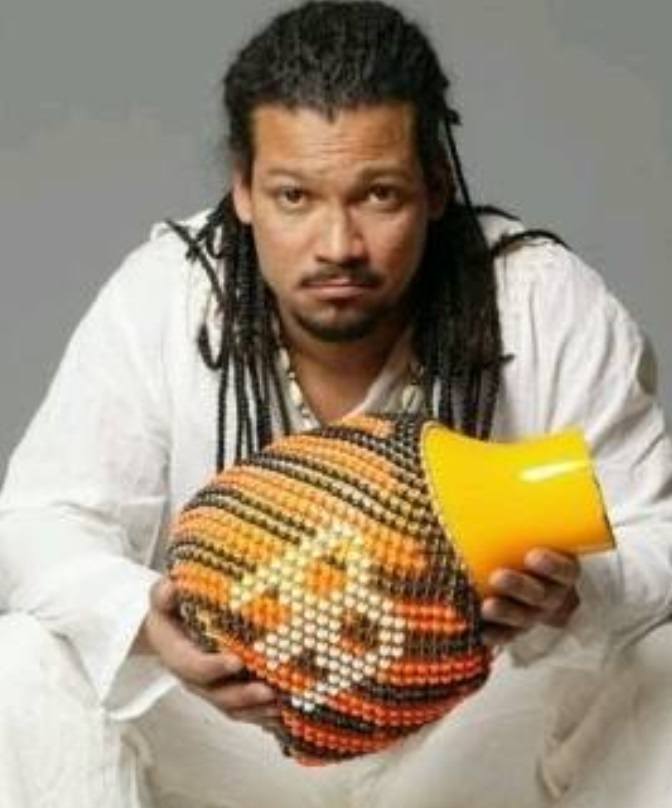
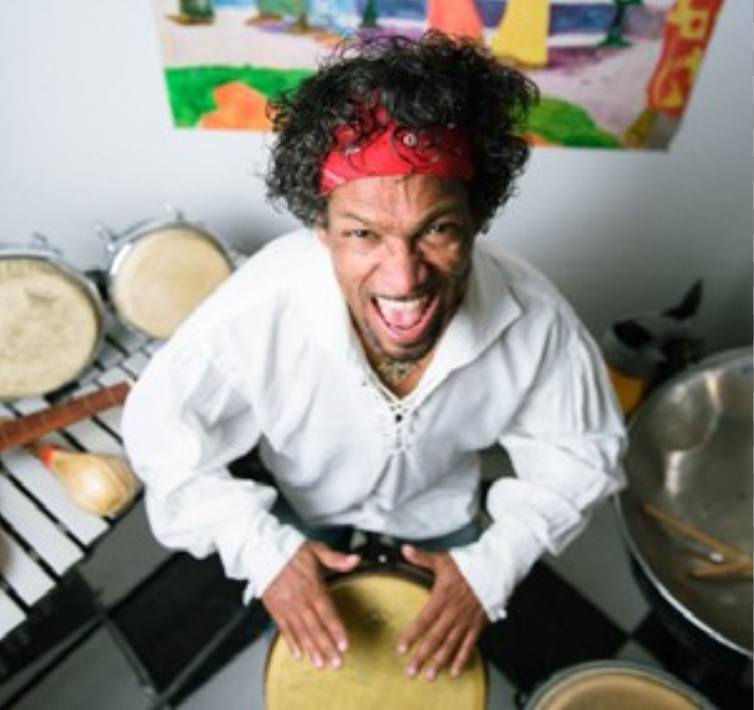
Takafumi Nikaido, In his time in Cuba he studied with prominent percussionists Jose Luis Quintana “Changuito”

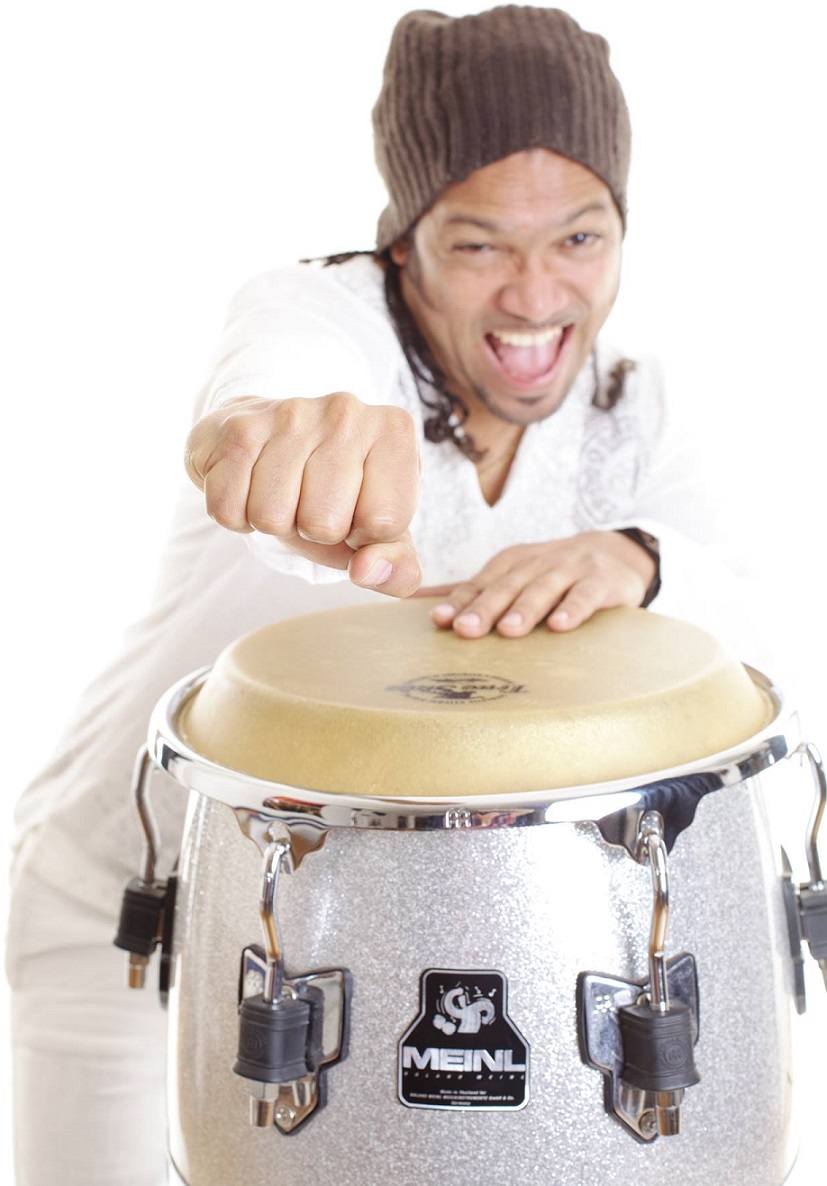
Takafumi Nikaido in concert

Takafumi Nikaido born in Sapporo Japan in the year 1993 started playing the saxophone at the age of 6 and at the age of 7, after watching a live performance by Earth Wind & Fire he was inspired to pick up the percussion and studied under the Fujio Saito.

At the age of 12 he traveled to Cuba to take classes on dancing and percussion where collaborated with the Los Muñequitos de Matanzas.

Upon graduating high school he attended Berklee college of music as a scholarship student.

Takafumi Nikaido
Takafumi Nikaido

He studied theory and performance from people such as Eguie Castrillo, Tiger Okoshi, Mark Walker, Oscar Stagnaro and Jim Odgren.

In 2014, he traveled to Cuba again to attend the Fiesta del Tambor Percussion Competition where he received the “Best Foreign Entrant Award”.

Takafumi Nikaido and his drums

In his time in Cuba he studied with prominent percussionists Jose Luis Quintana “Changuito”, Adel Gonzalez, Adonis Panter Calderon, Osain Del Monte.

During his time in Berklee he performed with artists such as Oscar Feldman,Terence Blanchard, Jon Secada, FANTINE, Sivamani, Ruben Rada, Totó la Momposina and Mane De La Parra.

In the summer of the same year, he became involved with the “The Untied East Jazz Quintet” and played at 9 venues all over Japan and South Korea.

Alongside musicians Zahili Gonzalez Zamora and Gerson Lazo, they formed the musical group “MIXCLA” and perform regularly mainly within the Boston.

In 2015, he performed at the Montreal International Jazz Festival as a member of the Zahili Gonzalez Zamora Project.

Takafumi Nikaido on stage

He is currently studying in Berklee College of Music and have been participating in musical projects other than Latin music like pop, jazz.

  • Facebook: https://www.facebook.com/takafumi.nikaido
  • Website: http://www.takafuminikaido.com/

We continue working to enhance Salsa

This month I want to continue sharing good news for everyone in NY and in the Salsa world. On this occasion, Oscar Hernández and Spanish Harlem Orquesta join Spaha Salsa Gallery Museum. Oscar has donated an incredible piece that we will be exhibiting immediately.

Four times Grammy Award Winner, Oscar Hernández, has long been considered one of the most gifted and prominent pianist / arrangers on the contemporary Latin, Latin-jazz and salsa music scene. He has achieved legendary status for his prolific career spanning now over 40 years.

Hernández is the leader of the world renowned Spanish Harlem Orchestra. Won the Grammy for their second CD release, “Across 110th Street” and winning yet another Grammy with their 4th CD “Viva La Tradition” and won their 3rd Grammy with “Anniversary” in 2019. Oscar was the music producer as well as pianist / arranger on all CD’s.

Since the band’s inception in the year 2001, SHO has garnered numerous awards and world acclaim as one of the finest exponents of Salsa and Latin / Jazz music. Spanish Harlem Orchestra is generally considered one of the best Salsa & Latin Jazz Orchestras today and one of the finest music ensembles in the world.

The Bronx native has produced such artists as Ruben Blades, Paul Simon, Willie Colón “Carabali”, Daniel Ponce, Rafael Dejesus, Eddie Torres, Phil Hernandez, Steve Kroon, Juan Luis Guerra, etc.

In addition to being Rubén Blades pianist, arranger and musical director, Oscar Hernández has enjoyed a prolific musical career recording and performing with such world renown artists as Latin music king Tito Puente, Queen of Salsa Music Celia Cruz, Latin Pop Star Julio Iglesias, Juan Luis Guerra, Ray Barreto, Earl Klugh, Dave Valentin, Johnny Pacheco, Ismael Miranda, Pete “Conde” Rodríquez, Oscar De’ Leon, Luis “Perico” Ortiz, “Libre” “Grupo Folkorico Experimental “, Willie Colón, Kirsty MacColl, etc. Oscar’s musical exploits include working as Musical Director / Conductor, arranging and producing the music for “The Capeman,” pop-rock icon Paul Simon’s Broadway musical.

Oscar is also the music producer of “The Capeman” cast recording. Oscar was Musical Director / Arranger for the hit shows “Quén Mató a Hector Lavoe” and “La Lupe” at the 47th Street Theater. He was also, Music Supervisor / Arranger for the show “Four Guys named Jose & Una Mujer named María” Oscar also has released 2 CD’s as a solo artist, Oscar Hernández & Alma Libre, titled “The Art of Latin Jazz” and “Love The Moment ”on Origin Records. It is a true honor to have the donation of an incomparable musician like him in our museum. Thanks, Oscar!

Another of the great figures of the Spanish Salsa Harlem Orchestra is Luisito Quintero, the timbalero from Venezuela. Luisito Quintero was born in Caracas, Venezuela where he had his first contact with music. Cultural influences of Afro-Venezuelan rhythms were always present at home. His father, a highly respected percussionist, taught and encouraged Luisito to play the timpani in his teens.

Luisito Quintero
Luisito Quintero

Quintero continued to refine his playing level with the Venezuela Symphony Orchestra, where his technique for playing the timpani soon caught the attention of his colleagues. Subsequently, he joined the popular music groups Guaco and the Trabuco Venezolano and traveled with Oscar D ‘León with whom he achievedan important international projection. The live performances, recordings and projects in which he has participated are countless.

He has made his mark as a percussionist with figures such as Tito Puente, Eddie Palmieri, Marc Anthony, Gloria Estefan, Richard Bona, Jack Dejonette, Willie Colón, George Benson, Natalie Cole, Herbie Hancock, Nuyorican Soul, Masters at Work, and of course, The Spanish Harlem Orchestra. Luisito is part of the group Elements of life, with whom he has toured for the last years.

The band has shared stages with major artists in the market such as Robert Plant, Lauryn Hill and Alicia Keys, performing at festivals such as Montreux Jazz Festival in Switzerland, North Sea Jazz Festival in Holland, Roskilde in Denmark, Blue Note in Japan, Jazz Cafe in London, England and the legendary New Morning Cafe in Paris, France. Without a doubt, an impressive and worth mentioning career.

And if we are talking about incredible careers in this edition, I can’t stop talking about Adalberto Santiago and the new projects of the 60th anniversary with great artists of the genre. This his time I can tell you about Cuco Peña’s string arrangements, the participation of Nelson Jaimes and, of course, the help of my friend Freddy Miranda. At 83 years old, he is still in the rumba. There is less and less to show the world this historical piece for the world of salsa.

Johnny Cruz and Adalberto Santiago - Salsa
Johnny Cruz and Adalberto Santiago – Salsa

I also want to remember Raphy Leavitt, on the fifth anniversary of her death on August 5. In 1970 Leavitt organized an orchestra that should have a different sound and style. He wanted to select the repertoire of songs of the orchestra with a particular, positive, social and even philosophical message; and founded “La Selecta”. Since its inception, La Selecta has featured Coamo-born Sammy Marrero as one of its singers.

Marrero, who has always been strongly influenced by the music of the Puerto Rican jíbaro, had an opportunity to teach his dramatic singing style in his first hits as the almost hymn “Jíbaro Soy”, a very patriotic and unusual Puerto Rican song, “Payaso”, and “The Good Shepherd”. However, it is in the band’s signature song, “La Cuna Blanca,” that Marrero’s voice is for the most part associated.

Raphy Leavitt
Raphy Leavitt

In 1978, Leavitt discovered a young singer named Tony Vega, who became a legend among salsa singers on his own merit. Raphy Leavitt and La Selecta were responsible for the introduction of salsa in many countries. In the 1980s, Leavitt became an independent producer and produced two albums for Bobby Valentine.

In the 1990s, he established his record recording company, R.L. Records. The company’s first production was the album titled “Provocame,” which became a hit in Puerto Rico, the United States, and South America.

In 1978, Leavitt discovered a young singer named Tony Vega, who became a legend among salsa singers on his own merit. Raphy Leavitt and La Selecta were responsible for the introduction of salsa in many countries. Raphy passed away in Miami as a result of an operation of the hip prosthesis that had been installed due to an accident in 1972, and that he had become infected. Leavitt passed away in his sleep. Raphy will always be endorsers of the Salsa Museum with the clown suit of its 25th anniversary.

I also want to thank the constant and significant support for the Museum, from my friend Sully Díaz, who as endorser of the museum, is always working to promote and make our work reach more people. Sully was born in New York, the daughter of Sephardic parents from Puerto Rico. She began her career as a model, and at the age of 17 she began acting in Spanish soap operas, making herself a well-known figure on television in Puerto Rico.

In 1983 she became popular throughout Latin America with the role of Coralito, in the telenovela of the same name. From that moment on, Sully was known as “the queen of Puerto Rican soap operas.” In the early 1990s, Sully moved to Hollywood and appeared on various television shows as a guest star and worked on a few movies.

Johnny Cruz and Sully Diaz

In the mid-1990s, Sully joined four other Latina women (Dyana Ortelli, Marilyn, Ludo Vika, and Lydia Nicole) in a comedy group called “The Hot & Spicey Mamitas”. They sold out at several Los Angeles comedy clubs. They recorded a CD live called simply The Hot & Spicey Mamitas.

In 2002 Sully appeared in the play La Lupe: My Life, My Destiny, in which she played the Cuban singer La Lupe. Shortly after the execution of this work, Sully made her own production of La Reina, La Lupe. This work toured all of Puerto Rico and was a great success in Florida. That same year, she starred in the Puerto Rican thriller “Cuéntame tu pena”, in which she plays Isadora, a radio host who receives a call from a woman who is killed while on the air.

In 2004 Sully toured with Gilberto Santa Rosa in a play called “The True Story of Pedro Navaja.” In 2009 Sully appeared in the movie Princess Protection Program as Reina Sofía, along with Selena Gómez and Demi Lovato.

Papo Rosario and Isidro Infante - Photo
Papo Rosario and Isidro Infante

Recently, Papo Rosario released his new single “Gracias” produced by arranger and musician Isidro Infante. Rosario appreciates being alive and being able to walk after being bedridden as a result of a car accident. Papo Rosario is a world-class artist who has put the name of Puerto Rico on high. Rosario, who retired in 2019 from the group considered the “University of Salsa”, El Gran combo de Puerto Rico, after having an accident and presenting health problems, affirms that he already feels ready to resume his musical career with the Launch of his first solo production by producer Isidro Infante. I wish you success in this new beginning.

The invitation to tune in to the new Fm / Internet radio station on Live365.com: Salsagallery continues. Great music, artist interviews and much more.

Oscar Hernandez
Oscar Hernandez

At the Spanish Harlem Salsa Gallery Museum we are happy to affirm that New York City is preparing to resume its activities little by little. We hope to have more news soon and that we can return to normal soon.

By Johnny Cruz, ISM Correspondent, New York, New York City

Five Latin – Caribbean artists who triumph in Canada

Canada is another of the countries that has been influenced by the arrival of Latin music. Its beginnings are attributed to the immigration of Latin Americans to their lands.

Canada's map
Canada’s map

By sharing borders, the United States and Canada tend to have similarities in the musical field. In the 90s, Latin music was present in Canada. However, Spanish pop singers such as Julio Iglesias and Gloria Estefan, as well as Lydia Mendoza, an interpreter of Tejano music, were already known.

Having Latin Americans started a kind of Latino roots, allowing Latin music to gain more ground on Canadian soil. Singers like Celia Cruz, Willie Colón and Rubén González made their songs sound in Canada. However, the beginnings of Latin music in the country are attributed to Ferdinand Morton, known in the artistic field as Jelly Roll Morton, an American jazz pianist.

Starting in 1999, Latin music had a greater growth, beginning to be heard on radio stations, events, festivals and national television stations. By that time singers like Ricky Martin were already being heard in other parts of the world.

Selena, Buena Vista Social Club and Jennifer López. Arriving in Canadian lands was no exception. In fact, Buena Vista Social Club’s album broke a record by becoming the highest-selling Latin album in Canada.

Surprisingly, Canadian artists were also captivated by the benefits of Hispanic countries, by the Caribbean flavor and the warmth of its people. Nelly Furtado, singer, songwriter and producer born in Canada was inspired by the island of Cuba for her album “Mi Plan”. Furtado recorded what would be his fourth album entirely in Spanish. It featured the participation of renowned Latin artists such as Juan Luis Guerra, Alejandro Fernández and the Latin American Julieta Venegas.

“I think this album has several of my first true love songs. They are not complicated. They were not over-thought and I discovered that it is liberating to be able to sing in a Latin language and express my Latin soul,” he said.

Mi Plan obtained great merits and was positioned as the album in Spanish with the highest sales numbers recorded by a Canadian singer. Undoubtedly, a suitable place for many Latino musicians of birth or descent who have wanted to try their luck outside their borders. Some have succeeded and today are among the most loved in Canada.

Some representatives of Latin music in Canada

Hilario Durán, Cuba

Photo by Hilario Duran

Hilario Durán

Hilario was born in Havana in 1953. He moved to Canada in the late 90’s, after touring the world with his band “Perspectiva”. He is a famous jazz pianist who fell in love with Canada and decided to live on its streets. He joined the Afro-Cuban jazz band “Spirit of Havana” belonging to Jane Bunnet, a Canadian lover of Cuban culture. In fact, Bunnet regularly travels to Havana to perform with Cuban musicians.

Hilario Durán has become known in Canada and other parts of the world thanks to his orchestra (Big Band), where together with his friend Roberto Occhipinti, a Canadian musician, they bring together Cuban and Canadian musicians. Leaving Latin jazz high. In 2007 he was nominated for a Grammy for his album “From the Heart”, along with Roberto D’Rivera. In addition, it obtained three Juno Awards and different awards in Canada.

Amanda Martínez, Mexico

Photo - Amanda Martínez in concert

Amanda Martinez in concert

Amanda Martínez was born in Toronto, Canada with Latino blood. His father is Mexican. Martínez studied biology and business administration but decided to take a course in his life and dedicate himself to what he really loved: music. The artist was not wrong in her decision. He has left his roots high by venturing into Latin jazz.

In 2007 and then in 2009 she was nominated for the Latin Jazz Artist of the Year Award at the National Jazz Awards in Canada. He has three albums to his credit and his first album “Sola” won the Best World Music award, selling around 6,000 copies.

Martínez has performed on famous stages and renowned events; she sang at the Winter Garden Theater, at the Koerner Hall in Toronto, the Festival Centro Histórico de México, at the Montreal Jazz Festival

Ogguere, Cuba

Ogguere's photo

Ogguere

Aka Edrei Riveri, is a Cuban singer and songwriter who resides in Canada. It has become famous for its musical fusions. He walks through rap, hip hop, jazz and la chacuba. A mix of cha-cha and rap. It is registered as the first mix between both styles.

Ogguere has two solo albums, “Solar” released in 2011 which earned two nominations for a Cubadisco award and “Raíces”. He moved to Toronto in 2010 and has since become an immediate reference in jazz and hip hop.

Natasha Roldán, Colombia

Photo by Natasha Roldan
Natasha Roldán

Born in Colombia and based in Toronto, Canada, Natasha Roldán breaks stereotypes in the musical field. She walks between jazz and bossa.

The artist has a fair complexion and very light eyes. From what anyone would believe, she is a native Canadian singer. However, her Colombian roots run deep in her career.

For Natasha it is important that the musical boundaries collapse. It promotes pattern-free Latin music.

“I think that above all I break many stereotypes because people in Canada whenever they think of Latin music, identify it directly with salsa or bachata. Well, and now reggaeton (laughs). And everything is linked to a super sexy image of the Latin woman, who dresses spectacularly and clearly I am not like that.

Therefore, it is very gratifying to share another type of music that people do not know such as bambuco, cumbia, Argentine zamba, Brazilian music aside from bossa nova … and whenever I talk to someone and they discover that I am always Colombian They ask me why I don’t play such music or dance this.

Suddenly I break with the stereotype but not because it is a bad stereotype but because other things have to be shown as well ”, she expressed in an interview for the Hispano Phone portal.

Her music has allowed many Canadians to have access to the Latin culture and to experience sounds with different influences.

Henry Vivel, Colombia

Photo by Henry Vivel

Henry Vivel

Henry was born in Colombia but moved to New York and later to Toronto. In New York he had the opportunity to study music with Enrique Gil, musician and composer. After his arrival in Toronto, he worked in Sky’s Banda, a group that performed at weddings and different events. He sang Latin music.

In 2009 he became the leader of the Tropicanada Orquesta. Pioneer Latin Orchestra in Toronto. They have participated in different salsa festivals and radio stations. Henry and the band have also been a part of different charities in Canada and other countries. In the same way, Henry has joined social causes for the inclusion of immigrants, he has taught them English and part of Canadian culture.

In 2013 he was nominated for the Oye Awards and 10 Most Influential Latinos in Canada. The singer is very pleased with the affection of the Canadian public.

“The chemistry is so great, especially with those who don’t understand my songs in Spanish, which makes the language barriers dissolve into enjoying themselves, dancing and having a good time. With the orchestra I have been able to witness how people enjoy the beauty of Latin music and it makes me very happy to be a Colombian who sings to Canadians and who puts up our musical roots ”, he commented

Toronto has been a city with great Latin influence. Canada has received mixtures of different cultures and they have formed a variety of styles that locals and visitors enjoy. It has been one of the countries that receive the foreign musicians as part of a great family and give them the opportunity to present their work. They have a great affection for Caribbean music.

Tata Güines known as Manos de Oro, Cuban rumbero and percussionist

Known as Manos de Oro, he modernized the tumbadoras and played with the most important musicians of the island of Cuba.

He was born in Güines, Havana on June 30, 1930, in the bosom of a family of musicians, son of Joseíto “El tresero” and Niñita, who from a very young age used to play a boot-cleaning box in the corner of the Chapel of Santa Bárbara, in the legendary neighborhood of Leguina, where so many congas and bembés have been made and will continue to be enjoyed.

Artistic trajectory

Saying Federico Arístides Soto Alejo may not say anything to some music neophytes, but when you say Tata Güines, things change radically and everyone thinks: That is the tumbadora made soul and flavor.

Tata Güines conocido como Manos de Oro, modernizó las tumbadoras y tocó con los más relevantes músicos de la isla de Cuba

He became attached to percussion instruments, especially the tumbadora, which, as a Cuban, groaned under the effect of his prodigious hands. Under the influence of Chano Pozo, whose touches bewitched him and gave him the key to create his own style.

He was formed as a musician among the drums and the religious festivities of his neighborhood. He adopted his nickname as a child -el Tata-, and as a surname the name of the town where he grew up. Music was in his blood: his father and uncles made music with their hides.

He played double bass in the group Ases del Ritmo. He was part of the Partagás group, led by his uncle Dionisio Martínez, and later founded the Estrellas Nacientes orchestra and performed with the Swing Casino orchestra in Güines.

In 1946 he performed in his hometown with the Conjunto de Arsenio Rodríguez.

Tata Güines, rumbero y percusionista cubano

}In 1948 he moved to Havana, where he was a member of the orchestras La Nueva América, led by Pao Domini; La Habana Sport led by José Antonio Díaz, Unión, led by Orestes López, La Sensación led by Belisario López, and in 1952 he joined Fajardo y sus Estrellas, with which he traveled to New York in 1956.

He joined Los Jóvenes del Cayo, with which he appeared on the radio station La Voz del Aire; later he performed with the ensembles Camacho and Gloria Matancera.

He accompanied the trio Taicuba as a bongo player, and worked with Guillermo Portabales, Celina y Reutilio, and Ramón Veloz. He participated, along with Chano Pozo, in the comparsa Los Dandys de Belén; also, Los Mosqueteros del Rey, Los Mambises and Las Boyeras.

He recorded with Arturo O’Farrill (Chico) and with Cachao y su Ritmo Caliente, Frank Emilio, Guillermo Barreto, Gustavo Tamayo and others. He was part of the Quinteto Instrumental de Música Moderna (later Los Amigos), led by pianist Frank Emilio; Guillermo Barreto, timbal, Gustavo Tamayo, güiro, Israel López (Cachao) and Orlando Hernández (Papito), double bass.

In 1955 he travels to Caracas, Venezuela, to participate in the carnivals of that city. He traveled to New York with the Fajardo y sus Estrellas orchestra, with which he performed at the Palladium, where he coincided with Machito y sus Afro-Cubans and Benny Moré, whom he accompanied on the tumbadora; he also performed at the Waldorf Astoria Hotel, where he worked for the first time as a soloist.

Tata Güines nació en Güines, La Habana

He prepared a show and shared the stage with Josephine Baker, Frank Sinatra, Maynard Ferguson and Los Chavales de España, with whom he recorded the piece “No te puedo querer”.

In 1960 he returned to Cuba. Four years later he founded Los Tatagüinitos. He offered a concert with the National Symphony Orchestra, conducted by Manuel Duchesne Cuzán, with which he performed his work Perico no llores más. He accompanied the guitarist and composer Sergio Vitier in his work Ad Libitum, danced by Alicia Alonso and Antonio Gades.

International tours

He toured California, Chicago, Miami, Puerto Rico, Panama, Venezuela, Colombia, Mexico, Martinique, Monte Carlo, Switzerland, Bulgaria, Hungary, where he participated in the Jazz Festival; Soviet Union, Finland, Spain.

Musical Validity

Tata Güines was a master of masters of Cuban percussion. His death represents a notable loss for Cuban culture. Nobody like him in Cuba to make percussion an art.

In front of Tata Güines, the leather of the drum seemed the most delicate and expensive silk. He would place his agile hand on the tanned skin stretched by the fire, and with his fingernails he would achieve the saddest of laments as well as the most contagious smile.

Few knew him as Federico Arístides Soto Alejo, but everyone knew that he had modernized the tumbadoras, that he was a master at placing the “loose” beats in a song, as if “carelessly”, but that the piece could not survive if it lacked that imprint of someone who let himself be carried away by the rhythm of the claves, by his very fine ear and by the demands of a body accustomed, since he was almost a child, to music.

He died on February 4, 2008 in Güines, Havana.

Federico Arístides Soto Alejo Tata Güines

Awards and recognitions

National Music Award 2006

Félix Varela Order 2004

Alejo Carpentier Medal 2002

Tataguines Soto Martinez

Read also: Carlos “Patato” Valdés one of the best percussionists in the history of Latin Jazz

“Mambo Night in Miami Beach” celebrates the 100th anniversary of the birth of “El Inolvidable”, our own Tito Rodriguez


De izquierda a derecha, Tito Puente, Jr., Mario Grillo, Tito Rodríguez, Jr. Foto: sobejazzfestival.com

The initial idea of bringing together the three great orchestras of the Palladium in this innovative “three-in-one” orchestra concept came to Mario Grillo more than two decades ago.

As early as March 3, 2022, the mambo heirs celebrated the coming of age of The Big Three Palladium Orchestra in New York. Twenty-one years after the establishment of this remarkable big band, the concert entitled Palladium in the New Millennium took place in a packed Lehman Center for the Performing Arts.

The first presentation of 2023 of the “three-in-one” big band and coinciding with the 100th anniversary of the birth of “El Inolvidable”, Tito Rodriguez, the South Beach Jazz Festival’s line-up opened its musical offerings on Saturday, January 7, 2023 with the concert entitled Mambo Night in Miami Beach. At around 8:00 p.m. The Big Three Palladium Orchestra took over the Miami Beach Band Shell when Mario Grillo, known in the music scene as Machito, Jr. kicked off the musical feast that awaited us, to the sound of Cuban Fantasy.

Foto:  Miami Bandshell broadcast

As you can see, each of the “big three of the Palladium” and owners of the mambo in its golden age inherited a timbalero son. These three bandleaders have made it their mission to keep the Palladium legacy alive and well.  Although the mambo heirs have transcended the label of being the sons of the mambo owners, they do not forget that the Patriarchs are still a topic of conversation in musical circles around the world.

For the concert at the Miami Beach Band Shell, The Big Three Palladium Orchestra was joined by the veteran musicians: Carmen Laboy on baritone saxophone and musical direction; Jose Heredia on tenor saxophone, Mark Friedman on alto saxophone and flute, Julio Andrade on alto saxophone; Larry Moses, Seneca Black, Dante Vargas and Julio Diaz on trumpets; William Rodriguez on piano, Jerry Madera on bass, Daniel Peña on bongo and Diego Camacho on tumbadoras.  On the vocal front, Sammy González, Jr. was backed by the coros of Starlyn Benítez and Tatan Betancurt.

Carmen Laboy en el saxofón barítono y la dirección musical de The Big Three Palladium Orchestra Foto: Ethan Dangerwing of Masterwing Creative Agency

The upscale repertoire vibrated and rumbled at the Miami Beach Band Shell, an elegant venue steps from the beach, which was filled to capacity.

Mario GrilloFoto: sobejazzfestival.com
Mario Grillo Foto: sobejazzfestival.com

Mario Grillo’s highlights were: Cuban Fantasy, Oye la rumba (La rumba), Ahora sí, Piñero tenía razón (Piñero was right), Babarabatiri (Babarabatiri) and Rumbantela (Rumbantela). On the other hand, Tito Rodríguez, Jr. performed the following songs: El que se fue, Cheveré, Yambú, Avísale a mi contrario, Agua de Belén and Fagot’s world. In the performance of Avísale a mi contrario, the conga of Diego Camacho and the bongo of Daniel Peña, who “quinteando a lo bravo” and adjusting to the tuning of the timbal in charge of Rodríguez, Jr. opened the way for the winds. And the winds entered through the wide door to increase the tempo of the night, which was already heating up to the sound of mambo.

Tito Rodríguez, Jr.Foto: Migdalia Sánchez
Tito Rodríguez, Jr. Foto: Migdalia Sánchez

When it was Tito Puente, Jr.’s turn to play the timbal, he affirmed that Tito Puente was the pioneer in having a woman in the vocal front of an orchestra.

Then, preparing to close the first segment of the concert, he introduced Puerto Rican businesswoman and singer Melina Almodóvar, whom he backed for the performance of Mi socio.

Tito Puente, Jr. y Melina AlmodóvarFoto: sobejazzfestival.com
Tito Puente, Jr. y Melina Almodóvar Foto: sobejazzfestival.com

The grand finale of the event placed the three timbaleros heirs of mambo in front of the orchestra to delight us with a masterful performance in sync with the rhythmic base that Diego Camacho and Daniel Peña did not hesitate to maintain.

Last year such a show was promised in which the heirs of mambo honor the legacy of their fathers on Puerto Rican soil.  The show was to be entitled “Palladium in the new millennium” and was to be presented on Father’s Day at the Symphonic Hall of the Fine Arts Center in Santurce. However, it was cancelled.

I often say that the past is the past and the future is uncertain, so let’s hurry and wait for The Big Three Palladium Orchestra to perform in Puerto Rico.

I for one continue to live in salsa, which is still magic, fantasy and illusion.

Bella Martínez Writer, researcher of Afro-Caribbean music

You can read: Mike Arroyo the guitarist Using Jazz to praise God

Bella Martínez Writer, researcher of Afro-Caribbean music and author of Un conguero para la historia, Las memorias de Jimmie Morales.

787-424-8868

  • « Go to Previous Page
  • Page 1
  • Interim pages omitted …
  • Page 10
  • Page 11
  • Page 12
  • Page 13
  • Page 14
  • Interim pages omitted …
  • Page 38
  • Go to Next Page »

International Salsa Magazine (ISM) is a monthly publication about Salsa activities around the world, that has been publishing since 2007. It is a world network of volunteers coordinated by ISM Magazine. We are working to strengthen all the events by working together.