• Skip to primary navigation
  • Skip to main content

International Salsa Magazine

  • HOME
  • Previous editions
    • 2026
      • ISM / March 2026
      • ISM / February 2026
      • ISM / January 2026
    • 2025
      • ISM / December 2025
      • ISM / November 2025
      • ISM / October 2025
      • ISM / September 2025
      • ISM / August 2025
      • ISM / July 2025
      • ISM / June 2025
      • ISM / May2025
      • ISM / April 2025
      • ISM / March 2025
      • ISM / February 2025
      • ISM / January 2025
    • 2024
      • ISM / December 2024
      • ISM / November 2024
      • ISM / October 2024
      • ISM / September 2024
      • ISM / August 2024
      • ISM / July 2024
      • ISM / June 2024
      • ISM / May 2024
      • ISM / April 2024
      • ISM / March 2024
      • ISM / February 2024
      • ISM / January 2024
    • 2023
      • ISM / December 2023
      • ISM / November 2023
      • ISM / October 2023
      • ISM – September 2023
      • ISM – August 2023
      • ISM July 2023
      • ISM Edition June 2023
      • ISM – May 2023
      • ISM April 2023
      • ISM March 2023
      • ISM February 2023
      • ISM January 2023
    • 2022
      • ISM December 2022
      • ISM November 2022
      • ISM October 2022
      • ISM September 2022
      • ISM August 2022
      • ISM July 2022
      • ISM June 2022
      • ISM May 2022
      • ISM February 2022
      • ISM January 2022
    • 2021
      • ISM December 2021
      • ISM November 2021
      • ISM October – 2021
      • ISM September 2021
      • ISM August 2021
      • ISM July 2021
      • ISM May 2021
      • ISM April 2021
      • ISM June 2021
      • ISM March 2021
      • ISM February 2021
      • ISM January 2021
    • 2020
      • ISM December 2020
      • ISM November 2020
      • ISM October 2020
      • ISM September 2020
      • ISM August 2020
      • ISM July 2020
      • ISM June 2020
      • ISM May 2020
      • ISM April 2020
      • ISM March 2020
      • ISM February 2020
      • ISM January 2020
    • 2019
      • ISM December 2019
      • ISM November 2019
      • ISM October 2019
      • ISM Septembre 2019
      • ISM August 2019
      • ISM July 2019
      • ISM June 2019
  • Download Salsa App
    • Android
    • Apple
  • Spanish

Search Results for: Jazz Festival

Rudy Regalado. The legend of percussion

North America / USA / California

Rudy Regalado was a composer/ educator and one of the top Latin Rock Timbaleros based in the area of East Los Angeles, California during the 1970s and the second more famous Latin percussionist after Tito Puente. His legacy has been exceptional, 23 recorded albums, participated in big Festivals from USA and shared the best platforms with the best in the world. This artist was well known for his style, his contagious rhythm and eccentric presence.
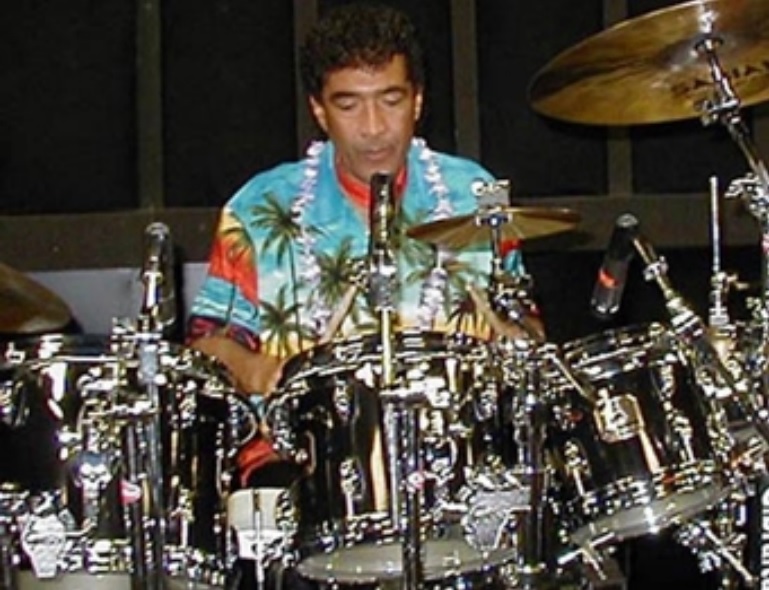
Photo 1: Rudy Regalado

Rudy Regalado was a genuine and outstanding timbales maestro; he was inspired as a child by big bands Machito and Tito Rodriguez, who were two of favorites he became interested in playing music and the Timbales.

His beginnings in this instrument go back at the end of the 1950s. During that period as s teenager, he learned to play the drum and timbales in home town (Caracas-Venezuela). For 1963 and with desire to eat the world with his music he moved to Puerto Rico and started playing in hotels and clubs in the San Juan area with Julio y su combo, the first house bands he played with in Puerto Rico’s at Hotel Caribe Hilton. They were the backup house band for all the famous musicians that performed in the Island in 1965; at the same time he studied harmony and percussion at Pablo Casals Conservatory of music.

Photo 2: Rudy Regalado

A decade later the restless Venezuelan timbalero migrated to Southern California, where he joined playing with local jazz and Latin groups before joining with the extremely popular Latin Rock Band called El Chicano.

The timbalero of timbaleros spent twelve years with El Chicano, singing and playing the timbales in 5 albums, which was included in Top 40 hits during the 1970s with the songs “Viva Tirado” and “Tell Her She’s Lovely”. El Chicano also created the theme song for the television series Baretta, which ran on ABC from 1975 to 1978.

After, Rudy formed his own Latin Jazz All-Star / Salsa Band in 1983, which included a selected group of musician from Los Angeles. Initially known as Todos Estrellas, the band eventually became known as Chévere (aan expression of Venezuelan popular slang) and appeared at the PlayBoy Jazz Festival, Disneyland and Fiesta Broadway, among other engagements. The band also performed overseas in summer festivals in Canada, Hong Kong, Indonesia, Kuala Lumpur, Malaysia, Singapore, Thailand and throughout the European continent.
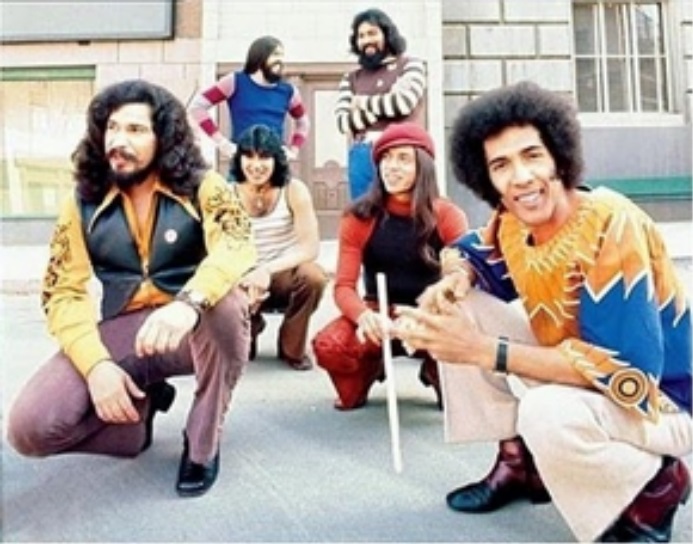
Photo 3: Rudy Regalado

As part of an El Chicano reunion in 2009, the Timbales maestro performed during the 40th anniversary of Woodstock festival at the Golden Gate Park Music Concourse in San Francisco, where the group actually celebrated their own 40th Anniversary, and last played with them at the Greek Theatre of Los Angeles in front of over a 100,000 screaming fans.

In addition, he participated in a variety of sessions with the Zawinul Syndicate, Quincy Jones, Alphonse Mouzon, Caravana Cubana.
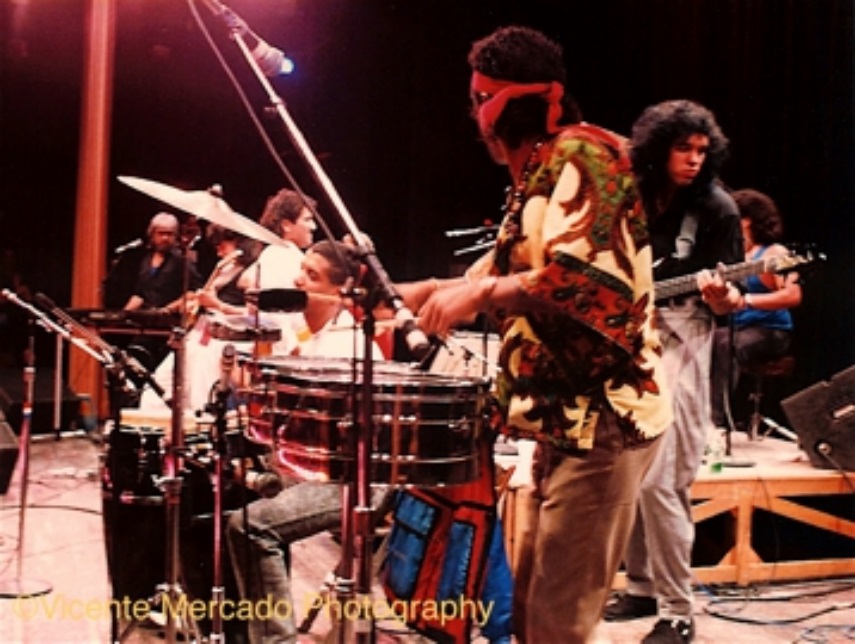
Photo 4: Rudy Regalado

Rudy also toured with Aretha Franklin in charge of her percussion section, was a drummer for Los Melódicos in its 1980 tour of United States, and performed on the Tonight Show, the Nancy Wilson Show and American Bandstand. His film credits include The Skeleton Key (2005), as well as the television series Pepe Plata (1990) and Clubhouse (2004).

Héctor José Regalado better known as Rudy Regalado passed away on November 4th, 2010, in Las Vegas – Nevada, where he died from complications of pneumonia at the age of 67.
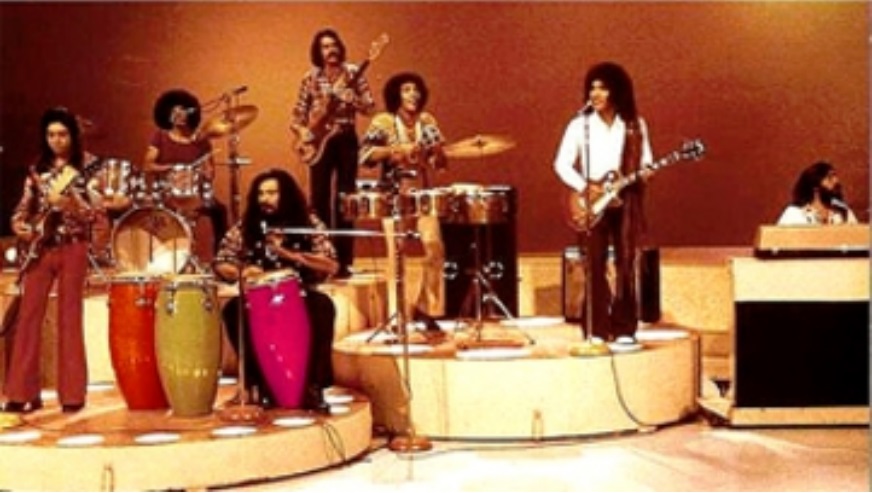
Photo 5: Rudy Regalado

Currently, his daughter Norka Tibisay Regalado founded in 2013, the Rudy Regalado Foundation. The goal of the foundation is to provide inner city music programs with instruments and financial support. “Let no child be left behind due to lack of funds”. In February, 2014, they donated over 2500 instruments and donated $2000.00 to help with cost for instructors. Her goal is to get financial support from big companies and the community in order to reach many more music programs; she is also working on bringing music programs inside children´s hospital to help the healing process to their mentally ill children and burned survivors.

Rudy Regalado will be forever remembered as one of the greatest Latin exponents of Salsa / Jazz sound of all time, undoubtedly, The Legend of Timbales (January 29, 1943 (Caracas – Venezuela) – Covember 4, 2010 (Las Vegas – Nevada).
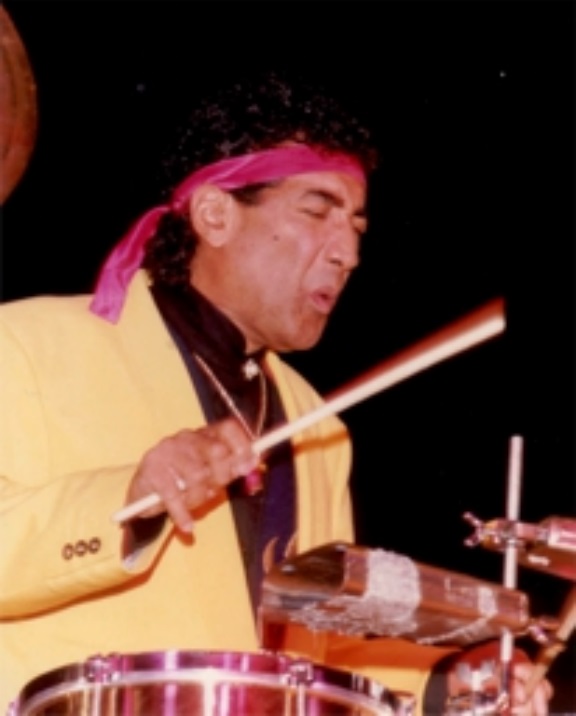
Photo 6: Rudy Regalado

For additional information or to make a donation, please contac Norka Regalado at 323.270.8176 or go to website www.rudysfoundation.org/

Chick Corea

North America / USA /

Chick Corea. The worldwide Jazz sensation

Chick Corea
Chick Corea

Armando Anthony “Chick” Corea is an American jazz and fusion pianist, keyboardist and composer. Many of his compositions are considered jazz standards. As a member of Miles Davis’s band in the late 1960’s, he participated in the birth of the electric jazz fusion movement. In the 1970’s he formed Return to forever. Along with Herbie Hancock, McCoy Tyner and Keith Jarrett, he has been described as one of the major jazz piano voices to emerge in the post-John Coltrane era.

A DownBeat Hall of Famer and EA Jazz Master, 22 – time Grammy winner and keyboard virtuoso, Chick Corea has attained living legend status after five decades of unparalleled creativity and an artistic output that is simply staggering.

Chick is the fourth – most – nominated artist in the history of the Grammys with 63 nominations. He’s also earned 3 Latin Grammy Awards, the most of any artist in the Best Instrumental Album category.

“Chicl Corea: Documentary of Legendary Jazz Great, Pianist and Component http://vimeo.com/10933550”

From straight ahead to avant-garde, bebop to fusion, children’s songs to chamber music, along with some far-reaching forays into symphonic works, Chick has touched an astonishing number of musical bases in his illustrious career while maintaining a standard of excellence that is awe-inspiring. A tirelessly creative spirit, Chick continues to forge ahead, continually reinventing himself in the process.

Chick Corea: European Tour 2017

  • Wroclaw, Poland – 06/22/17: Chick Corea Elektric Band – Hala Orbita – 8:00 pm
  • London, United Kingdom – 06/24/17: Chick Corea Elektric Band – Barbican – 7:30 pm
  • Lviv Ukraine – 06/27/17 : Chick Corea Elektric Band – Alfa Jazz Festival – 9:00 pm
  • Timisoara, Romania – 06: Chick Corea Elektric Band – Timisoara Jazz Festival – 9:00 pm
  • Belgrade, Serbia – 07/02/17: Chick Corea Elektric Band – Kombank Arena – 10:00 pm
  • Skopje, Macedonia – 07/02/17: Chick Corea Elektric Band – Metropolis Arena – 10:00 pm
  • Kongsberg, Norway – 07/07/17: Chick Corea Elektric Band – Kongsberg festival – 5:00 pm
  • Rotterdam, Netherlands – 07/07/17: Chick Corea Elektric Band – North Sea Jazz Festival – 11:00 pm
  • Rotterdam, Netherlands – 07/08/17 Chick Corea & Bela Fleck – North Sea Jazz Festival – 09:00 pm
  • Rotterdam, Netherlands – 07/09/17: Chick Corea & Trondheim Jazz Orchestra – North Sea Jazz Festival – 4:30 pm
  • Dublin, Ireland – 07/10/17: Chick Corea & Bela Fleck – National Concert Hall – 8:00 pm
  • Trentino, Italy – 07/12/17: Chick Corea & Bela Fleck – Sounds of the Dolomites Festival – 1:00 pm
  • Grugliasco, Italy – 07/13/17: Chick Corea & Bela Fleck – Gru Village Festival – 10:00 pm
  • Sant Feliu de Guixols, Girona, Spain – 07/16/17: Chick Corea & Bela Fleck – Festival de Porta Ferrada – 9:30 pm
  • Valencia, Spain – 07/17/17: Chick Corea & Bela Fleck – Jardines de Viveros – 8:00 pm
  • Moritz, Switzerland – 07/21/17: Chick Corea & Bela Fleck – Festival Da Jazzz – 9:00 pm
  • Albany, NY – 08/05/17: Chick Corea Elektric Band & Bela Fleck and The Flecktones – The Palace Theater – 7:30 pm
  • Vienna, VA – 08/06/17: Chick Corea Elektric Band & Bela Fleck and The Flecktones – The Filene Center – 8:00 pm
  • Red Bank, NJ – 08/09/17: Chick Corea Elektric Band & Bela Fleck and The Flecktones – Count Basie Theatre – 7:30 pm
  • Kennett Square, PA o 08/09/17: Chick Corea Elektric Band & Bela Fleck and The Flecktones – Longwood Gardens – 8:00 pm
  • Chautauqua, NY – 08/11/17: Chick Corea Elektric Band & Bela Fleck and The Flecktones – Chautauqua Institute – 8:15 pm
  • Sterling Heights, MI – 08/12/17: Chick Corea Elektric Band & Bela Fleck and The Flecktones – Michigan Lottery Amphitheatre- 7:30 pm
  • Cincinnati, OH – 08/13/17: Chick Corea Elektric Band & Bela Fleck and The Flecktones – PNC Pavillion – 7:00 pm
  • Denver, CO – 08/15/17: Chick Corea Elektric Band & Bela Fleck and The Flecktones – Denver Botanic Gardens – 6:30 pm
  • Salt Lake City, Utah – 08/16/17: Chick Corea Elektric Band & Bela Fleck and The Flecktones – Red Butte Garden Amphitheatre 6:00 pm

For further information and tickets:

411 Cleveland St. #215 Clearwater, FL 33755

(888)712-4425

The Kurland Agency

[email protected]

(617)254-0007

htpps://www.facebook.com/chickcorea

htpps://www.youtube.com/user/ChickCoreaTV


Miguel Zenón is widely regarded as one of the most innovative and influential saxophonists and composers of his generation

“Miguel Zenón, this young musician and composer, is simultaneously re-establishing the artistic, cultural, and social tradition of jazz while creating an entirely new jazz language for the 21st century.”

Miguel Zenón is widely considered one of the most innovative and influential saxophonists and composers of his generation.

Born and raised in San Juan, Puerto Rico, Zenón has released seventeen recordings as a leader, including his most recent, the Grammy-nominated Golden City (2024), and the Grammy-winning album El Arte Del Bolero Vol. 2 (2023).

He has collaborated with luminaries such as The SFJAZZ Collective, Charlie Haden, Fred Hersch, Kenny Werner, David Sánchez, Danilo Pérez, The Village Vanguard Orchestra, Kurt Elling, Joey Calderazzo, Steve Coleman, Ray Barreto, Andy Montañez, Jerry Gonzalez & The Fort Apache Band, The Mingus Big Band, and Bobby Hutcherson.

Zenón is a Grammy Award winner, a Guggenheim Fellow, a MacArthur Fellow, and a recipient of the Doris Duke Artist Award.

He also holds an honorary Doctorate of Arts from the Universidad del Sagrado Corazón.

Widely considered one of the most innovative and influential saxophonists and composers of his generation, he has also developed a unique voice as a conceptualist, focusing his efforts on perfecting an excellent blend of jazz and its many musical influences.

enón ha lanzado diecisiete grabaciones como líder

Zenón has released numerous albums as a bandleader and has appeared on over 100 recordings as a sideman.

Música de las Américas: A Masterpiece

With Música de las Américas, Puerto Rican saxophonist Miguel Zenón has created his finest album to date since his professional debut twenty-two years ago.

On this album, Zenón is accompanied by the same combo he has worked with on his recent projects, notably Venezuelan pianist Luis Perdomo, with the addition of some high-caliber percussion reinforcements from his native Puerto Rico.

He has worked with luminaries such as The SFJAZZ Collective, Charlie Haden, Fred Hersch, Kenny Werner, David Sánchez, Danilo Pérez, The Village Vanguard Orchestra, Kurt Elling, Joey Calderazz

Música de las Américas presents a very appealing balance across its eight tracks, weaving classic Latin jazz with more modern jazz forms, venturing into the turbulent waters of free jazz when necessary (as heard in ‘Venas Abiertas’), and incorporating traditional music from his homeland.

Zenón’s compositions aim to reflect the dynamism and complexity of indigenous American cultures (‘Taínos y Caribes,’ which opens the album), as well as their encounters with Europeans and the resulting historical implications, exemplified by tracks like ‘Imperios.’

As Miguel Zenón himself has stated, “the music on the new album is inspired by the history of the American continent, not only before European colonization but also by what has happened since.”

Música de las Américas serves as a kind of manifesto for Zenón’s concept of America as a continent.

This new musical offering from the alto saxophonist, born in San Juan, Puerto Rico, in 1976, was conceived during the pandemic (does anyone remember that there was a pandemic in 2020 and 2021 originating in the People’s Republic of China that caused thousands of deaths?). The book ‘Venas Abiertas’ by Uruguayan writer Eduardo Galeano, who passed away in 2015 and was a prominent figure of the Latin American left, played a significant role in its development.

Zenon Nacido y criado en San Juan, Puerto Rico

Zenón has been featured in publications such as The New York Times, The Wall Street Journal, The Los Angeles Times, The Boston Globe, and The Chicago Tribune. He also topped the Jazz Artist of the Year and Alto Saxophonist of the Year categories in the 2014 JazzTimes Critics’ Poll and was selected as Alto Saxophonist of the Year by the Jazz Journalists Association in 2015, 2018, 2019, and 2020 (when he was also recognized as Arranger of the Year). In 2023, he was recognized by the same organization as Composer of the Year.

As a composer, he has received commissions from SFJAZZ, NYO Jazz, The New York State Council on the Arts, Chamber Music America, Logan Center for The Arts, The Hyde Park Jazz Festival, The John Simon Guggenheim Foundation, MIT, Spektral Quartet, Miller Theater, The Hewlett Foundation, Peak Performances, PRISM Quartet, and many of his colleagues. Zenón has given hundreds of lectures and masterclasses at institutions worldwide and is a faculty member of MIT’s Music and Theater Arts Department, as well as the current Visiting Scholar for the Jazz Harmony and Composition Department at Berklee College of Music.

Ultimately, Música de Las Américas is the product of Zenón’s intellectual curiosity to learn more about the history of America (the continent) and translate that history into music (distritojazz).

Miguel Zenón – Música De Las Américas (2022)

Tracks:

  1. Tainos y Caribes
  2. Navegando (Las Estrellas Nos Guían)
  3. Opresión y Revolución
  4. Imperios
  5. Venas Abiertas
  6. Bámbula
  7. América, El Continente
  8. Antillano

Musicians:

  • Miguel Zenón (Alto Saxophone)
  • Luis Perdomo (Piano)
  • Hans Glawischnig (Bass)
  • Henry Cole (Drums)

Guest Musicians:

  • Los Pleneros de La Cresta (Emil Martinez, Edwin “Wechin” Aviles, Joshuan Ocasio, Joseph Ocasio, and Jeyluix Ocasio) (Panderos, percussion, and vocals on #2)
  • Paoli Mejías (Percussion #3)
  • Víctor Emmanuelli (Barril de bomba #6)
  • Daniel Díaz (Congas #8)

Recorded at Big Orange Sheep, Brooklyn, New York, March 21-22, 2022.

Miguel Zenón - Música De Las Américas (2022)
Miguel Zenón – Música De Las Américas (2022)

Zenón lives in New York City with his wife, Elga, and their daughter.

By:

Miguel Zenón

Dj. Augusto Felibertt

L’Òstia Latin Jazz

Also Read: Luis Perdomo, one of the most diligent jazz pianists in New York

Javi Jiménez from Barrio Manouche talks about his career in Spain and then in San Francisco

Javi Jiménez from Barrio Manouche graces us with his presence in this July 2025 edition after several months of wanting to talk to the artist. After witnessing one of his wonderful shows at Cascal Restaurant, where the group performs regularly, we have checked the high quality of Javi’s work and that of his bandmates, so we could not miss the opportunity to share the most important aspects of his career, both in his native Spain and in San Francisco.

Javi with his guitar
Javi Jiménez with his gypsy jazz guitar

Javi’s beginnings in the musical world

The first contact with music in Javi’s life was made thanks to his parents, and in the neighborhood where he grew up, music was always present. From an early age, he and his brother listened to all kinds of genres at home, which awoke in them an interest in this art form beyond seeing it as simple entertainment. He remembers that since he was six, he saw his uncle playing the guitar until a few years later, when he turned 10, his uncle gave him this instrument so that he could play it himself.

Although his family did not have many musicians, he mentioned a cousin of his who was a bassist and actually wrote him his first chords on a piece of paper so that he could experiment with his new guitar and he did.

First professional experiences

He describes his taste in music after the age of 12 as an “obsession,” and at that time, he was very into rock and punk, nothing to do with what he plays today. He then started hanging out with several schoolmates who shared his hobby of playing music, which ended up giving rise to his first band, Mulatask. Currently, there is nothing about this online, as the internet did not exist at that time, so all evidence that this alternative rock and grunge band ever existed is on CDs and MP3 files that are not public.

In addition to that, the music his parents listened to continued to influence him to some extent. Among their favorite artists were Silvio Rodríguez, Victor Jara, Canción Protesta and Paco Ibañez. These singers impacted him so much that he began to study a little the classics and play them, but rock and electric guitar were still his favorites above all else. In fact, his favorite artists were Jimmy Page of Led Zeppelin, Pink Floyd, Jimmy Hendrix, among others. 

Javi and his brother
Javi Jiménez and his brother Luis Jiménez sitting to his right

This was the kind of music he played with his friends in the neighborhood and they even gave small recitals in front of audiences of 200-300 people when they were 15 or 16 years old at the time, which made the teenage Javi love to show his art to the world. 

Transition to gypsy jazz, modern jazz, and flamenco

Javi’s transition to gypsy jazz (inspiration for the name of his future band), modern jazz, and flamenco began when he moved to Barcelona, where he studied at a jazz and modern music conservatory. There he discovered a lot of genres and styles he had never heard before, one of which was bebop, also known simply as bob, which is a jazz style developed in the United States during the 1940s. At that time, he also discovered Charlie Parker, John Coltrane, Thelonious Monk, Dizzy Gillespie, among others.

Although Javi did not really identify with that language, he wanted to truly understand music so he could interpret it as best as possible. He did everything he could to understand bebop, but he found it very difficult until he started listening to Belgian gypsy jazz guitarist of Roma descent, Django Reinhardt, who was also a fan of Louis Armstrong. When he listened to Armstrong, he wanted to play the same thing, but with his own Roma touch, so he formed a band with two guitars, a bass, and a violin.

One of this band’s favorite genres is gypsy jazz manouche, which Javi loved and was passionate about since the first time he listened to it, to the point that he would name his future group Barrio Manouche (Gypsy jazz in Spanish).

On the side of flamenco, there were many gypsies and immigrants in his home neighborhood, including the Porrina family, which consisted of world-renowned percussionists such as Ramón Porrina, who has played with Concha Buika and Israel Suarez ‘‘El Piraña’’, a flamenco guitarist who was in Paco de Lucía’s last lineup.

Album release party
”Despierta” album release party at The New Parish in 2019

Javi tells us this to show that flamenco was very present in the environment he grew up, largely because there were many migrants. In his family’s case, they came from Andalusia and Cordoba.

He continues to insist that he still did not like it very much and his thing was rock. It was in California that he finally had nostalgic about the music of his homeland and wanted to reconnect with his roots in foreign lands. 

Moving to California

Javi had never thought about trying his luck in California until he met Adam Rouch, a Californian tattoo artist and musician who became his friend and with whom he toured Europe. In 2009, Adam had to return to his city because his parents were not in good health, and he told his Spanish friend to go with him to see how he liked the place. 

Although the artist was not convinced by the idea, he ended up accepting and discovered in San Francisco fun, cultural exchange, diversity, and many things that fascinated him. The best thing was the opportunity for its inhabitants to express themselves through practically any type of art or genre without fear of judgment, which made him decide to definitely stay living and finally become an American citizen.

Javi and Fanny Ara
Javi Jiménez and dancer Fanny Ara at the 62nd Monterrey Jazz Festival

How Barrio Manouche was formed

After he met with many musicians and made many contacts, Javi and his brother Luis, who is also part of the group on cajón and percussion, met Salvadoran percussionist Marcos Odara, French saxophonist Cyril Guiraud, violinist Magali Sanscartier, bassist Chris Bastian, his future replacement Gary Johnson, and guitarist Ross Howe. Finally, they included Colombian bongo player and flutist Iván Rondón, with whom they collaborated until he became a permanent member of the band.

The previous artists make up the instrumental part, but the dancing part includes Fanny Ara and Brazilian dancer Emaye Ama. 

Thanks to the huge number of nationalities and cultures present in the group, they have managed to get a unique sound Javi describes as a “bomb” due to the mixture of elements that are so diverse from one another.

 He says he feels a deep appreciation and respect for each of them, which makes the unity of the group stronger and more lasting despite the crises and the passage of time.

Read also: Sizzling Summer Nights dancer April Connella breaks silence on Orlando Delgado and her career

Maite Hontele in CONCERT!

Europe / France / Utrecht

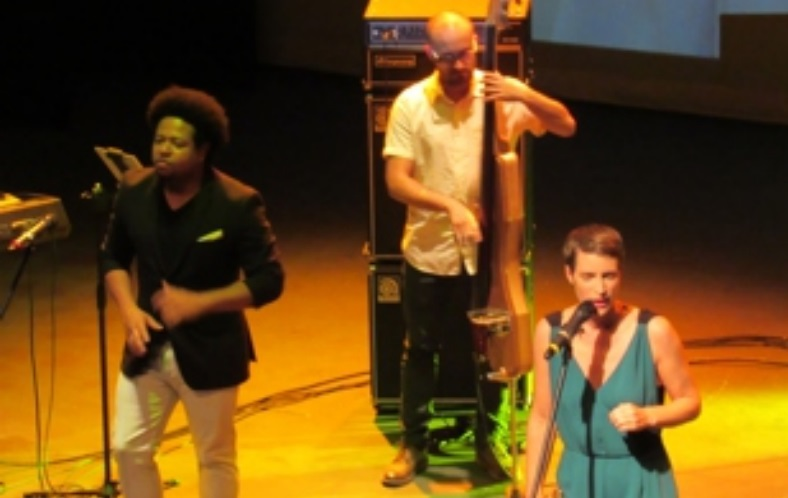
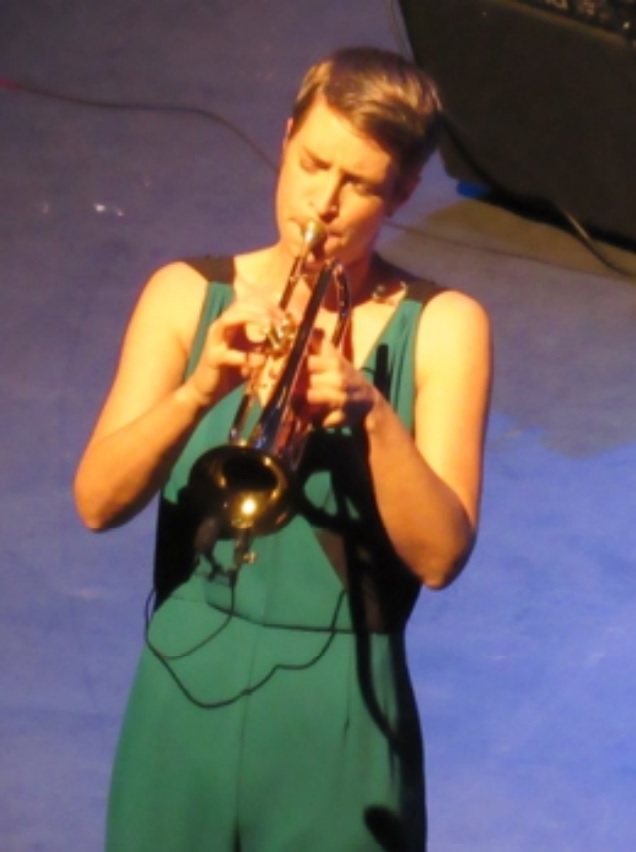
A great musician is someone who can enlighten the stage only with his/her presence, this is the case when Maite Hontele is on stage. Full-house, the stage full of colors and all the audience is ready to dance and enjoy the best rhythm: SALSA!

International Salsa Magazine had the honor to be part of the last concert of Maite Hontele, the incredible dutch trumpeter, in Caracas, Venezuela.

Maite Hontele in concert

The silence is interrupted with the beautiful sound of a characteristic trumpet playing a melody, the stage gets full of musicians and Maite comes out with the biggest smile that characterize her.

She starts with a speech where she explains how thankful she is for being there, talks a little bit about Colombia, and then the party starts! Two hours full of hits of herself, Oscar d’ Leon, and many other artists, with the performance of her Colombian band by her side.

Maite Hontele
Maite Hontele

But let’s get deeper in who is her. Maite Hontelé is a trumpeter who was born in Utrecht, Holland, and was raised with music. Her parents owned a huge collection of salsa and son Cubano, and every day she would listen to Latin music, quite unusual for a Dutch girl. After playing a few years with the local brass band, she decided to become a musician, and studied latin and jazz trumpet at the Conservatory of Rotterdam.

Her first big tour was life-changing. She went to Colombia, the country where she now lives. In 2004, Maite Hontelé toured with the world-famous Buena Vista Social Club. In 2009 Maite launched her first album, Llegó la Mona, a salsa-tribute to Colombian music. This album was made with the purpose to tour more in Colombia. Among the gigs she played was the Medellin Jazz Festival.

That year has been very important for her. Not only did Maite record her first album, she also found the place where she wanted to continue to live and make music. That’s when she decided to move to Medellin, Colombia.

Maite Hontele
Maite Hontele

In 2010, she released her second production, Mujer Sonora. The album is focused on oldschool styles such as son and charanga, but also contains some spicy salsa-tracks. This album was presented at the 2010 North Sea Jazz Festival, and on various international tours. In 2011 and 2012 Maite toured many countries with her band, and was a guest with Ruben Blades, Yuri Buenaventura, Issac Delgado, Diego Galé (DVD-recording), Juan Carlos Coronel, Oscar D’León, and many others.

Her 3rd album, Déjame Asi, was released in April 2013. She is currently touring Europe and Latin America.

“My Outlaw Loredo is the most elegant gig-bag in the universe. A perfect match for me!” Maite Hontelé

Maite Hontele in concer - Photo
Maite Hontele in concert – Photo

The show ends with the best energy. Maite Hontele is not only an amazing trumpeter, but also a great singer and composer. We are glad to be part of his musical journey.

  • « Go to Previous Page
  • Page 1
  • Interim pages omitted …
  • Page 6
  • Page 7
  • Page 8
  • Page 9
  • Page 10
  • Interim pages omitted …
  • Page 41
  • Go to Next Page »

International Salsa Magazine (ISM) is a monthly publication about Salsa activities around the world, that has been publishing since 2007. It is a world network of volunteers coordinated by ISM Magazine. We are working to strengthen all the events by working together.