• Skip to primary navigation
  • Skip to main content

International Salsa Magazine

  • HOME
  • Previous editions
    • 2026
      • ISM / March 2026
      • ISM / February 2026
      • ISM / January 2026
    • 2025
      • ISM / December 2025
      • ISM / November 2025
      • ISM / October 2025
      • ISM / September 2025
      • ISM / August 2025
      • ISM / July 2025
      • ISM / June 2025
      • ISM / May2025
      • ISM / April 2025
      • ISM / March 2025
      • ISM / February 2025
      • ISM / January 2025
    • 2024
      • ISM / December 2024
      • ISM / November 2024
      • ISM / October 2024
      • ISM / September 2024
      • ISM / August 2024
      • ISM / July 2024
      • ISM / June 2024
      • ISM / May 2024
      • ISM / April 2024
      • ISM / March 2024
      • ISM / February 2024
      • ISM / January 2024
    • 2023
      • ISM / December 2023
      • ISM / November 2023
      • ISM / October 2023
      • ISM – September 2023
      • ISM – August 2023
      • ISM July 2023
      • ISM Edition June 2023
      • ISM – May 2023
      • ISM April 2023
      • ISM March 2023
      • ISM February 2023
      • ISM January 2023
    • 2022
      • ISM December 2022
      • ISM November 2022
      • ISM October 2022
      • ISM September 2022
      • ISM August 2022
      • ISM July 2022
      • ISM June 2022
      • ISM May 2022
      • ISM February 2022
      • ISM January 2022
    • 2021
      • ISM December 2021
      • ISM November 2021
      • ISM October – 2021
      • ISM September 2021
      • ISM August 2021
      • ISM July 2021
      • ISM May 2021
      • ISM April 2021
      • ISM June 2021
      • ISM March 2021
      • ISM February 2021
      • ISM January 2021
    • 2020
      • ISM December 2020
      • ISM November 2020
      • ISM October 2020
      • ISM September 2020
      • ISM August 2020
      • ISM July 2020
      • ISM June 2020
      • ISM May 2020
      • ISM April 2020
      • ISM March 2020
      • ISM February 2020
      • ISM January 2020
    • 2019
      • ISM December 2019
      • ISM November 2019
      • ISM October 2019
      • ISM Septembre 2019
      • ISM August 2019
      • ISM July 2019
      • ISM June 2019
  • Download Salsa App
    • Android
    • Apple
  • Spanish

Search Results for: Larry Harlow

Larry Harlow and Ismael Miranda: beginning of the so-called “Salsa Arseniana” in honor of the music of Arsenio Rodriguez, the creator of Son Montuno and “King of Guaguanco”

Extracted from the book called: “El origen y la creación de la Salsa”; creator: Mon Rivera, promoter: Al Santiago.

For sale on Amazon kdp, by clicking on the following link:

With which is attached a complete summary of the musical work of Larry Harlow with Ismael Miranda from its creation in 1966 to 71.

At the end is the original song of Arsenio: “Oiga mi Guaguanco”, with the fabulous musical arrangement of Harlow himself in “Salsa Clasica”, with the exquisite singing of the “Niño Bonito de Puerto Rico” Ismael Miranda.

Larry Harlow and Ismael Miranda: 1966 – 1971 with trombones.

Julio Cesar Galindo Alarcón Diplomático de Peru Ministro (R), Historiador Musical. Autor de Libro sobre Creacion de la Salsa

Lawrence Ira Khan, better known in the music scene as Larry Harlow, affectionately known as “The Wonderful Jew”, was born in Brooklyn, New York, on March 20, 1939 and died in New York on August 20, 2021, American musician, orchestra conductor, pianist, composer, musical arranger, producer, creator of the so-called “Latin Opera”, in 73 he was one of the most important disseminators of Afro-Cuban Jazz, “Arseniana” Salsa and Classical Salsa, confirming at the highest level the use of the trombone and the USA instrumental technique, corroborated as the two most important characteristics that identify the new American Musical Movement.

The beginning of Larry’s musical work must be analyzed from his return from Cuba in 1959, after having traveled to the island in the mid 50’s, to know and study Cuban music in its different rhythms, but because of the Revolution he had to return to New York; finding the boom and enthusiasm produced by the Pachanga spread by Charlie Palmieri, Pacheco, Quijano, Orlando Marin, Mon, Eddie Palmieri, Ray Barretto, Richie, among others.

At the end of 65 he forms his orchestra with trombones and application of the instrumental technique of Jazz; he signs a contract with the “Fania” label and plans to record his first album.

In 1966 he recorded his first album called “Heavy Smokin” with Felo Brito’s vocals; L.P. little known, in which stand out: “Tu Tu Ratan”, “Maria la O”, “Rica Combinación”, “Mi Guaguancó”, “Orchestra Harlow” and “Adios Mamá”.

In the same year he recorded his second album called “Gettin’ Off” or “Bajándote”, sung by Ramón Quian: “Monguito” el Unico, an excellent full-length album that was a great success.

Some of the highlights are “Bajandote”, “Guarachita”, sung by Vickie; “Tu no lo creas”, “Meta y Guaguancó”, “Coco May May” and “Cienfuegos”.

In ’66, a young teenager appears singing in Andy Harlow y su Sexteto’s group.

Andy gave him to his friend Joey Pastrana at the beginning of 67 to record the album “Let’s Ball”, in which the young singer Ismael Miranda had his first hit with the song “Rumbón Melón”.

Larry Harlow who lacked a good singer, offered the job to Ismael, who without hesitation accepted it immediately; and debuted with Larry on his third album in 67 called “El Exigente” and thus began the WONDERFUL DUPLE OF LARRY HARLOW AND ISMAEL MIRANDA, who together formed a sensational duet, amazing and impressive, in the History of Classical Salsa.

In “El Exigente” with the debut of the “Niño Bonito de Puerto Rico”, the songs “El Exigente”, “Las luces”, “Rumba me llaman” and “El Mejor” stand out.  The following year, in 1968, he recorded the album, “Orchestra Harlow presenta a Ismael Miranda”.  With this unsurpassable combination, the Classic, Brava and Hard Niuyorquina Salsa begins in the unique style of the “Judío Maravilloso” with the singing of the fabulous Ismael Miranda, one of the most attractive, fine and sharp voices in the history of Salsa, in which stand out the songs: “La Contra- ria”, “Jaguey”, “Yo me voy”, “Lamento Cubano”, “Bobby’s Boo-galoo, ‘Rumba a la vida’ and ‘Mi Guajira si’.

In 1969 he recorded his fifth album and third with Ismael Miranda, called “Mi Mono y Yo”, in which he continues the teaching of Classical Salsa with Afro-Cuban Jazz fusion, in which almost all the songs stand out: “El Malecón”, “Voy para la luna”, “Amorcito Ven”, “Jovenes del Muelle”, “Ven Rumbero Ven”, “Para donde tu vas”, “Mi Madre” and “Traigo Guajira”.  With these last two albums, Larry with Ismael had achieved the expected success; and they had become the favorite orchestra in all the Salsa Concerts that had already become customary in the weekends of the Big Apple.   In ’69, the author witnessed for a month these Salsa Dance Concerts that were usually given in the halls of the Hotels of the New York districts.

DIPLOMATICO DE PERU, MINISTRO (R); HISTORIADOR MUSICAL; AUTOR DE LIBRO SOBRE CREACION DE LA SALSA.

In 1970, Larry introduces the electric piano in his orchestral format; this motivates him to title his album of the same year: “Electric Harlow”.  With the recording of this album really begins the so-called “Salsa Arseniana” of Larry, coinciding with the last year of life of the great Cuban musician Arsenio Rodriguez, the father of Son Montuno and “King of Guaguancó”, Legend and undisputed genius of the development of Cuban music; but, however, having been the most important Cuban musician of the twentieth century, for his contribution of having created the Son Montuno and the modernization of Guaguancó, has NOTHING TO DO WITH THE CREATION OF SALSA:  BUT YES; FOR HIS VALUABLE CONTRIBUTION, WITH THE DEVELOPMENT OF THE MOVEMENT CREATED BY MON.

In “Electric Harlow” stand out: “La Revolution”, the wonderful Salsa arrangement of “Oiga mi Guaguancó”, by Arsenio Rodríguez, “Guasasa”, “Con Dulzura”, “Donde va Chichi” and “Tu Cosita Mami”. In 71 he recorded his album “Abran Paso”, and here we have to refer to Ismael Miranda as a singer-songwriter; because if from his first album recorded with Larry: “El Exigente”; he had already shown his composer’s fiber, having composed some songs together with Harlow; in this 71 album:  “Abran Paso”, he confirms and ratifies his conditions as a singer-songwriter, composing five themes of his authorship, successfully distinguishing the theme of the same name of the album: ‘Abran Paso’, ‘Donde lle- vas el Son’, ‘Abandonada fue’, ‘Oigan bien mi Guaguancó’ and ‘Dolor y Amor’.  Other highlights include: “Se casa la Rumba” and ‘Vengo Virao’, by Tite Curet Alonso.

Orchestra Harlow Vocal Ismael Miranda – Electric Harlow

Having died the penultimate day of 70 Arsenio Rodriguez, Larry Harlow, a few months later had the idea of offering him a posthumous tribute, which materialized with the recording in 71 of an album “Homenaje Póstumo”, which was called “Tribute to Arsenio Rodriguez”, including four hit songs by Arsenio:  “Tumba y Bongo”, ‘No me llores’, ‘Sueltala’ and ‘El Terror’; ‘Arsenio’, Harlow’s theme with Ismael Miranda and ‘Saludos a todos los Barrios’, by Lázaro Prieto.  The Harlow Orchestra in the last two albums was integrated with:  Conductor and piano: Larry Harlow; Singer: Ismael Miranda; Trumpets: Larry Spencer and Ralph Castrello; Trombones:  Lewis Khan, Leopoldo Pineda and Sam Burtis; Bass: Lydio Fuentes; Congas: Frankie Rodríguez; Bongó: Manny Oquendo; Timbal: Phil Newsum; and Tres y Cuatro: Yomo Toro, in “Abran Paso”.

Finally, Larry Harlow participated as pianist in “Red Garter”; and also as pianist and producer in “Chee-tah”.  Ismael Miranda did it as a singer in the two concerts of the “Fania All Stars” in ’68 and ’71.

Julio Cesar Galindo Alarcón

Diplomat of Peru Minister (R), Musical Historian. Author of a book on the Creation of Salsa.

Also Read: Larry Harlow ”El Judío de la Salsa”: innovative and irreverent

Larry Harlow ”El Judío de la Salsa”: innovative and irreverent
A set of innovative ideas


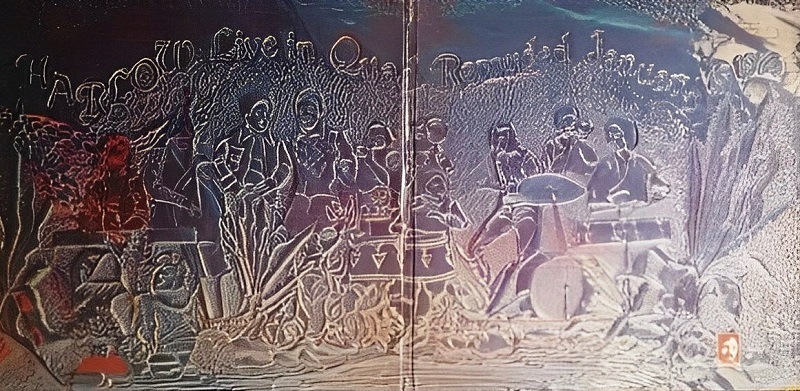
Recorded live on January 16, 1974 at Sing Sing Prison, listeners will immediately discover that the musicians actually came to play from the first note. In a recent conversation, Harlow considers this album to be one of the best of his career and tells how the enthusiasm of the audience positively affected the performance. This was the only Latin album to be recorded in quadraphonic format. The basic concept was similar to today’s surround sound systems, but the way to achieve the four audio channels changed in terms of format.

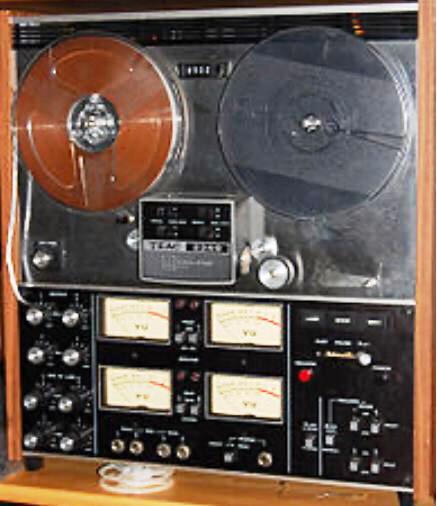
Harlow took advantage of new technology and recorded the live album live an 8-channel RCA unit and mixed the recording by spinning on a chair surrounded by four speakers. The Fania sound was created by New York musicians who added swing and a distinctive musical sensibility to Cuban son and other Spanish-speaking Caribbean genres. In the process, they twisted the music into something totally new. “Live in Quad” provides an opportunity to hear that musical transformation, as the main part of the music from this concert consists of compositions by Arsenio Rodriguez.

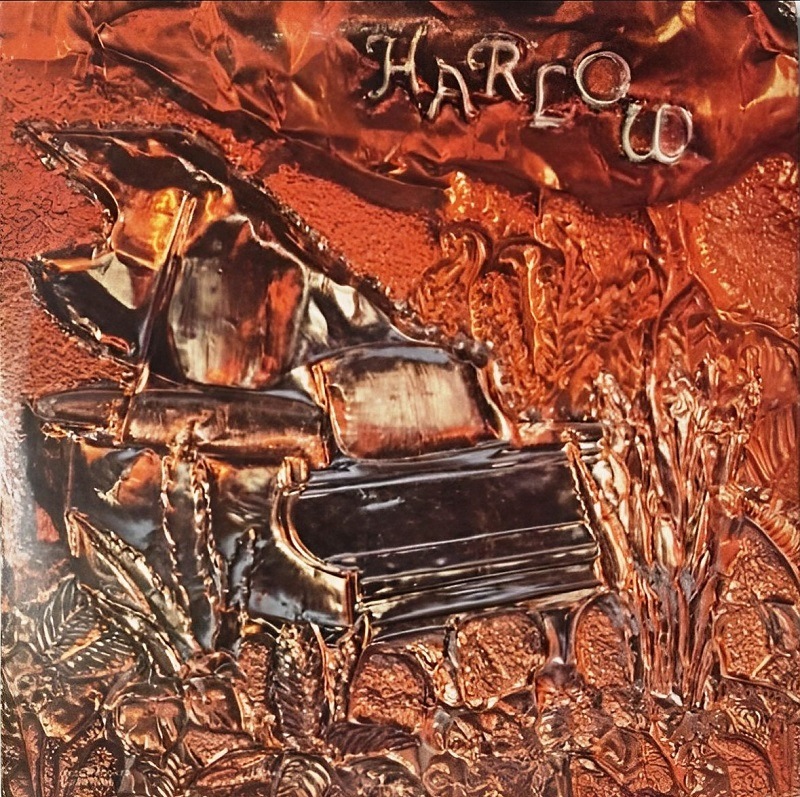
Cover of the album
Cover of the album ”Live In Quad”

In the 1950s, Harlow made several visits to Cuba, where he followed and became friends with Rodriguez. Back in New York, he had the opportunity to play with his idol and eventually dedicated an full album to him. For Harlow, the piano is overdubbed and interacted with a harpsichord, simulating the union of the tres and the piano made by Arsenio. This album sounds as exciting and fresh as it did 32 years ago. “Señor Sereno,” Harlow’s big hit with Ismael Miranda, opens the album. Junior Gonzalez, who debuted with Harlow in Hommy, gives us his own version. On a personal level, this performance is an example of the Fania sound: great orchestral work, swing and energy.

More details about the album

 Inside of the album
Inside of the album ”Live In Quad”

Also from Hommy, the song “Gracia Divina” grows in intensity with Tony Jiménez’s brilliant rhythmic fills over Harlow’s guajeos and the powerful swing of the horn section. Justo Betancourt’s gifted voice stars in the treatment given by Harlow to “Mayari” by Compay Segundo. “Jóvenes Del Muelle” is another Cuban classic, arranged by the great Barry Rogers. The arrangement and playing evoke classic ensembles while still sounding modern. Here we listen to trombone solos and a tasty bass solo by Eddie Guagua Rivera.

To date, Harlow is best known for his version of “The Wallet.” This arrangement by Sam Burtis in a masterclass. Notice the Lilí Martínez’s influence in Harlow’s solo, followed by fine trumpet solos and another violin solo by Lewis Kahn. “Tumba y Bongo” was originally composed for Arsenio’s rhythm section (Kila, Quique and Chocolate). This arrangement by Mark Weinstein highlights an exciting hand-to-hand between Pablo Rosario and Tony Jimenez, who delights the audience when he raises his drum in the middle of the solo.

Back of the album
Back of the album ”Live in Quad”

“Suéltala” provides a framework for Júnior González’s soneos while offering exciting solos by Reynaldo Jorge and Nicky Marrero. “Arsenio”, the theme song of the dramatic album Harlow recorded in tribute to his musical hero, gets the matancero flavor of Justo Betancourt with Tony Jimenez standing out with another great solo. In “Descarga Final,” Harlow unleashes the creativity of the members of his orchestra and the singers exchange soneos in a friendly hand-to-hand. Guagua offers another impressive solo while the percussionists are meant to steal the show.

Credits:

Ralph Castrella – Trumpet

Charlie Miller – Trumpet

Junior Gonzalez – Maracas

Larry Harlow – Piano, Harpsichord

Reynaldo Jorge – Trombone

Pablo “El Indio” Rosario – Bongo, Cowbell

Anthony “Tony” Jimenez – Congas

Nicky Marrero – Timbales

Eddie “Guagua” Rivera – Bass

Lewis Kahn – Trombone, Violin

Lead Singers – Justo Betancourt, Junior Gonzalez

Choir – Adalberto Santiago, Larry Harlow, Ralp Castrella

Master Of Ceremonies – Paco Navarro

Producer – Larry Harlow

Engineer – Bernie Fox

Assistant Engineer – Randall Shepherd

Mixing – Good Vibration Studios, N. Y. C.

Recorded Live – Sing Sing, January 16, 1974.

Arrangements – Louie Cruz (“Señor Sereno,” “Gracia Divina”), Larry Harlow (“Mayari,”, “Descarga Final”), Barry Rogers (“Jóvenes del Muelle”), Sam Burtis (“La Cartera”), Mark Weinstein (“Tumba y Bongo”), Charlie Camilleri (“Suéltala”), Bobby Valentín (“Arsenio”)

Original Album Cover – Gary Mason

Metal Graphic Art From Original Album – Charlie Rosario

Devised used by Harlow
Device used by Harlow to record the album

Señor Sereno
Ismael Miranda

Garcia Divina
Larry Harlow / Jenaro ”Heny’’ Álvarez

Mayarí

Jóvenes Del Muelle
Sabino Peñalver

La Cartera
Arsenio Rodríguez

Tumba Y Bongó
Arsenio Rodríguez

Suéltala
Arsenio Rodríguez

Arsenio
Larry Harlow / Ismael Miranda

Read also: Javier Cabanillas and his Cabanijazz Project

Tribute to Larry Harlow about a year after his departure

Tribute to my friend Larry

It is now a year since the unfortunate departure of one of the greatest icons of Latin music, who is none other than the one and only producer, composer and pianist Larry Harlow. Let’s remember that he passed away on August 20, 2021 in a health center located in the Bronx at the age of 82. His death was caused by heart failure due to a kidney condition from which he had been suffering from for some time.

“El Judio Maravilloso” passed away on August 20, 2021

A little of his history

The also known as “El Judio Maravilloso” has a great success story behind him in the field of music, which began with the occupations of his parents. Recall that his mother was an opera singer and his father was a musician in the orchestras of Barrio Latino, which could explain his interest in the industry when he was very little. From a very young age, little Harry already handled certain instruments in a skilled way, showing what he could dedicate himself to in the future.

His great interest in Cuban music and culture led him to travel to Cuba, where he began his musical studies related to Afro-Cuban music. Unfortunately, the arrival of the Cuban Revolution prevented him from fulfilling his task and he had to leave the island prematurely due to the political crisis that started to develop.

Since then, the Harlow Orchestra became one of the first groups to be formed with the label of Fania Records. At the same time, Harlow was producing an tremendous amount of albums, both his and other musical stars’, catapulting him to becoming one of the most respected producers of that time. Reportedly, there were approximately 270 records in total, which gave us a lot of hits that continue to be heard to this day.

One of his greatest achievements was to have brought the world famous Cuban singer Celia Cruz to New York, thus becoming the first artist of Latin origin to perform at the Carnegie Hall, a famous concert hall located in Manhattan that had only had room for Anglo-Saxon artists until that time. It was “El Judio Maravilloso” who managed to bring Latin America to the Carnegie Hall for the first time from the hand of “La Guarachera de Cuba”, something unthinkable in those years.

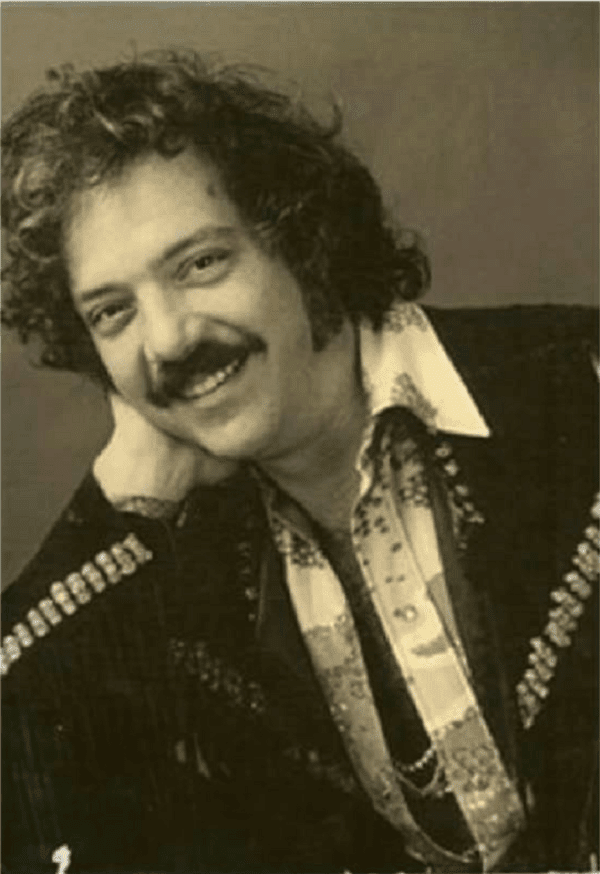
Larry Harlow and Johnny Cruz in the 80’s

He also had an important role in the film “Our Latin Thing”, along with several transcendental figures of the Fania All Stars.

Relationship with the Spanish Harlem Salsa Gallery Museum

It is of common knwoledge that Larry and this server had a close relationship, since we knew each other for many years and lived many incredible experiences related to this wonderful genre called salsa. That is why the famous pianist sent me some of his most precious costumes to be exhibited in our gallery so that all his fans could be as close as possible to their idol.  After his departure, seeing all those things donated by him leaves a deep emptiness in those who see them, but at the same time this reaffirms our commitment to offer our public the best salsa exhibittions they have ever seen.

Larry has left an indelible mark in the hearts of all of us who got to know him during his lifetime, but our duty is to move on with our heads held high.

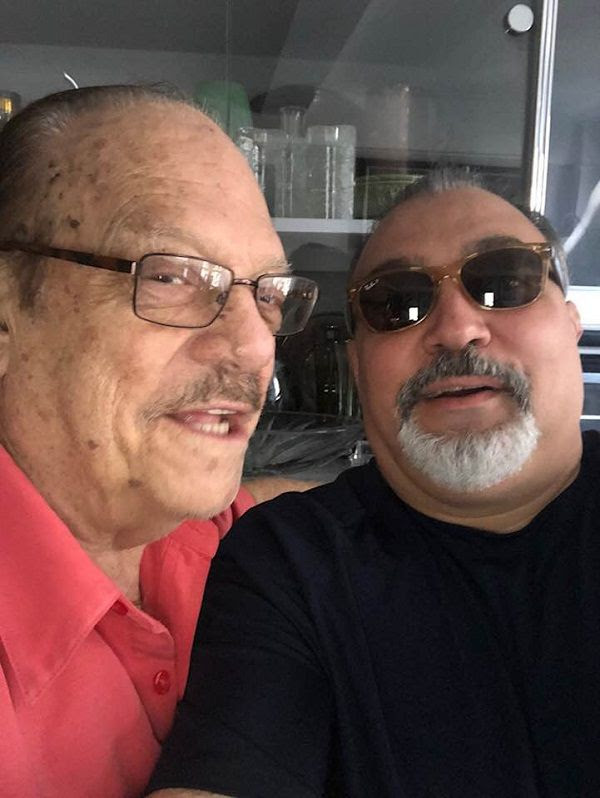
Harlow and Cruz in 2018


By Johnny Cruz, ISM Correspondents, New York, New York City

Larry Harlow ¨El Judío Maravilloso¨ Salsa Legend

He is a traditional and important figure in Latin music.

Pianist, Multi-Instrumentalist, Arranger, Composer, Producer and Musical Director Lawrence Ira Khan “Larry Harlow el Judío Maravilloso” was born on March 20, 1939, in Brooklyn, New York, USA.

He traveled to Cuba in the ’50s, at which time he established his residence and began to study Afro-Cuban music. After gaining experience, he returned to New York to develop his own style and created his group “The Harlow Orchestra”.

Later, he participated in “The Fania All Stars”. During his years with Fania, Harlow recorded 35 albums as the leader of his own orchestra and another 20 as a member of Fania.

Harlow ha participado activamente en giras internacionales y en las principales ciudades de Estados Unidos. Actualmente, además de tocar con su banda, Harlow graba y dirige videos para artistas líderes en Estados Unidos y Europa.
Larry Harlow, creator and innovator of salsa.

He also produced more than 200 recordings for other artists, created and composed the first salsa opera, “Hommy”, which he orchestrated, directed and performed in New York and Puerto Rico.

Harlow stays active on international tours as well as in the main cities of the United States. In the present day, in addition to playing with his band, Harlow records and directs videos for standout artists from the United States and Europe.

Larry Harlow, a salsa composer.

The Latin music iconic pianist’s career in 10 recordings that marked an era and the history.

Heavy Smokin’ (1966)

Impresionado con la forma de tocar de la orquesta, Masucci se acercó a su líder, un joven pianista de origen judío llamado Larry Harlow, y le ofreció un contrato discográfico. Harlow sería el primer artista firmado con el nuevo sello Fania Records. Grabado con el cantante cubano Felo Brito, este primer LP incluye "La juventud", además de "Chez José", un homenaje al conjunto donde todo comenzó.
Heavy Smokin (1966)

In 1964, future salsa impresario Jerry Masucci went to the Chez José club to go dancing with his girlfriend in Manhattan. Impressed with the orchestra playing, Masucci approached its leader, a young pianist of Jewish origin named Larry Harlow, and offered him a record contract. Harlow would be the first artist signed by the newly-opened label of Fania Records. Recorded with Cuban singer Felo Brito, this first LP includes “La juventud”, as well as “Chez José”, which was a tribute to the club where it all started.

Presenta a Ismael Miranda (1969)

Aunque sus personalidades son completamente distintas, Harlow y Miranda graban una serie de LP explosivos con ritmos afrocubanos. Esta es su segunda colaboración y presenta algunas canciones de boogaloo, que estaba de moda en el momento. El bajista es Bobby Valentin, quien aporta tres temas, entre ellos el swing letal de "La Contraria".
Presenta a Ismael Miranda (1969)

In the late 1960s, Harlow found the singer who would bring his group to the aristocracy of salsa: a young Puerto Rican boy named Ismael Miranda. Although their personalities are completely different, Harlow and Miranda record a series of explosive LPs with Afro-Cuban rhythms. This is their second collaboration and features some boogaloo songs, which was the fashion of the moment. The bassist is Bobby Valentin, who contributes three songs, including the lethal swing of “La Contraria”.

Abran Paso! (1971)

Su sonido de trombón y trompeta alcanza un paroxismo de sabor en Abran paso !, anclado en tan maravillosas composiciones de Ismael Miranda como "Abandonada fue", "Donde llevas el son" y "Dolor y amor". El cantante aporta su sensibilidad puertorriqueña, mientras que las orquestaciones de Harlow se nutren de la tradición del son cubano. Una combinación de electrizante éxito artístico y comercial.
Abran paso! (1971)

While collaborating with the legendary Fania All Stars as a keyboard player, Harlow feverishly records, taking advantage of the explosion of salsa as a cultural phenomenon. His trombone and trumpet sound reaches a paroxysm of flavor on Abran paso!, anchored in such wonderful compositions made by Ismael Miranda as “Abandonada fue”, “Donde llevas el son” and “Dolor y amor”. The singer brings his Puerto Rican sensibility, while the orchestrations of Harlow are nurtured in the tradition of Cuban son. An combination of electrifying artistic and commercial success.

Homenaje a Arsenio Rodríguez (1971)

Junto a Miranda, compuso la canción "Arsenio", una salsa fuerte con sabor cubano y un clima de melancolía desgarradora. El resto del LP, que fue grabado en una sesión de ocho horas, está dedicado al repertorio de Rodríguez, con versiones extraordinarias de "Tumba y bongo", "No me llores" y "El terror", entre otros. Indispensable.
Tribute to  Arsenio Rodríguez (1971)

When Arsenio Rodriguez (musical genius, blind, and pioneer of Cuban son passed away in Los Angeles in December 1970) Harlow quickly decided to record an LP dedicated to his work. Along with Miranda, he wrote the song “Arsenio”, a strong salsa with Cuban flavour and a climate of heartbreaking melancholy. The rest of the LP, which was recorded in an eight-hour session, is dedicated to Rodríguez’s repertoire, with extraordinary versions of “Tumba y bongo”, “No me llores” and “El terror”, among others. Indispensable.

Hommy A Latin Opera (1973)

Inspirado en la ópera rock Tommy del grupo inglés The Who, grabó Hommy, con la participación de Cheo Feliciano y Pete "El Conde" Rodríguez, entre otros. Harlow le pidió a Celia Cruz, que estaba desatendida por la industria de la música en ese momento, que cantara "Gracia Divina", que resucitó su carrera.
Hommy A Latin Opera (1973)

In the early 70s, Ismael Miranda decided to leave the orchestra of Harlow and pursue a solo career, which would cause animosity between them for a long time. Harlow began developing ambitious projects. Inspired by the rock opera Tommy by the English group The Who, he recorded Hommy, with the participation of Cheo Feliciano and Pete “El Conde” Rodríguez, among others. Harlow asked Celia Cruz, who was neglected by the music industry at that time, to sing “Gracia Divina”, which resurrected her career.

Salsa (1974)

Bajo el sencillo título Salsa, rinde homenaje a las raíces cubanas de la música tropical, combinando el sonido del trombón y la trompeta con dos violines que evocan la estética charanga de grupos como la Orquesta Aragón. Con "La cartera", una versión de una canción de Arsenio Rodríguez, Harlow logró su mayor éxito. Gracias a los cantantes Adalberto Santiago y Junior González surgió el sobrenombre de "El Judío Maravilloso"
Salsa (1974)

Harlow recorded one of his most significant albums in just two days. Under the simple title Salsa, it paid tribute to the Cuban roots of tropical music, combining the trombone and trumpet sound with two violins that evoke the aesthetics charanga made by groups like Orquesta Aragón. With “La cartera”, a cover version of a song by Arsenio Rodriguez, Harlow achieved his biggest hit. Thanks to singers Adalberto Santiago and Junior González, the nickname “El Judío Maravilloso” came about.

El Judío Maravilloso (1975)

Este LP del año 1975 sigue explotando un sonido épico con marcada influencia cubana. El tema de apertura, "El dolorcito de mi china", de Arsenio Rodríguez, tiene una duración de 10 minutos e incluye un solo de piano lleno de virtuosismo y expresividad. El auge de la carrera del tecladista no mostró signos de desvanecimiento, como lo demuestran sus versiones de "Buenavista guaguancó" y "El negrito ñéngere", así como el instrumental psicodélico "Latin Roots", compuesto por el propio Harlow.
El judío Maravilloso (1975)

Harlow continued to record prodigious albums, now with Junior Gonzalez as lead vocalist. This LP of the year 1975 continues to exploit an epic sound with a amarked Cuban influence. The opening track, “El dolorcito de mi china”, by Arsenio Rodriguez, lasts 10 minutes and includes a piano solo full of virtuosity and expressiveness. The peak of keyboard player’s carrer showed no signs of fading, as demonstrated by his versions of “Buenavista guaguancó” and “El negrito ñéngere”, as well as the psychedelic instrumental “Latin Roots”, composed by Harlow himself.

La Raza Latina (1977)

Harlow participó de esta tendencia con un musical, A Salsa Suite, que describe la evolución del género tropical desde África hasta el Caribe, pasando por Nueva York de los años 50 y 60 y culminando con una canción dedicada al futuro. Harlow contrató a Rubén Blades para que fuera su vocalista, aunque este no es su mejor momento. Un disco fallido y breve, pero fascinante en su ambición conceptual.
La Raza Latina (1977)

At the end of the 70s, salsa is fertile ground for grandiloquent experiments of a symphonic character. Harlow participated in this trend with a musical, A Salsa Suite, which describes the evolution of the tropical genre from Africa to the Caribbean, passing through New York of the 50s and 60s and culminating in a song dedicated to the future. Harlow hired Rubén Blades to be his vocalist, although this is not his prime. A failed and brief album, but fascinating in its conceptual ambition.

Larry Harlow presents Latin Fever (1978)

A fines de la década de 1990, cuando el interés por la salsa clásica había ido en aumento, formó la banda Latin Legends con el conguero Ray Barretto y el cantante Adalberto Santiago. Este primer disco cuenta con la participación de Pete "El Conde" Rodríguez (unos años antes de su muerte) e Ismael Miranda. El sonido es cálido y orgánico, enfatizando el conocimiento musical de estos veteranos. Según Harlow, era su banda favorita para tocar en vivo.
Banda de leyendas latinas de Larry Harlow (1998)

Harlow always showed the eclectic trends of a cosmopolitan musician. In 1970, for example, he recorded a rock record in the style of Chicago band with the group Ambergris. In 1978, he produced this fascinating LP by Latin Fever, a group consisting of 14 female singers and instrumentalists. These include percussionist Susan Hadjopoulos, who would become famous with English Joe Jackson, and the singer Ada Chabrier, who also collaborated with Ray Barretto and Willie Colón. A rarity that is worth discovering.

Larry Harlow’s Latin Legends Band (1998)

Harlow continued to record high-quality LPs in the 1980s. In the late 1990s, when the interest in classic salsa had been increasing, he formed the band Latin Legends with conguero Ray Barretto and singer Adalberto Santiago. This first album includes the participation of Pete “El Conde” Rodríguez (a few years before his death) and Ismael Miranda. The sound is warm and organic, emphasizing the musical knowledge of these veterans. According to Harlow, it was his favorite band to play live.

The Jewish Salsa Pianist, Innovative and Irreverent

This day 20 / 8 /2021 and after 32 days hospitalized “El Judío Maravilloso” Larry dies in New York at 12:30 a.m. from complications as a kidney patient that weakened his already weary heart.

Words of his wife Maria Del Carmen Harlow-Kahn

“Mi Amore, you are already free to play your music in the celestial orchestra. Thank you for the honor of accompanying you and loving you till the end of your life. 

You will live forever in my heart and in the hearts of all who love your music and your huge legacy, fly high my Wonderful Jew and rest in peace.”

Sources:

Ernesto Lechner de AAPR

Artículo de interés: La voz de Markolino Dimond y su irreverente piano en Funk / Soul & Funk-Disco “The Alexander Review

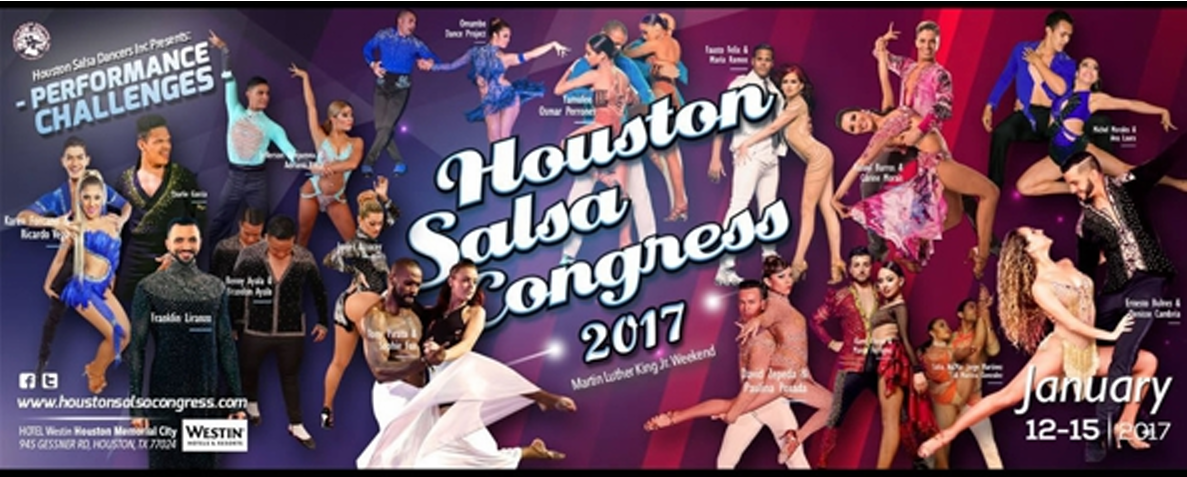
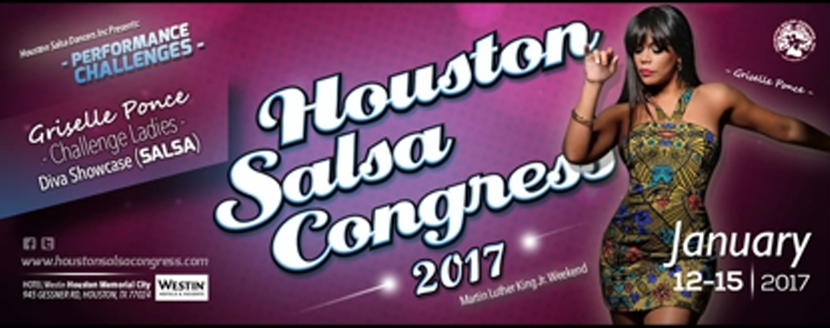
Houston Salsa Congress 2017

North America /  USA / Texas

In 2000, Houston Salsa Dancers, Inc. hosted the first Congress of its kind in the City of Houston. Today, the Houston Salsa Congress continues to highlight the beauty, creativity, and culture of Latin dance and music with our featured performing artists and musical artists.

Houston Salsa Congres 2017

HOUSTON SALSA CONGRESS 2017

Houston Salsa Dancers, Inc. is officially recognized as a nonprofit corporation who hosts the LARGEST Salsa Socials in Houston every month raising funds for the annual HSD, Inc. Scholarship Program. Through this program, HSD has helped dozens of students from the Houston area by awarding a cumulative total of over $25,000 in scholarships.

Scholarships are awarded annually at the LARGEST Salsa event in the South, the Houston Salsa Congress, every Martin Luther King, Jr weekend.

The Houston Salsa Congress has become a must-attend event for many dancers and performers. Being the first non-profit Congress, the HSD Board Members are always innovating and changing how Congresses are managed setting the bar high for other events to follow the remainder of the year. The Congress consist of performances by only the best in Salsa and other dances, weekend workshops to help dancers improve their skills, and some of the best social dancing in the world!

Houston Salsa Congress 2017

Another way HSD is stepping above the rest is through its event called “Bailando Hacia La Universidad (“Dancing Your Way to College”)” which was designed to educate High School students on attending college and college admission. (We bring in guests speakers and end it with a special performance… Example agenda: http://www.houstonsalsacongress.com/schedule_collegeday.php).

Houston Salsa Dancers, Inc. also hosts the “SalsaDURA Saturday” social every 1st Saturday every month. SalsaDURA is also called the mini-Congress of the South attracting dancers and performers from all around the world. This monthly event helps fund the Scholarship fund along with the Houston Salsa Congress event.

BANDS

JOSÉ ALBERTO “EL CANARIO”

José Alberto Justiniano (born December 22, 1958 in Villa Consuelo district, Santo Domingo, Dominican Republic), better known by his stage name José Alberto “El Canario” is a Dominican salsa singer. José Alberto moved to Puerto Rico with his family at the age of 7, and inspired by Latin music went on to polish his singing at Las Antillas Military Academy. He relocated to New York in the early 1970s and sang with several orchestras. He received international attention as the bandleader of Tipica 73 in October 1977.

José Alberto started his own band in 1983, and became a major Latin star after the release of his 1984 debut Noches Calientes. His 1991 album Dance With Me, which established a new style of salsa called salsa romántica. He has sung hit songs such as “Sueño Contigo” His voice was widely adored by his fans, and his exceptional whistling abilities (being able to improvise as if he was playing a traverse flute) led them to give him the nickname El Canario (The Canary).

JOSÉ ALBERTO "EL CANARIO"
JOSÉ ALBERTO “EL CANARIO”

El Canario has enjoyed success in the United States and Europe, but especially throughout Latin America, including in his native Dominican Republic, Puerto Rico, Peru, Venezuela, Panama, and Ecuador. El Canario in 1999 also was part of the biggest Latin American festival in Australian history at The Bacardi Darling Harbor Latin American Festival in Sydney, as supporting act for salsa performer Celia Cruz with over 22,000 people in attendance.

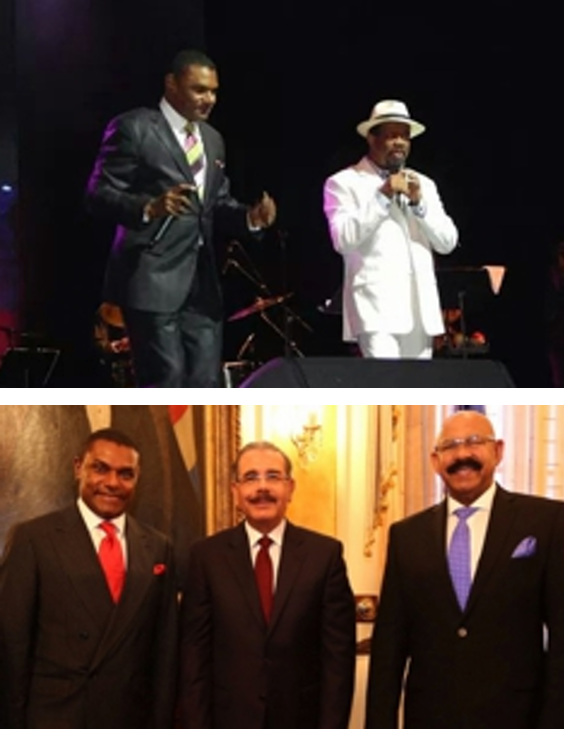
On 24 May 2008, José Alberto celebrated 30 years in the music industry at the United Palace Theater in New York City. Among the several special guests were Oscar D’León, Ismael Miranda, Raulín Rosendo, Joe Arroyo, and Latin music mogul Ralph Mercado.

JOSÉ ALBERTO "EL CANARIO"
JOSÉ ALBERTO “EL CANARIO”

Bobby Valentín & His Orchestra

Valentín (birth name: Roberto Valentin) was born in June 9, 194, in Orocovis, Puerto Rico. He was taught by his father to play the guitar at a young age. When his mother died in 1947, he went to live with his older sister and was raised in the town of Coamo where he received his primary education and studied music. When he was 11 years old, he participated in a local talent contest with a trio that he had formed.

He played the guitar and sang for the trio and they won the first place prize. One of his teachers suggested that he attend the Jose I. Quinton Academy of Music, which he did. It was there that he learned to play the trumpet.

Valentin en concierto

In 1956, Valentín moved with his family to New York City where he attended George Washington High School and continued to take music lessons. In 1958, he went to play for Joe Quijano but, shortly after, he played in the band of Willie Rosario, who was from the same neighborhood.

MUSICAL CAREER

In 1963, Valentín joined Tito Rodriguez (after not being hired by Tito in a recording session because of his age, he was given a chance and was added to his regular band) and traveled twice with Tito’s orchestra to Venezuela. He also made musical arrangements for Tito and at times for Charlie Palmieri, Joe Quijano, Willie Rosario, and Ray Barretto. In 1965, he formed his own band and was signed by the Fania Record Label. He recorded “El Mensajero” (The Messenger) and “Young Man With a Horn”. He held his first concert in Puerto Rico during that period of time.

In 1975, Valentín left Fania and founded his own record label “Bronco Records” and released the recordings of “Va a la Carcel” Vol 1 and Vol 2, recorded “live” at “El Oso Blanco”, Puerto Rico’s oldest state penitentiary. At the time, Marvin Santiago was the singer on Valentín’s band; his biggest hit with Valentín was “Soy Boricua”, an ode to Puerto Rican nationality that has since become a patriotic song for the pro-independence faction of the island.

In 1978, salsa singer Cano Estremera made his singing debut with Valentín’s orchestra and recorded various major hits for the band, particularly the Roberto Angleró song “La boda de ella” and “Manuel García”. During the years Valentín has been featured in recordings (and occasional live appearances) by Larry Harlow, Ismael Miranda, Roberto Roena, Cheo Feliciano and Celia Cruz. He also provided backdrop for the Billyván Santiago (Marvin’s youngest brother) song “Mata la cucaracha”, a sleeper hit in Puerto Rico during the 2002 Christmas season.

Houston Salsa Congress 2017. TICKETS
Full Event Pass: $280.00 (USD)
Full Event Pass + VIP Upgrade: $310.00 (USD)
Night Pass (ALL NIGHTS): $110.00 (USD)
Night Pass + VIP Upgrade (ALL NIGHTS): $165.00 (USD)
Night Pass (THURSDAY ONLY): $35.00 (USD)
Night Pass (FRIDAY ONLY): $35.00 (USD)
Night Pass (SATURDAY ONLY): $35.00 (USD)
Night Pass (SUNDAY ONLY): $35.00 (USD)
www.houstonsalsacongress.com
Houston Salsa Congres 2017 FLYER
  • Page 1
  • Page 2
  • Page 3
  • Interim pages omitted …
  • Page 15
  • Go to Next Page »

International Salsa Magazine (ISM) is a monthly publication about Salsa activities around the world, that has been publishing since 2007. It is a world network of volunteers coordinated by ISM Magazine. We are working to strengthen all the events by working together.