



| April 2026 – Festivals | ||
|
|
|
International
|




| DIRECTORY OF NIGHTCLUBS | ||
|
|
|
|
|
|
|
|
|
|
|
|
|
|
|
|
|
|
|
|
|
|
|
|



| April 2026 – Festivals | ||
|
|
|
International
|
| DIRECTORY OF NIGHTCLUBS | ||
|
|
|
|
|
|
|
|
|
|
|
|
|
|
|
|
|
|
|
|
|
|
|
|
Europe / Germany / Berlin
Salsa hit Europe like a pandemic, spreading from the jazz clubs in the big cities and hitting Germany in the 1980s. No wonder Salsa found so many followers – the Latin beats get directly under the skin and the rhythm moves hips and hearts just by itself. There is a sense of freedom in the music, and the widespread habit of Salseros asking Salseras for a dance makes it a piece of cake to meet new people in a relaxed and unrestrained atmosphere.

Berlin is famous for its nightlife and the immense diversity of scenes on offer for all kinds of people, tastes, and styles. Hence, it goes without saying that Germany’s capital has a thriving Salsa scene. Every year in October, it finds its peak during the three-day Berlin Salsa congress with famous Salsa stars from all over the world and around 6,000 participants.
But Berlin wouldn’t be the nightlife capital if it didn’t have a Salsa party every night of the week. Here are the best of the best Salsa parties in town to get hips swinging.

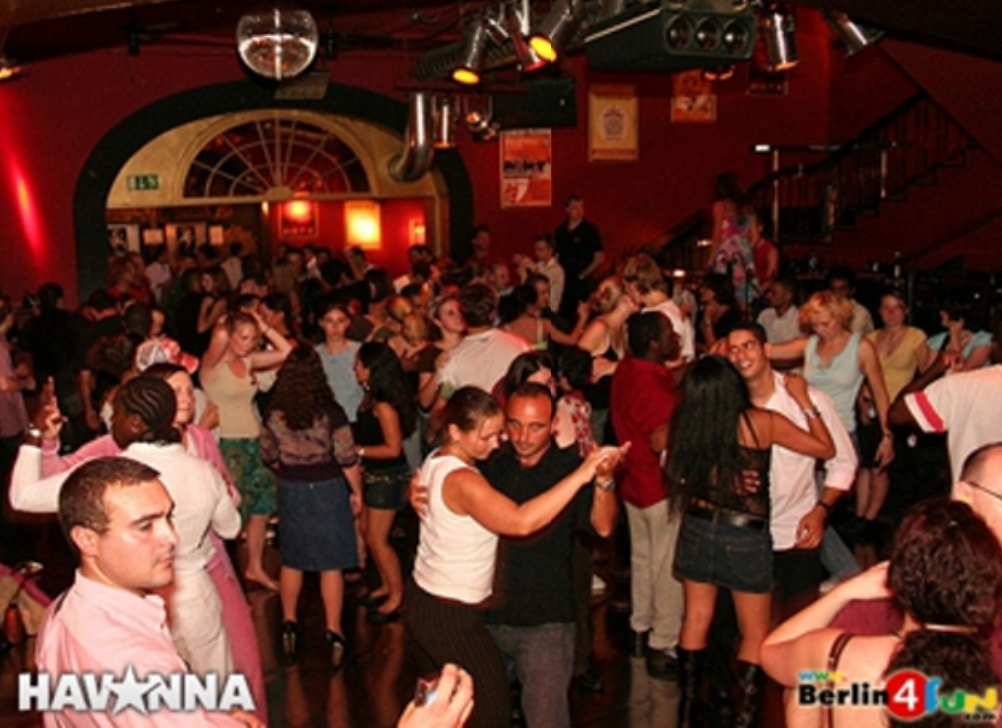
Every Wednesday, Friday, and Saturday, Salsa-obsessed dancers can move their hips in Berlin’s leading Latino and Black music club Havanna. The parties are spiced up by a one-hour dance lesson beforehand and some instructed Merengue in between on up to four dance floors.
Schedules: Miércoles 21:00 | Viernes 22:00 | Sábado 22:00
This wonderful location heats up the floor for Salseros every Tuesday and Saturday. There is a compulsory dance instruction session beforehand, and the parties are free and handy for a newcomer to Salsa. The size of the location and the attached restaurant give the parties a more intimate feeling and professional dancer Fernando Zapato is on hand to ensure the right Latin atmosphere for a party night.

Clärchens’ Ballroom | (c) Clärchens Ballhaus
In an outstanding historical atmosphere, you can shake a leg every Monday. The so-called mirror hall is a secret tip in the Berlin club scene. Built in the late 1800s, the flair of the Wilhelminian era is still present in this location. Furthermore, it has a wonderful wooden dancing floor and is highly frequented by true Salseros in Berlin.

Known for its immense parties, the Soda Club Berlin plays Latin and Cuban music every Sunday and Thursday. The four dance floors are impressive, and revelers can expect to find Mambo, Kizomba or Bachata DJs serving up an eclectic mix of these styles so dancers can switch things up throughout the night.

Salsa parties at this location are organized by the Salsa dance school Cumbancha, which is located in Kreuzberg. They always draw in a huge crowd of Salseros and Salseras, where everyone kind of knows each other and which gives these parties a very familiar atmosphere, although the uninitiated should not be put off, these are friendly folks!
Caroline-Michaelis-Str. 8 10115 Berlin Tel. 030-4679 5997 Fax: 030-4140 8890
Mail: [email protected]
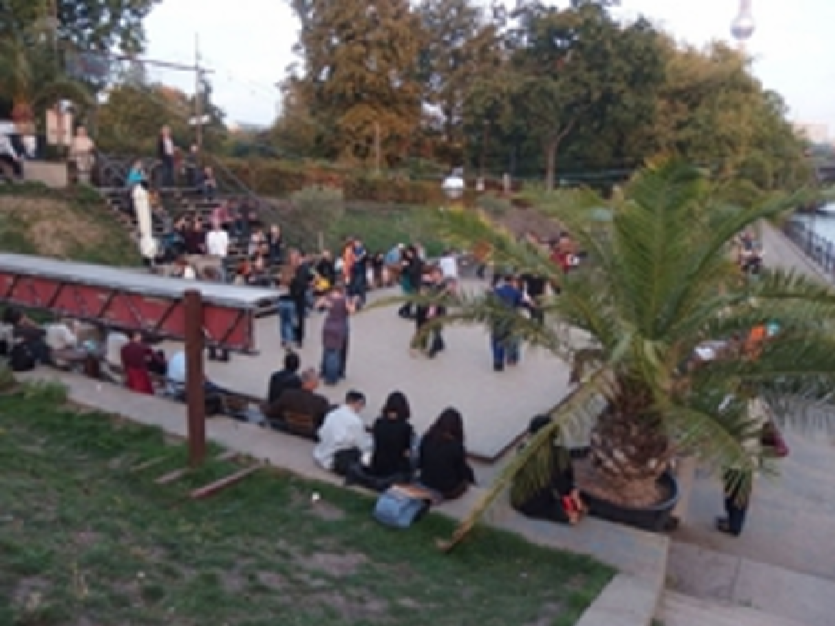
Monbijou Park | © Palickap/WikiCommonsThis is definitely the most beautiful location to dance in Berlin, although there is the small drawback that it is closed during the winter. That just heats the anticipation for the next spring, and, frankly, being outside in Berlin’s winter is a zany plan, even if you are dancing. So when winter starts to abate, and this open air location reopens its dance floor directly in front of the Bodemuseum on Museum Island, things start to swing. Even Tango and Swing lovers can enjoy their hobby; just visit their website for more details when they play which style of music.
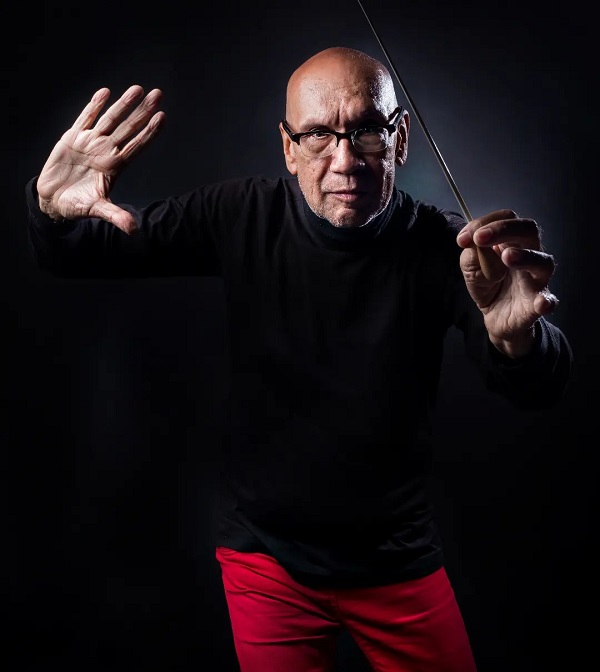
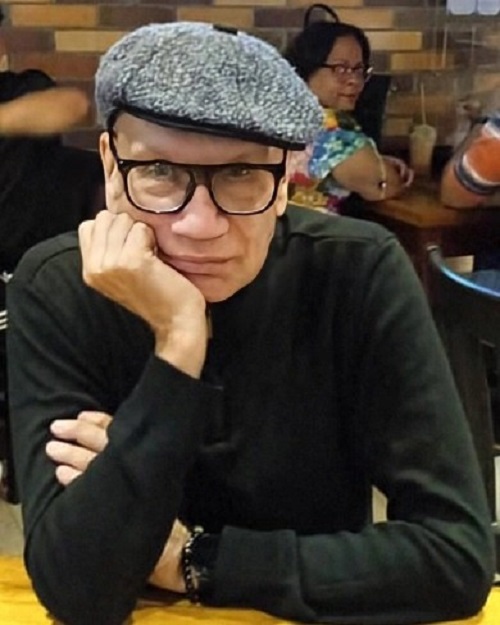
A musician, arranger, composer, and conductor, Durán has spent over four decades serving as the guardian of the big band sound. He keeps the flame of legends like Tito Puente and Pérez Prado alive, but with a distinctive signature that fuses academic precision with popular soul.
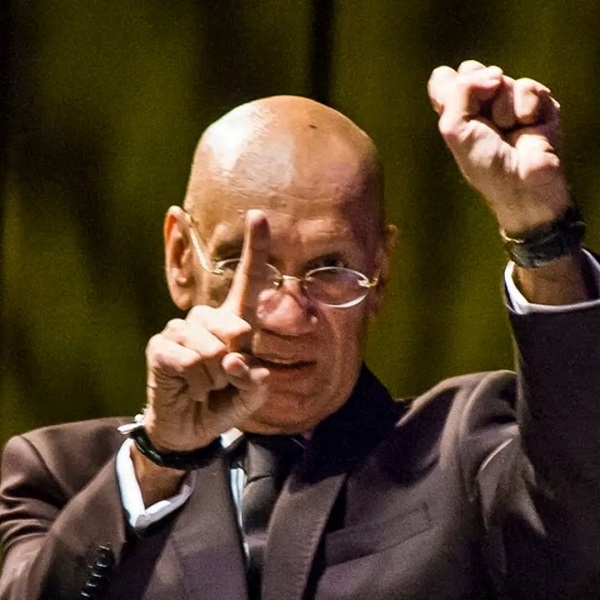
Born in Caracas, Venezuela, on January 2, 1949, as Nelson Valor Ramos, this extraordinary artist is today an essential figure in music production and direction.
The Musician: Master of the Arrangement
The Person: The Educator and Music Lover
Career and Legacy
Andy Durán is one of the greatest exponents of Salsa and Latin Jazz in Venezuela. With 16 albums to his credit, he holds the most extensive discography of any Venezuelan jazz artist. Additionally, he is recognized as the country’s premier music copyist.
Since 1982, he has been fully dedicated to professional music, working alongside giants such as Aldemaro Romero, Eduardo Cabrera, the Billo’s Caracas Boys, Los Melódicos, and Soledad Bravo. In 1985, he released his first LP, Mambo Salsa. Among his most notable works are:
Reflections by Andy Durán: Is Singing Easy?
The Requirements: Flawless pitch, breath control, phrasing, and diction; in addition, a strong memory for melodies, lyrics, and orchestral arrangements.
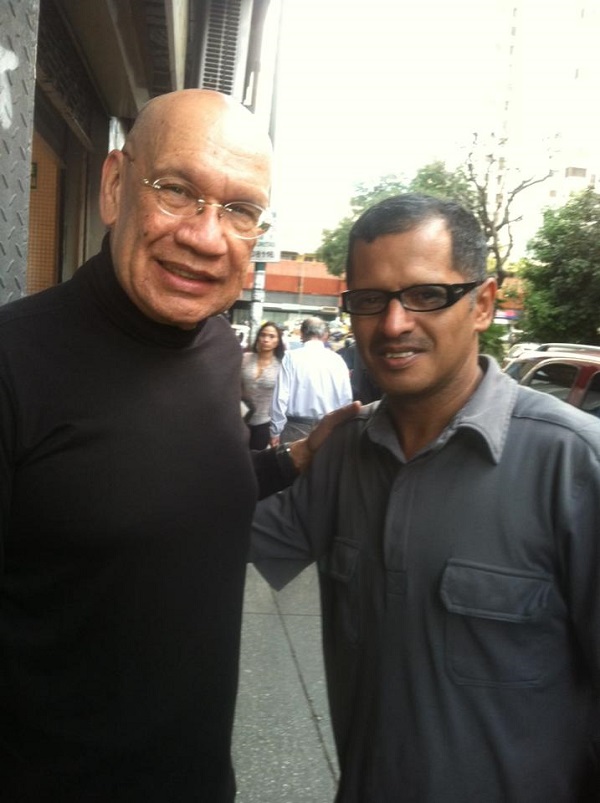
Reading is mandatory to develop a rich vocabulary for improvisation or public speaking; it also prevents embarrassing spelling errors in written lyrics. Keeping the vocal cords healthy and trained is a vital matter. Music theory and sight-singing are the ideal, essential, and unavoidable tools.
Finally, a singer must define their style and repertoire with great care. One must invest in professional orchestral arrangements and have an arranger-director or advisor—this is an investment, just like stage attire.
Remember, my fellow singers: a director’s worst nightmare is a singer who is out of tune, off-beat, and forgetful.
Best regards to all vocalists and singers.
Maestro Andy Durán: Director, Arranger, and Composer
P.S. Vocalists must meet two more requirements: keep your nerves in check and sing from the heart.
Also Read: Víctor Cuica “The Eternal Breath of Latin Jazz and Venezuelan Identity“
Europe / Spain
Salsa passion is known as one of the best Salsa Dance School in Zurich to build your foundation. More than 15 years of teaching experiences. See why it’s rated as one of the best in tow.
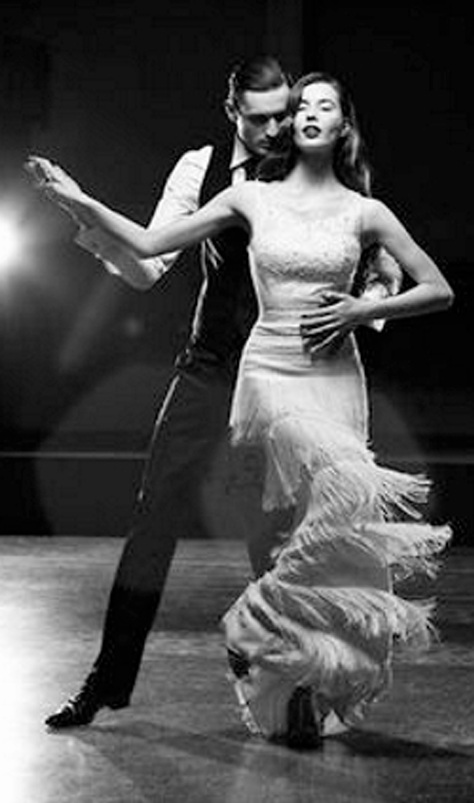
Salsa, Kizomba, Bachata, Cha Cha Cha, Lady Styling, Rhythm and dance Technique. Salsa dance Courses and Workshops for Beginner to Advanced levels. As a student you would benefit from Winny’s and diverse dance and music background. From leading to following technique, from rhythm to musicality, Spin, Body control, styling and footwork technique.
Good teaching strategies can be borrowed, but a good teaching heart is unique and cannot be replicated. Whether you want to become an excellent dancer, for fun or just for social reason, we love to help you to achieve your goal and teach with our hearts and passions.
Director of Salsa Passion – Winny. She is one of the best female instructor in Switzerland that can both lead and follow equally well in all Latin Styles such as Salsa Cubana, Cross Body Style, Mambo on2, Salsa Puerto Rican, New York On2, L.A style on1, Son and Cha Cha Cha.
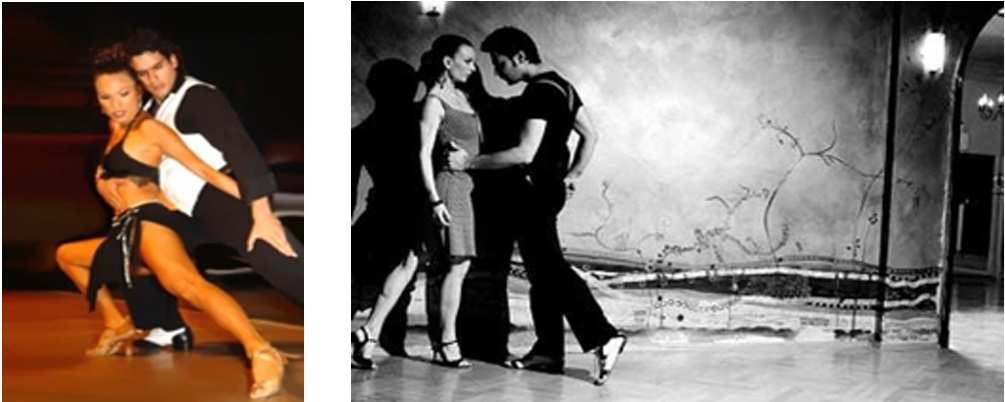
Whether you are completely new to the art, or experienced dancer, we have the patient, the knowledge, the experience to bring you further.
Dancing is about social and fun, but while you are investing your time and money to learn, why not learn it properly.
They’ve developed a “step by step” method that is fun and efficient for everyone to learn. We teach the “know how”. You will learn the vocabulary and the techniques of how to put them together, so you can become creative in a long run, and not just coping or try to memories a program.
“For us, teaching is not just a job, is an opportunity to give, and we love it!” Salsa with a smile, Salsa with passion!
Rhythm
Music and Interpretation
We teach our classes with live percussion. We also have special training CD to help you to develop your skill.
Coordination, body movement and Posture

We love to show you how to look good while dancing, not just walking around and making steps. They have warm up and exercise at each course, to help you to perfect your coordination and body movement.
Any figure or combination without technique is no different then it’s like just making a bunch of movements. We will show you how to makes each figure leadable, what makes a combination easy to follow or the opposite. We taught each figure with leading and follow technique, and how you can become a “smooth dancers”. Read our tricks and tips.
Steps and combination to help you develop your dancing technique with balance, speed, and “shine” on the dance floor.
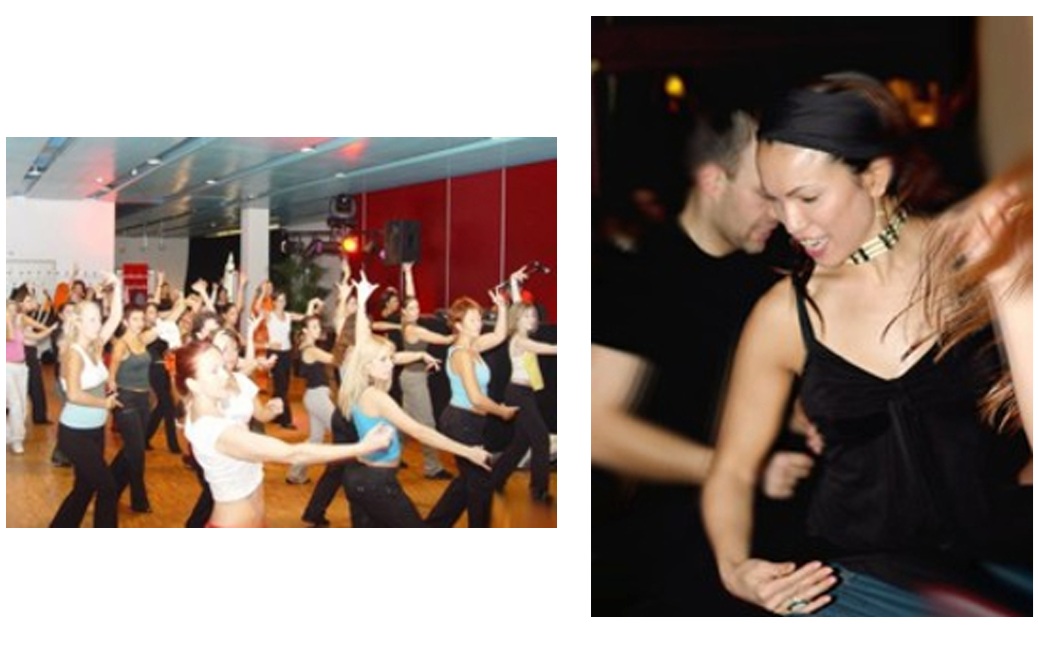
How to keep your balance when turn, how to gain speed and avoid getting dizzy. We have exercise to develop your turning technique at each of our course, plus tricks and tips how to turn during Partner Work.
Información de contacto:
American multi-instrumentalist and entrepreneur of Puerto Rican descent Jorge Torres had a conversation recently with us about his musical origins, his company Jimmy Jorge Entertainment, his band, and his work with music today. In International Salsa Magazine, we are more than happy to interview him and learn what he has to tell us.
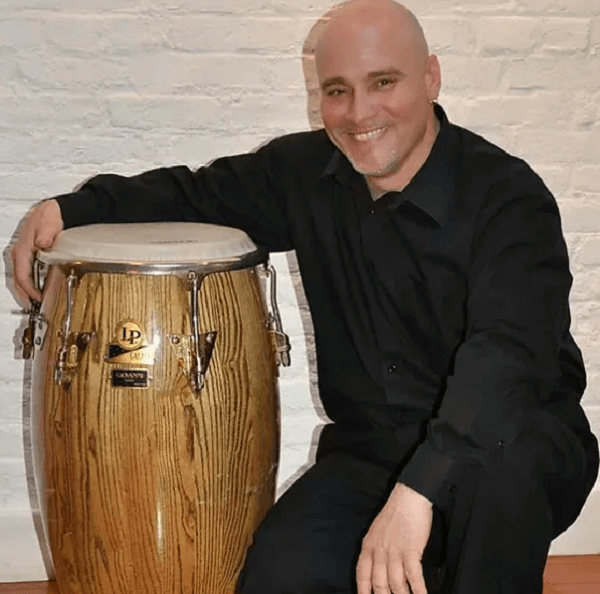
Jorge said that when he was very young, his mother got a large stereo system that included a record player and radio where she listened to all kinds of music. His brother had a copy album “Che Che Cole” by Willie Colon and a cowbell he used to play constantly, making it the first instrument he heard in his childhood.
In the fifth grade in Philadelphia, he became interested in learning to play the guitar, but at that time his school did not offer guitar programs, but violin. So he decided to try the violin, but only played it during that year. In the eighth grade, he returned to Chicago to live with his father following the death of his mother, and his interest turned to steel drums, which he also referred to as Caribbean drums.
He spent another year playing this instrument until he reached high school and moved back to Philadelphia to live with his brother, which is when he changed his mind again and started loving the trumpet and the conga. He was so passionate about the latter that he bought his own conga, which he still has to this day. Then, other musician friends taught him how to play it, and the rest is history.

His learning to play the conga was the beginning of his life as a professional musician, and he played for various groups such as La Orquesta Cupey, Orquesta La Precaución, and Orquesta La Opinión, among others. During this time, Jorge learned to play many other instruments such as bongos and timbales. His teacher was Mikie Rivera, renowned Puerto Rican singer-songwriter and trova and jazz guitarist, who met with the young man and other musicians in the cellar of a friend’s house to mentor them and work with them.
These meetings aroused in him the idea of creating his own band in the future because of all that Rivera taught him about the music biz, and he wanted to put that knowledge into practice as soon as possible.
Jorge’s band started as a small jazz group, but he did not want to settle for that. At some point, he was interested in having an orchestra with four wind instruments, three singers, piano, bass, bongos, timbales, and congas. That is how Jimmy Jorge and The Latin Jazz Express project arose.
This project started as a six-member Latin jazz band in 1995, but has managed to grow to the point that it has about 12 members and plays many other musical genres, although salsa is still very present in its repertoire.

Through hard work, Jimmy Jorge and The Latin Jazz Express have managed to position itself in the industry until they became the house band on the radio station called “La Mega 1310 AM” for some time and have played at all kinds of events such as The Puerto Rican Parade, La Feria del Barrio, Penn’s Landing’s Hispanic Fest, among others.
Some of the current members of the band are Peruvian singer Joseito Rivera, Puerto Rican singer Lia Montalvo, Dominican singer Hugo Tavares, conguero Edwin “Papo Buda,” percussionist Orlando Santana, and trombonist Edgar Salias.
When Jorge began performing with American orchestras, he noticed that some of them, in addition to their musicians, also had dancers and DJs who were part of the orchestra and the show. The inclusion of these professionals in concerts seemed like a phenomenal idea to him and wanted to put it into practice for his own project, so he took advantage of the contact he had made with singers, DJs, photographers, dancers, and dance teachers to recruit them for his own shows in the future.
So, he began asking for phone numbers in order to build a network of artists he could count on in case he needed their services. Today, he has a large catalog of options for every type of show, making Jimmy Jorge Entertainment one of the most important Latin entertainment companies in Philadelphia today.
Read also: Raúl Eliza: from the army barracks to the stage and recording studios