Search Results for: Latin Dance
Ralph Mercado: The Visionary Who Turned the Rhythm of the Barrio into a Global Phenomenon
The Giant of New York Salsa
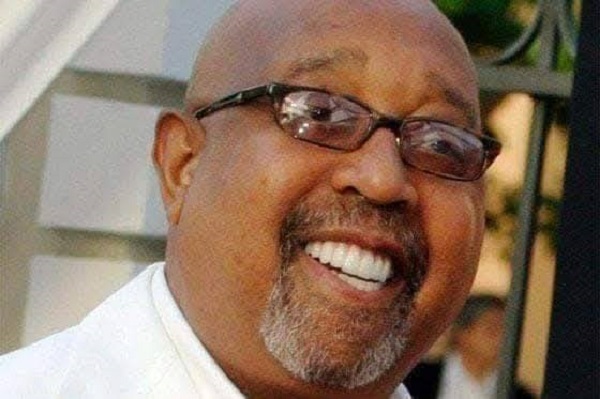
Ralph Mercado was a music promoter and an iconic figure of Salsa and Latin music in New York. More than just an entrepreneur, Mercado was the strategist who took Salsa out of local New York clubs and placed it on the world’s most prestigious stages.
Through his vision, the sound of Latin identity found a commercial language without losing its “street” essence, making him the most influential tropical music mogul of the 20th century.

Creator of “The Perfect Combination”; Early Days in the Bronx and Brooklyn
Of Puerto Rican and Dominican descent, Mercado was born on September 29, 1941, in Brooklyn. As a mere teenager, he was already organizing parties and dances as the president of a neighborhood social club.
He later founded the 3 & 1 Club on Atlantic Avenue, which hosted local bands and musicians such as Eddie Palmieri and Richie Ray & Bobby Cruz, among many others. Shortly thereafter, he created his first production and promotion company, Showstoppers, through which he promoted R&B acts of the caliber of James Brown, Aretha Franklin, Gladys Knight & the Pips, The Stylistics, and The Chi-Lites.
Expanding the Empire
He eventually ventured into Manhattan, where he helped expand the legendary Fania All-Stars, promoted dances at the Cheetah Nightclub, and presented Latin Jazz artists at venues like the Red Garter and the Village Gate. In 1972, Mercado established RMM Management, representing Palmieri and Ray Barretto.

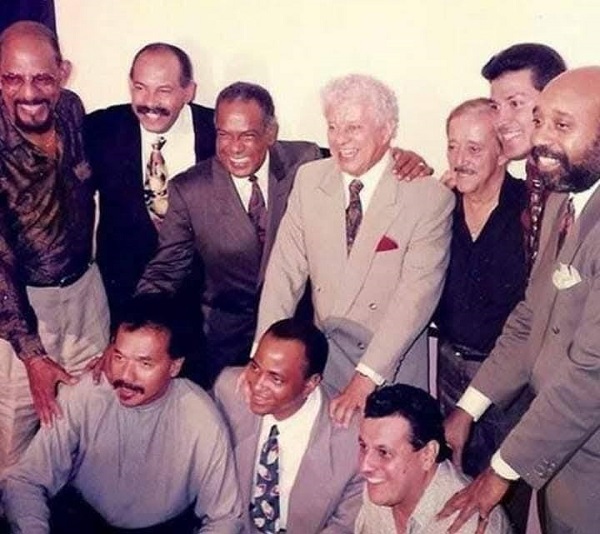
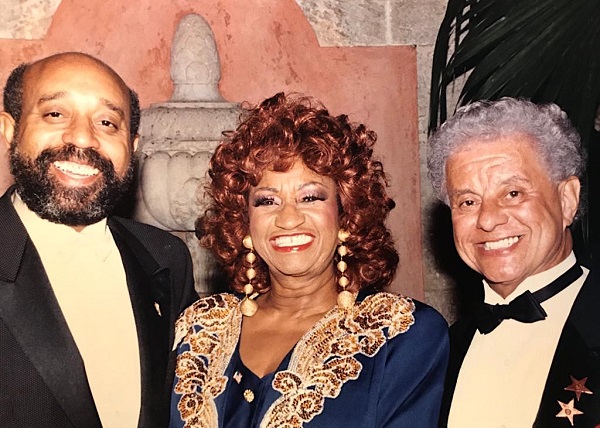
He managed the genre’s biggest stars, including Tito Puente and Celia Cruz, with whom he worked for 25 years. “I learned so much from her,” Mercado told the AP in July 2003, following the passing of the “Queen of Salsa.” “I witnessed the impact she had in every country we visited.”
Mercado credited Cruz and Puente with the internationalization of Salsa. “They were two artists with so much talent and such good hearts… something unrepeatable,” he expressed at the time.
The RMM Phenomenon
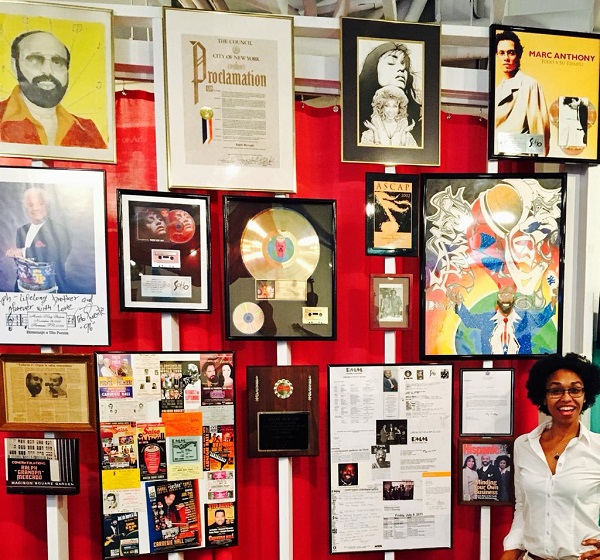
By 1987, his popular “Latin Tinge” nights at the Palladium attracted hundreds of salseros every Thursday. In 1992, he founded the independent label RMM, which branched into RMM Records, RMM Filmworks, and two publishing houses. With a catalog of over 140 artists, the label sold millions of albums annually.
Mercado brought Salsa to South America and to places as remote as Africa, Asia, and Israel. He personally discovered and launched the careers of talents like Marc Anthony, La India, Domingo Quiñones, Tony Vega, José Alberto “El Canario,” and Tito Nieves. For his work, he received numerous accolades, including the Billboard Lifetime Achievement Award in 1999.

The RMM Label: A Hit Factory
Mercado’s impact was solidified by his ability to adapt tradition to changing times. While others clung to the past, Ralph understood the potential of Salsa Romántica and the power of international collaborations. RMM didn’t just produce records; it produced culture, documenting the history of the rhythm through videos and massive concerts that redefined the concept of Latin entertainment.
His influence extended far beyond recording. As a promoter, he opened markets in Europe, Asia, and throughout Latin America, ensuring the tumbao was heard in every corner of the planet. He was a relentless negotiator and a protector of the legends’ legacies, ensuring that Latin Jazz and Salsa Dura maintained their academic prestige while dominating the pop charts.
An Indelible Legacy
“Without him, I don’t believe the Fania All-Stars would have achieved the success they did,” stated Eddie Palmieri. Meanwhile, promoter Leo Tizol remembered him as someone “accessible and noble” who never refused to share his knowledge with those starting out.

Ralph Mercado passed away on March 10, 2009, surrounded by his wife Cynthia, his five children, his siblings, and his grandchildren. His departure left a void that as the greats of music often say can never be filled.
Source: RMM / Photo: Ralph Mercado Archives
Also Read: Hector Maisonave Manager of the Greatest Salseros in New York
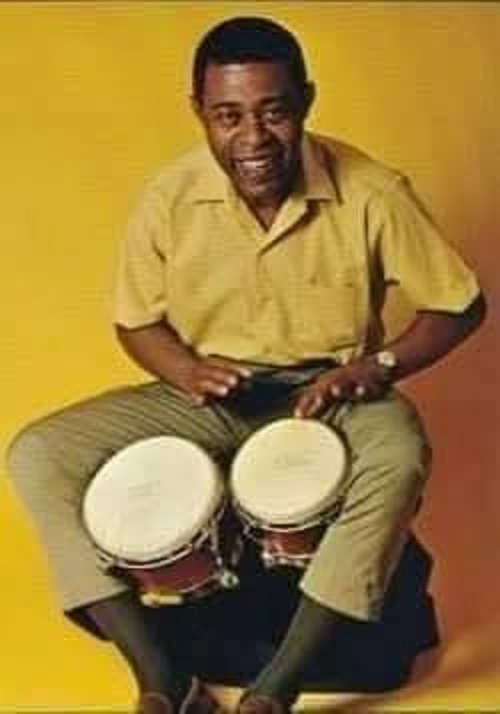
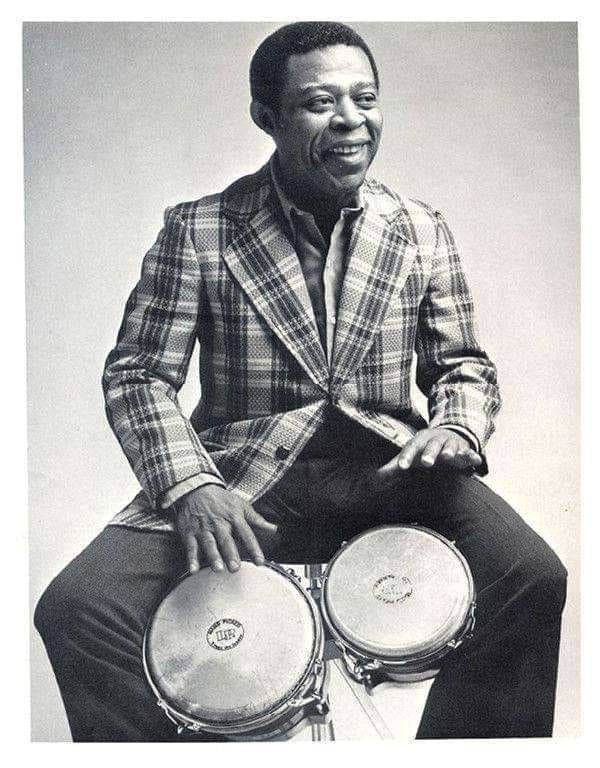
José Mangual Sr. “Buyú”: The Architect of Bongo Sound Defining the Rules of How it Should Sound
In the history of Afro-Latin music, there are names that didn’t just play an instrument they defined the rules of how it should sound. José Mangual Sr., known universally as “Buyú,” is one of those pillars.

An extraordinary and legendary percussionist, José Mangual Sr. was the founder of the prestigious percussive lineage that carries his surname.
Since his childhood in Juana Díaz, he professed a deep love for music; by age ten, he was already playing professionally, and during his youth, he even enjoyed crafting his own bongos.
Over time, he became the musician who endowed the instrument with an extraordinary sonority. He was the father of the equally prominent percussionists José Mangual Jr. and Luis Mangual.

The Architect of Sound on the Bongos defining the rules of how it should sound
Considered by experts as one of the greatest bongo players of all time, his legacy remains the gold standard for meter and tuning in Latin Jazz and Salsa.
From Juana Díaz to the Heart of Spanish Harlem
Born on March 18, 1924, in Juana Díaz, Puerto Rico, Mangual discovered his vocation at age 10. However, his musical destiny was sealed in 1938 when he migrated to New York at the age of 14.
Settling in Spanish Harlem (“El Barrio”), he found himself at the epicenter of a cultural explosion that was about to change world music forever.
The Consecration: Machito and his Afro-Cubans
Although he began by filling the timbales position, it was with the Machito and his Afro-Cubans orchestra where “Buyú” made history. Under the direction of Mario Bauzá (who is said to have given him his nickname), Mangual remained with the group for nearly 17 years.

- Rhythmic Innovation: He was part of the “perfect percussion trio” alongside Carlos Vidal (congas) and Machito (maracas).
- Historic Fusion: His performance was key to blending the complexity of Afro-Cuban rhythms with the harmonies of New York Jazz in the 1940s and 50s.
An Unrivaled Session Musician
His technique was so clean and his sound so bright that he became the preferred collaborator for the biggest stars. Throughout his career, he contributed his mastery to projects led by:
- Tito Puente: The “King of the Timbales.”
- Israel López “Cachao”: Participating in historic Afro-Cuban Jazz “descargas” (jam sessions).
- Jazz Greats: His versatility allowed him to navigate fluidly between the world of Big Bands and traditional Salsa ensembles.
Pedagogical Legacy and Solo Career
In the 70s and 80s, Mangual recorded music not only for enjoyment but also for instruction:

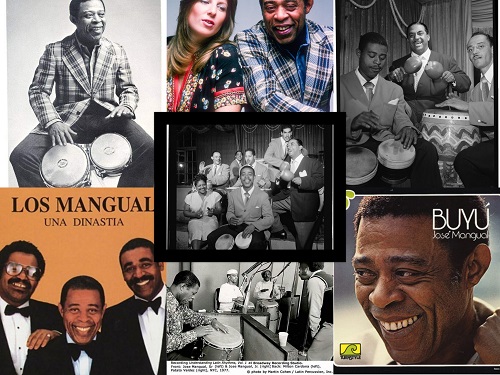
- Album “Buyú” (1977): A Latin Jazz gem on the Turnstyle label, featuring tracks like “Black & Brown Boogie.”
- Musical Education: Alongside conguero Carlos “Patato” Valdés, he recorded the volumes of Understanding Latin Rhythms. These LPs became the auditory manual for thousands of percussionists around the globe.
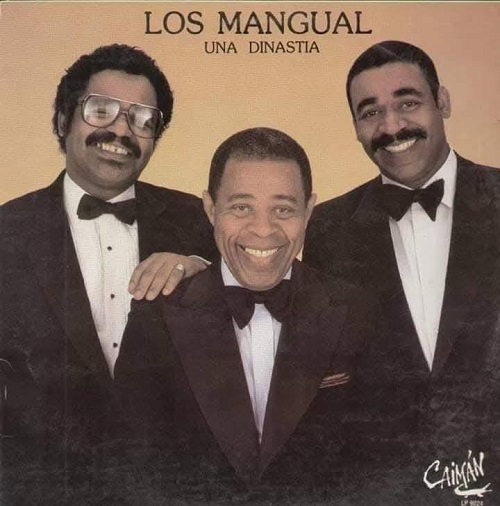
- The Mangual Dynasty: In 1986, he consolidated his family heritage with the album Los Mangual: Una Dinastía, recording alongside his talented sons.
“The sound of his cowbell and his bongo didn’t just mark time; they cemented the foundations of the music we dance to today.”
The Patriarch of a Dynasty
The impact of José Mangual Sr. extends through his sons, who inherited his musical excellence:
- José Mangual Jr. (“El Milamores”): Famous bongo player and singer, a key figure in the orchestras of Willie Colón and Héctor Lavoe.
- Luis Mangual: Renowned percussionist and musical director.
Passing and Recognition: Buyú passed away in 1998, leaving an irreplaceable void. In 2001, he was posthumously inducted into the International Latin Music Hall of Fame a fitting tribute to the man who gave the bongo unprecedented brilliance and elegance.
Also Read: Israel “Cachao” López, a Cuban musician and composer, has been hailed as “the Inventor of Mambo”
Venetur Canaima Camp
Latin America / Venezuela / Bolivar

Canaima National Park is known worldwide as a “Natural World Heritage Site,” where you can enjoy not only the fresh air but also the great beauty of the tepuis (table-top mountains) and waterfalls, especially Angel Falls, the park’s most important tourist attraction.
It’s the perfect place for a pleasant vacation, to escape the daily grind, spend time with your family, and have a unique experience. Venetur Canaima Camp is one of the best-equipped camps in Canaima National Park, boasting the best location.

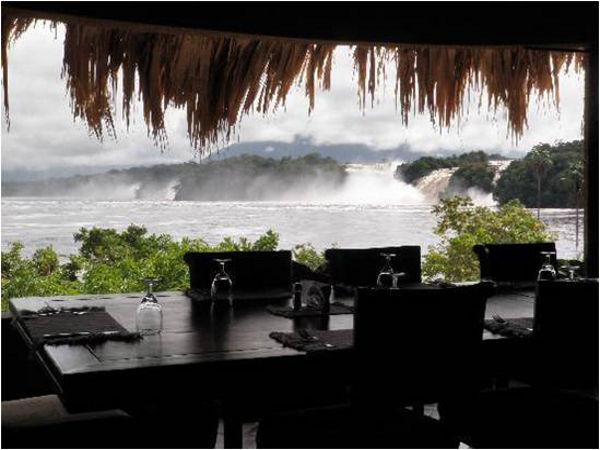
It’s also the largest and offers the most comfortable facilities, where you’ll receive the best possible service and a warm welcome upon arrival. The camp has an incredible view from its open-air restaurant, as you can see in the next image. This pleasant restaurant, called “Orquídea,” offers both national and international cuisine.
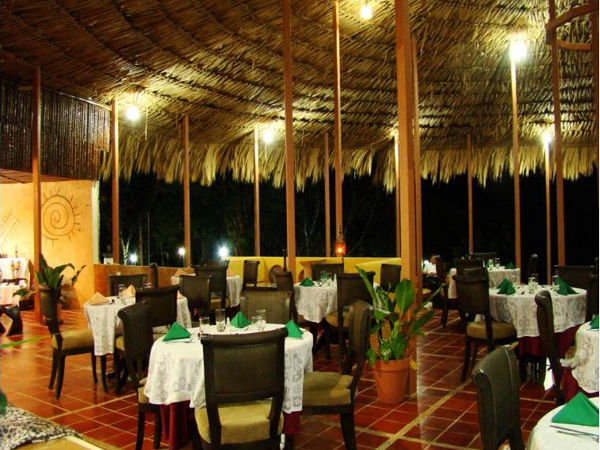
The restaurant is a spectacular churuata (thatched-roof structure) that is very… In keeping with the location, you can savor the most exquisite local cuisine or dishes of your choice.
There’s also a well-stocked bar, all near the lagoon’s edge, allowing you to enjoy the incredible scenery and even dance, especially if there’s an event.

For rest, there are both single and shared rooms, each with a well-maintained bathroom with hot and cold water, a closet for luggage and personal belongings, and air conditioning for added comfort. Room service is also available.
It’s an ideal place where you can not only enjoy excellent lodging and camping but also adventure tourism by visiting “El Salto del Sapo” (The Toad’s Leap) and “El Salto del Hacha” (The Axe’s Leap), whose torrential waters cascade from great heights, inviting peace and meditation. The journey to these waterfalls reveals a different, beautiful, incredible, and pleasant world.
From there, you can also take excursions to various destinations, such as: Isla La Orquídea (Orchid Island), the Pozo de la Felicidad (Well of Happiness), Canaima Lagoon, Yuri Falls, and… Angel Falls, known for having the world’s highest waterfall, can be visited by air (small plane) or land.
The entire tour is conducted with a guide who shares the most emblematic details of the area, the Pemón culture (the native inhabitants), and many of their fascinating stories. If you haven’t ventured far from the city, and you enjoy nature and adventure, we highly recommend visiting this place.

For more information, visit:
- http://www.venezuelatuya.com/hoteles/mostrarhotel.htm?119,Campamento_Venetur_Canaima_
- [email protected] / [email protected]
- +58 289-540-2746 / +58 289-540-2747
Azucar Club Cubano
Latin America / Brazil / São Paulo

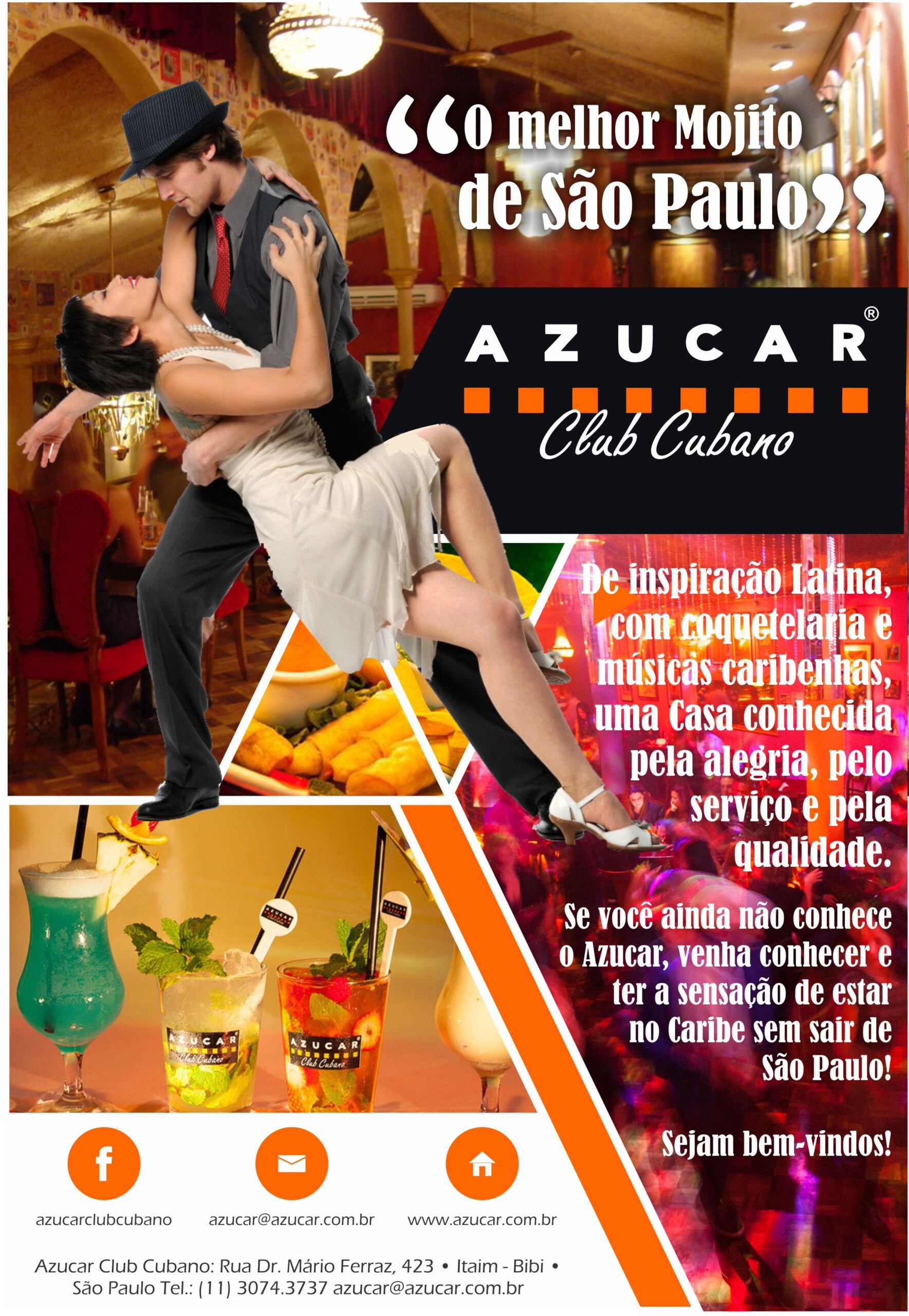
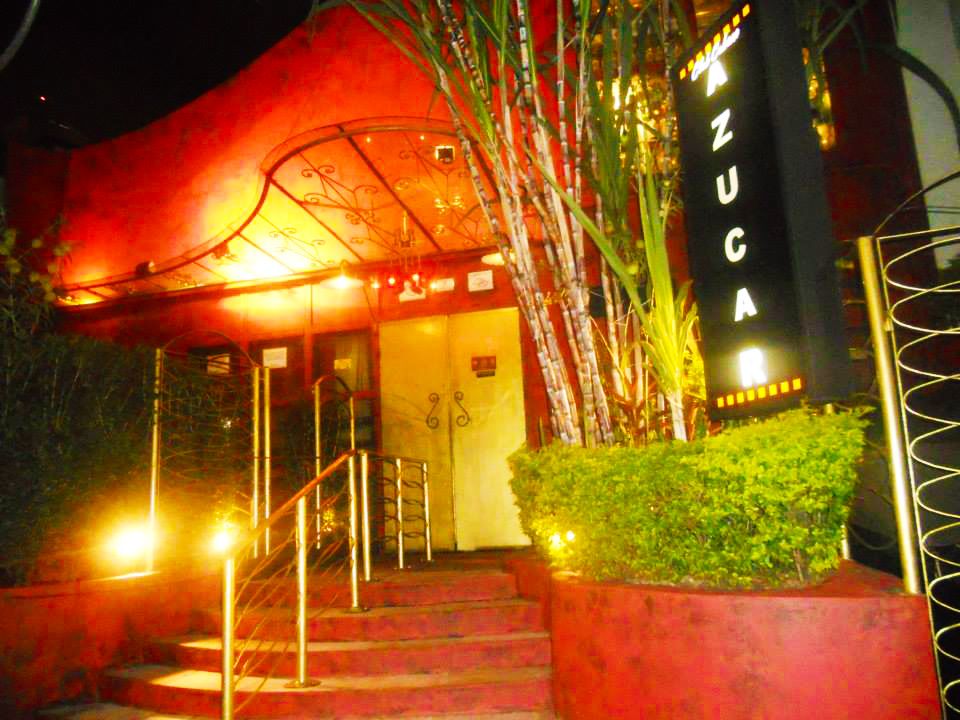
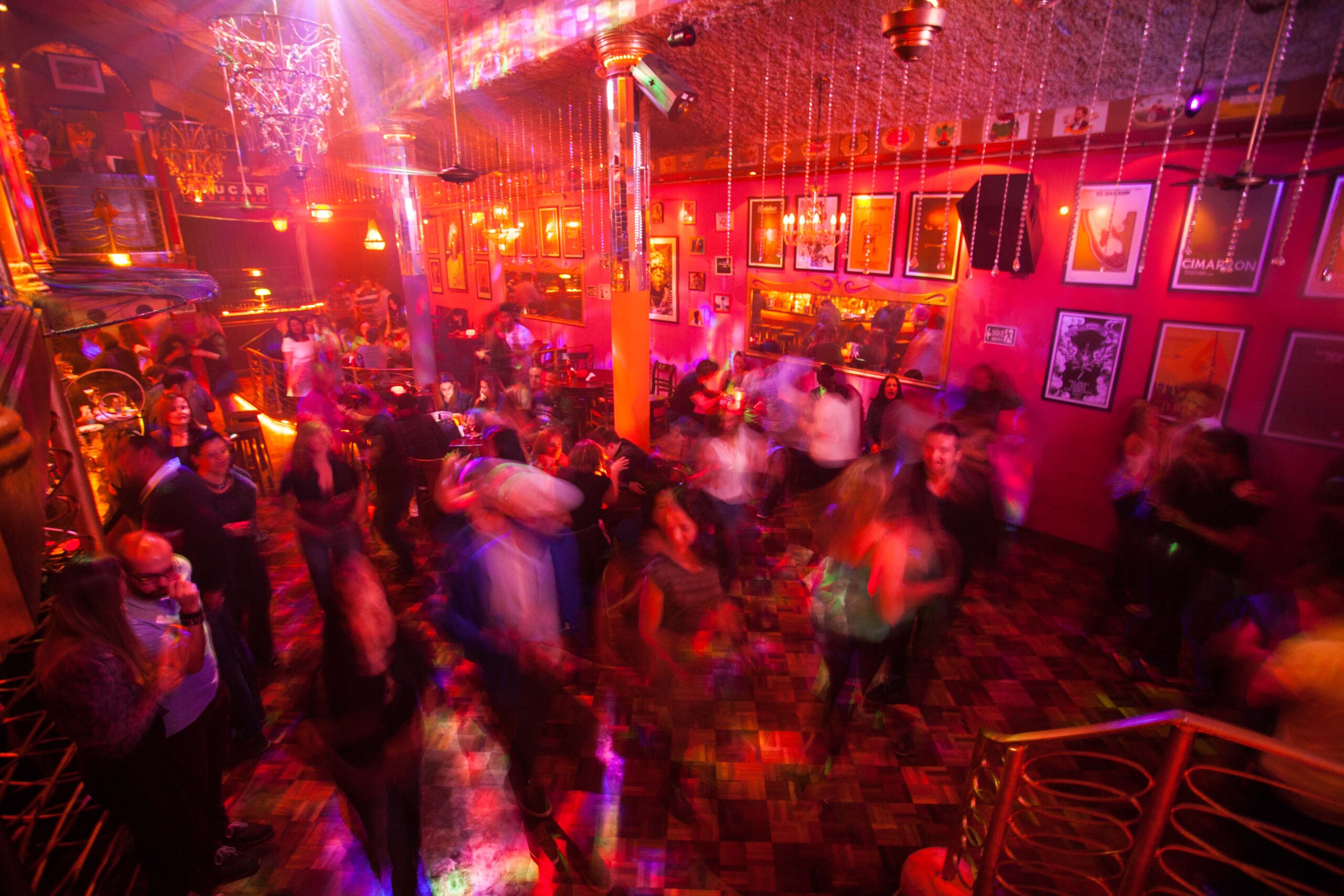
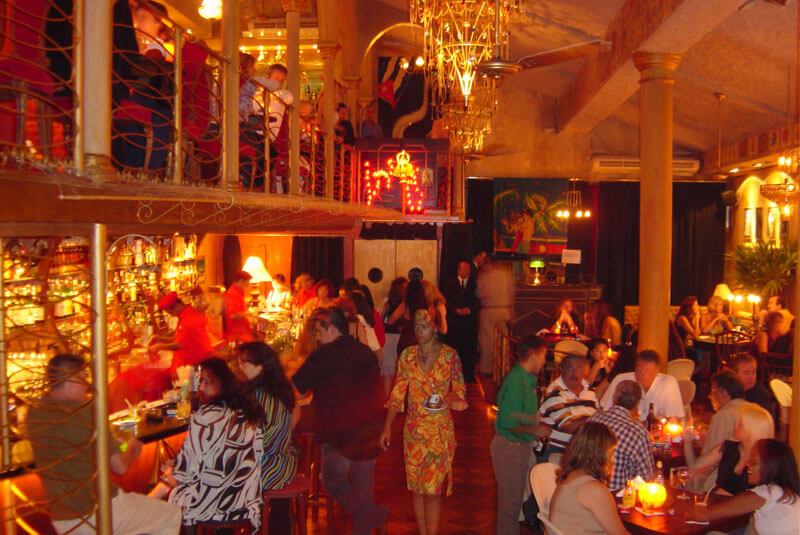
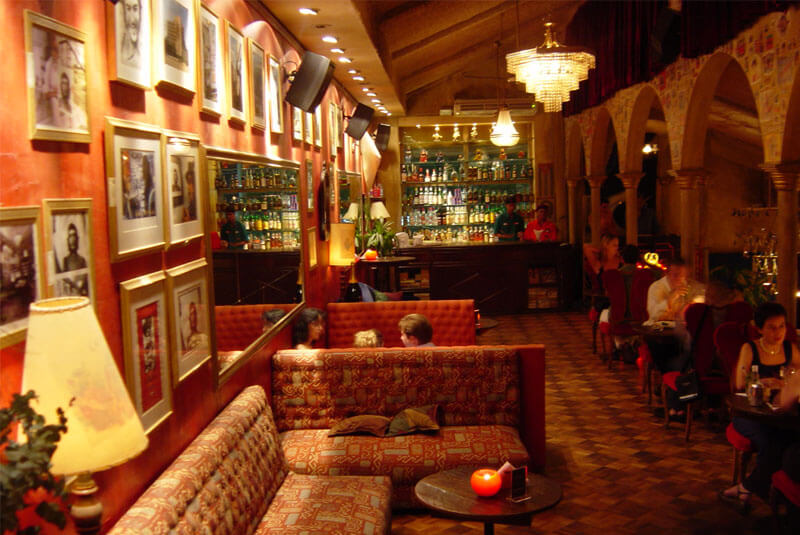
The “Azucar Club Cubano” opened in August 2000. The idea stemmed from Latin inspiration, with its vibrant and magnificent Caribbean music, leading to the opening of the first Latin club in São Paulo. To this day, it is recognized for its lively atmosphere and excellent service, where it enjoyed great success and continues to welcome all those who love Latin rhythms.
Among the rhythms played at “Azucar” are Merengue, Salsa, and Cumbia. It’s worth noting that Reggaeton and Bachata were added due to their popularity. All of these genres are provided by top Latin DJs, including Azucar Nelson Noce, Will Rosbon, Daniel Venezuela, and Julio Moracén. Both Brazilians and tourists visit “Azúcar,” so they specify a schedule of Latin rhythms to be played, as customers have different tastes. This way, you can enjoy the musical genre you want to dance to or listen to at the club that day. However, on Fridays and Saturdays, there’s a mix of Latin rhythms since those are the busiest days, marking the start of the weekend.
|
|
|
|
|
|
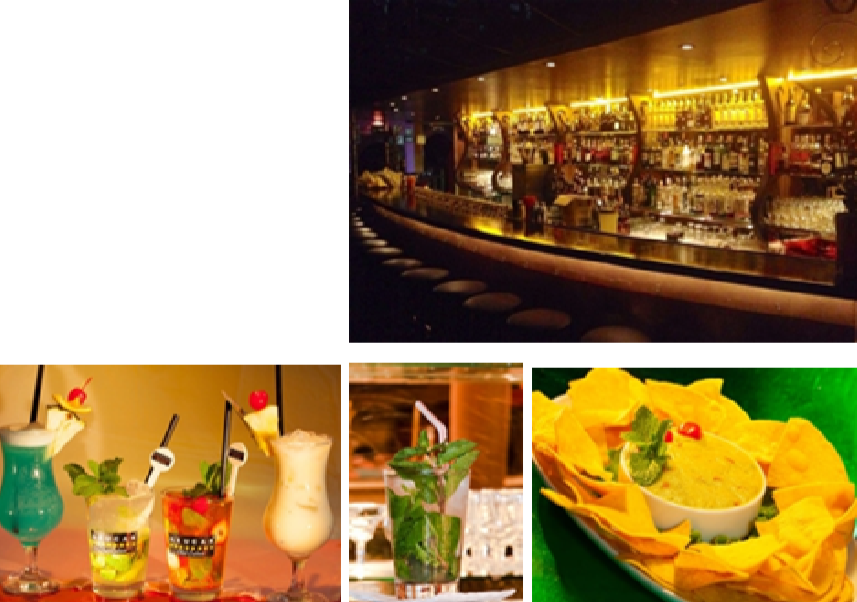
They also have a bar where the most popular drinks are rum and tequila, and their cocktails include the Margarita, the Tequila Margarita, and the Mojito, the latter known as the best in all of São Paulo. They also have a varied menu.

The club is open to the public from Tuesday to Friday from 7:00 pm and on Saturdays from 8:00 pm, and you can pay with any credit or debit card. For more information:
- Website: http://www.azucar.com.br/
- Phone: +55 (11) 3074.3737
- Facebook: https://www.facebook.com/azucarclubcubano/
- Instagram: instagram.com/azucarclubcubano