• Skip to primary navigation
  • Skip to main content

International Salsa Magazine

  • HOME
  • Previous editions
    • 2026
      • ISM / April 2026
      • ISM / March 2026
      • ISM / February 2026
      • ISM / January 2026
    • 2025
      • ISM / December 2025
      • ISM / November 2025
      • ISM / October 2025
      • ISM / September 2025
      • ISM / August 2025
      • ISM / July 2025
      • ISM / June 2025
      • ISM / May2025
      • ISM / April 2025
      • ISM / March 2025
      • ISM / February 2025
      • ISM / January 2025
    • 2024
      • ISM / December 2024
      • ISM / November 2024
      • ISM / October 2024
      • ISM / September 2024
      • ISM / August 2024
      • ISM / July 2024
      • ISM / June 2024
      • ISM / May 2024
      • ISM / April 2024
      • ISM / March 2024
      • ISM / February 2024
      • ISM / January 2024
    • 2023
      • ISM / December 2023
      • ISM / November 2023
      • ISM / October 2023
      • ISM – September 2023
      • ISM – August 2023
      • ISM July 2023
      • ISM Edition June 2023
      • ISM – May 2023
      • ISM April 2023
      • ISM March 2023
      • ISM February 2023
      • ISM January 2023
    • 2022
      • ISM December 2022
      • ISM November 2022
      • ISM October 2022
      • ISM September 2022
      • ISM August 2022
      • ISM July 2022
      • ISM June 2022
      • ISM May 2022
      • ISM February 2022
      • ISM January 2022
    • 2021
      • ISM December 2021
      • ISM November 2021
      • ISM October – 2021
      • ISM September 2021
      • ISM August 2021
      • ISM July 2021
      • ISM May 2021
      • ISM April 2021
      • ISM June 2021
      • ISM March 2021
      • ISM February 2021
      • ISM January 2021
    • 2020
      • ISM December 2020
      • ISM November 2020
      • ISM October 2020
      • ISM September 2020
      • ISM August 2020
      • ISM July 2020
      • ISM June 2020
      • ISM May 2020
      • ISM April 2020
      • ISM March 2020
      • ISM February 2020
      • ISM January 2020
    • 2019
      • ISM December 2019
      • ISM November 2019
      • ISM October 2019
      • ISM Septembre 2019
      • ISM August 2019
      • ISM July 2019
      • ISM June 2019
  • Spanish
  • Download Salsa App
    • Android
    • Apple

Search Results for: Latin Jazz

Fidel Antillano “The greatest satisfaction of a musician is to finish a quality product and see the acceptance of the public” 

Latin America/ Venezuela / Caracas

Salsa is an expression of life within the caraqueño and Latin American neighborhoods. This fusion of rhythms has known how to slip in and no one escapes its magic and enchantment. Such is the case of pianist, composer and arranger Fidel Gregorio Antillano, born in the city of Caracas on June 10, 1962 and raised in one of the city’s sound districts, Los Frailes de Catia, where he lived surrounded by salsa groups, street performers, carnival and Christmas parties, enjoying the golden age of the salsa boom.
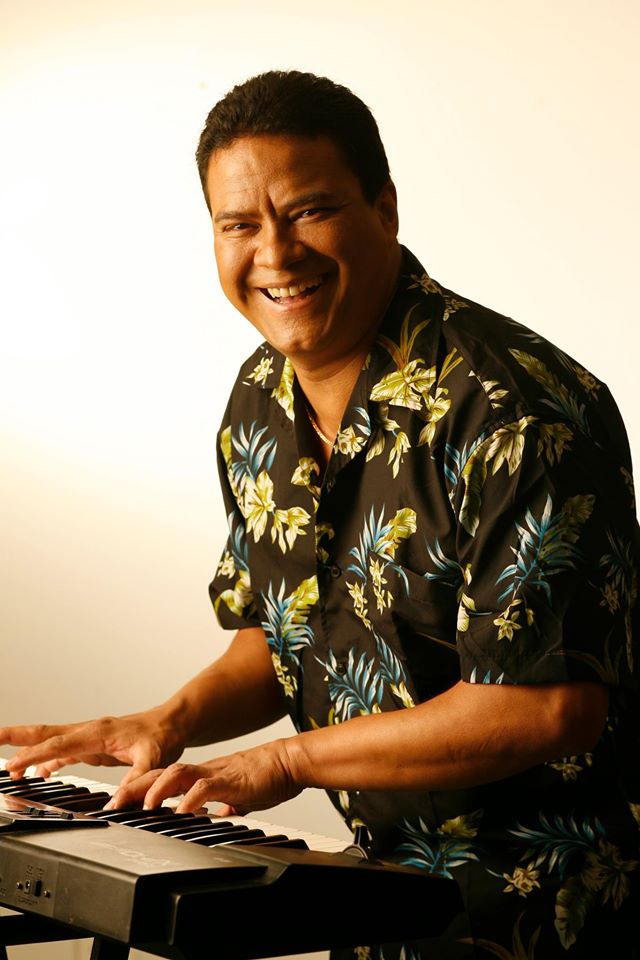
Fidel Antillano - Photo
Fidel Antillano – Photo

This genre influenced his destiny and allowed him to make it his way of life. Salsa is a cultural condiment with the flavor of many countries, which has managed to transcend borders.

Almost always at home the musical vein is lit. Was this your case? 

“There was influence from my relatives, in my house there was always music, it was like a big jukebox, La Billos, Los Antaños del Stadium, la Sonora Matancera, Barbarito Diez, Casino de la Playa, among others, my grandmother lived in El Retiro, in La Pastora, she had a piano, when I went to visit her with my dad, I sat at the piano and I liked what I felt, music was part of my family, my dad was a great music lover, he bought all kinds of records, classical music, Creole music, tango”.

Did your grandmother or your father play the piano?

“No, my grandmother Gregoria “Tata” -we called her that because of our affection-, she was an amateur but she did not play it, she had it as a reference, she played cuatro, my uncle also played cuatro and guitar, my father did not play anything, he bought many Lps, given the house we had -the piano was a kind of furniture that embellished and gave cache to the house-“.
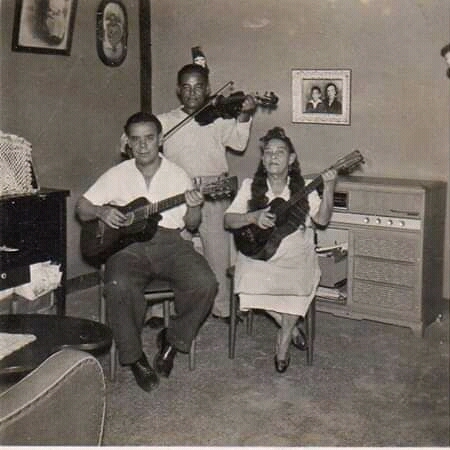
Family photo of Fidel Antillano's uncles Isaías, Pablo and his grandmother Tata
Family photo of Fidel Antillano’s uncles Isaías, Pablo and his grandmother Tata

“My older brother -on my father’s side- he did have some knowledge, he was the most educated, in that house there were harps, cuatro, maracas, records, my family on my father’s side were very fond of music, from our musical family tree we have four musicians -Julito Antillano, Denis Antillano, José “Kikin” Fernández and me”.

What anecdotes or memories do you have of the piano?

“At the time of the construction of La Cota Mil, my grandmother’s piano was taken to my father’s house, at that time I began to kill a fever, I was about 10 years old, it was the time of the gazebos to choose the queens of the neighborhoods, the Sexteto Juventud was in fashion with its theme Caramel and Chocolate; at Christmas and Carnival we did not peel a rehearsal of the groups that lived in Catia”.

That would be the first impulse to awaken the gift within 

“Yes, that was my first impulse, I inherited that musical vein from my grandmother and my father, they were close to salsa and folk musicians, besides, my father and my uncle bought a lot of Long Play (elepé), I started working with my

brother in a shoe store and started buying records.

Fidel, I understand that you are a self-taught musician. How was that learning process and deciding that the piano would be the instrument to play?

“Yes, I am a self-taught musician, back in the 70s we used to hear Nico Monterola’s Orquesta Renovación, La Banda y Su Salsa Joven on the radio. To my surprise, we used to meet with those musicians and we used to go and hang around their rehearsals, this had a big impact on me, there were many shows, it was a coming and going of groups of the moment”.
Orquesta Renovacion
Orquesta Renovacion

When I was 18 or 19 years old, seeing Salsa Mayor, Pacheco, Carlos “El Grande”, all those great musicians, I made the decision to learn to play an instrument, I looked for a teacher or someone who would teach me to play the piano -Salsa was underestimated and that’s why they thought it shouldn’t be studied”.

He got a teacher

“No, because of what I’ve told you, salsa was seen with bad eyes, the scholars did not see it as music would be, look, at that time I was exchanging the Lp with my friends, in one of those exchanges a friend lent me the album “Musical Conquest” by Sonora Ponceña, when I heard the song ‘Ñañara’ I fell and the entrance of the piano played by Papo Luca, that simple montuno, I was hooked – I said; this will be my thing!

That was the leap you’re hoping for 

“Yes, that was the big jump, I went uphill because I didn’t know what a chord was, I didn’t know anything, I mounted 4 songs with simple chords, taking the first steps I fell in love, then I joined people with more knowledge”.

“As there was no one to teach me, I saw books, I had chords of the songs and I was guided by a music theory book, I learned to decipher the codes, music is a code, I read the Swing Latino magazine -from my friend Angel Mendez-, without stepping on a school, I was fed up; one must know about harmony, contra punto, I bought the Berklee harmony book and many more, -I rubbed shoulders with other musicians -some records came as a clinic, all this was feeding me”.

He was his own teacher and a very disciplined student

“I was my own teacher and I took on a discipline because that’s what I wanted, if you went to an institution where they gave music lessons and you said you wanted to play salsa, the musician was fined or thrown out, they were treated in a derogatory way”.

It was worth the effort, from being an empirical musician to playing with the best orchestras.

“I started with Grupo Fósforo, back in 81, we only wanted to play, it was a sextet, Mr. Manuel Ibarra passed me the notes and I didn’t know much about playing, then Jesús “Mandinga” Torres, took me to see different groups, That’s when I decided to introduce brass into the sextet and it became an orchestra, -all the arrangements were done by me-, I had any number of records and many songs from those Lp were not played or played by other orchestras -Gran Combo, Sonora Ponceña, among others-“.

He is a collector

“Not a collector as such, but I do like it, not with the eagerness that any collector has to obtain all the production, as La Sonora Ponceña says, but I have my Lp”.

What happened with the group Fósforo?

“It dissolved because they each started playing for different orchestras.”

And then the Grupo Fósforo   

“Mandinga tells me that Carlos “Tabaco” Quintana needs a pianist, I clarify to him that I do not know how to read the scores, that he gives me the papers that I have the album, I began to listen to the album and I saw the papers, with that I completed the study, and I was increasing the experience, I recorded in the production of Tabaco and his Group Futuro”.

“Then with Dimas and his Orchestra Alegria, it was the first album I recorded professionally in the year 85, through those works I was doing with Dimas, I know Mauricio Silva, I felt afraid because Mauricio already had experience, he was the producer of Dimas’ album, but everything flowed, on the way I know many other professionals”.

“In the year 87 Roberto Blades came to Venezuela to the famous events Consul, Alberto Vergara recommended me Manuel Guerra and we made several tours by some regions of the country, then Julito – my nephew – told me that Naty Martinez needed a pianist”.
Fidel Antillano
Fidel Antillano

How was your time with Naty’s orchestra and your separation?

“Thanks to the album I made with Dimas, many doors opened for me, he believed in me and I will always be grateful for that. Through this album, Naty hired me, he already had references from me, and I recorded 4 of his productions with him -Naty, El Legendario, returned, In Dos tiempos and Proyecto Maelo-, with Naty I made my debut at the Poliedro de Caracas, I met Ray Barreto and the pianist Ricky González -he passed me some tricks-, we also went to Colombia and alternated with Grupo Niche and Joe Arroyo, a great growth and learning”.

“I left the Orchestra with a good relationship with Naty, so much so that he called me later to record in the productions, En dos Tiempos and Proyecto Maelo”.

It was a very fast growth 

“Yes, I’ve even recorded jingles, I was with the Orquesta Café de Caricuao, I was with Erick Franchesky in the production where he pays tribute to Billos”.

From Salsa orchestras to working with one of the greatest exponents of Caribbean popular music, maestro Porfi Jimenez 

“At the time that erotic salsa was introduced, I started to play with Porfi, merengue and snail soup were in fashion, all that music was in great demand, it was a boom, weekly there were 3 or 4 dances, this dragged a great group of followers, with it I go to Tenerife to some carnivals, I have great respect and admiration for the master”.

His time with the group of Porfi opened the doors to work with the group “Los Roques” of Tenerife

“Of course, however, I had left my resume there and one day they called me and told me that they were going to send me the ticket, I was with them for about 7 months, I played in the carnivals of Tenerife, it was something apotheosis, dances and dances did not let me come – laughs – they played merengue, I was blessed to visit Africa”.

All this accumulation of experience allows him to decide to create his own orchestra

“When Porfi was in the merengue boom, however, most of us musicians were salsa musicians, and because of that need to play our rhythm I decided to create my orchestra, but before doing the Combo Antillano we had an orchestra called La Gran Fuga, the singer was Edgar dolor, we killed fever with that orchestra and eventually I played with Naty and Porfi, because of so much activity I played with my orchestra on the days I had free, it was a good time for the groups”.

What happened with La Gran Fuga?

“We made it to occupy the days we had free with Porfi’s orchestra, at that time it had suffered a drop in the number of performances, but when it came back up, we didn’t have time or space to play, – well – it didn’t really dissolve, in fact they always give us caps to reassemble”.

From being the musician of the Orchestra Dé, to being the owner of El Combo Antillano and taking responsibility for a team
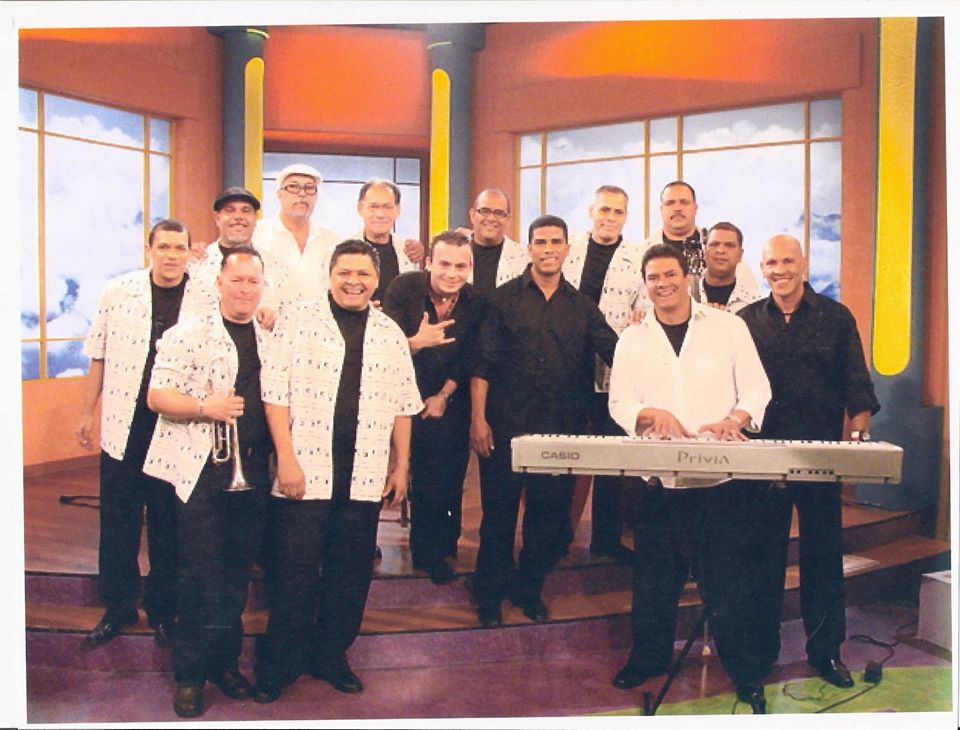
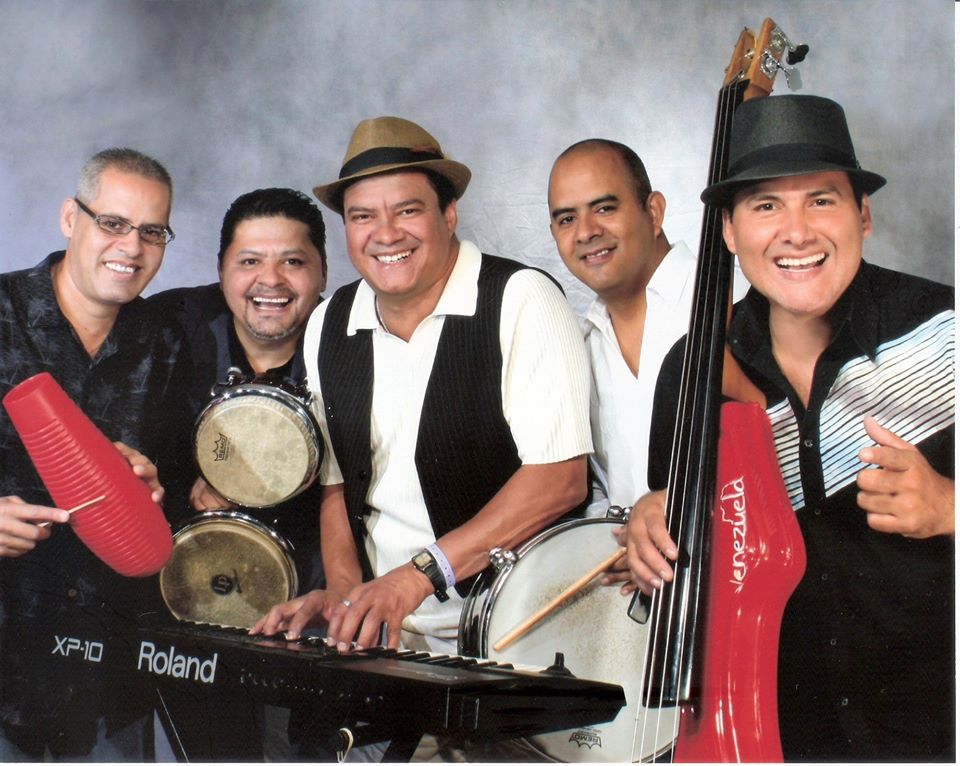
Combo Antillano
Combo Antillano

“A great responsibility and commitment, but it was time to do the same, we opened the compas playing music from the Gran Combo of Puerto Rico, that was the end, we played the greatest hits of the moment, no other band did, on Tuesdays that was full of people in the different places where we worked, this served as a bridge and accompanied other artists, Andy Montañez and other groups, this made me think about making original songs to record.

What was your first composition?

“The “Afro-Caribbean Music Festival” took place at the New Circus in Caracas, with 30 orchestras participating. Lil Rodríguez asked the orchestras to play original songs, and my first composition was a tribute to Caracas”.

At that moment they take a prize as the most applauded group of the night 

“Yes, that was impressive, with Leah’s song, a Mongo Santamaría song, it was something new for the moment, an instrumental discharge”.

Tell us about your record productions

“My first production is called Háblame de Melao (2010), in most of the songs I do the lyrics and arrangements, was something new, the black Mendoza puts me to record and tells me to do theme by theme, we made 21 track, but in the album only put 19, this production was made to recognize the singers, Dimas Pedroza, Teo Hernandez, Angel Flores, Larry Tovar, Luis del Valle “Don Wicho”, Rodrigo Mendoza, Eloy Rios, a tribute to them and highlight our people.

“The second, Fidel and the descarga de los Frailes (2013), here we handle the Salsa, Latin Jazz, Danzón, has a lot of instrumental music before starting the rumba, I had the desire to work and create with a sense of belonging, I made an innovation in the melody with the electric guitar and flute, I did not want to continue recording on wet”.

“and, Caracas en su Salsa (2018), is a tribute to the Salsa of Caracas, in this production we have 14 songs”.

Through this production you made a documentary with the same name, which begins with a beautiful phrase of Cabrujas “Caracas Suena. The city was made to be heard, not to be seen”. How would your interpretation of this hidden city be?

“There is a city that cannot be seen, but it is there, and although the media does not show it to us, we can notice it, through, for example, the musical groups that exist in our neighborhoods and that become visible when there are events, like the one organized by Héctor Castillo (+) in 1983, where we could realize that there was a whole cultural movement hidden in each of our neighborhoods”.

“So I urge this type of inter-neighborhood events, which allow the visibility of the hidden Caracas.

Another of his passions is composition. At what point does the muse come to him?

“At first sight I fell in love -laughs-, -Bella Cubana-, to compose you must have a little bit of each thing, love, dislike, joy, sadness, they are not always experiences of the composer, sometimes if, in the variety is the taste, in my case I work with the rhythmic part and I put lyrics, and more than muse is a mixture”.

He makes songs with meaning that captivate the audience

“You like your audience to identify with your songs, the lyrics are thought-provoking.”

Does the song I don’t want to live in the dark have to do with any experience?

“That one was written by Carlos Navarro and I arranged it for him, it was a personal experience of his. I was in a treatment centre and he talked to me about it, I decided to do the arrangement”.

In the music industry we have many issues of strip and shrinkage, is the case of Domina tu lengua

“Sometimes people think that a song can be a strip and shrink, because of the content of the lyrics, in this case it is not, this was written by the Cuban producer Luis Llamo”.

What gives you the most pleasure as a musician?

“Finishing the product with quality and seeing the acceptance of the public, when you are in the studio and you realize that it looks better, then it sounds on the radio, seeing that the public sings it, dances it, that’s priceless, that’s the greatest satisfaction”.

Which of your productions has given you the most satisfaction?

“Tell me about Melao.”

Why?

“There is a great variety of rhythms in it, I had the opportunity and the satisfaction of exchanging with a large number of people from outside, in it is the theme Pa’ Barlovento, in it exported what is ours, our native rhythm, Venezuelan Sangueo, the Culo e’ Puya, the San Millán”.

What have been your musical influences?

“I wouldn’t be a musician if it wasn’t for Papo Lucas, trying to emulate what he did, as a musician, arranger and person, I admire him a lot, from here comes my influence, -in what time he learned everything he knows-, that makes him incredible, apart from the master Tony Monserrat, an independence with his left hand, he was a virtuoso”.

Many begin by imitating a style, versioning lyrics from other groups. What do you think of the copies, has creativity been lost?

“It’s a resource that is used, at a certain moment, it’s a hook, I barely had the opportunity to do my work, one must have the ability to discern where to play each song, maybe many are afraid of not liking it, or not being accepted”.

What do you think this fear is about? 

“Perhaps not to be broadcast on the radio stations.”

He believes that more support is needed from the various media

“Yes, the lack of support sometimes makes one fear, it’s worrying to touch on a subject and the track gets empty.”

That’s when the artist turns to the hated payola

“I don’t agree with the payola, but it is a necessary evil, all the work that an orchestra owner does generates expenses, and after making an investment you need a retribution; previously live performances were a springboard, they projected a lot to the groups, that has declined a lot”.

What has happened to the Bolero in productions, you don’t listen to them anymore?

“The record companies are more determined to sell, that’s why I think they stopped recording, the new generation should identify with that rhythm, there are many beautiful boleros and if they stop recording they might be forgotten”.

Fidel, what new projects are on the way?

“Right now I’m recording with Angel Flores -record pocket- the song is called Callejon 107, is dedicated to the experiences of Latin American neighborhoods, is a son montuno very tasty, lyrics by Flores and with arrangements by this server”.

At this time when humanity is going through a hard test for its survival, what message would you leave behind?

“There is advice to live a life attached to good habits, one must live under these guidelines, the book of proverbs is wisdom… The man who walks in integrity walks confidently”.

By Eling Blanco, ISM Jounalist Correspondents, Caracas, Venezuela

Honor to whom honor is due – Johnny Cruz

Johnny Cruz
Johnny Cruz

This month I hope to be able to pay tribute to great figures of our Latin music, who have worked tirelessly for years to make our music very high.

I want to greet my great friend Larry Harlow and wish him a speedy recovery. Larry Harlow is an American artist and performer, composer and producer of Cuban son, Montuno, Afro-Cuban jazz, mambo, guaracha, cha-cha, and salsa, hailing from Brooklyn, New York. Harlow, who is known for his mix of Afro-Cuban jazz and piano playing styles, studied music in the 1950s in Cuba, but was unable to complete his studies before the 1959 Cuban Revolution, forcing him to leave the island.

Larry Harlow y Johnny Cruz

The Harlow Orchestra was the first to sign with Fania Records, Harlow has also produced more than 106 albums by various artists and more than 50 albums of his own authorship, in addition to those he produced for Fania. Among his most popular albums were “Abran Paso” and “Tributo a Arsenio Rodríguez” with Ismael Miranda as the vocalist. He also appeared with La Fania All-Stars, in the film, Nuestra Cosa Latina.

Harlow recorded one of his most momentous albums in just two days. Under the simple title of Salsa, it pays homage to the Cuban roots of tropical music, combining the sound of trumpets and trombones with two violins that evoke the aesthetics of the charanga of groups such as Orquesta Aragón.

With “The portfolio”, a version of a song by Arsenio Rodríguez, Harlow finds his greatest success. Thanks to the singers Adalberto Santiago and Junior González, the nickname “the wonderful Jew” arises. In 1972, salsa was in full swing. Larry Harlow, meditates on a musical concept for the Afro-Caribbean music market. Inspired by the success of the Anglo-Saxon opera, “Tommy”, Harlow was preparing for the launch of a similar concept, aimed at the salsa market.

For 1973 the opera Hommy, using the lyrics of Heny Álvarez, tells the story of a boy who, although blind and deaf, had a great talent for percussion. The outstanding musicians of the time and singers such as Justo Betancourt, Cheo Feliciano, Adalberto Santiago, Junior González, Pete “El Conde” Rodríguez and Celia Cruz joined.

The combination of musicians and voices achieved its goal with a recording that established a lecture in the history of Afro-Caribbean music with a radiant exhibition that captured the airwaves and the imagination of the salsa audience. The songs “Es un Varón”, “El Día De Navidad”, “Quirinbomboro”, “Gracia Divina”, “Cari-Caridad” and “Soy Sensacional” were undoubted radio hits that became themes of dance and discussion among all the salseros.

It was the first time that an opera, Spanish-speaking, and in the salsa guild, was directed to the populace. Salsa got dressed up and that legacy opened the doors for the Afro-Caribbean musical tradition to now visit the most prestigious venues in the world.

That is the legacy of “Hommy”, one of the best recordings of the time, which brought together the best musicians of the moment in an expression that transcended time; and, in turn, he brought Celia Cruz to the salsa market and placed her in a seat of honor which she never left. But more importantly, “Hommy” took Salsa to a new place among audiences. What a contribution from Larry Harlow!

Ralph-Irizarry
Ralph-Irizarry

I also want to send my regards and appreciation to Ralph Irizarry. Recognized as one of the timpanists with the greatest “swing”, Ralph Irizarry has a distinctive style that has allowed him to leave an indelible mark in the groups where he has played. Born in Harlem Latino New Yorker, Ralph is a self-taught musician who learned his trade by listening to his brother’s records and the music of his idols in nightclubs, where he used to sneak into when he was 16 years old.

His family moved to Puerto Rico when Ralph was in his teens; There he acquired his first professional experiences with La Terrífica, El Gran Combo, La Sonora Ponceña and many other groups. After three years on the island, Ralph returned to New York, where he began playing with local groups.

One winter night in 1978, he met the legendary Ray Barreto at Manhattan’s Corso Nightclub and began a productive working relationship that would result in five extraordinary recordings. Ralph has recorded with David Byrne, Paul Simon, Harry Belafonte, Earl Klugh, Juan Luis Guerra, Cachao, Celia Cruz and Yomo Toro, although he is widely recognized for his musical relationship with Rubén Blades and Seis Del Solar, with whom he remained. recording and performing internationally for 13 years.

His musical contributions have also been fundamental in the recording of two Latin jazz albums made by Seis del Solar for the Messidor Records label. Currently, he is one of the most sought after musicians who has kept working on commercials and film and television soundtracks.

His charisma also allowed him to develop an unexpected acting career: he acted in The Mambo Kings, playing the role of Pito Fernández. In the summer of 1996, Ralph participated along with Tito Puente in the show Master Timbaleros, presented at S.O.B.’s in New York. This historic concert was the culmination of 26 years of dedication, practice, and love of music. He founded the group Timbalaye, a septet with a strong big band sound.

The group combines contemporary Latin jazz with diverse tropical rhythms (timba and songo) and traditional Afro-Cuban rhythms (bomba, cha cha chá and son montuno). Their innovative sound has allowed the group to perform weekly at various venues in New York. Among his most recent projects is a recording at Birdland for a compilation to be released by the RCA Records label. Timbalaye is considered the force of Latin jazz. My hug and respect to you Ralph!

I am happy to express my gratitude and admiration to a powerful woman, Director of Taínos Tower and Vice President of the Museum of Salsa: María Cruz.

Johnny Cruz and Mrs. María Cruz

María Cruz was born in Carolina, Puerto Rico. In 1966 she came to New York looking for new opportunities. While studying at Manhattan Community College, she began working with the East Harlem Pilot Block Redevelopment Project. Although she may have had no idea at the time, that job was the beginning of her career as a community activist and advocate for social services. As a community worker at the East Harlem Pilot Block, she helped design and offer a tenant orientation in preparation for the occupation at Taino Towers.

Later, she became a Building Representative and worked with tenants regarding apartment issues, rent, social service issues, and Section 8. Maria Cruz has been involved in many community activities:

From 1984 to 1989; She served as president of the Tenants Association of her apartment building. She was vice president of the East Harlem Little League Baseball organization. In her spare time, she organized bus trips for neighborhood children to amusement parks and ball games. Encouraged and assisted several tenants to return to school and continue their education, so that they can be trained and empowered to return to the workforce and leave Public Assistance. Ms. Cruz earned her RAM (Registered Apartment Manager) certificate from NYU and is registered as a Certified Leasing Professional.

Currently, Ms. Cruz is the Executive Director of ARCO Management Inc. / Taino Towers. She has always been a strong activist for the community. In the summer of 1999, Ms. Cruz organized the first annual Taino Family Day. Day in which all residents and members of the East Harlem community participate and celebrate a day of unity. On Taino Family Day, residents rent “kioscos” food stalls and sell various ethnic foods, dance to the rhythm of various musical bands, and children enjoy activities such as face painting, puppet theater, and a petting zoo.

Each year, Ms. Cruz focuses on a different topic such as: education, music, tributes, and family values. As Executive Director, one of her greatest accomplishments was the renovation of the Touro College building. She is currently a board member of the East Harlem Council for Human Services and works closely with local politicians and representatives.

In 2002, Ms. Cruz along with Irving “Magic” Johnson opened the Magic Johnson Computer Learning Center. This program provides computer classes to Taino Towers and the East Harlem Community. As Executive Director, she was also able to oversee the completion of the Senior Park at Taino Towers.

In the summer of 2003, voted by the majority of the tenants, the Park for the elderly was renamed the Maria Cruz Park for the elderly. In September 2019, she was honored with the Eugenio María de Hostos Award from the Puerto Rican National Association for her commitment to the East Harlem Community. People like Mrs. Cruz are exemplary citizens of the Latino community in the United States, and in New York.

Papo Rosario and Isidro Infante

Do not stop listening to the new single: “Gracias”, and the first solo production of Papo Rosario, produced by the arranger and musician Isidro Infante. Rosario is grateful to be alive and to be able to walk after being bedridden as a result of a car accident. Papo Rosario is a world-class artist who has put the name of Puerto Rico high. Rosario, withdrew in 2019 from the group considered the “university of salsa”, El Gran combo de Puerto Rico, after having an accident and presenting health problems. Now, he affirms that he already feels ready to resume his musical career with the launch of his first solo production by producer Isidro Infante. Much success in this new stage.

I highly recommend that you follow the track of Quintero’s Salsa Project, a Venezuelan salsa group based in New York, nominated for a Latin Grammy and led by cousins ​​Luisito and Roberto Quintero, released an album in which they pay tribute to the work of La Dimensión Latina, the orchestra that represented a before and after in the history of this musical genre in Venezuela.

Quintero´s Salsa Project

The band wanted to go back to the 60s to remember that particular style with which La Dimensión Latina championed Venezuelan salsa: “Many of the world’s salsa players and Venezuelans identify with this rhythm. We, the Quintero, have always been loyal fans of these great teachers. With this album we wish to pay tribute to those who today are a world icon of salsa ”, they said through their networks. “Ya tú lo verás”, promotional single from the album composed by Oscar D’León, was arranged by the legendary trombonist and director of La Dimensión Latina, César Monges, better known as “Albóndiga”.

The album is the second released by Quintero’s Salsa Project, following their debut project, Nuestro Hogar, which was nominated for the 2019 Latin Grammy for Best Salsa Album. In that same ceremony, Luisito Quintero, one of the great Venezuelan percussionists who make a professional life in the United States, received the gramophone as a member of the Spanish Harlem Orchestra, which was recognized for his Anniversary album as Best Latin Tropical Album. Quintero is also a member of the group of the great pianist Chick Corea. Do not miss it!

The invitation to tune in to the new Fm / Internet radio station on Live365.com continues: Salsagallery. Good music, interviews with the artists and much more.

Johnny Cruz on the Radio

At the Spanish Harlem Salsa Gallery Museum we are happy to say that we are gradually returning to our activities and we will be opening the gallery sporadically. We do not stop, we continue to work for our music and we will always keep you informed through our social networks. We hope to have more news shortly and that we can return to normal soon.

By Johnny Cruz, ISM Correspondents, New York, New York City

Mexican announcer Jesse ‘‘Chuy’’ Varela and the radio today

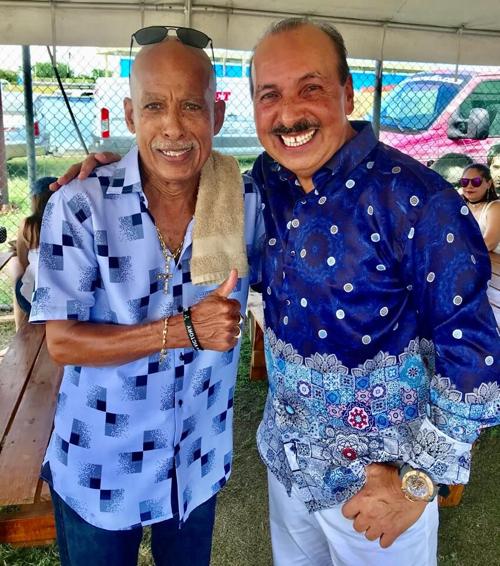
‘‘Chuy’’

Jesse ”Chuy” Varela is a famous radio host from the San Francisco Bay Area who currently works at KCSM Jazz 91 and constantly interviews all kinds of important figures of the present day such as artists, singers and musicians of all genres, but especially jazz. We had the opportunity to talk with the well-respected communicator to learn about his transition from musician to announcer and his history in general.

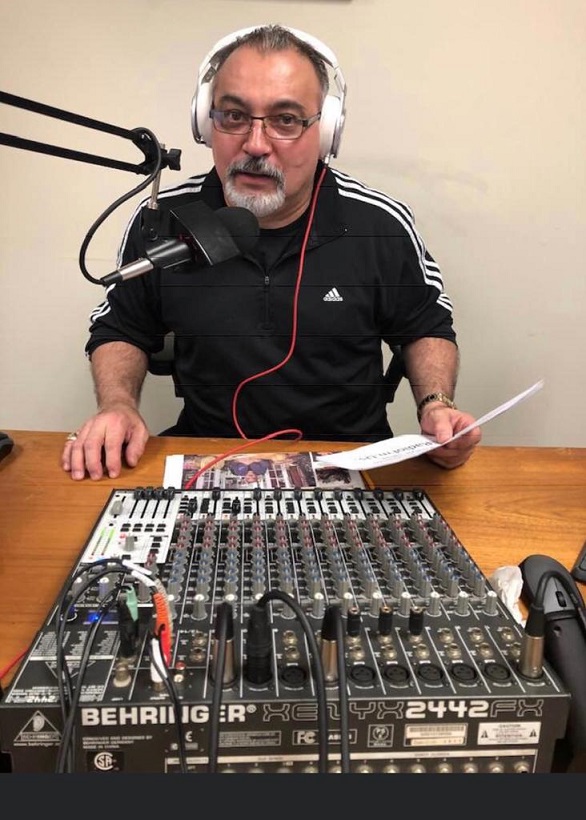
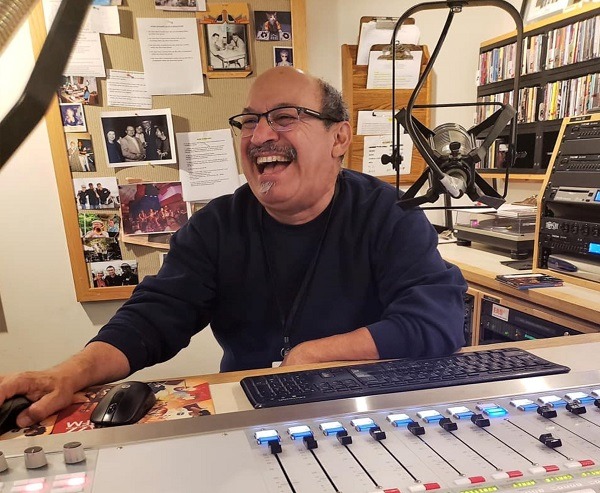
Jesse ''Chuy'' Torrealba airing on KCSM Jazz 91
Jesse ”Chuy” Torrealba airing on KCSM Jazz 91

His career as a musician

He began his career as a musician in the entertainment world when he was just in high school in his native Mexico. He started playing the guitar at a very young age and his uncles taught him to play ”La Bamba” and other very famous songs in those years, which led him to continuing on this path. That’s why it did not take long for him to start playing grupera music in Mexican groups in Oakland.
However, a great passion for jazz came over him, which made him learn to play this genre with the guitar. One of his greatest inspirations during those years was Carlos Santana and the great work he was doing in the Bay Area. Varela did imitations of Santana and played his songs, which generated a great deal of interest in the circle in which he developed and helped him to get much work in groups that saw potential in his talent. About these years, he commented that, on one occasion, the singer’s father, Don José Santana, went see him play, which was a source of great pride for Jesse and his budding career.
Although the Mexican artist was one of his major influences, there were other big names from other genres that helped him expand his horizons, such as Eddie Palmieri and other salsa singers who already had a recognized career.
As he pursued his professional career, he began to be part of jazz groups at Diablo Valley College and other schools, until he realized that this set of activities was financially unprofitable, so he began working as a volunteer at KPFA in Berkeley and later at KJAZZ. ”I managed to show my qualities as a volunteer and intern, so they decided to give me a part-time job and I became a reporter at KPFA. At KJAZZ, I started doing shows and I was given The Latin Jazz Show, which continues to air.
His first big break came during the promotion of some shows by Tito Puente, whose tickets were not selling well, so the artist needed all possible support to arouse public interested in his shows. That made the owners of the club where the shows were being held decide to use this station to broadcast commercials to publicize them. It was then when the programming manager wanted Varela to interview Puente, who gladly accepted.
After interviewing the artist and putting the material on the air, many listeners contacted the station because they were fascinated by the work done by the announcer, to the point that the timbalero himself asked the programming manager to give a chance to this young communicator, since he saw great potential in him. That is when he was given the space dedicated to Latin Jazz, something for which Varela will always be grateful to Tito Puente.

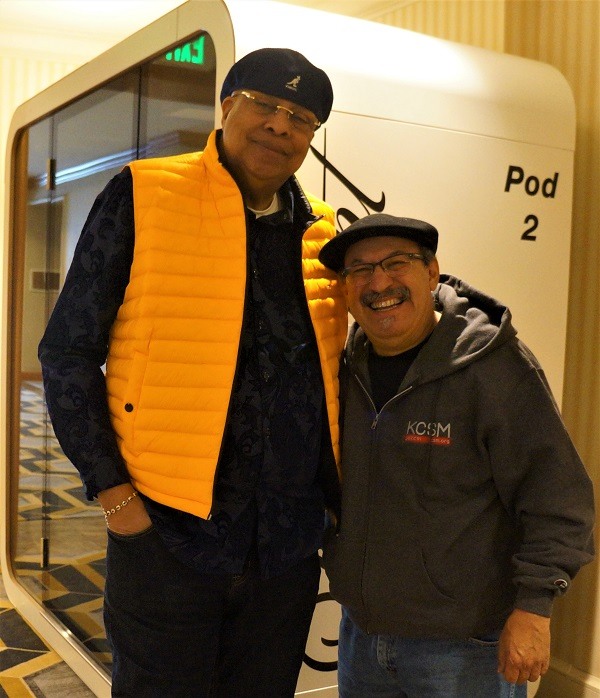
Cuban composer, arreglist, and pianist Chucho Valdés and Jesse ''Varela'' Varela
Cuban composer, arreglist, and pianist Chucho Valdés and Jesse ”Varela” Varela

Announcer of the first bilingual program in the U.S.

Jesse told us that he began working as a volunteer in a bilingual program called ”La Onda Bajita”, which was entirely focused on a young audience. What it is looking to do with that program was to make young people see that violence and gangs were very negative for their lives and that difficulties overcame with education and effort. He also liked to play ”oldies”, Chicano music, salsa, Latin rock, among other genres.

Throughout his career, most programs hosted by him were in English, although he also served as public affairs director and reporter at KPFA in Berkeley, where he did a lot of bilingual work. At the same time, he worked for Radio Bilingüe in Fresno, which led him to use both languages in his reports and expand his audience. At that time, he covered controversial topics such as discrimination towards Latinos, farm worker leader Cesar Chavez, the situation with crime and guerrillas in Central America, among others.

These reports took him to visit these countries and many other places where he discovered typical music and rhythms. This interest he has always had in music led him to become the music director of KPFA for a while until he moved to KCSM, where he has been working for 22 years.

Multifaceted

Although today he works as an announcer, he says he always wanted to be a sound engineer to have his own salsa groups, but ended up learning a lot about mixing, editing and much more. What he liked most in this world of radio was the possibility to interview artists and he considers this to be one of the best talents he has to offer. Getting the story or report from interviewees is a pleasure for him and helps him understand this business better.

Many veteran announcers adviced him and helped him a lot to perfect his skills and improve his work as much as he could. Some of them even gave him their record collections so he could learn more about music and soak up more the topics he had to cover in his programs.

Jesse is also dedicated along with other colleagues to give classes to young people who wish to train for this career and be part of the new generations of announcers with all the knowledge of the old school.

Jesse ''Chuy'' Varela and bandleader, percussionist and singer Poncho Sánchez
Jesse ”Chuy” Varela and bandleader, percussionist and singer Poncho Sánchez

What does a radio station need to work properly?

To tell you the truth, a radio station needs money to function properly. In the case of public and college radio stations, we are forced to ask our listeners to support us with their donations and subscribe as supporters. We have been fortunate to have a very generous audience in that regard,” said the announcer. He also added that the pandemic was to some extent beneficial for shows like his, as they got a great amount f audience due to the quarantine.

Varela mentions that one of the biggest problems facing most public broadcasters is communication. ”There is a division between the administrations and workers. The boards do not have the best ideas regarding the use of available resources. Many times, they start spending in an uncontrolled way without notifying the public about how they invest that money” said the communicator.

In the opinion of Varela, the most important thing for a station to maintain is public trust and to let people know that their money will be used in the best interests of the station. When administrators use those economic resources for trips, dinners and luxury hotels, listeners will consider it an abuse. I have seen this unfortunate situation on every station where I have worked,” the announcer continues.

Read also: Steffen Kuehn and Christian Tumalan talk about their musical roots and orchestra

XXXIX National Zalsa Day March 19, 2023 Hiram Bithorn Stadium in San Juan Puerto Rico

Celebrates 150 years of history with a posthumous tribute to Tito Puente, Típica 73 and Ismael Miranda

National Zalsa Day 2023

This year the privilege of conducting the Super Orchestra of the National Zalsa Day 2023 is for Maestro Isidro Infante, March 19 at the Hiram Bithorn Park in San Juan, Puerto Rico.

For many years the most important salsa event in Puerto Rico and internationally. Thanks to Z-93 and the entire SBS family. Mr. Alarcón, Víctor Roque, El Cacique and all the executives involved in such an important event.

We will also have Buho Loco and El Hachero, among others.

Celebra 150 años de historia con un póstumo homenaje a Tito Puente y Típica 73 e Ismael Miranda

The radio station Zeta93FM and its sister company, LaMusica.com, announce the thirty-ninth edition of the National Zalsa Day; an award-winning concert, which, on this occasion, will pay a special tribute to the 50th anniversary of one of the most recognized orchestras in the world, La Típica 73.

Known as the pioneers in performing the famous “Descargas musicales”, Adalberto Santiago, José Alberto “El Canario”, Tito Allen and Johnny “Dandy” Rodríguez, have already confirmed their participation and we are proud that the members of this legendary band, which left such a deep mark on the salsa genre, have decided to join us in this celebration.

XXXIX Día Nacional de la Zalsa 19 de Marzo 2023 Estadio Hiram Bithorn en San Juan Puerto Rico

On April 20, 2023, the 100th anniversary of the birth of legendary timbalero Tito Puente, his son.

Tito Puente Jr., along with great guest artists such as Orestes Vilato, Nicky Marrero, Endel Dueño, Frankie Figueroa, Frankie Morales, John “Dandy” Rodríguez and José Madera celebrarán playing on stage the greatest hits of the “King of Latin Music”, among which are: “Oye como va”, “Ran Kan Kan” and “Para los Rumberos”.

“Puente’s legacy of more than 50 years, known as ‘The King of the Timbal’, ‘The composer and musician of the eternal smile’ and ‘The godfather of Latin jazz and salsa’, will be exalted in front of more than 20,000 people at DNZ2023 and we are sure that all salseros will enjoy this presentation,” said announcer Marcos Rodríguez “El Cacique”.

Póstumo Homenaje a Ismael Miranda

In April 2000, the third Sunday of March was instituted as National Zalsa Day under Law #100 of the Senate of Puerto Rico.

History

National Zalsa Day was created in 1984 by Pedro Arroyo, Programming Director of Z-93, who always wanted to celebrate an event that would recognize the talent of popular salsa music, its composers and performers, to present it to the great public who love this tropical genre.

Since its first year, the great event took hold of an audience eager to enjoy this music live.

The support was total and it immediately positioned itself as the annual concert of the people of Puerto Rico and visitors from other countries.

From its beginnings, National Zalsa Day was dedicated to a figure of this genre, as a recognition of his talent and rootedness in the public.

1984 – Dedicated in life to Sonero Mayor, Ismael Rivera

1985 – Rafael Ithier of the Gran Combo de Puerto Rico

1986 – Tito Puente and Santitos Colón

1987 – Héctor Lavoe

1988 – Andy Montañez and Gilberto Santa Rosa

1989 – Celia Cruz and Sonora Ponceña

1990 – Willie Colón and Tite Curet Alonso

1991 – Bobby Valentín, Oscar D’León and composer Gloria González.

1992 – To the Best 5 trumpets of Puerto Rico: Elías Lopés, Charlie Sepúlveda, Juancito Torres, Mario Ortiz and Luis “Perico” Ortiz.

1993 – Celebration of the Tenth Anniversary of National Zalsa Day, dedicated to the Salsa People

1994 – Ray Barreto and Adalberto Santiago

1995 – “Duels at sunset”.

1996 – Dedicated to the reunions: Conjunto Clásico, Tito Nieves, Luis “Perico” Ortiz and Rafael De Jesús, El Gran Combo; Andy Montañez and

Roberto Rohena; Sonora Ponceña with Luigi Texidor and Yolanda Rivera.

1997 – To the salsa people

1998 – Jerry Masucci

1999 – Cheo Feliciano

2000 – Richie Ray and Bobby Cruz

2001 – Eddie Palmieri

2002 – Ruben Blades

2003 – Johnny Pacheco and Roberto Rohena

2004 – Quique Lucca, Papo Lucca and Willie Rosario

2005 – Tommy Olivencia and Roberto Angleró

2006 – Los Hermanos Lebrón and posthumous tribute to Charlie Palmieri, Tito Rodríguez and Ray Barretto

2007 – Ismael Miranda, Ramón Rodríguez, Raphy Leavitt and Sammy Marrero

2008 – Larry Harlow and Manny Oquendo

2009 – Celebration of the release of Tite Curet Alonso’s work on Puerto Rican radio. Dedicated to Louis Garcia.

2010 – Johnny Ortiz. Special recognition to Héctor Maisonave and Ángel Luis Córdova García “Paleco”.

2011 – Elvin Torres of Costa Brava, Luisito Ayala of Puerto Rican Power, Paquito Guzmán, Tito Allen and Luigi Texidor.

2012 – Posthumous tribute to Frankie Ruiz. Dedicated to Orquesta Zodiac and La Corporación Latina.

2013 – Posthumous tribute to Pedro Arroyo, former director of Z-93. Special recognition to Edwin Morales of La Mulenze, Pedro Brul, Pedro Conga of Orquesta Internacional and Cano Estremera.

2014 – El Gran Combo, Joe Rodríguez of La Terrífica, Justo Betancourt and Meñique.

2015 – Gilberto Santa Rosa receives the first National Zalsa Day Star Award. Dedicated to Sammy “Rolo” González, Mickey Cora, Nacho Sanabria.

2016 – Eddie Palmieri receives the second National Zalsa Day Star Award. Dedicated to Lalo Rodríguez and Tito Rojas.

2017 – Zeta 93 announced on the program of its director Néstor Galán, el Buho Loco, that the artists participating in the 34th edition of National Salsa Day are el Gran Combo, José Alberto el Canario, Andy Montañez, la India, Don Perignón y la Puertorriqueña, Grupo Niche, Víctor Manuelle, Luisito Carrión, Guillo Rivera, Camilo Azuquita, Raúl Marrero, Carlos D’ Castro, Juan Pablo Díaz, Orquesta DNZ2017 and Orquesta Canario.

2018 – Dedicated To The People Of Puerto Rico!

Domingo Quiñones, Maelo Ruiz, Chamaco Rivera, Pupy Cantor, Oscar de León, Orquesta Canela (Cali, Colombia), Tribute to Tito Nieves and Yolanda Rivera, La Orquesta del Día Nacional de La Salsa, Pete Pererignon y la Generación del Presente, El Maestro Sammy Velez with Nino Segarra, Héctor Tricoche y Simón Pérez, Víctor García y La Sonora San Juanera and Willie Otero y su Orquesta.

2019 – Los Reencuentros will be

Conjunto Clásico with Tito Nieves, Luis Perico Ortiz with Roberto Lugo, Orquesta Mulenze with Pedro Brull, Don Perignon y la Puertorriqueña with Víctor Manuelle, Frankie Vázquez, Pedro Bermúdez Big Band, Charlie Aponte, Pichie Pérez, Yolanda Rivera, Pedro Arroyo, Conjuno Chaney, Pirulo y la Tribu, Manolito Rodríguez.

2020 – Oscar D’ León, Eddie Palmieri, La India, Tito Rojas, Lalo Rodríguez, La Sonora Ponceña, Ray de la Paz, Ismael Miranda, Tony Vega, Orq. Del Día Nacional (directed by Louis García).

2022 – The gathering was Richie Ray & Bobby Cruz, Víctor Manuelle, Willie Rosario, Bobby Valentín, La Sonora Ponceña, Andy Montañez, Apollo Sound, La Mulenze, from Panama come to Puerto Rico the winners of the contest in which hundreds of salsa orchestras competed, Luis Lugo y La Orquesta 507, the women’s orchestra Son Divas, La Tribu de Abrante and Luis Vázquez,” said Marcos Rodríguez,

Sunday, March 19, 2023 – 9:00am

Hiram Bithorn Stadium, San Juan

On stage:

– – José Alberto “El Canario”

– Adalberto Santiago

– Tito Allen & Johnny el Dandy Rodriguez

– Luis Figueroa

– Pirulo

– India

– Charlie Aponte

– Maelo Ruiz

– Yolanda Rivera

– Luigi Texidor

– Pichie Perez

– Isidoro Infante

– Alex D’ Castro

– Tributes to Tito Puente, Típica 73 and Ismael Miranda

Prices:

Early Bird : $10.00 + ivu & c.s (Limited quantities) SOLD OUT

Presale: $15.00 + ivu & c.s (Limited quantities) SOLD OUT

GENERAL – $20.00 + ivu & c.s

V.I.P. – $75.00 + ivu & c.s. (Includes numbered seat and preferred entrance)

PLATINUM – $225.00 + ivu & c.s. (Includes food, open bar, official t-shirt and preferential entrance)

Information and Tickets: 787-200-7110 or [email protected]

Ticket office open from 2 hours before the start of the event.

Read Also: “Mambo Night in Miami Beach” celebrates the 100th anniversary of the birth of “El Inolvidable”, our own Tito Rodriguez

XXXIX National Zalsa Day March 19, 2023 Hiram Bithorn Stadium in San Juan Puerto Rico

Celebrates 150 years of history with a posthumous tribute to Tito Puente, Típica 73 and Ismael Miranda

National Zalsa Day 2023

This year the privilege of conducting the Super Orchestra of the National Zalsa Day 2023 is for Maestro Isidro Infante, March 19 at the Hiram Bithorn Park in San Juan, Puerto Rico.

For many years the most important salsa event in Puerto Rico and internationally. Thanks to Z-93 and the entire SBS family. Mr. Alarcón, Víctor Roque, El Cacique and all the executives involved in such an important event.

We will also have Buho Loco and El Hachero, among others.

Celebra 150 años de historia con un póstumo homenaje a Tito Puente y Típica 73 e Ismael Miranda

The radio station Zeta93FM and its sister company, LaMusica.com, announce the thirty-ninth edition of the National Zalsa Day; an award-winning concert, which, on this occasion, will pay a special tribute to the 50th anniversary of one of the most recognized orchestras in the world, La Típica 73.

Known as the pioneers in performing the famous “Descargas musicales”, Adalberto Santiago, José Alberto “El Canario”, Tito Allen and Johnny “Dandy” Rodríguez, have already confirmed their participation and we are proud that the members of this legendary band, which left such a deep mark on the salsa genre, have decided to join us in this celebration.

XXXIX Día Nacional de la Zalsa 19 de Marzo 2023 Estadio Hiram Bithorn en San Juan Puerto Rico

On April 20, 2023, the 100th anniversary of the birth of legendary timbalero Tito Puente, his son.

Tito Puente Jr., along with great guest artists such as Orestes Vilato, Nicky Marrero, Endel Dueño, Frankie Figueroa, Frankie Morales, John “Dandy” Rodríguez and José Madera celebrarán playing on stage the greatest hits of the “King of Latin Music”, among which are: “Oye como va”, “Ran Kan Kan” and “Para los Rumberos”.

“Puente’s legacy of more than 50 years, known as ‘The King of the Timbal’, ‘The composer and musician of the eternal smile’ and ‘The godfather of Latin jazz and salsa’, will be exalted in front of more than 20,000 people at DNZ2023 and we are sure that all salseros will enjoy this presentation,” said announcer Marcos Rodríguez “El Cacique”.

Póstumo Homenaje a Ismael Miranda

In April 2000, the third Sunday of March was instituted as National Zalsa Day under Law #100 of the Senate of Puerto Rico.

History

National Zalsa Day was created in 1984 by Pedro Arroyo, Programming Director of Z-93, who always wanted to celebrate an event that would recognize the talent of popular salsa music, its composers and performers, to present it to the great public who love this tropical genre.

Since its first year, the great event took hold of an audience eager to enjoy this music live.

The support was total and it immediately positioned itself as the annual concert of the people of Puerto Rico and visitors from other countries.

From its beginnings, National Zalsa Day was dedicated to a figure of this genre, as a recognition of his talent and rootedness in the public.

1984 – Dedicated in life to Sonero Mayor, Ismael Rivera

1985 – Rafael Ithier of the Gran Combo de Puerto Rico

1986 – Tito Puente and Santitos Colón

1987 – Héctor Lavoe

1988 – Andy Montañez and Gilberto Santa Rosa

1989 – Celia Cruz and Sonora Ponceña

1990 – Willie Colón and Tite Curet Alonso

1991 – Bobby Valentín, Oscar D’León and composer Gloria González.

1992 – To the Best 5 trumpets of Puerto Rico: Elías Lopés, Charlie Sepúlveda, Juancito Torres, Mario Ortiz and Luis “Perico” Ortiz.

1993 – Celebration of the Tenth Anniversary of National Zalsa Day, dedicated to the Salsa People

1994 – Ray Barreto and Adalberto Santiago

1995 – “Duels at sunset”.

1996 – Dedicated to the reunions: Conjunto Clásico, Tito Nieves, Luis “Perico” Ortiz and Rafael De Jesús, El Gran Combo; Andy Montañez and

Roberto Rohena; Sonora Ponceña with Luigi Texidor and Yolanda Rivera.

1997 – To the salsa people

1998 – Jerry Masucci

1999 – Cheo Feliciano

2000 – Richie Ray and Bobby Cruz

2001 – Eddie Palmieri

2002 – Ruben Blades

2003 – Johnny Pacheco and Roberto Rohena

2004 – Quique Lucca, Papo Lucca and Willie Rosario

2005 – Tommy Olivencia and Roberto Angleró

2006 – Los Hermanos Lebrón and posthumous tribute to Charlie Palmieri, Tito Rodríguez and Ray Barretto

2007 – Ismael Miranda, Ramón Rodríguez, Raphy Leavitt and Sammy Marrero

2008 – Larry Harlow and Manny Oquendo

2009 – Celebration of the release of Tite Curet Alonso’s work on Puerto Rican radio. Dedicated to Louis Garcia.

2010 – Johnny Ortiz. Special recognition to Héctor Maisonave and Ángel Luis Córdova García “Paleco”.

2011 – Elvin Torres of Costa Brava, Luisito Ayala of Puerto Rican Power, Paquito Guzmán, Tito Allen and Luigi Texidor.

2012 – Posthumous tribute to Frankie Ruiz. Dedicated to Orquesta Zodiac and La Corporación Latina.

2013 – Posthumous tribute to Pedro Arroyo, former director of Z-93. Special recognition to Edwin Morales of La Mulenze, Pedro Brul, Pedro Conga of Orquesta Internacional and Cano Estremera.

2014 – El Gran Combo, Joe Rodríguez of La Terrífica, Justo Betancourt and Meñique.

2015 – Gilberto Santa Rosa receives the first National Zalsa Day Star Award. Dedicated to Sammy “Rolo” González, Mickey Cora, Nacho Sanabria.

2016 – Eddie Palmieri receives the second National Zalsa Day Star Award. Dedicated to Lalo Rodríguez and Tito Rojas.

2017 – Zeta 93 announced on the program of its director Néstor Galán, el Buho Loco, that the artists participating in the 34th edition of National Salsa Day are el Gran Combo, José Alberto el Canario, Andy Montañez, la India, Don Perignón y la Puertorriqueña, Grupo Niche, Víctor Manuelle, Luisito Carrión, Guillo Rivera, Camilo Azuquita, Raúl Marrero, Carlos D’ Castro, Juan Pablo Díaz, Orquesta DNZ2017 and Orquesta Canario.

2018 – Dedicated To The People Of Puerto Rico!

Domingo Quiñones, Maelo Ruiz, Chamaco Rivera, Pupy Cantor, Oscar de León, Orquesta Canela (Cali, Colombia), Tribute to Tito Nieves and Yolanda Rivera, La Orquesta del Día Nacional de La Salsa, Pete Pererignon y la Generación del Presente, El Maestro Sammy Velez with Nino Segarra, Héctor Tricoche y Simón Pérez, Víctor García y La Sonora San Juanera and Willie Otero y su Orquesta.

2019 – Los Reencuentros will be

Conjunto Clásico with Tito Nieves, Luis Perico Ortiz with Roberto Lugo, Orquesta Mulenze with Pedro Brull, Don Perignon y la Puertorriqueña with Víctor Manuelle, Frankie Vázquez, Pedro Bermúdez Big Band, Charlie Aponte, Pichie Pérez, Yolanda Rivera, Pedro Arroyo, Conjuno Chaney, Pirulo y la Tribu, Manolito Rodríguez.

2020 – Oscar D’ León, Eddie Palmieri, La India, Tito Rojas, Lalo Rodríguez, La Sonora Ponceña, Ray de la Paz, Ismael Miranda, Tony Vega, Orq. Del Día Nacional (directed by Louis García).

2022 – The gathering was Richie Ray & Bobby Cruz, Víctor Manuelle, Willie Rosario, Bobby Valentín, La Sonora Ponceña, Andy Montañez, Apollo Sound, La Mulenze, from Panama come to Puerto Rico the winners of the contest in which hundreds of salsa orchestras competed, Luis Lugo y La Orquesta 507, the women’s orchestra Son Divas, La Tribu de Abrante and Luis Vázquez,” said Marcos Rodríguez,

Sunday, March 19, 2023 – 9:00am

Hiram Bithorn Stadium, San Juan

On stage:

– – José Alberto “El Canario”

– Adalberto Santiago

– Tito Allen & Johnny el Dandy Rodriguez

– Luis Figueroa

– Pirulo

– India

– Charlie Aponte

– Maelo Ruiz

– Yolanda Rivera

– Luigi Texidor

– Pichie Perez

– Isidoro Infante

– Alex D’ Castro

– Tributes to Tito Puente, Típica 73 and Ismael Miranda

Prices:

Early Bird : $10.00 + ivu & c.s (Limited quantities) SOLD OUT

Presale: $15.00 + ivu & c.s (Limited quantities) SOLD OUT

GENERAL – $20.00 + ivu & c.s

V.I.P. – $75.00 + ivu & c.s. (Includes numbered seat and preferred entrance)

PLATINUM – $225.00 + ivu & c.s. (Includes food, open bar, official t-shirt and preferential entrance)

Information and Tickets: 787-200-7110 or [email protected]

Ticket office open from 2 hours before the start of the event.

Read Also: “Mambo Night in Miami Beach” celebrates the 100th anniversary of the birth of “El Inolvidable”, our own Tito Rodriguez

  • « Go to Previous Page
  • Page 1
  • Interim pages omitted …
  • Page 40
  • Page 41
  • Page 42
  • Page 43
  • Page 44
  • Interim pages omitted …
  • Page 95
  • Go to Next Page »

International Salsa Magazine (ISM) is a monthly publication about Salsa activities around the world, that has been publishing since 2007. It is a world network of volunteers coordinated by ISM Magazine. We are working to strengthen all the events by working together.