• Skip to primary navigation
  • Skip to main content

International Salsa Magazine

  • HOME
  • Previous editions
    • 2026
      • ISM / March 2026
      • ISM / February 2026
      • ISM / January 2026
    • 2025
      • ISM / December 2025
      • ISM / November 2025
      • ISM / October 2025
      • ISM / September 2025
      • ISM / August 2025
      • ISM / July 2025
      • ISM / June 2025
      • ISM / May2025
      • ISM / April 2025
      • ISM / March 2025
      • ISM / February 2025
      • ISM / January 2025
    • 2024
      • ISM / December 2024
      • ISM / November 2024
      • ISM / October 2024
      • ISM / September 2024
      • ISM / August 2024
      • ISM / July 2024
      • ISM / June 2024
      • ISM / May 2024
      • ISM / April 2024
      • ISM / March 2024
      • ISM / February 2024
      • ISM / January 2024
    • 2023
      • ISM / December 2023
      • ISM / November 2023
      • ISM / October 2023
      • ISM – September 2023
      • ISM – August 2023
      • ISM July 2023
      • ISM Edition June 2023
      • ISM – May 2023
      • ISM April 2023
      • ISM March 2023
      • ISM February 2023
      • ISM January 2023
    • 2022
      • ISM December 2022
      • ISM November 2022
      • ISM October 2022
      • ISM September 2022
      • ISM August 2022
      • ISM July 2022
      • ISM June 2022
      • ISM May 2022
      • ISM February 2022
      • ISM January 2022
    • 2021
      • ISM December 2021
      • ISM November 2021
      • ISM October – 2021
      • ISM September 2021
      • ISM August 2021
      • ISM July 2021
      • ISM May 2021
      • ISM April 2021
      • ISM June 2021
      • ISM March 2021
      • ISM February 2021
      • ISM January 2021
    • 2020
      • ISM December 2020
      • ISM November 2020
      • ISM October 2020
      • ISM September 2020
      • ISM August 2020
      • ISM July 2020
      • ISM June 2020
      • ISM May 2020
      • ISM April 2020
      • ISM March 2020
      • ISM February 2020
      • ISM January 2020
    • 2019
      • ISM December 2019
      • ISM November 2019
      • ISM October 2019
      • ISM Septembre 2019
      • ISM August 2019
      • ISM July 2019
      • ISM June 2019
  • Download Salsa App
    • Android
    • Apple
  • Spanish

Search Results for: Latin Music

Justo Betancourt Querol Cuban sonero and singer famous for his interpretation of the song “Pa’ bravo yo”

Heir to the solid musical tradition of his family, Justo Betancourt was an incomparable sonero, possessing a unique personal style, He began his career at a very early age in his native Cuba, where he participated with orchestras and bands.
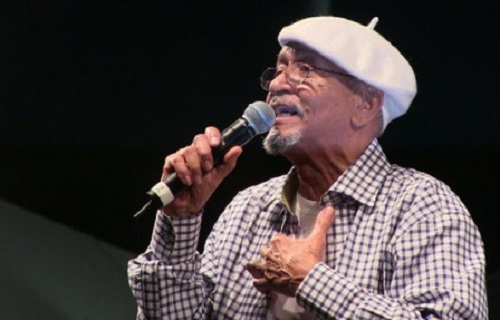
Justo Betancourt Querol Cuban sonero and singer famous for his interpretation of the song Pa' bravo yo.
Justo Betancourt Querol Cuban sonero and singer famous for his interpretation of the song Pa’ bravo yo.

In the 1960s, he arrived in New York, where he launched a new and brilliant stage of his career, singing vocals for the legendary and inveterate group, La Sonora Matancera, which was already established in the city. Betancourt stayed with the group for five years.

In later years, he was a member of the chorus of several groups, including those of Eddie Palmieri and Ray Barretto.

At the end of 1976 Justo settled in Puerto Rico, fleeing the limitations of the New York environment and separating himself from the tours and recordings of Fania All Stars, to enter the modern and freer scene projected by groups such as Sonora Ponceña, Willie Rosario, Bobby Valentín and Roberto Roena, among others, from the island.

With young musicians including vocalists Sammy Gonzalez and Tito Rojas, he created his own orchestra which he called “Borincuba”, a name to reflect the mixture of Puerto Rican and Cuban artists.

In 1976 Johnny Pacheco in his interest to maintain the successful formula of the modernization of the sound of the Sonora Matancera as the typical sound of his group (the Tumbao Añejo), unites the voice of Justo Betancourt with that of his compatriot Celia Cruz, it was the first time that this duo of Cubans in exile was reunited, in the album “Recordando El Ayer” and in which the young pianist Papo Lucca was presented in a big way. Justo’s voice was recorded in the songs “La Equivocada” (a duet with Celia), “Ahora Sí” and “Guíllate”.
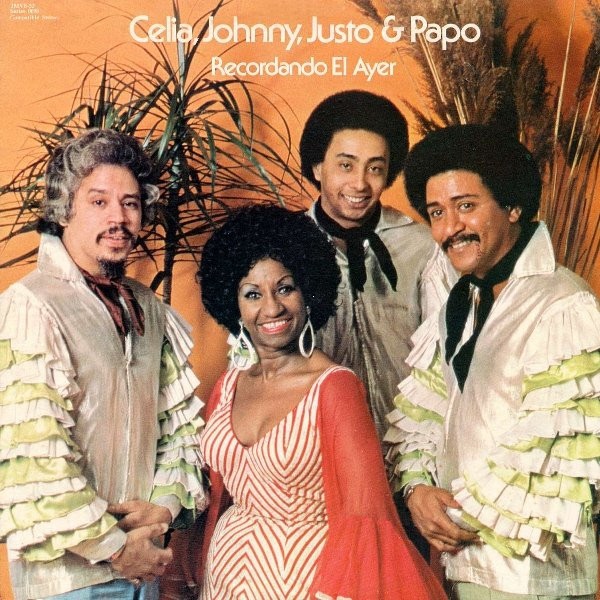
Celia, Johnny, Justo & Papo Recordando El Ayer 1976


That same year 1976, Justo is part of the ten vocalists that the Fania All Stars summons for his first production in a recording studio in the project “Tribute To Tito Rodriguez”, in which he performs the song “Cara De Payaso”, (the other vocalists were Santos Colón, Bobby Cruz, Cheo Feliciano, Héctor Lavoe, Ismael Miranda, Ismael Quintana, Pete “Conde” Rodríguez, Rubén Blades (his first recording with Fania All Stars) and Chivirico Dávila (his only recording with the group).
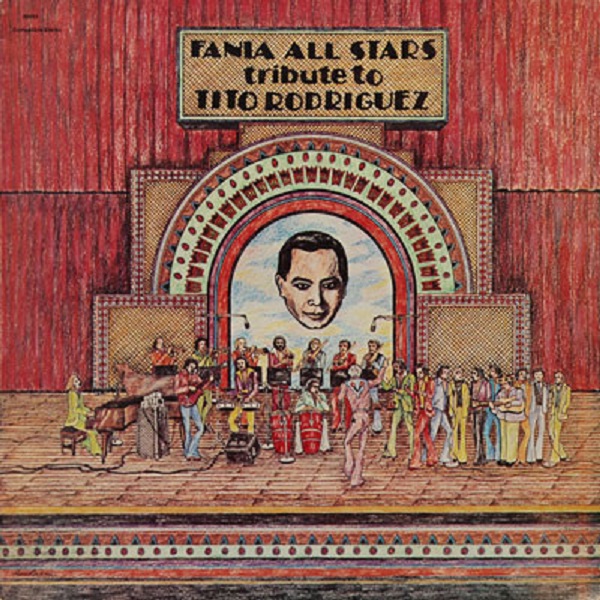
Fania All Stars Tribute To Tito Rodriguez 1976

To complete this productive year, Justo Betancourt joins percussionist Mongo Santamaría as the lead vocalist for the musical work “Ubane”, with the production of Marty Sheller, one of the important experimental albums of the salsa boom, a work that recovers the saxophone for the Salsa and bembé orchestra in the old Cuban Guaracha of the 50’s, and in which a constellation of New York, Cuban, Puerto Rican and Colombian musicians participate.
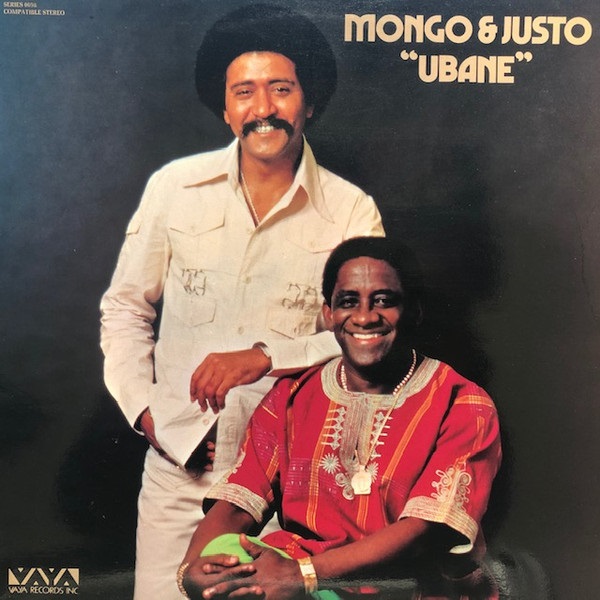
Mongo y Justo Ubane 1976.

However, the album did not succeed in definitely catching on with the public and ended in the most unjust failure.

With his new orchestra, he recorded four albums, of which he recorded as lead singer in only two albums: “Distinto Y Diferente” (1977) which includes the songs: “No Estás En Nada”, “Distinto Y Diferente”, “Soy Profesional” and “Óyela”; and “¡Presencia!” (1978) which includes a tremendous new version of the bolero “Psicología” and the song, composed by Catalino “Tite” Curet Alonso, “Camarón”. Justo was always among the best and remained oblivious to the decadence of the industrial boom of New York Salsa at the end of the decade.
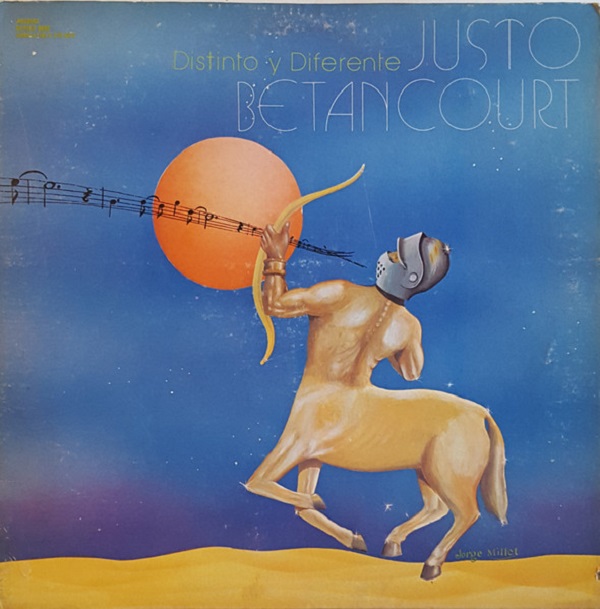
Justo Betancourt Distinto Y Diferente 1977

His secret was to remain bravo by performing authentic Caribbean music without the commercial additives imposed by Salsa.

The young singer who performed in the chorus and Justo’s student in Borincuba, Tito Rojas, became the lead singer in the following album “Con Amor” (1978), which Betancourt conducted and participated in the chorus.

Tito Rojas’ last work before splitting from Borincuba to start his solo career was the album titled only as “Borincuba”, in which Justo also served as musical director and backing vocalist.
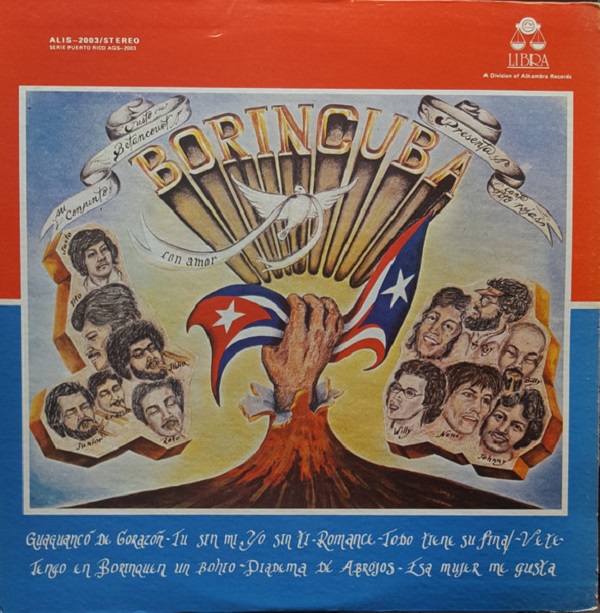
Justo Betancourt Presenta Su Conjunto Borincuba Canta Tito Rojas Con Amor 1978

So in 1979, when Tito inherited the band, he started his solo career changing the name to Tito Rojas y el Conjunto Borincano¸ which had a short existence.

After a series of his own albums, he became the lead vocalist of the Puerto Rican Power Orchestra and appeared on their first two albums (1987 and 1989).

In 1990, Tito Rojas embarked on his solo career with the romantic salsa album “Sensual” which reached first place in the Latin Music Hit Parade in April.

In the following years, Betancourt, residing between New York and San Juan, continued in the inertia of the Fania contracts. In March 1979, when the Fania All Stars were part of the group of musicians who traveled to the island of Cuba to participate in the “Havana Jam Festival”, a musical exchange between the United States and Cuba organized by CBS and held at the Karl Marx Theater in Havana, Justo Betancourt and his compatriot Celia Cruz, for obvious political reasons, could not travel with the group; for this reason Justo decided to leave the All Stars.

Nevertheless, his contract with the Fania company remained in force, and that year he released another album titled “Justo Betancourt” (1979), produced by himself and Louie Ramirez, which included the songs “Yo Sin Ti” and “Qué Más Quieres De Mi”, among others.

In 1981, Betancourt returns to record again with the Sonora Matancera in an album entitled “Sonora Matancera Con Justo Betancourt”, produced by Javier Vásquez and recorded on the Bárbaro label, a subsidiary of Fania and owned by Jerry Masucci. On this album, four guest musicians appear for the first time to record with the Sonora: Pedro “Puchi” Boulong: on trumpet, José Daniel: on the tumbadora, Elpidio Vásquez Jr. (son of the bassist): on second bass, and Mario Hernández: on tres.

From this work the hit “Mala Pata” and a new version of the bolero “Hoy Sé Más” stand out.

In 1982, he recorded his last work on the Fania Records label “Leguleya No” (1982), with his own production company RMQ and with the arrangements and musical direction of Ray Santos and Javier Vásquez.

From 1982 onwards his appearances were variable, he participated in Israel Sardinas’ LP, “Israel, la Verdad” (1984), and participated in Celia Cruz and Tito Puente’s album “Homenaje A Benny Moré Vol. 3” in 1985, in one of the songs: “Tú Solo Tú”.

Except for these participations, he made no recordings between 1983 and 1989.

And so, there were plenty of reasons for Justo Betancourt, despite so many successes, to end up in virtual anonymity and indifference. He gradually withdrew from the world of the studios, although he continued to perform sporadically.

After years of recording silence, he returned in 1990 with his style with the album “Regresar” on his own label RMQ, of which he was the producer, director and did half of the arrangements written by Eric Figueroa.

In 1992 he released the album “El Bravo De Siempre”, for Rafael Viera’s RV Productions label, which featured the participation of Cuban percussion legend Carlos “Patato” Valdes, among other great Puerto Rican musicians.

In 1994 he participated in the project of Puerto Rican producer and musician Frank Ferrer called “Descarga Boricua”, alongside more than 30 experienced local and international musicians such as Ismael Miranda, Jerry Medina, Papo Vázquez, Juancito Torres, Alex Acuna, Mario Rivera, Pedro Guzmán and Ángel “Cachete” Maldonado, among others. There, and in several songs, he resorted to his superb vocal resources as in his good times. In the second work of the Descarga Boricua, edited in 1996, he participated briefly with some soneos in the song “Abrázate a Puerto Rico”, as well as in the third album of the reunion of the virtuous Puerto Rican musicians.

He returned to the recording studios again in 1998 with the CD “Mató” for the El Paso label in Puerto Rico, and from which the song “El Lema Del Guaguancó” stands out in the most vigorous style of Arsenio Rodríguez, composer of the song.

He also made his return as guest singer of the Fania All Stars for the concert of April 29, 2000 in Puerto Rico, a return that he made together with Ismael Miranda and Luigi Texidor to the group.

Justo Betancourt has participated as a backing vocalist in the recordings of many Latin music orchestras and works of renowned artists, such as La Conspiración de Ernie Agosto, Celia Cruz, Johnny Pacheco, Roberto Roena, Willie Colón, Eddie Palmieri, Willie Rosario’s orchestra, Héctor Lavoe, Adalberto Santiago, Kim De Los Santos, Van Lester and the Puerto Rican Power orchestra, among others.

In 2002 he participated for pianist Papo Lucca in the musical project “Festival de Boleros” with the song “En Cada Beso”, along with a constellation of Boricua singers and musicians.

Sources:

Por: Jose Ramon Tremaria

Ecued

Fania Stars

Also Read: Nicky Marrero is an innovator, timbalero and bongo player, living legend of our Afro-Latin and Caribbean music.

Gilberto Santa Rosa is a Puerto Rican singer, songwriter and sonero better known as “El Caballero de la Salsa” (The Gentleman of Salsa)

Gilberto Santa Rosa (born August 21, 1962) is a Puerto Rican singer, songwriter and also known as “El Caballero de la Salsa” from Carolina, Puerto Rico.

Growing up on the salsa music of the 50’s and 60’s, Rosa became interested in pursuing music during school, participating in her first concert in 1976 while still a tender teenager. After performing with the Mario Ortiz Orchestra.

Gilberto Santa Rosa ex-superior singer and sonero better known as "El Caballero de la Salsa" (The Gentleman of Salsa).
Gilberto Santa Rosa ex-superior singer and sonero better known as “El Caballero de la Salsa” (The Gentleman of Salsa).

Santa Rosa was recruited by La Grande Orchestra where she stayed for two years and met Elías López.

The 1980s brought a series of recordings for the singer with Orquesta Tommy Olivencia, El Gran Combo and the tribute album “Homenaje a Eddie Palmieri” with the Puerto Rican All Stars.

Gilberto Santa Rosa became a unique salsa improviser, walking the line between tropical and romantic styles of music, which contributed to his appreciation and popularity.

In 1986 Rosa signed with Combo Records and among others released the successful albums “Good Vibrations” featuring arrangements by Mario Ortiz, Ramon Sanchez and Tommy Villariny, “Keeping Cool! “and “De Amor y Salso”.

Due to the success of her fourth album entitled “Sala en Movimiento” released in 1989, Rosa signed with CBS Discos who could distribute her music internationally.

Teaming up with the young composer Omar Alfanno on the album “Punto de Vista” Rosa achieved consistent success with a series of hits including “Vivr sin Ella”, Perdoname” and De Cualquier”. The successor album “Perspectiva” released in 1991 was the Salsero’s biggest hit to date and included many of the same collaborators as its predecessor.

In 1990 Rosa was awarded the Billboard Lo Nuestro Award for Best Male Singer, recorded a live album at Carnegie Hall Theatre in New York, USA, the first tropical salsa artist to do so, and acted as Puerto Rican goodwill ambassador to Japan where he sang “De Cara al Viento” in Japanese.

Santa Rosa was recruited by La Grande Orchestra where she stayed for two years and met Elías López.

The singer generated a string of hits throughout the 1990s, always altering his particular sound and diversifying his music. From the orchestral “De Cara al Viento” (1994) and the energized “Esencia” (1996) to “De Corazón (1997) and “Expresión (1999).

At this point Rosa’s popularity and success had increased and the singer seemingly could do no wrong, with Rosa’s subsequent albums achieving both critical and commercial success, including 2002’s “Viceversa” which produced the hits “Por Más Que Intento” and “Un Montón de Estrellas”.

Santa Rosa ha sido honrada por Union City, New Jersey, USA con una llave de la ciudad y una estrella en su Paseo de la Fama, tiene el record de la mayor cantidad de álbumes número uno en la lista Billboard Tropical Albums, así como la mayor cantidad de nominaciones al Grammy por Mejor Salsa.

Canto y grabo varias producciones con el Maestro Mister “AFINQUE” Don Willie Rosario y ese fue el puente para grabar como solista.

En 1981, Gilberto Santa Rosa se unió a la banda Willie Rosario y su Orquesta, con la que grabó seis discos de larga duración. Su primera grabación se presentó en el álbum The Portrait Of a Salsa Man, en el sello Top Hits.

Canciones como “El Antifaz”, “La Mitad” y “El Condenado” se escuchan en la voz de Gilberto Santa Rosa, quien compartió la parte vocal con Tony Vega y Bobby Concepción en dicho álbum.

1982: Willie Rosario y su Orquesta graban el álbum Atízame el fogón para el sello Top Hits. Bobby Concepción, Tony Vega y Gilberto Santa Rosa participan como cantantes en este LP.

1983: El cantante santurcino participa en el álbum de Willie Rosario y su Orquesta, The Salsa Machine, en el sello Top Hits, de este álbum, canciones como “Amigo” y “Cuando Se Canta Bonito” son vocalizadas por Gilberto Santa Rosa.

Gilberto Santa Rosa (born August 21, 1962)

1984: Gilberto Santa Rosa comparte voz con Tony Vega en el álbum de Willie Rosario y su Orquesta llamado Nuevos Horizontes, publicado por Bronco Records, en ese álbum se grabó el tema “Lluvia”, uno de los primeros éxitos de nuestro caballero de la salsa. .

Willie Rosario celebrará 100 años de vida con un gran concierto en el Coliseo de Puerto Rico.

Para la celebración musical estará acompañado por sus amigos y colegas, Gilberto Santarosa y Tony Vega,

El legendario músico puertorriqueño Willie Rosario celebrará sus 100 años de vida en 2024 con un gran concierto en su tierra natal el próximo 27 de abril, junto a dos de los ilustres intérpretes que integraron su orquesta, Gilberto Santa Rosa y Tony Vega.

Willie Rosario celebrará 100 años de vida con un gran concierto en el Coliseo de Puerto Rico.

Source:

El Nuevo Dia

Also Read: The Royalty of our Latin Music Pete “El Conde” Rodríguez first singer signed by Fania Records label

”Alma Del Barrio” celebrates 50 years of operation

The United States has a great number of Latin music radio programs that always sought to promote the best of Latin talent through their frequencies and one of them is ”Alma Del Barrio” of the well-known radio station KXLU, which is celebrating its 50th anniversary.   

Against all odds, ”Alma Del Barrio” celebrates five decades on the air after all the effort of its hosts and the team involved in such a noble and necessary feat. We say ”against all odds” because it is not common that projects submitted by university students did not used to last long and ended up being replaced by programs of the same style.  

In addition to the above, decades-long programs usually have a single host and comfortable time slots each week. However, ”Alma Del Barrio” was the exception to this rule and, today, continues to prove that limits can be overcome.  

Founders of Alma Del Barrio
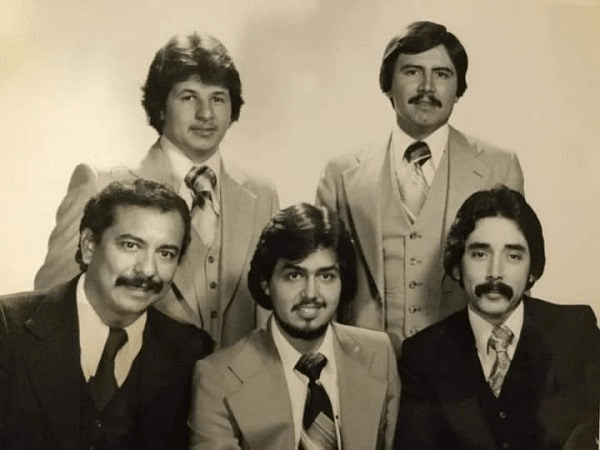
Founders of ”Alma Del Barrio” Steve Lopez, Enrique ”Kiki” Soto, Gustavo Aragon, Eddie Lopez, and Hector ”La Voz” Resendez

Beginnings of ”Alma Del Barrio” 

After so long, ”Alma Del Barrio” has remained up to date and continues to keep people’s taste.  

Its main founders were Enrique ”Kiki” Soto and the late Raúl Villa, who at the time were two young students with many ideas and eager to achieve interesting things. The program was aired for the first time in 1973. A few years later, Hector Resendez, a freshman in college, contacted Enrique and Raul in order to write an article about this new radio show, but it would not be long before he joined the main founders in the project they were developing.   

Three years later, in 1976, student at Loyola Marymount University Eddie Lopez joined the program on the third anniversary of ”Alma Del Barrio”, show in which he would spend the next 46 years bringing the best Afro-Cuban music to the audience every Sunday between 2pm and 6pm.  

On a number of occasions, Resendez said that ”Alma Del Barrio” was not created to be hosted by great famous personalities, but by dynamic young people who wanted to be part of a small team that was just starting operations.   

At the beginning, the new hosts only had one hour of broadcast time to show what they were made of, but at the same time, they did their best to get more airtime and have more presenters in the program. They wanted to include a not very popular genre on the station at that time, which was salsa, something totally innovative for the station. 

In those years, salsa was understood as that set of genres coming from Afro-Cuban music and the novice hosts thought it would be a fine attraction to the Latino communities of Los Angeles. That set of genres came from Cuba, Puerto Rico, Panama, Colombia and the Dominican Republic. This is when record labels and music promoters renamed these rhythms as ”salsa” in order to make it easier for programs and hosts to identify the music.  

Eddie Lopez in Alma Del Barrio
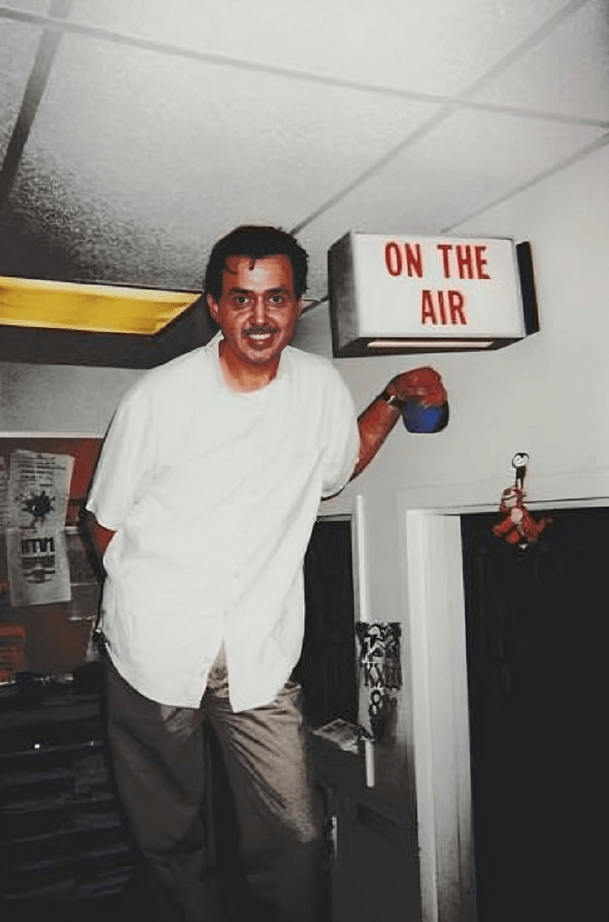
Eddie Lopez working on the radio station

‘’Alma Del Barrio”’ programming 

The traditional programming of most of the stations consisted of jazz, rock and classical music, but then salsa was incorporated thanks to the increasing popularity that this genre was gaining. 

One thing Resendez said is that one of the most famous rock groups was Santana, so the announcer and the rest of his cabinmates were surprised that the musicians of the band knew so much about Afro-Cuban music in terms of percussion. Let us remember that the popular song ”Oye Como Va” was written by ”El Rey De Los Timbales” Tito Puente a decade and a half before the band recorded it.   

This union of rock and salsa was what gave the hosts the confidence to use trendy Anglo-Saxon genres as a means to promote Latin music.   

On top of that, the guys were clear that jazz fans would be receptive to Latin jazz, since great jazz musicians like Dizzy Gallespie hired Cuban percussionists in their orchestras. If on other stations, this music was successful, ”Alma Del Barrio” was no exception. Fortunately, they were not wrong.   

Logo of Alma Del Barrio
Current logo of ”Alma Del Barrio”

Last years of “Alma Del Barrio’’ 

During the last years of ”Alma Del Barrio”, the program team has made great efforts to join and create links with the community, whether it would be through sponsorships, advertisements, public services, donation campaigns, among other things.   

Through all this community service they offered, they also made their own work known and many listeners began to enjoy this great team’s talent while listening to good music and varied programming. 

The program has also been and is part of great annual and historical festivals such as the Salsa Fest. This day is always reserved for the audience to share with the new and old hosts of ”Alma Del Barrio” and many of the station staff, who always spread their enthusiasm to those present with their good energy.   

”Alma Del Barrio” and its hosts have brought joy to their followers, but there have also been some sad moments. One of them was the death of DJ Eddie Lopez in January 2023, leaving a great void in the station and the hearts of those who faithfully followed his career through the KXLU circuits during the last decades. 

Read also: Singer and manager of Cambalache Pancho Chavez 

ISM / February 2024

 IOSM Feb-2024 L ISM feb-2024 R
SalsaApp-L SalsaApp-R
NA thumbnail 2/2024
LA thumbnail 2/2024
EUR thumbnail 2/2024
ASIA thumbnail 2/2024
AU-&-NZ thumbnail 2/2024
Africa Feb-2024
Festival Viña 2024
Antonio Santaella
Do you enjoy Latin music? Would you like to get more involved in this genre and share your passion for Salsa, Bachata, Kizomba, Merengue and more. Why not joint our Global Team of volunteers as a correspondent?

You can ask for more details with no obligation and we’ll be happy to talk to you about the benefits that come with the role

[Read more…] about ISM / February 2024

Paquito D’Rivera supports the salsa museum

There have been many legends of whom we have spoken in this section of International Salsa Magazine and today it is the turn of the bandleader, composer, clarinetist, and saxophonist born in Havana, Cuba, Paquito D’Rivera.  

Today, we want to dedicate the following lines to one of the main references in Cuban music and everything he has contributed to the Latin music scene, which is growing every day in the United States.   

Paquito smiling
Paquito D’Rivera smiling for the camera

Paquito’s beginnings in music 

Francisco de Jesús Rivera Figueras, who is artistically known as Paquito D’Rivera, was born in the city of Havana, Cuba and is the son of orchestra director and saxophonist Tito D’Rivera, from whom he inherited his great artistic vein and love for music. 

At just five years old, Paquito began studying music formally and, two years later, he was already performing on stage in front of large audiences, which prepared him for what he would do as an adult. That same year, Selmer (a musical instrument company) hired him, which was a very important step in the boy’s path to becoming an artist. 

A few years later, he performed at the National Theater of La Habana, which was a very important moment for the young man, who shortly after began studying at the Havana Conservatory, where he specialized in areas of music such as clarinet, composition and harmony. 

His first media appearance was during his debut in the National Symphony Orchestra of Cuba, an event that was nationally televised so that the whole country could appreciate the talent of the young choir boys.  

A year later, when he was only 18 years old, Paquito and Chucho Valdés founded the Orquesta Cubana de Música Moderna, while working for the Orquesta Nacional and the Banda del Ejército Cubano. 

Paquito playing
Paquito D’Rivera playing the saxophone

Some time later, he founded the Orquesta de Música Moderna with some of his colleagues at the time, and then created the group Irakere, which integrated jazz, traditional Cuban music, classical music and rock in ways never seen before. Together with Irakere, he toured Europe and the United States and earned several Grammy Award nominations.   

Leaving Cuba 

Like so many Cubans, Paquito became tired of the situation experienced by the island and knew he had to make a final decision on the subject. He took advantage of a stop in Spain and sought asylum at the American embassy in the European country. Once in the United States, his process of adaptation to his new country of residence was not easy, but there were artists who gave him a lot of support such as Mario Bauza, Dizzy Gallespie, David Amram, among others. 

It did not take him too long before he earned the love and respect of many members of the jazz music community.  His place in the Latin music scene was consolidated thanks to his first two solo albums called ”Paquito Blowin” and ”Mariel”. His popularity was also benefited from a Time magazine article that talked about his great work and his appearance on the famous ”Sunday Morning” show.   

He also collaborated with artists such as Artur Sandoval, Michel Camilo, Bebo Valdés, Claudio Roditi, among others. He also participated in the founding of the United Nations Orchestra, Paquito D’Rivera Big Band, Paquito D’Rivera Quinquet and many other groups.  

More recently, in 2027, he was in Europe with the Orquesta de Valencia at the Palau de La Música promoting ”The Elephant and The Clown” of his own.   

Paquito and Johnny
President of the Spaha Harlem Salsa Museum Johnny Cruz and Paquito D’Rivera

Paquito and the Spaha Harlem Salsa Museum 

In December 2023, Paquito visited the Spaha Harlem Salsa Museum to see the huge collection of personal items belonging to world-renowned Latin artists and, once there, he expressed his surprise at the large number of items that both stars and their families have donated to the famous museum.   

In a post by Johnny Cruz, the museum’s president, on his Facebook account, Paquito said he was very impressed by all the items housed in the institution while supporting the work done by the museum’s staff and expressing his admiration for the effort devoted to the collection. 

Johnny Cru ISM corresponde in New York City


Read also: Poncho Sanchez visited us at the Salsa Museum 

  • « Go to Previous Page
  • Page 1
  • Interim pages omitted …
  • Page 88
  • Page 89
  • Page 90
  • Page 91
  • Page 92
  • Interim pages omitted …
  • Page 241
  • Go to Next Page »

International Salsa Magazine (ISM) is a monthly publication about Salsa activities around the world, that has been publishing since 2007. It is a world network of volunteers coordinated by ISM Magazine. We are working to strengthen all the events by working together.