• Skip to primary navigation
  • Skip to main content

International Salsa Magazine

  • Home
  • Previous editions
    • 2025
      • ISM / November 2025
      • ISM / October 2025
      • ISM / September 2025
      • ISM / August 2025
      • ISM / July 2025
      • ISM / June 2025
      • ISM / May2025
      • ISM / April 2025
      • ISM / March 2025
      • ISM / February 2025
      • ISM / January 2025
    • 2024
      • ISM / December 2024
      • ISM / November 2024
      • ISM / October 2024
      • ISM / September 2024
      • ISM / August 2024
      • ISM / July 2024
      • ISM / June 2024
      • ISM / May 2024
      • ISM / April 2024
      • ISM / March 2024
      • ISM / February 2024
      • ISM / January 2024
    • 2023
      • ISM / December 2023
      • ISM / November 2023
      • ISM / October 2023
      • ISM – September 2023
      • ISM – August 2023
      • ISM July 2023
      • ISM Edition June 2023
      • ISM – May 2023
      • ISM April 2023
      • ISM March 2023
      • ISM February 2023
      • ISM January 2023
    • 2022
      • ISM December 2022
      • ISM November 2022
      • ISM October 2022
      • ISM September 2022
      • ISM August 2022
      • ISM July 2022
      • ISM June 2022
      • ISM May 2022
      • ISM February 2022
      • ISM January 2022
    • 2021
      • ISM December 2021
      • ISM November 2021
      • ISM October – 2021
      • ISM September 2021
      • ISM August 2021
      • ISM July 2021
      • ISM May 2021
      • ISM April 2021
      • ISM June 2021
      • ISM March 2021
      • ISM February 2021
      • ISM January 2021
    • 2020
      • ISM December 2020
      • ISM November 2020
      • ISM October 2020
      • ISM September 2020
      • ISM August 2020
      • ISM July 2020
      • ISM June 2020
      • ISM May 2020
      • ISM April 2020
      • ISM March 2020
      • ISM February 2020
      • ISM January 2020
    • 2019
      • ISM December 2019
      • ISM November 2019
      • ISM October 2019
      • ISM Septembre 2019
      • ISM August 2019
      • ISM July 2019
      • ISM June 2019
      • ISM May 2019
      • ISM April 2019
      • ISM March 2019
      • ISM February 2019
      • ISM January 2019
    • 2018
      • ISM December 2018
      • ISM November 2018
      • ISM October 2018
      • ISM September 2018
      • ISM August 2018
      • ISM July 2018
      • ISM June 2018
      • ISM May 2018
      • ISM April 2018
      • ISM March 2018
      • ISM February 2018
      • ISM January 2018
    • 2017
      • ISM December 2017
      • ISM November 2017
      • ISM October 2017
      • ISM September 2017
      • ISM August 2017
      • ISM July 2017
      • ISM June 2017
      • ISM May 2017
      • ISM April 2017
  • Download Salsa App
    • Android
    • Apple
  • Spanish

Search Results for: Legend

Hansel and Raúl, The Charanga Legend duo

Hansel and Raúl, The Charanga Legend duo

Hansel and Raúl is a charismatic and transgressive Charanga duo of the line of romantic lyrics of the time. They positioned the Cuban “Charanga” rhythm on the top of global popularity, a danceable genre that they imposed on each stage they were invited to and which incorporated their unique Caribbean essence.

This particular duo with three decades of trajectory was born in Miami in 1984 after breaking from the orchestra “Charanga 76”, where they were co-founder members and their main vocalists. With this New York orchestra, born in Brooklyn, they won international recognition and their first Grammy for the album “Encore” in 1978.

Photo of Hansel and Raúl
Hansel and Raúl – The Charanga Legend duo

“Many of the artists who recorded with them during their stay in “Charanga 76” include the renowned pianist – for many years – by Héctor Lavoe, Gilbert Colón and the first Jewish-American flutist woman, Andrea Brachfeld.”

Very pleasant memories come to Hansel‘s mind during this interview, especially his first composition “Si no te encuentras tú” for Charanga 76, his voice took a turn and he showed nostalgia as well as pride in remembering it: “I don’t sit to write a song with a guitar or piano. The Inspiration comes to me alone, there is nothing personal”.

Each anecdote that he tells us is remembered as facts that have led to their musical maturity. Each fun fact has been defined as part of their career, such was the case of the great master, Israel “Cachao” López, who with all his musical wisdom and mastery of his instrument, the Double Bass, taught the rhythmic base to the orchestra. “The conguero and the timbalero even the güirero he taught them to play well. He was a teacher of all, including us who learned a lot from him. R.I.P, he was a glory of music”, Hansel said to us.

But that wasn’t all he told us about the legend of Cuban music, “Cachao”, who was the Double Bassist of the “Charanga 76” orchestra for 12 years, also he told us that every time they wen a tour the “Inventor of Mambo” had them buy a plane seat to his Double Bass, he sat it next to him and even put the belt on the string instrument, as is dictated by airline regulations.

The funniest thing would come later when the Double Bass received the same attention as each member of the orchestra. Amazing! The Double Bass also had its portion of food during each trip as each musician of the orchestra, and when the flight attendant brought it was when the offer was presented by each musician for that fabulous portion, although the end was always the same, the trumpeter won!


Hansel y Raúl - Photo
Hansel y Raúl concert
Photo in concert - Hansel and Raúl
Hansel and Raúl – Photo behind the scenes

Each experience with Charanga 76 made them evolve in music and although with this orchestra they made themselves renowned professionally, as a duo they flew the fence. They have received multiple musical awards, their sympathetic lyrics, and in some cases, satirical or burlesque have won the applause, admiration, and respect of colleagues in the music industry and the general public on three continents: America, Europe, and Asia.

“The Jersey Boys” was their first youth musical group with only 5 members and although the musical instruments they played were the basics of Rock, their rhythmic concept was Cuban music.

“María Teresa y Danilo” was one of the compositions that brought many satisfactions to this duo. Nowadays it’s still preferred by the fanatical public of the genre. Many debates and speculations were made about this song, but here we tell you the true story. “María Teresa y Danilo” dates its beginnings to the 80s when soap operas like “Dallas” were in fashion.

Hansel came up with the idea of diving and writing on this topic. He magically composed the lyric during the plane trip with San Francisco – Miami trajectory and the rest we already know, multiple copies sold, and hundreds of awards granted to them for the feeling that caused this popular theme.
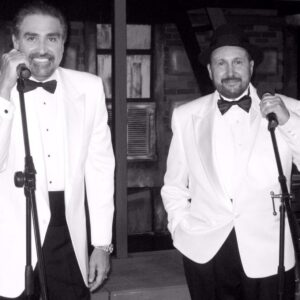
Photo of Hansel and Raúl

Photo of Hansel and Raúl in their beginnings

After such overwhelming success as a duo, Hansel and Raúl decides to separate in 1988. What was the reason?

Everyone wanted to make another kind of music. Each one followed a different path, for his part, Hansel recorded five solo albums including metals, more trumpets and trombones, and in three of these albums, he included neither the violin nor the flute, assuming almost completely the end of the Charanga rhythm in his music. However, a short time later he realized that this Caribbean rhythm was what identified with his audience and two years later he joined Raúl again to continue their successful career.

Hansel and Raúl has a total of 330 songs recorded and on December 31 this Charanga duo will have a performance in Los Angeles, CA and you may be lucky and they play your favorite single and if don’t you can ask for it. Classics such as “Soy”, “Se me nota”, “El ayer”, “María Teresa y Danilo”, “Kukucha kucha”, “Balancea mi corazón” (Yordano), “Ojos Verdes” (Alfredo Gutiérrez), among many others, will be present at this 1: 45min show.
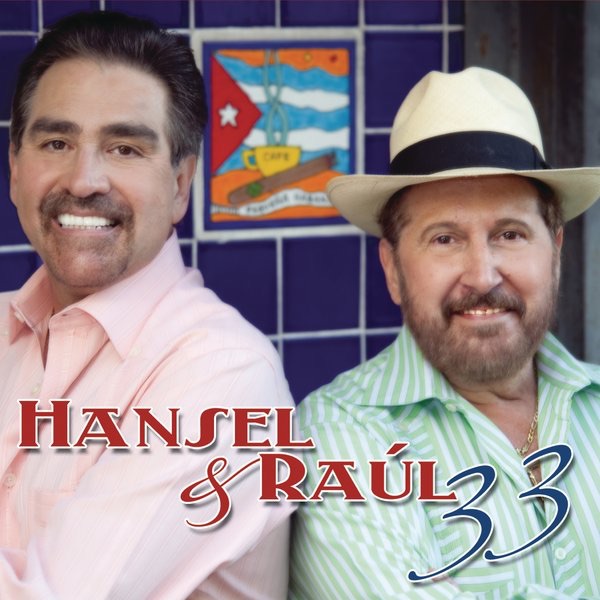
Hansel and Raúl
Cover of Hansel and Raúl, Discography 33

Purchase your Tickets quickly before it´s sold out

https://www.facebook.com/events/crown-plaza-hotel-and-casino/new-years-eve-2020-the-great-gatsby-presents-hansel-raul/271515257093512/

We hope to see them there singing each of their hits and if you later travel to New York, don’t be surprised to see Hansel in that city because he and his family will be celebrating their daughter’s sweet sixteen, on the second day of January 2020.

Is Hansel a stage name?

Although some may consider that Hansel is a characteristic name of the children’s story “Hansel and Gretel”, this name comes from Germany and it’s of Jewish origin. Hansel Enrique is the name of this singer and songwriter “Charanguero” and he is named so to differentiate himself from Hansel Horacio (father). In Cuba, the tradition is maintained that every male child must bear the name of his grandfather; this is the reason for all his cousins are called Hansel.


More Details visiting:

http://www.HANSELYRAUL.com

Social Channel:

https://www.facebook.com/pg/HANSELYRAUL/

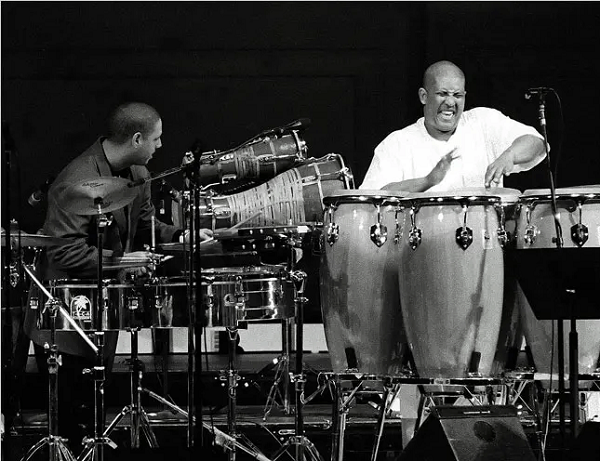
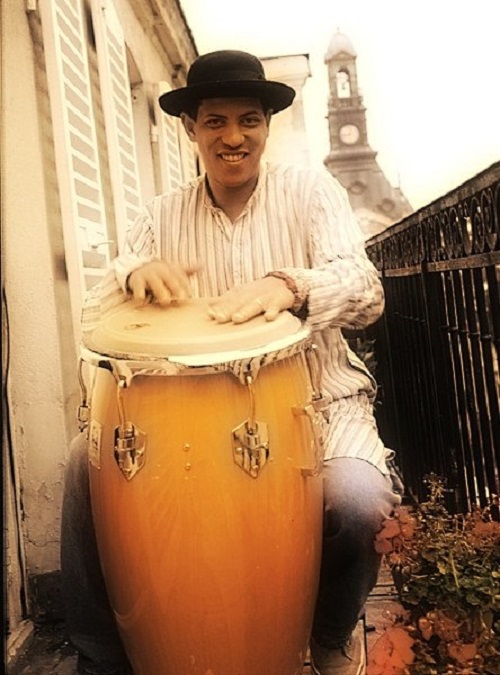
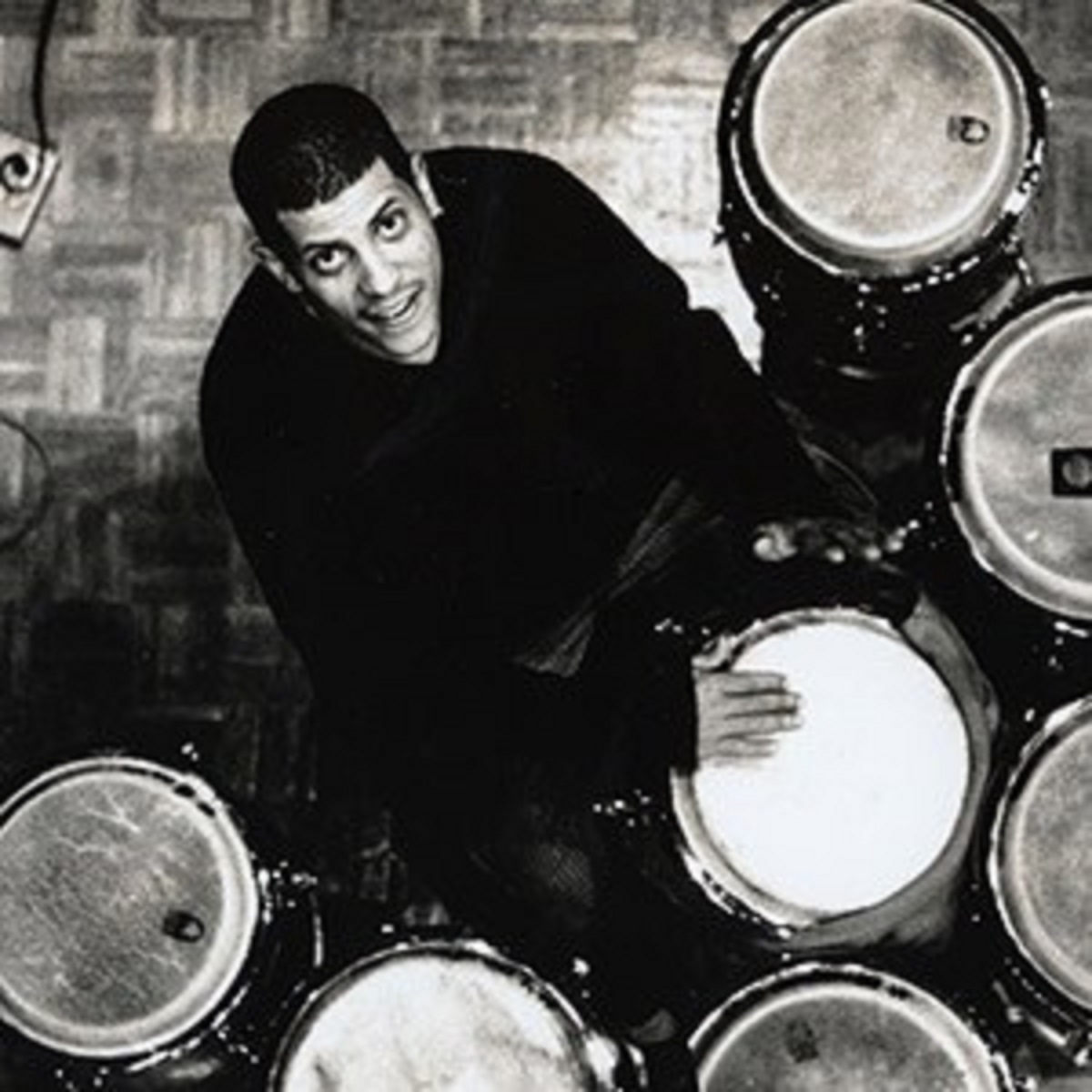
Miguel “Angá” Díaz the percussionist who made his name in the ranks of Cuba’s legendary and enigmatic Irakere group

Miguel “Angá” Díaz (1961-2006) was a valuable and prolific Cuban percussionist. With his explosive solos and the creation of five conga toques, “Angá” was widely acclaimed as one of the world’s great congueros.

One of the mainstays of Afro-Cuban rhythm in recent times, Angá played with a multitude of jazz stars, from Chucho Valdés, Chick Corea or Steve Coleman, to Roy Hargrove, Minino Garay, Chano Domínguez and Herbie Hancock, among others.

The claim that he was one of the best percussionists in the world is backed up by the Grammy awards he won, his participation in such important projects as Buena Vista Social Club and the Afro-Cuban All Stars, and his status as sideman of geniuses like Tito Puente, Herbie Hancock, Carlos Santana or Danilo Pérez, as well as his membership in legendary groups like Irakere, according to Más i Más, the organizer of his concerts in Barcelona.

 Miguel "Angá" Díaz el percusionista que se dio a conocer en las filas del legendario y enigmático grupo Irakere de Cuba
 Miguel “Angá” Díaz el percusionista que se dio a conocer en las filas del legendario y enigmático grupo Irakere de Cuba

Father of three daughters – the eldest living in Cuba and the two younger ones in Paris – Angá never stopped searching for new forms of musical expression, experimenting with the fusion of different styles, such as jazz, African sounds, rock and hip-hop.

He was committed to the development of the conga, breaking the traditional barriers of percussion, to introduce them into classic Latin rhythms while preserving their distinctly Cuban roots.

He played with several Cuban artists, including Irakere, Afro-Cuban All Stars, Buena Vista Social Club, Omar Sosa, Omara Portuondo, Tata Güines, Rubén González and Orishas.

Miguel “Angá” Díaz
Miguel “Angá” Díaz

At that time he recorded and toured frequently with international musicians such as Steve Coleman, Roy Hargrove, Baba Sissoko, Ry Cooder, Pascal Coulon, Mezzadri Malik, Montgomery Buddy, Pascal Coulon and John Patitucci. Angá’s musical journey was a personal quest to investigate and create new sounds and rhythmic fusions.

More than just an artist, Angá demonstrated his commitment to the development of his instrument, teaching master classes at various schools and universities in North America and throughout Europe.

For Paris-based Argentine percussionist Minino Garay.

“He is indisputably one of the great percussionists of his generation; the greatest of all. His death causes me enormous sadness, as if it were a story that did not end,” lamented Garay, who will not attend the funeral this Friday, due to the fact that on that day he will give a concert in Vance, in the south of France. “I will certainly dedicate it to him,” he added.

Miguel Angá Díaz (1961-2006) fue un valioso y prolífico percusionista cubano

Angá Díaz received his formal education at the Escuela Nacional de Arte in Havana, Cuba, and after joining the Latin jazz groups Opus 13 and Irakere, where he perfected his conga playing technique, he moved to Europe, where he devoted himself to exploring the fusion of styles, bringing Cuban music closer to other musics and thoroughly investigating the relationship between Afro-Cuban polyrhythms and technology.

In the summer of 2005, Angá released his first solo album EChu Mingua, which the musician himself described as “a musical religious mass. Spiritual music is when the spirits are invoked to come down to earth, inviting them to a party or to talk to them”, and that is “the whole concept of the album”.

Transgressor of conventions, Angá emerged as an independent, free and committed musician with a wide variety of projects, from experimental jazz with Steve Coleman and Roy Hargrove, and hip-hop with the Orishas, to his participation in Omar Sosa’s tours, in addition to participating in numerous alternative projects with musicians from all over the world.

Angá’s musical trajectory was a tireless search, whose main purpose was to explore and create new sounds, as well as rhythmic fusions.

Source: jornada.com.mx

Miguel “Angá” Díaz

You can read: Freddy de Jesús Ortega Ruiz “Coco & su Sabor Matancero”

Severino Ramos, the true architect behind the legendary group “Sonora Matancera”

From 1940 to 1957, he was in charge of the arrangements, rehearsals, repertoire, hiring of the vocalists and that very particular sound, so imitated but never equaled that the “Dean of the Conjuntos” possessed.

All that sonority is due to this pianist, composer and arranger born in Matanzas, Cuba, on June 2, 1903.

Severino Ramos Betancourt was born on June 1, 1903 in Matanzas, Cuba. He was a composer, pianist, orchestrator and arranger, one of the great Cuban musicians, he worked as pianist and arranger in the Conjunto Sonora Matancera, later he founded the Sonora Cubana.

Since he was a child, music, musicians and instruments were his passion. In his family, grandparents and uncles, had to do with the bungas of Matanzas (a bunga was a small group that included piano, violin, clarinet and flute). As a child he met Cheo Jiménez and Eduardo Betancourt, trombonist of Miguel Failde’s orchestra.

Later he went to Havana where he worked successively as a tailor’s assistant, insurance collector, doorman in a cabaret, traveling salesman, substitute musician in theaters, radio stations, and a thousand other occupations that appeared along the way before becoming a professional musician, during that time he received lessons from Felix Covarrubias.

Sonora Matancera

Severino Ramos joined the famous Conjunto Sonora Matancera in 1942, as a pianist, after unsuccessful attempts to occupy positions in the Sexteto Mikito (later Conjunto Casino), replacing Enrique Rodriguez, and in other Havana groups.

Severino’s character does not go with the style of intense and nocturnal work of the group, presentations in radio stations, dances (preference of Rogelio Martínez its director), contracts in La Tropical, Cabaret Tropicana, regional Centers: Asturian Center, Galician Center and trips to provinces; so he decides at the request of the director of the Sonora to look for another pianist for the group and he stays to make the arrangements, rehearsals, preparation of repertoire, etc…, From that moment on, the star of the Conjunto Sonora Matancera really began to shine in the firmament of popular acceptance.

He became, in keeping with his calm character, an orchestra man performing all these tasks and some others, such as visiting radio stations, theaters and other places to obtain contracts for the group.

The fruits contributed by Severino Ramos between 1940 and 1957 are of extraordinary value, perhaps what makes his work more visible are his arrangements and the preparation of the regular and guest singers that accompanied the Sonora such as: Bienvenido Granda, Daniel Santos, Myrta Silva, Celia Cruz, Leo Marini, Bobby Capó, Nelson Pinedo, Estanislao Laíto Sureda, Carlos Argentino and Celio González, among others.

After the Sonora Matancera

The last days of Severino Ramos in favor of Cuban Music were as musical director of Radio Progreso since 1957, when he left the Sonora, simultaneously with the prolific and very important work at the head of the many record labels he created.

After 1959, in that first decade, 1960, many record labels emerged in Havana, plus those that came from before and he multiplied himself making arrangements, forming momentary groups, forming groups to accompany Orlando Contreras, Blanca Rosa Gil, Orlando Vallejo, Ñico Membiela, many more. He formed the Sonora de Severino Ramos and helped create the Conjunto Caney.

The following is a small sample of songs that were arranged by Severino Ramos for the Sonora Matancera:

El Tíbiri Tábara with Daniel Santos

Qué corto es el amor, with Mirtha Silva

Burundanga, Yerbero Moderno, Tu Voz, Luna sobre Matanzas, with Celia Cruz

Who will be? With Nelson Pinedo

Yo no soy guapo with Vicentico Valdes

Sujetate la lengua, with Bienvenido Granda

Aunque me cueste la vida, on the 19th, El negrito del Batey with Alberto Beltrán

El gallo, la gallina y el caballo with Manuel Licea

Piel Canela with Bobby Capó

Maringá, with Leo Marini

Who will it be? With Nelson Pinedo

Las Muchachas, with Carlos Argentino

Translated with www.DeepL.com/Translator (free version)

Severino Ramos died in Havana on November 2, 1969.


Home

“Tabaco y sus Metales” the legend of Salsa made in Venezuela

On May 30, 1995, Carlos “Tabaco” Quintana died in Caracas, Venezuela, the city where he was born on September 15, 1943.

Charismatic Timbalero, Sonero and Director of “Sexteto Juventud” and “Tabaco y sus Metales” the legend of Salsa made in Venezuela”

Former member of  “Sexteto Juventud”, founder of the orchestra  “Tabaco y sus Metales”. He was born on September 15, 1943 and began his musical training in the corners of San José.

Youth took him hand in hand with the street salsa brava, the rebellion of Palmieri and Mon Rivera’s trombones and the castinglés sound of Joe Cuba’s sextet.

And it was so long that they began to call him “tabaquito”, a tabaquito who waited for the day to be over to find the musical flavor far from the chore of shoeshine boy and town crier.

He never forgot that he used to go out to 23 de Enero to listen to the rehearsals of a group that was being formed there.

Years went by and rehearsals went by while Tabaquito got to know one by one the members of that group until 1963, when he was twenty years old, his friend Elio Pacheco recommended him to Olinto Medina, the leader of that band.

Olinto was about to rehearse “Guasancó” and the singer was not in tune with him.

Elio’s recommendation took effect and “Tabaco” did its thing, very well. Thus the Sexteto Juventud had a new voice and something more, because Carlos Quintana was able to walk through all the instruments of the group.

He had an almost magical vocal timbre. His voice was astonishingly similar to Ismael Rivera’s and we already know what that meant at a time when Maelo was the obligatory reference from the ranks of Rafael Cortijo’s Combo.

With Quintana the Sexteto Juventud had moments of true glory because although it reflected the influence of Joe Cuba they created a style that continues without copy.

In addition to his vocal art, Tabaco was a good composer, with a good vibe and reciprocity in the town. Every September he would go to play for the prisoners, on the day of Las Mercedes. He felt what a captive felt and that is why he composed “La Cárcel” (Qué malo es estar/ estar entre rejas/ y qué soledad/ qué soledad se siente).

Along with this song he released “Mi Calvario”, a piece that became a classic.

(Quisiera saber/ cuál fue la causa/ de nuestro olvido.And so, between recordings and toques, Tabaco, in the Sexteto Juventud, saw the arrival of José Natividad Martínez, Naty, the flutist and friend. Naty sold the idea of the brass to Quintana and Quintana, buying, suddenly came up with “Tabaco y sus metales” and recorded Pablo Alvarez’s “Una sola bandera” which was a smash hit, “Agua de mayo” and his tribute to the rumberos, “Tuntuneco”.

In May 1984 we published a very rich interview with Tabaco in El Nacional’s Feriado. Almost immediately they called to locate him. He was invited to the Managua 84 festival. It was the first time he left the country by air.

He performed for 30,000 people with Son 14, Amaury Pérez, Pupi Legarreta and Tania Libertad, among others. On his return he told me that the Cubans were astonished because they thought that in Venezuela there was only Oscar D’ León, and that he almost fainted when Daniel Ortega approached him to ask for an autograph, and that he touched the sky when Adalberto Álvarez and Son 14 went up on stage with him to sing “Una sola bandera”.

His dreams: He had two: To record an album as a tribute to Ismael Rivera, and to make another one with boleros. Once in Macuto he sang with Ismael Rivera and for both of them it was a tremendous experience. In Guarenas, the musical and brave, specifically in “Menca de Leoni” was cooking the dream.

With Naty’s help, he began to record Maelo’s on an album that the Sonográfica label did not take care of releasing afterwards. He could not finish it because cancer took him to the hospital where Joe Ruiz was also hospitalized.

That album was vocally completed by Ángel Flores. He, who admired Cheo Feliciano and Tito Rodríguez so much, could not make the bolero album either.

Naty says that in more than one night he managed to get Tabaco out of the hospital to advance the tribute album to Maelo. She knew that Tabaco wanted to do it, and pleased the friend, who also, looking for spiritual relief to his physical pain, went to Los Teques, where he was surprised by death on May 30, 1995.

“Tabaco” Chronology of his musical life 1.943 Carlos Quintana was born on September 15 in the San José neighborhood of Caracas, Venezuela.

1.955 as a child he worked as a shoeshine boy and began to be interested in music.

1.959 in his adolescence he attended the rehearsals of a musical group in the 23 de enero neighborhood of Caracas, because of his skinny body and stature they began to call him Tabaco.

1.962 on May 13 was founded the group called Conjunto Rítmico Juventud, which eventually gave rise to the Sexteto Juventud, composed of Olinto Medina as director and bassist, Elio Pacheco on the Tumbadora, Carlos Croquer on drums, Arturo Lopez singer, Juan Medina on guitar and Isaias on bongo.

1.963 musician Elio Pacheco introduces Olinto Medina leader of the group to his friend Carlos Quintana.

1.967 “Tabaco” joins the group and in a short time he becomes the vocalist of the group in his first recording titled “Guasanco”, a 45 rpm single whose reverse side was titled “Cautivo”, this happened on February 22nd of that year.

SB1 Publications

Besides having a voice similar to that of Ismael Rivera, Carlos Quintana performed well on the bongo and other instruments.

On June 11, 1967, the first album of Sexteto Juventud was released, entitled “Guasanco”, it was recorded for the Velvet label and the name of the album was due to the success of its first single “Guasanco”, other songs on the album were “La Jibarita”, “Bógalo” and “Consejos de mamá”.

The same year 1967, this time on September 24th, their second album is announced: “Mas Guasanco”.

A new production of the sextet is called “A bailar juventud”, which contains the songs “Guasanco número 3”, “Hermanos con salsa”, “Soy el Bravo” and “Guajira Sentimental”.

The Sexteto releases the album “Mala” for the same Velvet label, where the numbers “Capricho antillano”, “La calle 10”, and “El Nuevo Guasanco” were recorded.

Two new records that were pressed for Velvet are: “Sabroso tumbao” and a work with the voices of Carlos Quintana and Oscar Mijares who was nicknamed “El chino” titled “La juventud se impone” for the Velvet label, in which they developed rites such as: Guaguancó, Jala jala, Guajira, Guaracha and Mozambique with hits such as “La cárcel” and “Jala jala Navideño” in the voices of Carlos Quintana and Oscar Mijares.

1.971 a new Sexteto album was released, entitled “La magia del sexteto”, which included songs such as: “Con todas las banderas”, “Sandra Mora” which would later be recorded by Naty y su Orquesta, “Caramelo y Chocolate” and “Virgen de los cuatro vientos”.

Also in this year they recorded an album called “A todo ritmo” in which they included “Caramelo Tumbao”, “De nuevo Borinquen” and “Comand Bógalo”, they were awarded a gold record by the Velvet music label.

1.974 On April 22nd without “Tabaco” in their ranks, Sexteto Juventud recorded an LP that we have to mention for its success at the Salsa level, the album was called “Lo espiritual del Sexteto Juventud” with rhythms like “Guaguanco”, “Guaracha”, “Bolero”, “Danzon” and “Guajira” and we highlight the numbers “Espiritualmente”, “Vestida de Blanco” and the homage to the Boricua land with the theme “A Puerto Rico”.

1.975 following the suggestion of his friend and musician the Venezuelan flutist Natividad Martinez, Carlos Quintana creates his own group “Tabaco” and his Sextet. Their first song was called “Una sola bandera” and was very well received by the public.

Also in 1969 he recorded the spectacular album titled “Agúzate”, for Tico Records, with classic songs such as: “Aguzate”, Amparo Arrebato”, in homage to a dancer from Cali, Colombia, “Vive feliz”, “Guaguancó Raro”; “Traigo de Todo” and the bolero “A mi manera”.

Carlos Quintana recorded the album titled “El Sabor de Tabaco” in the Colors studios in Caracas, the album contains songs such as “Maria lienza”, “Pegao”, “Ofrenda” and Yabirongo”.

1.975 records the albums “Tronco e’ baile Tabaco y su Sexteto” for TH records in which appear the themes “Pobre”, “Mata Ciguaraya” by Benny More and the hit “La Libertad”, in which he makes mention of the greats like Benny More, Celia Cruz and Ismael Rivera, half of the themes of the album are authored by Gabriel Carrasco and the other record production of 1. 975 was called “Tabaco y su Sexteto: Mi pueblo – Mi burrita – Nostalgia”, for the Top Hits label, with the production of Tony Montserrat and which has the themes “El Vals de Papa”, the Tango “Nostalgia” and a very salsa number titled “Ponte en Ritmo”.

1.976 his musical work is titled “Tabaco y su Sexteto” with the arrangements, production and direction of Victor Gutierrez, the record was made in Venezuela by La Discoteca CA. And contains a number of authorship of “Tabaco” entitled “Mi Celda”, and other songs like “Amor amor” and “Prefiero mí son montuno”.

1.978 Carlos Quintana changes the name of his group to “Tabaco y sus Metales” and with that title they record for the Top Hits label in the Intersonido CA studios, the album includes songs like “Tristeza y pena”; “Celda de castigo” and “Sinceridad”; both by Carlos Quintana. The orchestra was formed by Pedro Landaeta on Piano, Hector Pacheco on Bass, Pablo Álvarez on Conga, Carlos Quintana Bongo and Percussion, Gabriel Carrasco on Tres, Trumpets by “Pollo” Fuentes and Luís Arias, Natividad Martínez on Flute, Carlos Quintana Singer and the choirs of Gabriel Carrasco, Dimas Pedroza, Álvaro Serrano, Carlos Quintana and Víctor Gutiérrez.

1.979 Tabaco y sus metales publishes a new album under the title “Ni poco ni demasiado” also for the TH label with a number of the same name and other songs such as the big hit “Arrollando”, a version of the song “Todo de los metales”, a version of the song “Todo de los metales”, and a version of the song “Todo de los metales”. a version of the song “Todo el mundo escucha” by Bienvenido Granda and also a number by Markolino Dimond titled “Maraquero”.

With the production, arrangements and direction of  Victor Gutierrez, the recording was made at Intersonido CA in Caracas.

1.980 the musical work of this year was titled “Advertencia”, this work was made in Puerto Rico under TH license, it is a sample of what at that time “Tabaco” meant in Salsa, in this recording participated musicians like Luís Quevedo in the Piano, Polo Huertas in the Bass, Papo Pepín in the Conga and Yayo el Indio and Carlos Santos in the choirs.

The musical direction and arrangements were in charge of Ray Santos. Among the songs on the album are “Agua de mayo” by Pablo Álvarez, “Que ironía” by Carlos Quintana and “Alegría” by Naty Martínez. Regarding this work, Rafael Rivas, Disc Jockey of Radio Aeropuerto, wrote: “Latin music in Venezuela has had several variants, some aimed at fulfilling a certain time, others evidencing the spirit and reality, the daily life with success; precisely to this current or trend belongs Tabaco.

The commitment to sing what he carries inside, to expose with his natural style the things he feels, even his motivations, leads us to reflect on the figure of Tabaco.

It is he, and no other, in our country, who has dedicated himself to present with passion what he suffers, what he sees, what he truly feels.

Tabaco says, his naturalness allows that balance between what he sings and lives, he seems to conjugate, and perhaps that is the truth, to take for himself, what we have logically lived.

Tabaco’s life is here, and we respect his criteria: without a tenacious diffusion Tabaco has managed to sell, to surpass the best; and there is a reason for it: Tabaco has the strength.

He is interested in singing, in carrying a message, and in his own way he has exposed it with sense, with full authenticity.

Tabaco commented to me one afternoon at the Airport: “Tigre, I believe that the important thing is to define ourselves, to express our reality and denounce at the same time: that is why Rafael believes in you, because you are the message, the truth of our movement”.

Tabaco was referring to the content of the songs; he believes in the possibilities of music, in its magic to undertake behaviors and to present the rage, love and passion of our spirit.

Later Tabaco pointed out to me: “What is indispensable is to sing, the way things are felt, the way the people communicate, that is why I make Salsa”.

And that is why Tabaco has a name, a special public, that has known how to understand him, because he has reached us, with sense and commitment. He is the voice of the people aimed at interpreting their process, their experiences, their daily work. Therein lies the reason for his inspiration, the context of his themes.

When he inspires, he shows his capacity to value, his speech evidences his thoughts, his aspirations, and also his repudiation. He hides nothing and what emotion we feel, when he unloads on the timbales, when his voice rises and blends with the rhythm, telling truths, encouraging the spirit, if I understand the dancer, generating relief to the heart, living the cadences, demonstrating his skills as a sonero. He created his own style, and this has consecrated him.

Now we have the new Tabaco, with more maturity, and the experience of the arranger who at this time has a special prestige: Ray Santos.

Ray’s commitment went beyond what we originally thought; Tabaco was a challenge for Ray; he had Santos in front of a marvel, as he described him, the people turned to the figure of Tabaco, who felt he had the best time to undertake the melody.

Ray prepared the arrangements with a concentration that he had never achieved before, he understood the commitment, and Tabaco knew how to respond to the requirements.

Ray confessed that Tabaco is gifted with possibilities, so his work demanded the maximum. For the first time, Tabaco appears with a superband, with a different orchestration, and it was necessary to do it, the time demanded it, his voice has the right to sound to the four winds, it is time that our best (Tabaco) interprets reaches the Caribbean, with height.

Tigres y tigressa, with this LP we will have special music; its quality, its conception, will lead us to take it into account, not only for our rumbas but to enjoy it all our lives.

The producers knew perfectly well the intention of recording with Ray Santos, they knew that Tabaco would keep to his style, without any change or twist that could deviate his personality as an interpreter; what they were basically looking for was perfection in the orchestration, that magic touch that would allow him greater expressive freedom; that is the reason for recording in Puerto Rico.

The best thing that could have happened to Tabaco this year was to meet Ray Santos, and for us, that unity represents the most audacious and wonderful thing that has been done so far. I believe, despite the express prohibition to advertise cigarettes, that this Tabaco is the purest, most inimitable in its Venezuelan flavor, and most authentic of the Caribbean. What are you waiting for? Light it up now! Tabaco y sus metales 1.981 was his next production for Top Hits records, with arrangements by Jorge Millet and Natividad Martínez, in which the songs “Si la envidia fuera Tiña” by Jorge Millet and Carlos Quintana: “Mi Celda” and “A Millet” were recorded.

In 1982 he recorded an album called “Cosa Linda”. The themes of the album are: “Cosa linda”, “Tremendo guaguancó”, “Fiebre de ti”, “El callo”, “De mi rancho a tu casa”, “El cafetero”, “Camarera de amor”, “Consejo a las mujeres”.

(H3) 1.983 Produces the album “Homenaje a los bravos”, also for TH records, which includes “Baranda” by Justi Barreto, “El Timbalito” by Tito Puente and “La Culebra” by Obdulio Morales.

1.984 in this opportunity the album was called “El Timbalero, Tabaco y sus Metales”, which includes two numbers by Justi Barreto: “Timbalero” and “Barito”, the song “Casamiento” by Rafael “Chivirico” Dávila and a song written by Carlos Quintana: “Contestación a mi calvario”, production, direction and arrangements by Andy Duran.

  1. 988 Tabaco y su grupo futuro, recorded for the Velvet label in which they recorded songs like “El taxista” and “El Temporal”, with arrangements by Félix Suárez and Víctor Santana, the members of the group are Carlos Quintana singer, Fidel Antillano pianist, Jesús Torres on bass, Cruz Armando Quintana on bongo, Alirio Castillo on Timbal, Alberto Vergara on Vibraphone, Victor Santana on tres and guitar, Jorge Ruiz on conga, Tambora and guiro in charge of Jorge Orta and the choirs of Carlos Quintana, Felix Suarez, Victor Santana, and Pablo Alvarez.

On May 30, 1995, the Venezuelan musician, composer and singer Carlos Quintana, known in the salsa world as “Tabaco”, died in the city of Caracas, victim of cancer. His voice died, but his legacy of thirty-two years of artistic life remains for all the followers of his musical work in Venezuela, Colombia, Latin America and the world.

The legendary singer Guadalupe Victoria Yolí Raymond “La Lupe”

On February 28, 1992, the Queen of Latin Soul and Boogaloo “La Yiyiyi” passed away in New York.

While Curro was scaring the children in the Cartuja of Seville, Guadalupe Victoria Yolí Raymond, a Hispanic neighbor of the Bronx of New York, died at the age of 52, in misery.

A few years earlier she had enrolled in college in order to survive on scholarship money.

The Queen of Latin Soul and Boogaloo "La Yiyiyi". February 28, 1992 died in New York.
The legendary singer Guadalupe Victoria Yolí Raymond “La Lupe”


Maybe when her neighbors heard her talk about limousines, fame, luxury and parties, they looked at her with a knowing look on their faces and played along. There you go again.

But it was true, during the sixties Victoria, La Lupe, also known then as the queen of Latin soul, bragged about being able to spend the twenty thousand dollars she earned per concert on a fur coat.

Long before the invasion of salsa there she was, La Yiyiyi, wandering from bar to bar along 53rd Street, a meeting and exchange place for Latino immigrants in the city of skyscrapers. Busamba’, ‘Boogaloo’, gentlemen.

That’s what it sounded like when Cuba slept with Mexico or Puerto Rico on the stage of any club. Salsa? No, not yet, please. It was still La Lupe’s time.

Yolí Victoria Raymond “La Lupe”

The Queen of Latin Soul and Boogaloo "La Yiyiyi"
The Queen of Latin Soul and Boogaloo
“La Yiyiyi”

Exiled from Cuba because her singing offended the colonel, she was disputed in her beginnings by Mongo Santamaría and Tito Puente himself, with whom she made perhaps her most interesting recordings. From her first album, ‘Con el diablo en el cuerpo’, she made it clear that she was not going to be just any singer. She captivated the public with her extravagant personality and her madness.

She shrieked, shuddered, pulled her hair, insulted the audience, laughed, tore her clothes in passionate outbursts.

But she also cried and demonstrated her incredible technique when she was asked to sing a bolero. As she sang she lived. Pouring out and enjoying the joy and the sadness.

Then something happened. A new sound began to soundtrack the daily routine of the immigrant ghettos.

A less compromised rhythm that allowed evasion, at least for the duration of the dance, to all the Hispanics living badly in the United States.

Celia Cruz, for better or worse, gave salsa to the world and buried La Lupe in life.

Celia took away her throne and made sure that no one would remember her.

Fame and success is a war and Victoria no longer had the strength to participate in that battle. Her life was an earthquake.

Around that time her second husband began to develop schizophrenia and she decided to take care of her.

After that, little else is known about her until her death.

At the end of the 80’s she converted to the evangelist religion and composed a series of songs that may come to light under the name of La Samaritana.

Although surely her praises to God still sound as warm and sensual as the boleros ‘Orgasmo’ or ‘Puro Teatro’.

La Lupe

The year of her death, her friend Tito Puente and Celia Cruz were offering a conventional Latin music concert at Expo ’92.

Perhaps, at some point, the percussionist remembered when he played ‘Boogaloo’ with the first Latin queen.

As Lupe herself says in her explosive version of ‘Guantanamera’: “Sobre tu tierra divina riega mi voz campesina versos que son como flores, con los más grandes honores de La Yiyiyi, señores”.

Facebook: La Lupe

Article of Interest: Markolino Dimond’s voice and his irreverent piano in Funk/Soul & Funk-Disco “The Alexander Review”

  • « Go to Previous Page
  • Page 1
  • Page 2
  • Page 3
  • Page 4
  • Interim pages omitted …
  • Page 51
  • Go to Next Page »

International Salsa Magazine (ISM) is a monthly publication about Salsa activities around the world, that has been publishing since 2007. It is a world network of volunteers coordinated by ISM Magazine. We are working to strengthen all the events by working together.