• Skip to primary navigation
  • Skip to main content

International Salsa Magazine

  • HOME
  • Previous editions
    • 2026
      • ISM / March 2026
      • ISM / February 2026
      • ISM / January 2026
    • 2025
      • ISM / December 2025
      • ISM / November 2025
      • ISM / October 2025
      • ISM / September 2025
      • ISM / August 2025
      • ISM / July 2025
      • ISM / June 2025
      • ISM / May2025
      • ISM / April 2025
      • ISM / March 2025
      • ISM / February 2025
      • ISM / January 2025
    • 2024
      • ISM / December 2024
      • ISM / November 2024
      • ISM / October 2024
      • ISM / September 2024
      • ISM / August 2024
      • ISM / July 2024
      • ISM / June 2024
      • ISM / May 2024
      • ISM / April 2024
      • ISM / March 2024
      • ISM / February 2024
      • ISM / January 2024
    • 2023
      • ISM / December 2023
      • ISM / November 2023
      • ISM / October 2023
      • ISM – September 2023
      • ISM – August 2023
      • ISM July 2023
      • ISM Edition June 2023
      • ISM – May 2023
      • ISM April 2023
      • ISM March 2023
      • ISM February 2023
      • ISM January 2023
    • 2022
      • ISM December 2022
      • ISM November 2022
      • ISM October 2022
      • ISM September 2022
      • ISM August 2022
      • ISM July 2022
      • ISM June 2022
      • ISM May 2022
      • ISM February 2022
      • ISM January 2022
    • 2021
      • ISM December 2021
      • ISM November 2021
      • ISM October – 2021
      • ISM September 2021
      • ISM August 2021
      • ISM July 2021
      • ISM May 2021
      • ISM April 2021
      • ISM June 2021
      • ISM March 2021
      • ISM February 2021
      • ISM January 2021
    • 2020
      • ISM December 2020
      • ISM November 2020
      • ISM October 2020
      • ISM September 2020
      • ISM August 2020
      • ISM July 2020
      • ISM June 2020
      • ISM May 2020
      • ISM April 2020
      • ISM March 2020
      • ISM February 2020
      • ISM January 2020
    • 2019
      • ISM December 2019
      • ISM November 2019
      • ISM October 2019
      • ISM Septembre 2019
      • ISM August 2019
      • ISM July 2019
      • ISM June 2019
  • Download Salsa App
    • Android
    • Apple
  • Spanish

Search Results for: New York

Some events of Robby Ruiz and Bobby Valentin’s in USA

North America / USA

Robby Ruiz Launches his Bachata Single “In my feelings” 

The moment´s revelation of Tropical Music brings a theme that will vibrate the deepest emotions

Para ser ubicado en: South – South Atlantic – Florida- Miami

Robby Ruíz is the newest EQS Music´s young artist, and “In My Feelings” is his first song and marks his debut as a Bachata revelation singer. This single is an original cover track by Canadian singer, Drake. The theme of this song is about relationships and how the the main character of the story finds himself in a power struggle with his feelings. “In My Feelings” from Robby Ruíz is an amazing Bachata Remix.

Robby Ruiz
Robby Ruiz

Release Date: July 20th, 2018

Video: https://www.youtube.com/watch?v=py6x_Pa7HCY


Bobby Valentin’s new album “Mind of a master” is already here!

An Authentic Work of Art to Collect

To be located in: NORTHEAST – MIDDLE ATLANTIC – NEW YORK
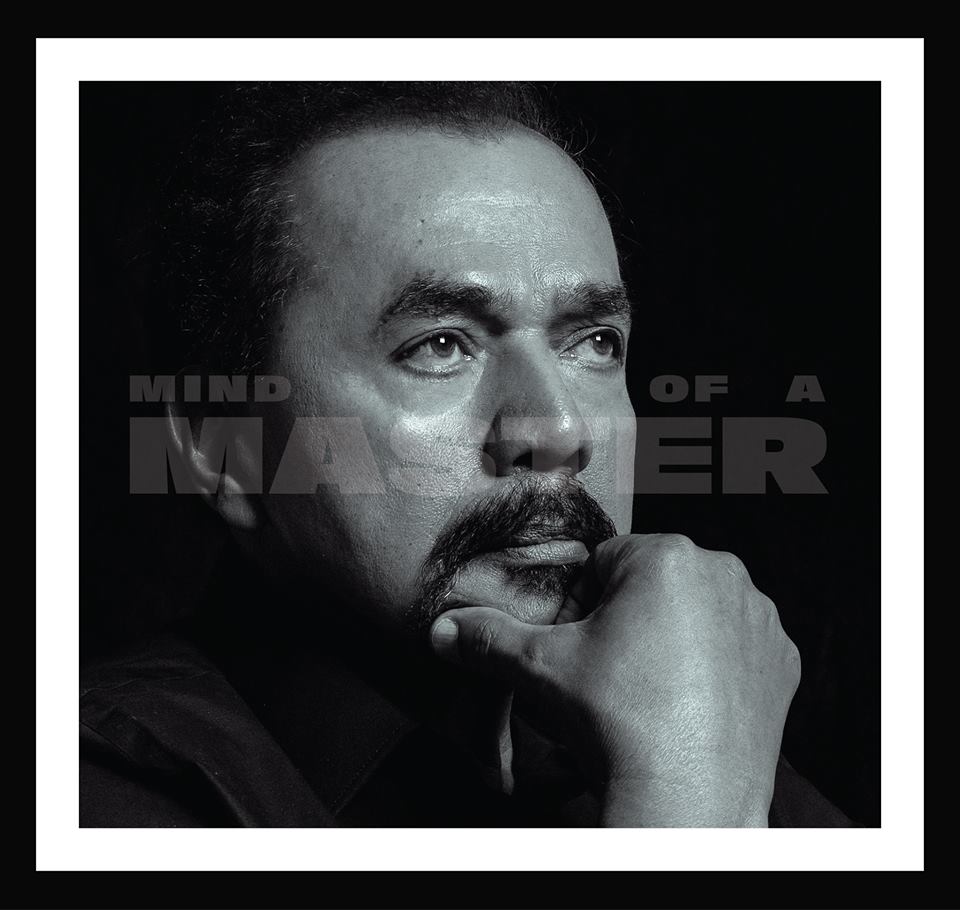
Bobby Valentin
Bobby Valentin

The new Latin Jazz Album “Mind of a Master” by Bobby Valentin & The LJ’s is the current sensation of the Latin musical Market containing important collaborations of international renowned figures in 11 tracks. Since its release this recording has marked a precedent with hundreds of unloads in four months by the world fans that support it and you will be able also to be part of that, by downloading “MIND OF A MASTER” in all digital platforms!!!

Release Date: April 14th, 2018

Credits:
Bobby Valentin Arrangements & Bass
Eliut Cintron Trombone
Angie Machado Trumpet
Ángel Luis Torres Alto – Sax
Eduardo Zayas Piano
David Marcano Battery
Javier Oquendo Congas
Special Guests:  
Iván renta Tenor – Saxo
José Nelson Ramírez Hammond Organ
Orlando Santiago String Sets
Tracks:
1. De Nuevo a la Carga 7.El Cumbanchero
2. Latin Gravy 8.Mellow Funk
3.Orocoa 9. Endless Love
4.Smooth Ride 10.Freedom
5.Blast Off 11. God Bless the Child
6. Coco Seco  


“Thanks to all the media and the public for the support they have given me in my new Latin Jazz CD, Mind of a Master”. Bobby Valentin


Roberto Valentin, better known as Bobby Valentin, was born on June 9th, 1941 in Orocovis – Puerto Rico. His father taught him to play the guitar at a young age. When he was 11 years old, he participated in a local talent contest with a trio that he had formed. He played the guitar and sang for the trio and they won the first place prize. In 1963, Valentin joined Tito Rodriguez and traveled twice with Tito’s orchestra to Venezuela. He also made musical arrangements for Tito and at times for Charlie Palmieri, Joe Quijano, Willie Rosario, and Ray Barretto.

Bobby was also the musical arranger for the Fania All Stars, and is featured in a live recording of the conglomerate’s song “Descarga Fania” (which he also wrote) playing a bass guitar solo. In 1975, He left Fania and founded his own record label “Bronco Records” and released the album “Va a la Carcel” Vol 1 and Vol 2, recorded “live” at “El Oso Blanco”, Puerto Rico’s oldest state penitentiary.

During the years Valentin has been featured in recordings (and occasional live performances) by Larry Harlow, Ismael Miranda, Roberto Roena, Cheo Feliciano and the always remembered, Celia Cruz.

For more information contact him through this social channel: https://www.facebook.com/Bobby-Valentin-660486604066057/ or visit him in his official webpage: http://broncorecordsinc.com/


Video: https://www.facebook.com/660486604066057/videos/1325583834222994/

 

The Dudamel | Father and son

Latin America / Venezuela / Caracas

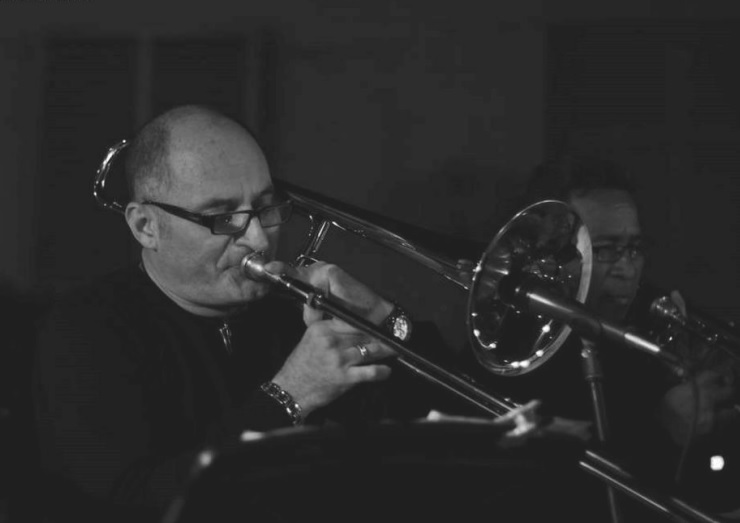
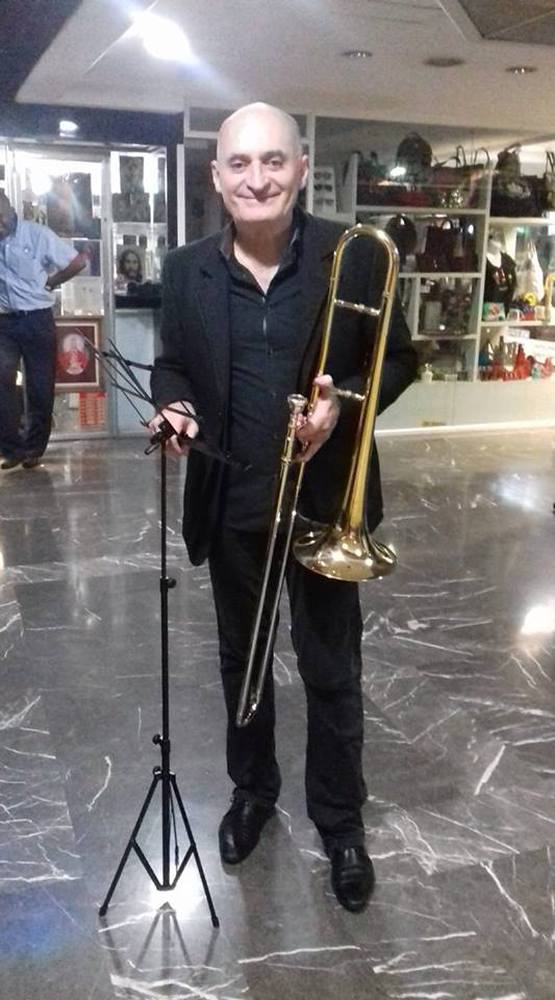
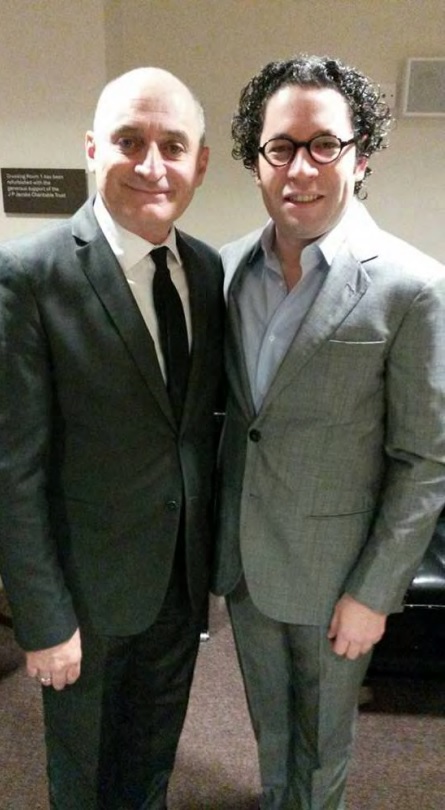
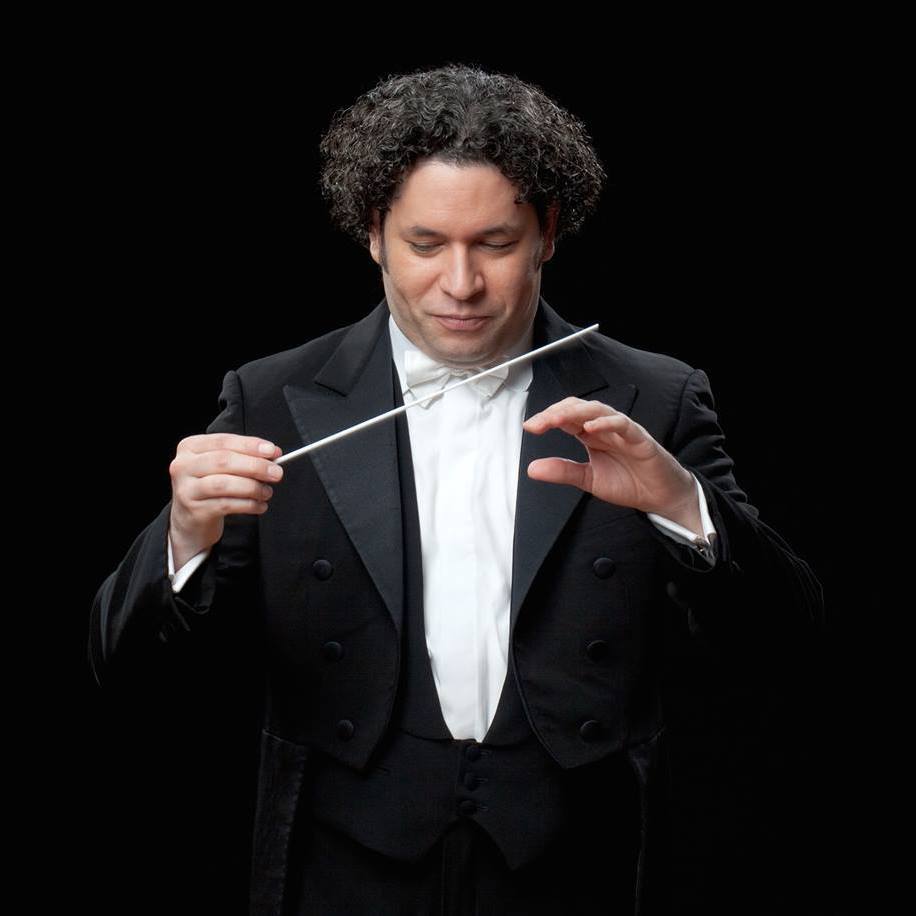
Oscar Dudamel, the father of Gustavo Dudamel, director of the Los Angeles Philharmonic Orchestra and the Simón Bolívar Orchestra of Venezuela, has been a musician for many years. Every Friday and Saturday, he receives applause from the public in the place where he plays the trombone since a small stage with “La Otra Banda de Dudamel” the Agraz ensemble, a salsa group whose main course is the songs of the duo made famous by Héctor Lavoe and Willie Colón.

Dudamel Padre e Hijo
Dudamel Father and Son

On Sundays, Oscar Dudamel has to be on the other shore and applaud standing up, as parents do, swollen with pride at the talent of their son who, with baton in hand, conducts a world-renowned Symphony Orchestra and if he think about it, his musical vein germinated from the brass bands of charanga, salsa and guaguancó.

After 10 at night it is difficult to find a place in “The Temple of Salsa”, the tickets are not sold out, but the tables and the best stalls of this place located on 7th Street that crosses Bolivar Avenue in Maracay, there fanatics and amateur dancers meet. of salsa and logically admirers of Héctor Lavoe and Willie Colón

Oscar Dudamel on the trombone is accompanied by Charly Guzmán, a talented young man who, at just 18 years old, shows the gifts of his voice; Oswaldo Agraz (musical director, piano and backing vocals), Gerardo Vargas (bass), Vicente Guzmán (timbale), Júnior Narváez (bongo), Diego Camus (conga and backing vocals), Ventura Prieto (trombone) and Johan Figueroa (alternate trombone). It is about the same format, instruments and identical distribution (the trombones next to the vocalist) of the orchestra that captivated him.

Dudamel father playing trumpet

And it is that music often also enters through the eyes, as Oscar Dudamel says, who knew he wanted to be a trombonist when he saw Willie Colón at La Feria de la Alegría holding his instrument while puffing out his cheeks, in that In this way, it is known that the first approach of the today brilliant, young and valued Orchestra Director Gustavo Dudamel to music, was not appreciating the Tchaikovsky that he likes to conduct so much, on the contrary, it was appreciating the music that came out of the trombone of his beloved dad.

The previous June, Oscar paid homage to Hector Lavoe as usual, for commemorating years of his death. “Héctor Lavoe died on Monday, June 29, 1993 at 11:45 in the morning”, an event that he remembers with the accuracy that sad events mark, but despite the pain, with satisfaction and pride, he mentions that his son Gustavo de Only 29 years old, before entering the stage he repeats a special ritual: “Before entering New York to direct, someone asked Gustavo: ‘“Master, what are you listening to? Tchaikovsky? and Gustavo replied: ‘No, Tito Rodríguez because he gives me swing'”.

If someone were to say that Gustavo Dudamel owes a debt to Willie Colón and Héctor Lavoe for his vocation as a musician, he would not be wrong, or acknowledge his father, who has often referred that his son’s versatility is due to the fact that he always listened to popular and classical music. . “I listened to more salsa than Beethoven, that’s why it has so much rhythm,” he says with a laugh.

Dudamel Padre
Dudamel Father

“I am his number one fan. He fulfilled the goals that I, due to various circumstances, could not fulfill, he made the dream that I wanted come true. He has reached where I would have liked”, reveals the father, who sees in his son an extension of his, “ .

In a life marked by music, a soundtrack for falling in love could not be missing. It was during the visit of El Gran Combo de Puerto Rico to Barquisimeto in the late 1970s that Oscar noticed Solange Ramírez, his wife and Gustavo’s mother; Today, 30 years later, when Falsaria sounds in Maracay, the song leads him to remember that indelible moment.

Gustavo Adolfo, as his mother calls him, began playing the güiro before he was four years old; later he would build his own battery out of biscuit tins and safety helmets.

Dudamel Padre e Hijo photo
Dudamel Father and Son photo

Gustavo received his first knowledge of music from his father, who was then a trombonist with the Lara Symphony, who had plenty of passion to play and lacked patience to teach. He wanted to be a trombonist, like his father, but his small arm could not reach the instrument.

“I imagined that Gustavo was going to be a musician,” he says. “I told him: ‘You have to be the best or among the best and never lose your principles or forget where we come from.'”

At the age of seven Gustavo played the timpani with La Banda Actual and at the age of nine he arranged for this salsa orchestra in which Oscar played for 16 years and with which he met again after many years.

Gustavo Dudamel
Gustavo Dudamel

Gustavo decided on the violin, an instrument that adjusted to his size, and at home, father and son had the habit of studying while walking. There were times when one would bend down for the other to pass, so that the slide of the trombone and the bow of the violin would not trip over each other. However, popular music and academic music finally made their own meeting.

Oscar does not shake his hair, but he inflates his lungs with force and from that mouth-to-mouth breathing with his instrument, he manages to get the best out of it…. The father speaks of his salsa orchestra with the same pride that the son (Gustavo) does of his classical musicians.

Spanish Harlem Salsa Gallery & Johnny Cruz: ¡Que viva la Salsa!

North America / USA / California

Spanish Harlem Salsa Gallery & Johnny Cruz: ¡Que viva la Salsa!

A private collection that was built over four decades has opened its doors to the public in El Barrio, New York, becoming the only permanent exhibition dedicated to salsa and its heritage

Johnny Cruz Photo
Johnny Cruz Photo

By Carmen Mercedes Aular

With the magic and passion of Johnny Cruz as host, Spanish Harlem Salsa Gallery opened its doors to the New York community and the world a year ago, after 5 years of starting as a private gallery for an exclusive audience.

Spanish Harlem Salsa Gallery

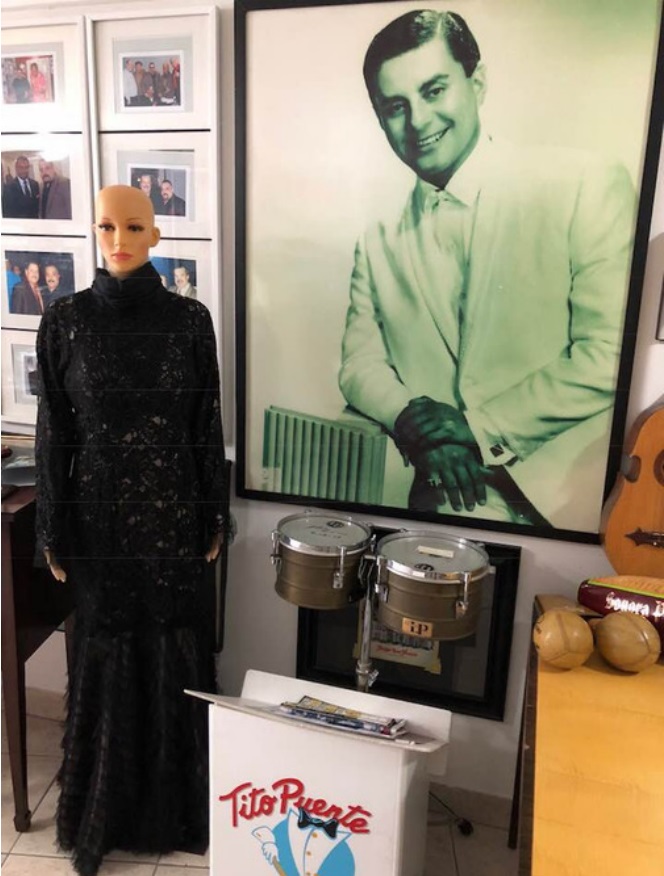
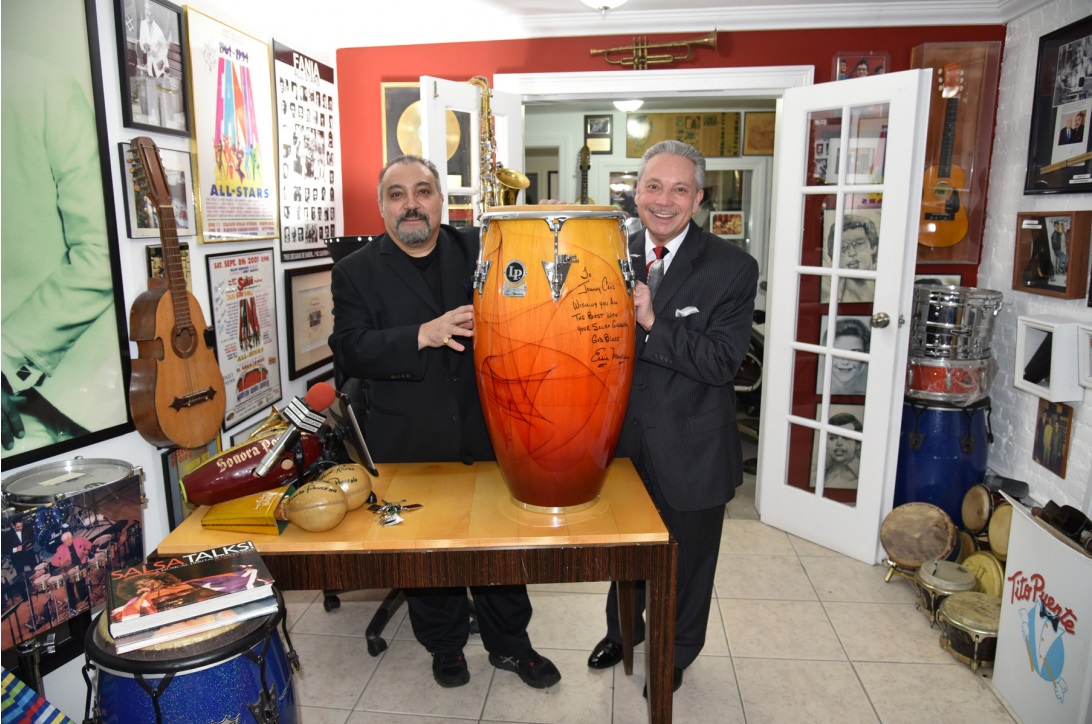
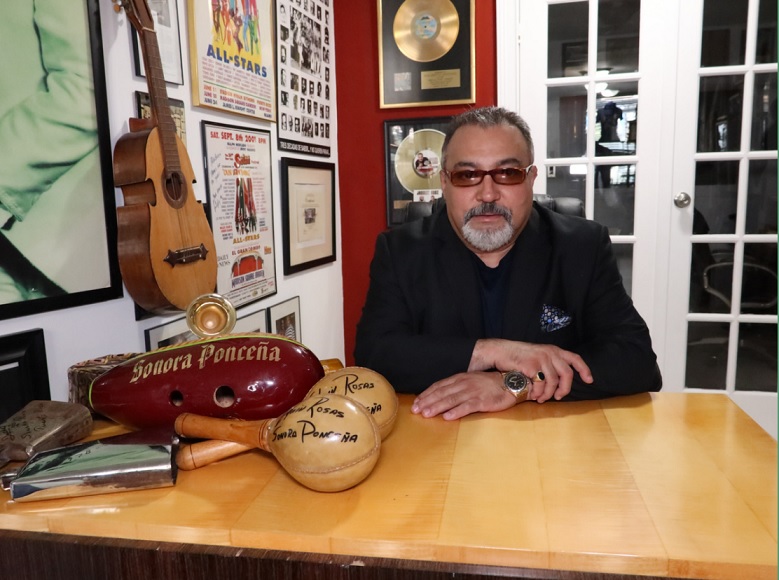
In this extraordinary place are exhibited 40 years of music, experiences and memories that now everyone can relive and consequently know the history behind each instrument, behind each object that rests in this immaculate space and carefully organized by Cruz. The collection includes instruments, pictures, newspapers, clothing and several gadgets donated by great musicians of Latin music.

Must share the good things

The initiative to bring the VIP experience to more people was conceived by Johnny Cruz to realize the positive impact that the gallery would have on the community of El Barrio and the way in which, through it, he could get more involved with schools from the neighborhood. The goal is to continue teaching children and adults the history of Latin music and show them how music is part of history and culture, and how it’s also part of El Barrio.

Spanish Harlem Salsa Gallery Photo

Cruz hopes to tell the story of each element of the gallery to anyone who wants to listen, and continue to increase the collection with donations from the stars of Latin music. Anyone interested in the history of music can learn something new and continue to share this information with other people so that the successes of these artists are never forgotten and kept alive in the collective memory.


In the near future, they hope to carry the information from the gallery to schools and universities in New York. In addition, they are working to collect resources to expand the collection and preserve exposure in the best and safest way possible, and become a source of employment for the community.


What awaits you at SpaHa Salsa Gallery?

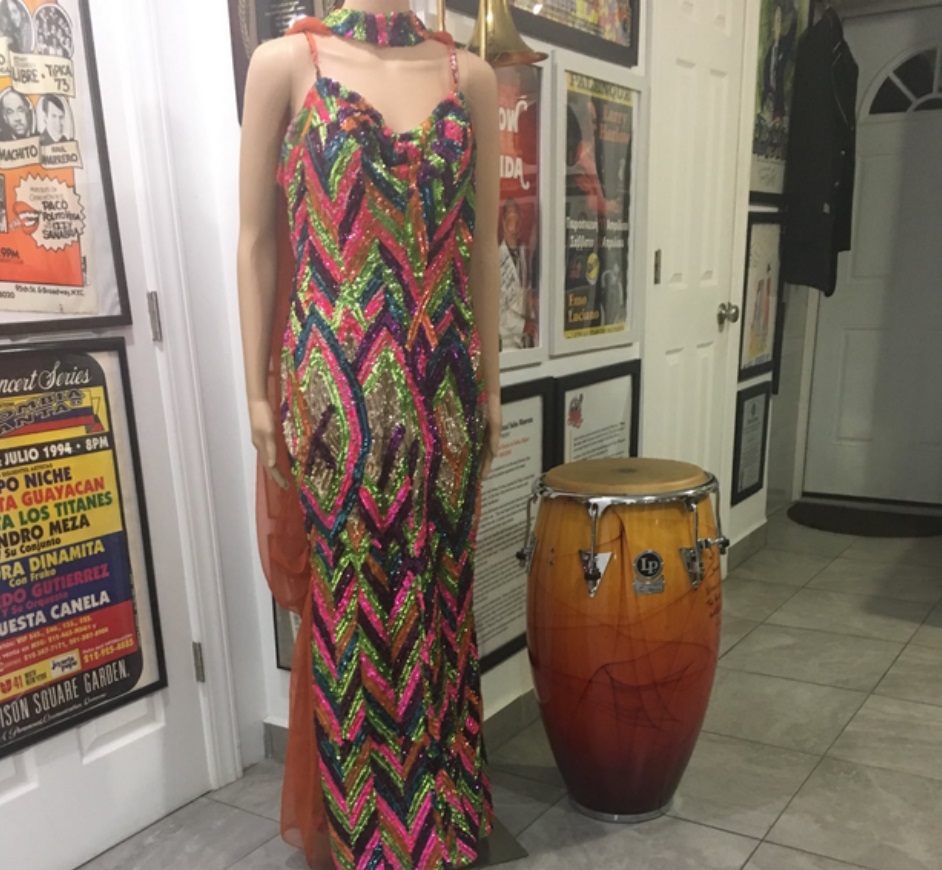
At 1708 Lexington Ave NYC, you can find a wide variety of instruments, costumes, and other items from top artists of Latin music. One of the pieces of more recent data is the costume used by Sophy from Puerto Rico, in the tribute concert to Rafael Hernández at the Center for Fine Arts of Puerto Rico.

Photo by Spanish Harlem Salsa Gallery

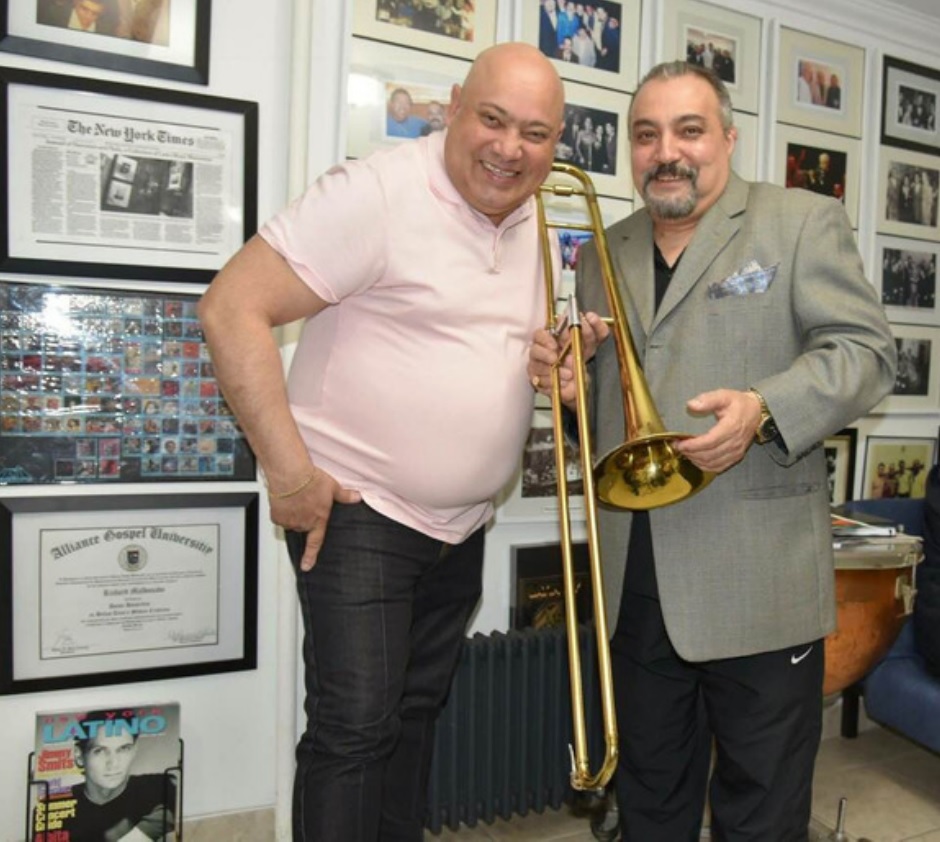
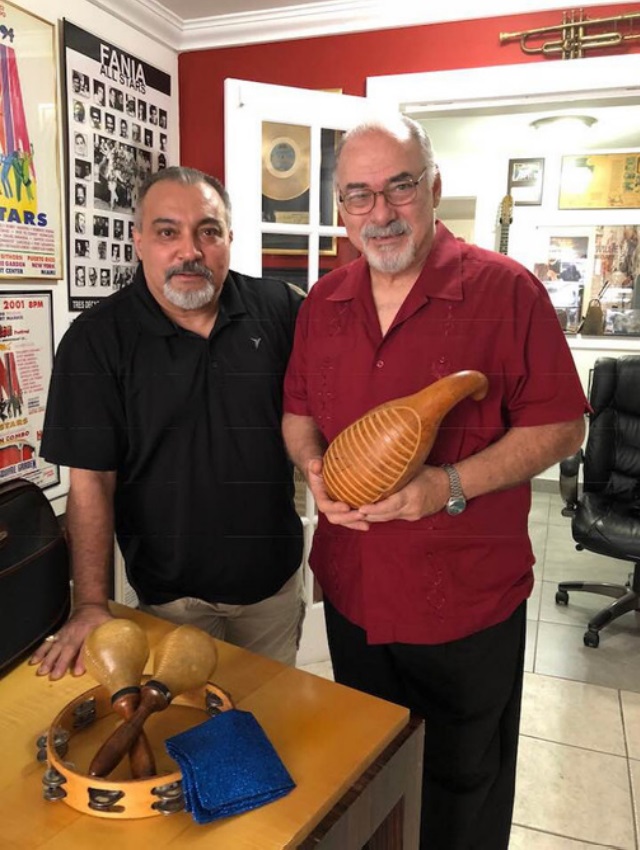
The great Eric Vélez supported the gallery by donating the congas that are in the permanent exhibition. You can also appreciate the tuxedo that Adalberto Santiago used in his 55th anniversary concert and a Bobby Cruz costume. A piece that you definitely have to watch is the colorful and vibrant Celia Cruz’s dress. Mike Rodriguez donated his güiro, maracas and tamboril. Willie Álvarez’s trombone also rests in this exposition.

Spanish Harlem Salsa Gallery photo 4

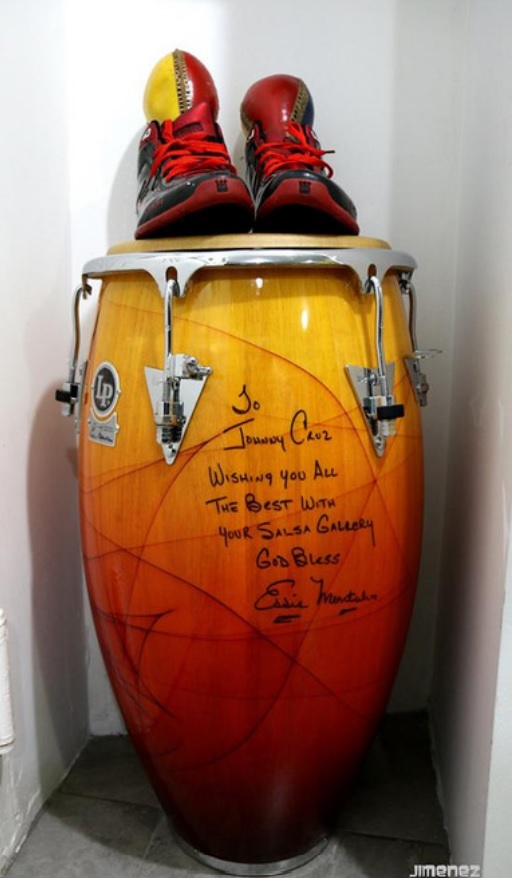
Tourists and locals can learn about the history of objects belonging to musicians of La Fania All Stars or La Sonora Ponceña, the shoes of Héctor Casanova perched on the congas of Eddie Montalvo and numerous pieces full of anecdotes that will always, very gladly, share their host. The commitment of the gallery, and Johnny Cruz, is reaffirmed every day with donations of great glories that have a single purpose: to keep the music alive.

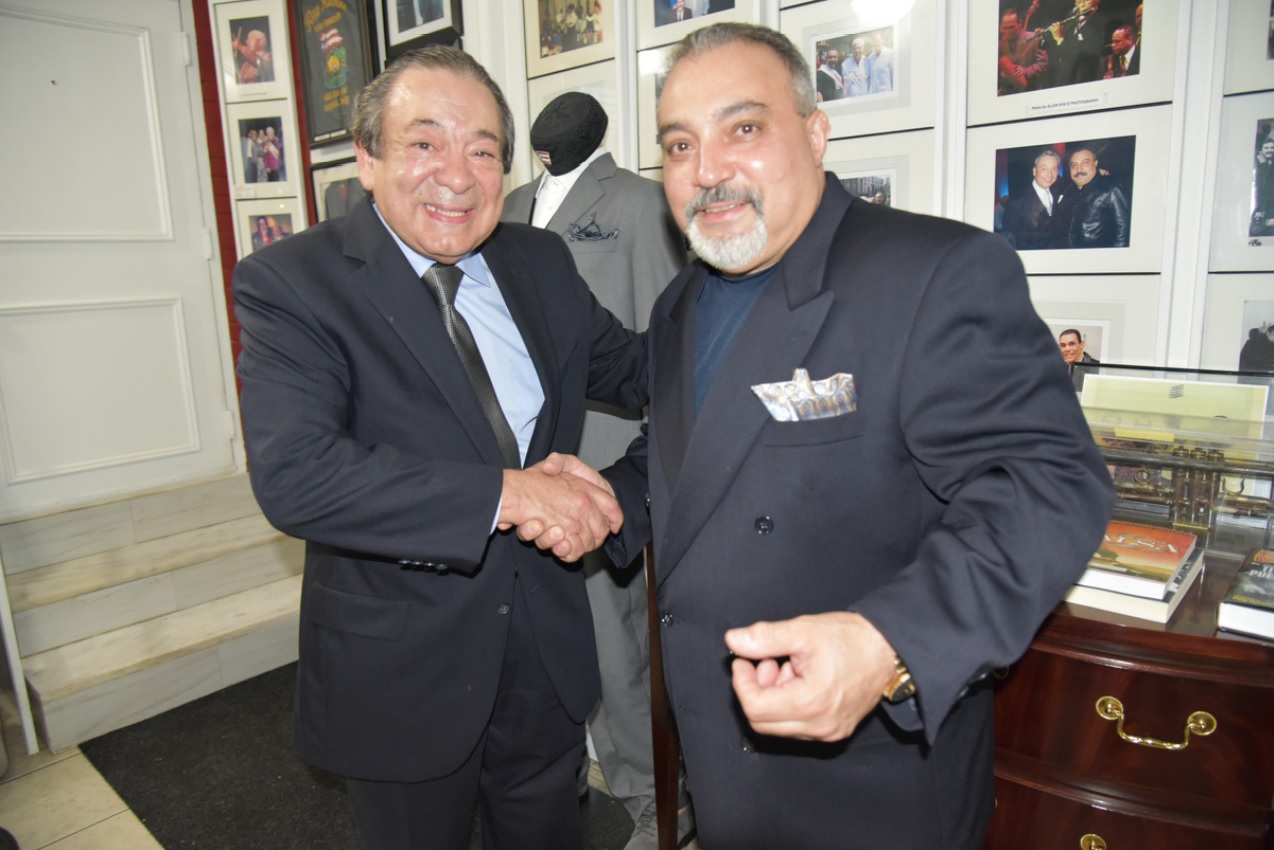
Eduardo Guilarte and Johnny Cruz

Soon, you will have access to the membership of the SpaHa Salsa Gallery, with which you will get information about the events before the general public and discounts in a wide network of restaurants in town, among other benefits, as a way to promote the gallery and obtain funds for its expansion and maintenance.

Within the gallery’s events programming for this month is Pablito Rosario and Cachete Maldonado’s visit, a celebration for Governor Andrew Cuomo for his triumph in the primaries vote in the state of New York, and another for Assemblyman Roberto Rodríguez, who has the support of the Latino community in the area where SpaHa Salsa Gallery lives. Moreover, Nicky Marrero, musician of the Fania All Stars, will donate the timbales he used recently in a tribute to Celia Cruz, so you can meet him in the gallery; on that day, he will be signing the instrument to formally deliver it to the collection.

Spanish Harlem Salsa Gallery photo 3
Drum - Photo
Drum – Photo

The gallery is open to the public from Wednesday to Friday from 4:00 pm to 7:00 pm, and Saturdays from 1:00 pm to 8:00 pm at 1708 Lexington Ave. NY 10029 (El Barrio).

You can get more information about events, membership and donations by calling 917-747-8505.


About the precursor of the initiative

Johnny Cruz has a history of 40 years in the world of Latin music, during which he has been collecting musical instruments. In the last 5 years he created Spaha Salsa Gallery in El Barrio in New York City and a year ago he shares it with friends, contacts, tourists and the community.

Adalberto Santiago flyer

He has been a percussionist for the last 40 years and is passionate about music, singing it, producing it, composing it, telling it, living it today and keeping it alive forever. He has worked closely with some of the most outstanding Latin musicians in the business throughout his career and has been honored with a variety of awards over the years.

Photo by Johnny Cruz with more music instruments

At this time, he produces a public access television program for mnn.org called The Windows of Latin America. The program has been on the air weekly for 20 years, and it is the only TV space in New York where salsa is broadcast.

Jhonny Cruz and Adalberto Santiago

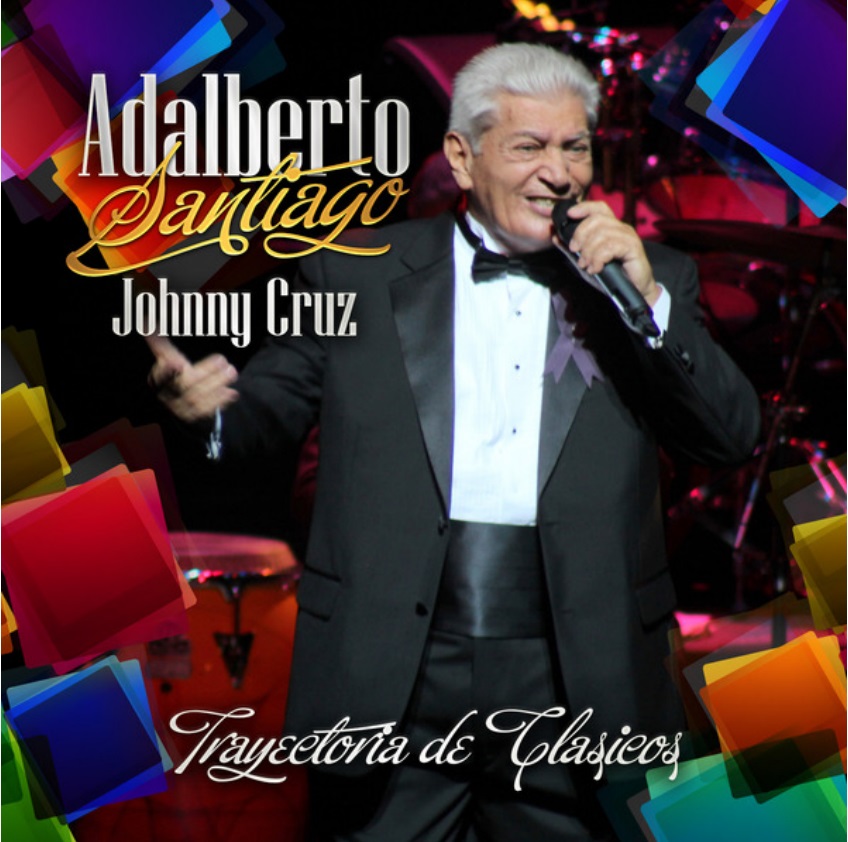
In a few days he will be premiering a collaborative production with Adalberto Santiago, with songs that recap his musical career of more than six decades and have the admiration and gratitude of Cruz. Within the framework of this launch, there will be an event in which great Latin music personalities will meet again at the Spanish Harlem Salsa Gallery to share a fun time with fans and friends.


Since the beginning of this trip, his desire has been to create a space for the community. Sharing these artifacts is their way of giving back to a community that they have had the pleasure of being part of for many years, a bit of their culture and their heritage for the world.

Johnny Cruz
Johnny Cruz

The great ‘Soneros Summit’ in Barranquijazz – Courtesy of Radio Nacional de Colombia

Latin America / Colombia / Barranquilla

Courtesy of Radio Nacional de Colombia of the Barranquijazz  2018 for International Salsa Magazine.

This is how the great ‘Cumbre de Soneros’ was lived in Barranquijazz this 15th of Sep-2018.

In a special gala that included the participation for the first time of the Antonio Arnedo Quintet, a determining musician in the languages ​​of Colombian jazz, in which he magnificently managed to introduce the public on a journey through the traditional sounds of the different regions of Colombia under that concept that has come to be known as World Jazz, the atmosphere was warming up for the enjoyment of one of the most vibrant nights of Barranquijazz 2018.

Photo of The great Soneros Summit in Barranquijazz

The first of the protagonists of the summit to go on stage was Hermán Olivera, the so-called ‘Sonero of the 21st century’, who demonstrated that he is indeed “the bridge between yesterday and today”, as he says in one of his proclamations in ‘ The heir to flavor’, a piece included on his solo album ‘La voz del Caribe’, a nickname given to him some time ago by Eddie Palmieri, the leader of the orchestra in which Herman has been a member for more than 20 years.

Then it was Ray de la Paz’s turn, who raised the level of the public’s enthusiasm after performing the greatest hits of his career, achieved together with the late arranger and conductor Louie Ramírez. The New Yorker exhibited his powerful voice with the pieces: ‘Everything collapsed’, ‘Only you and I’, ‘Liar’, ‘Let’s go from here’ and ‘Being in love’.

Later, the ‘Pretty Boy’ Ismael Miranda was present. In his greeting to the public he mentioned: “We saw that they did some brutal Olympics and the world found out”, referring to the Central American and Caribbean Games recently held in the arena.

Photo of the artists at the great Soneros Summit in Barranquijazz

Miranda performed ‘Caretas’, ‘The corners are’ and ‘Don’t tell me it’s too late’. For the closing, Ismael Miranda called Ray de la Paz and Hermán Olivera to the stage, and together they inspired their best soneos, wasting their talent on the song ‘Abran Paso’.

With this show of the highest level, Barranquijazz closed its cycle of galas.

By: Robert Tellez.

More information:

https://www.radionacional.co/noticia/musica/asi-se-vivio-la-gran-cumbre-de-soneros-barranquijazz

Edwin Ortiz Y La Mafia Del Guaguancó is present in ISM

As all our readers already know, this section is always looking for the best Latin talents to give them the exposure they deserve and today is the case of New York producer and musician Edwin Ortiz, who was kind enough to share a bit of his story with us.   

Edwin is an artist who was born in the East Harlem section of New York, where he began his musical career with the full works and spent most of his life, but left that city with his pregnant wife to raise their son in a different environment. It was there that they moved to Washington DC, where the musician has continued to live and pursued his career to this day. 

Below, we will provide more info about the artist’s career during these moments and how he managed to become the great bandleader and musician he his today.   

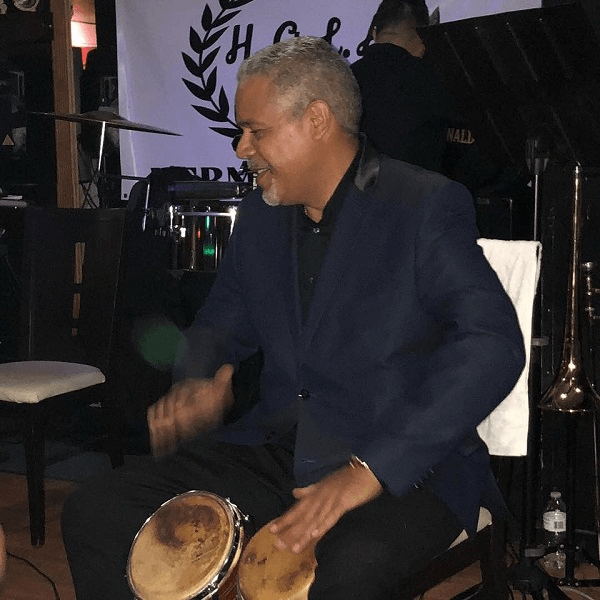
bongo player Edwin Ortiz
Bandleader and bongo player Edwin Ortiz kindly talked to us about his interesting career

Edwin’s music education   

Just as other great musicians, Edwin studied at the prestigious Johnny Colon Music School, the institution in which he learned a lot of what he knows today. His first lessons are focused to teaching how to play the flute alongside Mario Rivera, which can be said to be the first contact the young man had with music. However, it was not this instrument that would capture his attention, but the bongo. 

His brother Edgar Ortiz was an acclaimed bongocero in the Orquesta Las Siete Potencias and the Tito Puente Orchestra, so Edwin already had a lot to learn from. However, it was with acclaimed percussionist Manny Oquendo with whom he turned professional and decided to dedicate himself fully to the bongo as his main instrument, to the point that it is the only one he still plays today.   

Outside of his work as a musician, Edwin is in charge of everything about the management of his most recent orchestra Edwin Ortiz Y la Mafia del Guaguancó.   

Edwin Ortiz Y La Mafia del Guaguancó   

Before even thinking about founding his own orchestra, Edwin was involved in a number groups of different genres throughout the Washington DC Metro area, whose main genre was cumbia at the time. In that sense, the artist wanted a change in his style and to do something different from what he was playing at the time, although he knew it was ging to be hard.    

His big break came when the director of the band he was in at the time was going to move to the state of Florida, so he left Edwin in charge of the group in order to make the changes he believed were pertinent. That is when he took the opportunity to introduce salsa, a genre he had always been passionate about, in the metropolitan area with the resources he had on hand at the time. He invested in some 25 salsa arrangements and released a new version of the classic ”Olga Y Margara”, which was the first of many hits to come for his career. 

Edwin toca el bongó
Edwin playing the bongó live

Later, when he was finally creating an orchestra of his own, he took pains to find the best musicians possible, many of whom were recommended by friends and seen playing by Edwin himself. However, he would soon realize that the best musicians were not necessarily the best pieces he required for his band, which made him change his approach a bit when choosing the team that would accompany him in his project.   

At first, the project was called Orquesta La Romana, but it was not long before Edwin decided to call it ‘‘Edwin Ortiz y La Mafia del Guaguancó’’. This change was due to the fact that Bobby Quesada, a musician whom Edwin greatly admired, had an orchestra with the same name, but it had already disbanded by that time. He always liked the name ”La Mafia del Guaguancó” so he gave it to his own group. He knew how risky this move was and the displeasure of some of its members with the change, but fortunately it was worth it.   

Today, the musicians of the orchestra are affectionately known as ”the mafiosos” in the Washington DC Metro area, so this has become part of the band’s identity.    

Diferente A Las Demás 

One of their most recent musical works is entitled ”Diferente A Las Demás” and it is a tribute to women that was released in March, the month dedicated to them.    

With respect to this song, Edwin was telling us that he and his partner and the lead singer of the band Vivian Mojica had the opportunity to meet the talented musician Héctor Luis Pagán, who kindly invited them to his home and shared with them part of his repertoire, including the song ”Diferente A Las Demás”. Edwin loved it since the first time he heard it and Pagan gave it to him with pleasure. That is how the orchestra got down to work and recorded their own version of the song. 

Edwin y Vivian
La Mafia del Guaguancó vocalist Vivian and Edwin Ortiz

The first thing the bandleader did was look for the right arranger for it, who was Ramón Sánchez, and the producer he had always wanted to work with, Isidro Infante, whom Edwin has known for more than 30 years. 

Then came the recording, mixing and remastering. In the end, the chosen date was 1 March of this year as a tribute to International Women’s Day, achieving a result that made everyone in the orchestra very happy. 

Read also: Vocalist of La Moderna Tradición Eduardo Herrera and his fascinating story 

  • « Go to Previous Page
  • Page 1
  • Interim pages omitted …
  • Page 40
  • Page 41
  • Page 42
  • Page 43
  • Page 44
  • Interim pages omitted …
  • Page 116
  • Go to Next Page »

International Salsa Magazine (ISM) is a monthly publication about Salsa activities around the world, that has been publishing since 2007. It is a world network of volunteers coordinated by ISM Magazine. We are working to strengthen all the events by working together.