• Skip to primary navigation
  • Skip to main content

International Salsa Magazine

  • HOME
  • Previous editions
    • 2026
      • ISM / March 2026
      • ISM / February 2026
      • ISM / January 2026
    • 2025
      • ISM / December 2025
      • ISM / November 2025
      • ISM / October 2025
      • ISM / September 2025
      • ISM / August 2025
      • ISM / July 2025
      • ISM / June 2025
      • ISM / May2025
      • ISM / April 2025
      • ISM / March 2025
      • ISM / February 2025
      • ISM / January 2025
    • 2024
      • ISM / December 2024
      • ISM / November 2024
      • ISM / October 2024
      • ISM / September 2024
      • ISM / August 2024
      • ISM / July 2024
      • ISM / June 2024
      • ISM / May 2024
      • ISM / April 2024
      • ISM / March 2024
      • ISM / February 2024
      • ISM / January 2024
    • 2023
      • ISM / December 2023
      • ISM / November 2023
      • ISM / October 2023
      • ISM – September 2023
      • ISM – August 2023
      • ISM July 2023
      • ISM Edition June 2023
      • ISM – May 2023
      • ISM April 2023
      • ISM March 2023
      • ISM February 2023
      • ISM January 2023
    • 2022
      • ISM December 2022
      • ISM November 2022
      • ISM October 2022
      • ISM September 2022
      • ISM August 2022
      • ISM July 2022
      • ISM June 2022
      • ISM May 2022
      • ISM February 2022
      • ISM January 2022
    • 2021
      • ISM December 2021
      • ISM November 2021
      • ISM October – 2021
      • ISM September 2021
      • ISM August 2021
      • ISM July 2021
      • ISM May 2021
      • ISM April 2021
      • ISM June 2021
      • ISM March 2021
      • ISM February 2021
      • ISM January 2021
    • 2020
      • ISM December 2020
      • ISM November 2020
      • ISM October 2020
      • ISM September 2020
      • ISM August 2020
      • ISM July 2020
      • ISM June 2020
      • ISM May 2020
      • ISM April 2020
      • ISM March 2020
      • ISM February 2020
      • ISM January 2020
    • 2019
      • ISM December 2019
      • ISM November 2019
      • ISM October 2019
      • ISM Septembre 2019
      • ISM August 2019
      • ISM July 2019
      • ISM June 2019
  • Spanish
  • Download Salsa App
    • Android
    • Apple

Search Results for: New York

Salsa singer Angel Rumba and what he has to say

Interview with Angel Rumba

Angel Manuel Ramos Sanchez, better known as Angel Rumba, is a New York singer of Puerto Rican descent with whom we had the great opportunity to talk about several issues of importance such as the beginning of his career with Pancho Bongó Y Su Orquesta, his debut as a soloist, the meaning behind his lyrics, among other things. It is a pleasure for us to have talked with this Latin talent and to bring the story to all our readers of International Salsa Magazine.

Angel Rumba tells us his story

His beginnings

Ramos Sanchez was born in New York City in the 1980s, when there was a well-established salsa movement in New York City and the United States in general. Evidently, little Angel could not be left out of this trend, especially if we take into account that through his veins ran Latin blood.

In addition, his father was a singer, musician and guitarist, so he always listened to salsa, merengue, bolero and other genres at home. It was at the age of seven when he started playing güiro, bongo and conga due to the curiosity generated by his father’s work, who spent a lot of time teaching his son to play as many instruments as possible.

In 1992 when Angel was 12 years old, he started playing with an orchestra called Projecto 3 in the city of Allentown, which represented his first opportunity to be on stage and show his face to an audience waiting to see what he could offer. It could be said that this was the beginning of what would become his life’s work.

Moving to California and Pennsylvania

Given that Angel’s father was a truck driver, the family had to move around a lot until 2003, the year in which he moved to Puerto Rico and lived there for three years. In 2006, he moved permanently to Pennsylvania, where he has been living until today.

Angel Rumba performing on stage

Release as a solo artist

When asked about his release as a solo artist, Angel stated that ”my beginnings were with merengue, but salsa always fascinated me because I really liked soneros such as Ismael Rivera, Gilberto Santa Rosa, El Canario and many more. I saw them improvising on stage and I always wanted to do the same.”

In 2014, he was given the chance to belong to the group Pancho Bongó Y Su Orquesta, which he was a member of for more than seven years until he wanted to make his own project in 2020. He felt he had the experience and took all the necessary stages to get to that point. In addition to that, being subject to command of a musical director greatly limits the creativity of the artists and the New Yorker singer no longer felt comfortable with what he was doing at that time.

The singer is also a composer and was not allowed to play his own music with the orchestra, which also led him to seek new horizons and, in turn, record his first solo track.

While acknowledging that this was no easy decision, he says that he has no regrets about it and all that he has been given from then until now has been a blessing for him and his family.

Obstacles during his solo career

On this subject, he confessed that many of his orchestra fellows were not happy with his decision to leave the group and he even felt that certain figures tried to put obstacles in his way so that he would not succeed in the way he wanted to. This is one of the reasons why he prefers not to show so much about his work and future projects to the public to avoid problems.
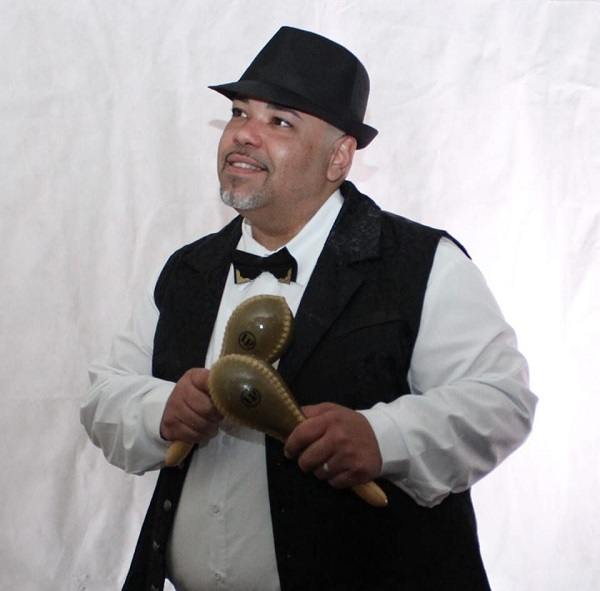
Angel Rumba in a photo shoot

”Mi sentimiento En Rumba”

The process of making this album was not easy, since the artist had to knock on many doors until making contact with Rafael Lozano, who arranged the first song ”Sin Un Amor”. This was a cover of a song by Los Panchos, so we can say that it is a tribute to the group in a totally different genre.

We went looking for musicians from several countries to work with u among whom was Angel Guzman, who plays trombone, baritone, saxophone, trumpet and many more. He also told us about sound engineer José Guerrero, who makes the mixing and mastering of the songs.

The album includes six songs composed by Angel himself and three that were adapted such as ”Perfidia” in a bolero version as a gift for fans of musical trios.

In total, the whole project has two merengues, two boleros and the rest are salsa songs.

Angel Rumba's last album ‘’Mi Sentimiento En Rumba’’
Angel Rumba’s last album ‘’Mi Sentimiento En Rumba’’

Salsa in a market dominated by trap and reggaeton

”Every genre has its audience and every artist has his fans” was what the singer answered when asked about the challenges facing a salsa singer in these times. With this, he shows that it does not bother him in the least that there are more popular genres than salsa and that every artist could have a strong fan base without this meaning involving damage to another one. He says that he will continue to create music with his favorite rhythms in spite of passing trends.

One thing he did emphasize is that there should be more artists who focus on writing and creating original music instead of doing so many covers. A lot of creativity is needed.

The importance of continuing to promote romantic love in the lyrics

The salsa exponent says that it is very important that music continues to promote romantic love and bring positive messages because unfortunately there are many genres focused on negative stuff such as disrespect for women, drugs, violence and much more. The salsa singer seeks to make his contribution to creating a better society in these hard times.

”The lyrics of the songs have always influenced society because their meanings anchor in the minds and the message endures” said Angel about this issue.

Read also: Are we really what we listen to?
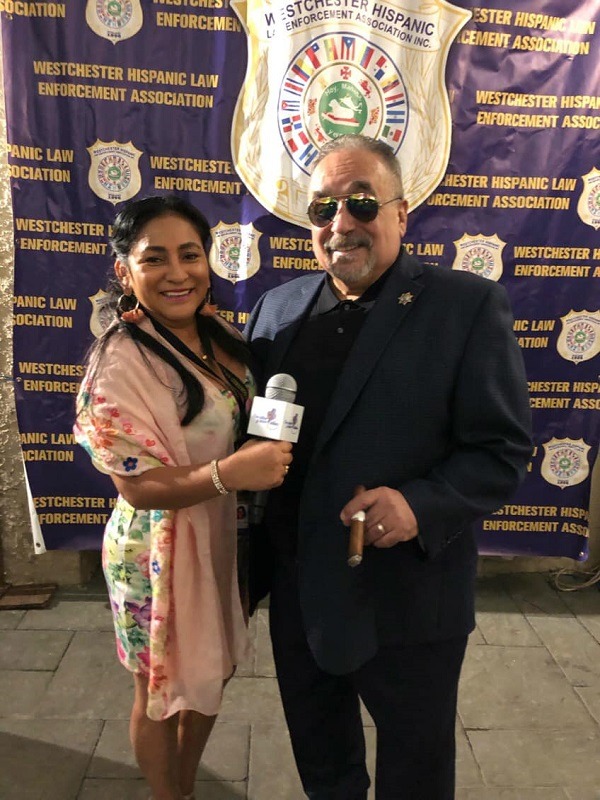
Broadcaster and host of Con Sabor Y Amor Latino Tatiana Mezarina

We talked with announcer Tatiena Mezarina

The world of broadcasting is of utmost importance to the promotion of Latin music and today we are talking to one of its greatest exponents. We are talking about Peruvian broadcaster and host of the show ”Con Sabor Y Amor Latino” Tatiana Mezarina, who very kindly agreed to talk to us about her career and current projects.

Tatiana Mezarina next to Willie Colón

Tatiana began by thanking us for inviting her and telling us how she became interested in the world of radio. All this enthusiasm for this interesting world of communication began since she was very little in her native Peru, at which time she worked as a school correspondent for one of the most famous newspapers in Latin America, ‘‘El Comercio”. On the radio, she began on the radio station Radio Libertad, specifically in a program show ”Viva Juventud”.

Since a very early age, Mezarina was very involved on all types of media, both print and audiovisual. Then, she had the opportunity to work in television with a show dedicated to music called ”El Mañanero”, which was in charge of broadcasting all kinds of artists and rhythms in her country.

When he started working for ”Canal Global”, he received a scholarship to study Communication Sciences in Germany and worked in German media such as Deutsche Welle and Berlin Channel. Both there and in the United States, she has had many shows linked to social causes and dedicated to informing her listeners about important issues.

Tatiana Mezarina talking to Luis Enrique

How ”Con Sabor Y Amor Latino” started

In the case of her most recent project ”Con Sabor Y Amor Latino”, Tatiana wanted to work on all these issues and give a friendly voice to help Latinos living in the United States so that they know that we are the largest ethnic minority in this country, so we should not be harassed by anyone. At the beginning, this show sought to keep the Latino community informed, but as time went by, it also wanted to offer good music. This is how Tatiana began inviting Latin artists from all over the world and of all musical genres, but she always had a special tendency to salsa because it is her favorite type of music.

In September 2019, the announcer decided to create ”Con Sabor Y Amor Latino”, a name inspired by how delicious Latin food is and how loving much of us Latinos are. This was her first project of this type since arriving in New York and arose from the need for Latinos to have a window through which they could communicate in their native language and feel comfortable to express themselves.

Music has been very important as dancing and joy are part of our identity. Music is part of our DNA and salsa has always identified with the Latino.

Is academic training important for communication?

Mezarina states that she has no problem with communicators without any training long as they do this job responsibly. However, she also argues that a person with training tends to offer a higher quality work, but this is not always the norm.

The communicator confesses that she herself took a radio and television course there in New York, which was aimed at people who had never done radio before, but wanted to learn about this profession. This is how she became interested in this branch of communication and is the one she currently works in.

”There can be all kinds of communicators, but it’s up to to everyone to decide who to follow and what to listen to,” says the announcer.

Tatiana Mezarina with Grammy-nominated Colombian percussionist Samuel Torres

Non-recommendable behaviors in communicators

When asked what behaviors which no communicator should have, Tatiana says that ”unverified information should never be disseminated. When we stand at a microphone, we have the responsibility to be careful with what we say because we reach thousands of people in a matter of seconds. If things are not done right, we confuse people and do not honor the truth.”

Future projects

As for her future projects, the communicator has said that she would never want Con Sabor Y Amor Latino to be cancelled, as she considers that much remains to be done from that platform. Unfortunately, she has been unable to dedicate 100% of her time to the radio show, but she hopes to be able to do so in the future. Similarly, he also hopes his content will be broadcast on one of the major television networks in the United States.

Meanwhile, the goal of Mezarina and her team is to keep the community informed on everything a Latino in the United States need to know to avoid inconveniences and to give publicity to artists from all genres who are unable to make their talent public through traditional radio stations and channels.

Tatiana Mezarina with commissioner of the NYC Department of Consumer and Worker Protection Lorelei Salas

Read also: The multifaceted artist Yamila Guerra and all her projects

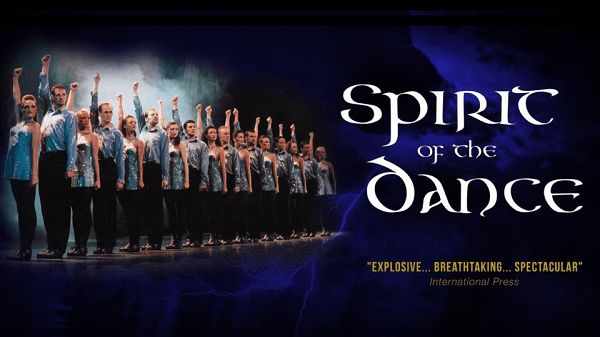
Spirit Of The Dance On Tour In 2023: A Wink To Their Fans

Experience the hard-hitting rhythms and pulsing energy of every thrilling moment in this intense production starting in January

Spirit of the Dance's debut was at Bristol Hippodrome Theatre in the mid-1990s.
Spirit of the Dance’s debut was at Bristol Hippodrome Theatre in the mid-1990s.

At a time when entertainment is at our fingertips, Spirit of the Dance returns to the UK stage with more soul, strength, and passion to celebrate its 26th anniversary as one of the most successful dance acts of the 20th and 21st centuries. This local tour will kick off at the Grand Theater Blackpool (January 18th), tour New Theater Royal (January 24th), and continue at the Princess Theater on Sunday, February 19th. Tickets are available now and range from £13 to £45. So now you can take your phone and write “Spirit of the Dance Tickets” and book your tickets.

This almost two-hour show by British producer David King combines the sensual Latin rhythms of Salsa, Tango, and Flamenco with the explosive footwork of Irish dance and other rhythms such as Street Dance, Hip Hop, Techno, Can Can, and American Tap.

The singers (Three) during the transitions will interpret great international classics by artists such as Adele and Céline Dion, among others, as well as Celtic hits.

The more than 350 dancers throughout the production present uncompromising precision and astonishing technique and skill in this high-octane show that borders between thundering feet performing as one and the audience vociferously demanding more.

This vibrant choreography of musical fusions has been acclaimed by more than 20 million people around the world and has packed theaters in a matter of hours since its inception in 1996.

So join the biggest dance sensation in history that celebrates 26 years as one of the most successful dance acts in the world, and mark your calendars now. See you there!

Do You Want To Know How It Was Done?

The shows on December 27th, 29th, and 30th were canceled in Spain.

I’m going to tell you everything. You see, David King is one of the most applauded English theater producers by the public and specialized critics in Europe, Oceania (Australia), and Asia. He owns the King’s Castle Theater in Missouri (USA), the Broadway Theater at the New York-New York Hotel & Casino on the Las Vegas Strip (USA), and is the Executive Producer of Spirit Productions, becoming in this way in one of the largest employers in the world of entertainment in the last two decades.

His first musical, Spirit of the Dance https://www.spiritofthedance.com/, was created in the spring of 1996 when David was in the worst financial situation of his life, he wanted to start in the music industry entertainment but was not assertive in any business. One day he accompanied his friend to see the musical Riverdance starring the Irish dancer and choreographer Michael Flatley. At the end of the show, he watched the audience go crazy and during that moment he thought: “I can do this.”

When he left the theater he returned to his house and began the development of the play. In just three months he wrote the plot and used pieces of music that he had composed during his youth. “With my last £100, I printed copies of the poster and sent them to cinemas across the country. The phone in my kitchen started ringing and people were like, ‘Get me this show! I had the right idea at the right time.” David expressed to international media.

However, he tried to raise the money to put on the show but was rejected by everyone, “no one had faith in me to invest. I knocked on so many doors my knuckles ached. But despite all the refusals and all the doors that were closed in my face, I kept going despite everything… I sold everything I had, including my car and the family silver. It was time to sink or swim, and I jumped in with both feet. My luck changed for the better when Michael Flatley announced that he was leaving Riverdance to start his own show. Everyone assumed Spirit of the Dance was his new show and opening night sold out in hours.”

By 1998 and up to 2006 there were already 14 different Spirit of the Dance groups performing in 14 countries simultaneously.

This theatrical production updates its program every year to include current dance styles, so fans and curious viewers return to see the musical on several occasions.

You Can Also Read: 6 Clubs To Dance Salsa In London

This is the story of Percussionist Joe González

Young Joseph

Joseph Gonzalez has been one of the greatest Latin percussion icons of our time and it is worth talking about his past and current accomplishments. He was born on March 12, 1953 in the San Juan Hill section of Manhattan and grew up in a mixture of cultures with Puerto Rican and Italian roots, which ensured that the young Joseph and the rest of his siblings were raised with the best of each.

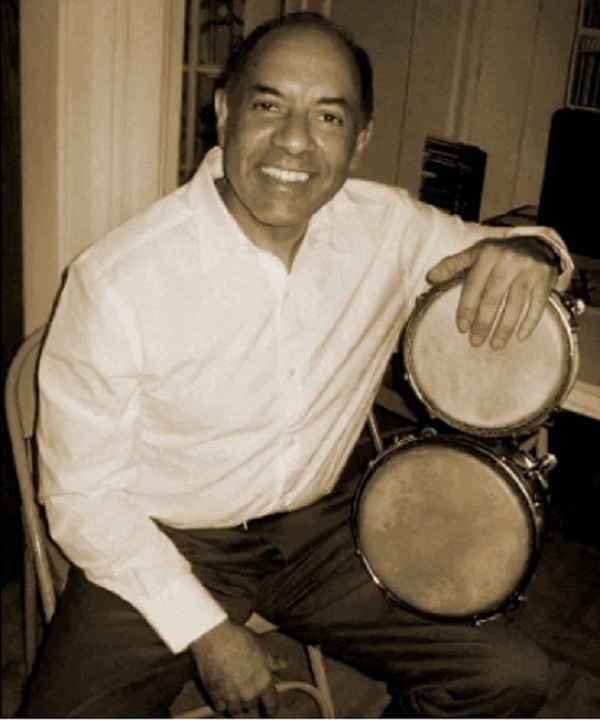
Percussionist Joe González posing for the camera

According to the musician himself, his passion for music started in the 1950s when he listened to all kinds of genres and rhythms at home, which trained the young man almost without him realizing it. At home, his family used to enjoy the talent of Frank Santana, Machito, Jerry Vale, Tito Puente, Mario Lanza, among many other artists of the time. Upon hearing these names, one can already get an idea of what Gonzalez’s vocational training would be like in the future.

From a young age, he would liven up family parties by playing the conga. At the age of 15, the boy first became interested in music as something more than just a hobby to kill some time. The teenager gave signs that music would be a very important part of his life.

Already in the 1960s, Gonzalez had made his first long-playing record with Frankie Nieves, vocalist and neighbor of the artist who had set himself the goal of taking over the boogaloo world and become one of its greatest exponents. The album was called ”The Terrible Frankie Nieves”, was under the direction of producer Stan Lewis and contained all kinds of popular genres for those years such as R&B, guaracha, mambo and much more.

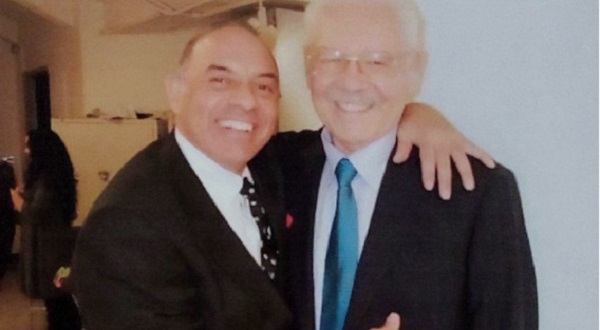
Joe González and Ray Santos

Self-taugh musician

Something very striking about this music is that he never attended an institute or school of arts, but learned everything by himself through the experience he gained in San Juan Hill, where the best Latin music orchestras were always heard and whose musicians lived and some even resided in Amsterdam Houses.

In 1971, he became  a member of the Ruben Betancourt’s orchestra, with whom he would play the group’s first LP entitled ”Orquesta Tentación” and published by the record label Mañana Records. A few years later, he married and soon he and his wife had their first daughter, to whom they gave the name Audrey Valentina. Around the same time, he separated from Rubénm stayed with ”Felix Morales & Orchestra Caprí” for two years and was part of ”Son De La Loma”, whose members were veteran musicians who taught Joe everything they knew.

Cover of the album ‘’62nd and 10th’’

During the 1980s, there was a dramatic decline in the Latin music scene, which caused Gonzalez to look for a regular job that could support his family and provide them with the the finaltial security they need. In those years, he partnered with jazzman Mario Bauzá and his orchestra, a group with which the percussionist finally achieved the level he was destined to get to.

He started making very important appearances in a lot of concerts with the Bauzá’s orchestra and recordings that would lead him to have access to many other opportunities on TV shows, film soundtracks, tours, awards, among many other things. This led him to be worthy of the Latin Grammy on several occasions and perform with stars such as Celia Cruz, Papo Vázquez, Arturo O’Farrill, Daniel Poce and many more.

His most recent album is entitled ”62nd to 10th”, which is absolutely dominated by Latin jazz and whose compositions are written by Gonzalez himself, except for one track. In this album, Joe Gonzalez once again demonstrates that he has not forgotten everything he has learned and is still as strong as ever.

Read also: Tribute to Larry Harlow about a year after his departure


By Johnny Cruz, ISM Correspondents, New York, New York City

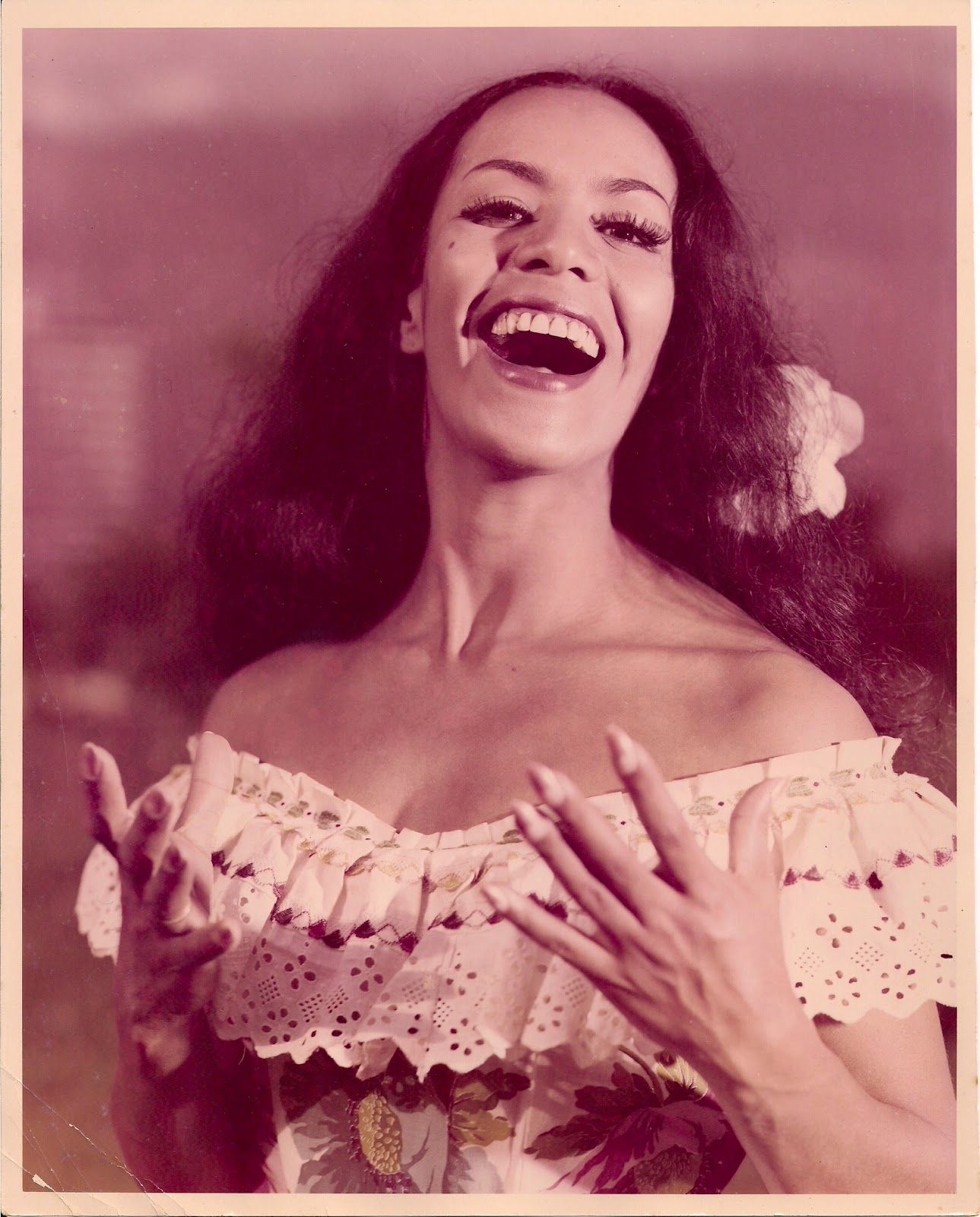
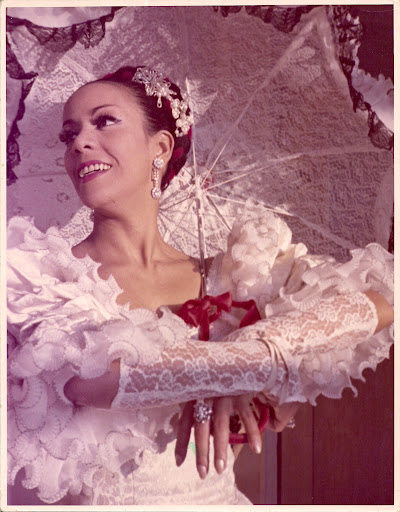
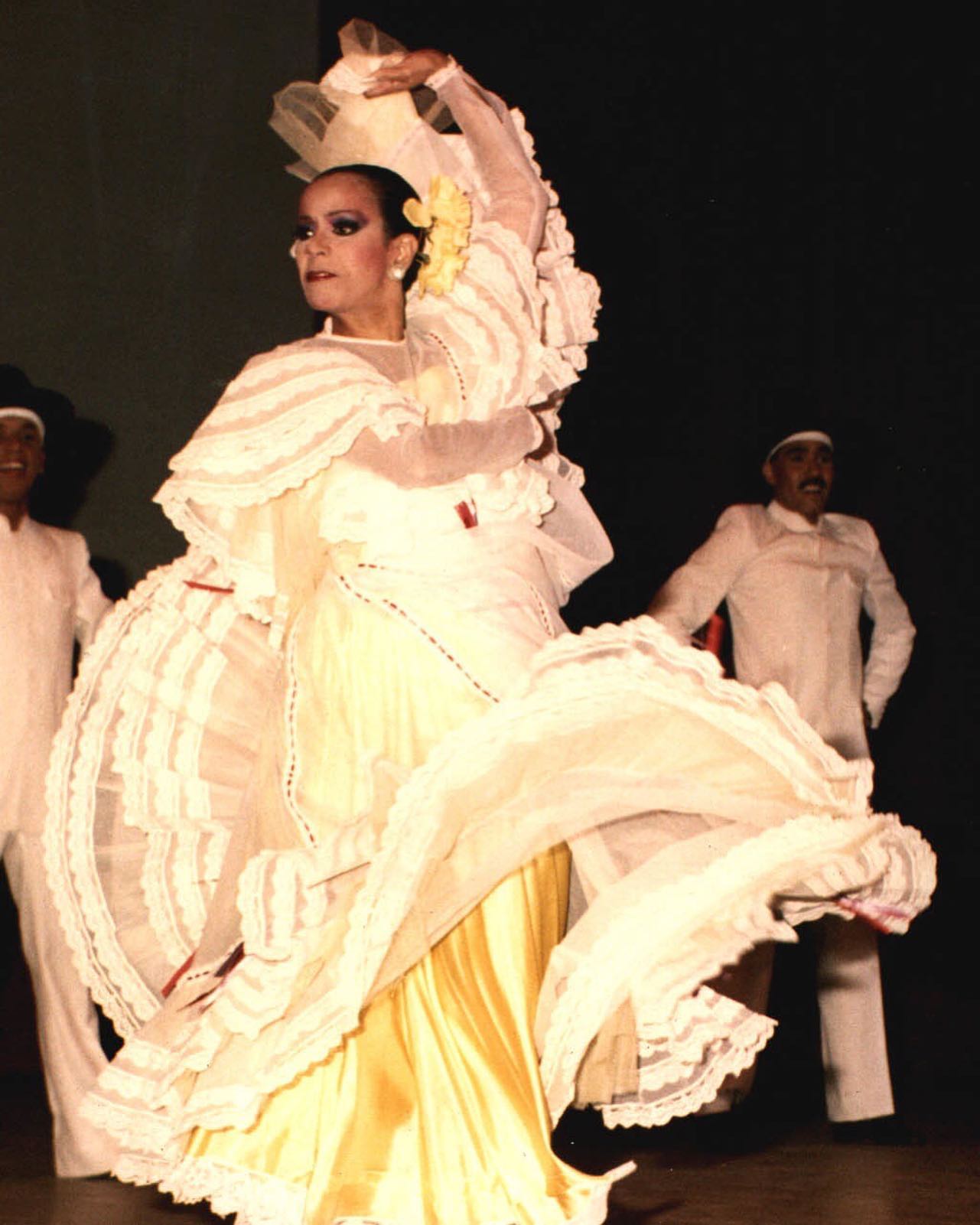
Yolanda Moreno “the People’s Dancer”

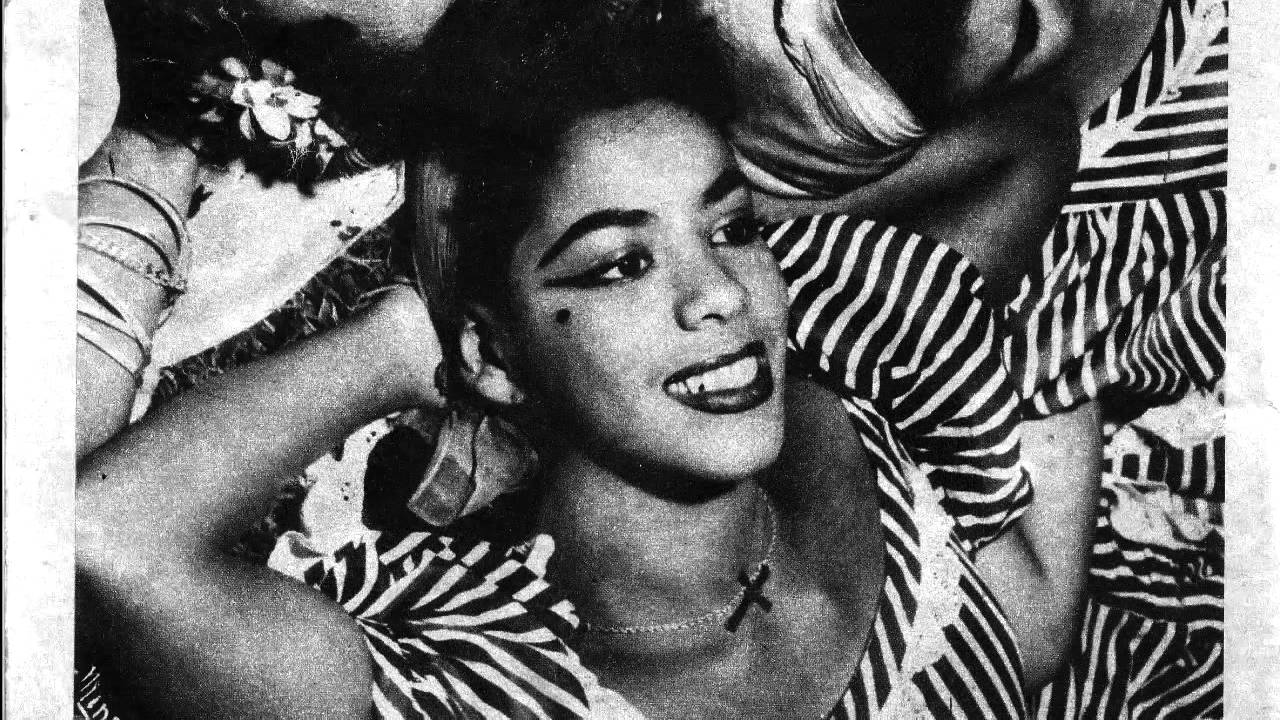
Venezuela has been a Caribbean and South American country that has always shown artistic tendencies among its inhabitants. Dance is no exception here, and one of the great representatives of typical Venezuelan dance is Sixta Yolanda Moreno de Rodríguez, better known as Yolanda Moreno the People’s Dancer” In this article we will talk more about her, keep reading.

The beginnings of Yolanda Moreno’s Career

This great Venezuelan dancer was born on August 6, 1936, in El Guarataro neighborhood of San Juan parish, in Caracas. Her parents named her Sixta Yolanda, a fact that few know unless her life is investigated, but she considered that Yolanda was easier to say and pronounce.

She grew up in a low-income family, but that didn’t stop her from pursuing her passion for singing and dancing. At the age of 13, she joined as a chorister in the musical group “Retablo de Maravillas” created by the Ministry of Labor. In this group she demonstrated her talent for music and a wonderful voice, in addition to fulfilling a childhood dream: «As a child I wanted to be a flamenco singer, I listened to the «Gitana de Color». With this group she met her first mentor, the Austrian dancer Margarita Brenner.

During this stage Yolanda met the one who will be the love of her life, her husband Manuel Rodríguez Cárdenas. To whom she also thanks all the support he has given her throughout her career, to the point of assuring that she would not be the dancer and woman she is today without his total trust and company. Although their relationship was a surprise since the marriage took place when she was only 16 years old.

The foundation of “Danzas Venezuela”

Another of her great achievements with her husband Manuel, is the founding of the group “Danzas Venezuela” in 1962. With it Yolanda manages to modernize the dance and folklore of the country, by changing the image of the dancers with very wide skirts and hair collected, that way they look more refined; she also changed the footwear to give more force to the zapateado.

Although at first these changes were not well received, Moreno with her husband achieved public acceptance, and also captivated the international public. Among the places they managed to visit are: China, Japan, Korea, Hawaii, San Francisco, Washington, New York, Canada, the Soviet Union and Latin America, from Mexico to Argentina. One of her special places was Puerto Rico, where she was given her nickname: “La Bailarina del Pueblo” (the People’s Dancer).

She also has great memories of China, especially when she was amazed by the respect for elders and the large number of artistic expressions that exist in this country. «Dance is a permanent job, very pleasant. I work until I am asleep. I got used to hard work, although it hurt, I danced» her words sum up her love for dance and art.

And Yolanda Moreno’s retirement came

Despite the fact that she will always be “The dancer of the Venezuelan people”, Yolanda has accepted that her days on stage are over, this of course does not mean that she won’t continue directing dancers and giving her advice with contributions in choreography. But Yolanda no longer actively follows her career, her big farewell was in 2008 with two performances at the Casa del Artista.

Of course, she has had special appearances like the one she presented in the posthumous tribute to Joaquín Riviera, which was part of the pre-opening of Miss Venezuela 2013. There have been other special events, but none as splendidly as the golden years of his career.

It is more than understandable that Moreno would withdraw from it, at 86 years old she is a woman who since she was a child has given everything to the art and folklore of her country. She also had to bravely face the farewell of her husband Manuel, which occurred in 1991 accompanied by her two sons Manuel Rodrigo and Fernán. It only remains to hope to be able to enjoy a few more years of her great ideas for the preservation, as well as modernization, of the typical dance of Venezuela.

  • « Go to Previous Page
  • Page 1
  • Interim pages omitted …
  • Page 72
  • Page 73
  • Page 74
  • Page 75
  • Page 76
  • Interim pages omitted …
  • Page 116
  • Go to Next Page »

International Salsa Magazine (ISM) is a monthly publication about Salsa activities around the world, that has been publishing since 2007. It is a world network of volunteers coordinated by ISM Magazine. We are working to strengthen all the events by working together.