• Skip to primary navigation
  • Skip to main content

International Salsa Magazine

  • HOME
  • Previous editions
    • 2026
      • ISM / March 2026
      • ISM / February 2026
      • ISM / January 2026
    • 2025
      • ISM / December 2025
      • ISM / November 2025
      • ISM / October 2025
      • ISM / September 2025
      • ISM / August 2025
      • ISM / July 2025
      • ISM / June 2025
      • ISM / May2025
      • ISM / April 2025
      • ISM / March 2025
      • ISM / February 2025
      • ISM / January 2025
    • 2024
      • ISM / December 2024
      • ISM / November 2024
      • ISM / October 2024
      • ISM / September 2024
      • ISM / August 2024
      • ISM / July 2024
      • ISM / June 2024
      • ISM / May 2024
      • ISM / April 2024
      • ISM / March 2024
      • ISM / February 2024
      • ISM / January 2024
    • 2023
      • ISM / December 2023
      • ISM / November 2023
      • ISM / October 2023
      • ISM – September 2023
      • ISM – August 2023
      • ISM July 2023
      • ISM Edition June 2023
      • ISM – May 2023
      • ISM April 2023
      • ISM March 2023
      • ISM February 2023
      • ISM January 2023
    • 2022
      • ISM December 2022
      • ISM November 2022
      • ISM October 2022
      • ISM September 2022
      • ISM August 2022
      • ISM July 2022
      • ISM June 2022
      • ISM May 2022
      • ISM February 2022
      • ISM January 2022
    • 2021
      • ISM December 2021
      • ISM November 2021
      • ISM October – 2021
      • ISM September 2021
      • ISM August 2021
      • ISM July 2021
      • ISM May 2021
      • ISM April 2021
      • ISM June 2021
      • ISM March 2021
      • ISM February 2021
      • ISM January 2021
    • 2020
      • ISM December 2020
      • ISM November 2020
      • ISM October 2020
      • ISM September 2020
      • ISM August 2020
      • ISM July 2020
      • ISM June 2020
      • ISM May 2020
      • ISM April 2020
      • ISM March 2020
      • ISM February 2020
      • ISM January 2020
    • 2019
      • ISM December 2019
      • ISM November 2019
      • ISM October 2019
      • ISM Septembre 2019
      • ISM August 2019
      • ISM July 2019
      • ISM June 2019
  • Download Salsa App
    • Android
    • Apple
  • Spanish

Search Results for: Oscar D León

La Muñeca de La Salsa is here with us again

La Muñeca de La Salsa or La Chica del Bling

For the second time, we have here Puerto Rican artist Almodovar. She is a salsa singer and other genres, composer and dancer. Pleasure to meet you, Melina, how are you doing? Glad to have you here.

Thank you, Karina. Thank you for the time and I’m super pumped to be here with you for international salsa magazine (laughs).

Melina Almodóvar is a salsa singer, composer, and dancer

Why do they call you La Muñeca de la Salsa or La Chica del Bling?

La Chica del Bling comes from maestro Bobby Cruz, who did a song with me in 2016. We made a recording that was called Salsa Factory Bunch. He wrote that song specifically for me, which was called El Bling. That’s how he starts calling me La Chica del Bling and, as there are so many people who know the trajectory of Mr. Bobby Cruz, those who know that he wrote the song for me identify me as La Chica del Bling. That is something very special for me, since he is one of my salsa icons from day one.

In the case of La Muñeca de La Salsa, when I moved here to Miami, I was looking for a nickname similar to El Caballero de La Salsa or El Niño Bonito de La Salsa. Seeing how my name is like that of another renowned singer in Puerto Rico Melina Leon, I wanted to find another name that would identify me and noticed that many Latino men called me muñeca (doll in English). That’s how I came up with the name La Muñeca de La Salsa.

Your family has always been closely related to arts. Your father was a singer, your mother was a dancer and your grandmother was an artisan. What did you get from each of them?

That’s an excellent question. I’m often asked that, but not that way. My dad was a bolero singer and like ballads and old music like Camilo Sesto, and it was thanks to one of his songs that I was named Melina. He also liked Marco Antonio Muñiz and all the singers from that era. He would go to bars to sing until five in the morning and he used to take me to these gatherings in Puerto Rico. He always had his guitar in his car and was invited to parties to sing because he did it for free.

My mom was a flamenco dancer, she studied dance all her life and wanted me to dance too. So, she put me in jazz ballet classes since I was little. I studied with a lady whose name was Sophy Sanfiorenzo, who was also Chayanne, Ricky Martin, and Los Menudo’s teacher of that time. She was very well known in the city of Bayamón, Puerto Rico. Dancing was something secondary for me, but my mom wanted me to take it more seriously. At the end, we made a deal and agreed that I would study salsa and Caribbean dancing.

My grandmother always wanted me to be an artist and pushed me to be what I am today. She does a lot of crafts such as sculptures and paintings. I didn’t inherit those skills (laughs). My aunt is an architect and also paints very well, while another aunt is also very good with crafts. My family is very artistic and I followed that road.

Melina Almodóvar is very proud to be boricua

Her referents

I understand that your grandmother gave you some cassettes with songs by Celia Cruz and Rubén Blades, did these artists influence you or were there others?

My grandmother gave me a Rubén Blades CD and my aunt was the one who introduced me to salsa music thanks to her taste for this genre. Most of the family liked bohemian songs made by Pedro Flores, Rafael Hernández, Bobby Capó, Sylvia Rexach, among others. My grandmother and the rest of my relatives liked bolero a lot. In my case, I like bolero very much and I have done concerts dedicated to this genre, but what moves and motivates me is salsa.

You always listened to tropical music as a kid in Puerto Rico, but I understood that I was cut out to sing salsa when started studying it and understand it deeply. In high school, I came to sing pop, jazz, country, merengue, bachata and many other genres. However, salsa is what I like the most.

You described your move from Puerto Rico to Memphis as a culture shock. What was the most shocking thing about that time?

It’s one thing to move from Puerto Rico to Los Angeles or New York or Florida where there are a lot of Latinos. When I moved, I was very young and went to live in the southern United States, where they listen to country and blues. For me, the most shocking thing was the culture. In Puerto Rico, everyone talks on the front doors and there was a lot of closeness. When we moved to Tennessee, we didn’t know anyone, so we had to start creating a new life and finding our way in this new city.

Melina Almodóvar performing at North Beach Bandshell

You were part of Orquesta Caliente. According to many, that was the first successful Latin salsa orchestra in Memphis. What do you think was the formula for success of this orchestra?

It was a combination of many things because I have been part of many groups and tried to organize orchestras in different places. After that experience, I tried to start an orchestra in Nashville, Tennessee, for a while and tried to start another one in Atlanta, Georgia.

When I was 17 years old, I was called and asked if I knew how to sing salsa, to which I replied yes. That’s when i was given a cassette tape with several songs made by Tito Puente, Ruben Blades, Celia Cruz, among others. I went home and started writing the songs down letter by letter to learn them by heart and audition for the orchestra. That day, I realized that all the musicians were American and extremely talented. I was 17 years old at the time and had no idea who I was playing with, which led me to look up their histories and they were really well trained and talented. Almost all of them were professors at the University of Memphis at the time, but they wanted to form a salsa orchestra.

So, we started playing in different places. Given that there was no internet and no social media, we had to create our own flyers by hand, make copies, go to the houses and put up them there. The first day we played, not a lot of people showed up, but it was a good start for us. After three months, not one more body fitted there.

For me, it was a beautiful experience because we started playing everywhere and were at plenty of festivals in South Florida. We were so into what we were doing and all the members wanted the music to work out spectacularly, so we were united in a common objective. I think that was the key to our success.

Tell me about the Hollywood Salsa Fest

We have been doing this festival for about seven years now and it was a dream come true because I never thought there would be more than 10,000 people there for throughout the day. It is a culmination of all the work we have done since I came to Miami. It was a great achievement.

This Hollywood Salsa Fest of this year included Maestro Charlie Aponte, Timba Live, Salsa Ballet de Cali, Maestro Bobby Cruz, Tito Puente Junior and many others.

Melina Almodóvar next to Oscar D’ León

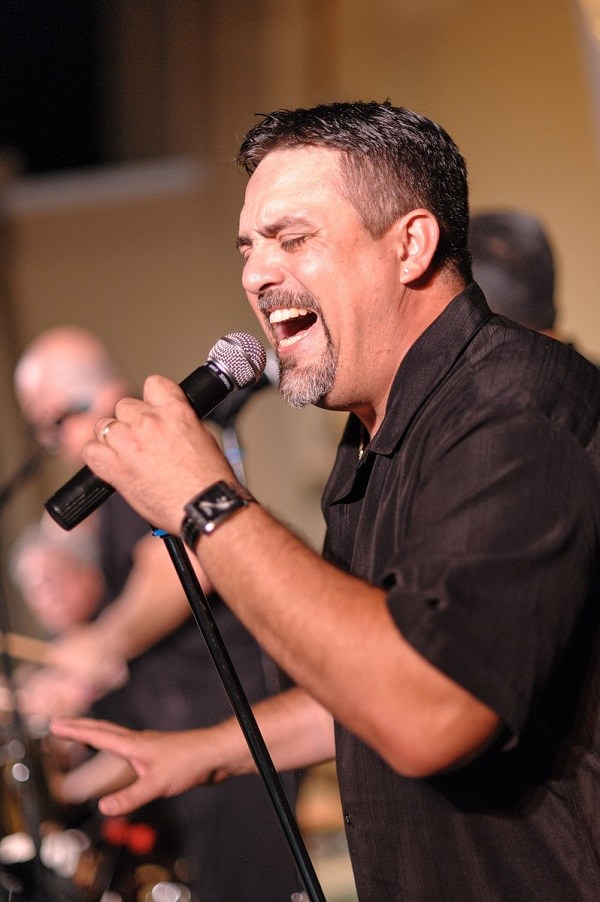
How talented Puerto Rican singer Fernandito Rentas started his career

How his career started

We have here Fernandito Rentas, who is a Puerto Rican salsa singer. Good afternoon, Mr. Rentas, how do you do?

Good afternoon. Thank goodness, i’m doing just fine right in good health and working hard. We are doing what is done daily, which is my regular job, but on the other hand, we are making the music that I would be able to do up to the present time, or rshould I say, musical projects.

Fernandito Rentas recording one of his songs

You come from Ponce. This is a city from which many famous Puerto Rican artists come, especially in the salsa genre. Do you think that coming from that city had something to do with the road you would take later on?

Ar some point, yes because that influence was around me since I was a little boy. I have always been interested in music and sports, but I enjoyed more of music. I don’t come from a family of musicians as far as I know, but my biggest influences come from distant relatives like, for example, Mr. Esteban Tato Rico Ramírez, who was a singer in the orchestra La Solución.

Basically, what I remember most about my childhood is that it was from there that I became interested in music. At the same time, I would see my parents dancing at parties and there was all that excitement and feeling of celebration. The church and its chants were also important in that regard.

Those were earlier influences, but it was from the age of 7 that I began to understand tropical music. As time went by, I got more interested in it. I couldn’t take music lessons due to economic problems at that time, so I did everything by ear. I do remember that there was an instrument I liked a lot when I was in elementary school, which was marimba. I was strock by it, which led me to join a group of classmates at school who practiced in the school canteen in the afternoon. I also remember my music teacher, Mr. Fermín Torres, who was from the Adjuntas or Coamo area in Puerto Rico, but he was well known in the musical area of the school system.

I didn’t really jump right into music until a few years later because our family moved to Florida, where I began to look out for other interests such as the US Armed Forces. When I graduated from high school, I joined the army and there I met other colleagues from my homeland, which made me reconnect to Latin music. I was not only focused on music of Puerto Rico, but also from Colombia, Venezuela and other countries.

Fernandito Rentas singing on stage

My idol as an artist in the genre has always been Oscar D’ León since the first time I saw him when I was 7 or 8 years old during the patron festivities in my village. When I went into the army, many colleagues who were already veterans in this issue helped me to train me. The first person I met was bass player Héctor Cruz, who I say was my godfather in music. That was in Germany when I served on the force in 1989. When I returned to the United States, I went to North Carolina and began to succeed in music step by step.

I spent nine years serving in the South Korean peninsula, where I was blessed to pull together a group of musicians and perform live music with many fellow musicians, including Korean friends I made there. I returned to the United States in 2011 and thank goodness I stay on this. These days, I had the opportunity to connect or lift me up from where I were and do something different. What I was looking for was to create my own productions with the music that I like, so that’s what I’ve been doing these last two years.

His groups

You were part of various groups including Orquesta Mambo Son, Grupo Descarga, among others. When did you decide to go solo and create your own productions?

I decided to do it in 2020. I had already had this interest for many years and was always seeking the opportunity to break the ice through groups. I was looking to take part in the production of a group I was with and start from that point, but unfortunately none of my groups managed to get into production.

I finally got the chance with the pandemic, as I started to be able to be interacted with colleagues and friends through Facebook and connect with musicians from around the world. Then, other comrades who were also in the armed forces told me about Mr. Robert Requena, who is a Chilean who lives in Medellin, Colombia.

Fernandito Rentas in his military uniform

When I wanted to do things differently adapting myself to the new era, they put me in touch with Mr. Requena and I expressed my ideas. Then, he was the one who showed me the first composition for my first song, which we titled Bailando debajo del agua (Dancing under the water). The thing is that this song is based on an event that happened here in my house, which I told Requena about and we used it for the song. Then, we talked about its musical bases and what I was looking for in my future songs, so he came up with the formula. Today, we are working on my sixth record and thinking about releasing it in June, but there are seven others that are being created right now.

Seeing as your career practically started with Covid-19, do you think the pandemic precipitated what you had in mind?

Well, in a way, yes. My desire to make a solo album is very old, but the 20 years in which I was serving in the armed forces limited me, thing that also happened to other colleagues who are also launching their own albums today, such as Arnaldo LaFontaine, Edwin El Calvito Reyes, Josean Rivera, José Rivero, among others. Arnaldo La Fontaine, Jose Rivero and I were singers in the same orchestra in the southeastern United States during the 1990s.

My interest in being a soloist was present for a long time, but the opportunity to do so did not come until I made use of technology. I can tell you that all my albums are being made in Medellin, Colombia. All I do here in New Jersey is go to the studio and record the voice. That advantage that we have today really helped us and, at the same time, the arrival of the pandemic has prevented us from going to other places to bring our talent. I have accumulated unimterrupted 33 years of career, but the pandemic prevented us from going out and locked us up at home. It was there when many other artists began to take alternate measures to be able to continue reaching people.

In any way, I think we have turned this situation to our advantage in the best way that the Lord has not allowed.

Art of his last song Qué difícil es

An artist I interviewed told me that many musicians were preferring to release single songs instead of full recordings. Are you makings full recordings or single songs?

Based on advice that Mr. Requena gave me, I am releasing single songs. Nowadays, the matter of full albums has become complicated due to the lack of record labels and factories where these materials are produced. I would say that the idea of releasing singles was the best because you want to know if the public is going to accept or like the album. Instead of releasing all the songs at the same time, releasing one song at a time is more comfortable, less expensive and easier to work with. For the time beingt, I have no plans to release a CD.

How did you balance your musical and military activities?

I had to balance them because our obligations and priorities in the military service are focused on the mission and commitment to the defense of the country. During our free time, we liked to clear the mind and do different things. We went to parties.

We felt great making music for our fellow soldiers, their communities and families. We were able to bring our Latin culture to the countries we went to.

Music was our main hobby and the to entertain ourselves on the weekends.

Social networks and website

Facebook: Fernandito Rentas II

Instagram: Fernandito Rentas

YouTube: Fernandito Rentas

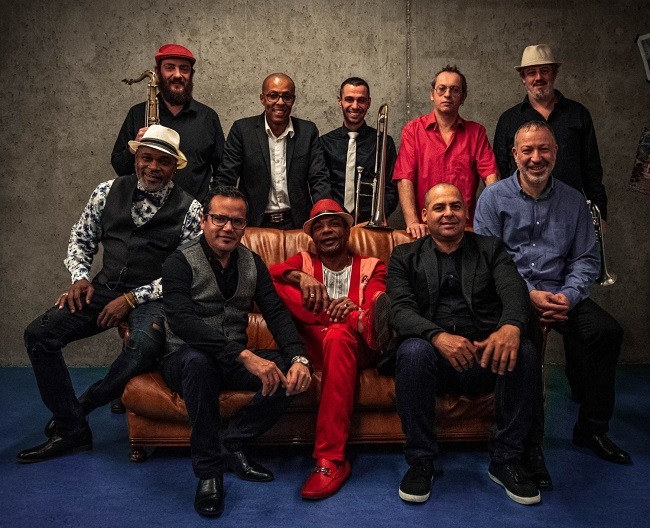
In Concert: Hacenoba Salsa & Jimmy Bosch In Saint-Étienne

They will be together in an exceptional concert at Le Fil this May 14th

Adiel Castillo (Musical Direction – Piano), Aymel Gómez (Voice), Wilbert Valera (Voice), Nadir Slimani (Bass), Miguel Río Puntilla (Bongo), Philippe Fougerouse (Timbales), Hamid Benabella (Art Direction – Congas), Guillaume Monier (Saxophone), Laurent Sedent (Trumpet), Romain Bourlhonne (Trombone)

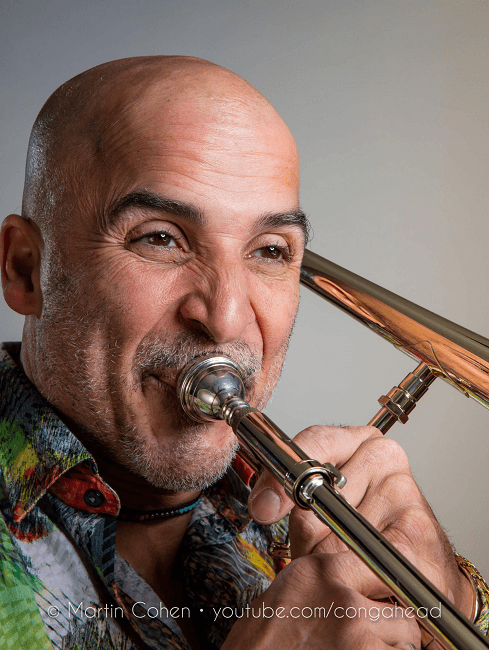
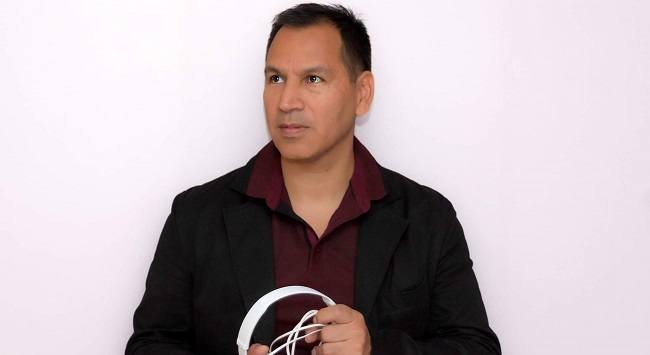
The Hacenoba Salsa group and the world-renowned Trombonist Jimmy Bosch will present a unique salsa show in which lovers of this Latin rhythm will sing and dance from the first notes. This concert will be preceded by a Salsa lesson by the couple (Aurélie and Rémi) belonging to the Barrio Latino humanitarian association under the best salsa mixes of the DJ from the city of Callao (Peru), Oscar D Lyon.

This show will take place on the second Saturday of May at Le Fil, an artistic platform for contemporary independent music and cultural life developed in the city located in southeast France, Saint-Étienne. Its address is 20 bd Thiers 42000 Saint-Étienne, France, and the cost of pre-sale tickets is €20 and the Box Office €22.

The Cuban Salsa orchestra, Hacenoba, brings to this concert the essential rediscovery of the island’s music (Mambo, Salsa, Cha-Cha, and Timba) accompanied by brushstrokes inspired by internationally famous composers and artists of the genre such as Oscar D’ León, Héctor Lavoe, and others.

This ten-member band with its explosive music combines percussion with piano, saxophone, and bass for a frenetic and bewitching rhythm that has led them to participate in different festivals, cultural events, parties dedicated to Cuban music (or Latin music ), and private parties in the region.

Jimmy Bosch has collaborated with Rubén Blades, Ray Barretto, and Celia Cruz, among many others.

Likewise, the master Jimmy Bosch is acclaimed in more than 70 countries as an exceptional Latin music Trombonist, has 11 Grammy Awards, and more than 100 recordings in the Salsa and Latin Jazz genres. He also has a great career as an orchestra leader and is coveted by his audience due to his extraordinary performances on stage.

The creator of hits like Otra Oportunidad (1998), La Cacharra (1999) Qué Bonito es Soñar (2004), La Noticia (2004), El Avión de la Salsa (2004) y Ay Mamacita-Boogaloo (2018) among many others, also will be dictating a Masterclass for professional musicians where he will explain and demonstrate the variations in Salsa. The lessons will be oriented towards practice and active participation with the instrument during the clinic. This masterclass will be held on May 24th -25th at Kafésynk located at Øvingshotellet, Trondheimsveien 2, Bygg H, 0560 Oslo, Norway from 5 PM to 8 PM, and tickets cost NOK 1,600 approximately $174.26.

The trombone master has worked with FANIA All-stars, Eddie Palmieri, Ruben Blades, Ray Barretto, Machito, Cachao, and many more. He has participated in Salsa conventions, Latin and Jazz music festivals around the world, as well as performed in clubs in Asia, Europe, America, and Oceania.

Jimmy Bosch’s record productions include Soneando Trombón (1998), Salsa Dura (1999), El Avión de la Salsa (2004) ,and A Millón (2009).

Oscar D Lyon was born in Callao, known as the capital of Salsa in Peru.

The perfect DJ for this magnificent evening at Le Fil will be Oscar D Lyon, who has more than 30 years of career in the music scene. He started in Lyon in the ‘90s, continued at Latino 1, and pursues his rise at Casa Latina for ten years. His likes and musical inclination from South America have made him stand out in the Latin environment of the region. Currently, Oscar D Lyon mixes the rhythms of Salsa and Bachata in various clubs in Saint-Étienne, such as Cabana Café, the Fox, and recently, Barrio Club.


Current news in the San Francisco Bay Area

What is happening now?

Tito Garcia-The Doctor of Salsa, the renowned colorful bandleader and timbalero of Tito Garcia y Orquesta Internacional passed away on Saturday, April 23rd after a long battle with cancer.  Tito has performed Salsa and Charanga in the 1970’s with the seminal SF based bands Ritmo 74 and later Charanga Rene Del Mar. He later spearheaded the band “Orquesta Salsa Dulce” in the late 1980’s which morphed into the first edition of his band La International featuring a young Julio Bravo on coro in the early 1990’s.  La Internacional were remembered for their explosive performances by dancers and aficionados.

Tito was a staple at the late, famed salsa palace Cafe Cocomo with his monthly “Mambo Saturdays” during the early 2000’s. I often was the DJ during those hot nights. His band featured fine musicians and vocalists such as former Batachanga vocalist Ricky Rangel, congueros Eddie Borrero and Sandy Perez of Los Muñequitos De Matanzas and keyboardist Coto Pincheira who relocated to New York.

Tito García had been fitghing against, cancer, which took his life at the end

Tito resurfaced after his bout with Cancer in 2020 to relaunch La Internacional but the comeback was short lived due to his health issues. He later hosted some outdoor rumba sessions near his new home of Vallejo but those dates were limited due to COVID restrictions. He relapsed during his recent trip to Costa Rica and died due to complications with his recovery.  He will be sorely missed.

Don’t forget coming up on Friday, May 6th at 8 pm with be the tremendous Cuban music double bill of “El Tren De Cuba”…Los Van Van and Alexander Abreu y Havana d’Primera at the UC Theatre, 2036 University Avenue in Berkeley. Two of the powerhouses of Cuban Popular music are appearing together for the first time in the US and on only certain dates of the tour…SF Bay Area residents are blessed to have this double bill play here!  DJ Antonio will spin in-between sets.  I will be your MC for the evening. Run to get your tickets because they’re going fast!  For more information, go to jaffeevents.com

Salsa superstar Oscar D’Leon and his orchestra will visit the SF Bay on Saturday, May 21 at Roccapulco, 3140 Mission St. in San Francisco. Oscar is still one of the dynamos to watch perform live…a tremendous show!  Guayacan Orquesta from Colombia will also play on Friday, May 13 at the Mission Street hot spot.  Also coming to Roccapulco Sat. June 11th…the Homenaje A La Musica Cubana featuring Mayito Rivera, Alain Perez, Yeny Valdes, Lily Hernandez “La Amaona” and Julio Cesar “JC Five” plus DJ Walt Digz (SF) and DJ Jimmy Rumba (LA) and on Thursday, July 7th…the explosive sounds of Pupy Y Los Que Son Son direct from Cuba.

Oscar D’ León will be in the San Frrancisco Bay Area on 21 May

SF JAZZ and the San Francisco Jazz Festival are featuring an impressive array of Salsa, Cuban and Latin Jazz starting Wednesday June 8 with Pacific Mambo Orchestra.  Followed by Gonzalo Rubalcaba and Grammy nominee Aymee Nuviola 6/9; Chucho Valdes with Dianne Reeves and Joe Lovano 6/12; Changui Majadero 6/13, Danilo Perez Global Messengers 6/14; Issac Delgado’s Con Tumbao Project w/Miguel Zenon, Oscar Hernandez, Pedrito Martinez, Alain Perez, Tony Succar and more 6/18.  SF JAZZ and Stanford University co-presents Eddie Palmieri and Arturo Sandoval at Stanford’s Frost Amphiteater on July 23.  Info: www.sfjazz.org.

The Yerba Buena Gardens Festival will begin Saturday, May 7th from 1 to 2:30 pm with a free concert featuring local treasure Jesus Diaz y Su Habana Afro-Cuban Ensemble featuring a lineup of heavyweights from Cuba and the SF Bay including Ariacne Trujillo Duran, Leider Chappotin, Raul Pineda, Roberto Junior Vizcaino, Karl Perazzo, Jeff Cressman, Melecio Magdaluyo and Julio De La Cruz.  The Yerba Buena Gardens is located on Mission Street between 3rd and 4th Streets in San Francisco.  Visit ybgfestival.org for more information.  There will also be an after party featuring Jesus Diaz and the Habana Afro-Cuban Ensemble and DJ Carlitos Way at the Elbo Room, 311 Broadway in Oakland.

The San Francisco Carnaval and much more

The annual Carnaval San Francisco is back on the streets of San Francisco on Sat, May 28 and Sun. May 29th with the theme Colores De Amor.  The two day festival will take place on Harrison between 17th and 22nd Streets from 11 am to 6 pm.  The grand parade will take place on Sunday, May 29th starting at 9:30 am on 24th and Byrant Streets.  Scheduled to perform will be Jesus Diaz y Su QBA, Momotombo, Sambada, Javier Navarette & His Socially Distant Friends, Dos Four, Puro Bandido, Namorados da Lua, Annette Aguilar & West Coast Stringbeans, Susanna y Orquesta Adelante, Magna Fresq, Los Allegres Callejeros, Aqua Pura, Mariachi Juvenil, Azul Latino and more.  Headliners TBA.  Food, Beer, Crafts, DJ areas and Cannabis gardens on the grounds.  Free!   For more information: carnavalsanfrancisco.org.

There is a new Salsa scene happening on Thursdays starting May 12th at Charley’s LG, 15 N Santa Cruz Ave, Los Gatos presented by your friends at International Salsa Magazine.  Opening night at this state of the art club will feature the swinging sounds of the multi-talented vocalist/conguero Edgardo Cambon and Candela.  I, Luis Medina from KPFA/WSR and International Salsa Magazine will be your DJ.  World Salsa Radio DJ El De La Clave will also be in the house. Dance lessons by Migi & Angel starts at 8:00 pm.  Music starts at 9 pm.  The upcoming schedule is the following: Julio Bravo and Salsabor 5/19, Manny Martinez and La Rebeldia 5/26 and the Charanga sounds of Orquesta La Moderna Tradición 6/2.  Thursday nights just got hotter in the South Bay…be there!!

Edgardo Cambón at The Seahorse Restaurant, Sausalito

The Ramp at 855 Terry Francois Blvd in San Francisco continues to present Salsa orchestras on Saturday afternoons starting at 5 pm.  The night is closed on June 7th for a private event, The Ramp’s first Salsa festival featuring 2 bands: Gary Flores y su orquesta Salsa Caliente and Eric Rangel and Orquesta America 5/14, The Latin Rhythm Boys 5/21 and Louie Romero and Mazacote on May 28th.  DJ Mendy spins in-between sets and after the live music from 9 to 11 pm.   The Ramp has a great patio overlooking the SF Bay and serves food and drinks.

The Seahorse located at 305 Harbor Drive in Sausalito features live music plus KPOO-KPFA DJ Jose Ruiz on Saturday and Sundays.   Sat, April 30th features La Clave Del Blanco, Rene Escovedo Salsa Band with Ric Feliciano Sun 5/1; Edgardo Cambon & Candela Sun, 5/8; Orquesta Timbalero Sat, 5/14; Louie Romero & Mazacote Sun, 5/15; Susanna y Adelante Sat, 5/21; Orquesta La Original w/Alexis Guillen 5/22; Pepe Y Su Orquesta Sat. 5/28; and Orquesta Taino Sun. 5/29.  Enjoy the fine Italian cuisine, beer, wine and ambiance both indoors and the outdoor patio at this scenic spot just crossing the bridge to Marin County.

The Cigar Bar, 850 Montgomery St. in San Francisco is a favorite spot to dine, have drinks, enjoy a cigar in the courtyard and dance to hot Salsa music.  The calendar for May includes Manteca 5/6, Orquesta Timbalero 5/7, Somos El Son 5/13, Josh Jones Latin Jazz Ensemble 5/14, N’Rumba 5/20, Edgardo y Candela 5/21, Orquesta Taino 5/27 and La Clave Del Blanco 5/28.

René Escovedo will perform at the Seahorse Restaurant, Sausalito, on May 1

DJ Walt Digz has a hot Wednesday night Cuban scene “El Timbon” happening at the Slate Bar, 2925-16th Street in San Francisco.  Digz also hosts his own livestream called “El Timbon” featuring the latest Timba, Cuban Salsa and Cubaton videos every Tuesday night from 7 to 9 pm on Twitch.  He also keeps busy by hosting the monthly Fresquecito Saturday nights at La Furia Chalaca in Oakland and the outdoor El Timbon En El Callejon Sundays from 3 to 8 pm at Vida Cantina, 56 Belden Place in San Francisco.  Digz also continues his original Friday La Tropi-Cal monthly at Il’ Pirata in SF with Añejo Productions now going on their 21st year!

Berkeley’s Ecology Center will present the Berkeley Farmer’s Market Salsa Festival on Saturday, May 21 from 10 am-5 pm.  This free event will feature Christian Pepin and Orquesta Bembe, Afro-Cuban and Afro-Peruvian keyboardist Erick Peralta and Band, Berkeley High School Youth Ensemble and the Latin Jazz Youth Ensemble.  Dance performance and Dance lessons by Rebecca Galindo.  Food, crafts and more. For more information, visit www.ecologycenter.org. 

Don’t forget to check out my radio programs: Con Sabor now in it’s 25th Anniversary Year on KPFA 94.1 FM every Saturday night from 9 to 11 PM PST and Sabiduria Con Tumbao every Wednesday night 5 to 7 pm PST on WorldSalsaRadio.com.

That’s it for this month!  Ciao 4 now!

Néstor Sánchez “El Albino Divino”. With the Greatest Elegance the Golden Voice of Salsa

Néstor Sánchez “Maestro de Soneros¨.

Born in 1950 in New York, of Puerto Rican origin, he is considered by critics as one of the soneros with the best vocal technique.

Néstor Sánchez “El Albino Divino”.

In 1968 he began his musical career at the age of 19 in New York with the orchestra of Ray Rodriguez, Ray was the brother of the late Bobby Rodriguez, the recording was entitled “Introducing Ray Rodriguez and his Orchestra”, he was also with the Tonny Pabon Orchestra, and the Conjunto Candela.

1976 Nestor Sanchez joined the orchestra of the wonderful Jew, Larry Harlow, replacing Junior Gonzalez as lead vocalist and became a member of the Fania label stars, at that time,

Harlow was recording the album “La Raza Latina” for which Sanchez performed one song and the rest was in charge of the Panamanian Ruben Blades where he musically created the history of Nuestra Raza, from the Amerindians, the Spanish conquest, and the arrival of the black African slave.

The album, “El Albino Divino”, was one of his official presentations with the orchestra, with the Harlow Orchestra he spent almost ten years and recorded seven albums, among these: Rumbambola, Dulce aroma del éxito, Soy Latino.

1979 Harlow disbanded his orchestra, Sanchez also recorded with Tito Puente’s orchestra the song “Bonito y Sabroso” in the LP “Homenaje a Beny Moré” which won a Grammy award for Puente.

In 1984 he recorded the production Julio Castro y La Masacre, in 1990 he was released as a soloist in the romantic wave with the album Como Nunca.

Nestor Sanchez "El Albino Divino". With the Greatest Elegance the Golden Voice of Salsa
Néstor Sánchez “Maestro de Soneros¨

In the year 2000 he was invited by the King of Bass Mr. Bobby Valentin to participate in the album La Gran Reunión, and in all the recordings where he participated as the first voice in the chorus.

This talented man, whom we consider one of the most outstanding voices in our music, and sonero of soneros, never had the recognition he truly deserved. As a tribute and vindication, the February 2017 Salsero of our page is dedicated to him in a heartfelt and sincere way.

As a singer, Néstor Sánchez loved Cuban music and considered himself an admirer of Abelardo Barroso, Beny Moré and Miguelito Cuni, and from La Isla del Encanto his favorites were Tito Rodríguez and Ismael Rivera, in whom he was most likely inspired to create his own style.

His musical career began at the age of 19 in New York in 1968 with Ray Rodríguez’s orchestra. His first recording was the same year and was entitled Introducing Ray Rodriguez and his Orchestra; the second, in 1969 and with this same orchestra, was called Delusion, these two musical works were made for Al Santiago’s label “Alegre Records”.

In 1970, Néstor Sánchez joined Tony Pabón’s orchestra with which he recorded six albums in LP format, these musical productions are: in 1970, Tony Pabon And His All-Stars and La Protesta With Tony Pabón: Free; in 1972, On The Right Track; in 1973, Introducing Néstor Sánchez; in 1974, Tony Pabón & La Protesta Featuring Néstor Sánchez – El Capitán; and in 1976, Tony Pabón Y La Nueva Protesta – Fango – Pura Salsa, Puro Disco.

After his time with La Protesta, El Albino Divino joined Conjunto Candela, with whom he produced an LP entitled Conjunto Candela.

In 1976, he joined the orchestra of “El Judío Maravilloso” Larry Harlow as lead vocalist, replacing the Puerto Rican singer Junior González. With that, he became one of the stars of the Fania label. Between 1977 and 1984 he recorded the albums La Raza Latina – A Salsa Suite, El Albino Divino, Rumbambola; Larry Harlow & Junior González – Our Latin Feeling / Nuestro Sentimiento Latino; El dulce aroma del éxito; Larry Harlow, Canta: Gary Carrión / Así Soy Yo; Larry Harlow – Yo Soy Latino and Larry Harlow / Señor Salsa, featuring the young singer Ray Pérez.

Between 1968 and 1984, Néstor Sánchez was not only part of the orchestras of Ray Rodríguez, Tony Pabón, Conjunto Candela and Larry Harlow. He also recorded with King Nando, Orchestra Colon, Los Hermanos López, Yambú, Andy Harlow, Adalberto Santiago, Charlie Palmieri, Ismael Rivera, Tito Puente, Willie Colón, El Conjunto Libre, Azuquita y Su Melao, Fania All Stars and Louie Ramírez.

Throughout the eighties, Néstor Sánchez’s career had a second stage, in which he participated in musical works as a singer and backing vocalist for other great stars of our musical firmament, such as Héctor Lavoe, Típica 73, Ray Barretto, Julio Castro y La Masacre, Rubén Blades y Seis del Solar, Cheo Feliciano, Ismael Miranda, Oscar D’ León, Celia Cruz and Bobby Valentín.

It is presumed that in his more than three decades of music he participated in some two hundred musical works, about half of which are presented in our “Discography” section, available on our web page. Her voice was also recorded in many musical works of the so-called salsa romántica.

Among the songs that the beautiful voice of our great Albino Divino left us, we highlight numbers such as: “Amor pa’ qué”, “Averigua”, “Bobo tú te quedarás”, “Bonito y sabroso”, “Compay, póngase Duro”, “Con la mayor elegancia”, “El bobito”, “El diablo viene”, “Madre”, “Mentiroso”, “Quasimodo”, “Suena La Quija”, “Va llover”, “Guaguancó para los soneros” and “Vamos a gozar”. Our great sonero also recorded some songs in English.

Finally, we repeat that the present investigative work on the musical life of the great singer, chorister, arranger and composer Néstor Sánchez, “El Albino Divino”, is a tribute to his musical legacy with which the section “El salsero del mes” of our web page www.latinastereo.com wants to remember and keep all his work in force. Néstor Sánchez will remain forever in the hearts of the salseros of the world.

On September 2, 2003, Néstor Sánchez passed away at the age of 54 at his home in Bronx County, New York, after losing a battle with lung cancer.

Born in 1950 in New York, of Puerto Rican origin, he is considered by critics as one of the soneros with the best vocal technique. Nestor Sanchez "El Albino Divino".
Born in 1950 in New York, of Puerto Rican origin, he is considered by critics as one of the soneros with the best vocal technique.
Nestor Sanchez “El Albino Divino”.

Main source:

By: Sergio A. Rendón Ángel

To: www.latinastereo.com

Medellín, Colombia

Article of Interest: Raymundo “Ray” Barretto Pagan was born in Brooklyn, New York on April 29, 1929

  • « Go to Previous Page
  • Page 1
  • Interim pages omitted …
  • Page 23
  • Page 24
  • Page 25
  • Page 26
  • Page 27
  • Interim pages omitted …
  • Page 33
  • Go to Next Page »

International Salsa Magazine (ISM) is a monthly publication about Salsa activities around the world, that has been publishing since 2007. It is a world network of volunteers coordinated by ISM Magazine. We are working to strengthen all the events by working together.