• Skip to primary navigation
  • Skip to main content

International Salsa Magazine

  • Home
  • Previous editions
    • 2026
      • ISM / January 2026
      • ISM / February 2026
    • 2025
      • ISM / December 2025
      • ISM / November 2025
      • ISM / October 2025
      • ISM / September 2025
      • ISM / August 2025
      • ISM / July 2025
      • ISM / June 2025
      • ISM / May2025
      • ISM / April 2025
      • ISM / March 2025
      • ISM / February 2025
      • ISM / January 2025
    • 2024
      • ISM / December 2024
      • ISM / November 2024
      • ISM / October 2024
      • ISM / September 2024
      • ISM / August 2024
      • ISM / July 2024
      • ISM / June 2024
      • ISM / May 2024
      • ISM / April 2024
      • ISM / March 2024
      • ISM / February 2024
      • ISM / January 2024
    • 2023
      • ISM / December 2023
      • ISM / November 2023
      • ISM / October 2023
      • ISM – September 2023
      • ISM – August 2023
      • ISM July 2023
      • ISM Edition June 2023
      • ISM – May 2023
      • ISM April 2023
      • ISM March 2023
      • ISM February 2023
      • ISM January 2023
    • 2022
      • ISM December 2022
      • ISM November 2022
      • ISM October 2022
      • ISM September 2022
      • ISM August 2022
      • ISM July 2022
      • ISM June 2022
      • ISM May 2022
      • ISM February 2022
      • ISM January 2022
    • 2021
      • ISM December 2021
      • ISM November 2021
      • ISM October – 2021
      • ISM September 2021
      • ISM August 2021
      • ISM July 2021
      • ISM May 2021
      • ISM April 2021
      • ISM June 2021
      • ISM March 2021
      • ISM February 2021
      • ISM January 2021
    • 2020
      • ISM December 2020
      • ISM November 2020
      • ISM October 2020
      • ISM September 2020
      • ISM August 2020
      • ISM July 2020
      • ISM June 2020
      • ISM May 2020
      • ISM April 2020
      • ISM March 2020
      • ISM February 2020
      • ISM January 2020
    • 2019
      • ISM December 2019
      • ISM November 2019
      • ISM October 2019
      • ISM Septembre 2019
      • ISM August 2019
      • ISM July 2019
      • ISM June 2019
      • ISM May 2019
      • ISM April 2019
      • ISM March 2019
      • ISM February 2019
      • ISM January 2019
    • 2018
      • ISM December 2018
      • ISM November 2018
      • ISM October 2018
      • ISM September 2018
      • ISM August 2018
      • ISM July 2018
      • ISM June 2018
      • ISM May 2018
      • ISM April 2018
      • ISM March 2018
      • ISM February 2018
      • ISM January 2018
    • 2017
      • ISM December 2017
      • ISM November 2017
      • ISM October 2017
      • ISM September 2017
      • ISM August 2017
      • ISM July 2017
      • ISM June 2017
      • ISM May 2017
      • ISM April 2017
      • ISM March 2017
      • ISM February 2017
  • Download Salsa App
    • Android
    • Apple
  • Spanish

Search Results for: Radio

How Jacira Castro and Salsa Power changed the Latin music scene

How did Salsa Power start?

Latin culture, specifically the musical part, has had a large group of unconditional allies who have promoted it worldwide through their work and platforms, being Chilean-American Jacira Castro one of the best known. Jacira is a salsa casino-style salsa teacher and web designer who had the dream of spreading the typical rhythms of our countries, but she did not figure out how until she came up with a revolutionary idea: Salsa Power. 

Salsa Power was born in 1999 as part of an initiative created by Castro and graphic designer Julian Mejia, who practically became her partner until the moment when the page stopped working. From that year on that the dance instructor began to generate contacts and develop human networks with people inside and outside the world of music, especially from the salsa genre. A particularity of this system devised by Jacira was that it was fed by the information received from people from anyqhere in the world about everything related to concerts, festivals, press conferences, autograph signings and much more.

Jacira Castro - Salsa Power
Dance instructor and web designer Jacira Castro – Salsa Power

How did this project work?

Thanks to the technology that was advancing little by little in all this time, there were many more contact ways and social media came along to facilitate these activities. The website grew to such an extent that it came to have more than 300 correspondents in over 60 countries, many of whom did not even have professions or occupations related to music, but wanted to strive to make the initiative successful and Latin artists and orchestras have a dependable space to promote their work.

Contrary to what many readers may have thought, everyone involved in this project never received a single cent or publicity in return for all the work being done. In fact, it was Jacira herself who had to pay for all the expenses related to Salsa Power such as plane tickets, travel, lodging, food, wardrobe, among other things. Not to mention the website maintenance and other hosting costs for the domain to work properly.

Fortunately, all that effort and money were worth it because Salsa Power rose to become the largest salsa website on the internet and a true reference for any independent media planning to do anything remotely like that. Much of the fruits harvested by this beautiful project can still be found on the internet and consist of articles, interviews, event coverage, videos and many other things.

The name Salsa Power was so respected that you could not talk about the Latin salsa scene in the United States without mentioning it, especially in South Florida, a place where competition for the first places was at its higuest. This competition was not only between artists and musical groups, but also between media, associations and academies, triggering some inconvenience and regrettable situations like the one experienced by Jacira and Julián a few years ago.
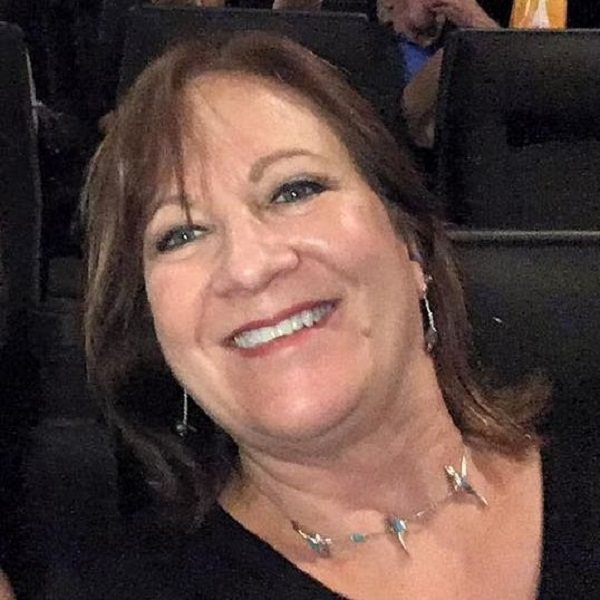
Jacira paid for all the expenses related to Salsa Power

Controversies

Jacira has had run-ins with some important personalities of the Latin music community in Florida because of her political positions, which went against the current of a large number of Latin artists and dancers at that time, especially those who are part of the Cuban exile. Her attitudes towards the political situation in Cuba have been highly controversial, mainly those related to the U.S. economic embargo on the Caribbean country and the limitations on free cultural exchange between both nations. Both Castro and other leaders of the entertainment industry were opposed to the decades-old blockade, which has been maintained until today.

This caused the dance teacher to make some enemies in the Miami music scene, which led to the hacking of Salsa Power with the caption ”This is a communist website” in big red letters along with a message whose author calls Jacira ”communist” and ”pro-Fidel Castro”. Obviously, she got worried and immediately called Julian to bring down the page.

As they began to diagnose the issue and its possible causes, they concluded that those responsible were part of an association composed of a dozen dance schools in Miami and its sorroundings called Salsa United. Around the same time, this organization had just created its own website, which published content very similar to that of Salsa Power, so much so that its principal spokesperson Jolexy Hurtado and Jacira came to have some arguments and run-ins due to how much alike the interviews were in both websites. The conflict reached at such a level that Jacira states that Hurtado told her she was messing with the wrong guy.

Undoubtedly, this whole situation was a big headache for the web designer, but has never let any of this daunt her or make her feel inadequate. On the contrary, she has grown before adversities and has faced them with the gallantry that has always characterized her, since she knows what her work is worth in terms of quality and globality.

However, there comes a point when the effort and time invested are not enough, so it is time to be realistic and assume that everything has its end, as the great Héctor Lavoe would say.
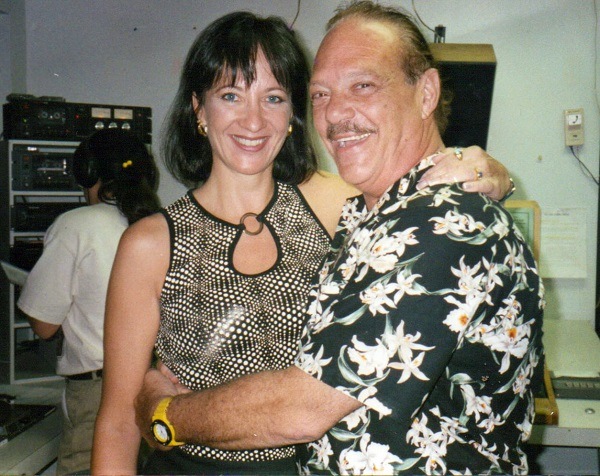
Jacira and Larry
Jacira Castro with producer, composer, and pianist Larry Harlow

Farewell to Salsa Power and Jacira’s current life

After 22 years of operation of the Salsa Power project, many of the correspondents who provided information for the page got married, had children, studied, moved and pursued other professional opportunities that did not allow them to continue their work. For the same reason, Jacira had no choice but to terminate the project that was her life for more than two decades and publish a farewell message thanking all her readers for their support over the years and assuring that she will continue to travel and enjoy salsa and dance.

In spite of abandoning her duties as administrator of Salsa Power, the great impact of the Chilean-American’s work on those who have come to know her and collaborate with her cannot be denied. On her LinkedIn profile, there plenty of favorable reviews about her professionalism and commitment in every activity she makes.

From International Salsa Magazine, we wish her the greatest success in every project she undertakes and that she enjoys all the stages that are to come.

Read also. Pacifica Radio, history, shows and controversy

North America April 2023

XXXIX National Zalsa Day March 19, 2023 Hiram Bithorn Stadium in San Juan Puerto Rico

Celebrates 150 years of history with a posthumous tribute to Tito Puente, Típica 73 and Ismael Miranda

National Zalsa Day 2023

This year the privilege of conducting the Super Orchestra of the National Zalsa Day 2023 is for Maestro Isidro Infante, March 19 at the Hiram Bithorn Park in San Juan, Puerto Rico.

For many years the most important salsa event in Puerto Rico and internationally. Thanks to Z-93 and the entire SBS family. Mr. Alarcón, Víctor Roque, El Cacique and all the executives involved in such an important event.

We will also have Buho Loco and El Hachero, among others.

Celebra 150 años de historia con un póstumo homenaje a Tito Puente y Típica 73 e Ismael Miranda

The radio station Zeta93FM and its sister company, LaMusica.com, announce the thirty-ninth edition of the National Zalsa Day; an award-winning concert, which, on this occasion, will pay a special tribute to the 50th anniversary of one of the most recognized orchestras in the world, La Típica 73.

Known as the pioneers in performing the famous “Descargas musicales”, Adalberto Santiago, José Alberto “El Canario”, Tito Allen and Johnny “Dandy” Rodríguez, have already confirmed their participation and we are proud that the members of this legendary band, which left such a deep mark on the salsa genre, have decided to join us in this celebration.

XXXIX Día Nacional de la Zalsa 19 de Marzo 2023 Estadio Hiram Bithorn en San Juan Puerto Rico

On April 20, 2023, the 100th anniversary of the birth of legendary timbalero Tito Puente, his son.

Tito Puente Jr., along with great guest artists such as Orestes Vilato, Nicky Marrero, Endel Dueño, Frankie Figueroa, Frankie Morales, John “Dandy” Rodríguez and José Madera celebrarán playing on stage the greatest hits of the “King of Latin Music”, among which are: “Oye como va”, “Ran Kan Kan” and “Para los Rumberos”.

“Puente’s legacy of more than 50 years, known as ‘The King of the Timbal’, ‘The composer and musician of the eternal smile’ and ‘The godfather of Latin jazz and salsa’, will be exalted in front of more than 20,000 people at DNZ2023 and we are sure that all salseros will enjoy this presentation,” said announcer Marcos Rodríguez “El Cacique”.

Póstumo Homenaje a Ismael Miranda

In April 2000, the third Sunday of March was instituted as National Zalsa Day under Law #100 of the Senate of Puerto Rico.

History

National Zalsa Day was created in 1984 by Pedro Arroyo, Programming Director of Z-93, who always wanted to celebrate an event that would recognize the talent of popular salsa music, its composers and performers, to present it to the great public who love this tropical genre.

Since its first year, the great event took hold of an audience eager to enjoy this music live.

The support was total and it immediately positioned itself as the annual concert of the people of Puerto Rico and visitors from other countries.

From its beginnings, National Zalsa Day was dedicated to a figure of this genre, as a recognition of his talent and rootedness in the public.

1984 – Dedicated in life to Sonero Mayor, Ismael Rivera

1985 – Rafael Ithier of the Gran Combo de Puerto Rico

1986 – Tito Puente and Santitos Colón

1987 – Héctor Lavoe

1988 – Andy Montañez and Gilberto Santa Rosa

1989 – Celia Cruz and Sonora Ponceña

1990 – Willie Colón and Tite Curet Alonso

1991 – Bobby Valentín, Oscar D’León and composer Gloria González.

1992 – To the Best 5 trumpets of Puerto Rico: Elías Lopés, Charlie Sepúlveda, Juancito Torres, Mario Ortiz and Luis “Perico” Ortiz.

1993 – Celebration of the Tenth Anniversary of National Zalsa Day, dedicated to the Salsa People

1994 – Ray Barreto and Adalberto Santiago

1995 – “Duels at sunset”.

1996 – Dedicated to the reunions: Conjunto Clásico, Tito Nieves, Luis “Perico” Ortiz and Rafael De Jesús, El Gran Combo; Andy Montañez and

Roberto Rohena; Sonora Ponceña with Luigi Texidor and Yolanda Rivera.

1997 – To the salsa people

1998 – Jerry Masucci

1999 – Cheo Feliciano

2000 – Richie Ray and Bobby Cruz

2001 – Eddie Palmieri

2002 – Ruben Blades

2003 – Johnny Pacheco and Roberto Rohena

2004 – Quique Lucca, Papo Lucca and Willie Rosario

2005 – Tommy Olivencia and Roberto Angleró

2006 – Los Hermanos Lebrón and posthumous tribute to Charlie Palmieri, Tito Rodríguez and Ray Barretto

2007 – Ismael Miranda, Ramón Rodríguez, Raphy Leavitt and Sammy Marrero

2008 – Larry Harlow and Manny Oquendo

2009 – Celebration of the release of Tite Curet Alonso’s work on Puerto Rican radio. Dedicated to Louis Garcia.

2010 – Johnny Ortiz. Special recognition to Héctor Maisonave and Ángel Luis Córdova García “Paleco”.

2011 – Elvin Torres of Costa Brava, Luisito Ayala of Puerto Rican Power, Paquito Guzmán, Tito Allen and Luigi Texidor.

2012 – Posthumous tribute to Frankie Ruiz. Dedicated to Orquesta Zodiac and La Corporación Latina.

2013 – Posthumous tribute to Pedro Arroyo, former director of Z-93. Special recognition to Edwin Morales of La Mulenze, Pedro Brul, Pedro Conga of Orquesta Internacional and Cano Estremera.

2014 – El Gran Combo, Joe Rodríguez of La Terrífica, Justo Betancourt and Meñique.

2015 – Gilberto Santa Rosa receives the first National Zalsa Day Star Award. Dedicated to Sammy “Rolo” González, Mickey Cora, Nacho Sanabria.

2016 – Eddie Palmieri receives the second National Zalsa Day Star Award. Dedicated to Lalo Rodríguez and Tito Rojas.

2017 – Zeta 93 announced on the program of its director Néstor Galán, el Buho Loco, that the artists participating in the 34th edition of National Salsa Day are el Gran Combo, José Alberto el Canario, Andy Montañez, la India, Don Perignón y la Puertorriqueña, Grupo Niche, Víctor Manuelle, Luisito Carrión, Guillo Rivera, Camilo Azuquita, Raúl Marrero, Carlos D’ Castro, Juan Pablo Díaz, Orquesta DNZ2017 and Orquesta Canario.

2018 – Dedicated To The People Of Puerto Rico!

Domingo Quiñones, Maelo Ruiz, Chamaco Rivera, Pupy Cantor, Oscar de León, Orquesta Canela (Cali, Colombia), Tribute to Tito Nieves and Yolanda Rivera, La Orquesta del Día Nacional de La Salsa, Pete Pererignon y la Generación del Presente, El Maestro Sammy Velez with Nino Segarra, Héctor Tricoche y Simón Pérez, Víctor García y La Sonora San Juanera and Willie Otero y su Orquesta.

2019 – Los Reencuentros will be

Conjunto Clásico with Tito Nieves, Luis Perico Ortiz with Roberto Lugo, Orquesta Mulenze with Pedro Brull, Don Perignon y la Puertorriqueña with Víctor Manuelle, Frankie Vázquez, Pedro Bermúdez Big Band, Charlie Aponte, Pichie Pérez, Yolanda Rivera, Pedro Arroyo, Conjuno Chaney, Pirulo y la Tribu, Manolito Rodríguez.

2020 – Oscar D’ León, Eddie Palmieri, La India, Tito Rojas, Lalo Rodríguez, La Sonora Ponceña, Ray de la Paz, Ismael Miranda, Tony Vega, Orq. Del Día Nacional (directed by Louis García).

2022 – The gathering was Richie Ray & Bobby Cruz, Víctor Manuelle, Willie Rosario, Bobby Valentín, La Sonora Ponceña, Andy Montañez, Apollo Sound, La Mulenze, from Panama come to Puerto Rico the winners of the contest in which hundreds of salsa orchestras competed, Luis Lugo y La Orquesta 507, the women’s orchestra Son Divas, La Tribu de Abrante and Luis Vázquez,” said Marcos Rodríguez,

Sunday, March 19, 2023 – 9:00am

Hiram Bithorn Stadium, San Juan

On stage:

– – José Alberto “El Canario”

– Adalberto Santiago

– Tito Allen & Johnny el Dandy Rodriguez

– Luis Figueroa

– Pirulo

– India

– Charlie Aponte

– Maelo Ruiz

– Yolanda Rivera

– Luigi Texidor

– Pichie Perez

– Isidoro Infante

– Alex D’ Castro

– Tributes to Tito Puente, Típica 73 and Ismael Miranda

Prices:

Early Bird : $10.00 + ivu & c.s (Limited quantities) SOLD OUT

Presale: $15.00 + ivu & c.s (Limited quantities) SOLD OUT

GENERAL – $20.00 + ivu & c.s

V.I.P. – $75.00 + ivu & c.s. (Includes numbered seat and preferred entrance)

PLATINUM – $225.00 + ivu & c.s. (Includes food, open bar, official t-shirt and preferential entrance)

Information and Tickets: 787-200-7110 or [email protected]

Ticket office open from 2 hours before the start of the event.

Read Also: “Mambo Night in Miami Beach” celebrates the 100th anniversary of the birth of “El Inolvidable”, our own Tito Rodriguez

XXXIX National Zalsa Day March 19, 2023 Hiram Bithorn Stadium in San Juan Puerto Rico

Celebrates 150 years of history with a posthumous tribute to Tito Puente, Típica 73 and Ismael Miranda

National Zalsa Day 2023

This year the privilege of conducting the Super Orchestra of the National Zalsa Day 2023 is for Maestro Isidro Infante, March 19 at the Hiram Bithorn Park in San Juan, Puerto Rico.

For many years the most important salsa event in Puerto Rico and internationally. Thanks to Z-93 and the entire SBS family. Mr. Alarcón, Víctor Roque, El Cacique and all the executives involved in such an important event.

We will also have Buho Loco and El Hachero, among others.

Celebra 150 años de historia con un póstumo homenaje a Tito Puente y Típica 73 e Ismael Miranda

The radio station Zeta93FM and its sister company, LaMusica.com, announce the thirty-ninth edition of the National Zalsa Day; an award-winning concert, which, on this occasion, will pay a special tribute to the 50th anniversary of one of the most recognized orchestras in the world, La Típica 73.

Known as the pioneers in performing the famous “Descargas musicales”, Adalberto Santiago, José Alberto “El Canario”, Tito Allen and Johnny “Dandy” Rodríguez, have already confirmed their participation and we are proud that the members of this legendary band, which left such a deep mark on the salsa genre, have decided to join us in this celebration.

XXXIX Día Nacional de la Zalsa 19 de Marzo 2023 Estadio Hiram Bithorn en San Juan Puerto Rico

On April 20, 2023, the 100th anniversary of the birth of legendary timbalero Tito Puente, his son.

Tito Puente Jr., along with great guest artists such as Orestes Vilato, Nicky Marrero, Endel Dueño, Frankie Figueroa, Frankie Morales, John “Dandy” Rodríguez and José Madera celebrarán playing on stage the greatest hits of the “King of Latin Music”, among which are: “Oye como va”, “Ran Kan Kan” and “Para los Rumberos”.

“Puente’s legacy of more than 50 years, known as ‘The King of the Timbal’, ‘The composer and musician of the eternal smile’ and ‘The godfather of Latin jazz and salsa’, will be exalted in front of more than 20,000 people at DNZ2023 and we are sure that all salseros will enjoy this presentation,” said announcer Marcos Rodríguez “El Cacique”.

Póstumo Homenaje a Ismael Miranda

In April 2000, the third Sunday of March was instituted as National Zalsa Day under Law #100 of the Senate of Puerto Rico.

History

National Zalsa Day was created in 1984 by Pedro Arroyo, Programming Director of Z-93, who always wanted to celebrate an event that would recognize the talent of popular salsa music, its composers and performers, to present it to the great public who love this tropical genre.

Since its first year, the great event took hold of an audience eager to enjoy this music live.

The support was total and it immediately positioned itself as the annual concert of the people of Puerto Rico and visitors from other countries.

From its beginnings, National Zalsa Day was dedicated to a figure of this genre, as a recognition of his talent and rootedness in the public.

1984 – Dedicated in life to Sonero Mayor, Ismael Rivera

1985 – Rafael Ithier of the Gran Combo de Puerto Rico

1986 – Tito Puente and Santitos Colón

1987 – Héctor Lavoe

1988 – Andy Montañez and Gilberto Santa Rosa

1989 – Celia Cruz and Sonora Ponceña

1990 – Willie Colón and Tite Curet Alonso

1991 – Bobby Valentín, Oscar D’León and composer Gloria González.

1992 – To the Best 5 trumpets of Puerto Rico: Elías Lopés, Charlie Sepúlveda, Juancito Torres, Mario Ortiz and Luis “Perico” Ortiz.

1993 – Celebration of the Tenth Anniversary of National Zalsa Day, dedicated to the Salsa People

1994 – Ray Barreto and Adalberto Santiago

1995 – “Duels at sunset”.

1996 – Dedicated to the reunions: Conjunto Clásico, Tito Nieves, Luis “Perico” Ortiz and Rafael De Jesús, El Gran Combo; Andy Montañez and

Roberto Rohena; Sonora Ponceña with Luigi Texidor and Yolanda Rivera.

1997 – To the salsa people

1998 – Jerry Masucci

1999 – Cheo Feliciano

2000 – Richie Ray and Bobby Cruz

2001 – Eddie Palmieri

2002 – Ruben Blades

2003 – Johnny Pacheco and Roberto Rohena

2004 – Quique Lucca, Papo Lucca and Willie Rosario

2005 – Tommy Olivencia and Roberto Angleró

2006 – Los Hermanos Lebrón and posthumous tribute to Charlie Palmieri, Tito Rodríguez and Ray Barretto

2007 – Ismael Miranda, Ramón Rodríguez, Raphy Leavitt and Sammy Marrero

2008 – Larry Harlow and Manny Oquendo

2009 – Celebration of the release of Tite Curet Alonso’s work on Puerto Rican radio. Dedicated to Louis Garcia.

2010 – Johnny Ortiz. Special recognition to Héctor Maisonave and Ángel Luis Córdova García “Paleco”.

2011 – Elvin Torres of Costa Brava, Luisito Ayala of Puerto Rican Power, Paquito Guzmán, Tito Allen and Luigi Texidor.

2012 – Posthumous tribute to Frankie Ruiz. Dedicated to Orquesta Zodiac and La Corporación Latina.

2013 – Posthumous tribute to Pedro Arroyo, former director of Z-93. Special recognition to Edwin Morales of La Mulenze, Pedro Brul, Pedro Conga of Orquesta Internacional and Cano Estremera.

2014 – El Gran Combo, Joe Rodríguez of La Terrífica, Justo Betancourt and Meñique.

2015 – Gilberto Santa Rosa receives the first National Zalsa Day Star Award. Dedicated to Sammy “Rolo” González, Mickey Cora, Nacho Sanabria.

2016 – Eddie Palmieri receives the second National Zalsa Day Star Award. Dedicated to Lalo Rodríguez and Tito Rojas.

2017 – Zeta 93 announced on the program of its director Néstor Galán, el Buho Loco, that the artists participating in the 34th edition of National Salsa Day are el Gran Combo, José Alberto el Canario, Andy Montañez, la India, Don Perignón y la Puertorriqueña, Grupo Niche, Víctor Manuelle, Luisito Carrión, Guillo Rivera, Camilo Azuquita, Raúl Marrero, Carlos D’ Castro, Juan Pablo Díaz, Orquesta DNZ2017 and Orquesta Canario.

2018 – Dedicated To The People Of Puerto Rico!

Domingo Quiñones, Maelo Ruiz, Chamaco Rivera, Pupy Cantor, Oscar de León, Orquesta Canela (Cali, Colombia), Tribute to Tito Nieves and Yolanda Rivera, La Orquesta del Día Nacional de La Salsa, Pete Pererignon y la Generación del Presente, El Maestro Sammy Velez with Nino Segarra, Héctor Tricoche y Simón Pérez, Víctor García y La Sonora San Juanera and Willie Otero y su Orquesta.

2019 – Los Reencuentros will be

Conjunto Clásico with Tito Nieves, Luis Perico Ortiz with Roberto Lugo, Orquesta Mulenze with Pedro Brull, Don Perignon y la Puertorriqueña with Víctor Manuelle, Frankie Vázquez, Pedro Bermúdez Big Band, Charlie Aponte, Pichie Pérez, Yolanda Rivera, Pedro Arroyo, Conjuno Chaney, Pirulo y la Tribu, Manolito Rodríguez.

2020 – Oscar D’ León, Eddie Palmieri, La India, Tito Rojas, Lalo Rodríguez, La Sonora Ponceña, Ray de la Paz, Ismael Miranda, Tony Vega, Orq. Del Día Nacional (directed by Louis García).

2022 – The gathering was Richie Ray & Bobby Cruz, Víctor Manuelle, Willie Rosario, Bobby Valentín, La Sonora Ponceña, Andy Montañez, Apollo Sound, La Mulenze, from Panama come to Puerto Rico the winners of the contest in which hundreds of salsa orchestras competed, Luis Lugo y La Orquesta 507, the women’s orchestra Son Divas, La Tribu de Abrante and Luis Vázquez,” said Marcos Rodríguez,

Sunday, March 19, 2023 – 9:00am

Hiram Bithorn Stadium, San Juan

On stage:

– – José Alberto “El Canario”

– Adalberto Santiago

– Tito Allen & Johnny el Dandy Rodriguez

– Luis Figueroa

– Pirulo

– India

– Charlie Aponte

– Maelo Ruiz

– Yolanda Rivera

– Luigi Texidor

– Pichie Perez

– Isidoro Infante

– Alex D’ Castro

– Tributes to Tito Puente, Típica 73 and Ismael Miranda

Prices:

Early Bird : $10.00 + ivu & c.s (Limited quantities) SOLD OUT

Presale: $15.00 + ivu & c.s (Limited quantities) SOLD OUT

GENERAL – $20.00 + ivu & c.s

V.I.P. – $75.00 + ivu & c.s. (Includes numbered seat and preferred entrance)

PLATINUM – $225.00 + ivu & c.s. (Includes food, open bar, official t-shirt and preferential entrance)

Information and Tickets: 787-200-7110 or [email protected]

Ticket office open from 2 hours before the start of the event.

Read Also: “Mambo Night in Miami Beach” celebrates the 100th anniversary of the birth of “El Inolvidable”, our own Tito Rodriguez

Tata Güines known as Manos de Oro, Cuban rumbero and percussionist

Known as Manos de Oro, he modernized the tumbadoras and played with the most important musicians of the island of Cuba.

He was born in Güines, Havana on June 30, 1930, in the bosom of a family of musicians, son of Joseíto “El tresero” and Niñita, who from a very young age used to play a boot-cleaning box in the corner of the Chapel of Santa Bárbara, in the legendary neighborhood of Leguina, where so many congas and bembés have been made and will continue to be enjoyed.

Artistic trajectory

Saying Federico Arístides Soto Alejo may not say anything to some music neophytes, but when you say Tata Güines, things change radically and everyone thinks: That is the tumbadora made soul and flavor.

Tata Güines conocido como Manos de Oro, modernizó las tumbadoras y tocó con los más relevantes músicos de la isla de Cuba

He became attached to percussion instruments, especially the tumbadora, which, as a Cuban, groaned under the effect of his prodigious hands. Under the influence of Chano Pozo, whose touches bewitched him and gave him the key to create his own style.

He was formed as a musician among the drums and the religious festivities of his neighborhood. He adopted his nickname as a child -el Tata-, and as a surname the name of the town where he grew up. Music was in his blood: his father and uncles made music with their hides.

He played double bass in the group Ases del Ritmo. He was part of the Partagás group, led by his uncle Dionisio Martínez, and later founded the Estrellas Nacientes orchestra and performed with the Swing Casino orchestra in Güines.

In 1946 he performed in his hometown with the Conjunto de Arsenio Rodríguez.

Tata Güines, rumbero y percusionista cubano

}In 1948 he moved to Havana, where he was a member of the orchestras La Nueva América, led by Pao Domini; La Habana Sport led by José Antonio Díaz, Unión, led by Orestes López, La Sensación led by Belisario López, and in 1952 he joined Fajardo y sus Estrellas, with which he traveled to New York in 1956.

He joined Los Jóvenes del Cayo, with which he appeared on the radio station La Voz del Aire; later he performed with the ensembles Camacho and Gloria Matancera.

He accompanied the trio Taicuba as a bongo player, and worked with Guillermo Portabales, Celina y Reutilio, and Ramón Veloz. He participated, along with Chano Pozo, in the comparsa Los Dandys de Belén; also, Los Mosqueteros del Rey, Los Mambises and Las Boyeras.

He recorded with Arturo O’Farrill (Chico) and with Cachao y su Ritmo Caliente, Frank Emilio, Guillermo Barreto, Gustavo Tamayo and others. He was part of the Quinteto Instrumental de Música Moderna (later Los Amigos), led by pianist Frank Emilio; Guillermo Barreto, timbal, Gustavo Tamayo, güiro, Israel López (Cachao) and Orlando Hernández (Papito), double bass.

In 1955 he travels to Caracas, Venezuela, to participate in the carnivals of that city. He traveled to New York with the Fajardo y sus Estrellas orchestra, with which he performed at the Palladium, where he coincided with Machito y sus Afro-Cubans and Benny Moré, whom he accompanied on the tumbadora; he also performed at the Waldorf Astoria Hotel, where he worked for the first time as a soloist.

Tata Güines nació en Güines, La Habana

He prepared a show and shared the stage with Josephine Baker, Frank Sinatra, Maynard Ferguson and Los Chavales de España, with whom he recorded the piece “No te puedo querer”.

In 1960 he returned to Cuba. Four years later he founded Los Tatagüinitos. He offered a concert with the National Symphony Orchestra, conducted by Manuel Duchesne Cuzán, with which he performed his work Perico no llores más. He accompanied the guitarist and composer Sergio Vitier in his work Ad Libitum, danced by Alicia Alonso and Antonio Gades.

International tours

He toured California, Chicago, Miami, Puerto Rico, Panama, Venezuela, Colombia, Mexico, Martinique, Monte Carlo, Switzerland, Bulgaria, Hungary, where he participated in the Jazz Festival; Soviet Union, Finland, Spain.

Musical Validity

Tata Güines was a master of masters of Cuban percussion. His death represents a notable loss for Cuban culture. Nobody like him in Cuba to make percussion an art.

In front of Tata Güines, the leather of the drum seemed the most delicate and expensive silk. He would place his agile hand on the tanned skin stretched by the fire, and with his fingernails he would achieve the saddest of laments as well as the most contagious smile.

Few knew him as Federico Arístides Soto Alejo, but everyone knew that he had modernized the tumbadoras, that he was a master at placing the “loose” beats in a song, as if “carelessly”, but that the piece could not survive if it lacked that imprint of someone who let himself be carried away by the rhythm of the claves, by his very fine ear and by the demands of a body accustomed, since he was almost a child, to music.

He died on February 4, 2008 in Güines, Havana.

Federico Arístides Soto Alejo Tata Güines

Awards and recognitions

National Music Award 2006

Félix Varela Order 2004

Alejo Carpentier Medal 2002

Tataguines Soto Martinez

Read also: Carlos “Patato” Valdés one of the best percussionists in the history of Latin Jazz

  • « Go to Previous Page
  • Page 1
  • Interim pages omitted …
  • Page 34
  • Page 35
  • Page 36
  • Page 37
  • Page 38
  • Interim pages omitted …
  • Page 64
  • Go to Next Page »

International Salsa Magazine (ISM) is a monthly publication about Salsa activities around the world, that has been publishing since 2007. It is a world network of volunteers coordinated by ISM Magazine. We are working to strengthen all the events by working together.