• Skip to primary navigation
  • Skip to main content

International Salsa Magazine

  • HOME
  • Previous editions
    • 2026
      • ISM / March 2026
      • ISM / February 2026
      • ISM / January 2026
    • 2025
      • ISM / December 2025
      • ISM / November 2025
      • ISM / October 2025
      • ISM / September 2025
      • ISM / August 2025
      • ISM / July 2025
      • ISM / June 2025
      • ISM / May2025
      • ISM / April 2025
      • ISM / March 2025
      • ISM / February 2025
      • ISM / January 2025
    • 2024
      • ISM / December 2024
      • ISM / November 2024
      • ISM / October 2024
      • ISM / September 2024
      • ISM / August 2024
      • ISM / July 2024
      • ISM / June 2024
      • ISM / May 2024
      • ISM / April 2024
      • ISM / March 2024
      • ISM / February 2024
      • ISM / January 2024
    • 2023
      • ISM / December 2023
      • ISM / November 2023
      • ISM / October 2023
      • ISM – September 2023
      • ISM – August 2023
      • ISM July 2023
      • ISM Edition June 2023
      • ISM – May 2023
      • ISM April 2023
      • ISM March 2023
      • ISM February 2023
      • ISM January 2023
    • 2022
      • ISM December 2022
      • ISM November 2022
      • ISM October 2022
      • ISM September 2022
      • ISM August 2022
      • ISM July 2022
      • ISM June 2022
      • ISM May 2022
      • ISM February 2022
      • ISM January 2022
    • 2021
      • ISM December 2021
      • ISM November 2021
      • ISM October – 2021
      • ISM September 2021
      • ISM August 2021
      • ISM July 2021
      • ISM May 2021
      • ISM April 2021
      • ISM June 2021
      • ISM March 2021
      • ISM February 2021
      • ISM January 2021
    • 2020
      • ISM December 2020
      • ISM November 2020
      • ISM October 2020
      • ISM September 2020
      • ISM August 2020
      • ISM July 2020
      • ISM June 2020
      • ISM May 2020
      • ISM April 2020
      • ISM March 2020
      • ISM February 2020
      • ISM January 2020
    • 2019
      • ISM December 2019
      • ISM November 2019
      • ISM October 2019
      • ISM Septembre 2019
      • ISM August 2019
      • ISM July 2019
      • ISM June 2019
  • Download Salsa App
    • Android
    • Apple
  • Spanish

Search Results for: Roberto Blades

Fidel Antillano “The greatest satisfaction of a musician is to finish a quality product and see the acceptance of the public” 

Latin America/ Venezuela / Caracas

Salsa is an expression of life within the caraqueño and Latin American neighborhoods. This fusion of rhythms has known how to slip in and no one escapes its magic and enchantment. Such is the case of pianist, composer and arranger Fidel Gregorio Antillano, born in the city of Caracas on June 10, 1962 and raised in one of the city’s sound districts, Los Frailes de Catia, where he lived surrounded by salsa groups, street performers, carnival and Christmas parties, enjoying the golden age of the salsa boom.
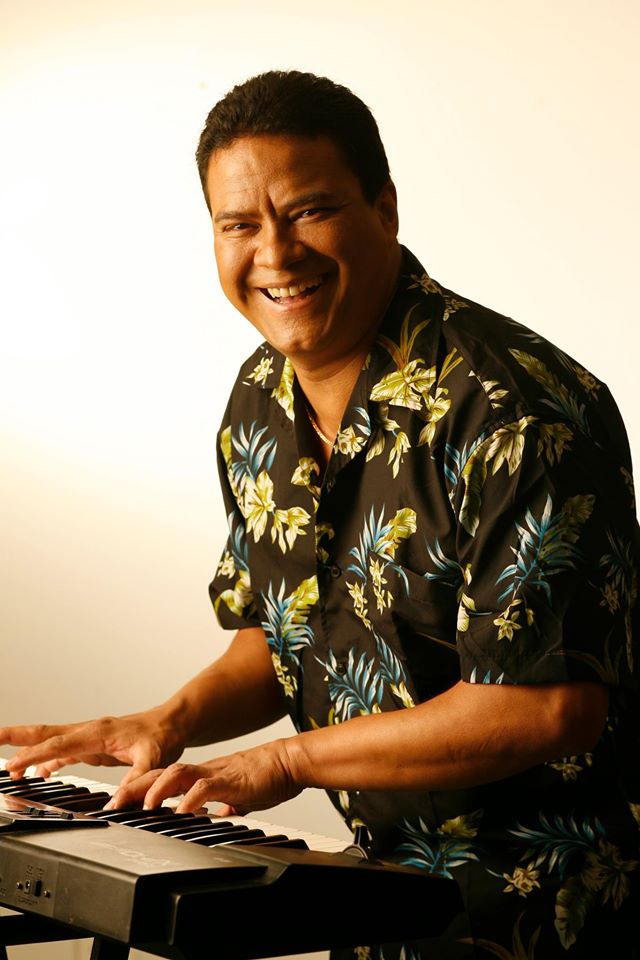
Fidel Antillano - Photo
Fidel Antillano – Photo

This genre influenced his destiny and allowed him to make it his way of life. Salsa is a cultural condiment with the flavor of many countries, which has managed to transcend borders.

Almost always at home the musical vein is lit. Was this your case? 

“There was influence from my relatives, in my house there was always music, it was like a big jukebox, La Billos, Los Antaños del Stadium, la Sonora Matancera, Barbarito Diez, Casino de la Playa, among others, my grandmother lived in El Retiro, in La Pastora, she had a piano, when I went to visit her with my dad, I sat at the piano and I liked what I felt, music was part of my family, my dad was a great music lover, he bought all kinds of records, classical music, Creole music, tango”.

Did your grandmother or your father play the piano?

“No, my grandmother Gregoria “Tata” -we called her that because of our affection-, she was an amateur but she did not play it, she had it as a reference, she played cuatro, my uncle also played cuatro and guitar, my father did not play anything, he bought many Lps, given the house we had -the piano was a kind of furniture that embellished and gave cache to the house-“.
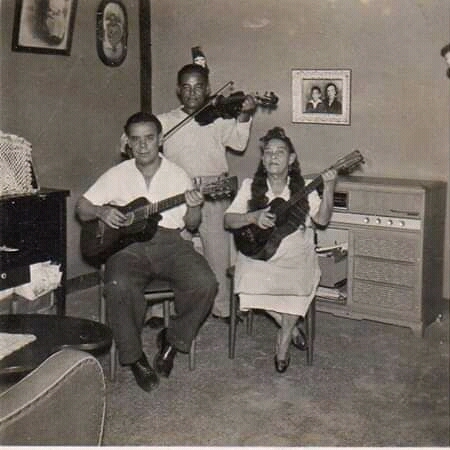
Family photo of Fidel Antillano's uncles Isaías, Pablo and his grandmother Tata
Family photo of Fidel Antillano’s uncles Isaías, Pablo and his grandmother Tata

“My older brother -on my father’s side- he did have some knowledge, he was the most educated, in that house there were harps, cuatro, maracas, records, my family on my father’s side were very fond of music, from our musical family tree we have four musicians -Julito Antillano, Denis Antillano, José “Kikin” Fernández and me”.

What anecdotes or memories do you have of the piano?

“At the time of the construction of La Cota Mil, my grandmother’s piano was taken to my father’s house, at that time I began to kill a fever, I was about 10 years old, it was the time of the gazebos to choose the queens of the neighborhoods, the Sexteto Juventud was in fashion with its theme Caramel and Chocolate; at Christmas and Carnival we did not peel a rehearsal of the groups that lived in Catia”.

That would be the first impulse to awaken the gift within 

“Yes, that was my first impulse, I inherited that musical vein from my grandmother and my father, they were close to salsa and folk musicians, besides, my father and my uncle bought a lot of Long Play (elepé), I started working with my

brother in a shoe store and started buying records.

Fidel, I understand that you are a self-taught musician. How was that learning process and deciding that the piano would be the instrument to play?

“Yes, I am a self-taught musician, back in the 70s we used to hear Nico Monterola’s Orquesta Renovación, La Banda y Su Salsa Joven on the radio. To my surprise, we used to meet with those musicians and we used to go and hang around their rehearsals, this had a big impact on me, there were many shows, it was a coming and going of groups of the moment”.
Orquesta Renovacion
Orquesta Renovacion

When I was 18 or 19 years old, seeing Salsa Mayor, Pacheco, Carlos “El Grande”, all those great musicians, I made the decision to learn to play an instrument, I looked for a teacher or someone who would teach me to play the piano -Salsa was underestimated and that’s why they thought it shouldn’t be studied”.

He got a teacher

“No, because of what I’ve told you, salsa was seen with bad eyes, the scholars did not see it as music would be, look, at that time I was exchanging the Lp with my friends, in one of those exchanges a friend lent me the album “Musical Conquest” by Sonora Ponceña, when I heard the song ‘Ñañara’ I fell and the entrance of the piano played by Papo Luca, that simple montuno, I was hooked – I said; this will be my thing!

That was the leap you’re hoping for 

“Yes, that was the big jump, I went uphill because I didn’t know what a chord was, I didn’t know anything, I mounted 4 songs with simple chords, taking the first steps I fell in love, then I joined people with more knowledge”.

“As there was no one to teach me, I saw books, I had chords of the songs and I was guided by a music theory book, I learned to decipher the codes, music is a code, I read the Swing Latino magazine -from my friend Angel Mendez-, without stepping on a school, I was fed up; one must know about harmony, contra punto, I bought the Berklee harmony book and many more, -I rubbed shoulders with other musicians -some records came as a clinic, all this was feeding me”.

He was his own teacher and a very disciplined student

“I was my own teacher and I took on a discipline because that’s what I wanted, if you went to an institution where they gave music lessons and you said you wanted to play salsa, the musician was fined or thrown out, they were treated in a derogatory way”.

It was worth the effort, from being an empirical musician to playing with the best orchestras.

“I started with Grupo Fósforo, back in 81, we only wanted to play, it was a sextet, Mr. Manuel Ibarra passed me the notes and I didn’t know much about playing, then Jesús “Mandinga” Torres, took me to see different groups, That’s when I decided to introduce brass into the sextet and it became an orchestra, -all the arrangements were done by me-, I had any number of records and many songs from those Lp were not played or played by other orchestras -Gran Combo, Sonora Ponceña, among others-“.

He is a collector

“Not a collector as such, but I do like it, not with the eagerness that any collector has to obtain all the production, as La Sonora Ponceña says, but I have my Lp”.

What happened with the group Fósforo?

“It dissolved because they each started playing for different orchestras.”

And then the Grupo Fósforo   

“Mandinga tells me that Carlos “Tabaco” Quintana needs a pianist, I clarify to him that I do not know how to read the scores, that he gives me the papers that I have the album, I began to listen to the album and I saw the papers, with that I completed the study, and I was increasing the experience, I recorded in the production of Tabaco and his Group Futuro”.

“Then with Dimas and his Orchestra Alegria, it was the first album I recorded professionally in the year 85, through those works I was doing with Dimas, I know Mauricio Silva, I felt afraid because Mauricio already had experience, he was the producer of Dimas’ album, but everything flowed, on the way I know many other professionals”.

“In the year 87 Roberto Blades came to Venezuela to the famous events Consul, Alberto Vergara recommended me Manuel Guerra and we made several tours by some regions of the country, then Julito – my nephew – told me that Naty Martinez needed a pianist”.
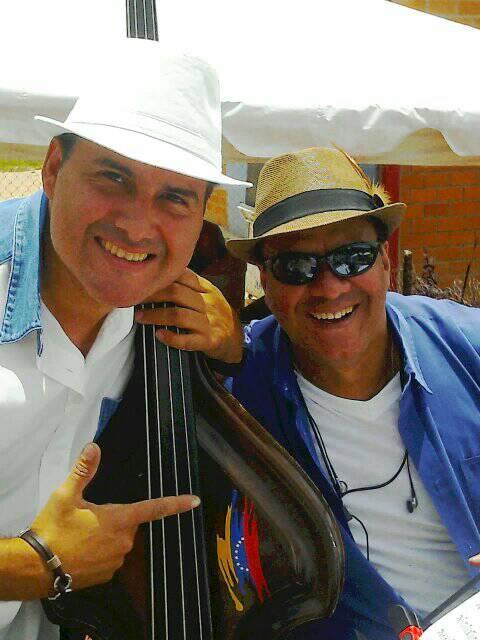
Fidel Antillano
Fidel Antillano

How was your time with Naty’s orchestra and your separation?

“Thanks to the album I made with Dimas, many doors opened for me, he believed in me and I will always be grateful for that. Through this album, Naty hired me, he already had references from me, and I recorded 4 of his productions with him -Naty, El Legendario, returned, In Dos tiempos and Proyecto Maelo-, with Naty I made my debut at the Poliedro de Caracas, I met Ray Barreto and the pianist Ricky González -he passed me some tricks-, we also went to Colombia and alternated with Grupo Niche and Joe Arroyo, a great growth and learning”.

“I left the Orchestra with a good relationship with Naty, so much so that he called me later to record in the productions, En dos Tiempos and Proyecto Maelo”.

It was a very fast growth 

“Yes, I’ve even recorded jingles, I was with the Orquesta Café de Caricuao, I was with Erick Franchesky in the production where he pays tribute to Billos”.

From Salsa orchestras to working with one of the greatest exponents of Caribbean popular music, maestro Porfi Jimenez 

“At the time that erotic salsa was introduced, I started to play with Porfi, merengue and snail soup were in fashion, all that music was in great demand, it was a boom, weekly there were 3 or 4 dances, this dragged a great group of followers, with it I go to Tenerife to some carnivals, I have great respect and admiration for the master”.

His time with the group of Porfi opened the doors to work with the group “Los Roques” of Tenerife

“Of course, however, I had left my resume there and one day they called me and told me that they were going to send me the ticket, I was with them for about 7 months, I played in the carnivals of Tenerife, it was something apotheosis, dances and dances did not let me come – laughs – they played merengue, I was blessed to visit Africa”.

All this accumulation of experience allows him to decide to create his own orchestra

“When Porfi was in the merengue boom, however, most of us musicians were salsa musicians, and because of that need to play our rhythm I decided to create my orchestra, but before doing the Combo Antillano we had an orchestra called La Gran Fuga, the singer was Edgar dolor, we killed fever with that orchestra and eventually I played with Naty and Porfi, because of so much activity I played with my orchestra on the days I had free, it was a good time for the groups”.

What happened with La Gran Fuga?

“We made it to occupy the days we had free with Porfi’s orchestra, at that time it had suffered a drop in the number of performances, but when it came back up, we didn’t have time or space to play, – well – it didn’t really dissolve, in fact they always give us caps to reassemble”.

From being the musician of the Orchestra Dé, to being the owner of El Combo Antillano and taking responsibility for a team
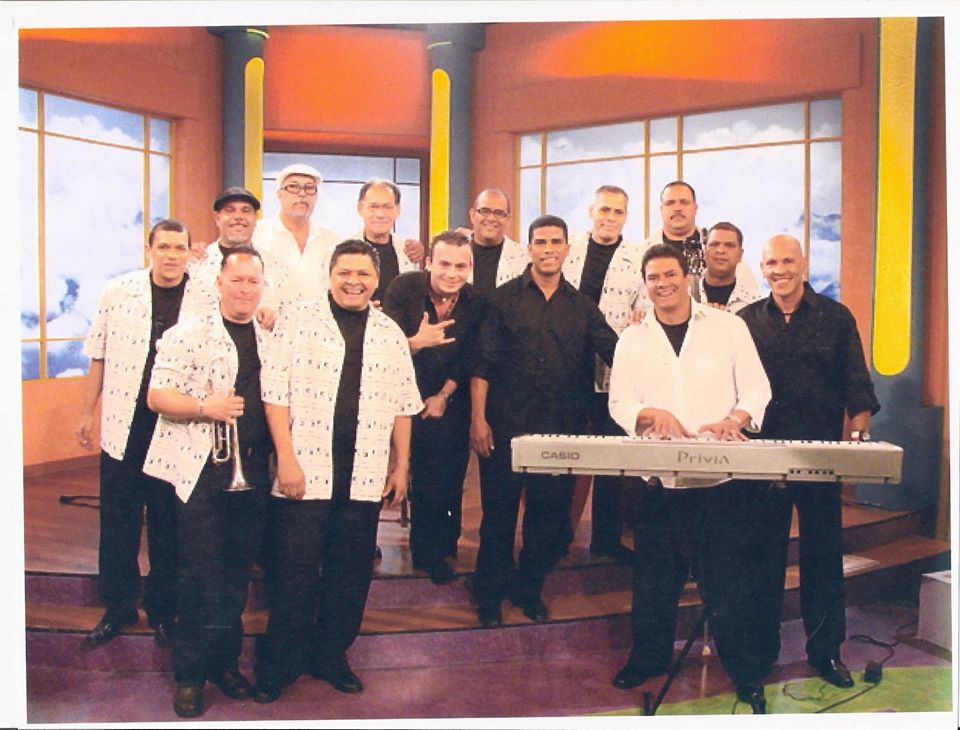
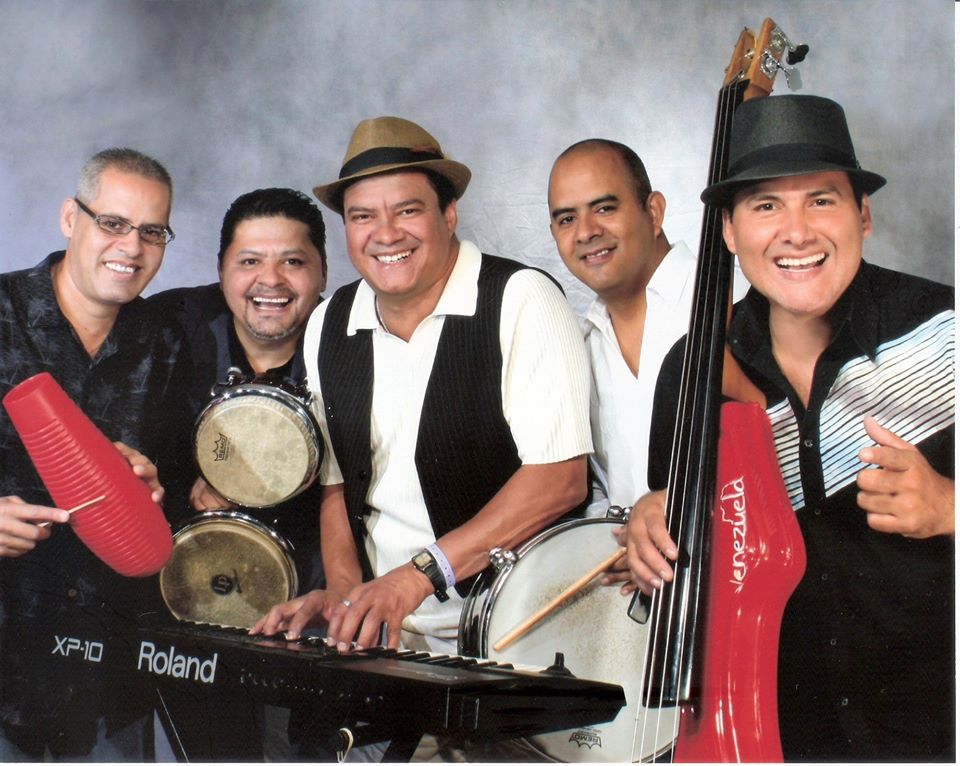
Combo Antillano
Combo Antillano

“A great responsibility and commitment, but it was time to do the same, we opened the compas playing music from the Gran Combo of Puerto Rico, that was the end, we played the greatest hits of the moment, no other band did, on Tuesdays that was full of people in the different places where we worked, this served as a bridge and accompanied other artists, Andy Montañez and other groups, this made me think about making original songs to record.

What was your first composition?

“The “Afro-Caribbean Music Festival” took place at the New Circus in Caracas, with 30 orchestras participating. Lil Rodríguez asked the orchestras to play original songs, and my first composition was a tribute to Caracas”.

At that moment they take a prize as the most applauded group of the night 

“Yes, that was impressive, with Leah’s song, a Mongo Santamaría song, it was something new for the moment, an instrumental discharge”.

Tell us about your record productions

“My first production is called Háblame de Melao (2010), in most of the songs I do the lyrics and arrangements, was something new, the black Mendoza puts me to record and tells me to do theme by theme, we made 21 track, but in the album only put 19, this production was made to recognize the singers, Dimas Pedroza, Teo Hernandez, Angel Flores, Larry Tovar, Luis del Valle “Don Wicho”, Rodrigo Mendoza, Eloy Rios, a tribute to them and highlight our people.

“The second, Fidel and the descarga de los Frailes (2013), here we handle the Salsa, Latin Jazz, Danzón, has a lot of instrumental music before starting the rumba, I had the desire to work and create with a sense of belonging, I made an innovation in the melody with the electric guitar and flute, I did not want to continue recording on wet”.

“and, Caracas en su Salsa (2018), is a tribute to the Salsa of Caracas, in this production we have 14 songs”.

Through this production you made a documentary with the same name, which begins with a beautiful phrase of Cabrujas “Caracas Suena. The city was made to be heard, not to be seen”. How would your interpretation of this hidden city be?

“There is a city that cannot be seen, but it is there, and although the media does not show it to us, we can notice it, through, for example, the musical groups that exist in our neighborhoods and that become visible when there are events, like the one organized by Héctor Castillo (+) in 1983, where we could realize that there was a whole cultural movement hidden in each of our neighborhoods”.

“So I urge this type of inter-neighborhood events, which allow the visibility of the hidden Caracas.

Another of his passions is composition. At what point does the muse come to him?

“At first sight I fell in love -laughs-, -Bella Cubana-, to compose you must have a little bit of each thing, love, dislike, joy, sadness, they are not always experiences of the composer, sometimes if, in the variety is the taste, in my case I work with the rhythmic part and I put lyrics, and more than muse is a mixture”.

He makes songs with meaning that captivate the audience

“You like your audience to identify with your songs, the lyrics are thought-provoking.”

Does the song I don’t want to live in the dark have to do with any experience?

“That one was written by Carlos Navarro and I arranged it for him, it was a personal experience of his. I was in a treatment centre and he talked to me about it, I decided to do the arrangement”.

In the music industry we have many issues of strip and shrinkage, is the case of Domina tu lengua

“Sometimes people think that a song can be a strip and shrink, because of the content of the lyrics, in this case it is not, this was written by the Cuban producer Luis Llamo”.

What gives you the most pleasure as a musician?

“Finishing the product with quality and seeing the acceptance of the public, when you are in the studio and you realize that it looks better, then it sounds on the radio, seeing that the public sings it, dances it, that’s priceless, that’s the greatest satisfaction”.

Which of your productions has given you the most satisfaction?

“Tell me about Melao.”

Why?

“There is a great variety of rhythms in it, I had the opportunity and the satisfaction of exchanging with a large number of people from outside, in it is the theme Pa’ Barlovento, in it exported what is ours, our native rhythm, Venezuelan Sangueo, the Culo e’ Puya, the San Millán”.

What have been your musical influences?

“I wouldn’t be a musician if it wasn’t for Papo Lucas, trying to emulate what he did, as a musician, arranger and person, I admire him a lot, from here comes my influence, -in what time he learned everything he knows-, that makes him incredible, apart from the master Tony Monserrat, an independence with his left hand, he was a virtuoso”.

Many begin by imitating a style, versioning lyrics from other groups. What do you think of the copies, has creativity been lost?

“It’s a resource that is used, at a certain moment, it’s a hook, I barely had the opportunity to do my work, one must have the ability to discern where to play each song, maybe many are afraid of not liking it, or not being accepted”.

What do you think this fear is about? 

“Perhaps not to be broadcast on the radio stations.”

He believes that more support is needed from the various media

“Yes, the lack of support sometimes makes one fear, it’s worrying to touch on a subject and the track gets empty.”

That’s when the artist turns to the hated payola

“I don’t agree with the payola, but it is a necessary evil, all the work that an orchestra owner does generates expenses, and after making an investment you need a retribution; previously live performances were a springboard, they projected a lot to the groups, that has declined a lot”.

What has happened to the Bolero in productions, you don’t listen to them anymore?

“The record companies are more determined to sell, that’s why I think they stopped recording, the new generation should identify with that rhythm, there are many beautiful boleros and if they stop recording they might be forgotten”.

Fidel, what new projects are on the way?

“Right now I’m recording with Angel Flores -record pocket- the song is called Callejon 107, is dedicated to the experiences of Latin American neighborhoods, is a son montuno very tasty, lyrics by Flores and with arrangements by this server”.

At this time when humanity is going through a hard test for its survival, what message would you leave behind?

“There is advice to live a life attached to good habits, one must live under these guidelines, the book of proverbs is wisdom… The man who walks in integrity walks confidently”.

By Eling Blanco, ISM Jounalist Correspondents, Caracas, Venezuela

Memo Arroyave, entre las voces más importantes e impecables del Caribe

Considered as one of the faithful representatives of Venezuelan salsa, the young vocalist Guillermo José “Memo” Arroyave, born on July 22nd in the city of Caracas, arrives to “Salsa Escrita” for an exclusive interview.

Memo Arroyave, continues to project himself with more and more quality and professionalism, characteristics that define him in the Caribbean music genre at the national and international levels.

In a pleasant and enjoyable conversation with Memo, he told us about his career and his current and future projects.

Memo Arroyave, welcome to Barquisimeto’s salsa column “Salsa Escrita”; it is a great pleasure for us to have you as our special guest and we would like you to tell us about your beginnings in your artistic career.

-Thank you Carlos for the opportunity you are giving me to reach your readers in a direct and fraternal way.

Memo Arroyave

Memo Arroyave, among the most important and impeccable voices of the Caribbean

My beginnings in the world of music and show business date back approximately to 1996, when I was a student of the successful Venezuelan Rafa Galindo (R.I.P.D.), the musical legend of our country.

Then I ventured into the stages forming part of different groups in Caracas, such as Partitura Latina, Orquesta Gente Novel, Orquesta Ensueños, Galaxy Latin Band, El Código Salsero, among others.

-Memo, which artists have you shared the stage with, what can you tell us about them? Professor Carlos, I have had the opportunity to share the stage and accompany, on occasions, as a soloist and others as a backing vocalist, national and international artists of the stature of: Andy Montañez, Ismael Miranda, Viti Ruiz, Christian Fernandez, Adalberto Santiago, Pupy Santiago, Paquito Guzman, Roberto Blades, Jose Mangual Jr, Max Torres, Wichy Camacho, Willman Cano, Nino Segarra, Nelson Arrieta, Marcial Istúriz, Mandinga Star Band, Wílmer Lozano, Wiwi Buznego, Wílmer Cobos, Cheo Valenzuela, Miguel Araujo, Erick Franchesky, Irving Manuel, Ángel Flores, Samir Bazzi, Manuel Guerra y su Orquesta, and in December 2019, I shared the stage with Hermán Olivera, Luisito Carrión and Frankie Vásquez.

-Regarding current projects, what can you tell us about them? I am part of several projects simultaneously my friend Carlos, among which stand out: Orquesta Puma Band, Victor Cardona y la Máquina de la Salsa, La Rumba Sonora de New York, Afro Códigos and recently I was invited to participate in the 10th Anniversary album of “Los Rumberos del Callejón”.

Well Memo, for all that you have given us to know about your talent and dedication, you are an obligatory reference of the salsa show and we would like to know about your most recent and future projects.

-In fact, I recently recorded and released the song “Si falta el Aire”, a composition by the Spaniard David Santisteban, with arrangements by Enmanuel “Cerebro” Romero and under my production.

 Memo Arroyave
Memo Arroyave, continues to project himself with increasing quality and professionalism.

It was recorded in Caracas, Mexico, Miami, and New York, mixed and mastered in the Venezuelan capital, as part of my first musical production. Other of my hits are: “Y lloré”, “No Puedo estar sin ti”, which I did a duet with Rafael “El Pollo” Brito. And as a scoop for your salsa column “Salsa Escrita”, I already have the next promo ready and it is a duet with NG2 from Puerto Rico and last week was the release of the song with José Madera Niño “3º Mundo”, titled: “Me gustas pero…”, which is sounding strong and last year I recorded for a Colombian pianist, but he is based in Washington, United States, which made an album called “10” and among other singers participate: Rodrigo Mendoza, Mariana “La Sonora de Venezuela”, Marcial Istúriz, Gonzalo Díaz, Mike Barrios, which is a talentazo of Zulia state, who is currently in Mexico, my person and other people from other countries.

Soon I will be in the production that is in the process of mixing and where Argenis Carruyo, Oscar Arriaga, Wichi Camacho, and others also participate.

-Excellent Memo, I understand that in addition to your facet as a singer, you also dabble in the media?

That’s right professor, let me tell you that I am the nephew of Fernando Sosa Leal, I have done radio and television since 2002; I started with a radio program in the state of La Guaira, I was the director of the musicalization of Azul 95. 9 FM, then we did “Mundo Latino”, there I was as an animator with Fernando Sosa Leal and Luis Arturo in CMT, then in TVES, but I leave the project to devote myself more to my singing career and also went several times to Puerto Rico to the editions of the National Salsa Day, World Salsa Congress, to give coverage from there for all Venezuela and the Caribbean and recently as the producer of Strike 13 with Fernando Sosa Leal in his Bowling program for Meridiano TV.

Carlos, I wanted to thank you for the focus you give to the singer through your salsa column, if I may say individually and not so much as choristers, which of course is important, but in your work and interviews we have read the support and contribution you give to our musical productions and recordings with orchestras, since this way we make ourselves known to music lovers as well as to the public.

Finally, I want to thank you for your time and congratulate you for this work that you do with a lot of enthusiasm, with desire and that should be appreciated not only by me but by all musicians, artists who are giving it their all and that, if it were not for people like you, it would be even more difficult.

-Your social networks? Through @memomedicen, they are my accounts in R.R.S.S. Thanks, Memo for this connection we had and thank you for accepting the invitation to Salsa Escrita “La Columna Salsera de Barquisimeto”, through International Salsa Magazine, www.salsaGoogle.com, we would also like to have you performing in our twilight city and musical capital of Venezuela and remind all artists that we are to serve them in an unconditional way in favor of our Latin music and obviously the Venezuelan talent that is unquestionably superior every day.

See you next time and let’s keep salseando!

Article of Interest: Henry Valladares, a brilliant, versatile, and disciplined percussionist

JD Productions, Erika Muñoz and International Salsa Magazine Present Jesus Pagan Acevedo

Jesus Pagan and his Orchestra Salsa Artist, Singer, Composer and Producer.

He began his musical career in 1991 as a percussionist and backup singer with various tropical music and nueva trova groups in Puerto Rico, being the Andrés Jiménez “El Jibaro”‘s group the best known amont those at that time.

In 1997, Jesús moved to the state of Massachusetts to get on with his life and continue his duties privately until he was invited to share a rehearsal of the Carlos Pabón’s orchestra, brother of salsa singer David Pabón.

That is when he again took the path on music, this time, as a lead singer. His name quickly ran throughout New England letting slip that this little guy was a great singer and sonero. Local orchestras such as The Latin Heartbeat, Komboloko, Ray Gonzalez, Eguie Castrillo and Frankie Rodriguez Y Homenaje A La Salsa immediately opened to him the doors and opened the plate to stand out as a great singer and sonero.

By 2008 Jesus Pagan was counting in a vast experience as a singer, sonero and composer, so he decided to release his first album under the title “Salsa De La Mata” becoming the new sense of the art of soneo in the genre he loves, Salsa. This album immediately became a classic of modern salsa.

Figures such as Hector “Maximo” Rodriguez, Eddie Montalvo, Ray Castro, Luisito Quintero, Joe Fiedler, Ray De La Paz and Lucho Cueto are among the talents in this recording which earned Jesus Pagan a Paoli Award and a U.S. Grammy Award nomination.

After this recording Jesus Pagan has released 3 other albums including one that he considers very special in his career which is “Ya Llego Conjunto Barrio”, “Somos Del Barrio” which he produced locally in the area of Springfield and Holyoke Ma. with musicians of the local salsa scene and internationally renowned figures.

Currently, Jesús Pagan is in the initial phase of what will be his new salsa work and has also recorded with other orchestras and artists in several genres as a guest artist, backup singer and composer.

Currently, Jesús Pagan also works as a chorister and singer for many of the best-known salsa artists in his environment. As a chorist, he has accompanied artists such as: Ismael Miranda, Tony Vega, Johnny Rivera, Adalberto Santiago, NG2, Frankie Negrón, Ray De La Paz, Raulin Rosendo, Wilmer Lozano, Héctor Tricoche, Tito Rojas, Roberto Blades, Willie González, Giro, Michael “El Buenon” and many others. As a singer, he has performed with: Larry Harlow, Richie Ray, George Delgado Y Conjunto Neoyorquino, Conjunto Classico, Alex Torres, Luisito Rey Y La Dinámica, Orquesta Dicupe and many others who have invited him to be part of special performances.

Recently, he returned from a super successful tour in Medellin, Colombia where he was the guest singer for the classic salsa orchestra from New York, the Dicupe orchestra in a sold out concert, over 10,000 people at La Macarena bullring.

His dreams realized include his performance at the most famous concert hall in the world, Carnegie Hall in New York City at a sold out concert with Puerto Rican percussionist Eguie Castrillo’s The Palladium Big Band and “The Gentleman of Salsa” Gilberto Santa Rosa featured as a guest artist by the year 2012.

Jesús Pagan also had the honor of being one of the main singers to salute the memory of Puerto Rican composer Rafael Hernández in a concert in his honour at the Mortenzen River Front Town Square in Hartford Ct and sang together with the son of the celebrated composer Chali Hernández.

Another of his achievements was to open 2 important concerts for renowned figures of the salsa scene. The first one at the UMASS Fine Arts a sold out concert with singer La India and the other one at the Boston City Hall for “Salsa’s bad boy” Willie Colon.

JD Producciones Presenta a Jesús Pagan Acevedo

Jesús Pagan Y Su Orquesta Jesús Pagan & Conjunto Barrio

JD Productions Exclusive Artists

For booking: 413-297-8937 / 413-505-4745 E-mail: [email protected]

Artist Manager: Damaris Rivera de Pagan

Follow us on Facebook www.facebook.com/jesuspaganysuorquesta

Our Available Music Catalogue

www.cdbaby.com/jesuspaganorquesta

www.cdbaby.com/jesuspaganysuorquesta1

www.cdbaby.com/conjuntobarrio www.cdbaby.com/cd/

Erika Muñoz 

By: Erika Muñoz

La Mulata Rumbera

“Se Armó la Rumba en México“

International Salsa Magazine Correspondent

International Salsa Magazine

Home

Katherinne Motta better known as DJ Katha Motta, salsa vinyl collector.

With her good musical taste, her great energy, exuberant beauty and sympathy, she has been infecting the hearts of salseros in Latin America, North America, Europe and Asia with her good taste in music.

On this occasion, the pages of International Salsa Magazine / www.SalsaGoogle.com are graced by our very special guest, the beautiful Katherinne Motta better known as DJ Katha Motta, collector of salsa vinyls, who has been infecting us with her good musical taste, her great energy, exuberant beauty and sympathy to the salsa hearts in Latin America, North America, Europe and Asia.

Born on December 1st in Bogota – Colombia and based in Miami, Florida in the United States, she has been doing an admirable job with her professionalism, talent, original style, versatility, sympathy, connection with the music lovers, dancers and followers; being some of the reasons to be with you today in the only salsa magazine in the world.

Welcome DJ Katha Motta to our edition of the month, for us, it is a satisfaction to talk with you…

Thank you very much Carlos, for your invitation and taking me into account for this interview so I can share and publicize my work as a DJ through International Salsa Magazine and wwwsalsagoogle.com, with all those beautiful and rumbera people, who are your faithful followers and readers around the world.

has been infecting salsa hearts in Latin America, North America, Europe and Asia with her good musical taste, great energy, exuberant beauty and sympathy.
Katherinne Motta better known as DJ Katha Motta

Very well Katha, tell us how were your beginnings in this professional DJ career?

Friend Carlos Colmenárez, well let me tell you that I started on August 26, 2017, in the city of Asheville North Carolina as a professional DJ and I have been participating since then in 5 states of the country, also in Peru in events and concerts of music lovers and collectors, but lately I have been developing my work in Atlanta GA, city that has given me affection to this day.

Excellent, by the way Katha, before continuing with the musical part; tell us if you have any hobbies or do you dedicate yourself to other things?

Yes, Carlos I am passionate about martial arts, photography, the natural environment, sharing with family, obviously dancing and somehow I have learned to value art and life…!

I fell in love with salsa after being locked in the genres of rock, ballads and some heavy metal.
At the age of 18, I only frequented salsa places because it brought me joy.

Your taste for salsa begins since when Katha?

My love for salsa began at the age of 16 when I started to enjoy family parties and I realized that the salsa genre called my attention more than the others. At the age of 18 I only frequented salsa places because it generated joy, feeling and flavor.

Does that give us to understand that you fell in love with salsa?

Yes, yes my friend Carlos, I fell in love with salsa after being locked in the genres of rock, ballads and some heavy metal, although, I still carry these genres in my heart I stayed with salsa because it is a genre that you can enjoy with a glass of wine, dancing, it is too versatile which for me makes the perfect combination. I think I am a proof that it is possible to be a passionate salsa dancer at an adult age.

And weren’t you influenced by your parents or friends to have that taste for salsa?

I remember that since I was a little girl I have been very curious about music, I remember that since I was a child I would take the tape recorder and the cassettes that my parents had recorded from the radio and I would write the names and artists in a notebook.

Very good DJ Katha and as for your taste for vinyls what can you tell us?

Prof. Carlos, when I started working, I started buying CDS and some vinyls, I demanded much more in my work as a DJ because I always want to give the best of me, I also enjoy learning and finding exquisite tunes from collections that are not very well known. Currently I keep buying vinyl for the love of music, the thirst to learn, enjoy the contact of the needle and the vinyl is magical and it is also satisfying to support new artists.  I think it is important to have the habit of giving that value to what we are so passionate about and contribute to the genre.

Which of the rhythms or styles of salsa are your favorites?

It is difficult to find favorites in this genre, when you fall in love with many artists who left their mark and continue to do so, but I think my personal taste is more for son montuno, guajiras and when I program for the dance floor I really like guaguancó, timba and salsa dura.

I have had the honor of alternating with: Chamaco Rivera, Bobby Valentín, Roberto Lugo, Roberto Blades, Papo Cocote, Andrecito Carabali
Katherinne Motta better known as DJ Katha Motta

DJ Katha Motta, we want to know in which places have you been working lately?

Well, let me tell you Carlos that I have been working and making all the dancers in the following cities enjoy:

Asheville NC, Charlotte NC, Greensboro NC Atlanta GA, Athen GA, Greenville SC, Pompano Beach FL, Margaret Fl, Los Angeles CA, Dallas TX, Knoxville TN and many, many more, and as for places where I have participated in vinyl collectors meetings, Orlando FL and Lima Peru.

By the way DJ Katha Motta, with which figures of our Afro-Caribbean music, have you shared the stage?

Carlos, I have had the honor of playing with: Chamaco Rivera, Bobby Valentin, Roberto Lugo, Roberto Blades among others, dear friend.

Perfect, Katha, can you tell us, what have been your latest and upcoming DJ sets for events?

Let me tell you Carlos, that on May 8th I was at the ”Mother’s Day weekend edition” (Noche caliente Latin Night) in Dunwoody, GA; last April 10th at the (Salsa al parque Miami number 3) in Hialeah Fl, May 29th at the ”Rumba salsera” event in Pembroke Pines Fl, among others…and I will be ”Celebrating fathers day” on Saturday June 26th in Greenville SC, alternating with Roberto Blades.

Your social networks Katha, so that music lovers and dancers can follow you?

You can find me as :FanPage Facebook: DjKathaMotta.Facebook Personal: KathaMotta.

Instagram:DjKathaMotta.Youtube:DjKathaMotta.https://Youtube.com/channel/UCSmpDKa1HyMcC4KsBVUpMtA. Twitter: Dj KathaMotta @djKathaMotta.

Thank you very much Dj Katha Motta for accepting our invitation to international salsa Magazine, www.Salsagoogle.com, for us it has been a great honor to have you as a guest and we hope you continue with such professionalism and dedication to the salsa genre and enjoy your “temotas” as you rightly present them in your work and transmissions. We send you a big kiss and a virtual hug with many blessings.

Thank you very much, my friend Carlos Colmenárez, you are a sun…! Let me tell you that the honor is mine and you have selected me to be with you in the “only salsa magazine in the world…!” I would also like to thank all your editors and directors for this high privilege. I will always be at your disposal to share experiences, good salsa and sincere friendship. With love and appreciation your friend Dj Katha Motta…!

By: Carlos Colmenárez Correspondent in Venezuela

Home

Alexandra Albán Manitas de Piedra baptized by Bobby Cruz

The percussionist christened by Bobby CruzStone Hand.

Alexandra Albán is the daughter of José Vicente Albán and María del Carmen Illera. She remembers the musical variety of her city of birth, Pasto. She admires the playing of Giovanni Hidalgo and Ray Barreto. He has recorded with José Aguirre’s group Kema, with flutist Néstor Torres, with Charlie Cardona, with Tony Sucar, with Bobby Cruz, with Alberto Barros in his Tribute to Colombian Salsa and recently recorded for Aymé Nuviola.

Born in the city of Pasto, Colombia, even as a little girl her musical talent started to show as she started her career as a trumpet player for different musical groups in her home city. Soon she was also singing and participation in national level competitions in which she obtained numerous awards.

The percussionist baptized by Bobby Cruz as Hands of Stone
Alexandra Albán Stone Hand

On the other hand, when she decided to travel to the city of Cali, she began her career as a percussionist, where she began to be part of different groups, thus strengthening her musical talent especially as a percussionist, Alexandra has had the opportunity to participate with artists such as Puerto Rican flutist Nestor Torres in his Latin jazz album which was nominated for a Grammy and Latin Grammy for best album in its genre, also participated in the song “Agua para beber” by Bobby Cruz.

In 2016 she was invited to be part of the jury at the salsa world cup in Cali, Colombia.

In 2018, Maestro Milton Salcedo invites her to record one of the songs (Sombrero de Yarey) of his album Swing 80, where she recorded all the percussion and was also nominated for a Latin Grammy.

In 2019 the master Mario Ortiz invites her to record in his production “50 Aniversario” in the theme (Budo) which was also nominated for the Latin Grammy, and the singer Albita Rodriguez also invites her to record in one of the themes of her album “Acústico” nominated for the Latin Grammy.

Some artists Alexandra has worked with. Maelo Ruiz , Tito Nieves , Jerry Rivera , Luisito Carrión , Ray Sepúlveda , Ray de la Paz, Henry Fiol, Orquesta Mulenze, Tito Gómez (R.I.P), Richie Ray and Bobby Cruz (special guest percussionist), Roberto Blades, Cano Estremera (R.I.P) among others.
The percussionist baptized by Bobby Cruz as Manitas Hands of Stone

In 2020 she was called by the renowned producer Motiff, to record a project of the Artist Arthur Hanlon, production called “Piano y Mujer” where she had the opportunity to record Percussion, Artist like Kany Gracia, Natalia Jimenez among other Artists, participated in Piano y Mujer.

Some artists Alexandra has worked with. Maelo Ruiz, Tito Nieves, Jerry Rivera, Luisito Carrión, Ray Sepúlveda, Ray de la Paz, Henry Fiol, Orquesta Mulenze, Tito Gómez (R.I.P), Richie Ray and Bobby Cruz (special guest percussionist), Roberto Blades, Cano Estremera (R.I.P) among others.

She has also had the opportunity to work and record with Alberto Barros’ tribute to Colombian salsa, a group that won 2 gold records for sales in Mexico.

Anecdote with Bobby Cruz and the nickname he gave you as Manitos de Piedra (Little Hands of Stone)

Since she was a child her beginnings in music were not long in coming, she began her career as a trumpet player in different groups in her hometown, she also ventured into singing where she was winner of national competitions, including the singing contest of the house of culture of Nariño, where she won first place.
Alexandra Albán Born in the city of Pasto, Colombia

The Manitos de piedra thing was when the master Bobby Cruz invited me to record a CD with a song called Agua para beber. Bobby Cruz wanted some quinto solos and wanted me to do them, he calls me, I record them, and my surprise when I listen to the final product and in the middle of the solo he tells me Alexandra Albán, Manitos de piedra, hahaha. That song hit in Puerto Rico and Miami. Once I went to a concert dedicated to Richie Ray and Bobby Cruz in Puerto Rico, and people asked me if I was the aforementioned Manitas de piedra. For them, that’s my identification.

 He admires the playing of Giovanni Hidalgo and Ray Barreto.
I am from Colombia

Research Sources

Diana Marie: Correspondent for International Salsa Magazine in Miami, Florida

International Salsa Magazine

https://www.soultonecymbals.com/artist/alexandra-alban


By: Diana Marie Correspondent International Salsa Magazine in Miami, Florida


Home

  • « Go to Previous Page
  • Page 1
  • Page 2
  • Page 3
  • Page 4
  • Page 5
  • Interim pages omitted …
  • Page 11
  • Go to Next Page »

International Salsa Magazine (ISM) is a monthly publication about Salsa activities around the world, that has been publishing since 2007. It is a world network of volunteers coordinated by ISM Magazine. We are working to strengthen all the events by working together.