• Skip to primary navigation
  • Skip to main content

International Salsa Magazine

  • HOME
  • Previous editions
    • 2026
      • ISM / March 2026
      • ISM / February 2026
      • ISM / January 2026
    • 2025
      • ISM / December 2025
      • ISM / November 2025
      • ISM / October 2025
      • ISM / September 2025
      • ISM / August 2025
      • ISM / July 2025
      • ISM / June 2025
      • ISM / May2025
      • ISM / April 2025
      • ISM / March 2025
      • ISM / February 2025
      • ISM / January 2025
    • 2024
      • ISM / December 2024
      • ISM / November 2024
      • ISM / October 2024
      • ISM / September 2024
      • ISM / August 2024
      • ISM / July 2024
      • ISM / June 2024
      • ISM / May 2024
      • ISM / April 2024
      • ISM / March 2024
      • ISM / February 2024
      • ISM / January 2024
    • 2023
      • ISM / December 2023
      • ISM / November 2023
      • ISM / October 2023
      • ISM – September 2023
      • ISM – August 2023
      • ISM July 2023
      • ISM Edition June 2023
      • ISM – May 2023
      • ISM April 2023
      • ISM March 2023
      • ISM February 2023
      • ISM January 2023
    • 2022
      • ISM December 2022
      • ISM November 2022
      • ISM October 2022
      • ISM September 2022
      • ISM August 2022
      • ISM July 2022
      • ISM June 2022
      • ISM May 2022
      • ISM February 2022
      • ISM January 2022
    • 2021
      • ISM December 2021
      • ISM November 2021
      • ISM October – 2021
      • ISM September 2021
      • ISM August 2021
      • ISM July 2021
      • ISM May 2021
      • ISM April 2021
      • ISM June 2021
      • ISM March 2021
      • ISM February 2021
      • ISM January 2021
    • 2020
      • ISM December 2020
      • ISM November 2020
      • ISM October 2020
      • ISM September 2020
      • ISM August 2020
      • ISM July 2020
      • ISM June 2020
      • ISM May 2020
      • ISM April 2020
      • ISM March 2020
      • ISM February 2020
      • ISM January 2020
    • 2019
      • ISM December 2019
      • ISM November 2019
      • ISM October 2019
      • ISM Septembre 2019
      • ISM August 2019
      • ISM July 2019
      • ISM June 2019
  • Spanish
  • Download Salsa App
    • Android
    • Apple

Search Results for: Rumba

Perspectives of our senses in being an excellent Dj. and or Musicalizer

It is known as Disc Jockey (also known with the abbreviation of DJ, and its Anglo-Saxon pronunciation of Deejay) or disyóquey to “the person who selects and mixes recorded music of his own or of other composers and artists, to be listened to by an audience”.

Musicalizador: is that person who can extract a periodic and varied list of an equis amount of songs of proven success loaded in the storage system.
Many people and/or dancers express the controversy of the musicalizadores and Dj’s. Of the rumbas salseras of all the times nowadays that call it of (Salsa Guateque and Baúl).

With respect to the content or musical selection that they place or propose each one to give to understand to the public rumbero dancer.

Today there are many musicalizers and above all self-appointed “Dj`s” and they use to call themselves from one day to another and what they do not know that to reach this art they must study and know the art of basic music such as harmonies, theory and solfeggio, to be more complex.

First, one thing is to be a Dj and another musicalizer, both have to know music, but the Dj is responsible for making the mix of one over the other in couplings of the song without distorting the original revolutions or Bpm that makes you feel the harmony of both in one. Making the dancers flow and make the place feel good and cool.


The Djs and musicalizers have a difficult task to bring the creativity and the magic to put to dance to their public some traditional and others demanding to be able to over carry a rumba or danceable night.

This work has been difficult, but also easy to have an ear to select a song with a good sense of lyrics and above all with a harmonious and contagious arrangement that gives pleasure at the time of dancing. Making of them the work of how and when to place the melody to make the hook between the public/dancer.

The public rumbero, dancer…It is hard to understand that going out one night and feeling the atmosphere with something musical that not only you like, but also your partner or whoever you ask to dance likes the theme. Remember that not only the song makes the night enjoyable, but also the sound of the song and the people around you.
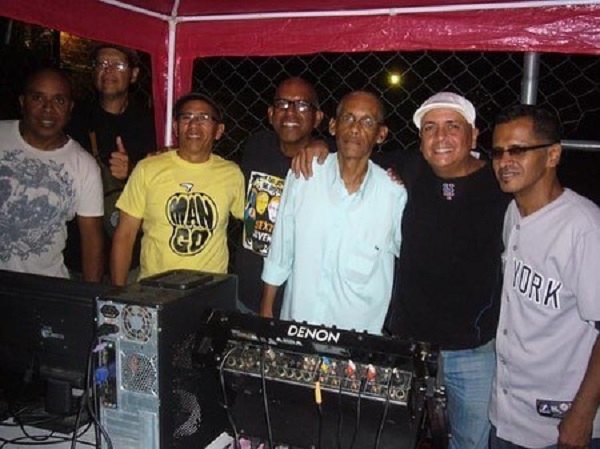
On the other hand, there is the audience that is not even a dancer. Many have the bad sense to bother with a drink in hand, dance alone, even take pictures and record the musicians and / or DJs. They get in the way of those who really want to enjoy the dance floor.

The criticisms are constructive to be better for the next dance, remember that there is a lot of music from the older music stirring memories of the public. As well as the newest, given that the music is modern and evolving.

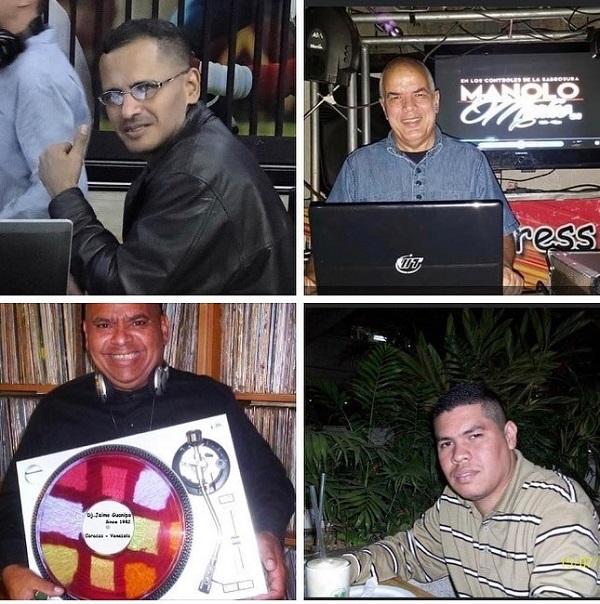
With this I do not mean that all are bad, on the contrary there are good musicians and DJs par excellence that I follow for many years. But there is a large group that is coming out in this that lacks some of the conditions mentioned above.
For DJ’s

  1. If you are going to play a number, play the original. The musicians, composers, arrangers and dancers will thank you for it.
  2. Music with instrument downloads are UNCOMFORTABLE FOR DANCING. Know how to choose which solos are danceable. Give swing to the dancer.
  3. Don’t cut the end of the music, or mix it up. It takes away the happy moment of that final punch.
  4. Just because it’s fast doesn’t mean it’s danceable; listen and see how people enjoy the different tempos in the music.
  5. Hey…the guajira, the son montuno, the chachacha…whatever you call it, it’s part of the genre. Why do you have to ask for it and they look at you funny? Out of every three to four salsas, a chacha goes down very well.
Fasching Presents An Intimate Concert With Miriam Aïda

The only performance of the most influential Bossa Nova and Jazz singer in Sweden will be in September

Leyenda: Miriam Aïda sings in Portuguese, Spanish, English, and Swedish (her native language).

Miriam Aïda is one of Sweden’s most popular Jazz singers. She has an indisputable talent, a seductive and harmonic voice, and her outstanding appearances on stage always surprise the audience thanks to her impeccable fusion of Jazz and Latin rhythms.

On Thursday, September 29th, it will be the only concert that the Swedish singer will give at the imposing club Fasching https://www.fasching.se/miriam-aida/#2022-09-29T20-00 from 8 PM, and tickets are available from 120 SEK (persons standing) to 200 SEK.

She will create this intimate and exceptional show with the feature of five prominent musicians from the Scandinavian Jazz music scene: Mats Andersson (Guitars), Johan Olsson (Accordion and Keyboards), Simon Peterson (Bass), Finn Björnulfson (Percussion), and Ola Bothzén on Drums.

Miriam will navigate the music of the American coast, stroll along the Caribbean Sea, and descend to the magnificent beaches of Brazil to present the rhythms that took root in the New World: Bolero, Cuban Rumba, Samba-Soul, and Jazz, among other genres that together to the colorful voice of Aïda, they will perform the songs from their most recent production Loving the Alien released in 2018, in addition to their greatest hits compiled on eight albums.

This singer, leader of Bossa Nova and Latin Jazz in Sweden, has taken her show to the main cities of Japan, the United Kingdom, Brazil, France, Spain, USA, Turkey, Russia, Italy, and Germany as a soloist as with the band A Bossa Elétrica, and has had the good fortune to have shared the stage with great Brazilian personalities such as Hermeto Pascoal, Badi Assad, and guitar master Marco Pereira.

She is the Director of the record label Connective Records and radio programs.

The extensive career of Miriam Aïda www.miriamaida.com goes from her first album Jan Lundgren Trio Presents Miriam Aida & Fredrik Kronkvist released in 2002. This record production together with her husband Fredrik Kronkvist, the pianist Jan Lundgren, and two very talented young soloists performed for the first time the Funky-Soul-Jazz rhythm and standards with an American and Swedish touch.

Who is Fredrik Kronkvist? https://fredrikkronkvist.wordpress.com/bio He is a master of the Alto Saxophone and one of the established stars of Swedish Jazz. He has nearly 9 million views on digital platforms for his ballad hits Theme for Ernie. This saxophonist with extensive knowledge of the instrument and Jazz is currently releasing a new album in early 2022 with ten original ballads and directs his band made up of four musicians from the vanguard of current Jazz.

Miriam after a year of this successful album releases her debut solo album My Kind of World (2003) with classics like “Big City” and passionate Bossa Nova ballads. She continues with A Bossa Elétrica – Eletrificacao (2004), and Miriam Aïda & Fredrik Kronkvist with Monday Night Big Band – Live at the Palladium (2005) recorded live. This CD features moving, direct Jazz and Bossa nova. With this powerful Big Band, they covered great songs like Horace Silver’s Senor Blues, Nat Adderley’s Fun, Right Here, and Right Now, to name a few.

She also participated in the album Joe Spinaci and the Brookolino Orchestra-Too Darn Hot (2005) and continued with her solo album Meu Brasil (2007). The material is mainly in Portuguese and compiles great composers from different eras such as Baden Powel, Nelson Cavaquinho, and Jorge Ben. It contains a new Bossa Nova written by Miriam with Swedish lyrics and incorporated Swedish poet Nils Ferlin’s interpretation of the poem in Portuguese.

It is followed by Come on Home (2008), Letras ao Brasil (2009), Visans Väsen (2011), É De Lei! (2014) recorded in Sweden and Rio de Janeiro in collaboration with the Brazilian arranger Jayme Vignoli and the voice of one of the best singers from Rio, Marcos Sacramento, and Quatro Janelas (2015).

Directory of Salsa Clubs in Latin America

La Salsera

Yatay 961, CABA, Argentina

Azucar Argentina

1193 Buenos Aires, Argentina

Mundo Latino Disco Salsa

Esmeralda 565, C1007 ABC, Buenos Aires, Argentina

La City

Av. Álvarez Thomas 1391, C1427 CABA, Argentina

La Venezuela Disco

Santiago del Estero 1280 C1136ABB Buenos Aires, Argentina

Son Habana

Juan Carlos Gómez 1327, 11000 Montevideo, Departamento de Montevideo, Uruguay

La Bodeguita del Sur

Soriano 840, 11100 Montevideo, Departamento de Montevideo, Uruguay

Salsa & Company

Constituyente 1637, 11200 Montevideo, Departamento de Montevideo, Uruguay

Lotus Club

Cr. Luis E. Lecueder, 11300 Montevideo, Departamento de Montevideo, Uruguay

Casa de la Música de Miramar

Calle 20# 3308 esquina a 35 Miramar Playa La Habana, Cuba 10400

Casa de la Música Varadero

Varadero, Cuba

Cabaret Tropicana, Habana

La Habana, Cuba 11500

Café Cantante Mi Habana

Av. Paseo, La Habana, Cuba

Palacio de la Rumba

Avenida Las Americas, Varadero, Cuba

Salon Rojo del Capri

21 /M y N La Habana, Cuba 10400

Michiel Braam: The Virtuous Pianist from Nijmegen

Two years after the creation of the Latin Jazz album XYZ with Son Bent Braam

Michiel Braam presented XYZ at the Music Meeting Festival. “The festival takes place in Nijmegen, where I was born (1964), grew up, and still live”. Foto: Marjan Smeijsters

Virtuous pianist, masterful producer, and surprising composer. Winner of the Podium award (1998) and Boy Edgar (1996/1997). Musician trained by conviction and at the ArtEZ Music Academy in Arnhem. His lifestyle is synchrony between freedom, creativity, teaching, and love. It is how he presents us his life and his works in Nijmegen, Michiel Braam.

This friendly artist with a protective childhood where love prevailed always had the support and freedom to develop and create everything he considered necessary to him. Michiel is the only one in his family who turned to music professionally, but the rhythm of melodies runs through his veins. His parents played the piano self-taught. His mother wrote notes while his father just improvised.

During high school, he participated in a band for which he wrote and arranged all the music. He studied at the conservatory and founded his more minor quartet Bentje Braam (“Little Band Braam”) in 1985. In the same year, he traveled with his band to Sweden to be the first Dutch group to open the EBU Jazz Festival and wrote his first composition for the Dutch radio “Cows and Beasts”. A year later, he created the band Bik Bent Braam.

“Music is, as long as I know, everything to me. I feel better with music. I dance when I’m happy, and music comforts me when I’m not doing so well… It seemed like a logical step to pursue what I enjoyed most.” Michiel Braam https://www.michielbraam.com/

By 1988 Braam had had no contact with Latin music until percussionist André Groen asked him to be the pianist for his Orquesta Europea de Danzón. In this regard, this wonderful pianist told us: “He wanted a pianist who had a wild free Jazz attitude and who didn’t only play the well-known Latin patterns because he thought that fitted better with the authentic Cuban music. That music immediately appealed to me, especially because of its rhythmic impact, but also because as a pianist, you have a lot of freedom to go in all directions during improvisations. I have touched on those Latin patterns to some extent and in the course of the 10 years that I played in that orchestra I managed to master them better, but it was mainly the combination of freedom and rhythm. That orchestra lasted ten years and we celebrated the thirtieth anniversary in 2018 with a couple of concerts. Great to do that again and I felt again exactly why I found it so appealing back then”.

In 1988 Michiel won the Podium Prize, an encouragement prize for Dutch Jazz music and in 1996/1997 he won the Boy Edgar, the highest prize for Dutch Jazz.

This pianist, the architect of great projects, built a party based on the Latin alphabet of Western culture on the album XYZ released in 2020, creating a danceable mix that includes Mambo, Rumba, Son, Danzón, Boogaloo, Calypso, Rumba, Bembé, Mozambique, Samba, Afro, Bolero, Cha-cha, Merengue, Bembé, and Samba. Michiel is also the Director of the Jazz and Pop department of the ArtEZ conservatory and founded a Danzón orchestra. Now, I leave you with the rest of this wonderful interview that I had the opportunity to do with the great Maestro Michiel Braam. Enjoy!

They have played on the ZomerJazzFiets tour, North Sea Jazz, and Bimhuis. Likewise, some of the members of the orchestra are fluent in Spanish.

– How did the idea of the Latin jazz album XYZ come about?

In 1995 I wrote “The XYZ of Bik Bent Braam” for my big orchestra at the time, Bik Bent Braam (phonetic Dutch for “Big Band Braam”). I thought it would be fun to make a festive version of it to celebrate the 25th anniversary. The XYZ was (and is) a 26-part suite, with a piece for each letter of the alphabet, starting with Aardedonker (English title Atramentous, Spanish Apagado, both not exact translations…) and ending with Zwoerdspek (Zaftig, Zafio). I revisited all the pieces in 2020 and paired various styles with the original material. In the 1995 original, they were mostly jazz-like styles (bebop, free improv, swing, jazz ballad, etc), but Chachachtig was a rumba even then. It is the only piece that has not changed its mood substantially.

– What happened to the previous members and how did the new members take hold?

The original orchestra Bik Bent Braam was composed of top musicians from the Dutch improvised music scene. The orchestra existed from 1986 to 2013 and had a number of lineup changes. In the final version of Bik Bent Braam there were only a few members left from the very beginning. That the musicians of Bik Bent Braam could read well was not really a requirement, the core was affinity with swing and great improvisational skills. For this new version, it was important not only that the musicians were excellent improvisers, but also that they had to have a feel for Latin music and also that they were outstanding readers, because I did not foresee that there would be very much rehearsal time and the notes are quite challenging. Bik Bent Braam was subsidized with government funding and I could then easily occupy a longer period with many rehearsals. Son Bent Braam, the current line-up, does not have its own subsidy, so we have to look at each concert and hope that everyone can make it. There have been quite a few subs, and they too have to be able to improvise and read well.

– Tell us about your Danzón orchestra.

André (André Groen – Percussionist) wanted to immerse himself in traditional Cuban music. There is so much richness in the danzón with its fixed forms that pass by in each piece with the most beautiful melodies and the wildest spaces for improvising on highly danceable rhythms. We found the instrumentation with violins, cello, flute, percussion, double bass, and piano attractive. After ten years I got too busy with my jazz ensembles, by then I was touring all over the world with Bik Bent Braam and other groups and especially with my Trio BraamDeJoodeVatcher. I could hardly combine it anymore with the Danzón Orchestra and the great pianist Peter van Marle took my place, which made me feel very humble. The European Danzón Orchestra then existed for another year or so. I honestly don’t know why it stopped then. In 2018 we did a couple of reunion concerts, great fun to do.

– How many years have you been in charge of the Jazz and Pop department of the ArtEZ conservatory and what do you teach the new generations based on your experience?

I have been head of the program since 1992. It is part of a broad arts university and is located in a building that also houses dance, theater, fine art, applied art, fashion, and creative writing. As a head, I don’t teach very much… only when students very specifically ask for it a few hours of individual lessons per year and a few group lessons, and I also regularly give master students some lessons. My message is usually quite short and clear: there are millions of people who play an instrument excellently, and you can probably teach an orangutan to play Keith Jarrett better than Keith does himself, but – apart from the fact that that would be a fun YouTube hit – there is no point; in our music, it is almost all about an authentic voice, including all the shortcomings that are in everyone, which also make you a unique musician. Obviously, you must have many skills as a musician, but my life motto is that one’s deficiencies are far more important for one’s personality than one’s skills, and that attitude underlies my whole vision of art education.

“With Nos Otrobanda have started to concentrate on the music of Noro Morales and have his composition Maria Cervantes (single) firmly in our program. His music will probably be the subject of our new album”. Foto: Marjan Smeijsters

– What are your next projects?

Everything is starting up again post-covid. I want to record a solo album on my grand piano, a so-called “Alurip”. That’s an aluminum grand piano made in the fifties with a specific sound. And the album of our trio Nos Otrobanda, which specializes in Antillean music, is almost sold out. That doesn’t matter obviously, if there are no more physical copies then you can always hear the music through iTunes, Spotify, etc, but it’s a great opportunity to make new recordings again and the intention is to go to Curacao and record music in the Fortkerk in Willemstad, the place where we did a couple of concerts in 2018. That was a great experience, what a nice place and sweet audience!

– How was the process to make a living from music?

I stuck pretty firmly to the rule that you have to do what you like and not let yourself be distracted too much from that. And I look for what it takes to make it happen. From 1996 to 2012 I received an annual government subsidy to realize my projects. I am also a real musician in the sense that I have a mixed professional practice (playing, writing, teaching, producing, almost every musician has roughly that mix) which means that it is always possible to make a living out of it and we never had to worry about bread and a place to live.

Michiel Braam & Son Bent Braam Orchestra.  Foto: Marjan Smeijsters

I make music mainly because I can’t do otherwise. Music is a way to communicate; it makes you a little better… Leitmotiv in everything is that in music, I am free to do anything I want. For example, I did play Purcell’s Dido and Aeneas with the exquisite reed quintet Calefax, also improvising on the various songs from that opera.” Michiel Braam

Home

“Tabaco y sus Metales” the legend of Salsa made in Venezuela

On May 30, 1995, Carlos “Tabaco” Quintana died in Caracas, Venezuela, the city where he was born on September 15, 1943.

Charismatic Timbalero, Sonero and Director of “Sexteto Juventud” and “Tabaco y sus Metales” the legend of Salsa made in Venezuela”

Former member of  “Sexteto Juventud”, founder of the orchestra  “Tabaco y sus Metales”. He was born on September 15, 1943 and began his musical training in the corners of San José.

Youth took him hand in hand with the street salsa brava, the rebellion of Palmieri and Mon Rivera’s trombones and the castinglés sound of Joe Cuba’s sextet.

And it was so long that they began to call him “tabaquito”, a tabaquito who waited for the day to be over to find the musical flavor far from the chore of shoeshine boy and town crier.

He never forgot that he used to go out to 23 de Enero to listen to the rehearsals of a group that was being formed there.

Years went by and rehearsals went by while Tabaquito got to know one by one the members of that group until 1963, when he was twenty years old, his friend Elio Pacheco recommended him to Olinto Medina, the leader of that band.

Olinto was about to rehearse “Guasancó” and the singer was not in tune with him.

Elio’s recommendation took effect and “Tabaco” did its thing, very well. Thus the Sexteto Juventud had a new voice and something more, because Carlos Quintana was able to walk through all the instruments of the group.

He had an almost magical vocal timbre. His voice was astonishingly similar to Ismael Rivera’s and we already know what that meant at a time when Maelo was the obligatory reference from the ranks of Rafael Cortijo’s Combo.

With Quintana the Sexteto Juventud had moments of true glory because although it reflected the influence of Joe Cuba they created a style that continues without copy.

In addition to his vocal art, Tabaco was a good composer, with a good vibe and reciprocity in the town. Every September he would go to play for the prisoners, on the day of Las Mercedes. He felt what a captive felt and that is why he composed “La Cárcel” (Qué malo es estar/ estar entre rejas/ y qué soledad/ qué soledad se siente).

Along with this song he released “Mi Calvario”, a piece that became a classic.

(Quisiera saber/ cuál fue la causa/ de nuestro olvido.And so, between recordings and toques, Tabaco, in the Sexteto Juventud, saw the arrival of José Natividad Martínez, Naty, the flutist and friend. Naty sold the idea of the brass to Quintana and Quintana, buying, suddenly came up with “Tabaco y sus metales” and recorded Pablo Alvarez’s “Una sola bandera” which was a smash hit, “Agua de mayo” and his tribute to the rumberos, “Tuntuneco”.

In May 1984 we published a very rich interview with Tabaco in El Nacional’s Feriado. Almost immediately they called to locate him. He was invited to the Managua 84 festival. It was the first time he left the country by air.

He performed for 30,000 people with Son 14, Amaury Pérez, Pupi Legarreta and Tania Libertad, among others. On his return he told me that the Cubans were astonished because they thought that in Venezuela there was only Oscar D’ León, and that he almost fainted when Daniel Ortega approached him to ask for an autograph, and that he touched the sky when Adalberto Álvarez and Son 14 went up on stage with him to sing “Una sola bandera”.

His dreams: He had two: To record an album as a tribute to Ismael Rivera, and to make another one with boleros. Once in Macuto he sang with Ismael Rivera and for both of them it was a tremendous experience. In Guarenas, the musical and brave, specifically in “Menca de Leoni” was cooking the dream.

With Naty’s help, he began to record Maelo’s on an album that the Sonográfica label did not take care of releasing afterwards. He could not finish it because cancer took him to the hospital where Joe Ruiz was also hospitalized.

That album was vocally completed by Ángel Flores. He, who admired Cheo Feliciano and Tito Rodríguez so much, could not make the bolero album either.

Naty says that in more than one night he managed to get Tabaco out of the hospital to advance the tribute album to Maelo. She knew that Tabaco wanted to do it, and pleased the friend, who also, looking for spiritual relief to his physical pain, went to Los Teques, where he was surprised by death on May 30, 1995.

“Tabaco” Chronology of his musical life 1.943 Carlos Quintana was born on September 15 in the San José neighborhood of Caracas, Venezuela.

1.955 as a child he worked as a shoeshine boy and began to be interested in music.

1.959 in his adolescence he attended the rehearsals of a musical group in the 23 de enero neighborhood of Caracas, because of his skinny body and stature they began to call him Tabaco.

1.962 on May 13 was founded the group called Conjunto Rítmico Juventud, which eventually gave rise to the Sexteto Juventud, composed of Olinto Medina as director and bassist, Elio Pacheco on the Tumbadora, Carlos Croquer on drums, Arturo Lopez singer, Juan Medina on guitar and Isaias on bongo.

1.963 musician Elio Pacheco introduces Olinto Medina leader of the group to his friend Carlos Quintana.

1.967 “Tabaco” joins the group and in a short time he becomes the vocalist of the group in his first recording titled “Guasanco”, a 45 rpm single whose reverse side was titled “Cautivo”, this happened on February 22nd of that year.

SB1 Publications

Besides having a voice similar to that of Ismael Rivera, Carlos Quintana performed well on the bongo and other instruments.

On June 11, 1967, the first album of Sexteto Juventud was released, entitled “Guasanco”, it was recorded for the Velvet label and the name of the album was due to the success of its first single “Guasanco”, other songs on the album were “La Jibarita”, “Bógalo” and “Consejos de mamá”.

The same year 1967, this time on September 24th, their second album is announced: “Mas Guasanco”.

A new production of the sextet is called “A bailar juventud”, which contains the songs “Guasanco número 3”, “Hermanos con salsa”, “Soy el Bravo” and “Guajira Sentimental”.

The Sexteto releases the album “Mala” for the same Velvet label, where the numbers “Capricho antillano”, “La calle 10”, and “El Nuevo Guasanco” were recorded.

Two new records that were pressed for Velvet are: “Sabroso tumbao” and a work with the voices of Carlos Quintana and Oscar Mijares who was nicknamed “El chino” titled “La juventud se impone” for the Velvet label, in which they developed rites such as: Guaguancó, Jala jala, Guajira, Guaracha and Mozambique with hits such as “La cárcel” and “Jala jala Navideño” in the voices of Carlos Quintana and Oscar Mijares.

1.971 a new Sexteto album was released, entitled “La magia del sexteto”, which included songs such as: “Con todas las banderas”, “Sandra Mora” which would later be recorded by Naty y su Orquesta, “Caramelo y Chocolate” and “Virgen de los cuatro vientos”.

Also in this year they recorded an album called “A todo ritmo” in which they included “Caramelo Tumbao”, “De nuevo Borinquen” and “Comand Bógalo”, they were awarded a gold record by the Velvet music label.

1.974 On April 22nd without “Tabaco” in their ranks, Sexteto Juventud recorded an LP that we have to mention for its success at the Salsa level, the album was called “Lo espiritual del Sexteto Juventud” with rhythms like “Guaguanco”, “Guaracha”, “Bolero”, “Danzon” and “Guajira” and we highlight the numbers “Espiritualmente”, “Vestida de Blanco” and the homage to the Boricua land with the theme “A Puerto Rico”.

1.975 following the suggestion of his friend and musician the Venezuelan flutist Natividad Martinez, Carlos Quintana creates his own group “Tabaco” and his Sextet. Their first song was called “Una sola bandera” and was very well received by the public.

Also in 1969 he recorded the spectacular album titled “Agúzate”, for Tico Records, with classic songs such as: “Aguzate”, Amparo Arrebato”, in homage to a dancer from Cali, Colombia, “Vive feliz”, “Guaguancó Raro”; “Traigo de Todo” and the bolero “A mi manera”.

Carlos Quintana recorded the album titled “El Sabor de Tabaco” in the Colors studios in Caracas, the album contains songs such as “Maria lienza”, “Pegao”, “Ofrenda” and Yabirongo”.

1.975 records the albums “Tronco e’ baile Tabaco y su Sexteto” for TH records in which appear the themes “Pobre”, “Mata Ciguaraya” by Benny More and the hit “La Libertad”, in which he makes mention of the greats like Benny More, Celia Cruz and Ismael Rivera, half of the themes of the album are authored by Gabriel Carrasco and the other record production of 1. 975 was called “Tabaco y su Sexteto: Mi pueblo – Mi burrita – Nostalgia”, for the Top Hits label, with the production of Tony Montserrat and which has the themes “El Vals de Papa”, the Tango “Nostalgia” and a very salsa number titled “Ponte en Ritmo”.

1.976 his musical work is titled “Tabaco y su Sexteto” with the arrangements, production and direction of Victor Gutierrez, the record was made in Venezuela by La Discoteca CA. And contains a number of authorship of “Tabaco” entitled “Mi Celda”, and other songs like “Amor amor” and “Prefiero mí son montuno”.

1.978 Carlos Quintana changes the name of his group to “Tabaco y sus Metales” and with that title they record for the Top Hits label in the Intersonido CA studios, the album includes songs like “Tristeza y pena”; “Celda de castigo” and “Sinceridad”; both by Carlos Quintana. The orchestra was formed by Pedro Landaeta on Piano, Hector Pacheco on Bass, Pablo Álvarez on Conga, Carlos Quintana Bongo and Percussion, Gabriel Carrasco on Tres, Trumpets by “Pollo” Fuentes and Luís Arias, Natividad Martínez on Flute, Carlos Quintana Singer and the choirs of Gabriel Carrasco, Dimas Pedroza, Álvaro Serrano, Carlos Quintana and Víctor Gutiérrez.

1.979 Tabaco y sus metales publishes a new album under the title “Ni poco ni demasiado” also for the TH label with a number of the same name and other songs such as the big hit “Arrollando”, a version of the song “Todo de los metales”, a version of the song “Todo de los metales”, and a version of the song “Todo de los metales”. a version of the song “Todo el mundo escucha” by Bienvenido Granda and also a number by Markolino Dimond titled “Maraquero”.

With the production, arrangements and direction of  Victor Gutierrez, the recording was made at Intersonido CA in Caracas.

1.980 the musical work of this year was titled “Advertencia”, this work was made in Puerto Rico under TH license, it is a sample of what at that time “Tabaco” meant in Salsa, in this recording participated musicians like Luís Quevedo in the Piano, Polo Huertas in the Bass, Papo Pepín in the Conga and Yayo el Indio and Carlos Santos in the choirs.

The musical direction and arrangements were in charge of Ray Santos. Among the songs on the album are “Agua de mayo” by Pablo Álvarez, “Que ironía” by Carlos Quintana and “Alegría” by Naty Martínez. Regarding this work, Rafael Rivas, Disc Jockey of Radio Aeropuerto, wrote: “Latin music in Venezuela has had several variants, some aimed at fulfilling a certain time, others evidencing the spirit and reality, the daily life with success; precisely to this current or trend belongs Tabaco.

The commitment to sing what he carries inside, to expose with his natural style the things he feels, even his motivations, leads us to reflect on the figure of Tabaco.

It is he, and no other, in our country, who has dedicated himself to present with passion what he suffers, what he sees, what he truly feels.

Tabaco says, his naturalness allows that balance between what he sings and lives, he seems to conjugate, and perhaps that is the truth, to take for himself, what we have logically lived.

Tabaco’s life is here, and we respect his criteria: without a tenacious diffusion Tabaco has managed to sell, to surpass the best; and there is a reason for it: Tabaco has the strength.

He is interested in singing, in carrying a message, and in his own way he has exposed it with sense, with full authenticity.

Tabaco commented to me one afternoon at the Airport: “Tigre, I believe that the important thing is to define ourselves, to express our reality and denounce at the same time: that is why Rafael believes in you, because you are the message, the truth of our movement”.

Tabaco was referring to the content of the songs; he believes in the possibilities of music, in its magic to undertake behaviors and to present the rage, love and passion of our spirit.

Later Tabaco pointed out to me: “What is indispensable is to sing, the way things are felt, the way the people communicate, that is why I make Salsa”.

And that is why Tabaco has a name, a special public, that has known how to understand him, because he has reached us, with sense and commitment. He is the voice of the people aimed at interpreting their process, their experiences, their daily work. Therein lies the reason for his inspiration, the context of his themes.

When he inspires, he shows his capacity to value, his speech evidences his thoughts, his aspirations, and also his repudiation. He hides nothing and what emotion we feel, when he unloads on the timbales, when his voice rises and blends with the rhythm, telling truths, encouraging the spirit, if I understand the dancer, generating relief to the heart, living the cadences, demonstrating his skills as a sonero. He created his own style, and this has consecrated him.

Now we have the new Tabaco, with more maturity, and the experience of the arranger who at this time has a special prestige: Ray Santos.

Ray’s commitment went beyond what we originally thought; Tabaco was a challenge for Ray; he had Santos in front of a marvel, as he described him, the people turned to the figure of Tabaco, who felt he had the best time to undertake the melody.

Ray prepared the arrangements with a concentration that he had never achieved before, he understood the commitment, and Tabaco knew how to respond to the requirements.

Ray confessed that Tabaco is gifted with possibilities, so his work demanded the maximum. For the first time, Tabaco appears with a superband, with a different orchestration, and it was necessary to do it, the time demanded it, his voice has the right to sound to the four winds, it is time that our best (Tabaco) interprets reaches the Caribbean, with height.

Tigres y tigressa, with this LP we will have special music; its quality, its conception, will lead us to take it into account, not only for our rumbas but to enjoy it all our lives.

The producers knew perfectly well the intention of recording with Ray Santos, they knew that Tabaco would keep to his style, without any change or twist that could deviate his personality as an interpreter; what they were basically looking for was perfection in the orchestration, that magic touch that would allow him greater expressive freedom; that is the reason for recording in Puerto Rico.

The best thing that could have happened to Tabaco this year was to meet Ray Santos, and for us, that unity represents the most audacious and wonderful thing that has been done so far. I believe, despite the express prohibition to advertise cigarettes, that this Tabaco is the purest, most inimitable in its Venezuelan flavor, and most authentic of the Caribbean. What are you waiting for? Light it up now! Tabaco y sus metales 1.981 was his next production for Top Hits records, with arrangements by Jorge Millet and Natividad Martínez, in which the songs “Si la envidia fuera Tiña” by Jorge Millet and Carlos Quintana: “Mi Celda” and “A Millet” were recorded.

In 1982 he recorded an album called “Cosa Linda”. The themes of the album are: “Cosa linda”, “Tremendo guaguancó”, “Fiebre de ti”, “El callo”, “De mi rancho a tu casa”, “El cafetero”, “Camarera de amor”, “Consejo a las mujeres”.

(H3) 1.983 Produces the album “Homenaje a los bravos”, also for TH records, which includes “Baranda” by Justi Barreto, “El Timbalito” by Tito Puente and “La Culebra” by Obdulio Morales.

1.984 in this opportunity the album was called “El Timbalero, Tabaco y sus Metales”, which includes two numbers by Justi Barreto: “Timbalero” and “Barito”, the song “Casamiento” by Rafael “Chivirico” Dávila and a song written by Carlos Quintana: “Contestación a mi calvario”, production, direction and arrangements by Andy Duran.

  1. 988 Tabaco y su grupo futuro, recorded for the Velvet label in which they recorded songs like “El taxista” and “El Temporal”, with arrangements by Félix Suárez and Víctor Santana, the members of the group are Carlos Quintana singer, Fidel Antillano pianist, Jesús Torres on bass, Cruz Armando Quintana on bongo, Alirio Castillo on Timbal, Alberto Vergara on Vibraphone, Victor Santana on tres and guitar, Jorge Ruiz on conga, Tambora and guiro in charge of Jorge Orta and the choirs of Carlos Quintana, Felix Suarez, Victor Santana, and Pablo Alvarez.

On May 30, 1995, the Venezuelan musician, composer and singer Carlos Quintana, known in the salsa world as “Tabaco”, died in the city of Caracas, victim of cancer. His voice died, but his legacy of thirty-two years of artistic life remains for all the followers of his musical work in Venezuela, Colombia, Latin America and the world.

  • « Go to Previous Page
  • Page 1
  • Interim pages omitted …
  • Page 29
  • Page 30
  • Page 31
  • Page 32
  • Page 33
  • Interim pages omitted …
  • Page 48
  • Go to Next Page »

International Salsa Magazine (ISM) is a monthly publication about Salsa activities around the world, that has been publishing since 2007. It is a world network of volunteers coordinated by ISM Magazine. We are working to strengthen all the events by working together.