• Skip to primary navigation
  • Skip to main content

International Salsa Magazine

  • HOME
  • Previous editions
    • 2026
      • ISM / March 2026
      • ISM / February 2026
      • ISM / January 2026
    • 2025
      • ISM / December 2025
      • ISM / November 2025
      • ISM / October 2025
      • ISM / September 2025
      • ISM / August 2025
      • ISM / July 2025
      • ISM / June 2025
      • ISM / May2025
      • ISM / April 2025
      • ISM / March 2025
      • ISM / February 2025
      • ISM / January 2025
    • 2024
      • ISM / December 2024
      • ISM / November 2024
      • ISM / October 2024
      • ISM / September 2024
      • ISM / August 2024
      • ISM / July 2024
      • ISM / June 2024
      • ISM / May 2024
      • ISM / April 2024
      • ISM / March 2024
      • ISM / February 2024
      • ISM / January 2024
    • 2023
      • ISM / December 2023
      • ISM / November 2023
      • ISM / October 2023
      • ISM – September 2023
      • ISM – August 2023
      • ISM July 2023
      • ISM Edition June 2023
      • ISM – May 2023
      • ISM April 2023
      • ISM March 2023
      • ISM February 2023
      • ISM January 2023
    • 2022
      • ISM December 2022
      • ISM November 2022
      • ISM October 2022
      • ISM September 2022
      • ISM August 2022
      • ISM July 2022
      • ISM June 2022
      • ISM May 2022
      • ISM February 2022
      • ISM January 2022
    • 2021
      • ISM December 2021
      • ISM November 2021
      • ISM October – 2021
      • ISM September 2021
      • ISM August 2021
      • ISM July 2021
      • ISM May 2021
      • ISM April 2021
      • ISM June 2021
      • ISM March 2021
      • ISM February 2021
      • ISM January 2021
    • 2020
      • ISM December 2020
      • ISM November 2020
      • ISM October 2020
      • ISM September 2020
      • ISM August 2020
      • ISM July 2020
      • ISM June 2020
      • ISM May 2020
      • ISM April 2020
      • ISM March 2020
      • ISM February 2020
      • ISM January 2020
    • 2019
      • ISM December 2019
      • ISM November 2019
      • ISM October 2019
      • ISM Septembre 2019
      • ISM August 2019
      • ISM July 2019
      • ISM June 2019
  • Download Salsa App
    • Android
    • Apple
  • Spanish

Search Results for: Rumba

Rumbao Latin Dance Company

North America / USA /

Rumbao Latin Dance Company represents the vision of five Charlotte Latin dancers to provide a fusion of fun and technique for Salsa Dancing. Rumbao combines two key aspects of salsa dance to provide the best performance and instruction possible. Our emphasis is on Rumba and the Tumbao.

Dancers - Rumbao Latin Dance Company
Dancers – Rumbao Latin Dance Company

Tumbao is the percussive beat in salsa music that On2 dancing follows. Rumba implies a party aspect where people get together and have fun. Together the words make “Rumbao”. Rumbao was formed in March 2013 by a group of five talented and dedicated individuals who are passionate about Latin dance and who are always striving to new heights

Each dancer enjoys creative freedom and brings unique talents to the group following an On2 New York Style. Rumbao has been able to present beautiful choreographies full of sabor (flavor) and has quickly made a mark in Charlotte and surrounding cities. In addition to being passionate Salseros, Rumbao dancers are also proud Charlotteans and are committed to the continued growth of salsa in their hometown.

Meet Rumbao Latin:

Brian Frias | Dancer:

“I have always liked to dance growing up, but somehow salsa dancing had never crossed my path, until it was casually introduced to me in 2007. I have been in love with salsa ever since. I love being able to create a fun and unique experience with a dance partner over the course of just a few minutes.”

Brian Frias | Dancer: Rumbao Latin Dance Company

Morgan Cruz | Art Director:

“Learn the music before you learn the dance. The music will guide you and make learning more enjoyable. Also, don’t be embarrassed by being less experienced. Everyone starts somewhere.”

Chan Martinez | Audio Specialist:

“I like salsa because it connects me with all kinds of people. Everybody is very generous and they really get along. I discovered more of my interest in salsa when I moved to the US. I saw a group of performers doing cool moves while dancing salsa. They were able to go to big events and perform beside some other really good dancers. I wanted to be part of that experience.”

Chan Martinez | Audio Specialist: Rumbao Latin Dance Company

Connie Chen | Stage Manager:

“Have fun, relax, and never stop wanting to learn! Salsa is an enjoyable experience; make it a great one with Rumbao!”

Connie Chen | Stage Manager: Rumbao Latin Dance Company

Jennifer Geyer | Business Operations Manager

“I was inspired to dance salsa while at Davidson College, I joined a student organization called Dance Ensemble and there was always a salsa choreography. I would always try out to be in the routine but I would never make it. It looked like fun and it was something I always wanted to do. I finally made it into a choreography my junior year with a professor and after that experience took classes in the Dominican Republic while studying abroad and got hooked!”

Jennifer Geyer | Business Operations Manager: Rumbao Latin Dance Company

Classes

Rumbao aims to provide excellent instruction for salsa dancing focusing on the foundations for music, movement and connection. They bring sabor (flavor) to the basics and emphasize personal style and expression while having fun. Also emphasize the importance of posture, timing for on2 salsa dancing, footwork, proper technique for connection in partner-work and musicality.

Location: Abundant Life Creative Expressions 2424 North Davidson Street, Ste 110, Charlotte, NC

  • Salsa class time: 7:30PM – 8:30PM, Every Tuesday
  • Bachata class time: 8:30PM-9:30PM, Every Tuesday
  • New Brazilian Samba Class! Mondays at 7:00pm
  • New Cha Cha Class! Mondays at 8:00pm
  • Drop In Price: $20.00 per class
  • Class Packages: $150.00 (ten classes)
Photo - Rumbao Latin Dance Company
Photo – Rumbao Latin Dance Company

Benefits of Salsa Dance Reduce Stress

  • Help loose weight
  • Increase energy
  • Increase muscle tone and stamina
  • Meet new people, make new friends
  • Learn about musicality, rhythm and other cultures
Rumbao
Rumbao
Dancers on stage
Dancers on stage

http://www.rumbaolatindance.com/

Oscar Dudamel continues to achieve dreams and presents “La Rumba Me Llama”

Legendary Venezuelan trombonist Oscar Dudamel expands his musical vision with a new single that fuses the essence of classic salsa with his unmistakable style, which is why he does not hesitate to express “La Rumba Me Llama”.

This song is part of his upcoming album “Sueño Alcanzado”, a production that will be released on May 30 and represents the culmination of years of musical research, fusing the classic salsa sound with jazz influences and the romantic tradition of boleros.

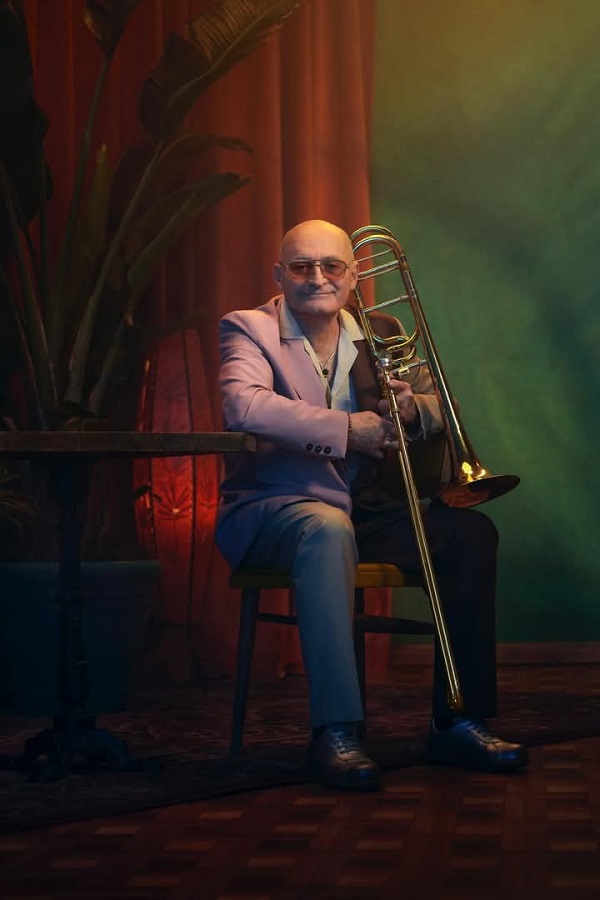
El legendario trombonista venezolano Oscar Dudamel

In “La Rumba Me Llama”, Dudamel brings his trombone to the forefront of a vibrant composition that captures the essence of the rumba as an inescapable call. With a musical structure that evokes the great salsa orchestras and an impeccable instrumentation.

The piece stands out for its meticulous arrangements, powerful brass and an irresistible cadence, faithful to the spirit with which Dudamel has approached his music. The track is an invitation to the dance floor and a testament to the rhythmic power that has defined his career.

The album Sueño Alcanzado not only takes its name from a personal concept of triumph, but also from one of his most significant pieces.

The title track was born in an intimate creative encounter in Caracas, Venezuela, with Maestro Alberto Crespo, composer Eliel Rivero and Solange Ramírez, mother of his son Gustavo Dudamel.

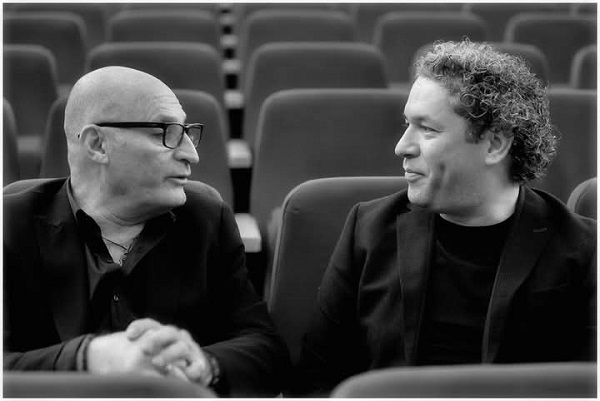
Oscar y Gustavo Dudamel

Dedicated to her son and with her special participation on violin, this piece encapsulates the spirit of a project that transcends the musical to become a testimony of life.

More than a nostalgic production, “Sueño Alcanzado”, of which the song “La Rumba Me Llama” is part, is the reflection of an evolution. The music that accompanied him since his childhood now takes a new form under his direction, in a creative process that has brought together talented musicians with whom he shares the same vision.

His orchestra, based in Madrid, has become the vehicle to continue taking his proposal to international stages, demonstrating that salsa is still alive in every note and every drum beat.

“La Rumba Me Llama” is now available on all digital platforms and is just a preview of ‘Sueño Alcanzado’, Oscar Dudamel’s new album, consolidating his legacy with authenticity and mastery.

Oscar Dudamel Virtuoso Musician, Trombonist and Orchestra Conductor.

Oscar Dudamel, a Venezuelan trombonist, discovered his passion for salsa as a child when he first heard “La Murga” by Willie Colón. Although his formal musical training began with Maestro Pablo Canela and later continued within El Sistema as a classical musician, that early experience left a profound mark on him, inspiring his dream of playing the trombone and solidifying his love for salsa as his ultimate passion.

Dudamel was born on January 14, 1961, in Barquisimeto, Venezuela. He grew up in a musical family where every gathering was celebrated with music, fostering his passion for the art from a young age. His parents purchased him a trombone, and he began his studies at the Yamaha Music Academy.

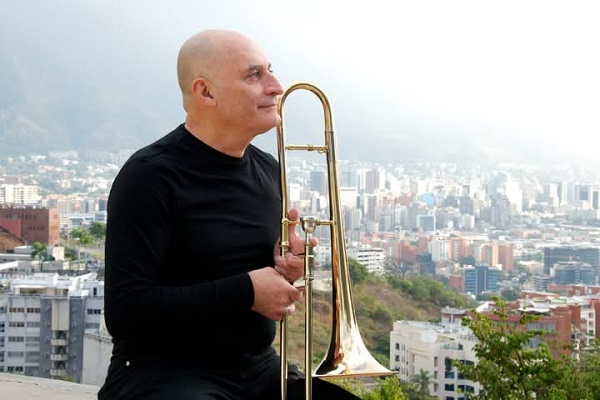
Oscar Dudamel sigue alcanzando sueños

At the age of 7, he was enrolled in a music academy under the guidance of Maestro Pablo Canela, a composer and prominent figure in the music of the Lara State region of Venezuela.It was there that he started his training with the Cuatro, the traditional Venezuelan instrument, and the guitar, which became his first instruments.

In addition to his Cuatro training, Dudamel began studying and playing various percussion instruments, further broadening his musical repertoire.

His academic training took place at the Lara State Conservatory in Barquisimeto, and at the National System of Youth and Children’s Orchestras and Choirs of Venezuela, also known as El Sistema.

During his teenage years, he became a member of the Youth Orchestra of Lara State (El Sistema Lara) and the Liceo Mario Briceño Iragorry Band, where he had the opportunity to expand his musical knowledge and explore various genres.

Dudamel entered a new phase of his life when he enrolled at the Vicente Emilio Sojo Music Conservatory to study theory and solfège, continuing his trombone studies under the guidance of his maestro, Óscar Vivenes.

Over the years, he became a member of the Lara Youth Symphony Orchestra of Lara, part of the national network of Venezuela’s El Sistema orchestras, actively participating in classical music.

However, his fascination with the Caribbean rhythms of salsa never disappeared. Thus, he combined his classical training with his passion for salsa, performing with renowned artist and sharing the stage with legends of the genre, such as Héctor Lavoe, Ismael Rivera, Ismael Miranda, Celia Cruz, Justo Betancourt, Marvin Santiago, and other great artists.

In Caracas, Venezuela, he founded his own orchestra, with which he had the opportunity to share the stage with notable figures such as Rubén Blades, Gilbert Santa Rosa, Luis Enrique, Guaco, Oscar D’ León, and many others.

Dudamel’s surname is synonymous with music. He is the father of Gustavo Dudamel, one of the most acclaimed classical music conductors in the world. Gustavo’s well-known fondness for salsa stems from his father, who recently fulfilled his lifelong dream of releasing a solo album titled Sueño Alcanzado, dedicated to his son.

Dudamel currently resides in Madrid, Spain, where he leads his ensemble, Oscar Dudamel y su Orquesta, performing salsa alongside his Venezuelan musician friends and colleagues at Café Berlín Madrid.

Oscar Dudamel y Dj, Augusto Felibertt

‍Research Sources:

Contact: Katie Baloian of Radio Notas (Compartiendo Ideas)

Alberto Crespo (Pianist and Arranger)

Dj. Augusto Felibertt

Café Berlin in Madrid

Also Read: Mariana “The Sonera of Venezuela and for the world”

Raúl Vargas and his flamenco rumba duo Dos Bandoleros

One of the Latin genres that has been gaining more popularity in California, specifically in the Bay Area, is the Spanish flamenco rumba, so it is no coincidence that every day there are more and more exponents of this genre who have achieved a huge level of fame and respect among both their peers and the public.   

One of them is Raul Vargas, who has given us the honor of talking to us about his career and the projects he is currently working on, so we cordially invite you to read in order to learn more about this talented Spanish singer.   

singer Raúl Vargas
This is Spanish percussionist and singer Raúl Vargas

How Raúl got started in music   

Raul remembers being fascinated by music when he was still very young in his hometown, Madrid. At home, they he used to listen to what his parents played on the radio, but he does not remember anyone in his family being a musician or working it, so he was the first one to have a professional interest in this field.   

He also remembers listening to his mother’s cassettes with which he could enjoy all kinds of artists such as Julio Iglesias, Raphael, Camilo Sesto, Pimpinela and many others. However, as Raul grew older, he began to listen to what he liked just like his brother.   

When he was 16, he began to learn on his own to play the guitar using the songs he liked at the time. At age 17 he wrote his first song and, shortly after he went to live in Eklanda, Sweden, where he started writing many more songs and  take music more seriously, but he still did not see it as his profession.   

It is important to note that, while it is true that music was a very important part of Raul’s life, this was not what he did for a living, but cooking. Thanks to his career as a cook, there were many countries and cities that the young man managed to visit, although he was always accompanied by a guitar or drum he played during his free time.   

Raúl playing
Raúl Vargas playing the guitar

Arrival in the United States   

After having visited many places around the world, Raul met a group of Spaniards in Australia, who suggested him to go to a guesthouse for traveling musicians in the Latin Quarter in San Francisco to see what he felt about it. It turned out to be an excellent decision as he met many professional musicians who were able to make a living from their art, which prompted the young cook to do the same and follow the dreams he felt truly passionate about.   

This is how Raul decided that San Francisco should be his final destination, so he decided to remain in that city permanently. From then on, he continued to travel to other places for work and pleasure, but always returned to what he considered his new home.    

Once he settled in the United States, he started playing for several bands and focused all his time and effort on what really filled his soul and spirit: music.   

First groups and bands   

Despite being born in Spain, Raul had never played Spanish music before and preferred rock and pop, but contact with artists from so many countries in San Francisco made him rethink everything he had done so far. Many began asking him why he had never before sung or played flamenco rumba being Spanish, which led him to do more research on the genre from his country and start playing it. 

No much time would pass before the guitarist created his own flamenco rumba band, which he named ”Mala Maña” and was conceived as a circus theater and music group composed of eight people. It had a duration of three years and all these musicians, long time later, became part of the band Makrú. 

Additionally, he was also part of a duo alongside a guy from Guadalajara, Mexico called ”Fulanos”, which also contributed to the artist’s experience in terms of groups. 

Raúl and Muchacho
Raúl Vargas and guitarist Muchacho Mandanga

Dos Bandoleros 

The duo Dos Bandoleros started about six or seven years ago and its creation is described by Raul as a ”very lucky accident” thanks to which he met who today is his partner in this project. 

It turns out that Raúl and his Makrú bandmates were experimenting with playing in duos and trios to see how things went, which led him and his guitarist to play at a French wine bar on Monday nights. One of these days, they were approached by a young man named Alberto Gutierrez, known artistically as Muchacho Mandanga, who introduced himself and also started playing at the bar along with another Spanish percussionist.  

Weeks passed before both Raul and Muchacho could not take their partners to play due to personal problems, so the venue manager proposed the to join them that day. The chemistry between them was so great that they continued playing together and never apart again.   

At the beginning, they only played flamenco rumba, which was what got closer to each together in the first place. Later on, they started playing cumbia, Latin rock, salsa, Cuban son and many more. 

Read also: Guatemalan group Malacates Trébol Shop enchants with its Latin rock and ska 

5th Rumba y Manana Afro-Cuban Festival in Cracow

Europe / Poland / Cracow

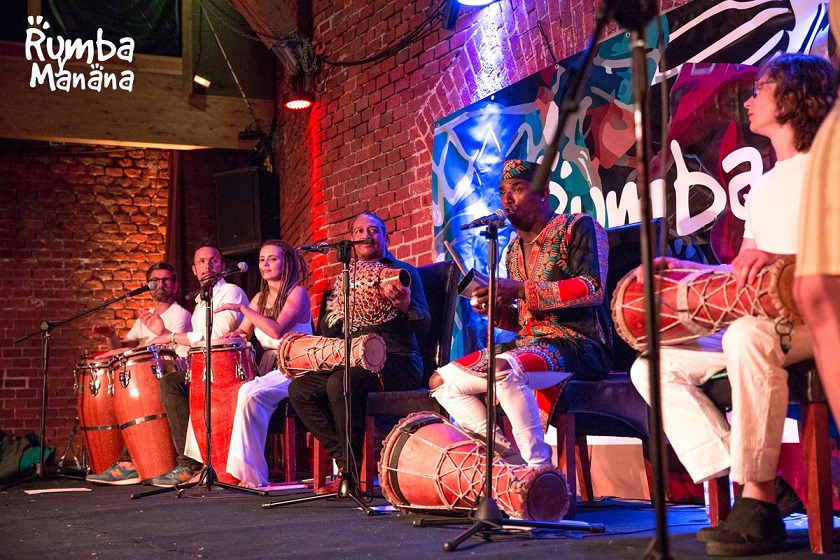
Rumba y Manana is a vibrant world of Afro-Cuban stories and legends coming alive in music and dance.

Rumba y Manana
Rumba y Manana

Rumba y Manana was born out of a pure passion for Cuban rumba and afro along with all they bring: roots, tradition, wealth of rhythms and movements, unlimited possibilities of interpretation, all the wide range of emotions and utility in the modern Cuban music and dance as well as all the amazing joy they bring.

  • We intend to create a place to develop and deepen your skills and knowledge of these dances, as we believe there is a true strength hidden in them.
  • We want them to become more and more popular, as they fully deserve it.
  • We want to share the joy and happiness of dancing them.
Rumba y Manana rumba in Cracow

We have also created another event to popularize rumba and Afro-Cuban dances: Sabado de la Rumba – a younger sister of Rumba y Manana. Sabado de la Rumba is a projector meetings with live music concerts and free-dancing accompanied by few workshops. We’ve hosted two editions of them in Cracow, where we always invite.

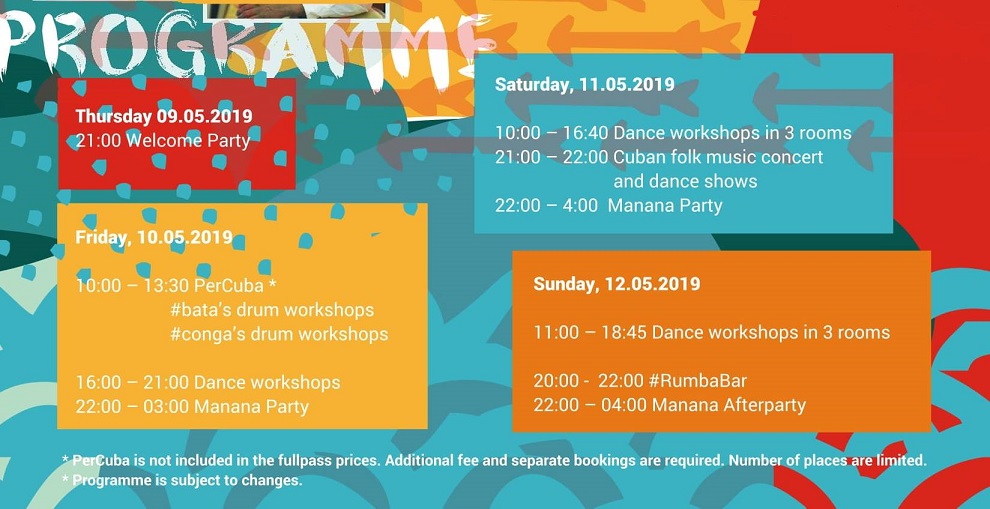
  • 3 workshop rooms , two of them with live music!
  • 4 levels of teaching : begginers, open, advanced, masterclass
  • One workshop room dedicated to Salsa
  • 3 salsa cubana parties with the best DJ!
  • Live Concert & Orisha show
Rumba y Manana Programm

Tickets & Programm: http://rumbaymanana.pl/

Cubarumba Tataguines in memoriam International Festival in its second edition.

Latin America / Cuba / La Habana

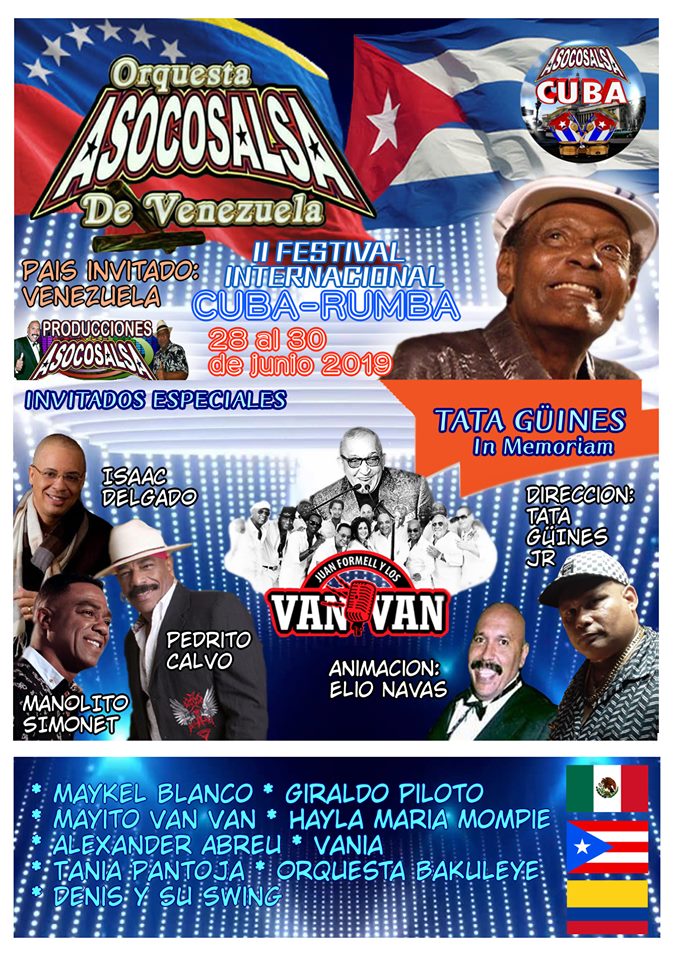
The National Center for Popular Music invites you to participate in the Cubarumba Tataguines in memoriam International Festival in its second edition.

It will be held in Havana from June 28-30, 2019. With the aim of Honoring the memory of Tata güines, Stimulating the artistic creation of rumba groups from the community, encouraging children’s projects based on the folkloric and musical genre, highlight the social value of the rumba as intangible heritage of humanity.

Asocosalsa Cuba
Asocosalsa Cuba

Likewise, to carry out a national and international workshop based on the pedagogical need to strengthen cultural nationality by art students in Cuba on the basis of the figure of tata güines, the fundamental foundation that promoted the proclamation of Rumba as Intangible Heritage of Humanity. . With this goal we urge all young people, students who wish to participate in the Festival through the following themes:

Themes:

  1. Cultural educational practices
  2. Potential value of transformation of the percussive theory of Tata güines.
  3. Main factors that slow down or facilitate the descending of the Rumba genre as a percussion modality.
  4. Ethical and aesthetic values ​​promoted by the practice of percussion
  5. Challenges to perfect percussive techniques
  6. Creation and promotion of Cuban art
  7. Young rumbero, possibility of cultural advancement. Harvested experiences and challenges for the present and immediate future.
  8. Others

The venue will take place at the Turf Night Club

General program:

Press conference

Thursday, June 13, 2019

Venue: El Turf Night Club

Address: F Street between Calzada and Quinta Vedado

Time: 2pm

Participation: Press-Radio-Television-Guests

Duration: 1h

toast to daddy

Place House Museum Tata güines

TIME: 3 PM

Event schedule:

Thursday, June 27

  • 8:00 Opening Gala Avellaneda Hall of the National Theater

Cast Subject to change

  • Tata guines Jr.
  • Makuta Flow
  • Rumbansoc
  • Ronald and his Rumbera explosion
  • Denis and his swing
  • Vania Borges
  • Iannna Wobble

Friday, June 28

Venue: Club Noturno El Turf

  • 9:00 Inaugural Conference
  • 10:00 Recess
  • 10:30 Percussion and dance workshops
  • 12:30 Demonstration group
  • 1:30 Visit Tata Guines House Museum
  • 2:00 Lunch

Cultural

Devil Tun Tun: 4pm to 6pm.

Show Woman in the rumba

Omini Bata-Rumba Morena

  • 6:30 a.m. to 8 p.m. Tataguines/Ochareo Group
  • 10-2am Venue: Club Norturno El Turf Shows with rumba groups

Explosion Rumbera/Rumbavila/Rumbansoc/

Saturday, June 29

Venue: Club Noturno El Turf

  • 9:00 Inaugural Conference
  • 10:00 Recess
  • 10:30 Percussion and dance workshops
  • 12:30 Demonstration group
  • 2:00 Lunch

Cultural

  • 3:00 Clave de Rumba folkloric ensemble / children’s project.
  • 8pm-2am Venue: El Turf Timbalaye Nightclub /Rumberos de Cuba/Rumbansoc/ Tata güines

Sunday, June 30

Venue: El Turf Night Club

  • 9:00 Report of the event. Delivery of Certificates.
  • 10:00 Recess
  • 10:30 Symposium Asocosalsa Cuba
  • 5:00 Cinema Avenue Closing Gala
  • 10:00 Final reception.

Festival Project

Event Organizing Committee:

Víctor Rodríguez García: Executive Director

Arturo Soto Martínez: Chairman of the Event

Suset Núñez Vázquez: CNMP Events Coordinator

Osorio García Rule: CNMP Events Department

Brigitte Oliva: General Producer

Principal Cubarumba
Principal Cubarumba

Company National Center for Popular Music

INTRODUCTION

The Cubarumba 2019 Tata güines in memoriam project is a previous interactive festival that consists of pedagogical, competitive, sociocultural moments that will transfer original Cuban music, through percussion and dance workshops, interaction with the community, as well as shows of this genre, intangible heritage of the humanity, the evident and permanent need to rescue Cuban roots, and the representation of the name Tata güines, a national and international figure. Following this trilogy as a cultural line, the president of the festival Arturo Soto Martínez advocates for this event.

Carrying out research, it is verified that this festival has a high tourist level, which causes a useful strategy to penetrate tourists about our idiosyncrasy and traditions, in addition to giving an unforgettable moment to all those who are present at that moment.

If we observe the social gaze, we realize the motivation of society in general since we encourage in the community a hope of cultural revival, a festival of inclusion in all senses since people of all ages and disabilities participate. Achieving a mutual interaction that achieves as a result an inclusion of this musical genre in daily life and in the tastes of all the people who enjoy it.

It is emphasized that times are changing, however it is important to take actions so that the celebrations of our origin are not forgotten, it is about looking for very frequent actions that work with everyday life, exclusivity, professionalism and good taste that keep this celebration alive. choice for youth not only in our country but around the world

For all the above, the need for this culturally artistic project becomes evident, specifically in these places where a large foreign crowd is concentrated, since it is unaware of Cuban culture. Relying on the battle of ideas that we have daily for the rejection of national identity, this project that settles the roots, that remembers the past, that discloses our present and that above all that is written increases love is evident, permanent and necessary. for Cuban culture.

DEVELOPING

  • Goals:
    • Honor the memory of Tata güines
    • Stimulate the artistic creation of rumba groups from the community
    • Encourage children’s projects based on the folkloric and musical genre.
    • Highlight the social value of the rumba as intangible heritage of humanity

Themes:

  1. Cultural educational practices
  2. Potential value of transformation of the percussive theory of Tata güines.
  3. Main factors that slow down or facilitate the descending of the Rumba genre as a form of percussion.
  4. Ethical and aesthetic values ​​promoted by the practice of percussion
  5. Challenges to perfect percussive techniques
  6. Creation and promotion of Cuban art
  7. Young rumbero, possibility of cultural advancement. Harvested experiences and challenges for the present and immediate future.
  8. Others

PARTICIPATION METHOD

  • Delegates
  • Student
  • Musicians
  • Guests

REGISTRATION FEES: DELEGATES

Foreigners………………50 cuc includes participation in the event, certificate and/or credits.

Cubans …………………….250 cup includes food, participation, certification and/or credits

Cuban students ……………..125 cup includes food, participation, certification and/or credits

PROJECT OBJECTIVES

GENERAL OBJECTIVE

Carry out an international rumba festival based on the artistic value of the figure of tata güines in the world on the basis of the Rumba proclamation as Intangible Heritage of Humanity

Goals:

  • Honor the memory of Tata güines
  • Stimulate the artistic creation of rumba groups from the community
  • Encourage children’s projects based on the folkloric and musical genre.
  • Highlight the social value of the rumba as intangible heritage of humanity
Specific Objectives Actions Indicators Participants Responsible
Honor the memory of Tata güines Hold the Cubarumba Tataguines Festival in memoriam Conciliation Company, Sponsors, Organizing Committee Event Leader
Stimulate the artistic creation of rumba groups from the community Theoretical-practical dance and percussion workshops, presentation of youth groups in event activities Conciliation with Artex, Egrem. Cuban and foreign population Org Committee
Encourage children’s projects based on the folkloric and musical genre.


Activity in the National Folkloric Ensemble of Cuba, headquarters for the socialization of children’s projects Address of Palenque, Production Org Committee Event Leader
Highlight the social value of the rumba as intangible heritage of humanity Activity the woman in the rumba, the longest rumba, the rumba and its youth, the rumba does include you Group Directors Production Event Leader


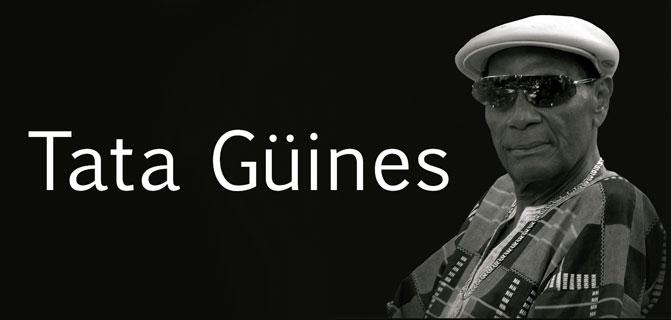
Tata Guines No 1
Tata Guines No 1

Beneficiary population:

Directly, the population that benefits is Cuban and foreign, since in some way the project is aimed at educating, including, transforming the culture of these times that affects this population.

For this, their full participation is needed, in the first order the attention that is very important, then the interest in dance and percussion and the decline that forms the taste for this musical genre.

Also highlighting the importance of the social inclusion of people with disabilities, we can mention that the festival has the honor of promoting groups with different disabilities. Example of the incursion of culture in Cuba.


  • Page 1
  • Page 2
  • Page 3
  • Interim pages omitted …
  • Page 48
  • Go to Next Page »

International Salsa Magazine (ISM) is a monthly publication about Salsa activities around the world, that has been publishing since 2007. It is a world network of volunteers coordinated by ISM Magazine. We are working to strengthen all the events by working together.