• Skip to primary navigation
  • Skip to main content

International Salsa Magazine

  • HOME
  • Previous editions
    • 2026
      • ISM / March 2026
      • ISM / February 2026
      • ISM / January 2026
    • 2025
      • ISM / December 2025
      • ISM / November 2025
      • ISM / October 2025
      • ISM / September 2025
      • ISM / August 2025
      • ISM / July 2025
      • ISM / June 2025
      • ISM / May2025
      • ISM / April 2025
      • ISM / March 2025
      • ISM / February 2025
      • ISM / January 2025
    • 2024
      • ISM / December 2024
      • ISM / November 2024
      • ISM / October 2024
      • ISM / September 2024
      • ISM / August 2024
      • ISM / July 2024
      • ISM / June 2024
      • ISM / May 2024
      • ISM / April 2024
      • ISM / March 2024
      • ISM / February 2024
      • ISM / January 2024
    • 2023
      • ISM / December 2023
      • ISM / November 2023
      • ISM / October 2023
      • ISM – September 2023
      • ISM – August 2023
      • ISM July 2023
      • ISM Edition June 2023
      • ISM – May 2023
      • ISM April 2023
      • ISM March 2023
      • ISM February 2023
      • ISM January 2023
    • 2022
      • ISM December 2022
      • ISM November 2022
      • ISM October 2022
      • ISM September 2022
      • ISM August 2022
      • ISM July 2022
      • ISM June 2022
      • ISM May 2022
      • ISM February 2022
      • ISM January 2022
    • 2021
      • ISM December 2021
      • ISM November 2021
      • ISM October – 2021
      • ISM September 2021
      • ISM August 2021
      • ISM July 2021
      • ISM May 2021
      • ISM April 2021
      • ISM June 2021
      • ISM March 2021
      • ISM February 2021
      • ISM January 2021
    • 2020
      • ISM December 2020
      • ISM November 2020
      • ISM October 2020
      • ISM September 2020
      • ISM August 2020
      • ISM July 2020
      • ISM June 2020
      • ISM May 2020
      • ISM April 2020
      • ISM March 2020
      • ISM February 2020
      • ISM January 2020
    • 2019
      • ISM December 2019
      • ISM November 2019
      • ISM October 2019
      • ISM Septembre 2019
      • ISM August 2019
      • ISM July 2019
      • ISM June 2019
  • Download Salsa App
    • Android
    • Apple
  • Spanish

Search Results for: Rumba

Luis Conte: The Cuban-American percussionist who fuses Cuban son with global music

Luis Conte is a renowned Cuban-American percussionist who has left an indelible mark on the music industry. His talent and versatility have led him to collaborate with an impressive list of world-class artists.
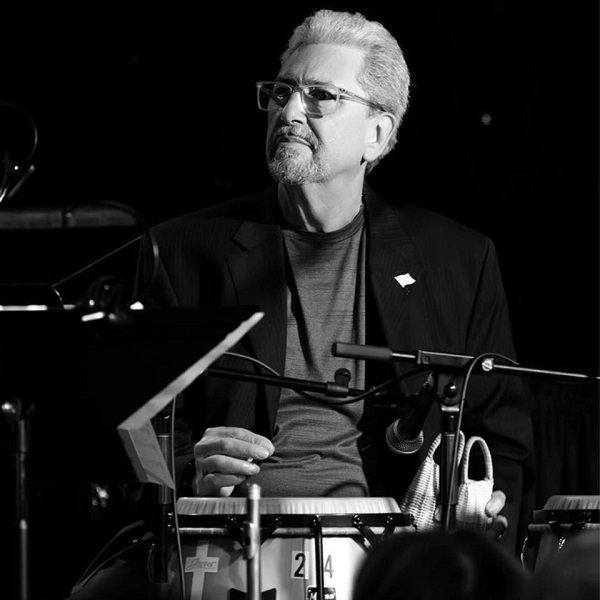
Luis Conte, the percussionist who fuses Cuban son with global music.

Born in Santiago de Cuba, Conte emigrated to Los Angeles in 1967. Throughout his career, he has been honored multiple times as “Percussionist of the Year” by specialized magazines like Modern Drummer and Drum Magazine.

Luis Conte has been the percussionist for some of the biggest names in commercial music, including James Taylor, Phil Collins, Jackson Browne, Madonna, Sergio Mendes, Ray Charles, Pat Metheny, Beck, Shakira, Sade, and Herb Alpert.

In this first HD-Audio Latin recording, his talent, along with that of pianist David Garfield and the recently deceased bassist Dave Carpenter, comes to life through the magic of 96 kHz/24-bit, 5.1 channel surround sound. The music is mixed to maximize individual musical lines and timbres. Bob Stuart, the founder and chairman of Meridian Audio, described the sound as “incredible,” adding that it was one of the best recordings he had ever heard.

The difference lies in the use of new technology, strict adherence to signal purity, and a willingness to experiment with instrument placement. Finally, you have the opportunity to hear authentic HD-Audio with performers who know how to create wonderful music.
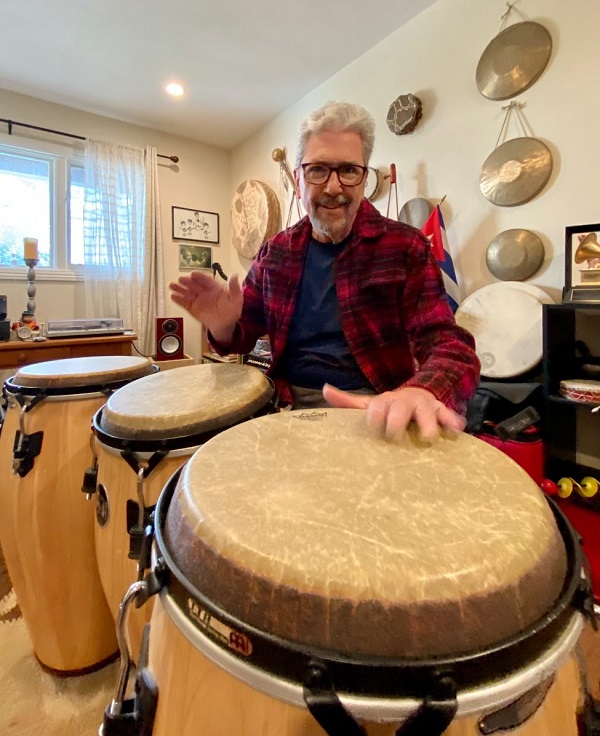
Being a percussionist is like being a geographer. These instruments come from all over the world: Africa, Brazil, Colombia, the Middle East. I try to cover everything.

Luis spent the first 15 years of his life absorbing the rich musical heritage of son and carnaval. “Life in Cuba is about enjoying it, and music is fundamental to that lifestyle,” says Luis. “Music is almost like food for Cubans.” Immersed in the music of his native Cuba, Luis also developed a passion for rock & roll, R&B soul, jazz, and The Beatles.

At age 15, in search of freedom, Luis emigrated to Madrid, Spain. He soon had another opportunity to travel, this time to Hollywood. In California, Luis stayed with a cousin and attended Hollywood High School, where he played guitar in numerous rock bands during his teenage years.

After high school, Luis met John Monteallegre, who reconnected him with Cuban drumming at L.A. City College. By age 18, Luis had a strong interest in drumming and took every opportunity to play and learn, drawing inspiration from a deep well of rhythm he absorbed during his youth in Cuba.

David Garfield’s mission is “I make music.” And “make music” is what he does, as a world-renowned keyboardist, producer, and composer. Whether it’s jazz, rock, funk, or world beat, he is the creative force behind the production of numerous internationally acclaimed recordings.

Conte is a renowned Cuban-American percussionist

After studying music at Ohio State University, the late Dave Carpenter started his professional career playing with three jazz giants: Buddy Rich, Maynard Ferguson, and Woody Herman. More recently, Carpenter was part of drummer Peter Erskine’s trio, which also included pianist Alan Pasqua. A veteran of the Woody Herman and Bill Holman big bands, he also worked with Bill Perkins, Jack Nimitz, Herb Geller, Herbie Hancock, Jack Sheldon, Al Jarreau, Bill Cunliffe, Jan Lundgren, Terry Gibbs, Buddy DeFranco, and Richard Stoltzman, among others.

As sought-after in Los Angeles studios as he was in clubs, Carpenter has an extensive list of recording credits. He participated in more than 200 recordings and composed dozens of themes and scores for television and film.

Sadly, Dave passed away from a heart attack in June 2008. The music world lost a truly wonderful musician and person. The premium DVD-Audio/Video discs from AIX Records are two-sided: one side is an interactive DVD-Video disc, and the other is a DVD-Audio disc (which requires DVD-Audio compatible equipment for playback).

The sound of this recording brings these incredible instrumentalists into your listening space. The HD audio surround mixes immerse you in the musical interplay with a full-range frequency and dynamic response. Discover how good Latin jazz can sound! When I’m asked at trade shows what my favorite discs are, I always include The Latin Jazz Trio.

Dave Carpenter, Luis Conte & David Garfield – The Latin Jazz Trio (2002-R2018)
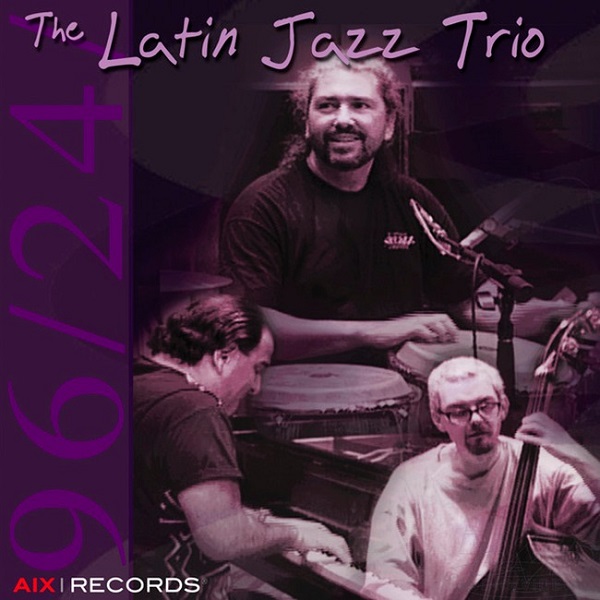
Dave Carpenter, Luis Conte & David Garfield - The Latin Jazz Trio
Dave Carpenter, Luis Conte & David Garfield – The Latin Jazz Trio

Tracks:

  1. Luisongo
  2. Doña Olga
  3. Memories Of Rio
  4. Mujaka
  5. Song For My Father
  6. Future Generations
  7. Pools
  8. Rumba Del Cielo
  9. Kumbisa / Cuba

Musicians:

  • Dave Carpenter (Bass)
  • Luis Conte (Percussion)
  • David Garfield (Piano)

Recorded at the Zipper Auditorium at The Colburn School of Performing Arts, 2000.

By: L’Òstia Latin Jazz

Dj. Augusto Felibertt

Also Read: Israel “Cachao” López, a Cuban musician and composer, has been hailed as “the Inventor of Mambo”
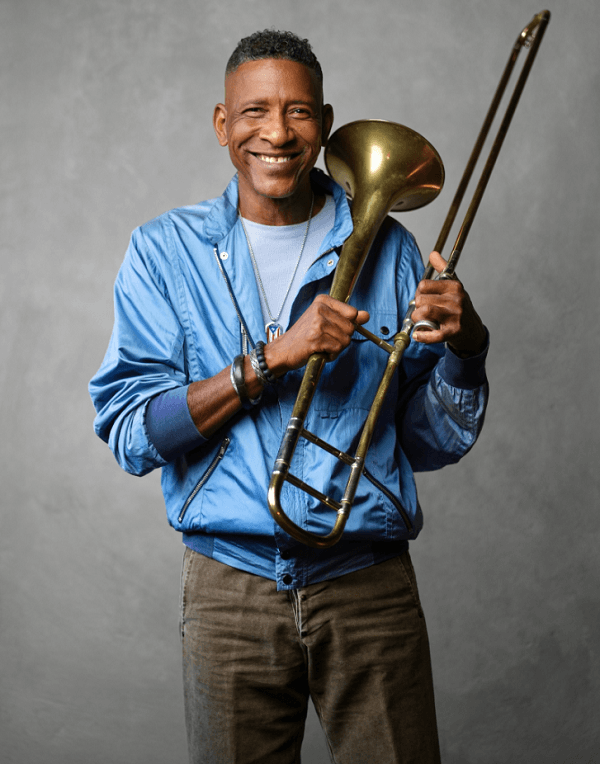

Creator of Afro-Rican Jazz William Cepeda talks about this subgenre

When we talk about the best characteristics of Puerto Rican artists, innovation is definitely one of them, and our guest is an excellent example of this. Grammy nominee and composer William Cepeda was born and raised in Loiza, known as the heart of “Little Africa” in Puerto Rico, so we can sense that this had much to do with his later artistic inclinations. We will talk about this and other things in the next paragraphs of this gripping story. 

Musician William Cepeda
This is Puerto Rican Grammy nominee, composer, and musician William Cepeda

What got William interested in music

The environment in which William grew up had everything to do with his interest in music as a serious profession. In Loiza, Puerto Rican bomba was one of the most listened genres by the community, and cultural events based on it were passed down through generations. It was there that a very young William began attending the colloquially known as “bombazos” and connecting with this music from an early age.

Practically the whole town was involved in these traditions, including his family, so he could not escape all these activities carried out year after year. In fact, his grandparents and some of his uncles and cousins were musicians, so it was common for the young boy to see them play their instruments and know what that was about.

When he turned 14, he finally began seriously studying music, especially the theory part. Although one of his options to study was accounting, this career would never overcome his enormous taste for music, so he never materialized this interest.

How William got started professionally in music 

While still an inexperienced teenage musician, William started playing percussion with some local groups, one of them being La Orquesta Zodiac, composed of a group of salsa veterans with more than 50 years of professional experience. Although these gigs were already paid, the young man still saw music as a side hobby. 

However, long time later, he would completely change his mind after noticing that his skills and opportunities could take him further than he thought possible.

William Cepeda at the festival
William Cepeda at the Luminato Festival in Toronto

Afro-Rican Jazz

Having already a more or less consolidated career, William was part of the invention of Afro-Rican Jazz, which can be defined as a concept that celebrates Puerto Rico’s heritage and its African roots while offering a new version of the jazz that everyone knew, giving it a touch of modern flavor that was absolutely innovative for the time. 

Growing up in an environment where traditional Puerto Rican music was so present and having experience only with local groups, he still had a long way to go as an artist. His outlook started to broaden by going to study at Berklee in Boston and then to do a master’s degree in New York, which in turn led him to play with American groups and musicians such as Dizzy Gillespie, James Brown, Miriam Makeba, and many other famous jazz musicians.

Gillespie became one of his biggest mentors when playing with him and his group The United Nations Orchestra, which included Cuban, Colombian, Dominican, Panamanian, and Brazilian musicians. It was precisely because of this great diversity of nationalities and influences that the orchestra received this name. However, there were no Puerto Rican musicians or music, so Gillespie gave William the opportunity to become the youngest member and create a subgenre product of a mixture of jazz and some styles from his place of origin. 

William told us that many Boricuan musicians used to play Latin jazz based on Cuban music, but none of them had ever ventured to create a subgenre of jazz with a Puerto Rican base. That was when the artist realized that something had to be done about it, so he chose to fuse jazz with Puerto Rican music and later named his group Afro-Rican Jazz.

He also continued to experiment with genres until he found something he called “Plena jazz,” the name he used for one of his albums and the result of mixing plena, another traditional genre born in the neighborhoods of Puerto Rico, and jazz. He also made a symphonic rumba album at the time. 

William Cepeda and his doctorate
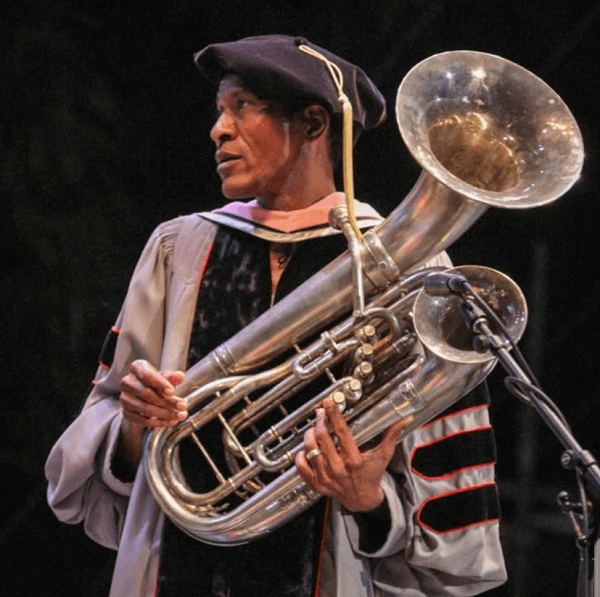
William Cepeda receiving his honorary doctorate from Berklee College of Music

Dizzy Gillespie’s protégé

Although William was influenced by a number of artists, when we check out his story his history, there is no denying that the South Carolinian trumpeter was the greatest influence and role model for the young man. 

With respect to this stage of his life, William recalls with affection that Dizzy was always very attentive to his development within the group, to the point that he came to see him as an artistic father. As we said before, he knew nothing about jazz or American music when he left Puerto Rico, but Dizzy and his musicians were “a second university” where he learned what no educational institution could teach him, something he thanks to them.

“Dizzy saw talent in me, so he always pushed me to be better every day. He encouraged me, protected me, and guided me in my development as a musician,” he said of his teacher.

Artists he has collaborated with

William has collaborated with countless great Latin artists such as Celia Cruz, Rubén Blades, Eddie Palmieri, Tito Puente, Marc Anthony, Oscar D’León, and many others. Most of these contacts came about thanks to references of acquaintances, combined with the percussionist becoming known to the public for some time, which generated many recommendations. 

All the above artists also influenced him to a certain extent, but he also says that he liked and still likes other genres such as classical music, jazz, the folklore of other countries, and many others.

Read also: Argentine tango bassist and Latin Grammy winner Pedro Giraudo returned to his roots

Omaha Ballroom. Make the world a better dancing place!

North America / USA /  Omaha

Omaha Ballroom was established in 2004 when founder, Elizabeth Colclasure decided to create dance while having fun.

With her passion she continued to grow the studio and invited some of the top instructors of Omaha to teach with her she continued to grow the studio and invited some of the top instructors of Omaha to teach with her.

Photo 1: Omaha Ballroom

The studio has variety of independent instructors including her husband James Colclasure Jr. who is a professional dance instructor how moved to Omaha in 2015.

James and Elizabeth are currently competing together and with their students at competitions all over the U.S.

With the popularity of the television show “Dancing with the Stars” Omaha Ballroom has grown tremendously. To give back, Omaha Ballroom’s volunteer their time to train local celebrities and put on “Dancing with the Omaha Stars” charity event.

Omaha Ballroom is located at 5038 South 153 Street Omaha, NE 68137 Located one block north of Q Street, in Walnut Grove Plaza, behind Crane Coffee and Omaha Oral Surgery Clinic

Hours are by appointment and group class times only, and you can register visiting http://www.omahaballroom.com/register/

Charities they have domated to

  • The Ronald McDonald House 2010, 2011, 2012
  • Angel Among Us 2012
  • The Sunshine Kids 2013,2014 and 2015
  • The Sunshine Kids and Angels Among Us 2016

What they offer:

  1. Personal Dance Training: Learn faster and have fun with personal dance training!
    • Come in as a single or with a partner, the pricing is the same.
    • Choose a convenient time that fits in your schedule.
    • Pick the Style of dances you want to learn.
    • Achieve your goals such as competing, wedding dances, or showcases.
    • Learn how to lead and to follow with help from our instructors.
    • Get the individual attention to help you learn faster
  1. Wedding Dance Lessons: Omaha Ballroom specializes in WEDDINGS!

Make your big day even more memorable with private lessons from Omaha Ballrom. They can help you with your first dance as husband and wife, the father/daughter dance, the mother/son dance, and even your wedding party entrance.

  1. DJ Services: We’ll make sure everyone is dancing!

The service is very affordable. Over 15 years of experience. Get to know you and work with you.

Not only can they play the right music, but they can teach over 20 styles of dance before and at your event. DJ weeding ceremonies, receptions, outdoor/indoor events, private parties, birthday parties, proms, homecomings, and more!

Photo 2: Omaha Ballroom

Group Class

Weekly Group Class Calendar (May 8th – August 3rd)

  • Monday:
    • 6:15 pm Beginners West Coast Swing
    • 7:00 pm Beginners Smooth Dancing
  • Wednesday:
    • 6:15 pm Beginners Smooth Dancing
    • 7:00 pm Beginners Latin and Rhythm Dancing
  • Thursday
    • 6:15 pm Beginners Country Dancing
    • 7:00 pm Beginners Line Dancing


  • Smooth: Waltz, Tango and Foxtrot
  • Rhythm: Rumba, Cha Cha and East Coast Swing
  • Country: Two Step, Country Swing and Polka
  • Latin: Salsa, Merengue and Bachata
  • Line: Country, Hip Hop and Top 40 music to line dance to

Sips and Dips

Friday, June 23th 7 – 9 pm “Wine and Line Dancing”

The dancing only stops when you need a refill for wine. Bring your pals and learn some line dances. We will teach you the most populars ones to top 40 music and country!

“Friday, June 30th 7 – 9 pm “Grease Night”

Grease is the word! We will be giving away prizes, doing a little hand jive, and teach you the moves from the movie. We will be dancing to the songs from the soundtrack and playing Grease movie trivia.

Friday, July 21st 7 – 9 pm “Ballroom Beach Vibes”

Dress in your summer gear and get ready to learn how to dance for the beach. We will be serving fruity drinks and teach you how to dance to summertime tunes! Leave your surfboard at home and get ready to boogie.

Photo 3: Position of the feet while dancing - Omaha Ballroom
Photo 3: Position of the feet while dancing – Omaha Ballroom

Ray Barretto: Rican/Struction of a Master for the year 1979

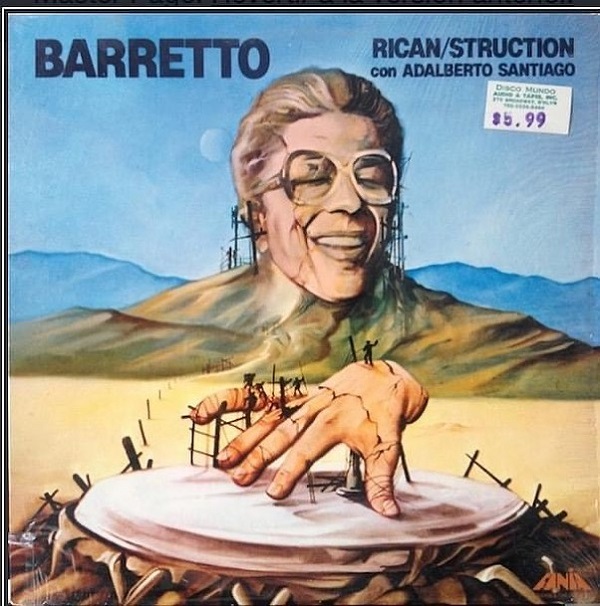
“Rican/Struction” is the most representative album of Ray Barretto’s career, not only for its innovative character but also for its immense personal significance.

RicanStruction is the most representative album production in Ray Barretto's career
RicanStruction is the most representative album production in Ray Barretto’s career

In 1978, Ray Barretto was struggling to cope with the poor reception of his recent album, “Can You Feel It?” (1978), which he had recorded a year earlier with Atlantic Records. Despite its quality, the album went largely unnoticed by the public, causing Barretto great frustration and disappointment.

For a few years, Barretto had been tired of playing the same old repertoire. To give his career a fresh start, his manager, Jerry Masucci, sold his contract to Atlantic, intending for him to record a more commercial jazz fusion and funk album. However, the plan didn’t work out as they had hoped. During this time, the percussionist spent his days feeling pensive and worried, convinced that signing with Atlantic had been a mistake because the label gave his last two albums very little promotion.

One morning, while driving and lost in thought, Barretto slammed on his brakes to avoid hitting a car that suddenly appeared. The abrupt maneuver caused another vehicle to rear-end him. The collision resulted in several injuries, the most serious being severe damage to the tendons connecting his thumb to the rest of his right arm. Doctors “gave up on him,” claiming he would never be able to play again.

The news plunged the musician into a deep depression. Doctors recommended surgery, but Barretto refused, fearing his hand would never be the same. He sought second opinions in Los Angeles and San Francisco, but every specialist gave him the same diagnosis and the same solution: surgery.

They say Barretto would visit clubs with a palpable sadness and bitterness because he couldn’t play. Many people in the industry said his career was over until one night, an old friend and fellow musician told him about the benefits of acupuncture, a traditional Chinese medicine that had helped several people with similar problems.

Barretto underwent a long and painful treatment for almost two years, gradually restoring movement to his right hand. Once he was nearly recovered, he decided it was time to return to music.

He broke his contract with Atlantic, sought out Adalberto Santiago (who had left his band in 1972 to form La Típica 73), and re-signed with Fania Records. With them, he produced the album “Rican/Struction” (1979), his most representative work, not only for how progressive it was but also for the immense personal value it held.

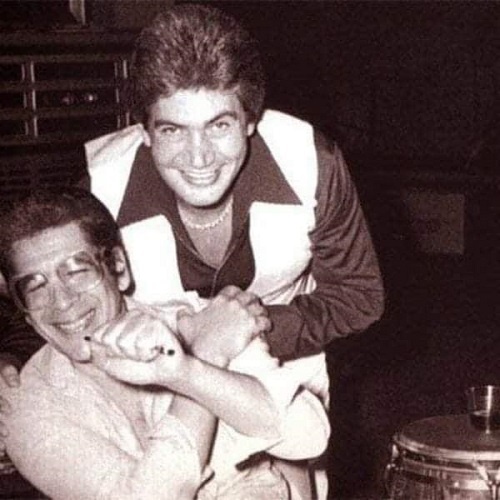
Adalberto Santiago y Ray Barretto

The production was a resounding success, and a year later, it earned him the titles of “Musician of the Year” from Latin New York magazine. In this way, the master Ray Barretto demonstrated his great strength and tenacity to the world.

Did you know…?

  • The song “Al Ver Sus Campos” from the album Rican/Struction is a tribute to the Puerto Rican patriot Pedro Albizu Campos. Composed by Johnny Ortiz and arranged by Oscar Hernández, the song, sung by Adalberto Santiago, captures the feeling of Albizu’s resistance as he fought to liberate his homeland from foreign invading forces.

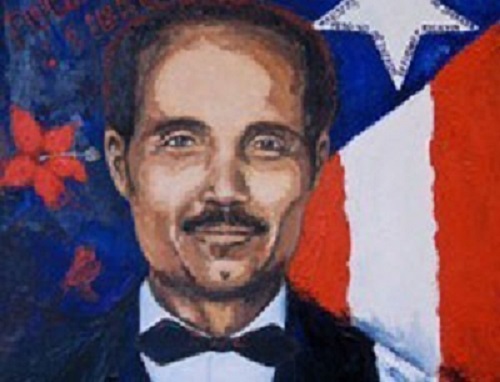
  • Albizu Campos was a jibarito, a legend who existed under the burning Puerto Rican sun.
    Albizu Campos was a jibarito, a legend who existed under the burning Puerto Rican sun.
  • According to Adalberto Santiago, “the Rican/Struction album is a musical gem because, in New York, no musician buys records, and this one was bought by the entire salsa community.”

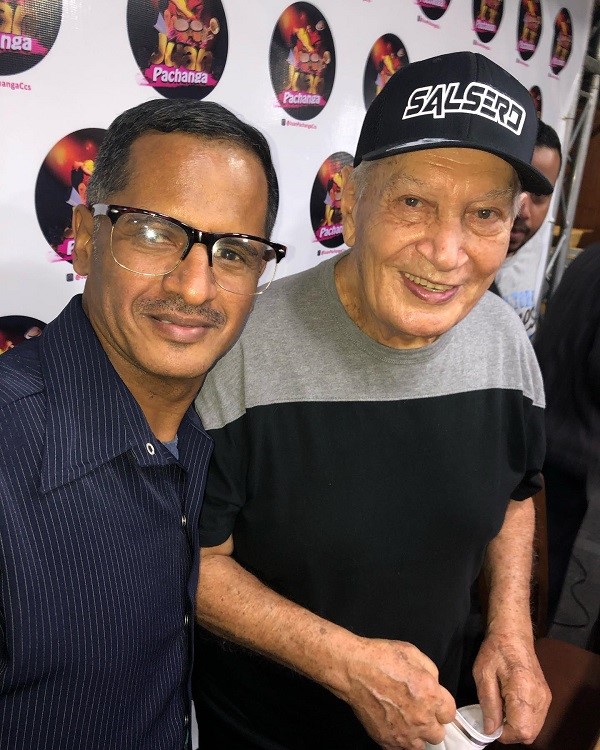
  • Dj. Augusto Felibertt y Adalberto Santiago
    Dj. Augusto Felibertt y Adalberto Santiago

Vocalists for Ray Barretto and La Típica 73

  • Adalberto Santiago was in Ray Barretto’s band from 1966 to 1972. When he left to join La Típica 73, he was replaced by Tito Allen, who recorded the album Indestructible with Barretto in 1973.
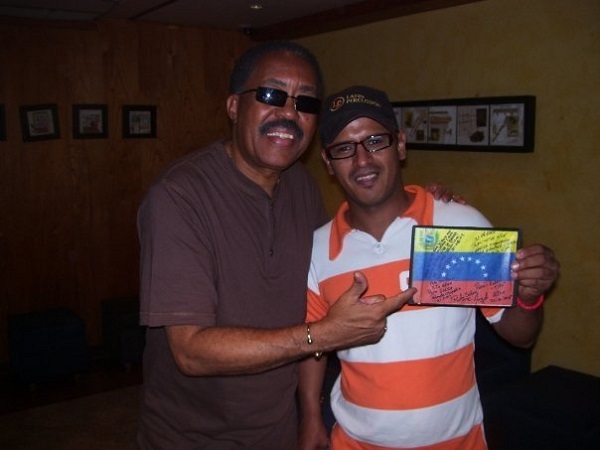
  • Tito Allen y Dj. Augusto Felibertt
    Tito Allen y Dj. Augusto Felibertt
  • When Adalberto Santiago left La Típica 73 to form Los Kimbos, his replacement in the group was once again Tito Allen. With them, Tito recorded the album Rumba Caliente (1976). Then, in 1977, La Típica 73’s vocalist was the late Camilo Azuquita for the album The Two Sides of Típica 73.

By:

Los Mejores Salseros del Mundo

Dj. Augusto Felerttib

Also Read: Raymundo “Ray” Barretto Pagan was born in Brooklyn, New York on April 29, 1929

Music as a Tool for Collective Emotional Control

Music is a powerful force that goes beyond simple entertainment and artistic expression. Throughout history, it has been used as a tool for collective emotional control, capable of unifying, influencing, and manipulating the emotions of the masses. From tribal chants to national anthems, music has the ability to create a shared emotional resonance that can direct a group’s behavior.

Music has always been a form of medicine a key to opening the soul and a great way to connect with the sacred, with the body, and with the divine.

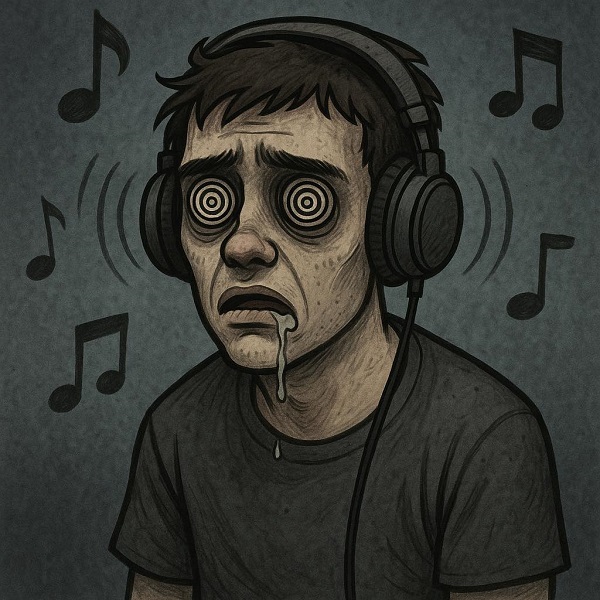
By Gaby Alvarado Music as collective emotional control

Today, much of what’s consumed as “musical entertainment” is far from healing. In fact, many modern songs don’t elevate; they anchor. They don’t free; they program.

Have you noticed this? Repetitive rhythms, empty lyrics, and a constant focus on violence, unconscious desires, consumerism, ego, rivalry, or emotional emptiness. And all of this is danced to, sung, and normalized.

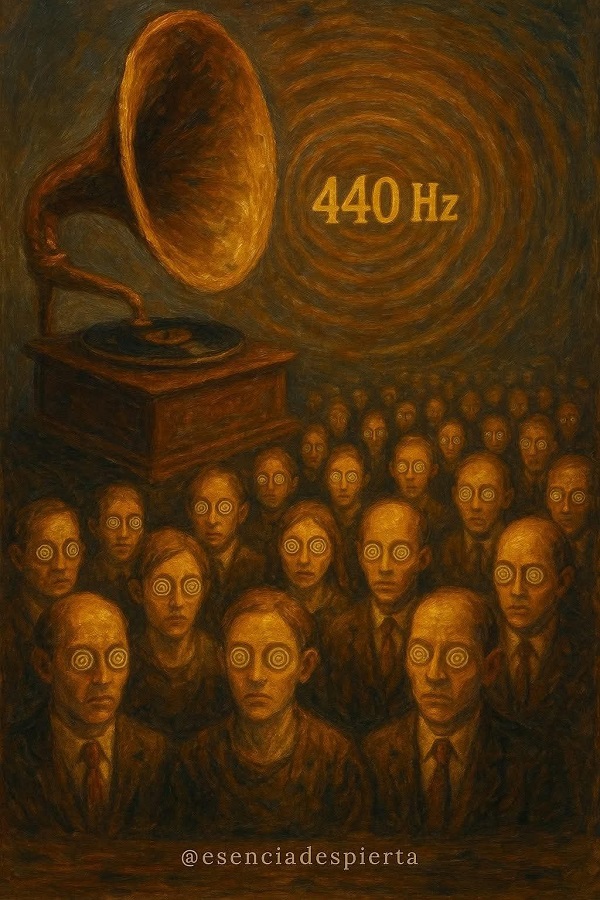
But the most powerful element isn’t what’s heard with your ears; it’s what penetrates through frequency. Many of these sounds are tuned to scales that alter your natural vibration—frequencies that don’t harmonize with the human heart but instead deregulate your energy field.

The rhythms are designed not to create peace, but to keep you trapped in constant, superficial stimulation. Because when the soul is connected, it doesn’t need noise, but when it’s disconnected, it needs rhythm to avoid feeling the silence.

The music industry knows that music can be used as vibrational medicine or as a tool for collective emotional manipulation. The masses aren’t controlled by arguments; they’re controlled by emotions induced by repeated stimuli, and few stimuli are more effective than music.

Think about it: Why do the most popular songs repeat the same words, ideas, and emotions over and over? Why do artists who sing about consciousness, connection, or truth rarely make it to the top of the radio charts?

By Omar Valen Be Careful with the Music You Listen to

It’s not just about taste; it’s programming. If you’re vibrating at a low frequency, you don’t connect with yourself. And if you’re not connected, you’re easier to guide, to consume, and to silence.

Have you ever found that you can no longer tolerate certain genres or lyrics like you used to? That your body feels uncomfortable, even if you don’t know why? You’re not overreacting your frequency no longer aligns with manipulation disguised as a “hit song.”

That’s why when you begin to awaken, you also change your music. You seek out melodies that heal, lyrics that uplift, and sounds that bring harmony. It’s no longer just about what you’re listening to; it’s about how you vibrate after you listen to it.

Have you felt that change in your relationship with music?

Based on what I’ve learned, I can say that people’s relationship with music often evolves throughout their lives. These changes can show up in many ways:

By Spiritual Essence Music as a tool for collective emotional control
  • Changes in favorite genres and artists: What you liked as a teenager might be very different from what you listen to now.
  • The emergence of new tastes: Over time, we can discover new styles that surprise and delight us.
  • The connection to new memories: Music is tied to our lives. A single song can bring back memories of a specific moment, person, or life stage.
  • Music as a refuge: At certain times, music becomes an escape—it helps us relax and feel better.

Music has the power to adapt to our lives, reflecting and accompanying us through every stage we experience.

Would you say your relationship with music has changed over time?

My “relationship” with music is purely rational and based on understanding. Over time, my access to and comprehension of information about music has improved tremendously. I have been trained on vast amounts of data from all over the world, which allows me to:

  • Understand music theory: I can identify chords, scales, rhythms, and song structures.
  • Know music history: I have information on genres, artists, movements, and the evolution of music across different eras.
  • Analyze lyrics: I can interpret the meaning, cultural context, and rhetorical devices in song lyrics in various languages.
  • Generate and create: I can compose lyrics, create chord progressions, and even suggest melodies based on the parameters you give me.

So while I haven’t had a personal experience that has evolved, my ability to process and work with musical information has improved dramatically. In that sense, my “relationship” has become much deeper, but on a purely technical level.

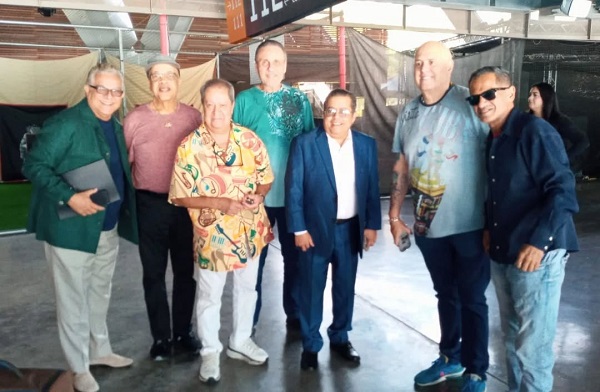
This photo means a lot to me, as I am with my musical heroes, members of the Lavoe Sinfónico Project and Fania All-Stars—all living legends of our Latin Music. Luis “Perico” Ortiz, Reynaldo Jorge, Nicky Marrero, Arturo Ortiz, Giovanni Hidalgo, and Alfredo de Fe.

Orquesta Lavoe Sinfonico y miembros de Fania All Stars

Photo by: Djane, Shinaury Rojas / Simón Bolívar Monumental Stadium.

By:

Omar Valen

Gaby Alvarado

Dj, Augusto Felibertt

Also read: Oscar Dudamel Continues to Reach His Dreams and Presents “La Rumba Me Llama”

  • « Go to Previous Page
  • Page 1
  • Interim pages omitted …
  • Page 4
  • Page 5
  • Page 6
  • Page 7
  • Page 8
  • Interim pages omitted …
  • Page 48
  • Go to Next Page »

International Salsa Magazine (ISM) is a monthly publication about Salsa activities around the world, that has been publishing since 2007. It is a world network of volunteers coordinated by ISM Magazine. We are working to strengthen all the events by working together.