• Skip to primary navigation
  • Skip to main content

International Salsa Magazine

  • HOME
  • Previous editions
    • 2026
      • ISM / April 2026
      • ISM / March 2026
      • ISM / February 2026
      • ISM / January 2026
    • 2025
      • ISM / December 2025
      • ISM / November 2025
      • ISM / October 2025
      • ISM / September 2025
      • ISM / August 2025
      • ISM / July 2025
      • ISM / June 2025
      • ISM / May2025
      • ISM / April 2025
      • ISM / March 2025
      • ISM / February 2025
      • ISM / January 2025
    • 2024
      • ISM / December 2024
      • ISM / November 2024
      • ISM / October 2024
      • ISM / September 2024
      • ISM / August 2024
      • ISM / July 2024
      • ISM / June 2024
      • ISM / May 2024
      • ISM / April 2024
      • ISM / March 2024
      • ISM / February 2024
      • ISM / January 2024
    • 2023
      • ISM / December 2023
      • ISM / November 2023
      • ISM / October 2023
      • ISM – September 2023
      • ISM – August 2023
      • ISM July 2023
      • ISM Edition June 2023
      • ISM – May 2023
      • ISM April 2023
      • ISM March 2023
      • ISM February 2023
      • ISM January 2023
    • 2022
      • ISM December 2022
      • ISM November 2022
      • ISM October 2022
      • ISM September 2022
      • ISM August 2022
      • ISM July 2022
      • ISM June 2022
      • ISM May 2022
      • ISM February 2022
      • ISM January 2022
    • 2021
      • ISM December 2021
      • ISM November 2021
      • ISM October – 2021
      • ISM September 2021
      • ISM August 2021
      • ISM July 2021
      • ISM May 2021
      • ISM April 2021
      • ISM June 2021
      • ISM March 2021
      • ISM February 2021
      • ISM January 2021
    • 2020
      • ISM December 2020
      • ISM November 2020
      • ISM October 2020
      • ISM September 2020
      • ISM August 2020
      • ISM July 2020
      • ISM June 2020
      • ISM May 2020
      • ISM April 2020
      • ISM March 2020
      • ISM February 2020
      • ISM January 2020
    • 2019
      • ISM December 2019
      • ISM November 2019
      • ISM October 2019
      • ISM Septembre 2019
      • ISM August 2019
      • ISM July 2019
      • ISM June 2019
  • Spanish
  • Download Salsa App
    • Android
    • Apple

Search Results for: Salsa Orchestra

Frederlyn Mayora returns to Venezuela to sing Salsa Romántica to the dancing public.

Last Friday, April 22, at 7:00 p.m., a concert was presented at the Juana Sujo Hall of the Casa del Artista, in Quebrada Honda, Caracas. Tickets are already on sale at popular prices.

After several years out of the country, Venezuelan singer Frederlyn Mayora returns to Venezuela to relaunch his musical career and sing Salsa Romántica to Venezuelan dancers and music lovers.

Mayora, who has been part of the orchestras of Tony Vega, Maelo Ruiz, Jose Alberto “El Canario”, Luisito Carrion and Tito Nieves, among others, arrives in the country with a single called “Viernes Romantico” that promises to be a hit in a short time.

“I want everyone to know what I am doing and what I come to do in Venezuela”, said the singer who now has his own orchestra.

The singer will be in Venezuela until the end of his musical production loaded with romantic Salsa, ballads and merengues.

On April 1 and 2, Mayora offered a couple of concerts called “After Party de los Hermanos Primera”, that is to say, he performed in a well-known venue of the CCCT as soon as the presentation of the renowned singers Servando and Florentino was over, and it was a full house.

On Friday, April 8, at 4:00 pm, he will offer a press conference at the Doris Wells Hall of the Casa del Artista in order to announce in detail the entire agenda that he will fulfill on Venezuelan soil.

On Friday, April 22, he offered a concert at the Juana Sujo Hall of the Casa del Artista, located on Amador Bendayán Boulevard, Quebrada Honda, Caracas.

The event was scheduled for 7:00 pm. The occasion will be propitious to record a video click.

All Frederlyn Mayora’s events and presentations are in charge of her manager, Humberto Gonzalez, president of Producciones Salsayer.

A little bit of history

Frederlyn Alejandro Mayora Martínez, was born on July 27, 1982, in the populous Sucre Parish, west of Caracas, Venezuela.

He is a musician, singer and percussionist. At the age of 9 he began his musical studies, especially in percussion. He belonged to the estudiantina Héctor Pacheco and spent several years at the Bigott Foundation, where he received master classes with Professor Rodolfo González.

When Mayora turned 15 years old, he decided to focus his musical career as a singer and it is when the producer Humberto González, currently director of the Salsayer Orchestra, took him to sing in several salsa groups in Venezuela, among them, “Herencia”, “Neo Latino” and “El Combo Antillano”, among others.

In 2003 he moved to Spain, specifically to Galicia. There he became part of the orchestras “Panama”, “Filadelfia” and “Orquesta TV”, among others. His artistic commitments reached the beautiful city of Santander, located in the North of Spain, where he performed ballads, salsa and merengue.

In addition to the aforementioned orchestras, Frederlyn Mayora has been the lead voice in groups such as “Ekilibrio”, “La Junior”, “Mandinga Star Band”, “Puma Band”, “Patatín Orquesta” and the “Máquina de la Salsa” and has accompanied in the chorus, since 2002 to date, renowned singers such as “Maelo” Ruiz, José Alberto “El Canario”, Tony Vegas, Luisito Carrión and Charlie Aponte, former member of the Gran Combo de Puerto Rico.

Balance of the work carried out at the level of Social Media in Venezuela.

Publication of the Briefing

Noti-America (01-04-2022) Mexico

La Patilla (El Farandi) (02-04-2022) Venezuela

https://www.elfarandi.com/2022/03/30/briefing-vuelve-a-venezuela/

Notimundo (03-04-2022)

Press Conference

Day: Friday, April 8, 2022

Place: Doris Wells Hall of the Casa del Artista.

Attended by representatives from 10 media outlets and Instagram accounts. Examples: Venevisión, Portal La Patilla, Rumbas Venezuela, Intervez, Diario La Calle, Noticiero Digital, Analítica, El Universal, Tendencia Internacional and Radio Tiuna, among others.

Press releases published in digital media

Analitica.com (11-04-2022) Venezuela

https://www.analitica.com/emprendimiento/noti-tips/de-vuelta-al-barrio-toma-caracas-de-la-mano-del-salsero-frederlyn-mayora/

Tendencia Internacional (11-04-2022) Venezuela

https://www.tendenciainternacional.com/2022/04/11/de-vuelta-al-barrio-toma-caracas-de-la-mano-del-cantante-salsero-frederlyn-mayora/

Contraste Noticias Newspaper (12-04-2022) Venezuela

https://www.diariocontraste.com/2022/04/de-vuelta-al-barrio-toma-caracas-de-la-mano-del-salsero-frederlyn-mayora/

Vida y Arte (14-04-2022) Venezuela

http://www.vidayarte.com/farandula/cantante-salsero-frederlyn-mayora-esta-de-vuelta-al-barrio

Intervez (14-04-2022) Venezuela

Business and Destinations (15-04-2022) Venezuela

Cantante salsero Frederlyn Mayora regresa a Venezuela con “De vuelta al barrio”

La Calle Newspaper (17-04-2022) Venezuela

Mentions on Instagram accounts

@TendenciaInternalcional

@caracas_view

@augustofelibertt (Dj)

TV Programs, Portals and Radio

Wednesday, April 6, 2022

Venevisión, Channel 4. Presentation in the program “Sábado Sensacional” on the occasion of the 50th Anniversary.

Thursday, April 7, 2022

Globovision, Channel 33. Interview

Tuesday, April 12, 2022

Portal La Patilla. Interview. Broadcasted on April 20, 2022

Thursday, April 21, 2022

Program “Asi Suena”, Channel 8, with Rubén Jiménez. Broadcasted on Sunday 24-04-2022

Radio program 24-04-2022

“Ni tan Bravo”, with Isnardo Bravo. FM Center La Romántica 88.9 FM

This is a balance of the presence he has had in the media.

Wednesday, April 27, at 8:00 am, he was on Televen, Channel 10, in the program “Con lo actual”.

Sources

Salsayer Press Director: Yira Yoyotte, journalist. 0424-105-61-66. E-mail: [email protected]

Facebook: Frederlyn Mayora

La Sonora Ponceña Returns To Salsa County

The only performance with Yolanda Rivera & Mario “Mayito” Rivera will be at the Lehman Center

The name “La Sonora Ponceña” is in honor of the Cuban band La Sonora Matancera and its hometown (Ponce – Puerto Rico)

La Sonora Ponceña “National Treasure of Puerto Rico” together with its leader Enrique Arsenio “Papo” Lucca returns to Salsa County (The Bronx) with the special guests Yolanda Rivera and the Cuban singer Mario “Mayito” Rivera (former member of Los Van Van) onstage at one of New York’s leading non-profit performing arts centers, Lehman Center.

This unique presentation, long-awaited by its fans, will be on Saturday, May 14th at 8 PM at the Lehman Center for the Performing Arts located at 250 Bedford Park Blvd West, Bronx, New York 10468 and the online price per ticket ranges from between $45 – $100. https://www.lehmancenter.org/sonora-poncena

La Sonora Ponceña gained popularity in 1960 during its trip to New York City to give a series of presentations and established itself as one of the most demanded orchestras among Hispanics.

The legendary band, for more than 65 years, has made uninterrupted performances and has been recognized as one of the best Salsa orchestras for its fusion of traditional Cuban sounds with the modern style of Latin Jazz.

In 1967, under the direction of Papo Lucca, they released the first LP Hachero Pa’ Un Palo with the Inca label (a subsidiary of Fania). This album was an overwhelming success in New York as well as its second record production Fuego en el 23 (1969). The famous band from Puerto Rico recorded 29 more albums for this record label, including eight with the singer Yolanda Rivera, La Ceiba with Cuban singer Celia Cruz (1979), and in 1980 New Heights from which they began to establish the internationalization of the orchestra.

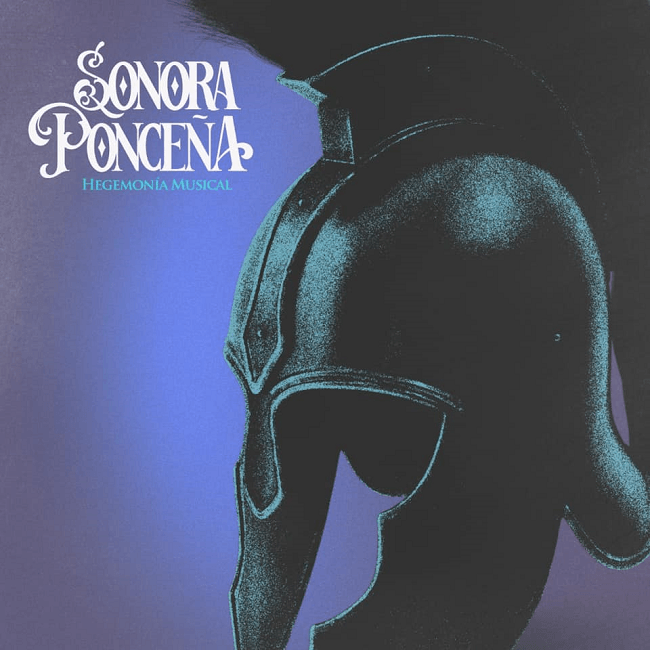
Musical Hegemony consists of 8 tracks including Caminando Con Mi Padre, Nadie Toca Como Yo, and Borrachera

This last year (2021), during the pandemic period, La Sonora Ponceña launched two new record productions: Hegemonía Musical (June 2021) and Christmas Star (November 2021).

The last one is the fourth Christmas-themed album in his career. “Thirteen years after our last Christmas production, we seek to present a record work that is a true reflection of the sound and musical quality that we always want to offer our audience”, Papo Lucca told digital media.

While “Salsa Que Cura To” is the first single taken from their most recent album Hegemonía Musical and whose authorship and interpretation is by Jorge Nicolai Avilés (vocalist of the band) with musical arrangements by Papo. Musical Hegemony, nominated in the Tropical Album of the Year category at the Billboard 2021 awards, was made with great dedication and professionalism as indicated on its official social media. “…We thank the public for the support they have been giving to this latest album that was worked with much love and dedication to the memory of our always remembered Enrique “Quique” Lucca Caraballo (RIP) and all our dear followers… And we will continue working as we have been doing for 67 years to place in your consideration what best of our music, soul, perseverance, and professionalism that seek to bring joy and enjoyment to all our dancers… Thank you very much!”

The song “Borinquen” (1980) with Sonora Ponceña becomes her a famous Salsa star

Yolanda Rivera will also perform at this event. She was born in Ponce (Puerto Rico) and moved to New York City with her family during her childhood. Her first opportunity as a singer was in 1969 in Willie Rosario’s band. In 1975 she returned to Puerto Rico and performed in several orchestras, including Joe Rodríguez’s La Terrifica. Her career reached its peak when she joined La Sonora Ponceña in 1977. The song “Borinquen” from the album Unchained Forcede (1980), a musical tribute to her native country (Puerto Rico), made her a Salsa star. Yolanda Rivera is considered one of the main and most famous singers of La Sonora Ponceña with songs like “Rumba en el Patio” and “Madrugador”. Her repertoire includes Salsa, Plena, Bolero, Guaguancó, Son Montuno, and Guaracha.

Mario “Mayito” Rivera (El Poeta de La Rumba)

The second special guest tonight will be Mario “Mayito” Rivera. His vocal skill and masterful interpretation of Cuban music in modern and traditional styles earned him the nickname “El Poeta de La Rumba”. Mayito was born in Pinar del Río (Cuba) and has training degrees from the National School of Art and the Higher Institute of Art. After his educational training in Cuba, he joined the band of the Cuban singer Albita Rodríguez and played bass in the Moncada group. From 1992 to 2011, Mayito was the lead voice and face of the successful Cuban band, Los Van Van, earning a Latin GRAMMY® and two nominations with them.

Panama, its music and performers and its best places for Salsa dancing

Panama is a country located on the isthmus linking Central and South America. The Panama Canal, a famous landmark of human engineering, crosses its center and links the Atlantic and Pacific oceans to create an essential maritime route.

In the capital, Panama City, modern clubs, casinos and skyscrapers contrast with the colonial buildings of Casco Viejo and the jungle of the Metropolitan Natural Park.

As every country also has its native music, La Murga is a musical genre performed by street groups, used mainly in carnivals in different provinces of Panama. La Murga was created by local musician Manuel Consuegra Gómez.

Murgas generally include the interpretation of songs in chorus, with voices accompanied by percussion instruments. These groups also have dancers who perform steps characteristic of the genre, including jumps and other acrobatics.

“Hey, let’s dance the murga

The murga of Panama

This is an easy thing

And very good for dancing

Ay tu tienes un caminao

That has me upset

And when you dance La Murga

Hey mamita how good you are

Murga pa’quí, murga pa’llá

(This is the murga of Panama)” Composers: Willie Colon / Hector Lavoe.

Panamá, its music and performers and its best places for Salsa dancing

This country has produced important musicians, singers, composers and sportsmen linked to Latin music.

Camilo Azuquita, Gabinete Pampini, José Luis Gracia “Chino Garcia”, to name a few.

To name a few.

Composer Aceves Núñez, accordion player and singer of typical Panamanian music.

Ricardo Fábrega composer of “Taboga”, Carlos Almarán composer of the song “Historia de un Amor”, Erika Ender author of the song “Despacito”, renowned composer Omar Alfano, Franciasco Buckley, Busch y sus Magníficos, pioneer of salsa in Panama.

Raúl Gallimore, Rubén “Yindo” Rodríguez, Manny “Bolaños, Papi Arasomett.

Some years before Blades arrived in New York (the city where he became known), figures such as Miguel Barcasnegras better known as Meñique, Victor Paz, Emilio Reales, Mauricio Smith and many others were struggling among the greats of this type of music in the big city.

All of them, making their way and making a breakthrough to achieve, based on pure talent, a privileged place for Panamanians in the musical environment, where at that time the Cuban and Puerto Rican presence dominated.

Roberto Delgado, Salsaswing, who recently recorded with Rubén Blades, is also Panamanian.

Later on, already in the movement of what was officially baptized as salsa, the most outstanding names are Francisco Buckley, better known as Bush, Roberto y su Zafra and Toti Pino’s Los Excelentes; Orlando Barroso and Los Salvajes del Ritmo, the group where Rubén Blades’ career began, also have their distinction.

All of them, making their way and making a breakthrough to achieve, based on pure talent, a privileged place for Panamanians in the music scene, where at the time the Cuban and Puerto Rican presence dominated. The future of salsa in Panama is promising.

Cartographer Ernesto Jiménez points out that the combination of music, talent, promotion and public acceptance opened the door for maestro Omar Alfano to become, without a doubt, one of the most successful composers. La Kshamba, Sociedad Anónima, Orquesta Yaré, Roberto Delgado, Soundcheck, La 507, are just some of the good salsa orchestras in Panama.

Women are not left behind, singer Anita Barroso stands out with her talent and defends the place of women in the Panamanian salsa scene; while singers Luis Lugo, Tony Flores and Victor Jaramillo, are making their way in their careers choosing salsa as their source.

Musicians like Ricky Salas and maestro Danilo Pérez found in salsa and in their country, the ideal base to develop their successful careers. Others became allies of salsa; announcers such as El Capitán Luis Gooding, Erick de Icaza, El Gigante de la Salsa; Jimmy Dawson; Moisés Rodríguez; El Lobo Edy Molina; Johnny Salsa; Eddie Vázquez and Valentín Ortega, among others, have defended the genre through the radio waves and, in some cases, venturing out as entrepreneurs.

The initiative to talk about Panama and its people linked to salsa is great and I know that it is not easy to touch on several aspects in an article.

One of them is the Barrio El Chorrillo, for all that it represented for Ismael Rivera, practically to turn his life around.

Sorolo was a protagonist of this, famous for his fried fish and his friendship with Maelo.

Sorolo, Mery and Cuñón, people named by Maelo in his proclamation of El Nazareno, who accompanied him to carry the Negrón.

Another important character of El Chorrillo is Mano’e Piedra Duran, who thanks to fame and money, made an orchestra, “Alegria”. Where he has an active business where salsa is always present.

External references:

Sources consulted

WhatsApp group: SalsaGoogle

Lluís Enric Mayans

@lluísenricmayans

Dumas

Lo Mejor de Panamá 

EL KARAOKE 50
EL KARAOKE 50


Website: El Karoeke 50

Facebook: El Kareoke 50

Article of Interest: Anacaona Areito de Anacaona ‘Flor de Oro’ (Golden Flower)

Néstor Sánchez “El Albino Divino”. With the Greatest Elegance the Golden Voice of Salsa

Néstor Sánchez “Maestro de Soneros¨.

Born in 1950 in New York, of Puerto Rican origin, he is considered by critics as one of the soneros with the best vocal technique.

Néstor Sánchez “El Albino Divino”.

In 1968 he began his musical career at the age of 19 in New York with the orchestra of Ray Rodriguez, Ray was the brother of the late Bobby Rodriguez, the recording was entitled “Introducing Ray Rodriguez and his Orchestra”, he was also with the Tonny Pabon Orchestra, and the Conjunto Candela.

1976 Nestor Sanchez joined the orchestra of the wonderful Jew, Larry Harlow, replacing Junior Gonzalez as lead vocalist and became a member of the Fania label stars, at that time,

Harlow was recording the album “La Raza Latina” for which Sanchez performed one song and the rest was in charge of the Panamanian Ruben Blades where he musically created the history of Nuestra Raza, from the Amerindians, the Spanish conquest, and the arrival of the black African slave.

The album, “El Albino Divino”, was one of his official presentations with the orchestra, with the Harlow Orchestra he spent almost ten years and recorded seven albums, among these: Rumbambola, Dulce aroma del éxito, Soy Latino.

1979 Harlow disbanded his orchestra, Sanchez also recorded with Tito Puente’s orchestra the song “Bonito y Sabroso” in the LP “Homenaje a Beny Moré” which won a Grammy award for Puente.

In 1984 he recorded the production Julio Castro y La Masacre, in 1990 he was released as a soloist in the romantic wave with the album Como Nunca.

Nestor Sanchez "El Albino Divino". With the Greatest Elegance the Golden Voice of Salsa
Néstor Sánchez “Maestro de Soneros¨

In the year 2000 he was invited by the King of Bass Mr. Bobby Valentin to participate in the album La Gran Reunión, and in all the recordings where he participated as the first voice in the chorus.

This talented man, whom we consider one of the most outstanding voices in our music, and sonero of soneros, never had the recognition he truly deserved. As a tribute and vindication, the February 2017 Salsero of our page is dedicated to him in a heartfelt and sincere way.

As a singer, Néstor Sánchez loved Cuban music and considered himself an admirer of Abelardo Barroso, Beny Moré and Miguelito Cuni, and from La Isla del Encanto his favorites were Tito Rodríguez and Ismael Rivera, in whom he was most likely inspired to create his own style.

His musical career began at the age of 19 in New York in 1968 with Ray Rodríguez’s orchestra. His first recording was the same year and was entitled Introducing Ray Rodriguez and his Orchestra; the second, in 1969 and with this same orchestra, was called Delusion, these two musical works were made for Al Santiago’s label “Alegre Records”.

In 1970, Néstor Sánchez joined Tony Pabón’s orchestra with which he recorded six albums in LP format, these musical productions are: in 1970, Tony Pabon And His All-Stars and La Protesta With Tony Pabón: Free; in 1972, On The Right Track; in 1973, Introducing Néstor Sánchez; in 1974, Tony Pabón & La Protesta Featuring Néstor Sánchez – El Capitán; and in 1976, Tony Pabón Y La Nueva Protesta – Fango – Pura Salsa, Puro Disco.

After his time with La Protesta, El Albino Divino joined Conjunto Candela, with whom he produced an LP entitled Conjunto Candela.

In 1976, he joined the orchestra of “El Judío Maravilloso” Larry Harlow as lead vocalist, replacing the Puerto Rican singer Junior González. With that, he became one of the stars of the Fania label. Between 1977 and 1984 he recorded the albums La Raza Latina – A Salsa Suite, El Albino Divino, Rumbambola; Larry Harlow & Junior González – Our Latin Feeling / Nuestro Sentimiento Latino; El dulce aroma del éxito; Larry Harlow, Canta: Gary Carrión / Así Soy Yo; Larry Harlow – Yo Soy Latino and Larry Harlow / Señor Salsa, featuring the young singer Ray Pérez.

Between 1968 and 1984, Néstor Sánchez was not only part of the orchestras of Ray Rodríguez, Tony Pabón, Conjunto Candela and Larry Harlow. He also recorded with King Nando, Orchestra Colon, Los Hermanos López, Yambú, Andy Harlow, Adalberto Santiago, Charlie Palmieri, Ismael Rivera, Tito Puente, Willie Colón, El Conjunto Libre, Azuquita y Su Melao, Fania All Stars and Louie Ramírez.

Throughout the eighties, Néstor Sánchez’s career had a second stage, in which he participated in musical works as a singer and backing vocalist for other great stars of our musical firmament, such as Héctor Lavoe, Típica 73, Ray Barretto, Julio Castro y La Masacre, Rubén Blades y Seis del Solar, Cheo Feliciano, Ismael Miranda, Oscar D’ León, Celia Cruz and Bobby Valentín.

It is presumed that in his more than three decades of music he participated in some two hundred musical works, about half of which are presented in our “Discography” section, available on our web page. Her voice was also recorded in many musical works of the so-called salsa romántica.

Among the songs that the beautiful voice of our great Albino Divino left us, we highlight numbers such as: “Amor pa’ qué”, “Averigua”, “Bobo tú te quedarás”, “Bonito y sabroso”, “Compay, póngase Duro”, “Con la mayor elegancia”, “El bobito”, “El diablo viene”, “Madre”, “Mentiroso”, “Quasimodo”, “Suena La Quija”, “Va llover”, “Guaguancó para los soneros” and “Vamos a gozar”. Our great sonero also recorded some songs in English.

Finally, we repeat that the present investigative work on the musical life of the great singer, chorister, arranger and composer Néstor Sánchez, “El Albino Divino”, is a tribute to his musical legacy with which the section “El salsero del mes” of our web page www.latinastereo.com wants to remember and keep all his work in force. Néstor Sánchez will remain forever in the hearts of the salseros of the world.

On September 2, 2003, Néstor Sánchez passed away at the age of 54 at his home in Bronx County, New York, after losing a battle with lung cancer.

Born in 1950 in New York, of Puerto Rican origin, he is considered by critics as one of the soneros with the best vocal technique. Nestor Sanchez "El Albino Divino".
Born in 1950 in New York, of Puerto Rican origin, he is considered by critics as one of the soneros with the best vocal technique.
Nestor Sanchez “El Albino Divino”.

Main source:

By: Sergio A. Rendón Ángel

To: www.latinastereo.com

Medellín, Colombia

Article of Interest: Raymundo “Ray” Barretto Pagan was born in Brooklyn, New York on April 29, 1929

From Zurich-Switzerland MERCADONEGRO Orchestra presents its latest song titled “Que Ironia”

Since Friday, January 21, 2022, is available on Youtube the new video clip from the Mercadonegro.

Mercadonegro was Created at the end of 2000 with influences from Salsa Dura thanks to their experiences working with artists such as Celia Cruz, Alfredo de la Fe, Cheo Feliciano, Tito Nieves, and many more.

Orquesta Mercadonegro titled “Que Ironia” song that is part of the production SOMOS DEL BARRIO, returning to the radio waves and digital platforms, a song that had been on hold, but now takes off from this group of Latinos based in Europe.

Mercadonegro Created at the end of 2000 with influences from Salsa Dura thanks to their experiences working with artists such as Celia Cruz, Alfredo de la Fe, Cheo Feliciano, Tito Nieves, and many more
Orquesta Mercadonegro de Suiza

SOMOS DEL BARRIO is the 4th production, of which stand out songs like: Triste y Solo, Quien a Hierro Mata, Rumba Negrito and also this current song “Que Ironía”, as always the boys of Mercadonegro highlight their work by the mixture of different cultures and Latin roots that enrich their musical style.

“Que Ironía” was born from the inspiration and ideas of Rodrigo Rodriguez Puerta & Eddie Villanueva Chininin, which relates the daily experiences of human beings, in their day to day nonconformity, and as the same lyrics say

“Nobody knows what he has until he loses it”.

This time it is Oscar “Chucky” Cordero who is in charge of the musical arrangements and even participates in the trumpet solo.

Mercadonegro, based in Switzerland, was founded on November 15, 2002, since then they have participated in the biggest Latin/Salsa and Jazz Festivals in Europe, and they have toured China (Asia), Colombia and Mexico (Latin America).

Its Directors : Armando Miranda ” El Moro ” was born in Havana – Cuba, with studies in the conservatory and participation with different Cuban artists. He is the lead singer of the orchestra and composer of some songs.

Rodrigo Rodriguez Puerta, born in Cartagena, Colombia, since he was a child he awakened his interest in music, percussionist, chorister, singer, composer and music producer.

In this most recent title “Que Ironía” participate the following musicians: Authors: Rodrigo Rodriguez Puerta / Eddie Villanueva Chininin

Arranger: Oscar ” Chucky ” Cordero

Piano: Oscar Ivan Lozano ((Oilo)) Bass: Dimitris Christopoulos

Full Percussion: Rodrigo Rodriguez Trombones: Johan Escalante Trumpets: Oscar ” Chucky ” Cordero Baritone Sax : Gills Grivola

Backing Vocals : Roberto Marcano ” El Chamo ” & Rodrigo Rodríguez Vocals : Rodrigo Rodríguez Puerta

Sound and Mix Engineer : Jose Mendoza

Pasterization : Fernando Álvarez at 440 Mastering, Madrid-Spain Recorded at GO STUDIO Zurich-Switzerland.

Site: Mercadonegro

Article of Interest: Mercadonegro Orchestra of Switzerland

“International Salsa Magazine is SalsaGoogle.com“.

We are an organization that from the hand of its Founder, Director and Editor Eduardo Guillarte, in force since 2007 that has been working non-profit helping to promote: Orchestras, Singers, DJs, Clubs, Plastic Artists in North America, Europe and Latin America and Asia and with the contribution of volunteers in various parts of the world, which at the same time invite and recommend all lovers, dancers of our Latin music to follow La Orquesta MercadoNegro from Zurich-Switzerland.

Long live music and its only and great protagonist, La Salsa.

  • « Go to Previous Page
  • Page 1
  • Interim pages omitted …
  • Page 25
  • Page 26
  • Page 27
  • Page 28
  • Page 29
  • Interim pages omitted …
  • Page 156
  • Go to Next Page »

International Salsa Magazine (ISM) is a monthly publication about Salsa activities around the world, that has been publishing since 2007. It is a world network of volunteers coordinated by ISM Magazine. We are working to strengthen all the events by working together.