
The Secretary of International Salsa Magazine hereby requests all whom it may concern to extend all journalistic courtesies and permits to the journalist of ISM named herein
The Secretary of International Salsa Magazine hereby requests all whom it may concern to extend all journalistic courtesies and permits to the journalist of ISM named herein

North America / USA / Las Vegas
The main international event in Spanish that brings together the best of Spanish-speaking music reaches its nineteenth live broadcast, from the MGM Grand Garden Arena in Las Vegas, Nevada for the fourth time, to reward and honor the achievements of professionals of music throughout the year. The ceremony of the 19th Latin Grammy Awards is here, and on November 15 you will be able to enjoy it through the Univisión signal for the United States and with the #LatinGrammy you will be able to follow it minute by minute during its three hours of transmission by all social networks.


Each year the Latin Recording Academy awards recognition to Latin music in 49 categories for work recorded in two languages: Spanish and Portuguese. This prestigious institution also endorses musical genres, identifies new talent, recognizes legendary living artists, and preserves and archives both recordings and videos in order to preserve the valuable Latin American musical culture.
The global impact that Spanish-language recordings have caused this 2017-2018 has proven once again that this year each category will be close to its maximum exponential, which shows that MUSIC made by Latinos has an enormous export capacity, and further evidence that the Latin Grammy awards continue to be one of the specials with the largest audience in the country, as it integrates the largest audience of diverse generations united to witness the annual event with the greatest presence of artistic talent gathered in the same show.
FOR THIS 19TH AWARD OF THE LATIN GRAMMYS, THE NOMINEES ARE:
BEST SALSA ALBUM
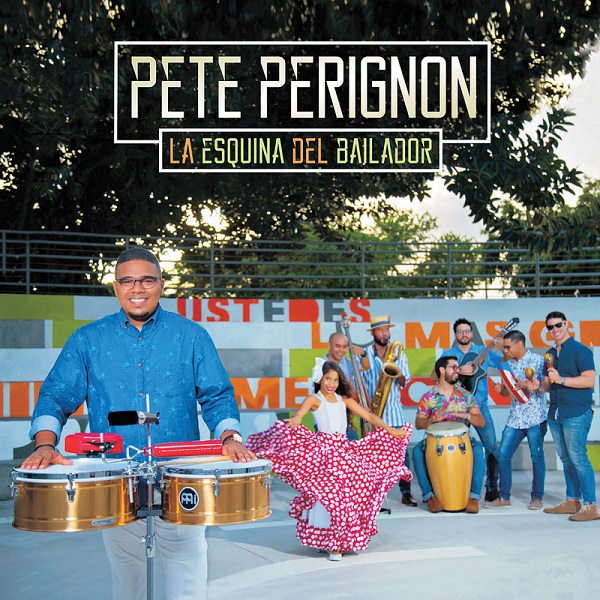
Pete perignon
Record Label: Pete Perignon Music
“La Esquina Del Bailador” is the second production by musical director and master percussionist, Pete Perignon. This album contains five unreleased singles and five re-interpretations of classics. “Gotita Falling in Key” was his first promotional theme. This album released in 2017 has versions of classics with modern arrangements such as: “De Mi Para Ti” (Bossa recorded by Tito Puente and Santos Colón), “El Beso Discreto” original from the Cuban songbook Trio Matamoros, among many other original songs and versioned
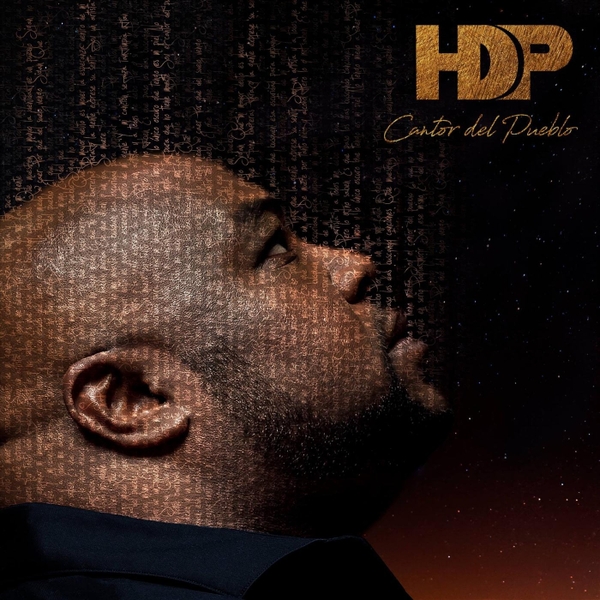
Alexander Abreu and Havana D’ Primera
Record Label: Páfata Productions
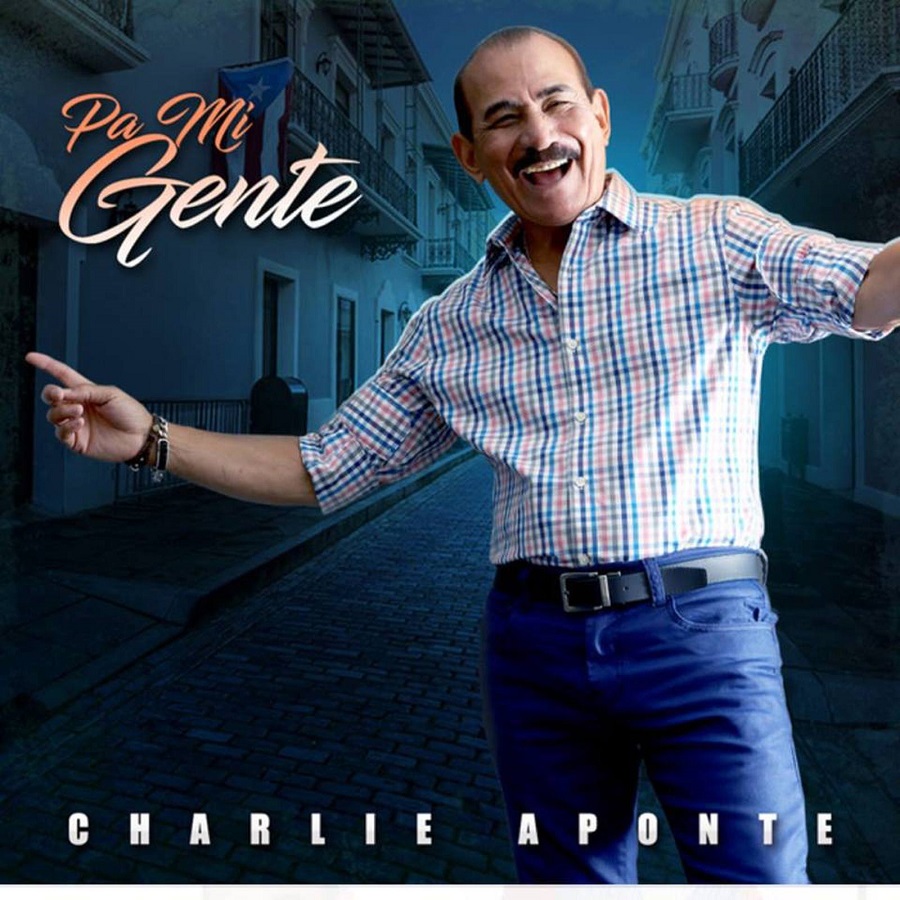
Charlie aponte
Record Label: CA Records Inc.
Chiquito Team Band
Record Label: Planet Records

Victor Manuelle
Record Label: Sony Music Latin

BEST TRADITIONAL TROPICAL ALBUM
José Alberto El Canario & The Santiaguero Septet
Record Label: Los Canarios Music
In this category, the Septeto Santiaguero, originally from Cuba, is nominated for its fourth album “A Mí Qué- Tributo A Los Clásicos Cubanos”. This ensemble founded in 1995 recorded this production in the company of the Dominican interpreter José Alberto “El Canario” and other music stars. This record material has 13 Tracks and was released on May 25, 2018.
Rubén Blades With Roberto Delgado and Orchestra
Record Label: Ruben Blades Productions
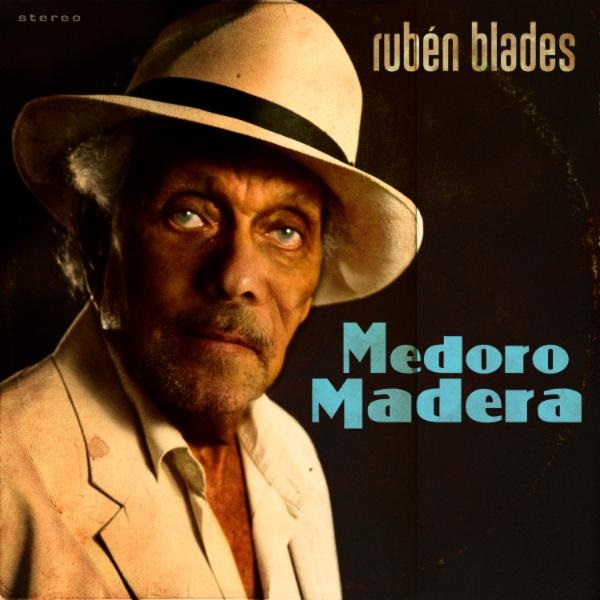
The Sonora Santanera
Record Label: Sony Music
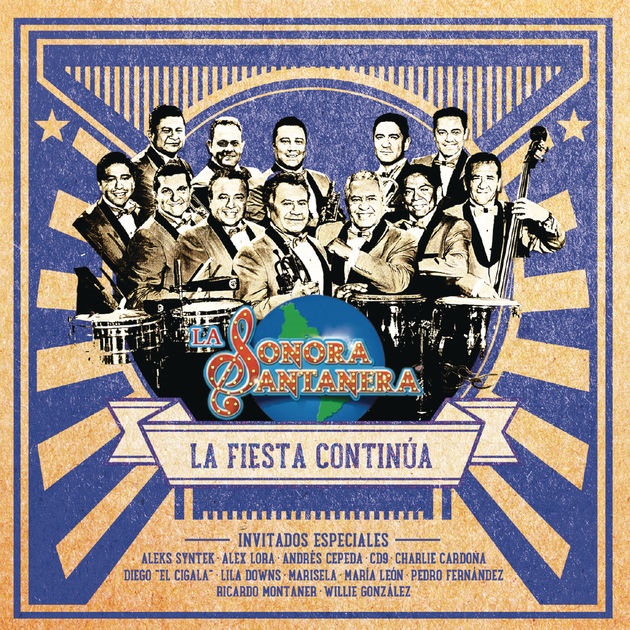
Omara Portuondo
Record Label: Egrem
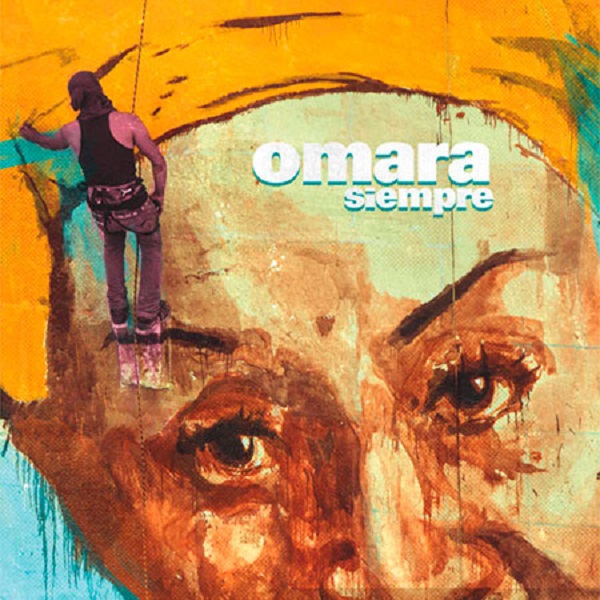
Maria Rivas
Record Label: Angel Falls Artists Inc.
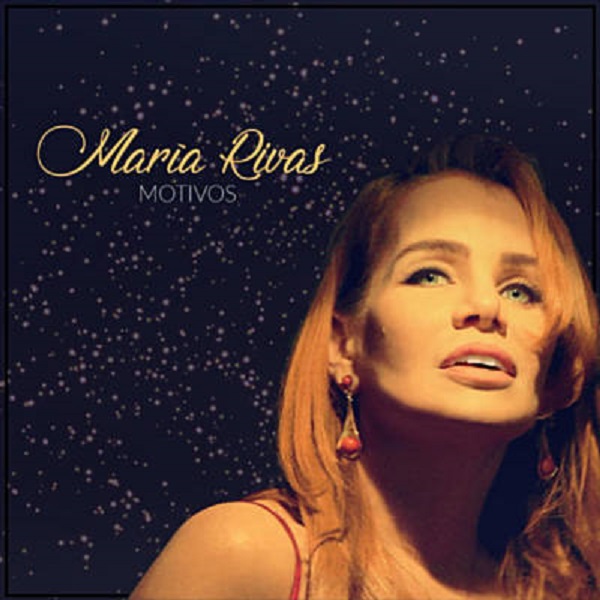
BEST TROPICAL SONG
Juan Carlos Luces & Víctor Manuelle, songwriters (Víctor Manuelle Featuring Juan Luis Guerra)
Cut off: 7/25
Record Label: Sony Music Latin

The prominent Puerto Rican singer-songwriter and producer, Víctor Manuelle, began his professional career in 1993, and to date has sold millions of records worldwide. He has earned 16 LATIN GRAMMY and GRAMMY nominations, thus establishing himself as one of the most admired artists of his generation. He has placed 46 singles on Billboard’s weekly Hot Latin Songs chart. Eleven of his albums have reached the place of honor in the Salsa genre for sales in the United States and Puerto Rico.
His hit “Imaginar” (2016) as a duo with urban artist Yandel, broke records, reaching #1 on the tropical charts thanks to his fusions of salsa with urban rhythms. In addition, it was named the most popular tropical song of that year, marking the third time that Víctor has obtained this important recognition, after his hits “Me Da Lo Mismo” and “ Tengo Ganas”.

In this 2018, Víctor celebrates his silver anniversary as a professional artist with his new record label “25/7” under the Sony Music Latin label. This album nominated for best Salsa album features collaborations with international artists, such as: Wisin, Bad Bunny, Juan Luis Guerra, Gilberto Santa Rosa and Glenn Monroig. The single “Quiero Tiempo” taken from this production is designated as one of the candidates to win the award in this important category.
Silvestre Dangond, Nicky Jam, Juan Medina, Mauricio Rengifo & Andrés Torres, songwriters (Silvestre Dangond Featuring Nicky Jam)
Record Label: Sony Music Entertainment US Latin

Jorge Luis Piloto, songwriter (Reynier Pérez y Su Septeto Acarey Featuring Gilberto Santa Rosa)
Cut from: Fall in Love Dancing
Record Label: Independent

Jorge Luis Piloto, Jean Rodríguez & Tony Succar, songwriters (Tony Succar Featuring Jean Rodríguez)
Record Label: Unity Entertainment
Fonseca, Mauricio Rengifo & Andrés Torres, songwriters (Fonseca)
Record Label: Sony Music Latin
BEST LATIN JAZZ/JAZZ ALBUM
Bobby Valentin & The Latin Jazzists
Record Label: Bronco Records
| Tracks: | |
| 1. De Nuevo a la Carga | 7.El Cumbanchero |
| 2. Latin Gravy | 8.Mellow Funk |
| 3.Orocoa | 9. Endless Love |
| 4.Smooth Ride | 10.Freedom |
| 5.Blast Off | 11. God Bless the Child |
| 6. Coco Seco | |
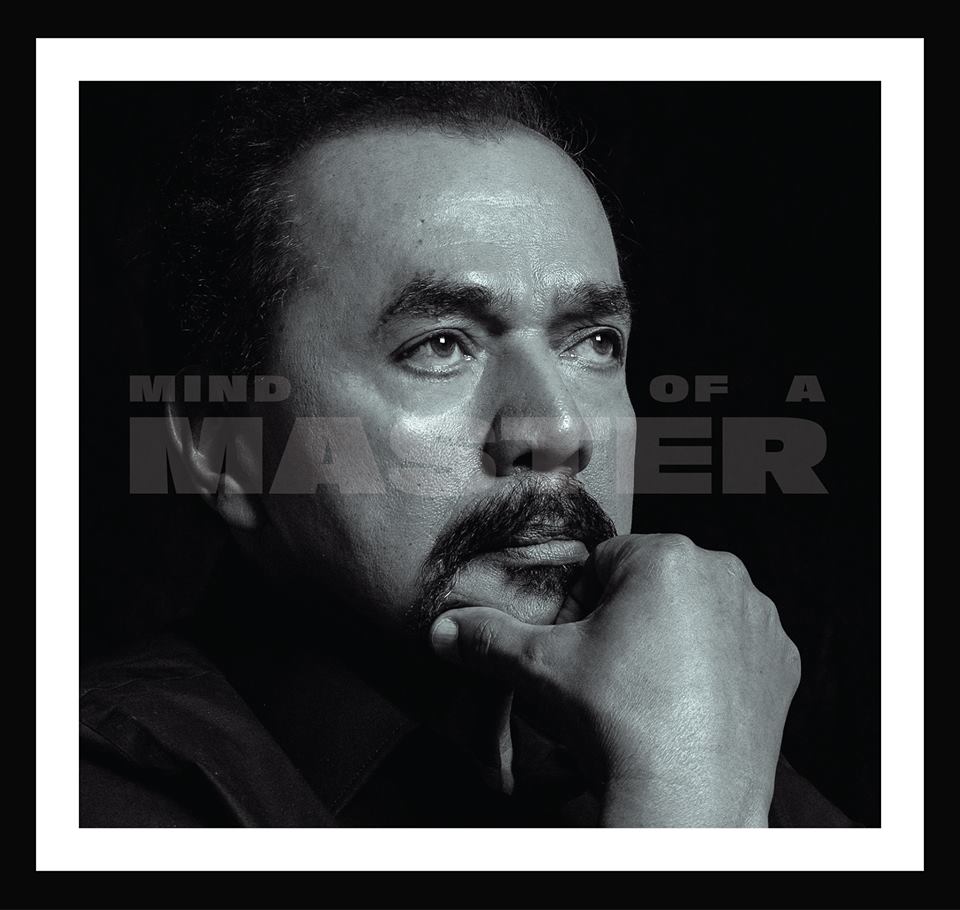
Roberto Valentin, better known as Bobby Valentin, was born on June 9, 1941 in the town of Orocovis on the island of Puerto Rico. At a very young age, Bobby learned to play the guitar thanks to the teachings of his father. At just 11 years old, he formed his first musical trio with which he won his first prize, after participating in a local competition. In 1963 Bobby Valentin joined the Tito Rodríguez orchestra traveling to Venezuela twice.
This phenomenal bass player and arranger belonged to the Fania All Stars for 20 years and also arranged music at the same time for celebrities such as: Charlie Palmieri, Joe Quijano, Willie Rosario and Ray Barretto.
In 1975 he formed his own record label “Bronco Records” and released the album, “Va a la Cárcel” Vol. 1 and Vol. 2, among others.
Over the years, Bobby has made collaborations on recordings for great artists of international fame, such as: Larry Harlow, Ismael Miranda, Roberto Roena, Cheo Feliciano and the always remembered, Celia Cruz.
Likewise, Valentin has taken over the stages performing live in the United States during this year, and more recently launched his new production “Mind of a Master”, on April 14, 2018, with which he is nominated. for this important award.
Adrian Iaies Trio
Record Label: DBN
Hermeto Pascoal & Big Band
Record Label: Scubidu Music
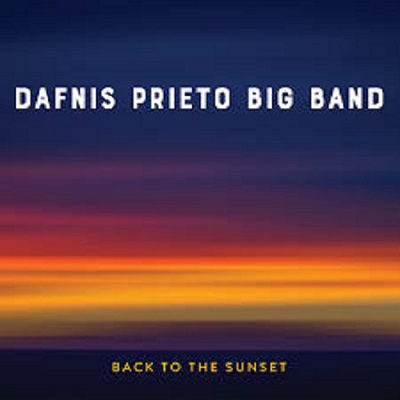
Dafnis Prieto Big Band
Record Label: Dafnison Music
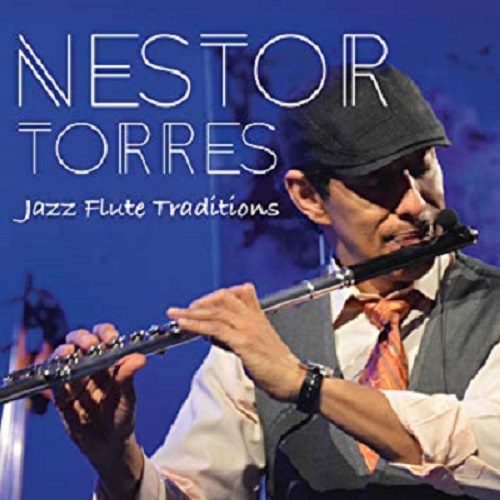
Nestor Torres
Record Label: Alfi Records
For more information visit the official website of the Latin Recording Academy:
Latin America / Puerto Rico / Puerto Rico
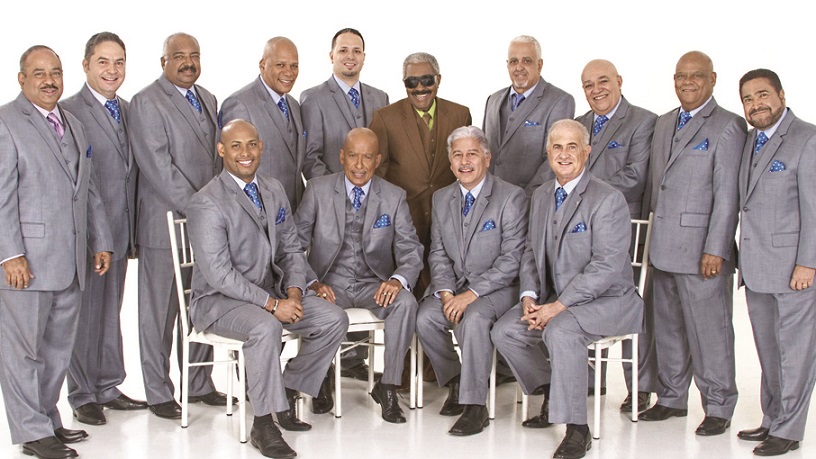
The famous salsa orchestra will offer a dance concert on the last day of this year at the Miramar Convention Center.
For the first time in more than two decades El Gran Combo will have the opportunity to say goodbye to the year on its island, a fact that for the legendary Rafael Ithier does not go unnoticed.

“For me it is a huge satisfaction and I think for the whole as well. Lately we have said goodbye to the year in Colombia, Ecuador, Peru, Venezuela, in the (Dominican) Republic, where we are going quite frequently, but in Puerto Rico it has been more than 20 years since we said goodbye and for us it is an enormous satisfaction that we they invited him to fire him,” the musical director of the famous salsa orchestra said in an interview with Primera Hora about the dance concert they will offer at the Miramar Convention Center.
“We are going to be able to be with the family and many friends that we do not see during the year. Because remember that we are a traveling band, and we spend all the time traveling”, added Ithier, anticipating that the public will be able to enjoy the best of the repertoire of the group with more than 56 years of experience.
“And if they allow us, and they will always allow it, we will play three or four numbers that we have new, because people always expect something new from El Gran Combo,” Ithier assured, sitting on the balcony of his home in Bayamón.
Latin America / Cuba
Benny More. He is not just another musician, he is unanimously the greatest popular artist that has ever existed in Cuba. It is the symbol, the myth, the legend, as the summary of Cuban popular music that is very rich and abundant. Benny symbolizes the peasant party, the sarao, the bohemia, the download, the coffee, the bar, the theater, the party, the carnivals, the show. El Bárbaro del Ritmo is the best of popular music.
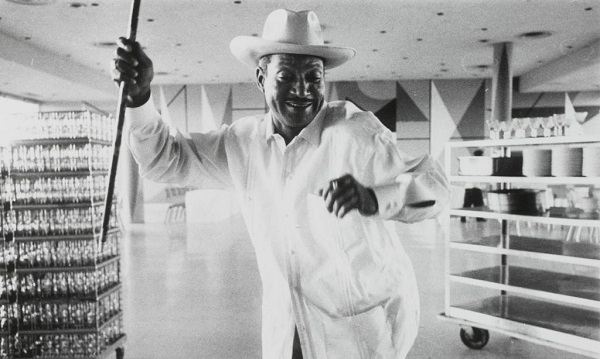
Born on August 24, 1919 at 7:00 a.m. m. in the Pueblo Nuevo neighborhood of the town of Santa Isabel de las Lajas, belonging to the Cienfuegos province. His parents were named Virginia Moré and Silvestre Gutiérrez, and Benny was the oldest of 18 siblings. His surname Moré came from Ta Ramón Gundo Moré (a slave of Count Moré), who according to the tradition of the Congos, was their first king in Santa Isabel de las Lajas.
He was gifted with a flowing tenor voice that he colored and phrased with great expressiveness.
This context was definitive for his future career in music, he learned to play the insundi, the yuka drums, those of Makuta and Bembé, invokers of deities, with whom he sang and danced perfectly, but also to interpret the son, the guaracha and the rumba.
Since he was a child he manifested his great vocation for music, as he would spend all day humming a popular song or improvising and directing ensembles made up of machetes, bongos made from milk cans, guitars made from a board and nails made from strings of string. sew, two sticks as keys, etc. And when he was ten years old, he “grated” a “real” three that had been lent to him, with which he would escape from his mother to the parties near his house.
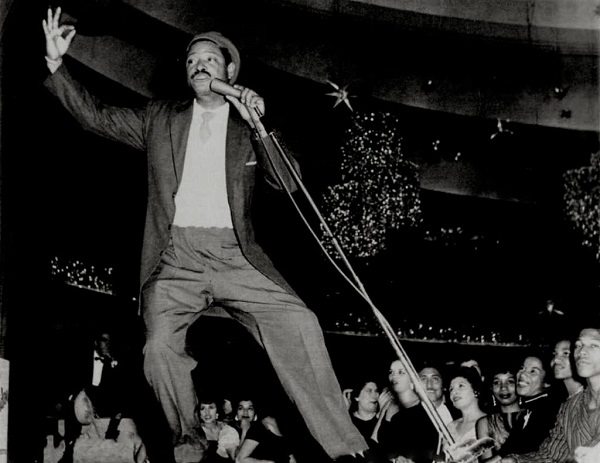
Moré was a master in all genres of Cuban music.
He could always be found standing on a table singing and reciting a son manigüero, surrounded by listeners. He spent his childhood and adolescence as Bartolomé, without the opportunity to study or get a permanent job. Like his brother Teodoro, Bartolomé was enrolled in the José de la Luz y Caballero School of Public Instruction, where he always stood out for his conduct and application.
He was gifted with a flowing tenor voice that he colored and phrased with great expressiveness.
This context was definitive for his future career in music, he learned to play the insundi, the yuka drums, those of Makuta and Bembé, invokers of deities, with whom he sang and danced perfectly, but also to interpret the son, the guaracha and the rumba.
Since he was a child he manifested his great vocation for music, since he would spend all day humming a popular song or improvising and directing ensembles made up of machetes, bongos made with milk cans, guitars made with a board and nails with strings of thread. cook, two sticks as keys, etc. And when he was ten years old, he “grated” a “real” three that had been lent to him, with which he would escape from his mother to the parties near his house.
Why is the Bacardi symbol a bat?
Moré was a master in all genres of Cuban music.
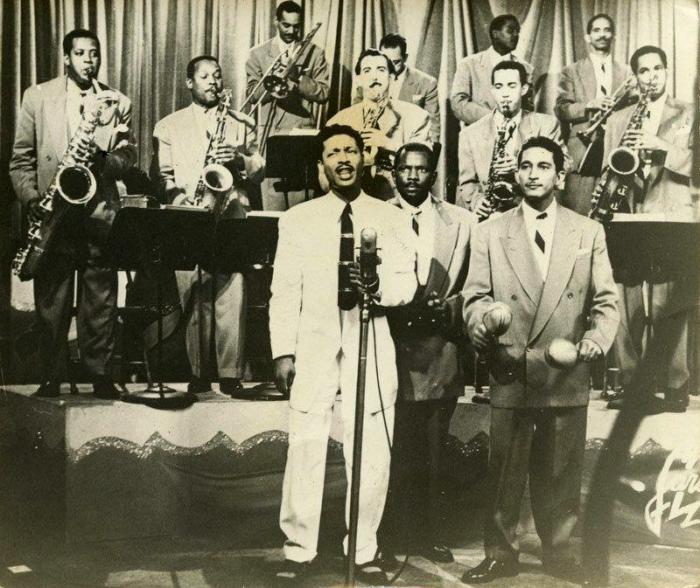
He could always be found standing on a table singing and reciting a son manigüero, surrounded by listeners. He spent his childhood and adolescence as Bartolomé, without the opportunity to study or get a permanent job. Like his brother Teodoro, Bartolomé was enrolled in the José de la Luz y Caballero School of Public Instruction, where he always stood out for his conduct and application.
His voice particularly stood out in the son montuno, the mambo, and the bolero.
Since he was a child, his aptitude for singing and improvisation stood out, which he demonstrated when, barely seven years old, he escaped to entertain Guateques and parties nearby and stayed singing notes with his mother to prevent him from sleeping while ironing until late at night. .
Benny went through a complicated life, but he was willing to do anything to achieve his dreams of success. With almost twenty years of age, in 1940 Bartolomé said goodbye to his mother at the Ritz Hotel in Central Vertientes, where she worked, and traveled hidden, indistinctly, on a train and in a truck, to the City of Havana. He was definitely coming to try his luck in the bustling city. Since then he would be seen in the famous neighborhood of Belén, with a guitar acquired in a pawnshop, wandering through cafes, bars, hotels, restaurants, and even brothels.
That same year he told his cousin, a fellow downloader: “I’ll stay in Havana, here I get up or I sink.” From then on the saga of the downloads began in the bars on the avenue of the port. Once, recalling those times, he confessed: “I went out into the street with a guitar on my shoulder to sing to the tourists. I am not ashamed of it; Carlos Gardel also did it in Argentina and he is the king of tango”
At that time, the Supreme Court of Art began to be broadcast on the CMQ station. Bartolomé Maximiliano Moré appeared on that program animated by Germán Pinelli and José Antonio Alonso. After presenting it and at the moment of starting his presentation, the bell rang for him. Later Bartolomé returned to Monte y Prado to the Supreme Court and on this second occasion he won the first prize. Possessor of a fresh voice, with a beautiful timbre, sensual and evocative, of a black peasant, despite his misery, Bartolo continued to sing with all the inner strength that Cuban rhythms demanded of him.
One of his escapades Siro Rodríguez, a member of the famous Trio Matamoros, heard him sing in the bar of El Templete restaurant, on Avenida del Puerto, and was very impressed by the boy’s voice and tuning. Bartolomé’s entry into the group led by Miguel Matamoros can be considered his true debut as a professional singer, since with said group he had a stable job for the first time as a musician and made his first recordings on 78 revolutions per minute records.
Benny knew he had a voice, an atche (luck), and a destiny. Perhaps he sensed it, intuited it, or simply trusted in his triumph. When he started with Miguel Matamoros and his group, he already wanted to make changes to the picket line. In Mexico, when Miguel got sick, he was able to direct the group, took command and made the friends enjoy themselves at the El Patio cabaret.
When the contract ended, the Matamoros group returned to Havana, but without Bartolomé, who decided to try his luck alone in Mexico. When communicating his decision to the famous author of the son El que sowing his corn, Miguel Matamoros would reply: “It’s very good, but you have to change your name from Bartolo, which is very ugly. You’re not going anywhere with him. You’re right, Bartolo replied, from today I’ll be called Benny, yes, Benny Moré.
The owner of the business was hypnotized by the tasty atmosphere that Benny created as a manager. After singing with several leading orchestras in Mexico, he stood up nicely with the most famous band of the 20th century: Pérez Prado and the Cuban mambo.
With this meeting, two geniuses came together: in Benny Moré there was talent and natural intuition; in Pérez Prado, in addition to all that, mastery of technique and an enormous facility for making music.
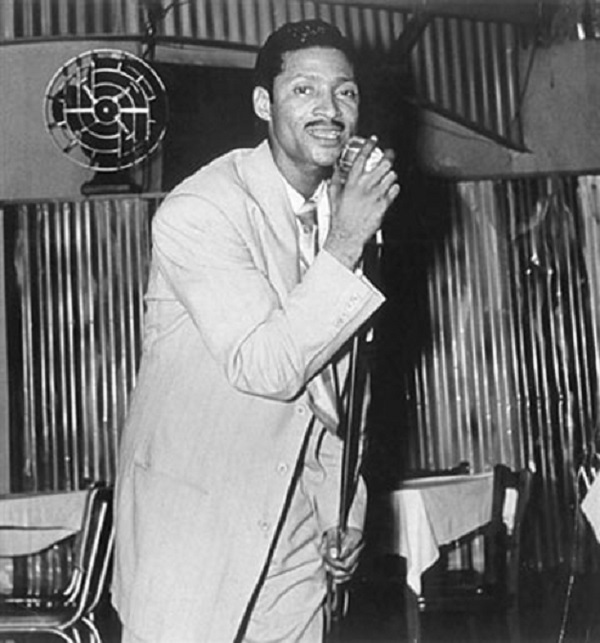
With Pérez Prado he conquered the noble Aztec people on tours of different states of that sister country. Due to the success achieved by Benny, the town awarded him the title of “Prince of the mambo” and Pérez Prado that of “King of the mambo”. He sang like no one else in the world and began his international rise.
By that time Benny’s voice was already known in Panama, Colombia, Brazil, Puerto Rico, Haiti, Venezuela, and of course, in his native Cuba. In the lively world of nightlife in Mexico City, the Cuban singer performed in countless theaters, among others the Margo, the Blanquita, the Folliers and the Cabaret Waikiki, alternating with renowned artists such as the legendary vedette Yolanda Montes (Tongolele ), the Mexican Toña la Negra, and the prominent Cuban pianist and composer Juan Bruno Tarraza, for whom Benny sang the bolero Ya son las doce. He participates in many films and upon his return to Cuba, he was already sure that he had to be counted on.
Nostalgia for his family, friends, for the Homeland, and the desire to obtain laurels on his Island, where he considered that he was not well known, made him return to his beloved Lajas at the end of 1950. The older sonero was definitely in Cuba, he had left behind comforts, material and spiritual satisfactions, friends and even the loves that winners usually do not lack.
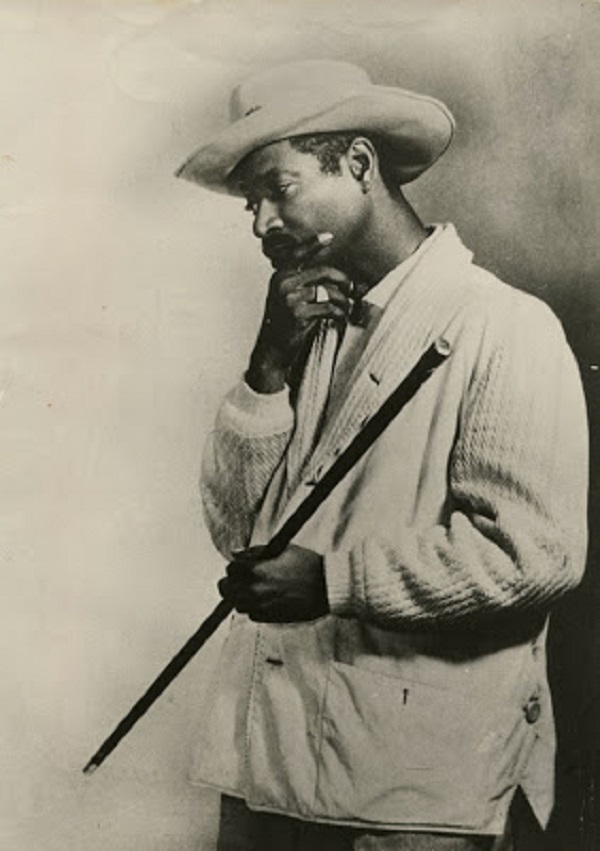
For the next two years, he performed by contract for a program called “De fiesta con Bacardi”, which aired on the Cadena Oriental radio station with the Mariano Mercerón orchestra, and the singers Fernando Álvarez and Pacho Alonso.
As Benny Moré was an exclusive artist for RCA Víctor, this firm demanded his presence in Havana to make different recordings. To fulfill this commitment, he made alternate trips to Havana and thus maintained his commitment to the eastern radio network. After the engagement at Casa Bacardí and master Mercerón, in 1952 Benny Moré returned to Havana.
Certainly Benny concluded an era, closed a chapter of Cuban musical life, that stage of nightlife that was already declining. Benny’s life was related to a world that has already disappeared. Then everything became myths and legends. Benny kept singing, but now it would be on scratch records, which were digitized.
Today’s “oidores” (listeners) must travel back in time, abstract themselves, imagine those seedy bars in the Havana port full of curious tourists. Of Chinese inns that sold “complete” for poor people who passed the hat, after singing through the streets of Havana.
Currently doing artistic work in Peru,

Premiering the songs “ME CANSE DE TI, LA NEGRITA, Y PASITO A PASITO” This is the first advance of “Caminando”, solo album that the Venezuelan artist plans to release this year and which will include songs of her authorship.
Third finalist of “LA VOZ PERU” season 2022, a program of great artistic relevance, where for the first time in the program a participant arrives as a foreign singer to the final.
Singer in Tonny Succar’s orchestra in Peru with Mimy Succar.
Special participation in the video clip, QUIMBARA of the producer Tonny Succar.
Participates hand in hand with the great musician and international producer Tito Manrique creator of the Salsa criolla, nominated to the Latin Grammy and winner of VIÑA DEL MAR. Participating in a solo track on his album Abriendo Caminos with the song and video of the song Taita Bilongo (Peruvian salsa/afro fusion).
From the production of Puerto Rican composer Eduardo Zayas and his project ¨EZ la Banda¨ sings with another legend of salsa singer Rafy Andino singer of the MULENZE Orchestra the song ¨Sabor y Sandunga¨, also recorded a song with Luchito Muños “Dos puntos de vista”.

Also invited to the production of producer Gerson Zayas, performing the song “Cuando deje de amarte”.
Works with producer and pianist Kike Purizaga, Mario Cuba, singer Carlos Mosquera, with Juan Medrano “Cotito” known as the voice of the cajo of Peru and many more.
Along with producer Alberto Crespo and Daniel Espinoza, recording choirs for the film of Ricardo Rey and Bobby Cruz with Rodrigo Mendoza and Wilmer Lozano.
She is invited to work with international musician Alfredo Naranjo in his project “El Guageo” with singer Edgar Dolor Quijada.
Later they work together with the great Venezuelan musician Nene Quintero in the “Be Jazz Sessions” project also winner of the Pepsi Awards 2019 which sold out all their concerts during the framework of its activities which had international reach.
She sings as a special guest with the classic Sonero del Caribe.
She shares the stage as a duo with Rodrigo Mendoza, singer of Dimensión Latina and of great worldwide trajectory.
She is part of the project “Salsa Master” with the participation of Edgar dolor Quijada, Marcial Isturiz, Rodrigo Mendoza and percussionist Cheo Navarro.
He began his musical career when he was only eight years old in the Afro-Venezuelan genre (traditional Venezuelan Afro music). Where he participated in various festivals being in first place in each of them.
Later he joined the ranks of the prestigious “Orquesta Latino Caribeña” of the orchestra system which is directed at that time by the great maestro Alberto Vergara, orchestra with great projection and impact in the country (Venezuela), participating in major festivals in countries like the United States and Colombia captivating the public with his voice.
Pasito a Pasito · Veruska Verdú
All the power of her voice, the flavor and the feeling.
Songs from the album that she is recently finishing the recording of
La Negrita
Pasito a Pasito
Me Canse de ti