![]() ![]() |
Search Results for: Salsa music
Asia / January 2024
North America / January 2024
UNITED STATESDIRECTORY OF NIGHTCLUBS |
||
| CALIFORNIA | FLORIDA | ILLINOIS |
| MICHIGAN | NEW JERSEY | NEW YORK |

| OHIO | PENNSYLVANIA | TEXAS |


| VIRGINIA | WASHINGTON | |
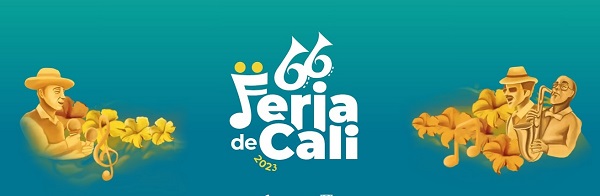
The Cali Fair is the main and most important event in the city.
Get to know the Cali Fair.
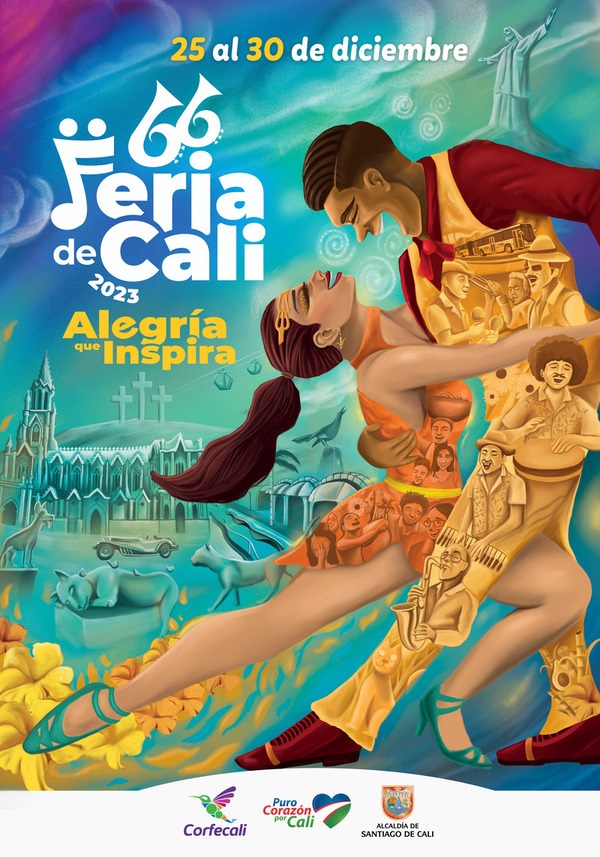
It is the biggest event of our city and a cherished symbol of our cultural identity. Every year from December 25th to 30th, Cali residents reaffirm their unwavering passion for life, salsa, and joy.
The Fair’s origins trace back to an exclusively bullfighting event. Historians note that this celebration lasted an entire month. Priorly, festivities were held in the grand halls within hotels and clubs, with Antillean-inspired music.

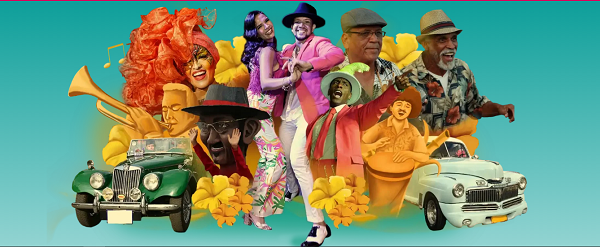
The Cali Fair in Colombia offers a variety of events, including the Salsódromo parade featuring classic and antique cars, the Superconcert, and the great verbena. This maximum event of the city showcases the folklore and culture of its people.
The Cali Fair has a mythical origin, with its birth rooted in history. Unfortunately, a colossal explosion resulted in the immediate death of nearly 4,000 people and left at least 12,000 injured.
For an entire year, our city experienced a deep depression, compounded by socioeconomic hardships.
Around 1.1 million people attend annually.
The event showcases a historical tour of the city’s streets and the collections of Cali. Participants drive vintage vehicles manufactured during the early 1900s while dressed in period costumes alongside their loved ones.
Symbol of our caleñidad.

Fair exemplifies the unique qualities of our community, transforming and showing resilience.
This fair is a timely invitation to reconstruct socio-affective bonds, safeguard traditions, and strengthen culture.
The Cali Fair is a unique, inclusive and diverse space where, within the framework of the festival, the exercise of a responsible, civic, supportive and respectful citizenship is valued, which as one makes alive the exercise of citizenship with a deep intention to strengthen vital elements for life in citizenship, in a bid to unite the city in purposes that contribute to the common good in a constructive dialogue that recognizes who we are to meet again in the difference, ratifying that the Cali Fair is and will continue to be joy that inspires.
Cali is Salsa.
If you are in Cali during the Feria you will live the best days of your life, where Salsa, dance, gastronomy and the warmth of its people will make you fall in love with La Sucursal del Cielo.
The city where there are more than 100 dance schools and more than 2,000 dancers and where the World Salsa Festival is held every year.
Cali is Gastronomy.
Cali is a universe of flavors, a city with a rich gastronomic offer, invaluable gift
gastronomic offer, a priceless gift from the cultures that converge in the Sultana del Valle, such as the mestizo peoples of the Andes, the indigenous and Afro-Colombian
indigenous and Afro-Colombian peoples.
To enjoy all these wonderful dishes in Cali there are five gastronomic zones: Peñón, Granada, Ciudad Jardín, Parque del Perro and Zona T (Calle 9 between carreras 56 and 66).
Cali is Tourism.
Santiago de Cali is strengthened in tourism to show the world all its virtues in nature, culture, sports, among others.

We are a destination that inspires locals and visitors with the human quality of its inhabitants, the traditional flavors and dozens of tourist resources that you have to know. There are more than 44 festivals and 50 events every year, welcome!
Also Read: Arabella la Sonera Mayor de Colombia in her Callejón on a Sunday in Barrio with Chico Matanza
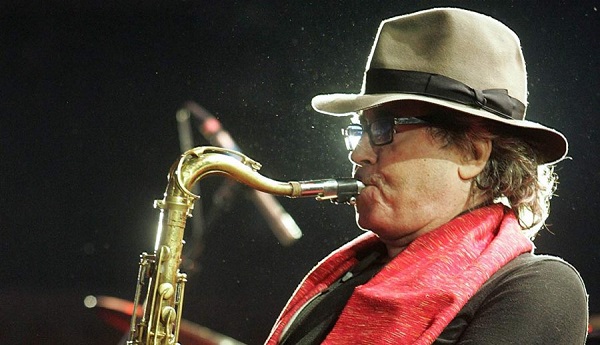
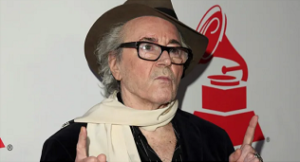
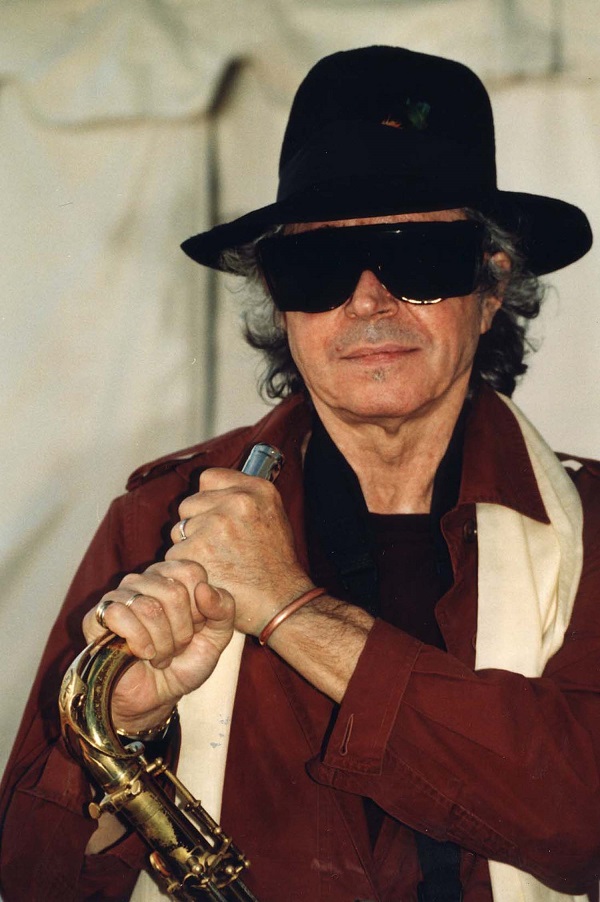
Gato Barbieri was an excellent and virtuoso Argentine saxophonist par excellence
The Argentine musician takes us on a journey through his illustrious career.
Gato Barbieri
Editor’s note: Famed saxophonist Leandro “Gato” Barbieri passed away on Saturday, April 2, 2016, in New York City. He was 83 years old.
In 2015, the Latin Grammy Award for Musical Excellence was presented to Argentine composer Gato Barbieri, one of the most deserving musicians to be honored for his extensive career, throughout which he created a bridge between Latin music and an international audience.
In love with jazz since his formative years in the city of Rosario, Barbieri trained playing with great figures of American jazz during the 1960s.

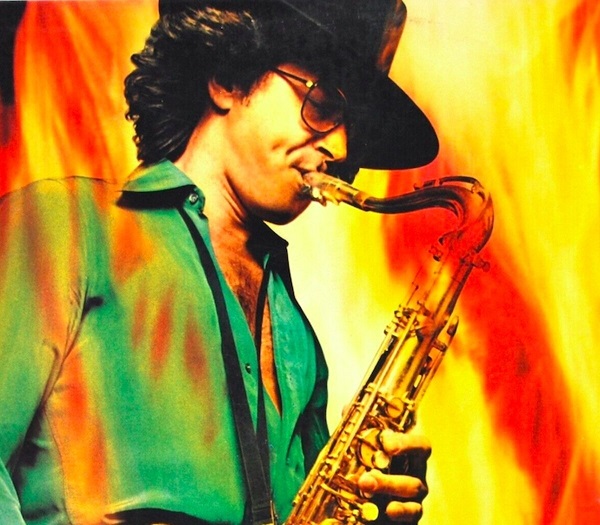
But his heart never left his Latin American sensibility. When he came to fame as a soloist and leader of his own group, he sold millions of records, forging a personal language that draws inspiration from tango, Brazilian cadences, the sounds of the Andes and South American folklore.
Over the past few years, Barbieri, who turns 83 on November 28, has suffered several health complications. From his home in New York, the musician spoke with remarkable sincerity about this new stage of his life, now far from his youth, but full of acceptance and hope.
You recently performed at the Blue Note club in New York and sold out. How does it feel to be a jazz legend at the age of 80-something?
When I play here at the Blue Note, people come from Russia, from Europe, from everywhere, because people identify with what Gato has done.
Now, I’m a little sick and it’s hard for me to walk. I don’t like that. I have to do exercises and things like that. I’m going to be 83 years old and it’s necessary to do these things that put me in a horrendous mood [laughs].
Life is like that, it has nice things and ugly things, and you have to keep walking, walking, walking…It’s like a tango. If you pay attention, tango talks about beautiful things: people, siblings, loves, the sweet details of existence. To this day, there are some tango songs that I find incredible.
What memories do you cherish from the beginning of your career?
When I started playing with the Casablanca orchestra, when I was 17. We played bebop music, which for me was something incredible. We used to perform at carnivals in the provinces of Argentina.

I also have fond memories of playing in Europe with trumpeter Don Cherry, because I learned so much. He never said anything; he didn’t talk to us or explain anything about the music we were going to play. When we played together, we improvised, and he never stopped changing his compositions. It was a great thing.
And then, in 1972, came the music for Last Tango in Paris, which brought you international fame. What was it like to write the soundtrack for such a controversial film?
It was a magical thing, because Bernardo [Italian director Bernardo Bertolucci] is an incredible guy, an incredibly talented director. I was in good spirits, but it wasn’t an easy job because there were 50 moments in the film that needed music.
I remember we took a piano up to Pepito Pignatelli’s [owner of a legendary jazz club in Rome] house, which was on the fifth floor. Doing something like that 50 years ago was not easy, but when we recorded it, it was a beautiful thing. Sometimes the difficult things are the most beautiful.
And that unforgettable main theme, which is repeated throughout the film, how did it come about?
Bernardo called me and asked me to present him with several melodies, and that they should be as beautiful as possible. We had just gone to Italy to play some concerts, and we met Bernardo. I played him three or four tunes, and he immediately chose one and said: “This is the theme from The Last Tango in Paris”.
What do you think has been the secret of your success?

From 1970 onwards, I recorded about 45 records. That’s a lot. I was a guy who was always doing something, for me that lifestyle was a great satisfaction. As for the sax, I never knew much about chords. I make up my own chords, put one thing on top of them… and that’s it.
It’s hard to explain why I made the artistic choices I did. I wanted to do a little bit of everything, play an Argentine chacarera, or record with an Italian singer like Antonello Venditti [the hit ballad “Modena”, in 1979]. I always chose to play music from many different countries, and people identify with that.
Undoubtedly, you have lived a privileged life….
Yes, in a certain way, yes. Michelle [his first wife, who died in 1995] helped me a lot. She’s always in my heart, because she was incredible. She knew about film, art, so many things. In that sense, I learned a lot from her. And now I am living with Laura, my wife, who is a great person.
She has given me my only son, who is now 17 years old. He is tall and very intelligent, although a bit lazy, as I was myself at his age. It must be hereditary [laughs].
EL PAMPERO (1971)
After El Gato left his native Argentina, but before becoming a Latin jazz star, Gato Barbieri spent the second half of the 1960s collaborating with great, avant-garde musicians: trumpeter Don Cherry, vibraphonist Gary Burton and bassist Charlie Haden, among others. Capping a career for Barbieri as the leader of his own group, El pampero is an album recorded live at the Montreux Jazz Festival. Four tracks with extensive improvisations, steeped in South American nostalgia.

Gato Barbieri: Latin ‘jazz’ with a touch of pop and South American folklore.
By: Ernesto Lechner