





Domingo ”Tito” Gutiérrez is one of those names that can never be missing when talking about Latin music in the United States, since the contribution made by this musician has been invaluable. That is why we found this to be a good opportunity to look back on the trajectory of this great artist, who has demonstrated again and again that the language of music is universal and crosses borders.
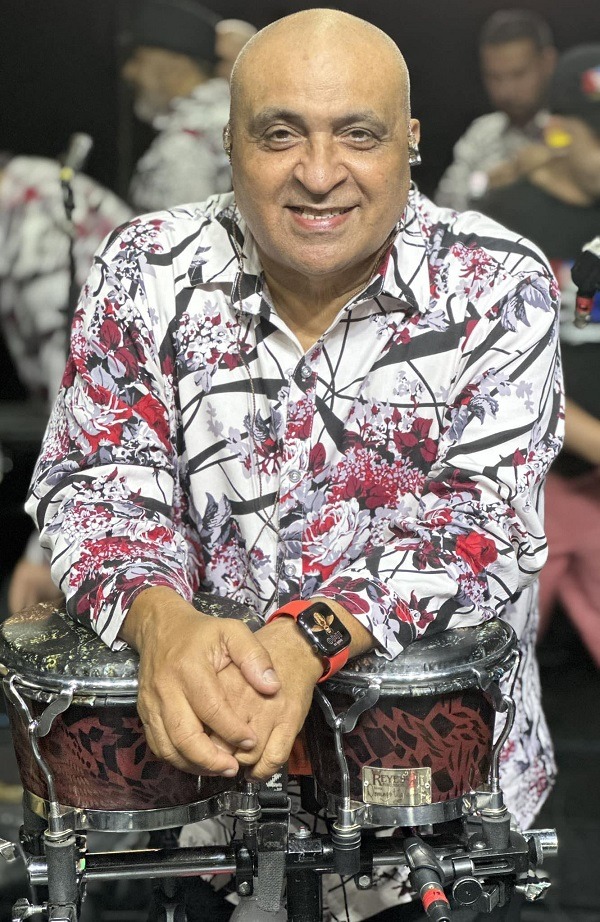
Tito Gutiérrez was born in Guánica southwest of the ”island of Enchantment”, Puerto Rico on August 16, 1957 into the heart of a culturally Latin family, especially in the case of music. However, he moved with his parents to New York City when he was about 11 years old.
Given that little Domingo had to start making friends again after the move, he took every opportunity to interact with other children of the same age, which led him to meet a group of kids enthusiastically playing instruments in a park.
The boy had never played an instrument before in his life, so he felt a little intimidated at first, but that did not stop him from approaching them and saying he wanted to play with them. When asked him what instrument he played, he replied that he played the bongo, since he noticed that the improvised band did not have one.
This is how Domingo joined them, started playing the bongo and continued playing it until he became a professional of this instrument.
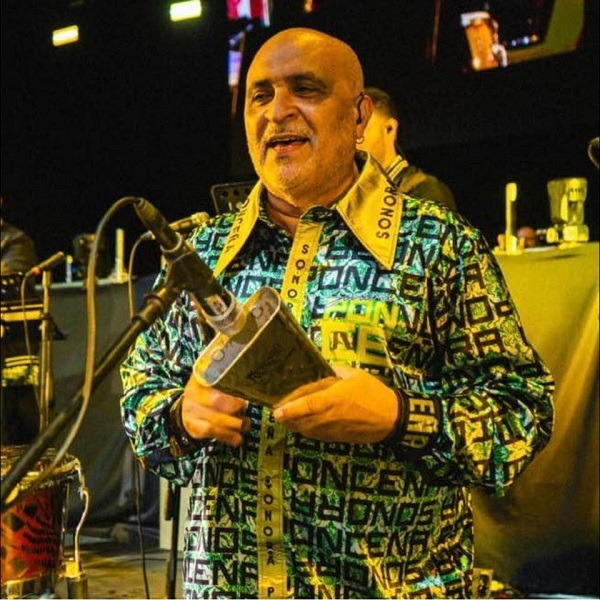
In 1972, he finally ventured into music at a professional level with the same instrument with which he began in this world during his childhood and it was the group El Son De Hoy that gave him his first job opportunity.
Not much time would pass before he became a musical director and founder of an orchestra when he created his own group called Orquesta Borinqueya. At the same time, he was also working with the Orquesta Alianza Boricua, with which he was recording a studio album.
For a period of approximately five or six years, the artist has been recording with countless local orchestras with which he has continued to make a career and expand his musical curriculum, such as Orquesta La Crítica, Orquesta Nelson Feliciano, Orquesta Crisis, Orquesta Guainía, among others.
In 1978, he went to live in New York and did his thing with the bongo along with some groups such as Grupo Melao, Conjunto Avicú and Peter Brown Jazz Cuartet.

In the late 90’s, his fame had grown so much that he has had the opportunity to work in orchestras of international stature such as Orquesta La Terrífica, Orquesta Costa Brava, Orquesta de Simón Pérez, Orquesta de Roberto Ortiz and more. He has also shared the stage with Ismael Miranda, José Alberto ”El Canario”, Andy Montañez, Cano Estremera, among others.
Today, he plays for La Sonora Ponceña of Puerto Rico, ”45 Aniversario” being the first project he recorded with the group and has participated in a number of albums with this great team.
While on tour with the different orchestras to which he has belonged, he was able to visit a large number of countries such as Venezuela, Ecuador, Mexico, Colombia, Costa Rica, Peru, Panama, Spain, France, Italy, among others.
Parallel to all this, Domingo has his own line of bongos which he named ”Tito Gutierrez Bongo Series”. This line is part of an initiative of the Reyes Family, who are a group of Colombian artisans who are dedicated to designing bongos of different colors and sizes.
Read also: Jerry Rivas, career, and support for the Spaha Salsa Gallery Museum

Johnny Cruz Correspondent for ISM in New York City
|
|
Vienna Bachata Congress
|
Palais WertheimCanovagasse 1-5. 1010 Vienna DescriptionThe 4th edition of Vienna Bachata Congress offers workshops, shows and social dancing with national and international instructors, performers and dj’s. Cost: Full Pass from € 99 + € 1.99 Fee |
|
|
Eden Urban Kiz Festival
|
Hotel PinijaPetrčane V. ulica 1 a, 23231, Petrčane , Zadar, Croatia DescriptionCatch the last summer sun in a breath taking scenery of the Adriatic. We set the scene in an exquisite 4 star hotel that will cater to all your needs. We handpicked a selection of artists that will take you on an exotic journey to paradise. Cost: Full pass COUPLE € 195 |
|
|
Prague Zouk Marathon Autumn Edition
|
Na MarjanceBelohorska 35/262, Prague, Czech Republic, 169 00 DescriptionThe 9th edition of the first 100% Zouk social dance event in the world. Parties all day & night long. No shows and No workshops. Drinks & Dining: Food and Water all inclusive Cost: Full pass from € 118 |
Prague Salsa Marathon Autumn Edition
|
• Na MarjánceBelohorska 262/35., Prague, Czech Republic, 169 00 •Vineyard GazeboHavlickovy sady 1369, Prague, Czech Republic, 120 00 DescriptionPrague Salsa Marathon Autumn Edition presents 3 days & 2 nights of Salsa workshops, shows and after parties. DJ Playing: Sergio, Cycy, Julian, Gaby & Karlos Cost: Full Pass from € 149 |
|
|
|
Alpes Bachata Congress
|
Impérial Palace HotelAllee de l’Impérial, Annecy, France, 74000 DescriptionOffers workshops, shows, parties & socials with national & international instructors, performers & dj’s: Cost: Full pass from € 120 |
The Wave Dance Festival
|
Les Villages sous les Pins2747 Avenue de l’Océan, Leon, France, 40550DescriptionThe second edition of Wave Dance Festival offers 50 hours of workshops, national & international shows, socials, parties with local & international instructors, performers & dj’s playing: Ralph, Ibra, Neko, Timbahe, Lafuriosa, Jeff & SmachCost: Full Pass from € 80 |
|
Kiz N You Non-Stop
|
Espace Jean Jaurès Dance Studio3 Avenue De La Paix, Tomblaine, France, 54510 DescriptionThe 5th edition of Kiz N You Non-Stop offers workshops, parties, parties, after- parties & socials with national & international Kizomba instructors, performers & Dj’s. Cost: Full Pass from € 50 |
|
Paris Salsa marathon2
|
Le Boreas1 Port de Bercy, Paris, France, 75012 DescriptionOffering workshops, parties, and socials. Cost: Full Pass €145 |
|
Festival Corazon Latino
|
Rocher de Palmer Ballroom1, rue Aristide Briand, Cenon, France, 33150 DescriptionThe 10th edition of Festival Corazon Latino provides 2 days of Salsa, Bachata, Kizomba workshops, parties, shows and concerts with national/international performers and Djs. Cost: from € 109 |
|
KAMBA Kizomba Festival 2023
|
Théâtre Foirail105 Avenue du Général de Gaulle, Angers, France DescriptionPassion SBK is delighted to welcome you to Chemillé in Anjou for its first edition of Kamba Latino. A Salsa & Bachata Festival Cost: € 83 |
|
Lambazouk Paris
|
Studio Des Rigoles School Kim Kan46 Rue des Rigoles, Paris, France, 75020 DescriptionThe first edition of LambaZouk Paris offers 10hrs of programs on weekends + parties in Lambada and Brazilian Zouk Cost: From € 90 |
|
|
|
Yo Vengo De Cuba
|
KongresshalleGögginger Strase 10, Augsburg, Germany, 86159 DescriptionA Cuban Style Festival with the most popular teachers in Europe, two parties with shows, animation and 3 days of workshops (Afro Cuban, Casino Rueda, Reggaeton, Salsa) and the DJ El Gato Cost: Full Pass from € 100 |
Kizomba Days Cologne Weekender
|
Tanzschule TanzraumSalierring 33, Cologne, Germany, 50677 DescriptionThe third edition of Kizomba Days Cologne Weekender offers more than 20 hours of workshops, 3 parties, 2 socials with national & international instructors, performers & dj’s. Kizomba, Semba, Tarraxinha Cost: COUPLE Passes € 205 |
|
Kizomba Festival Stuttgart
|
Singing HallLindenschulstrasse 29, Stuttgart, Germany, 70327 DescriptionThe 10th edition of Kizomba Festival offers 4 days of Kizomba workshops, socials, parties & shows with national and international teachers, performers and dj’s playing: Lenhy, Iron Mams, Hazel Beats & Harry Cost: Full pass from € 99 |
|
Festival Timba Paradies
|
Congresshalle Convention CentreHafenstr.12, Saarbrucken, Germany, 66111 DescriptionThe 6th edition of Festival Timba Paradies offers 40 workshops, shows, 3 parties with national & international instructors, performers & Dj’s: Francois Timbalero, Yannick, Pastaguero Samir, Assane Kane & Herve Timbaleaks Cost: From € 99 |
|
Zouk Festival Hannover
|
Move & Style Dance AcademyVahrenwalderstr. 195 A, Hannover, Germany, 30165 DescriptionZouk Festival Hannover offers 3 days of workshops (Brazilian Zouk), 3 days of parties, with extra 4h of special masterclass training with BZCC official Jack & Jill. Cost: From € 120 |
|
|
|
Dance Casa Festival
|
Hungarian University of Sports ScienceBudapest, Alkotás u. 42-48, 1123 DescriptionWelcome to Dance Casa Festival A Ukrainian Festival that will take place in Budapest. See you all from 29th of September to 01st of October 2023 We are a well-established Ukrainian based festival and we are happy to announce our first Budapest edition. We are expecting all of you from September 29th to October 1st 2023 for an amazing experience where dancers from all over the world will join us to learn, teach, have some fun and share together our passion for dancing Afro Latin, Bachata, Kizomba, Salsa, Tarraxinha in one of the most beautiful cities in Europe. Cost: Fom € 150 |
|
|
On 2 Salsa Congress
|
Tower Genova Airport Hotel & Conference CenterVia Pionieri e Aviatori d’Italia, 44, Genova, Italy, 16154 DescriptionThe 11th edition of On 2 salsa Congress offers workshops and social dance parties in Salsa with world performers and instructors. Cost: From € 140 |
|
|
Vilnius Bachata Festival
|
Vilniaus Lenkų Kultūros NamaiNaugarduko gatvė 76, Vilnius, Lithuania, 03202 DescriptionThe 7th edition of Vilnius Bachata Festival offers 3 days and nights of workshops, shows and social dancing with national and international performers, instructors and dj’s playing: York, Husky & GAT Cost: From € 90 |
|
|
Bindaas Bachata Amsterdam – Bachata Sensual & Fusion Event
|
CanDance StudiosIsolatorweg 28, Amsterdam, Netherlands, 1014 AS DescriptionThe third edition of Bindaas Bachata Amsterdam offers 14 hours of workshops, parties on Saturday & Sunday + day socials on Sunday & 14 hours of Social dancing. Cost: Full Pass from € 75 |
|
|
Zouk Porto Festival
|
The View HotelAv. de Ramos Pinto 240, Vila Nova de Gaia, Portugal, 4400-261 DescriptionZouk Porto Festival offers workshops, shows, socials & parties with local & international instructors, performers & Dj’s playing: Carballo, Jano & Zouk OF on Bachata, Kizomba, Salsa, Semba, Brazilian Zouk Cost: From € 70 |
LIKE Lisbon’s International Kizomba Energy Festival
|
Inatel Costa Caparica HotelAv. Afonso de Albuquerque, S. João de Caparica, Costa da Caparica, Portugal, 2825-450 DescriptionThe 12th edition of Lisbon International Kizomba Energy (LIKE) offers workshops and parties with lineup performers, teachers and dj’s. Cost: From € 95 |
|
|
|
Bachata Takes Over Bucharest Dance Festival Autumn Special Edition
|
Caro Hotel Bucharest164A Barbu Vacarescu Blvd, Bucharest, Romania, 020285 DescriptionBachata Takes Over Bucharest Dance Festival / B to B Dance Festival ALL STAR EDITION offers workshops, shows and parties with national and international instructors, performers and dj’s. Cost: From € 100 |
|
|
Latino Afro Festival Varijanta Bachata Salsa Kizomba
|
Dom OmladineMakedonska 22, Belgrade, Serbia and Montenegro DescriptionThis festival is a one in a lifetime experience with a perfect combination of partytime and workshop, where the best international stars in Cuban salsa, salsa crossbody, Tarraxinha, kizomba, Bachata meet in the beautiful city of Belgrade, Serbia. Cost: Full Pass from € 95 |
|
|
DyD Be Unlike
|
Vértice Sevilla Aljarafe HotelAv. República Argentina, 1, Bormujos, Seville, Spain, 41930 DescriptionDyD Be Unlike offers Bachata workshops, shows, parties, socials with national & international instructors, performers & dj’s. Cost: Full Pass from € 80 |
Pirineos Salsa Festival
|
Albergue – Hostel PirenariumAv. Del Ejército, 27, 22609, Sabiñanigo (Huesca), Spain DescriptionDear friends Pirenaicosalseros, we return with our Pirineos Salsa Festival 6 Edition, bustle, party, learning in a unique setting of the Pyrenees Oscense, a singular Event, outdoors, this year we return with everything, tents, floors, Shows, Orchestra, artists of national and international renown, an Event with about 50 training workshops, Djs specialized in each rhythm, animations, etc. Cost: Full pass € 80 |
|
Karga Kizomba Festival
|
Hotel Evenia Olympic ParkCarrer Sra. de Rossell, s/n, Girona, Spain, 17310 DescriptionThe 8th edition of Karga Kizomba Festival offers workshops of Kizomba, Semba, Kuduro, Afrohouse, shows and parties with international and national performers, instructors and dj’s. Cost: Full Pass from € 60 |
|
Madrid Zouk Bachata Congress
|
Eurostars Madrid Foro HotelRonda de Europa, 1, Madrid, Spain, 28760 DescriptionThe 5th edition of Madrid Zouk Bachata Congress provides workshops, shows and parties with national and international performers, instructors and dj’s. Cost: Full Pass € 145 |
|
On1 Salsa Festival
|
Hotel Isla de la GarenaC. Galileo Galilei, 18, Madrid, Spain, 28806 DescriptionOn1 Salsa Festival offers workshops, shows, socials, parties with national & international instructors, performers: Adrián & Anita, Terry & Cecile, Fernando & Ayelén, Talía & Pocho & dj’s playing: Cumbanchero, Pulpo, Rebo & Ya Cost: From € 40 |
|
|
|
Kyiv Sense to Dance Festival
|
Mercure Kyiv Congress HotelVadyma Hetmana St, 6, Kiev, Ukraine, 02000 DescriptionKyiv Sensual Festival offers 50 workshops, 80 hours of parties & beyond compare partners, 2 grand show programs & live concerts, 4 parties with national and international instructors, performers and dj’s of Bachata, Kizomba, Salsa, Brazilian Zouk Cost: Full Pass: from € 60 |
|
|
Bachata King Festival
|
Kipriotis Village ResortOdyssea Elyt, Kos , Greece, 853 00 DescriptionThe 4th edition of Bachata King Festival offers 50 hours of workshops, more than 20 shows, Bachata competition with 40 national and international artists. Cost from € 69 |
On the last week-end of July, a festival celebrates Latin and Afro-Cuban music and brings thousands of music lovers to a small town in France. Eric, the festival’s creator, shares its origins, inspirations, and evolution.

Since its inception in 1994, the Tempo Latino festival has welcomed incredible artists to this small town in the Southwest of France.
Having lived across France, Eric settled in Vic-Fezensac, where he felt the need to create something beyond work. His passion for Latin and Afro-Cuban music led him to start Tempo Latino, aiming to provide what he missed – concerts of these genres.
Eric’s radio inspiration and his love for vibrant rhythms ignited the idea for a music festival. He yearned to introduce others to the music he cherished, giving birth to Tempo Latino in 1994. The inaugural edition featured Fatal Mambo and Mambomania, attracting 2,800 attendees. Now the festival attracts over 10,000 people.
Eric’s selection process for artists is fueled by genuine connections, resulting in a diverse lineup that weaves different styles into a harmonious experience. His curation creates unique narratives each night. Pairing artists with contrasting energies, like Lila Downs and Cimafunk, creates a captivating tapestry that reflects the festival’s essence. Eric’s journey involves tireless pursuit and strong artist relationships. From Bernard Lavilliers to Excelencia, his commitment to music’s magic and meaningful collaborations remains steadfast.
The festival’s theme guides its trajectory, from Africa’s heart to New York’s energy. Lavilliers’ Paris and the Caribbean’s vibrancy unite through music, creating a diverse yet cohesive experience.
In a digital era, Tempo Latino reminds us of music’s power to unite. Eric’s dedication and knack for blending genres into harmonious narratives continue to resonate.
The charm of Vic-Fezensac, a small town in France, transforms every year as over fifty thousand people gather for the renowned Tempo Latino Festival. In an exclusive interview, Eric, the festival’s creator, discusses the intricacies of managing such an event in a local community and the relationship it shares with the town.


Eric sheds light on the local engagement, emphasizing that while not everyone participates, the festival is supported by some local partners. What brings him contentment is the transformation he witnesses each year as the town welcomes an eclectic crowd of festival-goers. The festival’s vibrant audience, composed of diverse backgrounds, gives life to the town’s streets and squares in ways that were once unimaginable.
Eric reminisces about the support he received from the former mayor, Jean Arnaud, whose open-mindedness and appreciation for the festival’s diverse attendees left a mark. Jean Arnaud’s encouragement and acknowledgment of the festival’s contribution to cultural diversity added an emotional connection between the festival and the town.
Eric’s dedication to music and fostering connections with artists has been at the heart of the festival’s growth. He shares anecdotes about musicians like Oscar D’Léon and Celia Cruz, who have left an indelible mark on the festival’s history. These relationships, he emphasizes, are more than business; they’re rooted in mutual respect and genuine affection.


Throughout its 28 editions, the festival has faced numerous challenges, both financial and logistical. Eric reflects on early deficits, weather-related disruptions, and organizational intricacies. Each year’s success has hinged on meeting these challenges head-on, often pushing the festival to its limits.
Eric’s vision for the festival’s future remains unwavering – bringing together people from diverse backgrounds through music. He acknowledges the changing landscape of music and dance styles, highlighting the importance of maintaining a balance between cultural integrity and evolving tastes.
With the 30th edition approaching, Eric envisions continued growth while staying true to the festival’s roots. He expresses his desire to bring acclaimed artists like La India and Carlos Santana to the stage, continuing the legacy of diverse and passionate musical experiences.
In the grand tapestry of the Tempo Latino Festival, Eric’s passion, dedication, and genuine relationships have woven together a cultural masterpiece. The festival remains a beacon of unity, showcasing the power of music to transcend boundaries and create shared experiences. As the festival moves towards its next milestone, it stands as a testament to Eric’s unwavering commitment and the enduring magic of Latin and Afro-Cuban rhythms.
Mark your calendar and plan your trip for the 2024 Tempo Latino on the last weekend of July 25 to 28, 2024.
Visit for more information 
[Read more…] about Tempo Latino: Creating Connections Through Music


 CANADA