• Skip to primary navigation
  • Skip to main content

International Salsa Magazine

  • Home
  • Previous editions
    • 2025
      • ISM / November 2025
      • ISM / October 2025
      • ISM / September 2025
      • ISM / August 2025
      • ISM / July 2025
      • ISM / June 2025
      • ISM / May2025
      • ISM / April 2025
      • ISM / March 2025
      • ISM / February 2025
      • ISM / January 2025
    • 2024
      • ISM / December 2024
      • ISM / November 2024
      • ISM / October 2024
      • ISM / September 2024
      • ISM / August 2024
      • ISM / July 2024
      • ISM / June 2024
      • ISM / May 2024
      • ISM / April 2024
      • ISM / March 2024
      • ISM / February 2024
      • ISM / January 2024
    • 2023
      • ISM / December 2023
      • ISM / November 2023
      • ISM / October 2023
      • ISM – September 2023
      • ISM – August 2023
      • ISM July 2023
      • ISM Edition June 2023
      • ISM – May 2023
      • ISM April 2023
      • ISM March 2023
      • ISM February 2023
      • ISM January 2023
    • 2022
      • ISM December 2022
      • ISM November 2022
      • ISM October 2022
      • ISM September 2022
      • ISM August 2022
      • ISM July 2022
      • ISM June 2022
      • ISM May 2022
      • ISM February 2022
      • ISM January 2022
    • 2021
      • ISM December 2021
      • ISM November 2021
      • ISM October – 2021
      • ISM September 2021
      • ISM August 2021
      • ISM July 2021
      • ISM May 2021
      • ISM April 2021
      • ISM June 2021
      • ISM March 2021
      • ISM February 2021
      • ISM January 2021
    • 2020
      • ISM December 2020
      • ISM November 2020
      • ISM October 2020
      • ISM September 2020
      • ISM August 2020
      • ISM July 2020
      • ISM June 2020
      • ISM May 2020
      • ISM April 2020
      • ISM March 2020
      • ISM February 2020
      • ISM January 2020
    • 2019
      • ISM December 2019
      • ISM November 2019
      • ISM October 2019
      • ISM Septembre 2019
      • ISM August 2019
      • ISM July 2019
      • ISM June 2019
      • ISM May 2019
      • ISM April 2019
      • ISM March 2019
      • ISM February 2019
      • ISM January 2019
    • 2018
      • ISM December 2018
      • ISM November 2018
      • ISM October 2018
      • ISM September 2018
      • ISM August 2018
      • ISM July 2018
      • ISM June 2018
      • ISM May 2018
      • ISM April 2018
      • ISM March 2018
      • ISM February 2018
      • ISM January 2018
    • 2017
      • ISM December 2017
      • ISM November 2017
      • ISM October 2017
      • ISM September 2017
      • ISM August 2017
      • ISM July 2017
      • ISM June 2017
      • ISM May 2017
      • ISM April 2017
  • Download Salsa App
    • Android
    • Apple
  • Spanish

Search Results for: Son de Bolero

Justo Betancourt Querol Cuban sonero and singer famous for his interpretation of the song “Pa’ bravo yo”

Heir to the solid musical tradition of his family, Justo Betancourt was an incomparable sonero, possessing a unique personal style, He began his career at a very early age in his native Cuba, where he participated with orchestras and bands.
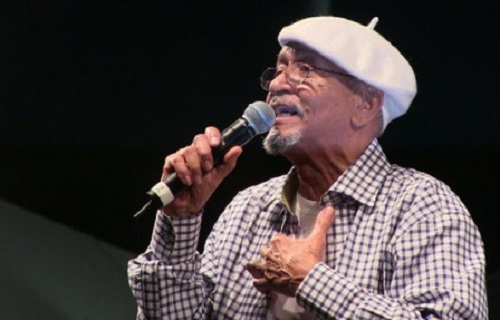
Justo Betancourt Querol Cuban sonero and singer famous for his interpretation of the song Pa' bravo yo.
Justo Betancourt Querol Cuban sonero and singer famous for his interpretation of the song Pa’ bravo yo.

In the 1960s, he arrived in New York, where he launched a new and brilliant stage of his career, singing vocals for the legendary and inveterate group, La Sonora Matancera, which was already established in the city. Betancourt stayed with the group for five years.

In later years, he was a member of the chorus of several groups, including those of Eddie Palmieri and Ray Barretto.

At the end of 1976 Justo settled in Puerto Rico, fleeing the limitations of the New York environment and separating himself from the tours and recordings of Fania All Stars, to enter the modern and freer scene projected by groups such as Sonora Ponceña, Willie Rosario, Bobby Valentín and Roberto Roena, among others, from the island.

With young musicians including vocalists Sammy Gonzalez and Tito Rojas, he created his own orchestra which he called “Borincuba”, a name to reflect the mixture of Puerto Rican and Cuban artists.

In 1976 Johnny Pacheco in his interest to maintain the successful formula of the modernization of the sound of the Sonora Matancera as the typical sound of his group (the Tumbao Añejo), unites the voice of Justo Betancourt with that of his compatriot Celia Cruz, it was the first time that this duo of Cubans in exile was reunited, in the album “Recordando El Ayer” and in which the young pianist Papo Lucca was presented in a big way. Justo’s voice was recorded in the songs “La Equivocada” (a duet with Celia), “Ahora Sí” and “Guíllate”.
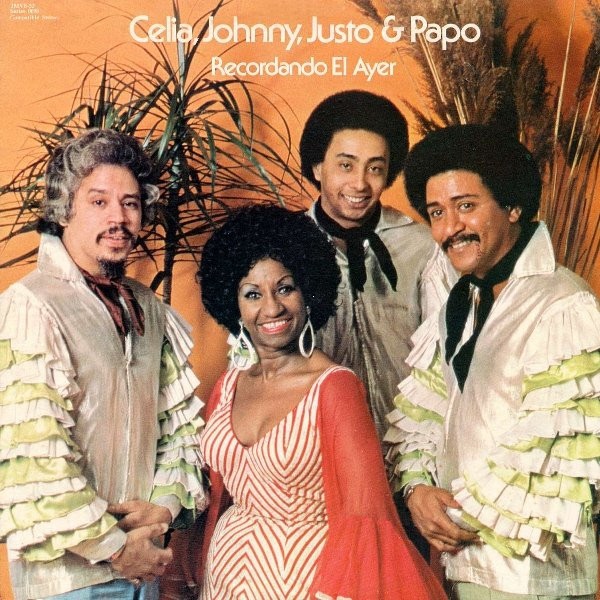
Celia, Johnny, Justo & Papo Recordando El Ayer 1976


That same year 1976, Justo is part of the ten vocalists that the Fania All Stars summons for his first production in a recording studio in the project “Tribute To Tito Rodriguez”, in which he performs the song “Cara De Payaso”, (the other vocalists were Santos Colón, Bobby Cruz, Cheo Feliciano, Héctor Lavoe, Ismael Miranda, Ismael Quintana, Pete “Conde” Rodríguez, Rubén Blades (his first recording with Fania All Stars) and Chivirico Dávila (his only recording with the group).
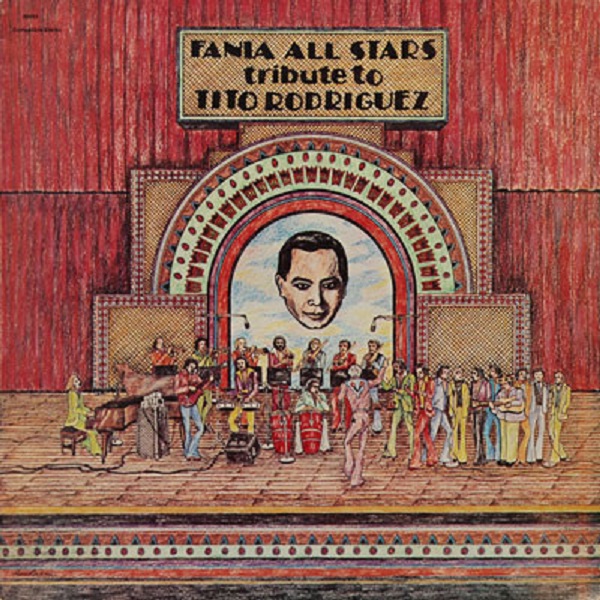
Fania All Stars Tribute To Tito Rodriguez 1976

To complete this productive year, Justo Betancourt joins percussionist Mongo Santamaría as the lead vocalist for the musical work “Ubane”, with the production of Marty Sheller, one of the important experimental albums of the salsa boom, a work that recovers the saxophone for the Salsa and bembé orchestra in the old Cuban Guaracha of the 50’s, and in which a constellation of New York, Cuban, Puerto Rican and Colombian musicians participate.
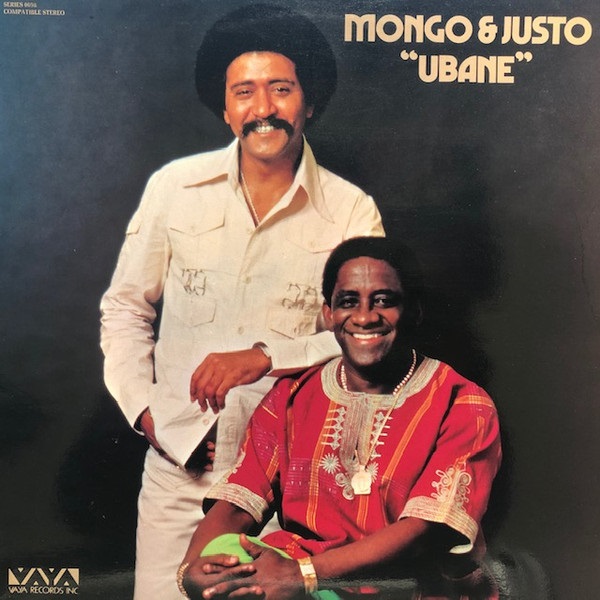
Mongo y Justo Ubane 1976.

However, the album did not succeed in definitely catching on with the public and ended in the most unjust failure.

With his new orchestra, he recorded four albums, of which he recorded as lead singer in only two albums: “Distinto Y Diferente” (1977) which includes the songs: “No Estás En Nada”, “Distinto Y Diferente”, “Soy Profesional” and “Óyela”; and “¡Presencia!” (1978) which includes a tremendous new version of the bolero “Psicología” and the song, composed by Catalino “Tite” Curet Alonso, “Camarón”. Justo was always among the best and remained oblivious to the decadence of the industrial boom of New York Salsa at the end of the decade.
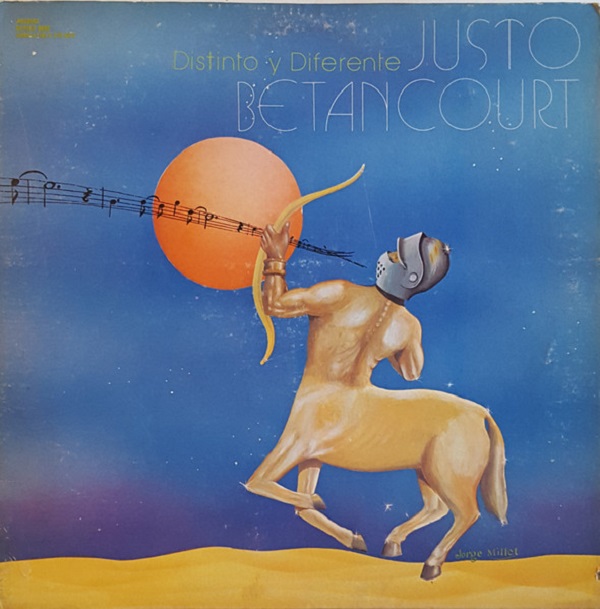
Justo Betancourt Distinto Y Diferente 1977

His secret was to remain bravo by performing authentic Caribbean music without the commercial additives imposed by Salsa.

The young singer who performed in the chorus and Justo’s student in Borincuba, Tito Rojas, became the lead singer in the following album “Con Amor” (1978), which Betancourt conducted and participated in the chorus.

Tito Rojas’ last work before splitting from Borincuba to start his solo career was the album titled only as “Borincuba”, in which Justo also served as musical director and backing vocalist.
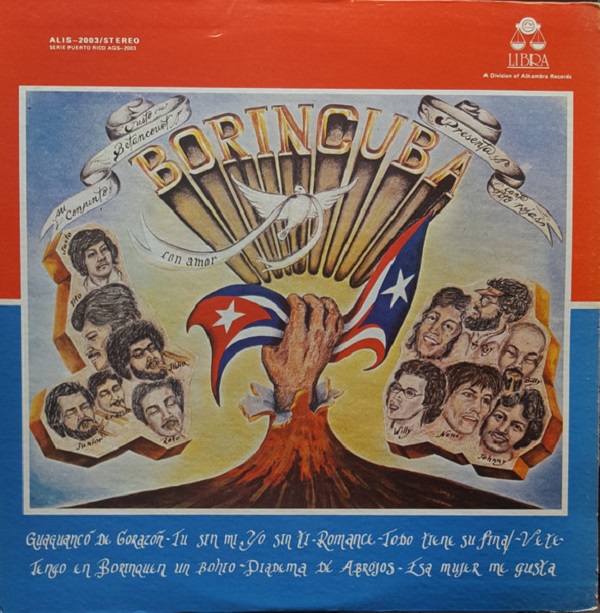
Justo Betancourt Presenta Su Conjunto Borincuba Canta Tito Rojas Con Amor 1978

So in 1979, when Tito inherited the band, he started his solo career changing the name to Tito Rojas y el Conjunto Borincano¸ which had a short existence.

After a series of his own albums, he became the lead vocalist of the Puerto Rican Power Orchestra and appeared on their first two albums (1987 and 1989).

In 1990, Tito Rojas embarked on his solo career with the romantic salsa album “Sensual” which reached first place in the Latin Music Hit Parade in April.

In the following years, Betancourt, residing between New York and San Juan, continued in the inertia of the Fania contracts. In March 1979, when the Fania All Stars were part of the group of musicians who traveled to the island of Cuba to participate in the “Havana Jam Festival”, a musical exchange between the United States and Cuba organized by CBS and held at the Karl Marx Theater in Havana, Justo Betancourt and his compatriot Celia Cruz, for obvious political reasons, could not travel with the group; for this reason Justo decided to leave the All Stars.

Nevertheless, his contract with the Fania company remained in force, and that year he released another album titled “Justo Betancourt” (1979), produced by himself and Louie Ramirez, which included the songs “Yo Sin Ti” and “Qué Más Quieres De Mi”, among others.

In 1981, Betancourt returns to record again with the Sonora Matancera in an album entitled “Sonora Matancera Con Justo Betancourt”, produced by Javier Vásquez and recorded on the Bárbaro label, a subsidiary of Fania and owned by Jerry Masucci. On this album, four guest musicians appear for the first time to record with the Sonora: Pedro “Puchi” Boulong: on trumpet, José Daniel: on the tumbadora, Elpidio Vásquez Jr. (son of the bassist): on second bass, and Mario Hernández: on tres.

From this work the hit “Mala Pata” and a new version of the bolero “Hoy Sé Más” stand out.

In 1982, he recorded his last work on the Fania Records label “Leguleya No” (1982), with his own production company RMQ and with the arrangements and musical direction of Ray Santos and Javier Vásquez.

From 1982 onwards his appearances were variable, he participated in Israel Sardinas’ LP, “Israel, la Verdad” (1984), and participated in Celia Cruz and Tito Puente’s album “Homenaje A Benny Moré Vol. 3” in 1985, in one of the songs: “Tú Solo Tú”.

Except for these participations, he made no recordings between 1983 and 1989.

And so, there were plenty of reasons for Justo Betancourt, despite so many successes, to end up in virtual anonymity and indifference. He gradually withdrew from the world of the studios, although he continued to perform sporadically.

After years of recording silence, he returned in 1990 with his style with the album “Regresar” on his own label RMQ, of which he was the producer, director and did half of the arrangements written by Eric Figueroa.

In 1992 he released the album “El Bravo De Siempre”, for Rafael Viera’s RV Productions label, which featured the participation of Cuban percussion legend Carlos “Patato” Valdes, among other great Puerto Rican musicians.

In 1994 he participated in the project of Puerto Rican producer and musician Frank Ferrer called “Descarga Boricua”, alongside more than 30 experienced local and international musicians such as Ismael Miranda, Jerry Medina, Papo Vázquez, Juancito Torres, Alex Acuna, Mario Rivera, Pedro Guzmán and Ángel “Cachete” Maldonado, among others. There, and in several songs, he resorted to his superb vocal resources as in his good times. In the second work of the Descarga Boricua, edited in 1996, he participated briefly with some soneos in the song “Abrázate a Puerto Rico”, as well as in the third album of the reunion of the virtuous Puerto Rican musicians.

He returned to the recording studios again in 1998 with the CD “Mató” for the El Paso label in Puerto Rico, and from which the song “El Lema Del Guaguancó” stands out in the most vigorous style of Arsenio Rodríguez, composer of the song.

He also made his return as guest singer of the Fania All Stars for the concert of April 29, 2000 in Puerto Rico, a return that he made together with Ismael Miranda and Luigi Texidor to the group.

Justo Betancourt has participated as a backing vocalist in the recordings of many Latin music orchestras and works of renowned artists, such as La Conspiración de Ernie Agosto, Celia Cruz, Johnny Pacheco, Roberto Roena, Willie Colón, Eddie Palmieri, Willie Rosario’s orchestra, Héctor Lavoe, Adalberto Santiago, Kim De Los Santos, Van Lester and the Puerto Rican Power orchestra, among others.

In 2002 he participated for pianist Papo Lucca in the musical project “Festival de Boleros” with the song “En Cada Beso”, along with a constellation of Boricua singers and musicians.

Sources:

Por: Jose Ramon Tremaria
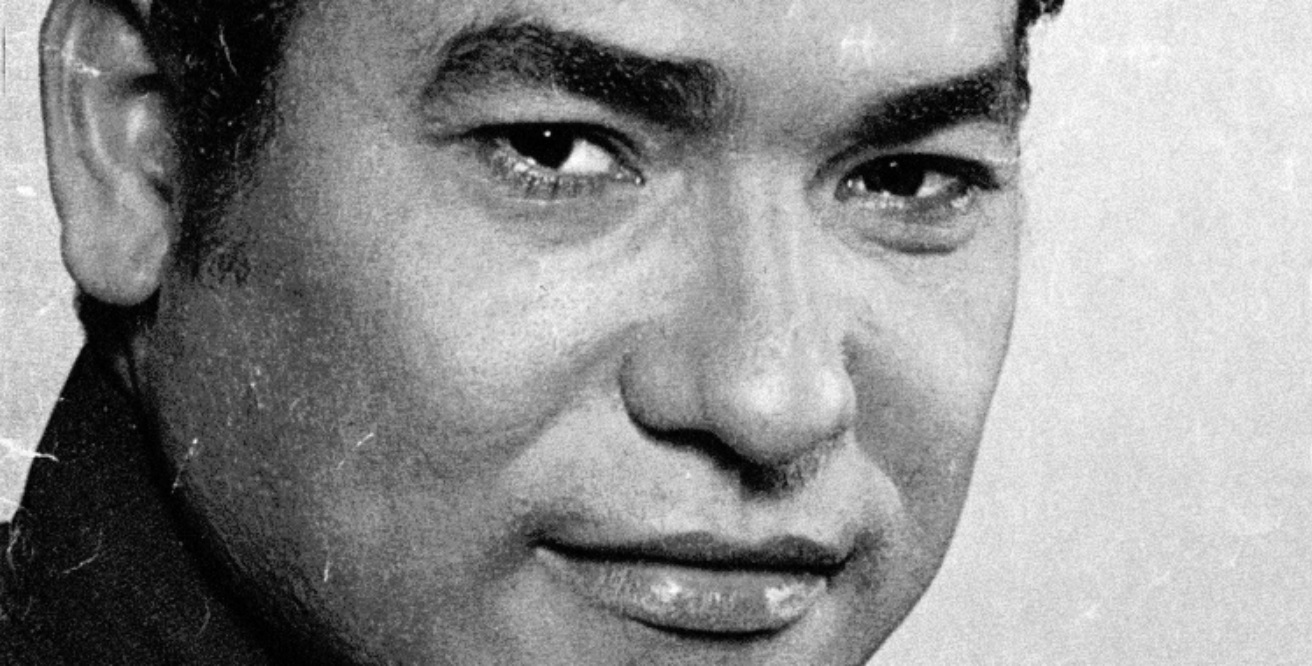
Ecued

Fania Stars

Also Read: Nicky Marrero is an innovator, timbalero and bongo player, living legend of our Afro-Latin and Caribbean music.

Felipe Pirela | The Bolero of America

North America / USA / New York

Felipe Pirela:

En mi barrio el empedrao
Parroquia Santa Lucia
Había una barbería
Que era muy populachera
Te lavaban en ponchera
La silla se reclinaba
Y Luis el perro pelaba
Al son de una periquera

Felipe Pirela
Felipe Pirela

This is the sound of the tasty gaita performed by the group Sabor Gaitero and Los Gaiteros de Pillopo. It refers to a barbershop in a picturesque neighbourhood of Maracaibo in the Venezuelan state of Zulia. It was in this popular neighbourhood of Maracaibo, El Empedrao, that Felipe Antonio Pirela Morón was born in 1941. It was probably in this popular barbershop that he got his first haircut, and it was certainly in some corner of the neighbourhood that he took his first steps as a singer, perhaps interpreting gaitas or some other popular genre. The young Felipe was far from imagining that he would become “El Bolerista de América” (The Bolero of America).

The son of a bricklayer, Felipe Pirela Monsalve, and a housewife – an artist at heart – Lucia Morón de Pirela, the boy began his musical career as a child, supported by his mother, in small radio singing competitions. Incredibly, at the age of 13, together with some boys from the neighbourhood and his two brothers, he founded the group Los Happy Boys, which performed in various venues in Maracaibo, without even imagining that he would later become the main star of Billo’s Caracas Boys, a group that, upon arriving in Venezuela, debuted under the same name, Billo’s Happy Boys, directed by the Dominican maestro Billo Frometa.

At the beginning of his singing career, Felipe specialized as a bolerista, performing songs by prominent singers such as the Chilean Lucho Gatica, the Cuban bolerista Olga Gillot and Venezuela’s favorite tenor Alfredo Sadel.

Felipe Pirela
Felipe Pirela

Radio Caracas Television had the honor of making Felipe’s image public for the first time in 1957, through an amateur program in which Felipe placed third. Unfortunately, there were no video recording systems in those days, so there is no record of this historic achievement. Later, the now defunct and legendary Venezuelan regional television station from Maracaibo, Ondas del Lago, served as a springboard for Felipe, who was one of its founding artists.

These performances allowed him to sign a contract with the station in 1958, after which he moved to Caracas, where he performed on Radio Caracas and in various nightclubs.

Shortly thereafter, he returned to Maracaibo to join the orchestra Los Peniques, with whom he recorded his first album in 1960 and began his professional career.

Like most of the artists, baseball players and boxers from Maracaibo, Felipe was a man of humble origins, pobre del pobre, with limited economic resources, who for a time missed opportunities to be noticed despite his immense talent.

Felipe Pirela
Felipe Pirela

Fortune smiled on him when Maestro Billo Frometa heard him sing, at a time when the arranger, director and musician from Quisqueyano was preparing to restructure his band, Billo’s Caracas Boys, and at the same time hired another singer from Maracaibo, the remarkable José “Cheo” García. This hiring gave an enormous boost to the already famous Billo’s Caracas Boys; the band acquired great international prestige, performing throughout America and Europe, popularizing the immortal mosaics that for many years enlivened the parties and were the favorites of the Venezuelan public.

Not for nothing, Billo’s Caracas Boys Orchestra has been called the most popular in Venezuela, the Caracas and Venezuelan clubs, Latin American countries and even the European continent (Tenerife, Spain) showed full houses during the band’s performances. In these performances, the acclaim for Felipe Pirela was total. Huge demonstrations of support, full houses and legions of fans followed the “crooner” on his tours.

When Venezuela’s favorite tenor, Alfredo Sadel, left the popular genre and his country to devote himself to opera, Pirela almost immediately replaced him in the favorite place of Venezuelans.

In 1961, “El Bolerista de América” recorded with a string orchestra conducted by Billo, the long playing Canciones de Ayer, including old songs and songs of that time, a recording that marked his resignation and departure to Mexico, where he also had memorable successes.

Felipe Pirela boleros with guitars

In 1964 he married Mariela Montiel, a marriage that resulted in the birth of a daughter, Lennys, and in which La Retirada was quickly marked by the fact that Amor se Escribe con Llanto (Love is Written with Crying) and that it probably does not last a lifetime.

Canada and Mexico witnessed his successes in ’67 and his return to Venezuela. Successful performances in Miami that same year motivated him to reside in the United States, where he tried to structure his own record company, a project that came to nothing and he was deeply disillusioned and returned to Venezuela, later residing in Puerto Rico, where he was taking La Última Copa when he was tragically assassinated in 1972.

For some, his career was marked by Sombras Nada Más, but for the vast majority, “El Bolerista de America” remains in the memory as one of the most unique stars of Latin American music of all time.


For Mario Cabrera Bello

Mario Cabrera Bello


Juan Valdez Byte Dominican musician, arranger, composer and singer-songwriter.

Juan Valdez Born in San Juan de la Maguana on June 24, 1962. Son of Mrs. Martha Ramona Ybert and Mr. Jose Ignacio Valdez (Kiko), he is the eldest of 6 siblings (all musicians).

Juan Valdez Byte Dominican musician, arranger, composer and singer-songwriter

He started in his father’s band (also a musician) La Gran Dimensión, he was the first saxophonist of the municipal music band of his town where he studied solfeggio and saxophone with maestro Plinio Feliz. Later he studied piano at the school of fine arts of the same town.

Juan Valdez Ybet at the age of 19 he moved to Santo Domingo, capital of the Dominican Republic, where he became a pianist and arranger for the Rosario Brothers Orchestra, Aramis Camilo, Alex Bueno, Sergio Vargas, Alex Mansilla and Canaveral, pianist for Juan Luis Guerra and 440, then director and arranger for Luis Diaz, Michel El Buenon, Asdrubar, Felix Manuel, Big Bang Congreso del Bolero, Felix De Oleo, Jaqueline Estevez, Anthony Rios, Camboy Estevez, Homenaje a Felix del Rosario, among others.

He was also Director of the Television Programs: Buen Provecho with Yaqui Nuñez, Viceversa with Mariela Encarnación and Georgina Duluc, En Resumidas Cuentas and Sábado de Corporan.

Juan Valdez Ybet he has participated as a pianist in concerts and studio recordings with Aramis Camilo, Alex Bueno, Sergio Vargas, Luis Diaz, Michel El Buenon, Asdrubar, Felix Manuel, Felix De Oleo, popular concerts, Orquesta Sinfónica Nacional conductor Jose A. Molina, Grupo Cañaveral, Wilfrido Vargas, Fernando Villalona, Sandy Reyes, Henry Garcia, Grupo Licuado de Crispin Fernandez, Maridalia Hernandez, Milly Quezada, Juan Luis Guerra, Andy Montañez, Paquito Guzman, Tito Gomez, Zacarias Ferreira, Eddy Herrera, Hermanos Rosario, Kaki Vargas, Hector Acosta y Toros Band, The New York Band, Grupo Ilegales, Manuel Tejada, Jorge Taveras, Rasputin, Pablo Martinez, Marcos Hernandez, Luis Miguel del Amargue, Aniversario Telemicro, among others.

He has made Musical Arrangements (Orchestrator) for: Aramis Camilo, Alex Bueno, Sergio Vargas, Luis Diaz, Michel El Buenon, Asdrubar, Felix Manuel, Felix De Oleo, National Symphony Orchestra, Placido Domingo Jr, Grupo Canaveral, Wilfrido Vargas, Fernando Villalona, Sandy Reyes, Henry Garcia, Milly Quezada, Zacarias Ferreira, Olga Tañon, Manny Manuel, Mayra y Celines, Placido Domingo Hijo, Hermanos Rosario, Kaki Vargas, Hector Acosta y Toros Band, The New York Band, La Coco Band, Grupo Ilegales, Rasputin, Pablo Martinez, Jailine Cintron, Grupo La Linea, Premios Casandra, Primera y Segunda del Merengue, Que Viva El Merengue, Dimanchy, Conjunto Quisqueya, Giselle, Isha, Pakole, Manolé, Yanfourd, David Kada, Shadow Blow, Vakero, Gingers for Brugal, Coca Cola and Pastas La Famosa.

Juan he is also a professor of Piano and Popular Latin Orchestration at the National Conservatory of Music (CNM) since 2001 to date. He has been nominated for the Cassandra Awards since 1987 until the last Sovereign Awards.

Juan Valdez ByteBorn in San Juan de la Maguana on June 24, 1962.

Recognized by the green valley foundation in his town, by the city council and the syndic.

Recognized by the Grammy awards as an arranger and musician.

Arranger:

The Rosario Brothers: El Chicharron, Buena Suerte.

Aramis Camilo: Nena, Si la Ven, El Alicate, Hellow, Al Maestro Con Cariño, La india, A La Talalala, I Will Always Love You, Si Yo Pudiera (Salsa), Ya Te Digo Adiós.

Alex Bueno: Como Nadie (lyrics, composition and arrangement), Soy Rebelde, Una Lagrima Por tu Amor, Nuestro Juramento, Quien Soy Yo Sin Ella, Número C.

Quien Soy Yo Sin Ella, Número Cero.

Sergio Vargas: Marola, La Ventanita, La Pastilla, Bamboleo, Perla Negra, Se Acabo, Me Muero, El Merengue Se Baila Pegao, Dias de

Junio, Yo Soy, Muele, Maquina Olandera, Dudas, Por H o por R (Composicion y Arreglo), Perfume de Rosas, En Esta Casa Humilde, A Dar Amor, Tu Vacilandome, Tu Ausencia, Causas y Azares, Lejos, Ciclon, Que No Halla, Mas Fronteras, Amor De A Ratos, Que Linda, Mujeres, Dile Mas, Baile ae, Si Volvieras, Palo Palo, Eres Tu, Ramona, Musica para la fiesta, Soy Sergio, Ay Ombe, El Dolorcito, Jugue sin saber, Aunque mal paguen ellas, Magia, Sin Ella Sufro, Llore Llore, Lucerito.

Benny Sadel: Que pasará, Te He Prometido, Mis manos en tu cintura (Arrangement and Chorus), Homenaje a Wilfrido, Rompamos El Contrato, Quiero Ser, Por Que Yo Quiero, En Esta Navidad, Por Ti, Un Mal Sueño, Así Es La Vida, Yo Te Daba Amor.

Juan Valdez Byte
Juan Valdez Byte

Wilfrido Vargas: El Baile Del Perrito, Por La Plata Baila El Mono.

Fernando Villalona: Yo Soy Aquel, Sin Ti, Que Chuleria, Hoy Le Pido Al Señor, No Te Rindas (Bachata).

Rubby Perez: I Must Do It.

Eddy Herrera: Carolina, Callejón Sin Salida, Vete, Dueno De Nada, Desde Que Te Conoci, Lo Tiene Todo.

Hector Acosta (El Torito): Menos Que Nada, Sin Tu No Me Quieres, Déjala, Si Me Recuerdas (Salsa).

New York Band: Quien Piensas Tu Que Soy, Me Quedé Con Las Ganas.

Pochi y La CocoBand: Olvida Las Penas.

Diomedes: Balsie, Las Estrellas Brillaran, El Negro Chombo, Locos De Amor (Karen Records).

Kaki Vargas: Los Mosquitos Puyan (Complete Album), No Cojas Sola Pa Allá, El Hombre De Mamá, Muchachita De Los Limones, Arisleyda, Mampote, among others.

Juan Valdez Ybet

Also Read: Betsy Colombian Salsa, Bolero and Son Cubano Singer

José Hildemaro Hugas Amarista “El Sonero del Amor” from Venezuela to the world

José Hildemaro Hugas Amarista, better known artistically as “Hildemaro, El Sonero Del Amor”, was born on November 10, 1957 in Caripito, a city in the eastern Venezuelan state of Monagas.

He is a Venezuelan singer-songwriter whose interest in music began at a very young age, participating in various children’s programs on the radio station in his hometown and in Maturin, the capital of the state of Monagas.

In 1970 he won the first “Festival De La Canción Inédita” held in Caripito.

Then he moved to Carúpano, where he began to sing with different musical groups of that city, such as “Los Bravos” and “Soles De Media Noche”.

"El Sonero del Amor" from Venezuela
“El Sonero del Amor” from Venezuela

Later he was called by the “Combo Melorítmico” of Maturín, where he stayed for a year. He always wanted to sing in the capital.

In 1976 his dream came true when he was called to be a part of the Front Train Orchestra “Los Satélites”, for seven (7) months, the proposed goals began to be different and began to work to achieve them. In 1979 he joined the “Orquesta Ideal”, with which the song “Contigo Besos Salvajes” was played all over the country and was successively imposed among the first places.

In 1981 he joined the “Supercombo Los Tropicales” of Maracaibo, then the “Noche Caliente” orchestra and later the “Porfi Jimenez” orchestra.

In 1985 he joined the orchestra of Renato Capriles: “Los Melódicos”, which gave him the greatest and best experience, given the popularity, prestige and discipline imposed by its director.

In 1986, as a soloist, he recorded his first LP of tropical music under the name “El Jr. de la música tropical” for the record label “Sur Americana del Disco”, , with the name “El Jr. de la música tropical.”

In December 1987 he received a wonderful offer from the record label “Top Hit (T.H.. ) and in 1988 he records his first LP, as a “sensual salsero” for Venezuela, titled “Amanecí Contigo” under the pen of José “El Flaco” Bermúdez, who is also the creator of the style that pushes him towards the international market, where all his songs hit with great acceptance and have his greatest impact in Peru (his second home as he usually calls it), starting his successful career as “Hildemaro, El Sonero Del Amor”.

José Hildemaro Hugas Amarista "El Sonero del Amor" from Venezuela to the World
José Hildemaro Hugas Amarista “El Sonero del Amor” from Venezuela to the World

In 1989 he recorded his second LP entitled “Sin Tabú”, which went gold a few weeks after its release, and this album took him back to Peru, where he is considered one of the main idols of Salsa Sensual. Panama, Mexico, Colombia, Ecuador, Argentina, Chile, Dominican Republic, Puerto Rico, Costa Rica, United States, Europe (Spain, Italy, France, Holland, Switzerland, among others), Asia (Japan), among many other countries, have joined his successful career.

In 1990 he recorded his third album called “Romantic and Sensual”, consolidating himself as one of the best voices of Latin American and Caribbean Salsa, qualities that were also reflected in his fourth production entitled “Lo Mejor De Mí” in 1991.

In 1993 he recorded his fifth album under the name “Al Natural”.

In 1994 he was invited to participate in the recording of the album “Con Ganas” by the Cuban Issac Delgado, where he performed a duet of a song composed by José L. Cortes called “Que Pasa Loco”, which quickly became an international success and took him to other latitudes.

In 1995 he released his sixth production with the title “Lo Que Siento”. One year later he signed a contract with the Mexican label “Balboa Records”, where he recorded the album “La Mejor Salsa Con Hildemaro”.

"El Sonero del Amor" from Venezuela and Viti Ruiz
“El Sonero del Amor” from Venezuela and Viti Ruiz

In 1999, he was invited by the Venezuelan group “Melody Gaita”, along with other artists, to record a tribute song to his friend and colleague Oscar D’ León.

In 2001, “Orquesta La Constelación” decided to record an album with several artists, in which he participated with two (2) songs (Peruvian waltzes), “Cuando Llora Mi Guitarra”, in duet with Andy Montañez, and “Jamás Impedirás”, which allowed him to sound nationally and internationally.

In 2002, he is called by another Venezuelan group “Pajarito Vola Show”, along with other artists, this time to participate in a well-deserved tribute to Betulio Medina. In 2002 and 2003 he burst in the national and international radio stations with two (2) singles “Corazón Loco” and “El Celular”.

In 2016, he begins to sound again in the radio stations with the song “Que Voy a Hacer Sin su Amor”.

In addition to his talent to sing Salsa Romántica, he is recognized for his interpretation of the Bolero. And on stage he has shared the stage with artists of the stature of: Oscar De León, Tito Rojas, Tito Gómez, Paquito Guzmán, Andy Montañez, Maelo Ruiz, Viti Ruiz, Gilberto Santa Rosa, David Pavón, Ismael Miranda, El Gran Combo de Puerto Rico, Tony Vega, Nino Segarra, José Alberto “El Canario”, among many others.

"El Sonero del Amor" from Venezuela and El Canario
“El Sonero del Amor” from Venezuela and El Canario

Among his many facets is his love for sports, especially volleyball, which he has practiced since he was very young. He is an honorary member of the FUCUFOCA Foundation, which has been responsible for the organization of the Festival de la Canción Inédita de Caripito for fifty-one (51) years. Faithful collaborator of the Friends of Palencia Foundation and sponsor of several institutions.

Through his foundation HH Productions, he has carried out social actions such as Collaboration in the construction of the Virgen del Rosario Church in Caripito;

Donations of medicines and food to the needy, assistance to sports teams with equipment and clothing, organization of charity concerts and support of the “Amigos de la Palencia” Foundation.

Through his foundation HH Productions, he has carried out social actions such as Collaboration in the construction of the church “Virgen del Rosario” in Caripito;

Donations of medicine and food to people in need, help to sports teams with equipment and clothing; Realization of benefit concerts and concerts of popular attraction in collaboration with the end of year festivities of his hometown.

He has always given value to new talents, helping them in their first steps with his advice and teachings, such as Angel “Tu Angel”, Hildemaro Jr. “La Continuación”, Gilberto Hugas, among others.

Between the years 2022 and 2023 he will celebrate his forty (40) uninterrupted years of artistic life, with a long international tour in countries such as: Colombia, Bolivia,

Peru, Panama, United States, Canada and Europe. He is now promoting the songs “Si Tú Te Vas” and “Amigos Especiales” from his new production, which he is preparing with his inseparable director and producer, José “El Flaco” Bermúdez.


Also Read: Carlos “Nene” Quintero comes from a family of musical prodigies

Arabella la Sonera Mayor de Colombia in her Callejón on a Sunday in Barrio with Chico Matanza

Born on June 5th, Arabella, “La Sonera Mayor”, is from Bogota, Colombia.

Arabella With her first name “María Margarita Pinillos”, she is an excellent Salsa singer and composer who shined in the 70’s and 80’s with her record productions, whose consecration and fame, however, was not in her native country but in Venezuela.

His Caribbean music song that made him famous was “Callejón” and he stayed in Venezuela for a while.

In 1972 he settled in Venezuela, it was in this country where he managed to strengthen his career and achieve the great success he had, he recorded several albums in the company of great artists of the time. In 78 and 79 he formed a group called “Los Maraqueros”, with which he could freely make the music he really wanted to make, Cuban music of Trio Matamoros and Puerto Rico.

She felt great interest in music from a very early age, however she did not contemplate from that time to make professional music, it was until she was 13 years old that a friend enrolled her without prior consultation in a radio contest of the time called “Orquídea de Plata Phillips”.

But because she was not prepared she was disqualified, however as a result she was recommended to participate in the television contest “Michel Talento” the first contest for amateurs of Colombian television. From that contest she went on to be hired at the Tequendama Hotel, the most important hotel of the time, as the first woman to sing vallenatos at the Salón Monserrate with the company of accordionist Ángel Martínez.

Arabella la Sonera Mayor de Colombia in her Callejón on a Sunday in Barrio with Chico Matanza

Arabella’s name was born from the fact that they used to tell her that she resembled a model that visited Colombia who unfortunately committed suicide, her pianist suggested her to adopt that name as her artistic name and she accepted.

Considered for many years as the natural successor of Celia Cruz, and Celia said that Arabella was her successor due to her extraordinary vocal quality.

She settled in Caracas-Venezuela since 1982, obtaining success in Salsa thanks to the advice of the great announcer Phidias Danilo Escalona.

In her beginnings she formed her own group called “Los Maraqueros”, she also recorded with Pacho Galán and with “Los Hijos del Rey” of the Dominican Wilfrido Vargas in which she recorded 4 merengues in a trip she made to the Dominican Republic, Wilfrido himself located her to record with him and they were hits the theme Corazón, Corazón de Julio Iglesia.

Los Armónicos de Manolo Monterrey, Chucho Sanoja y su orquesta, Willy Pérez and with the Megatones de Lucho.

With the groups that accompanied him as a salsa soloist.

It is worth mentioning that the song “Mi Vida es Cantar” immortalized by Ursula Hilaria de la Caridad Cruz, “La Guarachera del Mundo”, the queen of salsa, was composed by Arabella, who gave it to the eternal Cuban and salsa luminary.

For a while she lived in Puerto Rico where she decided to become a musical show businesswoman, with this company she traveled to several Latin American countries with first class singers: Marvin Santiago, Oscar de Leon, Ismael Miranda, among others.

Arabella Maria Margarita Pinillos

She finally announced her retirement from music after recording “La Musiquita” and “Yo te Vi”. After her retirement she moved to Miami, United States with her daughter, Margarita decided to dedicate herself to take care of her beloved daughter, her home and two cats and two dogs that are her favorites.


DISCOGRAPHY

– Más Allá Del Sabor (1990)

– Mi Son Es Un Misterio (1987)

– Puro Trópico (1987)

– La Musiquita (1987)

– Arabella (1985)

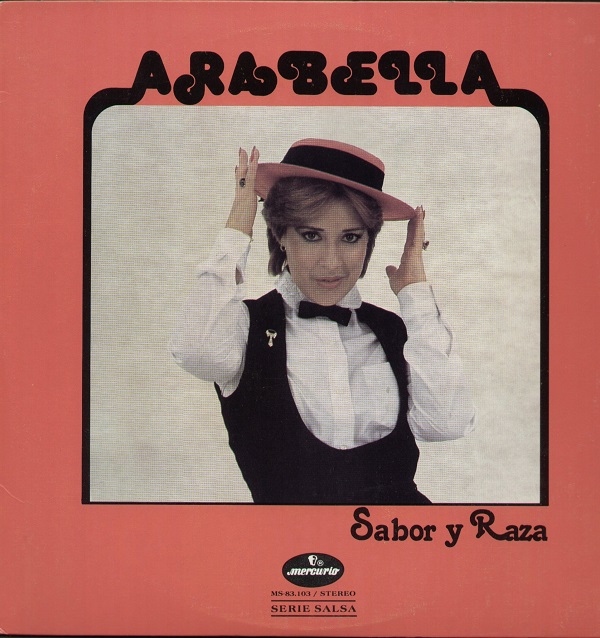
– Sabor Y Raza (1982)

– La Simpatiquisima (1980)

– Encontré Mi Amor (1979)

– Arabella (1978)

– Nelson Martinez y Arabella (1976)

– Nelson Martinez / Arabella Y Su Combo Tropical (1974)

Arabella la Sonera Sabor y Raza

SINGLES & EPs

– I Was Your Hunt (1990)

– Amiga La Vida / Sin Dejarte De Amar (1987)

– Mi Son Es Un Misterio / Mentiras (1986)

– Zape Pa’ Lla / Mentira (1986)

– Mentiras / Panamá (1985)

– Chico Matanza / Nu Sueño Mas (1982)

– Pal Campo/Mucho, Poquito, Nada (1978)

– Hija De Nadie (Flor Del Mal) / Arepas

– Domingo En El Barrio / Chico Matanza

– Mentiras / Espejismo

– Tómame Que Tómame / Con La Vara Que Midas (Take Me That Take Me / With The Rod That Midas)

Source:

William Aramburen Salsa Ephemeris

@arabellalasoneramayor 

Also Read: Betsy Colombian Salsa, Bolero and Son Cubano Singer

  • « Go to Previous Page
  • Page 1
  • Interim pages omitted …
  • Page 4
  • Page 5
  • Page 6
  • Page 7
  • Page 8
  • Interim pages omitted …
  • Page 30
  • Go to Next Page »

International Salsa Magazine (ISM) is a monthly publication about Salsa activities around the world, that has been publishing since 2007. It is a world network of volunteers coordinated by ISM Magazine. We are working to strengthen all the events by working together.