 |
Berlin Salsa MarathonAug 11 2023 – Aug 14 2023
https://www.berlinsalsamarathon.com/ https://www.facebook.com/photo/?fbid=1371329693007998&set=a.508891677907567 |
Gaststätte Tegeler- Seeterrassen RestaurantWilkestraße 1, Berlin, Germany, 13507 DescriptionBerlin Salsa Marathon offers 44 hours of social dancing with 250 Salsa addicts, All this over a single summer weekend, focused purely on social dancing (There’ll be no shows or workshops):
Cost Pass: € 129 |
Frankfurt Salsa MarathonAug 17 2023 – Aug 20 2023
https://www.edancefever.de/fsm-2023-1 |
EDanceFever HotelFrankfurter Strasse 121, Dreieich, Germany 63303 Description42th “SOCIAL DANCING“ Salsa-EVENT!! Be part of our first FRANKFURT SALSA MARATHON!! We are proud to present you our first edition at EDanceFever and cordially invite you to this spectacular 42-hour with Salsa Dura, Guaguanco, Son Montuno, Cha-Cha- Cha, Descargas, Guaracha and Pachanga will be played by a diverse, talented and famous group of DJs (Kamal SalsaDura, Medicus, Papi, Aimé & Michelle) in alternation. Our new oak parquet floor, new professional cocktail bar, as well as the new entire harmonious furnishings ensure an absolute feel-good atmosphere in our exclusive dance school. Cost From: 129 to 149 € |
|
Bailamos! Salsa Festival ChemnitzAug 18 2023 – Aug 20 2023
|
SubbotnikAddress: Vettersstraße 34a, Chemnitz, Germany, 09126 DescriptionBailamos! Salsa, Bachata, Kizomba und Tango Argentino and Salsa Festival Chemnitz offers workshops & parties. Cost Pass: from € 40 |
|
Berlin Salsa CongressAug 24 2023 – Aug 27 2023
|
Groundplan TempodromMockernstrabe 10, Berlin, Germany, 10963 DescriptionThe 22th edition of Berlin Salsa Congress offers workshops, performances and social dancing with national and international performers, instructors and dj’s. Cost Pass: from € 164 |
Search Results for: Son




Latin music Festival in Australia and New Zealand in August 2023
|
|
Afrekete Afro-Cuban FestivalAug 04 2023 – Aug 06 2023
|
Seagulls ResortAddress: 74 The Esplanade, Belgian Gardens QLD, Australia, 4810 DescriptionAfrekete Afro-Cuban Festival “Tropical Edition”offers a weekend of dance & music workshops and performances in the Roots of Salsa from Australia’s Cuban artists. Cost Pass: $ 222 |
 |
Hanmer Salsa Winter FestivalAug 18 2023 – Aug 19 2023
|
Hanmer Springs War Memorial HallCorner Amuri Ave & Cheltenham St, Hanmer Springs, New Zealand, 7334 Description The Famous Hot Springs Salsa Annual Winter Festival New Zealand, with Latin Dance Workshops in the Afternoon & Salsa Parties at Night, to move to the rhythms of Salsa, Zouk, Bachata, Merengue & Cha at the Alpine Hanmer Springs Memorial Hall. Everyone is welcome to come, no matter if you’re a beginner, seasoned dancer or have never danced before, there is something for you. Cost: Pay At Event |


Redames (Randy) Plaza
Latino America / Puerto Rico / Carolina
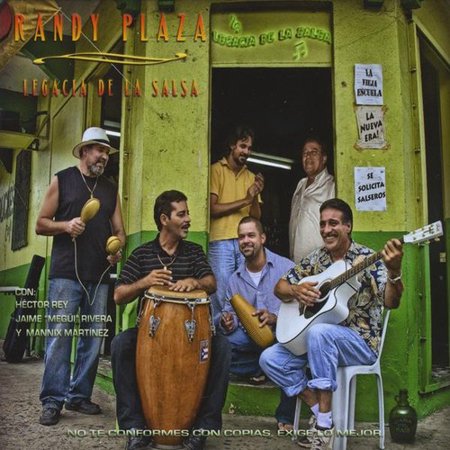
Redames Randy Plaza. Salsa Legacy
“It is salsa from yesterday and today for the dancer and the romantic salsero”.
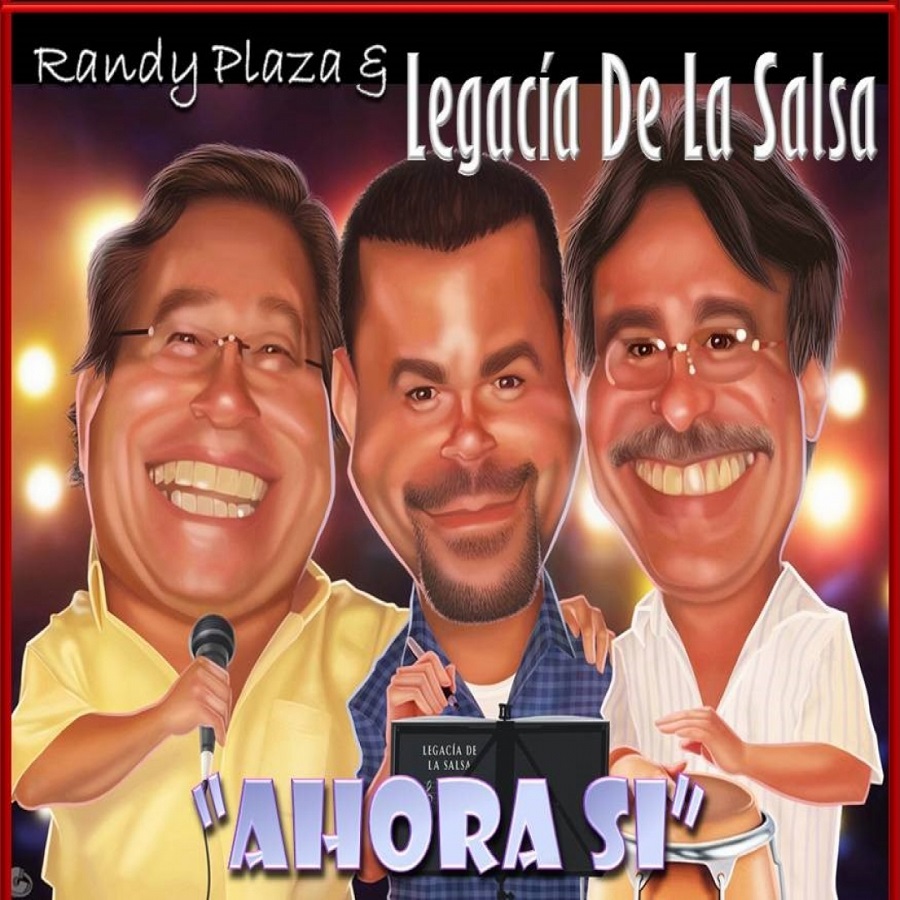
Randy Plaza, a native of Carolina, Puerto Rico, is the producer, composer, publisher and independent label of Legacía de la Salsa. Created in 2007, LS arises under a constant concern of seeing and feeling how the salsa genre has been musically devalued over the years.
Legacy of Salsa is an invention, a concept, a movement, an experiment, which tries firstly to raise the musical quality of salsa to another level, to keep the tradition alive, to demonstrate that if we work together and without interest, everything can be achieved. and proclaim to everyone that the sauce is not over.
That it is not in extinction, that it has not gone out of fashion, nor has it lost its style.
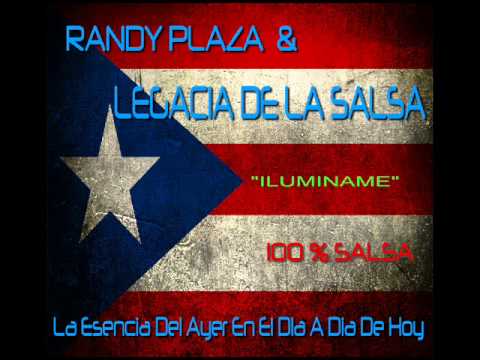
“That all these are tales of the boring.”
Legacy of Salsa is the legacy and teaching received from the great masters of salsa, who have captivated us in various ways and to whom we owe everything that was the development and fusion of this genre to the point of establishing it as a root in the heart of every Latino.
“It is salsa from yesterday and today for the dancer and the romantic salsero”.
Legacy of Salsa manages to incorporate the feeling of some of the greatest salsa institutions in this project, whether it be for the musical sound, for the style, for the arrangements, for the romantic, the singers, etc.
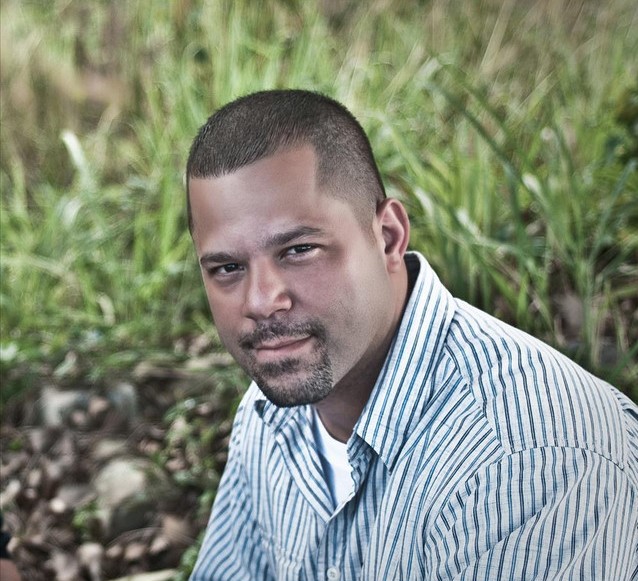
In this way we can recover a little of what has been lost today, please the entire salsa market, and fill that empty space; orphan of style and rhythm, and musically instructing and educating the disoriented and those who got lost along the way.
“The essence of yesterday in today’s day, traditional sauce without monotony and without fillers. For you salsero, cocolo, rumbero, with flavor and feeling”.
The unexpected, unfortunate and tragic death of Humberto Gómez leaves a huge void in the formation of Legacía de la Salsa.
A week before leaving Tito Gómez was already part of this musical concept.
Due to such loss, it was decided to cancel the first Legacía de la Salsa concert in New York City on July 21, 2007, where he would have participated as a guest star.
At that moment we entered the recording studio insecure and with the enormous concern of wanting to do the best possible on his behalf, never forgetting the person he was and will continue to be for us and without leaving aside his musical legacy.
The decade in which Eddie Palmieri faced the Erotic or Romantic Salsa
There are leaders in all the activities that man develops in his daily life: Sports, Labor, Student, Political, Musical, even in comic strips you can see these leaders all the time, showing the way to follow and saving humanity from its natural dangers.
El Zorro with his friend Bernardo, his father Alejandro and even with Sergeant Garcia and Corporal Reyes, saved California from the clutches of El Aguila, marking the way forward for the peace and freedom of his people.
In salsa, the same thing happens; there are musicians who set themselves up as leaders who dictate the path, the routes, the itinerary and the route where salsa should go, establishing through their musical performances where others should be guided on their way to certain triumph.
For salseros in general, Eddie Palmieri represents El Zorro of the comics, the leader to follow, the paladin of salsa, only that instead of looking like Diego de la Vega in physique, he looks more like Sergeant Garcia; backed by Ismael Quintana who would be El Cabo Reyes and Barry Rogers who would be Alejandro de la Vega.

It is no secret that Eduardo Palmieri is one of the initiators of the salsa movement in New York; but more than that, this master of the piano has established the paths along which salsa has walked since the 1960s.
Eddie was one of the first musicians to use the trombone as a determining instrument in the conformation of an orchestra, giving it a preponderance never seen before and with a sharp and hurtful sound that forced a large number of musicians to follow this type of orchestration that ended up imposing itself in the so-called salsa boom.
La Perfecta determined the path to follow; they recorded anthological albums in the 60’s that were the delirium of the salsa movement lovers; many musicians began to see and hear how the tonality of this orchestra sounded different from those big bands of the 50’s; the people of the neighborhood immediately identified with this sound because, they thought, it sounded like a neighborhood, a slum, poverty, marginality, inequality, it sounded like spite, nonconformity, injustice; in short, with this sound they perceived the most expensive needs of a population marginalized from the great plans of the State that entailed advancement and progress.
The decade of the 70’s meant the explosion of a salsa boom that swept the entire Caribbean basin; orchestras came and went; they came and disappeared; they recorded and were immediately lost in anonymity, but most of these orchestras chose the musical patterns of a common denominator to carry out their musical proposals: A Crazy, Bearded and Barrigón Orate named Eddie Palmieri, as the Colombian writer José Arteaga called him.
Eddie, throughout this decade, was practically on the sidelines of the salsa boom and it could not be otherwise: Too much irreverence from a superior musician who, being clear where salsa should walk, refused to be part of all the outrages that were committed during that salsa explosion.
Too much rebelliousness from an artist who refused to be told what he should and had to record: “Nobody tells me what I have to record and how I have to record; I’m the one who knows how to make music, the label bosses can go to hell with their desks”, an angry Palmieri would say.
The record label Epic signed him in 1978, telling him that he had complete freedom to record the music he wanted: a lie. He recorded the Lp Lucumi, Macumba and Vodoo where he was practically forced to work on an album where rhythms and trends were mixed.
He took advantage of the only freedom he was given to record two legendary songs: Colombia Te Canto and Mi Congo Te Llama.
Bad management and ill-advised decisions put an end to the whole salsa movement that was born in the 70’s and the unthinkable happened for all the lovers of this tasty way of life: the whole musical scaffolding that represented the Fania label collapsed, leaving everyone with clear eyes and without sight.
Clouds of disbelief and uncertainty hung over the entire salsa movement, musicians, producers, artist managers, arrangers, record label owners and, those who were most hurt by all this, the lovers of this superb spectrum of hard and powerful salsa that was experienced in the 70s.
In the 80’s, faced with this dilemma and the perplexity of the moment, most of the orchestras took refuge in the so-called Salsa Erotica or Salsa Monga, which although it is true that it gave oxygen to salsa in general, it inflicted a death blow to salsa dura or gorda as it has been called since the 70’s.
As if that were not enough, the merengueros with: Fernandito Villalona, Jerry Legrand, Jossie Esteban y la Patrulla 15, Wilfrido Vargas, Rubby Perez, Las Chicas del Can and stop counting, colluded with salsa erotica (as El Aguila colluded with El Magistrado), to try to wipe salsa dura off the map and at any price.
At the beginning of the 80’s; under all this conglomerate of adverse circumstances; the merengueros and “salseros eroticos” making a killing and the hard salsa artists not knowing which direction to take, Líder Palmieri appeared with his stocky and ungainly figure, a huge cigar in his mouth, his madness (we are even madder) and his voice saying clearly, categorically and confidently: “Follow me, this is the road to follow”.
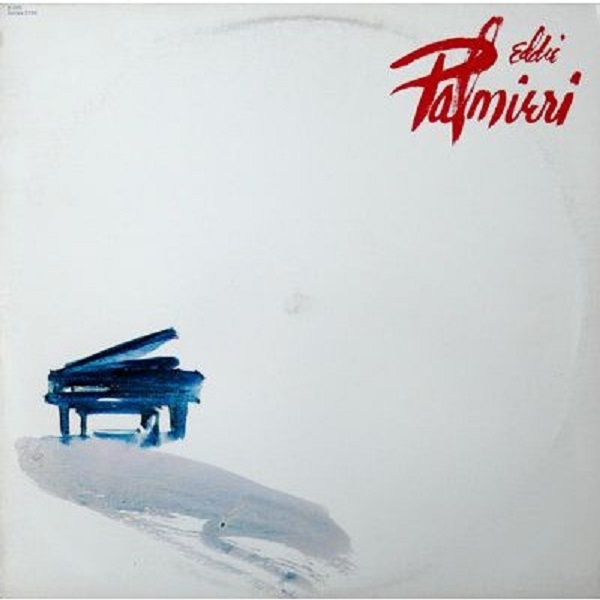
And so that there would be no doubt about this call against Salsa Erotica and Merengue, in 1981 he recorded the Lp “Eddie Palmieri” which, almost 30 years after its release, we are still studying and listening to it to digest what El Sapo did in these 5 memorable songs: El Día que me Quieras; Ritmo Alegre, Paginas de Mujer, No Me Hagas Sufrir and Ven Ven.
Poster salsa on all four sides, atrabiliary percussion, indescribable trombones and trumpets, legendary voices, in short, a priceless LP. By the way, a certain current of opinion maintains that salsa is nothing more than Cuban music.
Under this prism, then we would have to say that this Palmieri’s version of Carlos Gardel’s El Día que me Quieras, is a full-fledged Tango.
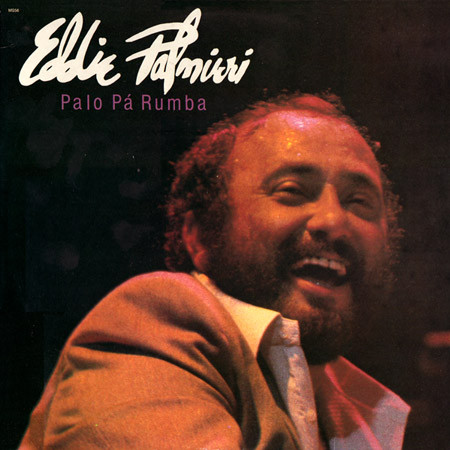
In 1984 and when the “erotic” ones were widening their tentacles, Palmieri came with more fuel and that added to the bad experience lived in Venezuela with some businessmen who were determined to finish with him, musically speaking, allowed him to release the Lp “Palo Pa Rumba”, containing the pieces: 1983, Bomba de Corazón, Bajo con Tumbao, Pensando en Ti, Palo Pa Rumba and two songs dedicated to Venezuela because of the bitter and vexatious experience he had in our beloved homeland of names: Venezuela and Prohibición de Salida.
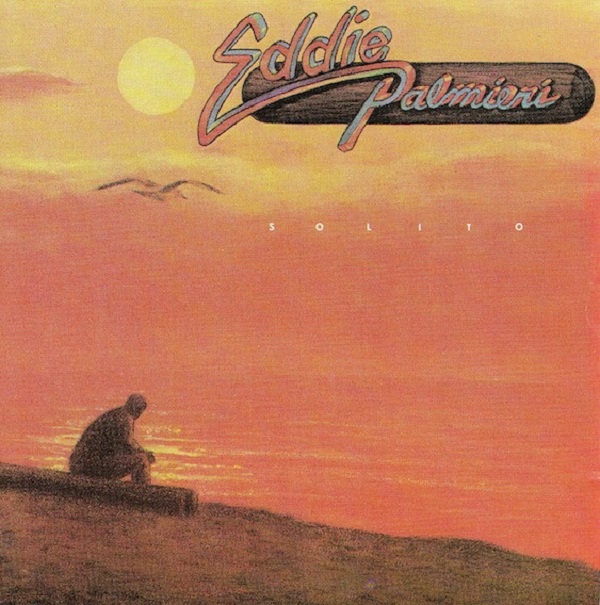
In 1985 the Lp “Solito” was released, a song that allowed Palmieri to tell the “eroticos” that there was a formula for arranging music that sounded strong and powerful, even if the content of the lyrics could suggest a certain shade of erotic salsa; that the trombones could sound energetic and strong without the sweetening and softness to which these hardened instruments were subjected in this decade; that it was not necessary to be bonitillo (as the Boricuas say) to succeed in this salsa environment and that, no matter what happened, he, Eddie Palmieri, was not going to be subjugated no matter how much salsa erotica the record companies demanded and played on the radio, emphasizing this statement with an abysmal piano solo.
To complete the LP: Justicia, Yo No Soy Guapo, Cada Vez que te Veo, Lindo Yambú and Pa Los Congos, round out his confrontation with “aquella” salsa.
To top off the decade, in 1987 he recorded the Lp “La Verdad”, in which with the piece El Cuarto in the voice of Tony Vega ratified his point of view regarding “erotic” salsa; that it is not necessary to fall into pornography to say “nice things” and arrange the music with enough flavor and sandunga and that, finally, nothing would prevent him from continuing to crush his opinion based on hard and powerful salsa.
As if that were not enough, for this album he made use of a beastly orchestra made up of four trumpets, two trombones and a saxophone that left on the acetate: Conga Yambumba, La Verdad, Lisa, Noble Cruise and Buscándote.
The result of all this decade of salsa gorda music for Eddie Palmieri? Three Grammy awards and the recognition of a whole legion of hardcore salseros, who were not intimidated by the onslaught of the “erotic” and “merenguera” fashions of the moment and decided, in the face of so much sweet, effeminate and subtle trombone, to follow in the footsteps of the leader: El Zorro, sorry I made a mistake, by El Sapo Eduardo Palmieri.
Source: Larry Daniel Cabello Guzmán
Dj. Augusto Felibertt
Read Also: Bebo Valdés is considered one of the central figures of the golden age of Cuban music
Israel “Cachao” Lopez Sobrado in fame and respect in the seventies was dedicated to maintain the tradition at the highest level
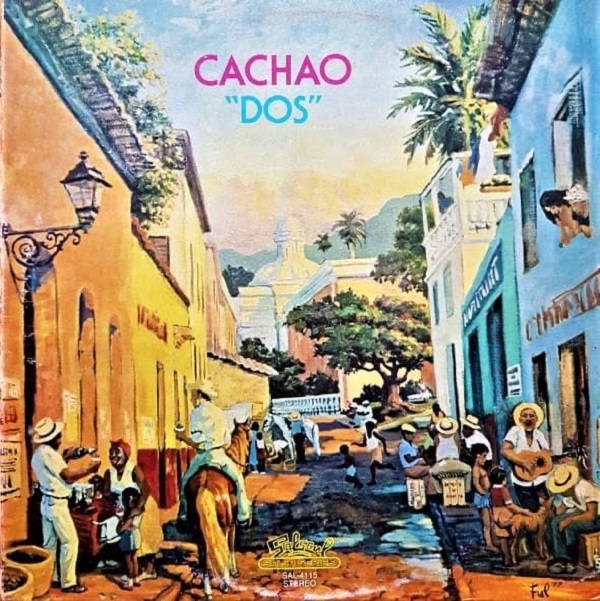
“Cachao Dos” for the year 1977.
It will be enough to mention the name of this celebrity to open a whole range of creativity and genius embodied in what is considered a cult discography.
Since 1931, the year in which he started musically as a member of the Havana Philharmonic Orchestra, the precocious Israel would give a foretaste of the talent he had and that, as time went by, would be consummated hand in hand with his right-hand man and musical accomplice, Orestes “Macho” López, his older brother.
Certainly, music was impregnated in the DNA of the López family, a generating machine of musicians by tradition, something that Lázara Cachao, Israel’s niece and daughter of his deceased younger brother Orlando “Cachaito” Lopez, reaffirms: “The tradition of being musicians comes from the grandparents and great-great-grandparents, all the Cachao are musicians”.
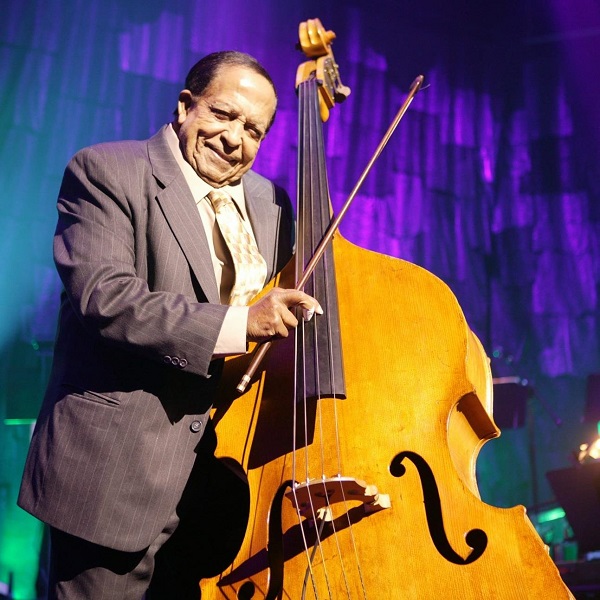
Regarding his transcendence, he and his older brother Orestes are said to be the creators of the Mambo, a rhythmic variation of the Danzón and a genuine musical expression that would mark a before and after in Latin music.
However, and as it is known, this contribution would change its clothing and would reach worldwide popularity when it reached the hands of another “inventor” born in Matanzas, Cuba, named Dámaso Pérez Prado, who as it is known, gave it another treatment and musical twist reaching surprising popularity.
“Cachao”, after a 31-year stay with the Havana Philharmonic Orchestra, decided to leave Cuba, settling for many years in New York City.
As it is understandable, his presence in this city was more than important for the musical guild and music fans.
He was nothing less than one of the managers and protagonist of the famous Jam Sessions recorded by the Panart whose presence was capitalized among many others by Tito Puente, Tito Rodríguez and Eddie Palmieri.
From the first one we could say, a whole school, a musician with a deep knowledge of his double bass and creator of his own style, bow in hand, and as a prolific composer, with approximately three thousand compositions together with his brother “Macho” López.
The years in New York were musically very good for Israel Lopez as well as in Las Vegas and finally Miami, where he lived until his last days.
Making a discography of him is quite a task and a challenge. However, after his arrival, I remember with great pleasure his collaboration for the album Latin Explosion by Joe Cain and his orchestra in 1964, where among others, Listen dos Trompetas and Mungo, Mungo Baby stand out.
Esta es mi Orquesta, theme/performance of Tito Rodriguez’s musicians emulating what Stan Kent and his Big Band did, or those performances as special guest in the famous Descargas at The Village Gate Live and Tico All Stars, among many others.
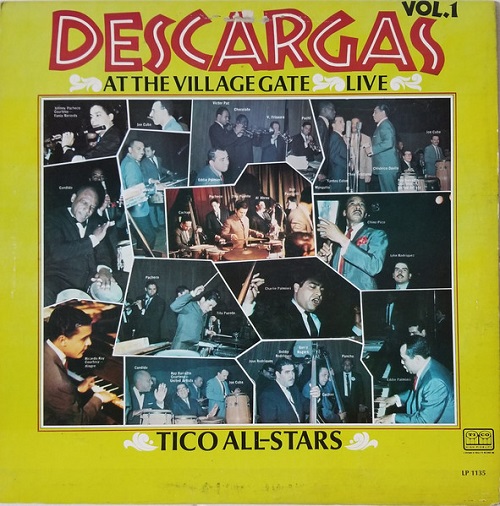
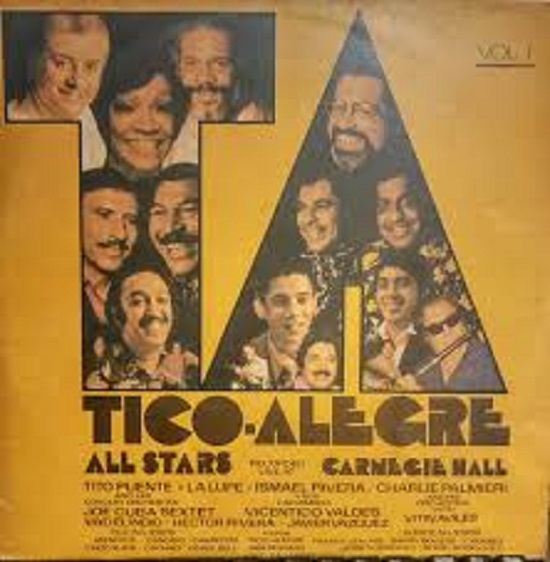
In the seventies, Cachao, with his fame and respect, dedicated himself to maintain the tradition at a supreme level, and from that period, punctually 1977, Cachao will present two epic works, the first one entitled Cachao y su Descarga Vol. 1 and then Cachao Dos, both recorded for Salsoul Records under the production of René López and Andy Kaufman.
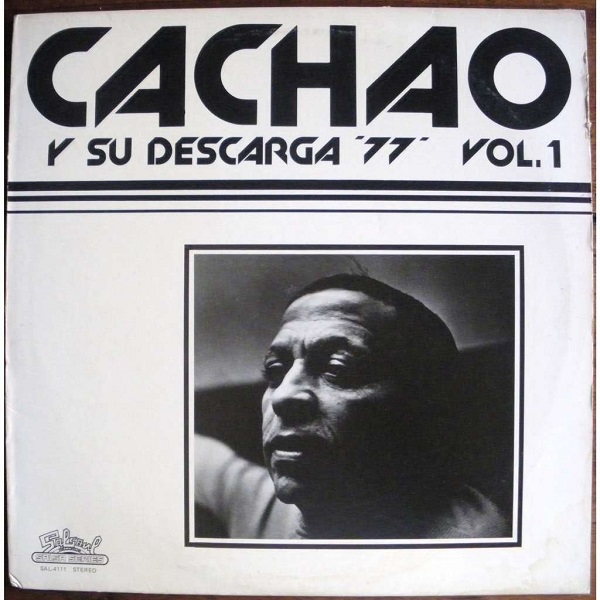
The latter contains only a total of five tracks, but they are well fulfilled in their purpose of maintaining a fierce defense of the rhythms that Gran Cachao has been proclaiming for years.
This album, like everything else recorded by the double bass player, is genuine and of supreme quality, something that is due to Israel’s responsible and dynamic character, something that the leader Julio Castro can attest to, having not only known him personally but also having worked with his orchestra La Única, which arrived in NYC for a prolonged stay of a little more than half a year.
Repertory
Ko Wo Ko Wo: (Guiro): Julito Collazo
Israel “Cachao” López: Contrabajo
Julito Collazo: Vocal, Chekere, Conga
Mario Muñoz “Papaito”: Campana
Diane Cardona: Coro
Marcelino Guerra: Coro
Héctor “El flaco” Hernández: Coro
Zunny López: Coro
Frankie Rodríguez: Coro
Fela Wiles: Coro
Jóvenes del Ritmo: (Danzón): Israel López
Israel “Cachao” López: Contrabajo
Julián Cabrera: Congas
Gonzalo Fernández: Flauta de Madera
Oswaldo “Chihuahua” Martínez: Timbales
Charlie Palmieri: Piano
Rolando Valdés: Guiro
Cuerdas:
“Pupi” Legarreta: Violín
Alfredo de la Fe: Violín
Eddie Drenon: Violín
Yoko Matsuo: Violín
Carl Héctor: Violín
Patricia Dixon: Cello
Centro San Agustín: (Danzón-Cha): Israel López
Israel “Cachao” López: Contrabajo
Carlos “Patato” Valdés: Congas
Gonzalo Fernández: Flauta de Madera
Lino Frío: Piano
Rolando Valdés: Guiro
Nelson González: Tres
Mario Muñoz “Papaito”: Percusión
Alejandro “El negro” Vivar: Trompeta
Alfredo “Chocolate” Armenteros: Trompeta
Rafael “Felo” Barrios: Coro
Roberto Torres: Coro
Trombón Melancólico: (Descarga): Israel López
Israel “Cachao” López: Contrabajo
Manny Oquendo: Timbales
Charlie Palmieri: Piano
Barry Rogers: Trombón
José Rodríguez: Trombón
Andy González: Campana
Frankie Rodríguez: Percusión
Gene Golden: Percusión
Milton Cardona: Percusión
Rafael “Felo” Barrios: Coro
Roberto Torres: Coro
Chambelona (Popurrí de Congas): Neri Cabrera
Israel “Cachao” López: Contrabajo
Julito Collazo: Bombo
Lino Frías: Piano
Mario “Papaito” Muñoz: Percusión
Oswaldo “Chihuahua” Martínez: Percusión
Virgilio Martí: Percusión
Eugenio “Totico” Arango: Coro
Rafael “Felo” Barrios: Coro
Read Also: Carlos “Patato” Valdés one of the best percussionists in the history of Latin Jazz