• Skip to primary navigation
  • Skip to main content

International Salsa Magazine

  • Home
  • Previous editions
    • 2025
      • ISM / November 2025
      • ISM / October 2025
      • ISM / September 2025
      • ISM / August 2025
      • ISM / July 2025
      • ISM / June 2025
      • ISM / May2025
      • ISM / April 2025
      • ISM / March 2025
      • ISM / February 2025
      • ISM / January 2025
    • 2024
      • ISM / December 2024
      • ISM / November 2024
      • ISM / October 2024
      • ISM / September 2024
      • ISM / August 2024
      • ISM / July 2024
      • ISM / June 2024
      • ISM / May 2024
      • ISM / April 2024
      • ISM / March 2024
      • ISM / February 2024
      • ISM / January 2024
    • 2023
      • ISM / December 2023
      • ISM / November 2023
      • ISM / October 2023
      • ISM – September 2023
      • ISM – August 2023
      • ISM July 2023
      • ISM Edition June 2023
      • ISM – May 2023
      • ISM April 2023
      • ISM March 2023
      • ISM February 2023
      • ISM January 2023
    • 2022
      • ISM December 2022
      • ISM November 2022
      • ISM October 2022
      • ISM September 2022
      • ISM August 2022
      • ISM July 2022
      • ISM June 2022
      • ISM May 2022
      • ISM February 2022
      • ISM January 2022
    • 2021
      • ISM December 2021
      • ISM November 2021
      • ISM October – 2021
      • ISM September 2021
      • ISM August 2021
      • ISM July 2021
      • ISM May 2021
      • ISM April 2021
      • ISM June 2021
      • ISM March 2021
      • ISM February 2021
      • ISM January 2021
    • 2020
      • ISM December 2020
      • ISM November 2020
      • ISM October 2020
      • ISM September 2020
      • ISM August 2020
      • ISM July 2020
      • ISM June 2020
      • ISM May 2020
      • ISM April 2020
      • ISM March 2020
      • ISM February 2020
      • ISM January 2020
    • 2019
      • ISM December 2019
      • ISM November 2019
      • ISM October 2019
      • ISM Septembre 2019
      • ISM August 2019
      • ISM July 2019
      • ISM June 2019
      • ISM May 2019
      • ISM April 2019
      • ISM March 2019
      • ISM February 2019
      • ISM January 2019
    • 2018
      • ISM December 2018
      • ISM November 2018
      • ISM October 2018
      • ISM September 2018
      • ISM August 2018
      • ISM July 2018
      • ISM June 2018
      • ISM May 2018
      • ISM April 2018
      • ISM March 2018
      • ISM February 2018
      • ISM January 2018
    • 2017
      • ISM December 2017
      • ISM November 2017
      • ISM October 2017
      • ISM September 2017
      • ISM August 2017
      • ISM July 2017
      • ISM June 2017
      • ISM May 2017
      • ISM April 2017
  • Download Salsa App
    • Android
    • Apple
  • Spanish

Search Results for: Son

Melissa Aldana Will Headline The Wellington Jazz Festival

The Most Acclaimed Latin Saxophonist On The International Jazz Scene
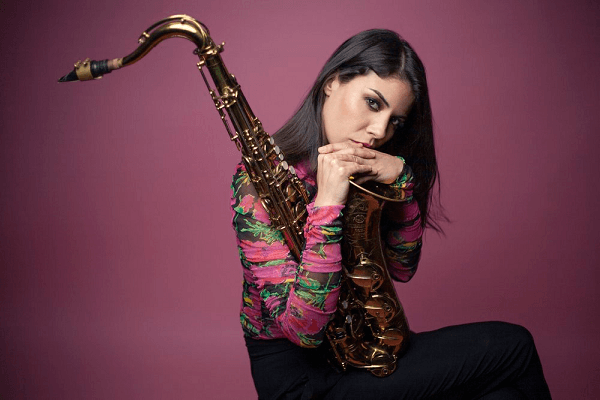
Melissa Aldana started playing the alto saxophone at the age of 6

Melissa Aldana is a Chilean saxophonist and composer nominated for the Grammy Awards (2020) for her skills with this wind instrument, she has six studio albums, and her fame has spread to all Jazz circuits around the world.

Aldana with his quartet will headline the Wellington Jazz Festival 2022 to present to the fans the debut album with the company Blue Note Records titled 12 Stars, and you cannot miss the opportunity to experience this exceptional live performance with flowing harmonic notes seasoned with feeling in the Wellington Opera House (111 – 113 Manners Street, Wellington, New Zealand) on Sunday, October 23rd from 7PM to 8:30PM, and the ticket price is $69.

The Wellington Jazz Festival is an entry point into the Jazz music calendar for fans and the curious. This event will offer more than 100 magical concerts in bars, restaurants, and live music venues in the capital. This year the splendid festival will take place in mid-spring in Aotearoa (New Zealand’s Maori name), featuring some of the best international Grammy Award-winning and nominated artists, as well as renowned talent from this Oceanian country and the world.

On the other hand, Melissa Aldana was the first South American woman and instrumentalist to win the Thelonious Monk International Jazz Contest (Washington -USA) in 2013. This artist born in Santiago de Chile in 1988 is a graduate of the prestigious Berklee College of Music with a full music scholarship in 2009, moreover, she also comes from a musical family where her father and paternal grandfather played this instrument.

The discography of this tenor saxophonist goes back 12 years when, at only 22 years old, she came out on the music market with her debut album Free Fall (2010). It is followed by Second Cycle in 2012, Melissa Aldana & Crash Trio (2014), and Back Home in 2016. Her fifth studio album was Visions (2019), an album that earned her first Grammy nomination for Best Solo by Improvised Jazz in recognition of her impressive tenor solo on her composition Elsewhere.
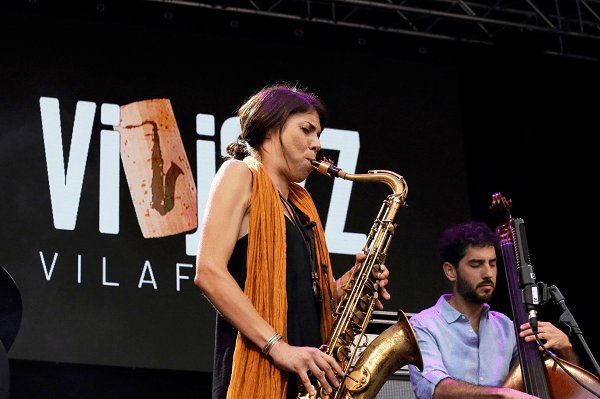
12 Stars was composed in Harlem (New York - USA) in 2020
12 Stars was composed in Harlem (New York – USA) in 2020

Most recently her record production is 12 Stars, an anecdotal album that she wrote during the Covid-19 pandemic and the product of the struggles she went through due to the breakup of a long relationship. “This is a very important album for me. I felt like I had a lot to say because of all the experiences I had during 2020. After the personal process that I went through, I feel more connected to myself and my imperfections… Embrace everything I hear, everything I touch, including mistakes, is more significant than perfection”. Aldana exposed in her biography

12 Stars was recorded under the Blue Note label and released on the music market on March 4th. “I feel super privileged, but I had a feeling that this had to happen at some point. I’ve been very consistent with my band and my projects for a long time. I am very motivated for what comes next”. Aldana expressed to an international digital medium.

Melissa will end her presentations in Europe this year with a tour during November that will take her to the capital of Spain on Friday, November 11th (Teatro Fernán Gómez) and on Saturday 12th, she will be in Badajoz (Teatro López De Ayala). While on Monday, November 14th, she will perform at the Zig Zag Jazz Club (Berlin-Germany), and on Wednesday, November 16th, she will have the same but this time at the Porgy & Bess in Vienna, Austria.

The Padova Jazz Club (Padua- Italy) will be handed over to Melissa Aldana on Friday, November 18th, and a day later she will do so at the Teatro Lauro Rossi in Macerata, Italy.
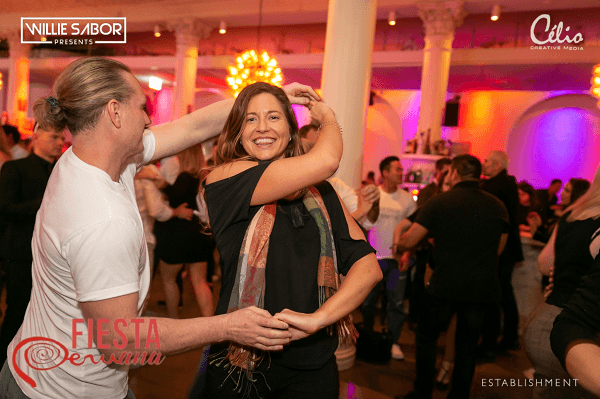

Where To Go Dancing Salsa In Sydney?

Seductive Afro-Cuban music comes to life in the Australian capital every night of the week

You probably already knew that a lot of Salsa is heard and danced in Australia. But, have you ever wondered, which are the best places to go Salsa dancing in Sydney? Here, we’ve rounded up six of our favorites.

ESTABLISHMENT BAR

At Establishment Bar
At Establishment Bar, you can have your drink in the garden surrounded by abundant latticework and greenery

Salsa Tuesdays are back at the Establishment Bar! This iconic Sydney spot is unique and sophisticated. It has narrow spaces, a 42-meter-long marble bar, and columns lining the walls that recreate the style of ancient Greece.

Establishment Bar with its lush lighting offers its attendees Afro-Caribbean music on Tuesday nights with live bands, dance shows, DJ playing Salsa, Bachata, Merengue, Reggaeton & Bossa Nova until 3 AM, and live percussion. Weekly you will learn basic concepts in the free Salsa class starting at 8 PM, in addition, to enjoying cocktails ($10) and mojitos ($12) all night so you can enter an authentic Latin American Rumba.

This multi-award-winning bar is located on the Ground Floor, 252 George St, Sydney NSW 2000, Australia.

THE ARGYLE

Inside The Argyle you can also find El Camino Cantina

Wednesday nights are from The Argyle! This two-floor club has been powering Sydney nightlife for fifteen years (2007).

This venue located at 18 Argyle St, Las Rocas, Sydney NSW 2000, has six bars, an iconic outdoor patio with spacious mini-environments to enjoy a Salsera night with the lineup of DJ Miro and his friends, as well as live bands in constant rotation.

These fun mid-week nights start at 7:30 PM to 1 AM and are $10 (includes a Salsa lesson). The dress code is casual, and minors are not allowed after 9 PM.

THE COLLAROY

The Collaroy has $14 happy hour cocktails from 8 p.m. to 10 p.m.

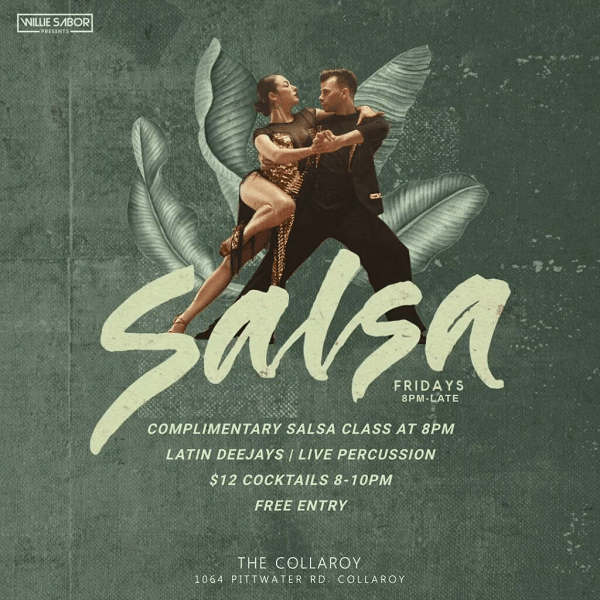
Friday nights are Salseras at The Collaroy! Located right on the beachfront at 1064 Pittwater Road, Collaroy, New South Wales, Australia, this restaurant/bar with live entertainment and DJs downstairs on weekends stays open until 3 AM.

On Fridays from 8 PM to 9 PM, they offer Salsa classes (free) and from 10 PM the Latin party starts until 3 AM with live percussion and a DJ playing Afro-Cuban melodies, urban music, and Bossa Nova.

The Collaroy has an open-air terrace with a magnificent panoramic view of the peninsula’s north.

LATIN DANCING UNDER THE SAILS – BROADBEACH

Latin Dancing Under The Sails may change its date due to weather

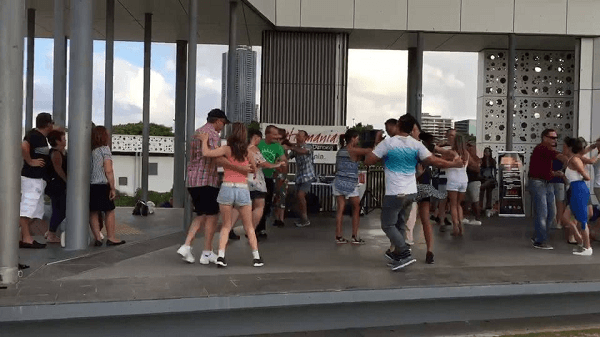
Salsa takes over Saturdays at The Oasis Shopping Center! Every last Saturday of the month the LatinMania team brings the Latin Social Dance event outdoors at the Oasis shopping center located in Broadbeach Gold Coast, Queensland, Australia with music provided by DJs specialized in Salsa, Timba, Bachata, Merengue, and Salsaton from 7 PM to 10 PM.

The event is free and this month the theme will be Halloween. So don’t miss this opportunity to dance Salsa in Sydney with Colombian-born instructor Alejandro Barriga next Saturday, October 29th.

PLANT 4 BOWDEN

Plant 4 Bowden was born out of a vision for a thriving community and a passion for environmental sustainability

Every first Sunday of the month is Salsero at Plant 4 Bowden! This place is 100% green and adheres to international standards for green building design earning a 5-star rating for its operations.

Plant 4 Bowden, characterized by its environmental sustainability, presents its Salsa nights every first Sunday of the month from 4:30 PM to 10:30 PM with food, drink (local craft beer from barrel), Salsa, Bachata, and Kizomba along with wonderful musical shows on the ground floor. The ticket price is $20 at the box office, and it is located at 5 Third St, Bowden SA 5008, Australia.

The magic of Salsa in this space happens surrounded by greenery with ample indoor seating and outdoor areas.

SALSA IN THE PARK

There is no better time than now. Go out dancing Salsa today in the Park (Sydney – Australia)

The second Sunday of every month is a Salsa immersion in the Park! Salsa in the Park  is a free event that offers 3 hours of Latin music and social dancing outdoors at El Pabellón del Norte, 95 Marine Parade, Broadwater Parklands, Southport next door to the revolving chapel adjacent to North/Smith Street.

The half-hour lesson starts at 3 PM, and then the Social Dance continues until 6 PM with music provided by top DJ’s mixing old and new Salsa, Bachata, Merengue, Cha Cha, and more.

Who can attend? The whole family and their pets. No experience is required. What are the benefits? Meet new friends, you’ll get fit, improve your mental health and coordination, and stay active. When? The next date is Sunday, October 9th.

Omar Ledezma Jr talks about his experience at the Tempo Latino Festival

His reaction to the scholarship

We are here with Venezuelan percussionist and musician Omar Ledezma Jr. Good afternoon, Mr. Ledezma, how are you? Nice to meet you.

Same to you, Karina. It’s great to be participating again in the activities of International Salsa Magazine, a magazine that I have much appreciation and I’m find of it. Here we are always at your service.

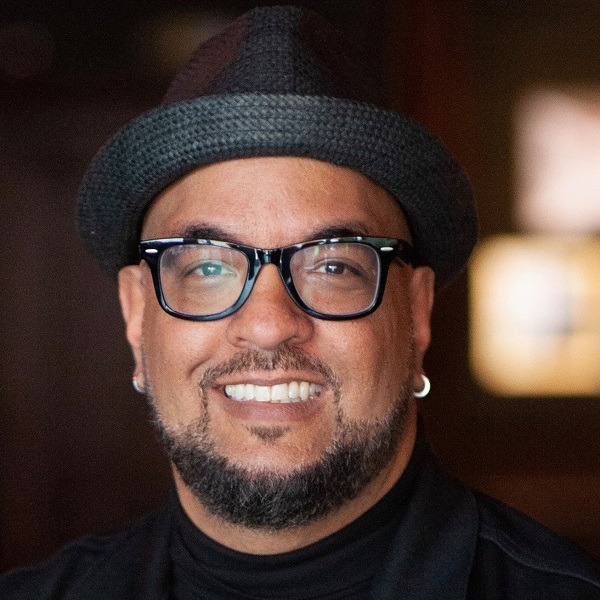
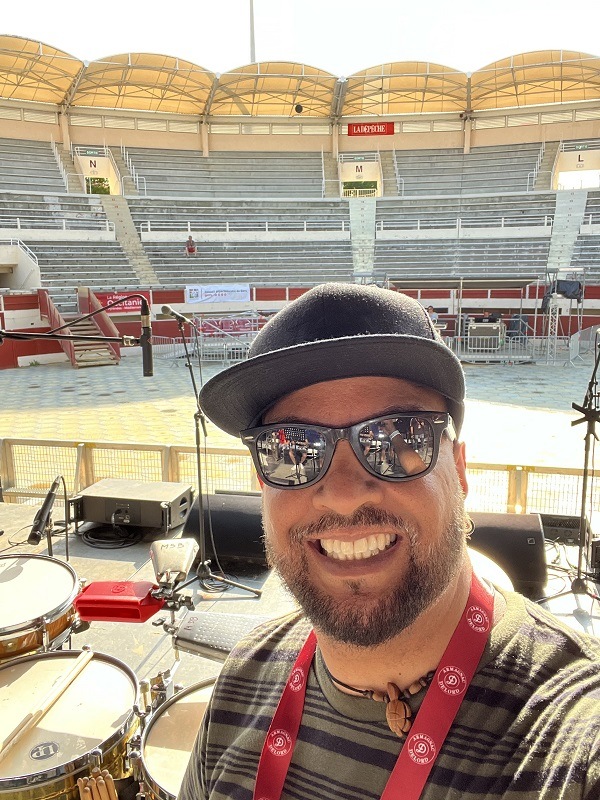
man with glass
Venezuelan Grammy Award–winning singer and percussionist Omar Ledezma Jr

According to your website, you received a scholarship to study at Berkeley College of Music. How did you receive the news that you were selected?

That was interesting because when I arrived in the United States, I applied for the scholarship, so I had to extend my stay here in order to attend the audition in a December. In January, I got a letter that said I passed the audition and awarded the scholarship to study at the school. That was one of the most important news in my life.

So you were in the United States at the time you received the scholarship.

Yes, because there was no way I could have done that in Caracas, where I am from. So, I had the opportunity to travel to Boston to apply for the scholarship. Thank goodness, I had the opportunity to come and everything worked out fine.

Regarding technical and musical issues, what differences between your native country and the United States did you notice?

The first thing I noticed was that there were many opportunities. Really, I can say that I didn’t face the same constraints as in Caracas. When I started playing, I had many opportunities to go abroad to take my art. I already had the experience of having done it in my country with many other artists.

I think It would’ve been no different if I was in Caracas because I would have taken all the opportunities, played with many people and made my career there. However, I was able to go to Boston and took that opportunity. A few months later, I was already playing with school teachers, classmates, graduates and new people I met in a very interesting way. Despite my constraints related to the language, you can establish such interaction with all of them.

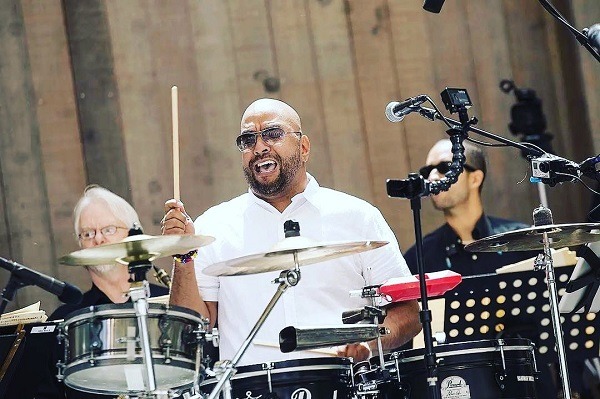
man playing the timbales
Omar Ledezma Jr playing the timbales

We understand that you are teaching at the SF Community Music Center and work hand in hand with other academic institutions, what made you dedicate yourself to teaching and training young talent?

I think it is important to lay the groundwork for the future. The present is lived now and the past provides us with experience, but we should always open the road forward for the future and new generations. I think that legacy for musicians is very important. We have to pass those teachings on to new generations.

Do you feel that the language shut doors on you at the beginning?

Not really. I have always thought that language should not be a limitation to fulfill your dreams. You have to respect the language of the country you are moving to, but without forgetting the mother tongue with which you were born, which is why I am a big supporter of bilingualism. You have to learn English, but without forgetting Spanish. It is a very important tool for young people whose parents were born outside the United States and moved here, but they should not forget their roots.

His experience at the Tempo Latino Festival

You have already told us that you have had the opportunity to tour the world. Could you tell us a little about your experience with Tempo Latino?

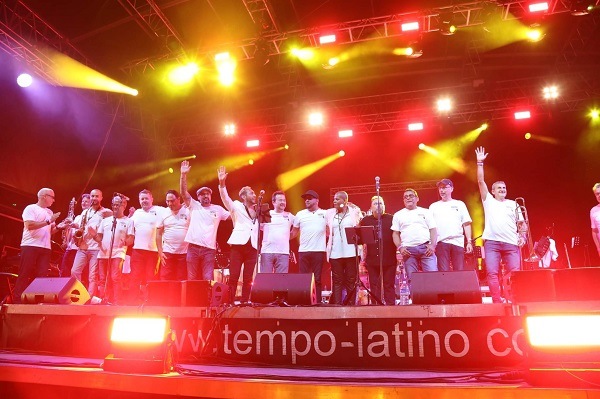
It was a very important experience for me and the group that I’m in, Pacific Mambo. It was an incredible experience with a massive attendance and it was surprising that we were able to meet that many people after the pandemic. We were playing in an arena full of people where we were warmly received.

It was very nice to feel the warmth of the live audience again and massively.

Omar Ledezma Jr in the arena at the Tempo Latino Festival

How was the flight, the arrival, the reception and everything that happened before the show?

It’s interesting because when I lived on the Northeast United States coastline, it was very easy for me to travel to Europe, Latin America, the Caribbean and other parts of the United States. Moving to California makes it more difficult because the trip is longer. It takes me about 11 hours to get to any port in Europe, and then being there, you have to make connection to get somewhere else. In our case, it was a full day of travel, as we arrived through Portugal. It was there that we waited for our connection to get to France. There were many people entering through the port of Lisbon, but there was no problem at all.

Already in France, the welcome the Tempo Latino staff was absolutely incredible. The audience was already waiting for our show. Then, we arrived to the village where the festival takes place and traveled a very beautiful route with spectacular scenery. Despite the fatigue, we fully enjoyed the trip.

When you played in the arena, how many people were there?

It is difficult to count the amount of people people there. I don’t have the exact numbers, but I can tell you that the arena was packed at the time of getting to the stage. We had the responsibility of opening for other well-known groups such as Los Van Van, so the arena was already full of people at the time of performing our show.

How was the audience reception towards you?

The audience reception was very warm and touching. People did not expect the band to have that contact and respect for the public like every time we perform. Many people enjoyed the hits we have had throughout our career such as OverJoyed by Stevie Wonder, Pink Panther Mambo, among other songs. When I did my solo with the timbales and the drums, I achieved a sound very much like We will rock you by Queen and I had to keep playing it because people were singing the song. An amazing thing that had never happened to me in my career.

Pacific Mambo performing at the Tempo Latino Festival

I heard that when you left France, you turned out to be infected with Covid-19, could you tell us what it went?

Yes, it came a surprise for me because I had not been infected since I went back to work on the street after the pandemic. I returned to my activities in the schools where I work and started providing shows again, but I had never tested positive for Covid-19 despite having been exposed. In fact, I have traveled to play in many places and even went on vacation to Venezuela, but I never contracted the virus.

When I return from my travel at the Tempo Latino festival, I was feeling a little sick and thought it was the fatigue of travel, but it turned out to be Covid-19. Fortunately, symptoms were very mild and I followed the treatment prescribed by the doctors. It took a little while for the virus to go away, but it all worked out. It was a period of forced vacation, as I had to wait about 20 days for the tests to be all negative.

Are you planning other international tours to Europe or Latin America?

We are negotiating to go to the East Coast and Canada in November. We are also making preparations for another small tour in the fall.

Today, the San Francisco Jazz Organization is going to broadcast our concert for subscribers, which makes us very happy.

What projects do you have on hand?

With regard to the band is concerned, we have talked about the possibility of making a new album and the way we want to do it. We are already looking for the music, the composers and the songs for the pre-production of this new musical work.

Pacific Mambo performing at the Tempo Latino Festival

A new salsa talent with Latin parents and born in Boston

Why romantic salsa?

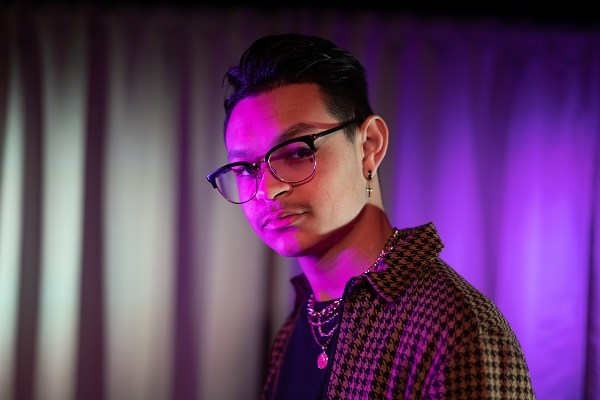
So here we have Sebastian Medina or better known as SBM. He is a promising young talent born and based in the city of Boston. How are you, Sebastián? It’s ice to meet you.

Thank you very much for the opportunity, Karina. I’m super happy and pleased to be here with you.

Salsa singer Sebastian Medina, better known as SBM

Why use the acronym SBM as your stage name?

SBM refers to my full name, which is Sebastián Medina. In the genre, there are few artists who use a short, cool and different name. So, I wanted a short and quick name by which people could identify me.

In passing, I wanted to differentiate myself from other artists with an unusual name.

Many young people like you choose urban genres to start their artistic careers. Why did you choose romantic salsa as your main genre?

As a musician I really identify with salsa because of its instruments, its harmony and everything to do with them. Although I really like romantic salsa, I also like hard dura. I like all types of salsa. I have this impulse to play the piano, get into the genre and enjoy it.

As a singer, the situation is different because I have always wanted to be on stage like the greatest artists. Being also a composer, when someone sings my music, I feel very grateful and supported by those who do it. I want to bring that music to all the young people of the world.

Reading a bit about your history, it is clear that you have always liked this genre.

Yes, I am a romantic. I always have been.

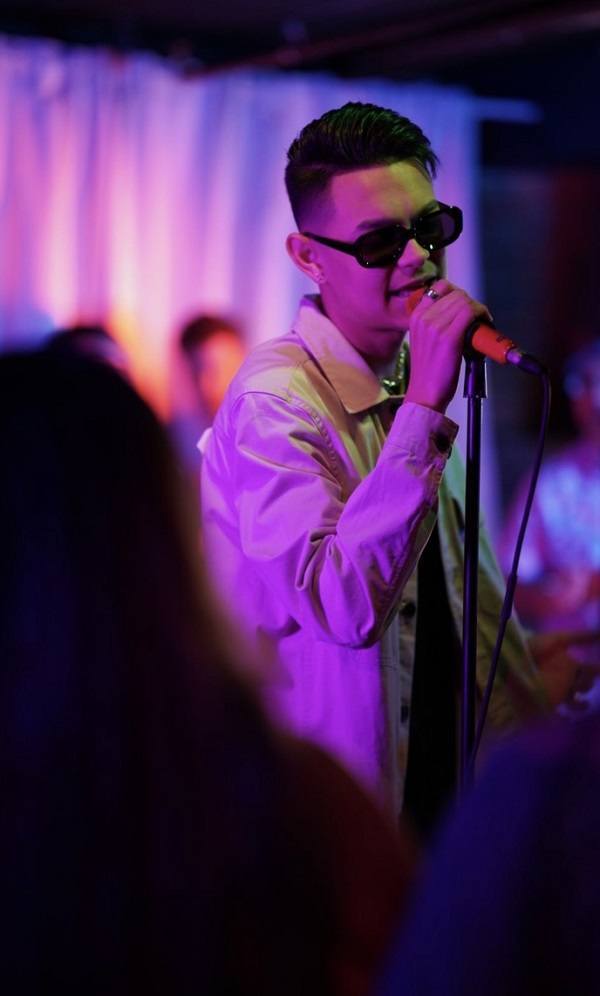
Sebastian Medina performing on stage

How was Sebastian selected for his scholarship?

You were selected for a scholarship at the Berkeley College of Music. How was the selection process and the audition? What was your reaction to being selected?

I was a little nervous during the audition. I sang a song in Spanish and very few people sing Latin music here in Boston. So, I went in and sang a beautiful song by Marc Anthony to compete for that scholarship.

Here in the city there is a program called City Music Boston, whose directors saw my talent and followed my progress in high school. I got a message from them, took some classes they had offered me about music, theory and other things and, meet the people in there. When December came, I received an email congratulating me and informing that I had been accepted to the Berkeley College of Music. That’s when I started to wonder how I was going to pay for college, but I was called from the City Music Boston program to inform me that they would offer me the scholarship that would cover my studies.

What do you think are the selection criteria of the Berkeley College of Music for choosing young talents like you? What do you think made you stand out from the rest?

I studied at the Boston Arts Academy, which is the only arts school here in Boston. I am always very dedicated to my music, my learning and what teachers do. I like to learn a lot and absorb all the energy that the music scene has. I think that the judges saw that in me. They saw my hunger and passion for music and composition.

Now that I’m at the Berkeley College of Music, I’m studying to be an arranger because I want to devote myself to arranging my own music and that of others, but always focusing on salsa.

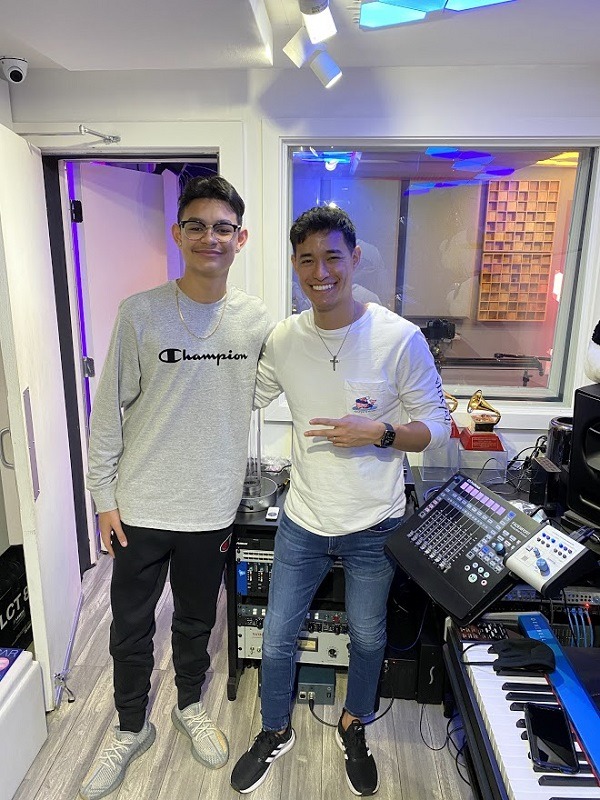
Sebastian Medina with Colombian record producer Diego Galé

I read that you like Marc Anthony and Los Adolescentes, but you also like urban artists such as Nacho and Nicky Jam. How do you reconcile these very different tastes?

As you know, young people don’t identify strongly with salsa today. For that reason, I’m trying to combine salsa with the urban genre to create new sounds. I’m aware that people really like trap and reggaeton, so I want to use those genres to combine them with my music. My goal is to appeal to the very young.

It may happen that I ask a friend of mine if he likes salsa and he replied that his parents and grandparents were the ones who listen to it. It makes me wonder why he can’t enjoy that music too. That has led me to use other sounds and melodies that young people can identify with.

Would you dive into urban genres?

If a recognized artist gives me the opportunity to do so, I would like to try, but now I want to focus on salsa because that is my priority.

What are the age ranges of the people who listen to your music?

According to Spotify, most of the people who listen to my music are between 18 to 30 years old.

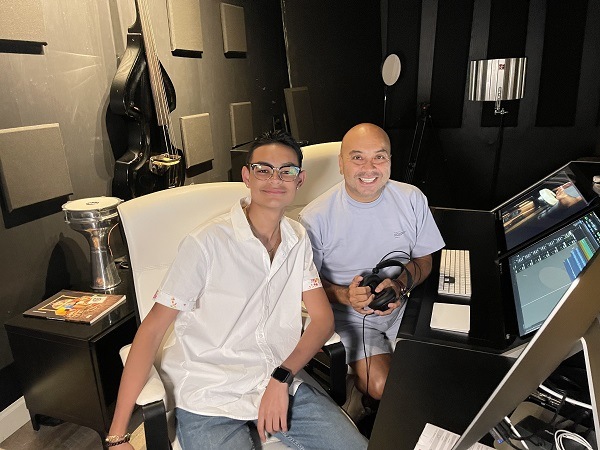
Sebastian Medina with Peruvian-American bandleader, and producer Tony Succar

Do you feel there is little unity in salsa?

I think great artists have a legacy built and now it’s up to young artists to create theirs because that’s how music should be. There are not many collaborations at the moment and that must change.

In the case of the urban genre, artists release collaborations almost every week and I don’t understand why salsa singers can’t do the same. I think that a salsa song can have a different arrangement so that it becomes a remix, but unfortunately that is not being done. There is also a part of the public that is a bit narrow-minded, which is why they don’t support new salsa talents, but rather those who already have a consolidated career.

Do you think that this union is what differentiates salsa from urban music?

I think so because there are cases such as Bad Bunny, who when he does a collaboration with a lesser known artist, the latter will automatically get all those streams, views, followers, among other things. That means that he is indirectly lending his support to that artist and his followers are going to support him as well.

You compose and play the piano. What other areas are you developing?

Right now, I’m in my third year of college and I’m learning as much as I can. At this point in my career, I’m taking a lot of music arranging classes. I’m learning how to arrange my music, how to keep two tunes going at the same time and other things. I’m also taking production classes and all kinds of programs that help me shape my ideas.

Sebastian is in his third year of college at present

Read also: Puerto Rican salsa singer Jai Ramos spoke to us of his life and projects

The interesting story of French percussionist Dominique Patrick Noel

How his career started

All right, so we are here with French percussionist, composer and musician Dominique Patrick Noel. How are you doing, Mr. Noel? A pleasure to have you here.

Well, thank you. First of all, I want to thank you for taking the time to interview me and to greet all those who is going to read it. Thank goodness, I am in good health and it is all good.

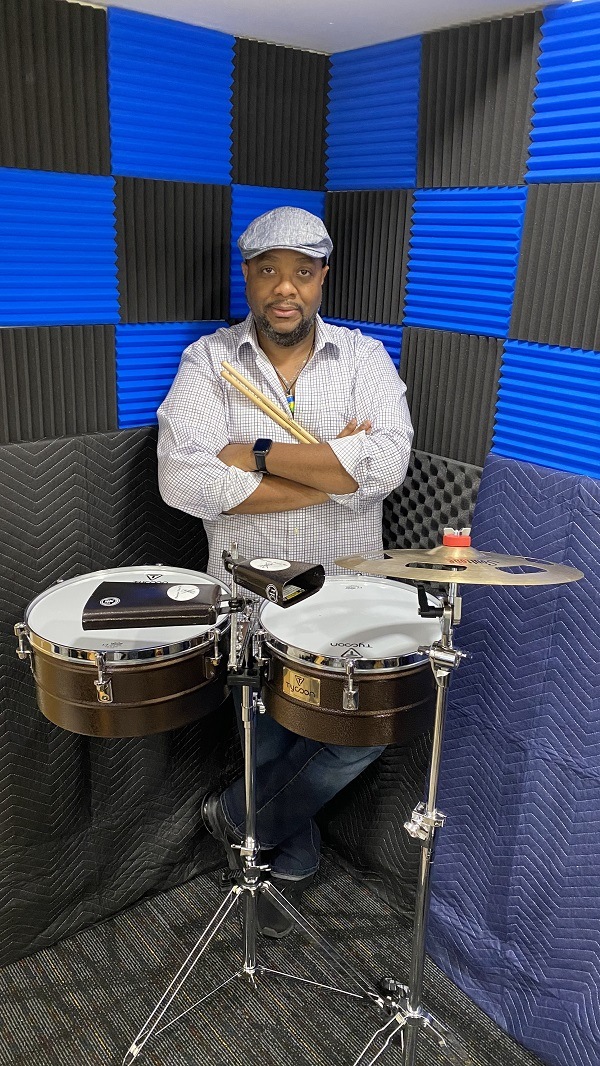
Dominique Patrick Noel tells us about his story and beginnings

You are a self-taught musician who started playing by age seven. Did you learn everything by yourself or did you receive some kind of training?

Since I come from a family of musicians such as my father and my two grandfathers, I can say that music has always been a part of my life. I started playing the drums by listening to a lot of jazz and fell in love with this genre. That’s how I started to develop the movements and patterns of jazz and the drums.

In school, I started playing and learned solfège, percussion, drumming, among other things. When I turned 15 years old, I started playing music at a pro level because I have always had the pleasure of learning by watching musicians, who had much more experience. Thank goodness, I had my mind fresh to grasp and remember what I had seen, which helped me a lot to continue developing in percussion, different instruments, rhythms, among other things.

When I started playing Latin music, my first instrument was the bongo. I had a mentor named Alfredo Mujica Jr.,m who knew my dad and learned by playing with him. When it was my turn, he was giving the task of helping me understand the patterns and other things. He told me that the best instrument I could choose to start with was the bongo because it would help me understand a little more about how salsa works and that helped me a lot. He showed me the basic pattern and how to imitate the sounds I heard until they were similar.

After that, I also learned to play the conga, the Dominican tambora, the güira, the batá, the cajon and the timbales.

His career started at the age of 15 and his first instrument was the bongo

When you played the bongo for the first time, did you know you wanted to dedicate yourself to the Latin genres permanently?

When I was nine years old, I moved to Martinique and lived there for about four years. There I was fortunate to learn its folklore, its rhythms, its typical instruments and its dances. I also learned to perform all those genres with the drums and tried to absorb all I saw. Concurrently, the zouk era was beginning and I fell in love with the genre since I heard it for the first time.

Sometime later, my dad and I went to the United States to be with my dad, who was living in Washington at the time. It was there where I started to accompany him in several of his activities and shows with his orchestras. Then, I began listening more to salsa, cumbia and merengue, something I liked very much. Then, I told him that I would like to learn what he knew and play with him, to which he replied that it looked good, but that it was a profession that I had to take very seriously. Therefore, he advised me to listen to everything, even if it wasn’t Latin music because all genres nurture the musician in one way or another.

With whom he has worked?

You have worked with Tito Puente Jr, Tito Rojas, Izis La Enfermera de La Salsa, Frankie Vasquez, Lalo Rodriguez, among others. What have you learned from them?

I have had the opportunity to play with maestro Tito Rojas and his musical director, Celso Clemente, gave me some advice. When rehearsing, I approached him to thank him for allowing me to play the bongo with them and ask him for advice for my career, to which he replied that he liked my work very much and that I was very good for someone who was not born in this Latin music environment.

He also advised me that I had to move forward, never play down my goals, accept constructive criticism and always stay humble. I will never forget his words.

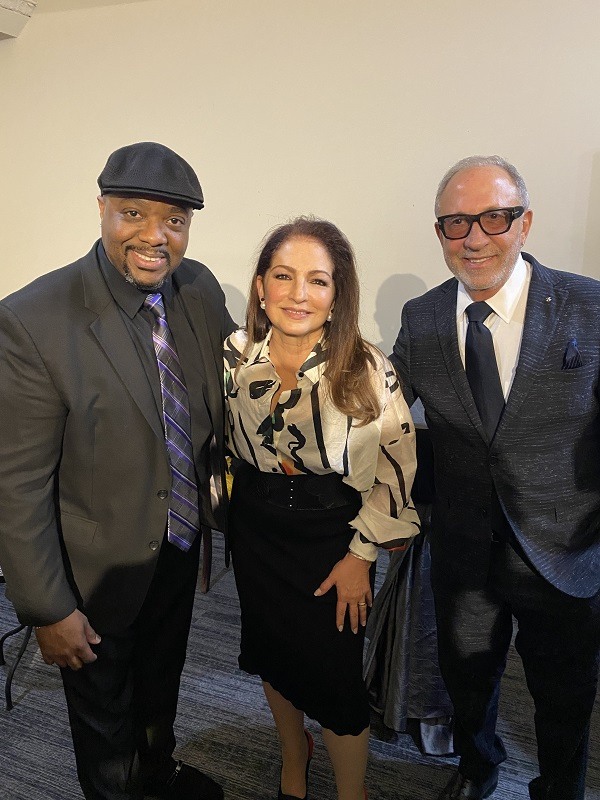
Dominique Patrick Noel next to Gloria Estefan and Emilio Estefan

We know that you are a voting member of the National Academy of Recording Arts and Sciences, which is well known for giving the Grammy Awards. What do you base to vote for a nominated candidate for an award?

There are several processes for artists to be nominated. For us the voters, it is a long process because we have the task of listening to much music and analyzing many details such as recording quality, lyrics, musicality and much more. There are many important elements to consider when choosing the person. I want to get to the point of saying that someone really deserves my vote for this or that category.

Voting takes time. It’s not something that you do in an hour or two, it takes a long time. The day of the awards ceremony, we already know who will the winners. At that point, we can say that all of them have managed to win via an arduous selection process.

Tell us about your song Mi Secreto with D’ William.

The skeleton of the song was my idea and I got together D’ William, to whom I offered to join the song. He wanted to collaborate with me in a merengue song for some time and I sent him the skeleton, which he liked and told me that something could be done with it. When he asked me if I already had the lyrics, I said no, but I wanted to base the song on an experience of mine, so I told him what it was about and the lyrics were written about that fact. Later, we made some additional arrangements and that’s how Mi Secreto was born.

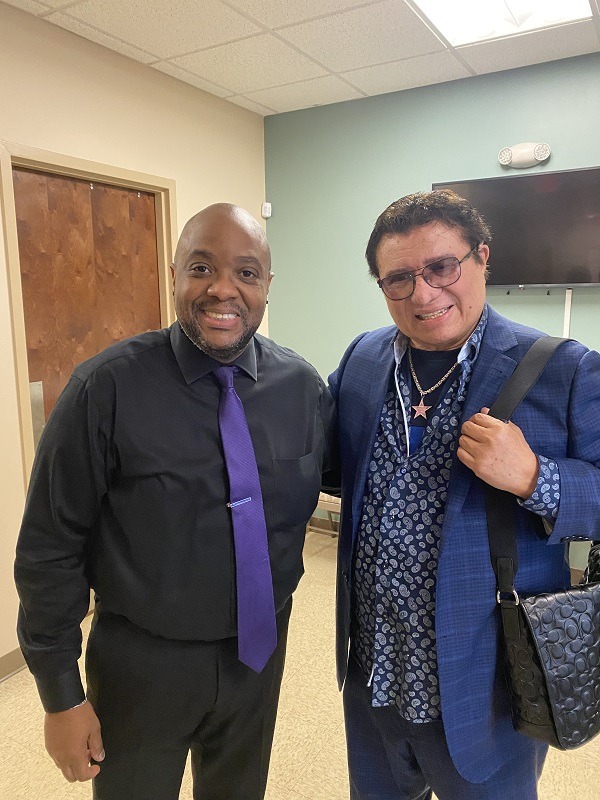
Dominique Patrick Noel next to Bobby Cruz

Read also: Earl Miranda and Ric Feliciano talk about the Latin Rhythm Boys and its history

  • « Go to Previous Page
  • Page 1
  • Interim pages omitted …
  • Page 161
  • Page 162
  • Page 163
  • Page 164
  • Page 165
  • Interim pages omitted …
  • Page 247
  • Go to Next Page »

International Salsa Magazine (ISM) is a monthly publication about Salsa activities around the world, that has been publishing since 2007. It is a world network of volunteers coordinated by ISM Magazine. We are working to strengthen all the events by working together.