• Skip to primary navigation
  • Skip to main content

International Salsa Magazine

  • HOME
  • Previous editions
    • 2026
      • ISM / March 2026
      • ISM / February 2026
      • ISM / January 2026
    • 2025
      • ISM / December 2025
      • ISM / November 2025
      • ISM / October 2025
      • ISM / September 2025
      • ISM / August 2025
      • ISM / July 2025
      • ISM / June 2025
      • ISM / May2025
      • ISM / April 2025
      • ISM / March 2025
      • ISM / February 2025
      • ISM / January 2025
    • 2024
      • ISM / December 2024
      • ISM / November 2024
      • ISM / October 2024
      • ISM / September 2024
      • ISM / August 2024
      • ISM / July 2024
      • ISM / June 2024
      • ISM / May 2024
      • ISM / April 2024
      • ISM / March 2024
      • ISM / February 2024
      • ISM / January 2024
    • 2023
      • ISM / December 2023
      • ISM / November 2023
      • ISM / October 2023
      • ISM – September 2023
      • ISM – August 2023
      • ISM July 2023
      • ISM Edition June 2023
      • ISM – May 2023
      • ISM April 2023
      • ISM March 2023
      • ISM February 2023
      • ISM January 2023
    • 2022
      • ISM December 2022
      • ISM November 2022
      • ISM October 2022
      • ISM September 2022
      • ISM August 2022
      • ISM July 2022
      • ISM June 2022
      • ISM May 2022
      • ISM February 2022
      • ISM January 2022
    • 2021
      • ISM December 2021
      • ISM November 2021
      • ISM October – 2021
      • ISM September 2021
      • ISM August 2021
      • ISM July 2021
      • ISM May 2021
      • ISM April 2021
      • ISM June 2021
      • ISM March 2021
      • ISM February 2021
      • ISM January 2021
    • 2020
      • ISM December 2020
      • ISM November 2020
      • ISM October 2020
      • ISM September 2020
      • ISM August 2020
      • ISM July 2020
      • ISM June 2020
      • ISM May 2020
      • ISM April 2020
      • ISM March 2020
      • ISM February 2020
      • ISM January 2020
    • 2019
      • ISM December 2019
      • ISM November 2019
      • ISM October 2019
      • ISM Septembre 2019
      • ISM August 2019
      • ISM July 2019
      • ISM June 2019
  • Spanish
  • Download Salsa App
    • Android
    • Apple

Search Results for: Willie Colon

Willie Colón The “Architect of Salsa” Enters Immortality

February 21, 2026, will be etched into the history of Latin music as the day the “street trombone” fell silent to become an eternal echo.

A Sorrowful Farewell: February 2026

After several days of uncertainty and reports regarding his delicate health, the passing of William Anthony Colón Román was confirmed in New York City at the age of 75.
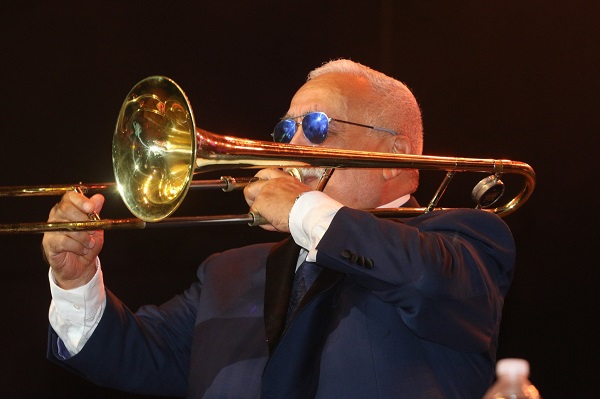
Willie Colón, the Architect of Salsa, Passes into Immortality

Producer, trombonist, visionary. He was the architect of a sound that broke the mold and redefined salsa from New York for the entire world.

With his aggressive trombone, his innovative musical concepts, and his leadership within the historic Fania All-Stars, he marked an era that can never be repeated.

The musician, who had already shown signs of physical frailty following his retirement from the stage in 2023, suffered severe respiratory complications that kept him hospitalized during his final days.

Iconic figures like Rubén Blades and the entire Fania family have expressed their grief, noting that we haven’t just lost a musician, but the “Malo” (The Bad Boy) who revolutionized the visual and sonic identity of Latinos in New York.

A Legacy of Rebellion and Sophistication

Unlike other bandleaders, Willie Colón didn’t just make music; he told cinematic stories. From his early days with Héctor Lavoe to his era of social consciousness with Rubén Blades, Colón transformed salsa into a vehicle for urban narrative.

With his aggressive trombone playing, innovative musical concept, and leadership within the historic Fania All-Stars
  • Innovation: He was responsible for putting the trombone at center stage, creating that “heavy,” raw sound that defined the Bronx.
  • Identity: Through his iconic album covers (emulating FBI “Wanted” posters), he constructed the mystique of the Latin anti-hero.

His Eternal Anthems

Willie Colón’s catalog is the backbone of every party and social reflection in Latin America. Among his most remembered tracks, more relevant today than ever, are:

Song Significance
El Gran Varón A milestone in social lyrics regarding identity and redemption.
Idilio The most romantic and melodic facet of his mature era.
Pedro Navaja The ultimate expression of narrative salsa produced alongside Blades.
Gitana A classic of sentiment and rhythmic fusion.

Beyond the Trombone: Activism and Service

In his later years, Willie Colón’s life was also defined by his work offstage. He served as an activist, a community leader in New York, and held positions in organizations advocating for Hispanic rights. His life was a testament to the fact that art and social commitment can walk hand-in-hand.
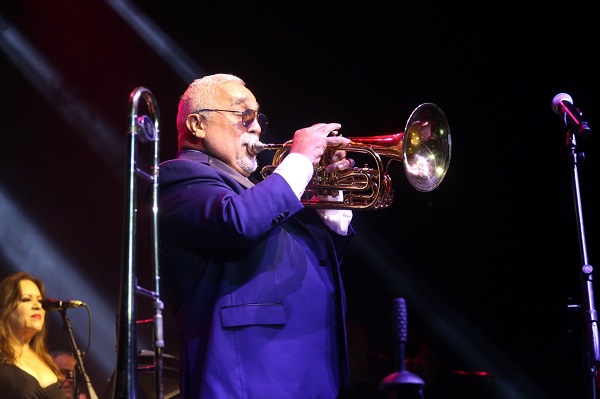
Producer, trombonist, visionary. Architect of a sound that broke molds and redefined salsa from New York to the world.

Producer, trombonist, visionary. Architect of a sound that broke molds and redefined salsa from New York to the world.

The Centennial on the Horizon

Though the Maestro has physically departed in 2026, his office and family have made it clear that his music will live on. Releases of unedited material and tribute concerts are expected as we pave the road toward the centennial of his birth in 2050.

“Time passes, and I am left unable to speak to you”  Willie Colón.

His music will continue to speak for him on every corner where a trombone sounds and in every heart that feels the pulse of urban salsa.

His talent was more than rhythm: it was identity, the barrio, resistance, and living history. Today, we don’t just say goodbye to a musician; we say goodbye to a pillar, a North Star, and an entire chapter of our Latin culture.

Anecdote:

Willie Colón had a notorious incident in Medellín in 1985 when he refused to perform at the Iván de Bedout Coliseum because the promoters of “Rumba Producciones” failed to pay the agreed amount. Police arrested him along with 13 of his musicians, and they were detained for two days at the Belén neighborhood police station.

The audience, who had waited for hours, grew unruly, leading to riots that resulted in six injuries and significant property damage. This episode inspired the song “Especial No. 5,” which narrates Colón’s experience inside cell number five of that station.
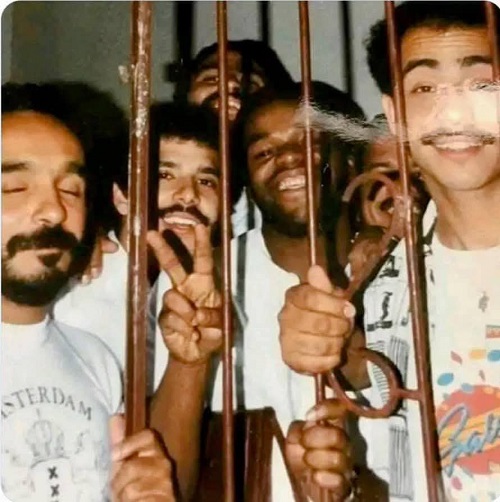
Willie Colón had an incident in Medellín in 1985

Special Contribution by Julio Cesar Galindo Alarcón (Lima, Peru)

A posthumous tribute to the great Willie Colón (1950-2026): The greatest disciple of Mon Rivera by his own admission and today a legend of our passionate salsa.

Willie Colón: From “Classic Urban Salsa” to “Symphonic Salsa”

His musical production clarifies and proves that “salsa” does not only originate from Cuban and Puerto Rican rhythms, but also from American, Brazilian, and other Latin influences.

When Willie produced and recorded his 1977 instrumental-only album, El Baquiné de Angelitos Negros, he expanded the orchestral lineup to include violins, saxophone, flute, cello, and trumpet. While the work had little commercial success and went largely unnoticed during his triumphant career, it served as more than just a platform for his “salsa” fusions with Jazz, Funk, Soul, and R&B. It was the starting point for producing grander orchestral arrangements with a larger number of musicians, thus becoming the precursor to what is now known as “Symphonic Salsa.”

Four years after this beginning, in 1981, this “Symphonic Salsa” reached its peak when Willie released his second solo album, Fantasmas dedicated to and motivated by the loss of his younger sister, Cindy. The album included a track he composed, with musical arrangements by Luis Cruz, titled “Toma Mis Manos” (Take My Hands).

This piece, dealing with the somber theme of death, is considered by this author (due to the quality of the composition and the fabulous “Symphonic” orchestration) to be an authentic and grand masterpiece of “Classic Salsa.” It blends Funk, Soul, R&B, and Bossa Nova with Willie’s excellent vocals, serving as a spectacular prelude to that other legendary, yet often overlooked, symphonic track recorded in 1991 by the “Canary of Carolina,” the great Lalo Rodríguez: “El niño, el hombre, el soñador y el loco.”

To conclude, with the immense pain that his departure brings, I accompany this tribute with the aforementioned song: “Toma Mis Manos,” an unforgettable composition by the recent legend of our “salsa” the great Willie Colón, famously known as “The Bad Boy of the Bronx.”

The legendary musician and his wife Julia Colón were married for decades and share three children (

The legendary musician and his wife Julia Colón were married for decades and share three children

Also Read: The legacy of Leopoldo Pineda, the ambassador of the trombone in La Maquinaria Fania All Stars

Willie Colon’s in Concert – Mexico City, Mexico 2021

The 50th anniversary of Willie Colón’s musical career will be celebrated in the National Auditorium in Mexico City.

William Anthony Colón Colón Román, better known as Willie Colón, was born in New York City, United States on April 28, 1950, his passion and dedication were highlighted in the salsa genre, being a salsa musician, singer, American composer of Puerto Rican origin which gives him a special touch, since salsa is characterized by the abundant use of percussion (clave, maracas, conga, bongo, tambora, cowbell, among others). This is inherited from the African musical influence mixed with jazz, which permeated the Latin American Caribbean since the colonial times and gained high popularity in 1960 for being the novelty of the moment in the lowest and highest society, starting in New York with Dominican singer Johnny Pacheco.

In the case of Willie Colón as a musician, he has been characterized by the fusion of rhythms such as son, mambo, guaracha, cha cha cha, guajira, Colombian cumbia, rumba, Venezuelan joropo, among others; He was also known as the master trombonist, blended various Caribbean African, and urban rhythms, formed one of the most important teams of Latin music of the seventies with vocalist Hector Lavoe and is considered one of the pioneers in the development of the genuine salsa movement in the late sixties and the early seventies.

His music, which has been a great influence on modern Latin Jazz, because it reflects a traditional lyrical rhythm and generates the goodbye and the hope as he was forced to leave his country to settle in the United States, and during his musical career, he got 11 Grammy nominations and received 15 gold and 5 platinum records.

It is worth mentioning that Willie Colón is one of the few artists who have worked with several well-known artists on the international scene in his entire career, some of them are: Hector Lavoe, Ray Barretto, Bobby Valentin, Reynaldo Jorge, Celia Cruz, Tito Puente, and David Byrne.

With the arrival of the new coronavirus (COVID-19) in late 2019, the world changed drastically everyone, including artists of which many have remained quarantined and others have been promoted on social networks or online events to avoid catching this dangerous virus. Now in 2021, the quarantine has relaxed and we have managed to keep a highly effective biosecurity system to be able to do certain witnessing activities such as events and/or musical concerts.

Willie Colon's at the National Auditorium of Mexico
Willie Colon’s Flyer at the National Auditorium of Mexico

So if you want to do something different during this quarantine, buy your ticket for the Willie Colon concert to be held on June 18, 2021, which promises to be a unique spectacle at the National Auditorium in Mexico City to commemorate the 50th anniversary of his career in the world of music.

The National Auditorium is known for being an entertainment center located on Paseo de la Reforma Avenue in Colonia Chapultepec (a neighborhood in Mexico City) where a variety of musical events are held to promote musical talent in general and to be an appealing tourist point for culture.

the organizers that boast the salsa event confirmed to us that “With his retirement still far from his list of priorities, Willie Colón is ready to go to Mexico again.” And if you want any news, we inform you that the artist is also currently engaged in writing his memoirs and producing emerging salsa groups, so we will be able to delight in the knowledge acquired by the salsa master Willie Colon soon.

Buy your ticket through the various websites:

  • https://www.songkick.com/concerts/39730937-willie-colon-at-auditorio-nacional?utm_source=53907&utm_medium=partner
  • https://www.stubhub.com.mx/boletos-willie-colon-mexico/ev1103843

Home

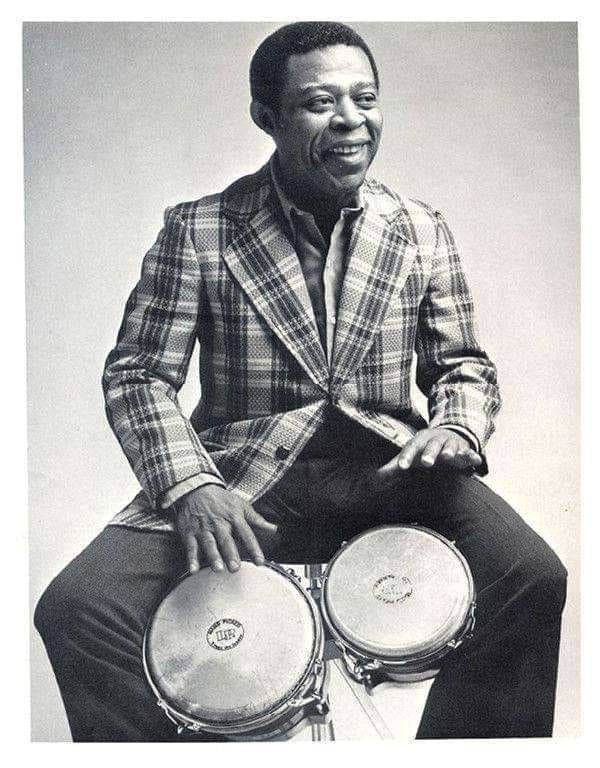
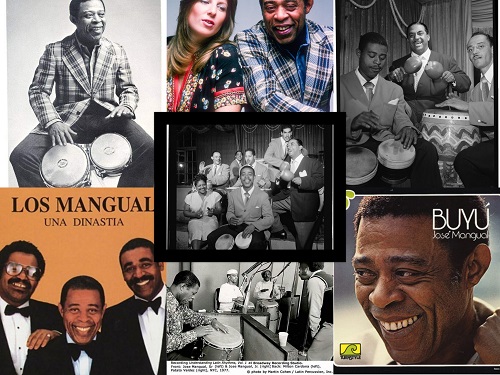
José Mangual Sr. “Buyú”: The Architect of Bongo Sound Defining the Rules of How it Should Sound

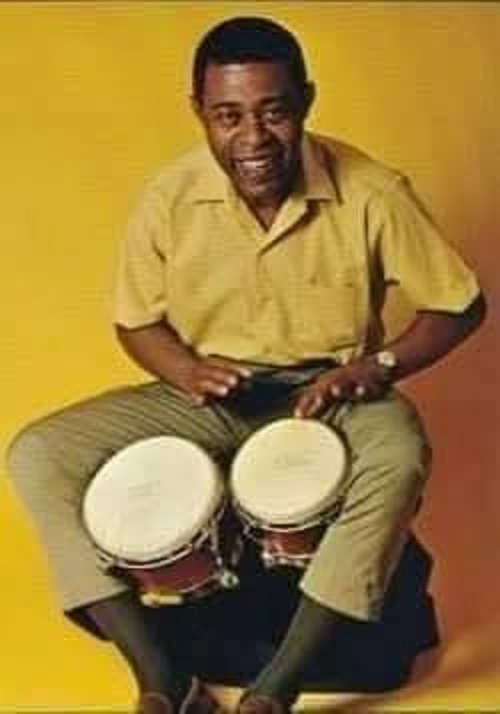
In the history of Afro-Latin music, there are names that didn’t just play an instrument they defined the rules of how it should sound. José Mangual Sr., known universally as “Buyú,” is one of those pillars.

José Mangual Sr., known universally as Buyú, is one of those pillars

An extraordinary and legendary percussionist, José Mangual Sr. was the founder of the prestigious percussive lineage that carries his surname.

Since his childhood in Juana Díaz, he professed a deep love for music; by age ten, he was already playing professionally, and during his youth, he even enjoyed crafting his own bongos.

Over time, he became the musician who endowed the instrument with an extraordinary sonority. He was the father of the equally prominent percussionists José Mangual Jr. and Luis Mangual.

The Architect of Sound on the Bongos defining the rules of how it should sound

The Architect of Sound on the Bongos defining the rules of how it should sound

Considered by experts as one of the greatest bongo players of all time, his legacy remains the gold standard for meter and tuning in Latin Jazz and Salsa.

From Juana Díaz to the Heart of Spanish Harlem

Born on March 18, 1924, in Juana Díaz, Puerto Rico, Mangual discovered his vocation at age 10. However, his musical destiny was sealed in 1938 when he migrated to New York at the age of 14.

Settling in Spanish Harlem (“El Barrio”), he found himself at the epicenter of a cultural explosion that was about to change world music forever.

The Consecration: Machito and his Afro-Cubans

Although he began by filling the timbales position, it was with the Machito and his Afro-Cubans orchestra where “Buyú” made history. Under the direction of Mario Bauzá (who is said to have given him his nickname), Mangual remained with the group for nearly 17 years.

The Legacy and the Patriarch of a Dynasty
  • Rhythmic Innovation: He was part of the “perfect percussion trio” alongside Carlos Vidal (congas) and Machito (maracas).
  • Historic Fusion: His performance was key to blending the complexity of Afro-Cuban rhythms with the harmonies of New York Jazz in the 1940s and 50s.

An Unrivaled Session Musician

His technique was so clean and his sound so bright that he became the preferred collaborator for the biggest stars. Throughout his career, he contributed his mastery to projects led by:

  • Tito Puente: The “King of the Timbales.”
  • Israel López “Cachao”: Participating in historic Afro-Cuban Jazz “descargas” (jam sessions).
  • Jazz Greats: His versatility allowed him to navigate fluidly between the world of Big Bands and traditional Salsa ensembles.

Pedagogical Legacy and Solo Career

In the 70s and 80s, Mangual recorded music not only for enjoyment but also for instruction:

The Patriarch of a Dynasty
  • Album “Buyú” (1977): A Latin Jazz gem on the Turnstyle label, featuring tracks like “Black & Brown Boogie.”
  • Musical Education: Alongside conguero Carlos “Patato” Valdés, he recorded the volumes of Understanding Latin Rhythms. These LPs became the auditory manual for thousands of percussionists around the globe.
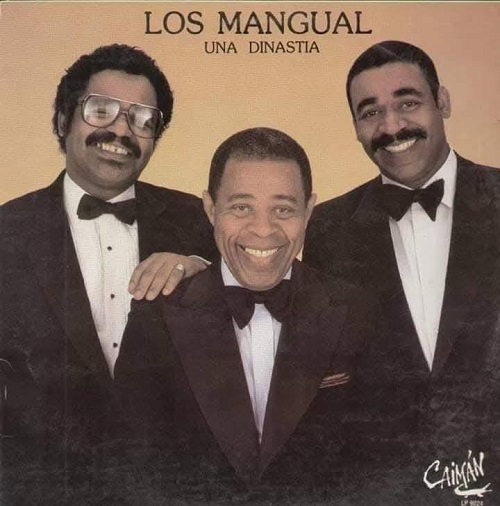
  • The Mangual Dynasty: In 1986, he consolidated his family heritage with the album Los Mangual: Una Dinastía, recording alongside his talented sons.

“The sound of his cowbell and his bongo didn’t just mark time; they cemented the foundations of the music we dance to today.”

The Patriarch of a Dynasty

The impact of José Mangual Sr. extends through his sons, who inherited his musical excellence:

  • José Mangual Jr. (“El Milamores”): Famous bongo player and singer, a key figure in the orchestras of Willie Colón and Héctor Lavoe.
  • Luis Mangual: Renowned percussionist and musical director.

Passing and Recognition: Buyú passed away in 1998, leaving an irreplaceable void. In 2001, he was posthumously inducted into the International Latin Music Hall of Fame  a fitting tribute to the man who gave the bongo unprecedented brilliance and elegance.

Also Read: Israel “Cachao” López, a Cuban musician and composer, has been hailed as “the Inventor of Mambo”

“Sonido Bestial Sinfónico” solidifies classical sound in salsa

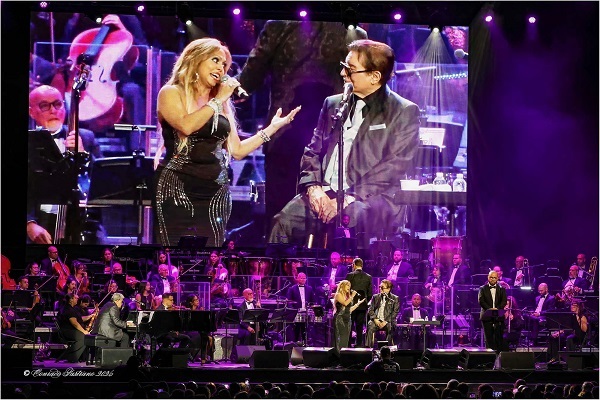
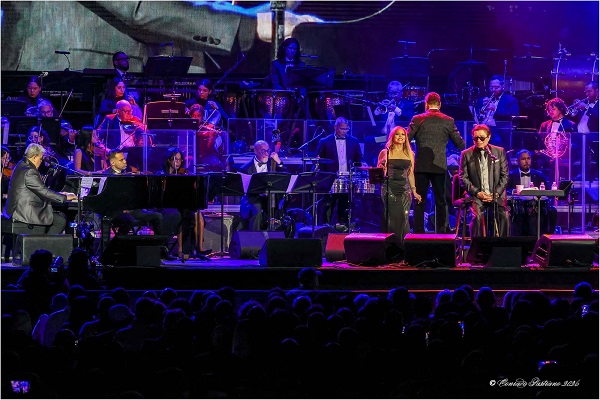
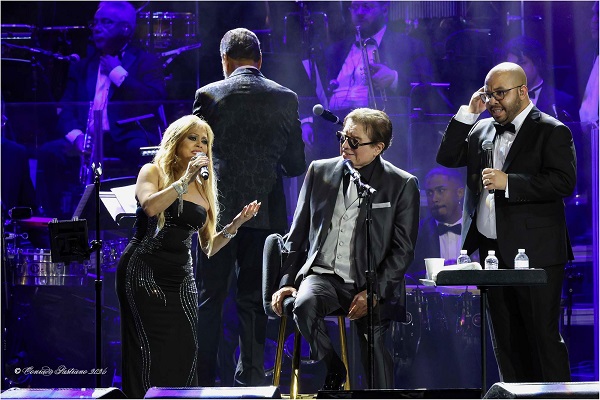
The February 27, 2026, performance of Sonido Bestial Sinfónico, which reunited “The Kings of Salsa,” Richie Ray and Bobby Cruz, at Puerto Rico’s Coca-Cola Music Hall, served as a farewell for Bobby Cruz. With a sold-out crowd thanks to Alexandra Fuentes’ production and a promotional alliance with the radio station Salsoul the legendary salsa vocalist said goodbye to the stage, insisting that while death had come looking for him, it had taken Willie Colón instead.

"Sonido Bestial Sinfónico" solidifies classical sound in salsa
“Sonido Bestial Sinfónico” solidifies classical sound in salsa

During Sonido Bestial Sinfónico, the audience also celebrated the 81st birthday of virtuoso pianist Richie Ray (born February 15) and the 88th birthday of singer Bobby Cruz, who celebrated his birthday the day before the event. Midway through the performance, the duo took a moment to blow out the candles on a cake brought onto the CCMH stage.

The concert was conducted by maestro Cucco Peña, featuring the voice of Yanira Torres and the Philharmonic Orchestra of Puerto Rico. From the local salsa scene, standout musicians included timbalero maestro Edwin Clemente, Emanuel Navarro on congas, and Richie Carrasco on bongo and cowbell, alongside the essential bass swing provided by Edwin Morales, director of the Orquesta Mulenze. Richie Ray’s wife, Angie Maldonado, and Jerry Medina were featured on backing vocals.

This symphonic concert, which celebrates more than six decades of “The Kings of Salsa” in music, had been postponed from its original date of October 25, 2025.

The repertoire included major hits popularized by the duo that have become classics of tropical music. Following a symphonic medley opening, the setlist included “Sonido Bestial,” “Agúzate,” “Richie’s Jala Jala,” “La Lluvia,” “Míster Trumpetman,” “El Diferente,” “Mi Amigo Juan,” “Yo Sé Que Te Amo,” “La Zafra,” “Juan en la Ciudad,” “A Mi Manera,” and a reprise of “Sonido Bestial,” among others.

The performance on Friday, February 27, 2026 of the Symphonic Bestial Sound concert that reunited "The Kings of Salsa", Richie Ray and Bobby Cruz
The performance on Friday, February 27, 2026 of the Symphonic Bestial Sound concert that reunited “The Kings of Salsa”, Richie Ray and Bobby Cruz

The show’s pinnacle featured Cucco Peña singing “Idilio” alongside Norberto Vélez in a heartfelt tribute to the late Willie Colón. The conductor acknowledged that figures like Willie Colón have made it possible for Puerto Rico to hold an important place on the global stage, affirming that “music is the face of Puerto Rico to the world.”

Richie Ray interjected a segment in which he shared his testimony of conversion to Christianity, extending an invitation to anyone who wished to join the ministry he now leads as a pastor. During this segment, the song “Hombres de Valor” was performed.

Another significant moment occurred when Bobby Cruz sang “La Novia,” clarifying that he is “free, but not available.” In addition to the hits achieved during the duo’s monumental and historic musical career, Richie Ray led several classical music pieces adapted for salsa.

The Coca-Cola Music Hall in Puerto Rico served as Bobby Cruz's farewell concert. It was a sold-out show.
The Coca-Cola Music Hall in Puerto Rico served as Bobby Cruz’s farewell concert. It was a sold-out show.

The patriotic finale featured the performance of “Mi Bandera,” which served as a farewell from both Richie and Bobby to the island, as both artists reside within the Puerto Rican diaspora in the continental United States. Events of this magnitude are what give deep meaning to maestro Cucco Peña’s statement: “Music is the face of Puerto Rico to the world” within the universal musical scene.

Bella Martinez Puerto Rico


Also Read: Don Perignon and La Puertorriqueña Release Classique et Savoureux


Bandleader and bongosero Ray Degaldo is here to talk about his life and career

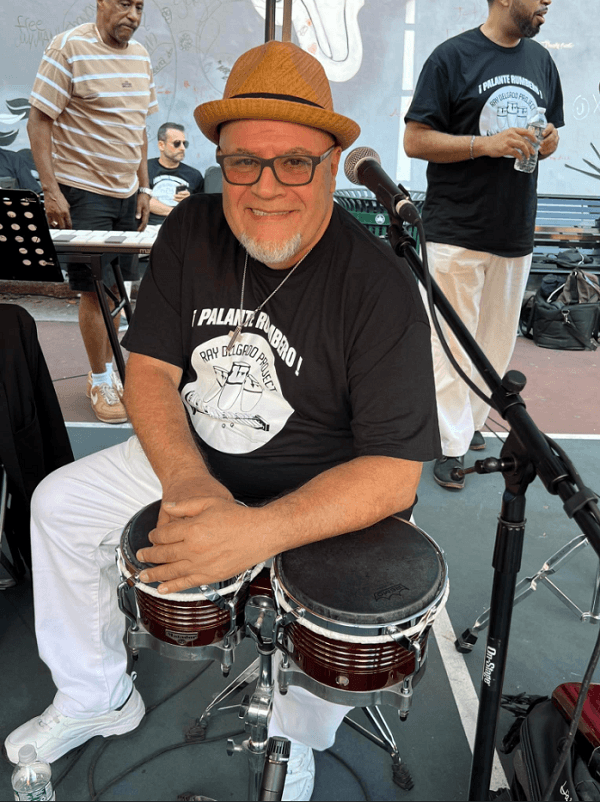
The talented percussionist Ray Delgado has made room in his schedule to share some time with us and talk about some of the most curious details of his artistic career, which fills us with pride and gratitude in equal measure. The founder of the Ray Delgado Project has many interesting things to say, and we are more than willing to listen.

Ray playing the bongo
Ray Delgado playing the bongo live

Ray’s inspirations to become an artist

Ray grew up in a family with deep Puerto Rican roots and was raised between Puerto Rico and New York because his parents constantly moved from one place to another, which made him feel very fortunate because he was being formed between two cultures that allowed him to listen to all kinds of music. In his time, radio remained extremely popular, so this was his vehicle to travel just by listening to certain songs.

Music in English came from the United States and Europe, while music in Spanish came from Cuba, Venezuela, Puerto Rico, the Dominican Republic, Jamaica, and many other countries. Delgado was exposed to all genres, but as a New Yorker, the one that resonated the most with him was salsa and the atmosphere that it brings with it. In fact, he remembers having the joy of seeing the Machito Orchestra, Johnny Pacheco, Héctor Lavoe, Willie Colón, Pete Conde, and many others live.   

These great exponents were the ones who sparked off the young man’s desire to pursue music at some point, but his father did not like the idea at all, as he saw the men in this business as womanizers, drunks, and irresponsible. Obviously, no father wants his son to end up like that, so Ray had to wait to become a responsible adult with a steady job to finally realize his aspirations as a kid.

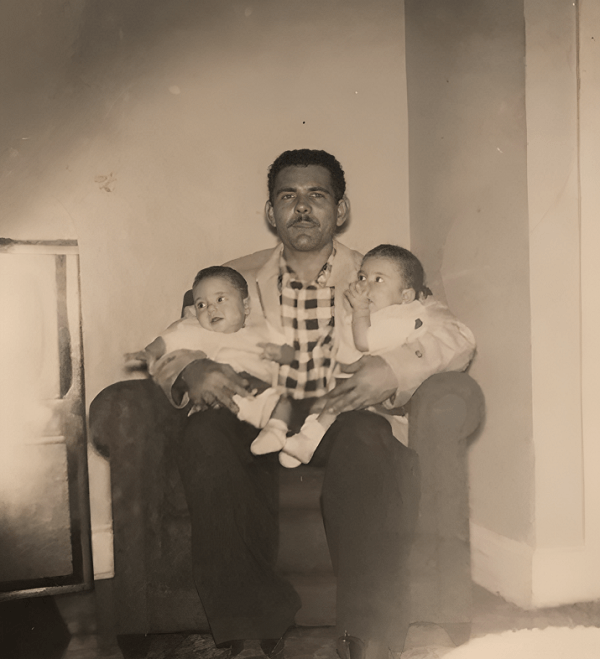
Ray and his father
Ramón Delgado Castro holding his son Ray Delgado and his brother when they were babies

It all started when some older men invited him to play with them, so he found an old bongo drum he kept in his closet and accepted the offer without a second thought.

That was the point of departure for him to play with many other bands in New York, and his consistent work led him to want to be better, to study hard and prepare himself much more.

Ray’s music education

Ray studied at the East Harlem Music School founded by legendary musician Johnny Colón in Manhattan, and focused on timbales with teacher Ray Cruz, but he left the instrument aside for a while when he moved back to Puerto Rico. When returning from the Island of Enchantment, he enrolled at the Harbor Conservatory for the Performing Arts. He also studied with Professor George Delgado, who is the current conguero for the Spanish Harlem Orchestra. He describes him as an excellent teacher and musician from whom he learned so much.

Additionally, he had the support of many musician friends who also helped him and taught him many things that are not learned in an educational institution, including Luis Rivera, Radamés Rojas, Eric Rivera, and many others. Close contact with other artists and groups made him see that many sounded exactly the same and there was little variety, so he decided to form his own orchestra.

In this way, he also learned percussion, which is the area by which he is best known today.

Joe and Ray
Joe Bataan and Ray Delgado

Ray Delgado Project’s birth

Driven by the lack of musical variety in his environment, he wanted to create his own musical project that included vibraphone, percussion, piano, bass, and vocalist. It all started with a workshop for musicians offered by Ray himself in a community room in the building where he lived and he was allowed to use it. After having played and experimented with different styles, the group was getting smaller until all the musicians who signed up ended up leaving.

From there, at every show and opportunity he had to meet new musicians, he would ask for their numbers to recruit them and achieve a chemistry and combination, resulting in the sound he wanted. Ray was in that process from 2009 until now. About three years ago, in 2023, he finally got what he was looking for. 

This group was called Ray Delgado Project, which takes up a huge amount of time and effort. However, the musician says that the New York where his youth was spent, which offered lots of places to go dancing, no longer exists, so there is not much work as back then.

Today, they play many covers of great hits from the 1970s, but they add their own touch to stand out with completely new arrangements. Not so long ago, they released their new version of “Lo Que Traigo es Sabroso,” a hit by Eddie Palmieri, and adapted it to their own style and arrangements. It can be found on Spotify and the main digital platforms. 

Ray and his orchestra
Ray Fuentes (piano), Abraham Saenz (bass), Danny Sieber (vibraphone), Ray Delgado (director and bongo), Rhadames ”Randy” Rojas (lead vocals) Izzy Diaz (congas), and José ”Cheo” Colón (timbales)

Ray is so happy with what he has achieved so far with their orchestra that ensures that when God calls him, he will be calm and happy to have been able to play and make audiences dance during his lifetime. God willing, we wish him many more years playing with the Ray Delgado Project, enjoying life and bringing joy to those who have the pleasure of listening to him. 

Read also: Leader of K’ndela Salsa Band Eric Cabanilla and all his entertainment company has to offer

  • Page 1
  • Page 2
  • Page 3
  • Interim pages omitted …
  • Page 27
  • Go to Next Page »

International Salsa Magazine (ISM) is a monthly publication about Salsa activities around the world, that has been publishing since 2007. It is a world network of volunteers coordinated by ISM Magazine. We are working to strengthen all the events by working together.