• Skip to primary navigation
  • Skip to main content

International Salsa Magazine

  • HOME
  • Previous editions
    • 2026
      • ISM / March 2026
      • ISM / February 2026
      • ISM / January 2026
    • 2025
      • ISM / December 2025
      • ISM / November 2025
      • ISM / October 2025
      • ISM / September 2025
      • ISM / August 2025
      • ISM / July 2025
      • ISM / June 2025
      • ISM / May2025
      • ISM / April 2025
      • ISM / March 2025
      • ISM / February 2025
      • ISM / January 2025
    • 2024
      • ISM / December 2024
      • ISM / November 2024
      • ISM / October 2024
      • ISM / September 2024
      • ISM / August 2024
      • ISM / July 2024
      • ISM / June 2024
      • ISM / May 2024
      • ISM / April 2024
      • ISM / March 2024
      • ISM / February 2024
      • ISM / January 2024
    • 2023
      • ISM / December 2023
      • ISM / November 2023
      • ISM / October 2023
      • ISM – September 2023
      • ISM – August 2023
      • ISM July 2023
      • ISM Edition June 2023
      • ISM – May 2023
      • ISM April 2023
      • ISM March 2023
      • ISM February 2023
      • ISM January 2023
    • 2022
      • ISM December 2022
      • ISM November 2022
      • ISM October 2022
      • ISM September 2022
      • ISM August 2022
      • ISM July 2022
      • ISM June 2022
      • ISM May 2022
      • ISM February 2022
      • ISM January 2022
    • 2021
      • ISM December 2021
      • ISM November 2021
      • ISM October – 2021
      • ISM September 2021
      • ISM August 2021
      • ISM July 2021
      • ISM May 2021
      • ISM April 2021
      • ISM June 2021
      • ISM March 2021
      • ISM February 2021
      • ISM January 2021
    • 2020
      • ISM December 2020
      • ISM November 2020
      • ISM October 2020
      • ISM September 2020
      • ISM August 2020
      • ISM July 2020
      • ISM June 2020
      • ISM May 2020
      • ISM April 2020
      • ISM March 2020
      • ISM February 2020
      • ISM January 2020
    • 2019
      • ISM December 2019
      • ISM November 2019
      • ISM October 2019
      • ISM Septembre 2019
      • ISM August 2019
      • ISM July 2019
      • ISM June 2019
  • Spanish
  • Download Salsa App
    • Android
    • Apple

Search Results for: dance

Dance Dojo: Become a better Salsa & Bachata dancer

North America - Canada – Ontario

Dance Dojo, Develop the confidence, rhythm, and skills to have more fun with your dance partners

Dance Dojo
Dance Dojo

Till 2014, Dance Dojo help you improve your salsa, one step at a time, to fully express yourself and have more fun on the dance floor.

Dance Dojo is a online Salsa & Bachata dance school for people who want to become better social dancers.
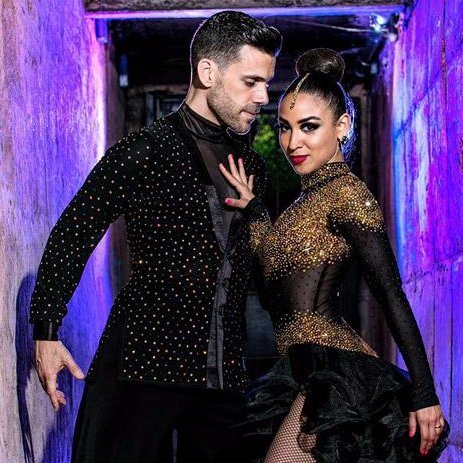
Patrick and Scarlet
Patrick and Scarlet

Learn salsa on 1 or on 2 with Patrick and Scarlet or Bachata with Harold and Regan.

They’re creating a place where anyone can learn to dance online from some of the world’s best teachers, and Salsa is just the beginning.

Harold and Regan
Harold and Regan

They believe everyone can dance. It’s the experience of learning to dance that determines whether someone enjoys it, and keeps going. They make sure you do both.

Products

Salsa with Patrick & Scarlet (On1 & On2, linear style),

Bachata with Harold & Regan

Social dancers choose to learn with them because they can…

Get the clearest instruction

Experience incredibly detailed breakdowns presented in an easy-to-understand way. After this, you’ll never want to go back to YouTube.

Learn with convenience

Access your lessons anytime, anywhere, watching them as many times as you like — even in slow motion. Have fun making mistakes in a safe environment.
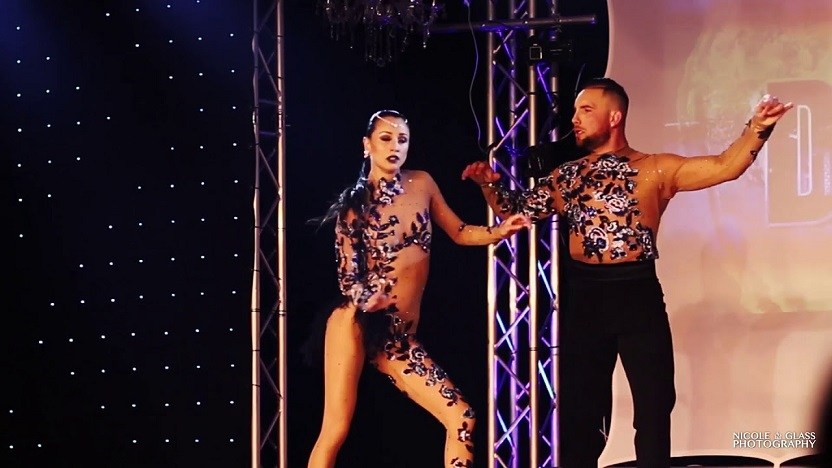
Harold and Regan on stage

Fast track progress

With a progressive curriculum that focuses on technique and building strong fundamentals, you’ll become a better dancer faster.

Access the best teachers

Learn from the best teachers, not the flashiest dancers. Their super power is helping students become the greatest social dancers they can be.
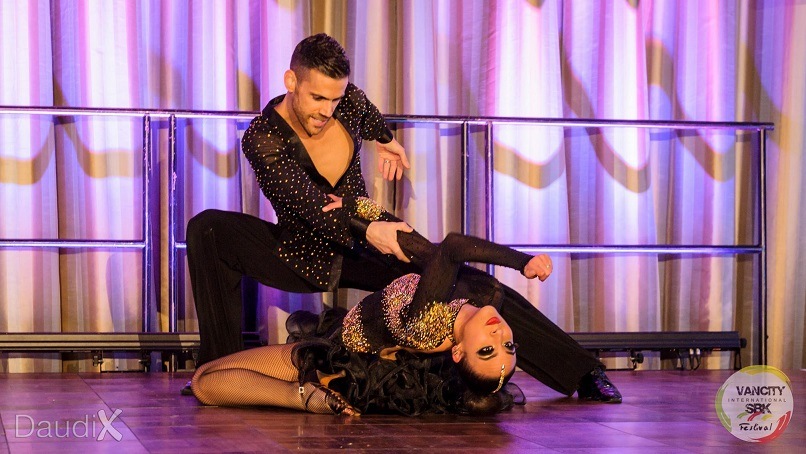
Patrick and Scarlet on stage

Practice without a partner

You’ll have tons of lessons that don’t require a partner. There’s always something to learn. No excuses!

Get ongoing feedback

Struggling with something? Post in our private Facebook Group and get feedback from other instructors and dancers in the community.

More info

thedancedojo.com

[email protected]

Salsa Dance TV is always present in the best events

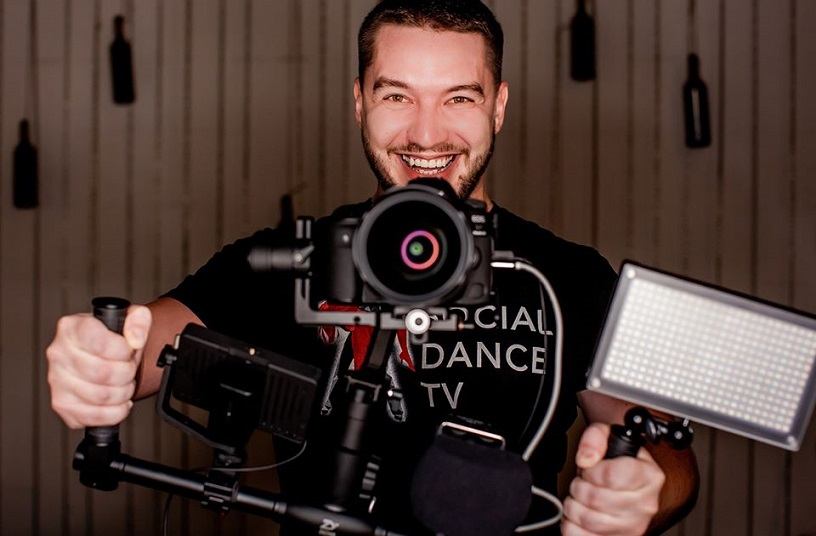
Behind the camera and production of Social Dance TV is Kir Korshikov, videographer for Dance Festivals & Events who told us his story

Social Dance TV Logo

Social Dance TV is a dance video production company founded in 2014 by Kirill Korshikov, based in Rostov-on-Don, Russia ano with presence all around the world. Their mission is to make the magic moment of dance dialogue part of the social dance community heritage by capturing the flow of partner dancing on video and sharing it worldwide through social media.

Social Dance TV is friendly and fully equipped video production team and social media for dance events. Dancing and dialogue through it between people all over the world is their passion. They travel to the most amazing dance events and share what they see with the rest of the world, rising the interest to what is happening where they are and making people going more and more to the dancefloor where they have been.

Kir Social Dance TV Logo

What they do?

Cover all the video tasks – filming the shows, social dancing, making the event’s after movie and production materials

Promote events on their channels – Facebook, Instagram and Youtube

Do promotional videos for dancers, events and live concerts

Do livestream during your events on Facebook and Instagram

Manage social media accounts

Make web design and motion graphics

Write the articles and small texts about the events for promotion

Manage your event because they know how to do it!

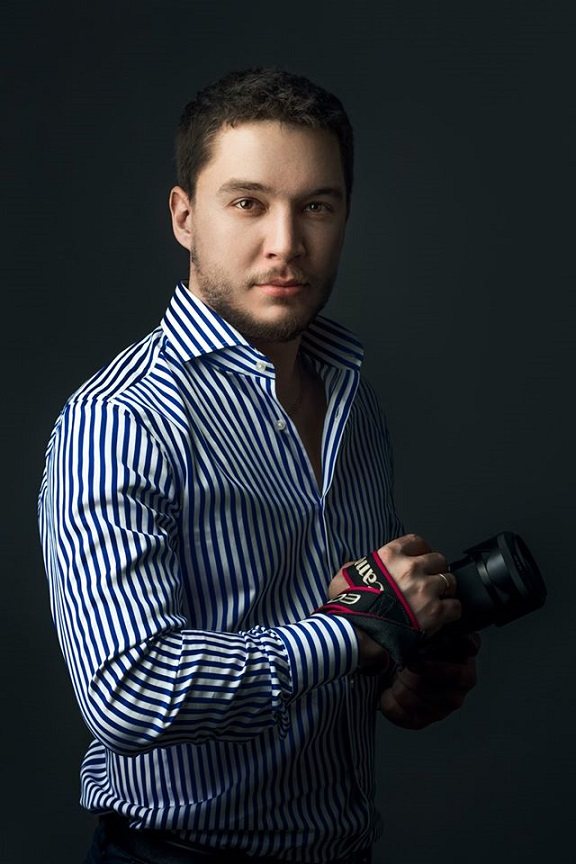
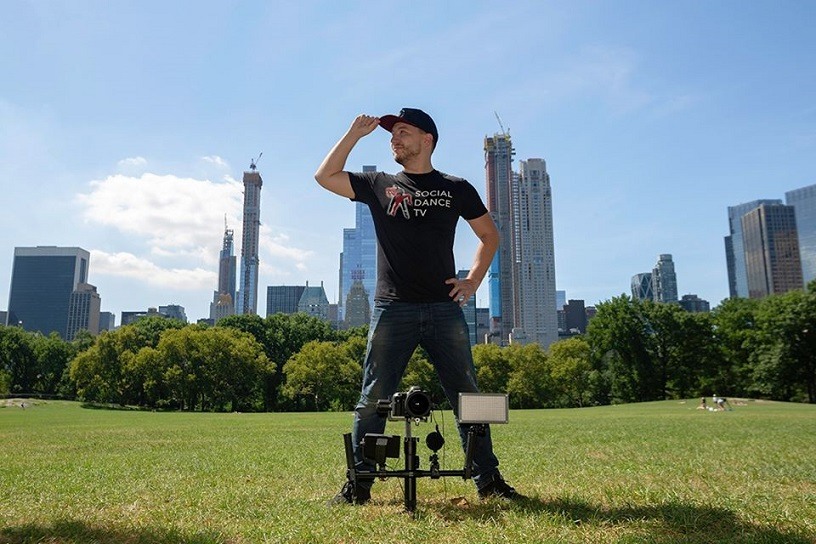
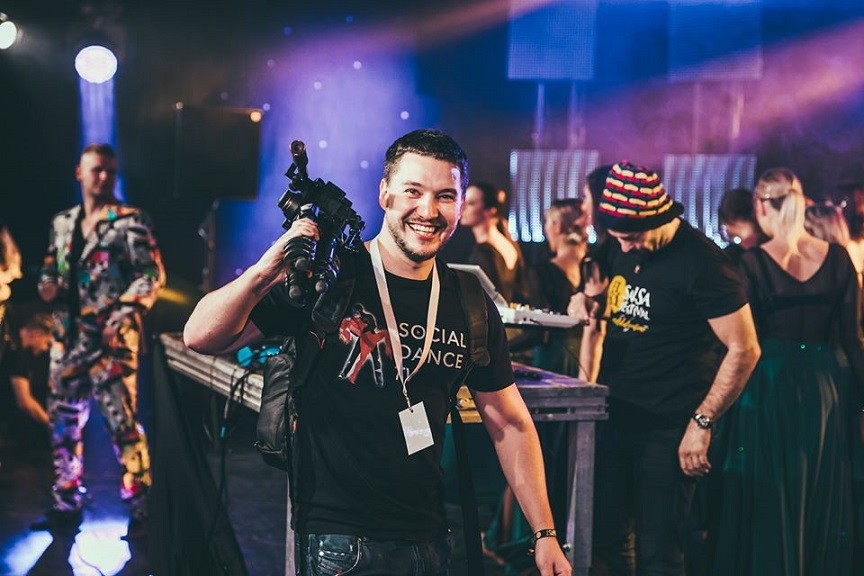
Behind the camera, but at the forefront of all this business is a passionate and tireless man who takes care of every detail and every piece of gear. There is nothing Kir Korshikov cannot achieve on Social Dance TV, but … Who is Kirill Korshikov?

Ker Korshikov - Social Dance TV
Ker Korshikov – Social Dance TV

Kirill Korshikov is an entrepreneur and videographer based in Rostov-on-Don, Russia. Is known for his work on Shine (2017), Street Dance 2 (2012) and for his project Social Dance TV which became famous among Latin dance community since 2015, this was the first online project that helps people and events to get together and unite the social dance fans all around the world. The innovative approach to the video filming of dances allowed us to see social dances more dynamic, thereby attracting more and more fans to the Latin American culture.

Born in Rostov-on-Don, Russia, Korshikov studied at the Taganrog Technological Institute of Southern Federal University and graduated in 2012. Kirill was one of the best graduate students of 2012. When Kirill was a student, in 2010 he organized a dance school in the University Student Club, which was popular among students and where dance events were held.

Which later became known as Baila Rico Dance Studio Technical education helped him to set up the finest tools in order to create uniquely video content. Nowadays Kirill goes for broadening the supply for dance event makers and widen the world Social Dance TV map (over 35 countries on it now) in order to make the dancing community strong, varied and united through the videos that he creates. Kirill was a videographer for several movies in Bollywood too.

Know the story behind Social Dance TV

Kirill Korshikov opened the doors of his project to us and told us in an incredible way, the history of Social Dance TV and how he came to form a community that admires him and has made him part of the Social Dance family.

Ker Korshikov - Social Dance TV
Ker Korshikov – Social Dance TV

In this story you will discover how an ordinary Instagram account became a world covering media for the whole wide community of social dancers. Also the story tells how it was made possible to gather tens of thousands of viewers on recent anti-corona-aid live airs. Now, more than ever, Social Dance TV’s feed captures sights of most dancers round the globe as the only way to keep connected during anti-COVID restrictions. These days together with millions of dancers I long for a fine party just for the whole world to see!

Through the last 20 years social dancing not only has changed by way of new fancy moves and styles as it always does, but evolved into a huge global community and cultural industry thanks to social media. Save for local parties, now a whole new world of dance festivals up to 10 000 people with its own icons, maps and mass media offers you best shows, parties till dawn, and a constant news feed. Social dance has become probably more of a life background than it has ever been.

Kir invites us to compare: in 2000, when “Salsa” cult movie came out, “salsa festival” format was in its founding. The biggest events gathered up to 1000 people. Now, after twenty years, around 15 events are held every weekend. Hosting over five thousand people is a tradition for Warsaw Salsa Festival and Croatian Summer Salsa Festival, as an example. And 10 000 people come to Euro Dance Festival in Germany. It’s hard to imagine a place where salsa and bachata festivals are somehow missed.

Back in 2014 social dancing issue representation in social media was rather disjoint: dance schools, festivals and dancers themselves charged their channels with diverse content to appeal to a wider audience based on their activity. So it was pretty hard to get some aggregated content wide and deep enough to explore any distinct topic. Oh, wait! It’s clear now, but then it was OK!

Ker Korshikov - Social Dance TV
Ker Korshikov – Social Dance TV

“While I was totally in that number of newsmakers I had some overlapping background. I had done a lot of filming for many years by then, I took part in shooting several dance movies and made tons of wedding videos and all that, so I had an eye for fine things to shoot. Plus, I am a dancer since the age of 4, so it made no trouble for me to fit the social dance community and to know a good dancer from a bad one.”

And the brighter idea that came to Kirill was to create an Instagram channel with just dancing videos in order to unite visuals like himself, who could spend hours consuming that kind of content. Also it seemed convenient to have one link to send to people who constantly ask “what’s that social dancing you keep talking about?” Thus, on Jan. 13 2015 the Social Dance TV channel was started. In the beginning he aired stirring dancing videos from different sources and of course he started to make his own videos, intending to show the dancers to themselves in the way he could do that, in the way he see them.

“In a half a year it came clear that that my videos had way more engagement, so SDTV became an author’s channel.”

And it also came clear that all dancers needed dance videos as a detached easy-access root of their dance web inquiry. Virally, SDTV became a mandatory part of the subscription of every self-respected social dance community member.

“I mean it, I realized that my Instagram channel actually brought the vast majority of dancers together and I felt how huge it was. When you realize something is huge, don’t deny it. So, I quit filming weddings (for it was too few fine dancing there), widened my channel on YouTube and Facebook and started to work full-time as a social dance event videographer, as SDTV occurred to be a perfect platform for festivals’ post production release.”

Alexandra Mateva and Kir Korshikov

And it became a fine platform for dancers’ communication thanks to button “show translation”, leaving dance as the main language of the messages.

When Kirill is on the party, he originally think of himself as a dancer, he feel himself a part of the flow. He do what everybody else does, dance and watch. The only difference is he watch through the camera.

 “Watching people dancing is, in my opinion, the best way to observe people. Those who have eyes must see how sincere even the showiest move is. And a couple dance is the most exciting way for people to communicate, being so in-the-moment, so to-each-other and to-the-music, I’m never tired to watch. At last, the most thrilling experience to me is to capture that wonder into a box to show to those who missed it, to make them see what I’ve seen.”

Giusy Chisary and Kir Korshikov

By now SDTV has grown into a production studio with recruited staff to shoot more, to post faster and to film concomitant events. They film up to 50 festivals every year all over the world. They’ve been to 36 countries. Their capacities allow them to support dancers and organizers who work in the dance industry full-time, which is more professional and more uncertain. They promote online classes, do live airs, volunteer for a charity, make trends, and they can confidently name themselves mass media.

“It would be sly to say I never thought it would be this way, but even now it’s sometimes hard to realize how a video dance channel can affect lives of hundreds of thousands of people.”

The issue of the day makes them try harder: in March they shoot a charity festival, all funds of which were donated to COVID relief, they made several on-line classes with famous dancers to gather donations to medical centers.

“Dancers can be surprisingly compassionate, when they’re left with nothing but TV. Social Dance TV.”

Social Dance TV Logo

Their goals for the future are to keep aggregating a still rather disjoint massive of social dancing content in the Internet, to shoot even more, to post even faster in order to widen the world Social Dance TV map. And by broadening the supply for dance event makers their aim to enhance the dancing community as a beautiful, strong, varied and united world that we live in through videos that they create.

So, that’s a brief story of how Kir’s passionate startup became a full-time job as a mass media holder.

Social Dance TV have deep roots in the social dance community so they know how to present the dance in a most attractive way and remind everybody how thrilling it is to watch everything with their own eyes.

They help people and events to get together, help the dancers to make their dances to be seen, help the dance world to be united and open minded to every dance style they have.

Magical moments of events be captured and saved forever by them. Everybody around the world see those brilliant moments of dance. Social Dance TV and Kirill Korshikov contribute to make the Social Dance more and more popular… They do what they love.

Follow Social Dance TV on Instagram, Facebook and YouTube! This community covers more than 600 thousand people with a common passion: Social Dance

The beautiful story of dancer, actor and singer Pancho Martinez Pey

Dance has been always important for Pancho

Pancho Martinez Pey is an Argentine dance teacher, choreographer, actor, singer and dancer who has had a large participation in various shows and theatre plays in which he has demonstrated his skills in those disciplines where he has become an expert in recent years, among which we can mention ”Casa Blanca”, ”Café Tortoni”, ”Michelangelo”, ”Esquina Carlos Gardel”, ”Sabor a Tango” and many more.

Pancho Martinez Pey
Dance teacher, choreographer, actor, singer Pancho Martínez Pey posing for the camera

His father was a musician and second guitar player for Oscar Alemán in the 1970s, so he was always involved in the world of dance since he was eight years old and started learning to dance in a more professional way at the age of 12. However, the first time he had contact with tango was at 16, when he began to take his first steps in this particular genre. Three years later, he moved to Spain for a while to work as a drummer and singer in a musical group, with which he would tour the entire European country to offer his talent to the local public.

When they were not playing, they danced tango and Argentine folklore, which inspired him enough to devote himself entirely to tango in his country of origin, something that happened when a very young Pancho was just 22 years old. Once he was in his homeland, he worked as a ticket-taker at a train station for a few years while taking dancing lessons in the evenings, which trained and prepared him for his big break.

His big moment came when he was offered to participate in the piece ”Miguelangelo” together with Gloria and Eduardo Arquimbau, who formed one of the most emblematic couples of Argentine tango. He did not think twice about it and quit his job at the train station to go to dance professionally just as he does to the date.

In view of the fact that he was always used to listening to all kinds of music from a very young age, he had no trouble adapting to all the rhythms that he found in the way, such as folklore, tango, forró, swing, Argentine rock, among others.

He also enjoys singing very much and ensures he can sing all kinds of genres ”from K-Pop to tango”.

Pancho Martínez Pey dancing tango with María Nieves. Photo courtesy of Yumba Rojas

Combining dancing and singing with acting

When asked how he mixes dancing and singing with acting and all that histrionic part that makes his performances so particular, he says that his taste for this branch of the arts was also born in his childhood, since he always watched Argentine films in which dancing was very present and it goes without saying that they were always his favorites. Then, little by little, destiny led him to combine all these elements until he starred in his first important musical called ”Tanguera”. In this piece, participants did not talk or act too much, but they had to focus on putting on a good show at the level of dancing.

Another important musical in his career was ”Tita: Una Vida en Tiempo de Tango” with Nacha Guevara, which focused on the life and career of tango dancer and actress Tita Merello. This piece did require vocal talents between dialogues, so Pancho was finally able to show what he was made of as a singer.

All these facets have their degree of complexity, but the Argentinean performer thinks that the hardest part of his work is trying to combine all these areas, something a friend and colleague of his acted as a coach and helped him to train in the linking between singing, dancing and acting. He pointed out that this is a very strong training in which you have to control certain elements such as breathing, the air when dancing, concentration, among other details.

Role of man and woman in tango

According to Pancho, given that it is a dance of two, it is very important that both understand each other’s role in the dance. ”The leader leads and the other follows. In most cases, the leader is the man of the couple, who at the same time is the one who provides support and leads at the same time, while the follower has to follow the leader, but must also be an active member of the situation. Let’s remember that we are two people dancing and not one, so we are both active subjects in the dance. The woman expresses all her own beauty and sensuality, while the gentleman has that strength and guidance that, at the same time, seduces and makes his partner feel safe” said the artist.

Pancho with his father Oscar Cacho Martinez, and his uncle Raúl Martinez

How history and social changes have affected tango

Martínez explains that the World Tango championship gave a huge boost to this musical genre. It was always very popular in Argentina, but it did not have the importance it now has in most of the world. Tango came from a mixture of cultures in Buenos Aires, where the first lyrics of its social protest songs began to emerge. Tango has that popular and rebellious element coming from the people” explains the performer.

The golden age of tango was in the 1940s, when musicians and poets at the highest level began to emerge until foreign musical groups such as The Beatles or Elvis Presley appeared, who won over audiences of the time, which caused a temporary decline of tango. That is how matters stood until the early 1990s when the film Tango Argentino was released, which contributed significantly to the worldwide explosion of tango in those years and to improvement of techniques used for that dance”, he continued.

Finally, the dancer expressed his joy for the moment that tango is living nowadays, since he had never seen so many people interested in learning to dance it, both as entertainment and profession. He thinks that this current popularity is due to the need of people to connect with others after the pandemic and the multiple benefits that it brings at a mental level.

Read also: Major Latin radio stations in New York

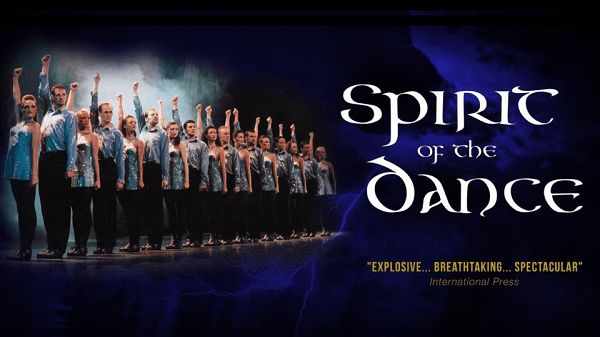
Spirit Of The Dance On Tour In 2023: A Wink To Their Fans

Experience the hard-hitting rhythms and pulsing energy of every thrilling moment in this intense production starting in January

Spirit of the Dance's debut was at Bristol Hippodrome Theatre in the mid-1990s.
Spirit of the Dance’s debut was at Bristol Hippodrome Theatre in the mid-1990s.

At a time when entertainment is at our fingertips, Spirit of the Dance returns to the UK stage with more soul, strength, and passion to celebrate its 26th anniversary as one of the most successful dance acts of the 20th and 21st centuries. This local tour will kick off at the Grand Theater Blackpool (January 18th), tour New Theater Royal (January 24th), and continue at the Princess Theater on Sunday, February 19th. Tickets are available now and range from £13 to £45. So now you can take your phone and write “Spirit of the Dance Tickets” and book your tickets.

This almost two-hour show by British producer David King combines the sensual Latin rhythms of Salsa, Tango, and Flamenco with the explosive footwork of Irish dance and other rhythms such as Street Dance, Hip Hop, Techno, Can Can, and American Tap.

The singers (Three) during the transitions will interpret great international classics by artists such as Adele and Céline Dion, among others, as well as Celtic hits.

The more than 350 dancers throughout the production present uncompromising precision and astonishing technique and skill in this high-octane show that borders between thundering feet performing as one and the audience vociferously demanding more.

This vibrant choreography of musical fusions has been acclaimed by more than 20 million people around the world and has packed theaters in a matter of hours since its inception in 1996.

So join the biggest dance sensation in history that celebrates 26 years as one of the most successful dance acts in the world, and mark your calendars now. See you there!

Do You Want To Know How It Was Done?

The shows on December 27th, 29th, and 30th were canceled in Spain.

I’m going to tell you everything. You see, David King is one of the most applauded English theater producers by the public and specialized critics in Europe, Oceania (Australia), and Asia. He owns the King’s Castle Theater in Missouri (USA), the Broadway Theater at the New York-New York Hotel & Casino on the Las Vegas Strip (USA), and is the Executive Producer of Spirit Productions, becoming in this way in one of the largest employers in the world of entertainment in the last two decades.

His first musical, Spirit of the Dance https://www.spiritofthedance.com/, was created in the spring of 1996 when David was in the worst financial situation of his life, he wanted to start in the music industry entertainment but was not assertive in any business. One day he accompanied his friend to see the musical Riverdance starring the Irish dancer and choreographer Michael Flatley. At the end of the show, he watched the audience go crazy and during that moment he thought: “I can do this.”

When he left the theater he returned to his house and began the development of the play. In just three months he wrote the plot and used pieces of music that he had composed during his youth. “With my last £100, I printed copies of the poster and sent them to cinemas across the country. The phone in my kitchen started ringing and people were like, ‘Get me this show! I had the right idea at the right time.” David expressed to international media.

However, he tried to raise the money to put on the show but was rejected by everyone, “no one had faith in me to invest. I knocked on so many doors my knuckles ached. But despite all the refusals and all the doors that were closed in my face, I kept going despite everything… I sold everything I had, including my car and the family silver. It was time to sink or swim, and I jumped in with both feet. My luck changed for the better when Michael Flatley announced that he was leaving Riverdance to start his own show. Everyone assumed Spirit of the Dance was his new show and opening night sold out in hours.”

By 1998 and up to 2006 there were already 14 different Spirit of the Dance groups performing in 14 countries simultaneously.

This theatrical production updates its program every year to include current dance styles, so fans and curious viewers return to see the musical on several occasions.

You Can Also Read: 6 Clubs To Dance Salsa In London

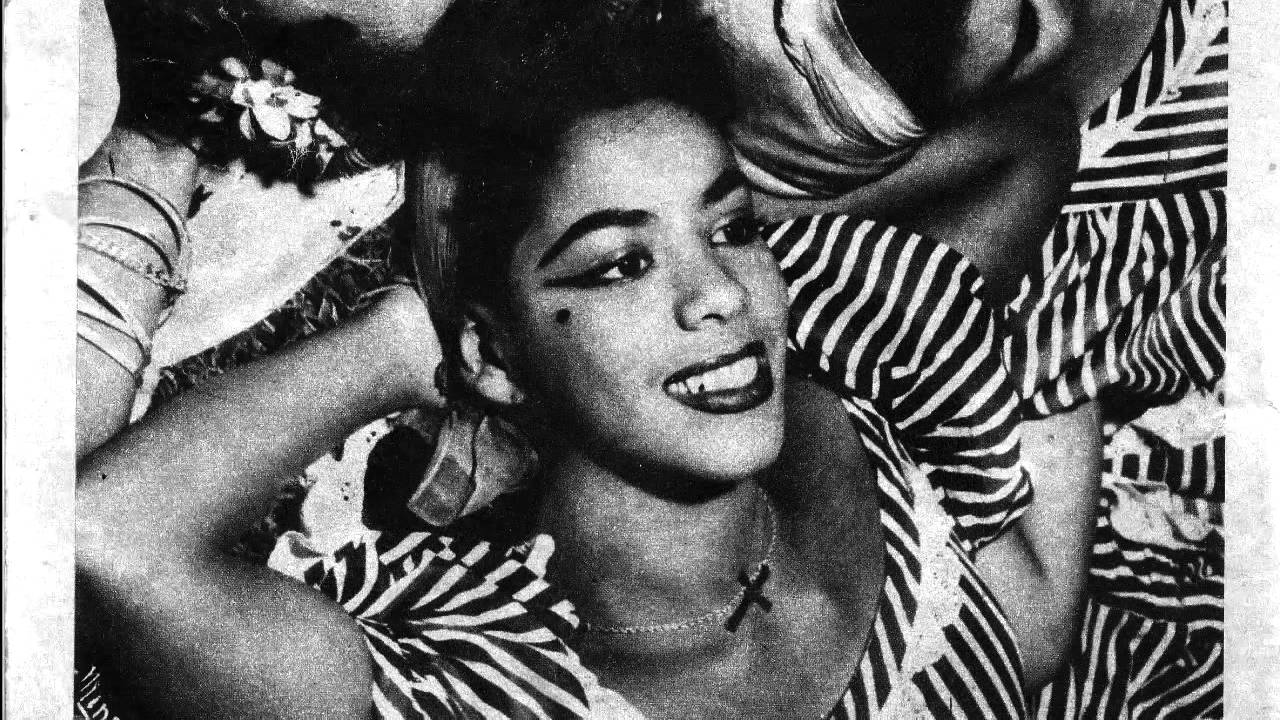
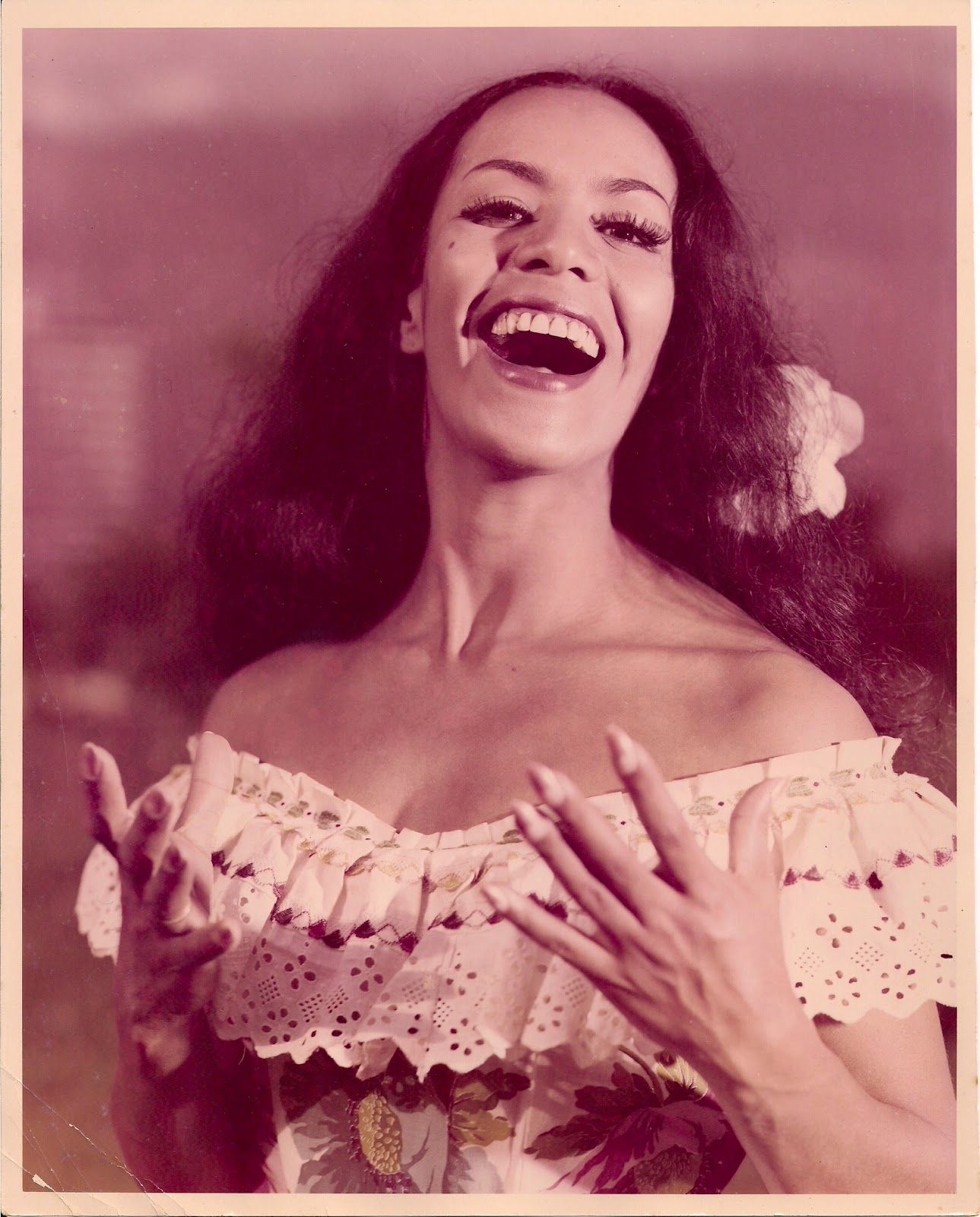
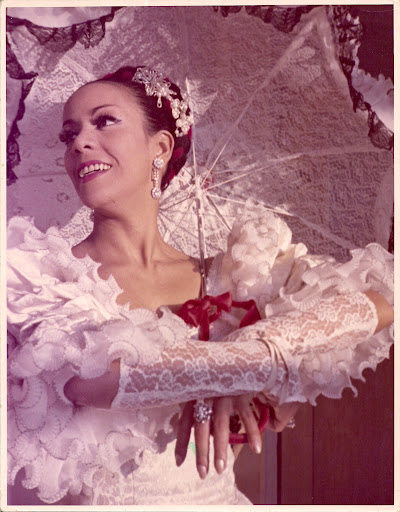
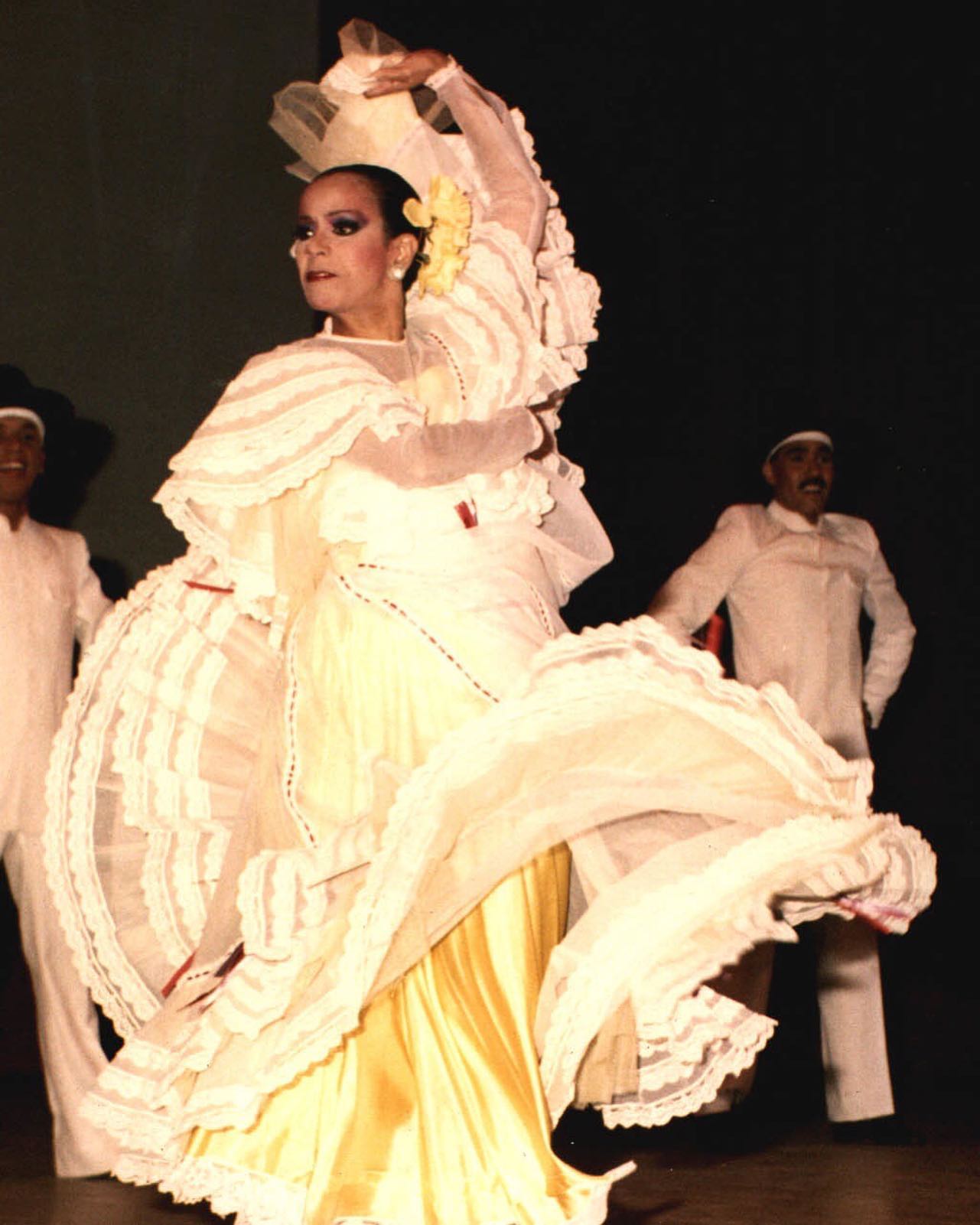
Yolanda Moreno “the People’s Dancer”

Venezuela has been a Caribbean and South American country that has always shown artistic tendencies among its inhabitants. Dance is no exception here, and one of the great representatives of typical Venezuelan dance is Sixta Yolanda Moreno de Rodríguez, better known as Yolanda Moreno the People’s Dancer” In this article we will talk more about her, keep reading.

The beginnings of Yolanda Moreno’s Career

This great Venezuelan dancer was born on August 6, 1936, in El Guarataro neighborhood of San Juan parish, in Caracas. Her parents named her Sixta Yolanda, a fact that few know unless her life is investigated, but she considered that Yolanda was easier to say and pronounce.

She grew up in a low-income family, but that didn’t stop her from pursuing her passion for singing and dancing. At the age of 13, she joined as a chorister in the musical group “Retablo de Maravillas” created by the Ministry of Labor. In this group she demonstrated her talent for music and a wonderful voice, in addition to fulfilling a childhood dream: «As a child I wanted to be a flamenco singer, I listened to the «Gitana de Color». With this group she met her first mentor, the Austrian dancer Margarita Brenner.

During this stage Yolanda met the one who will be the love of her life, her husband Manuel Rodríguez Cárdenas. To whom she also thanks all the support he has given her throughout her career, to the point of assuring that she would not be the dancer and woman she is today without his total trust and company. Although their relationship was a surprise since the marriage took place when she was only 16 years old.

The foundation of “Danzas Venezuela”

Another of her great achievements with her husband Manuel, is the founding of the group “Danzas Venezuela” in 1962. With it Yolanda manages to modernize the dance and folklore of the country, by changing the image of the dancers with very wide skirts and hair collected, that way they look more refined; she also changed the footwear to give more force to the zapateado.

Although at first these changes were not well received, Moreno with her husband achieved public acceptance, and also captivated the international public. Among the places they managed to visit are: China, Japan, Korea, Hawaii, San Francisco, Washington, New York, Canada, the Soviet Union and Latin America, from Mexico to Argentina. One of her special places was Puerto Rico, where she was given her nickname: “La Bailarina del Pueblo” (the People’s Dancer).

She also has great memories of China, especially when she was amazed by the respect for elders and the large number of artistic expressions that exist in this country. «Dance is a permanent job, very pleasant. I work until I am asleep. I got used to hard work, although it hurt, I danced» her words sum up her love for dance and art.

And Yolanda Moreno’s retirement came

Despite the fact that she will always be “The dancer of the Venezuelan people”, Yolanda has accepted that her days on stage are over, this of course does not mean that she won’t continue directing dancers and giving her advice with contributions in choreography. But Yolanda no longer actively follows her career, her big farewell was in 2008 with two performances at the Casa del Artista.

Of course, she has had special appearances like the one she presented in the posthumous tribute to Joaquín Riviera, which was part of the pre-opening of Miss Venezuela 2013. There have been other special events, but none as splendidly as the golden years of his career.

It is more than understandable that Moreno would withdraw from it, at 86 years old she is a woman who since she was a child has given everything to the art and folklore of her country. She also had to bravely face the farewell of her husband Manuel, which occurred in 1991 accompanied by her two sons Manuel Rodrigo and Fernán. It only remains to hope to be able to enjoy a few more years of her great ideas for the preservation, as well as modernization, of the typical dance of Venezuela.

  • « Go to Previous Page
  • Page 1
  • Interim pages omitted …
  • Page 8
  • Page 9
  • Page 10
  • Page 11
  • Page 12
  • Interim pages omitted …
  • Page 165
  • Go to Next Page »

International Salsa Magazine (ISM) is a monthly publication about Salsa activities around the world, that has been publishing since 2007. It is a world network of volunteers coordinated by ISM Magazine. We are working to strengthen all the events by working together.