• Skip to primary navigation
  • Skip to main content

International Salsa Magazine

  • HOME
  • Previous editions
    • 2026
      • ISM / March 2026
      • ISM / February 2026
      • ISM / January 2026
    • 2025
      • ISM / December 2025
      • ISM / November 2025
      • ISM / October 2025
      • ISM / September 2025
      • ISM / August 2025
      • ISM / July 2025
      • ISM / June 2025
      • ISM / May2025
      • ISM / April 2025
      • ISM / March 2025
      • ISM / February 2025
      • ISM / January 2025
    • 2024
      • ISM / December 2024
      • ISM / November 2024
      • ISM / October 2024
      • ISM / September 2024
      • ISM / August 2024
      • ISM / July 2024
      • ISM / June 2024
      • ISM / May 2024
      • ISM / April 2024
      • ISM / March 2024
      • ISM / February 2024
      • ISM / January 2024
    • 2023
      • ISM / December 2023
      • ISM / November 2023
      • ISM / October 2023
      • ISM – September 2023
      • ISM – August 2023
      • ISM July 2023
      • ISM Edition June 2023
      • ISM – May 2023
      • ISM April 2023
      • ISM March 2023
      • ISM February 2023
      • ISM January 2023
    • 2022
      • ISM December 2022
      • ISM November 2022
      • ISM October 2022
      • ISM September 2022
      • ISM August 2022
      • ISM July 2022
      • ISM June 2022
      • ISM May 2022
      • ISM February 2022
      • ISM January 2022
    • 2021
      • ISM December 2021
      • ISM November 2021
      • ISM October – 2021
      • ISM September 2021
      • ISM August 2021
      • ISM July 2021
      • ISM May 2021
      • ISM April 2021
      • ISM June 2021
      • ISM March 2021
      • ISM February 2021
      • ISM January 2021
    • 2020
      • ISM December 2020
      • ISM November 2020
      • ISM October 2020
      • ISM September 2020
      • ISM August 2020
      • ISM July 2020
      • ISM June 2020
      • ISM May 2020
      • ISM April 2020
      • ISM March 2020
      • ISM February 2020
      • ISM January 2020
    • 2019
      • ISM December 2019
      • ISM November 2019
      • ISM October 2019
      • ISM Septembre 2019
      • ISM August 2019
      • ISM July 2019
      • ISM June 2019
  • Spanish
  • Download Salsa App
    • Android
    • Apple

Search Results for: dance

Learn to dance to the rhythm of Son Rumbero

Latin America / Colombia / Bogota

The Son Rumbero academy dresses up with the grand opening of its offices in Bogotá in Colombia and Santiago in Chile.
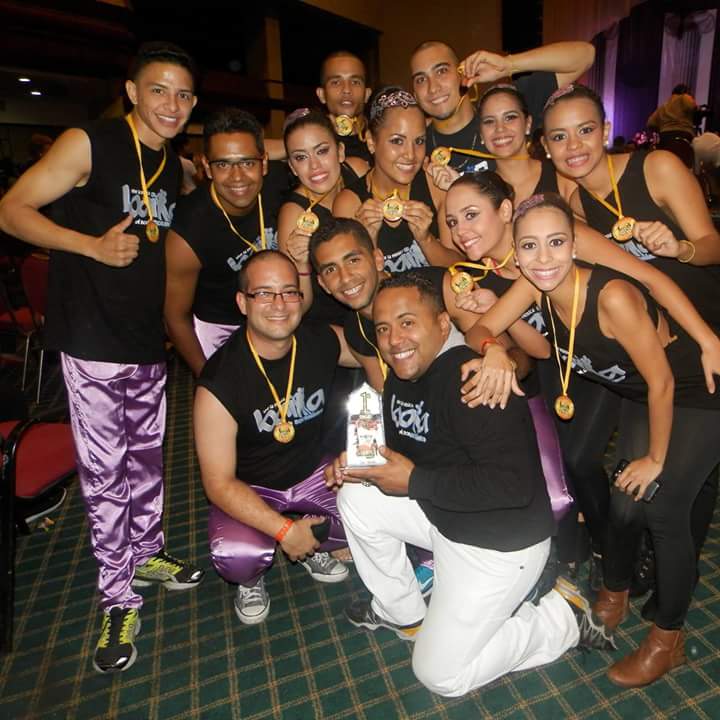
Photo of dancers by Son Rumberos

They offer dance classes based on 3 profiles, for the youngest and adolescents of the “Kids” house, the fitness line and Latin dances, join the dance trend, give your body health and distraction, it’s been 15 years of experience and consolidation, they have been one of the distinguished schools of Salsa in Venezuela, now, they dedicate hard work in giving improvements and innovations to the dance of the capitals of Colombia and Chile.
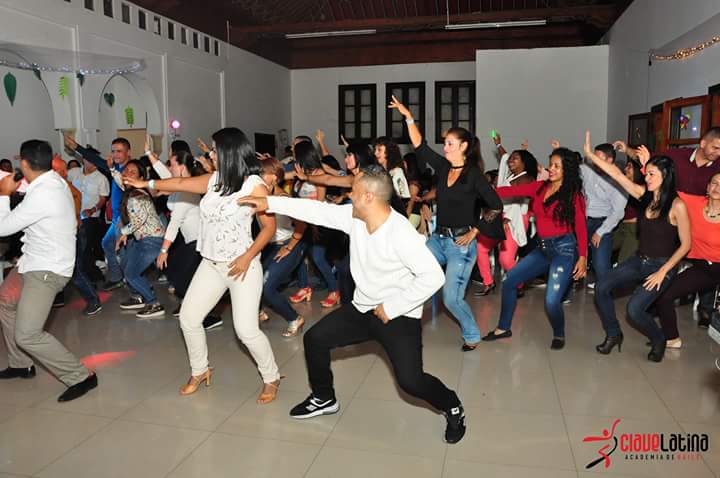
Son Rumbero social
Son Rumbero social

In Bogotá they will begin to offer salsa tourism, if as you hear it, you could have 5 days of tourism in Bogotá under an innovative and very formal proposal. This tourist proposal begins with more than 24 hours of formal classes in the disciplines of Afro-Cuban music, learn rumba, cha cha, son, salsa, mambo and many more, together with the tourist tour of the city, closing every night in local and spaces destined for enjoyment, dance all night without stopping with the dancers taxis assigned for this great experience. To learn more about this great proposal, be sure to visit www.sonrumbero.com in our SALSERO TOURISM section soon to be published.
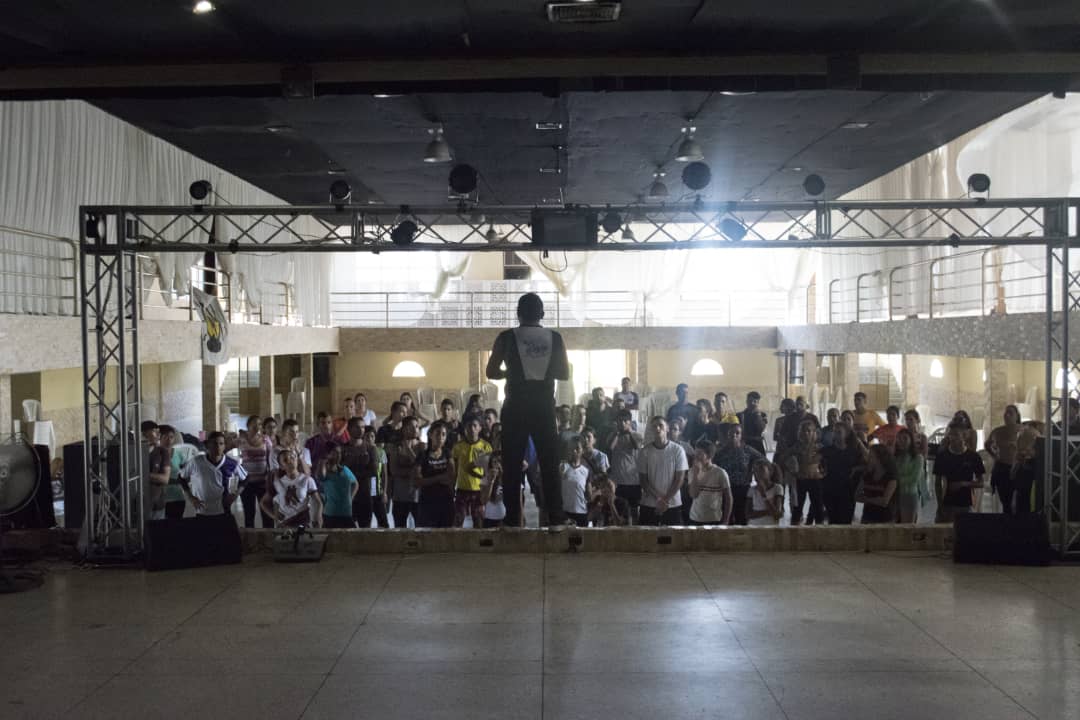
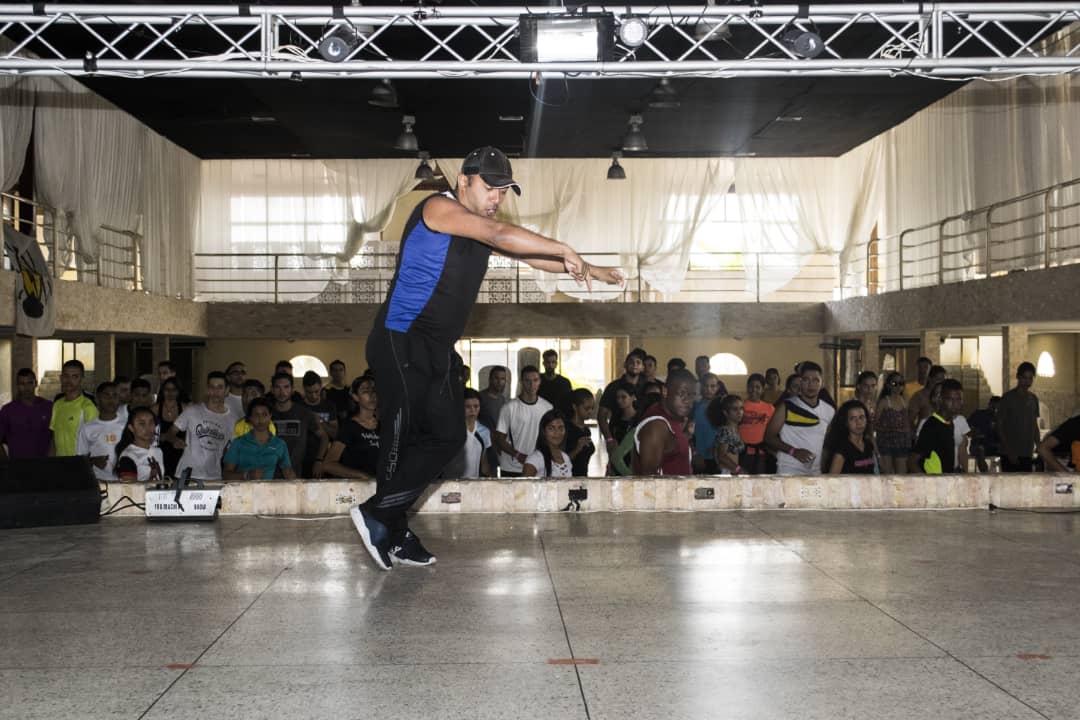
Jose Perez teaching in Son Rumberos
Photo of Jose Perez teaching in Son Rumberos

Everything is in the hands of lovers of good music and dance, do not forget to give yourself the opportunity to do a different tourism, full of experiences that you hardly get in the world, study, dance and get to know the best tourist sites. Follow the social networks of the academy by @sonrumbero on Instagram, Facebook and twitter.
Son Rumbero Logo
Son Rumbero Logo

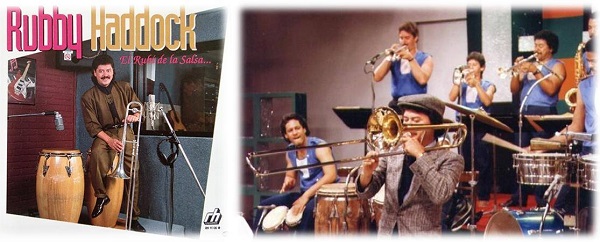
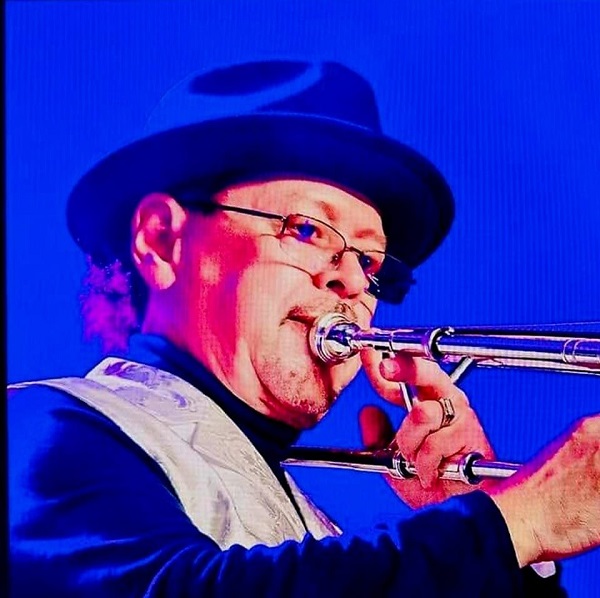
Rubby Haddock is one of the greatest exponents of our most danceable Latin Music in the Island of Enchantment

Our orchestra was born at the end of 1969, year in which we also began to record the 1st production “Presenting” which was released at the end of 1970.

Many talented musicians have passed through our orchestra such as Juancito Torres, Mario Ortiz, Rey Santos, Frank Morell, Hugo Dumont and many more that we will mention later.

Rubby Haddock is one of the greatest exponents of our most danceable Latin Music in the Island of Enchantment

Singers such as Sergio Cariño, Juan Acosta, Raul Carbonell Jr., Tony Rivas, Cucho Caro, Andres Reyes, Pedro Arroyo, Ricky Ramos, Tito Gomez, Yolanda Rivera, Eddie Rosario and Johnny Maldonado.

Rubby Haddock is one of the greatest exponents of good Latin music. His orchestra is known as one of the most danceable “Big Bands” on the Island.

He is called “El Maestro” by his followers and fellow artists. Because of his long artistic career, exposed to the world of show business, Rubby has become one of the best connoisseurs in the history of Latin music.

Born in Manhattan, New York on February 6th to Puerto Rican parents. His mother lived in Miami most of her life and in the late 60’s his father, Ruben Haddock who was a musician in New York, founded the most famous Dance Club in Puerto Rico, MIRAMAR CENTER when he owned El Club Coameño in Rio Piedras and El Club Caborrojeño in Bayamon.

A glorious time where his Producer Father brought to the Island of Puerto Rico the biggest stars of Latin music such as: TITO RODRIGUEZ, TITO PUENTE, LA LUPE, EDDIE PALMIERI, RICKY RAY, JOEY PASTRANA, JOE CUBA, WILLY COLON, HECTOR LAVOE, LARRY HARLOW, ISMAEL MIRANDA, CHIVIRICO DAVILA, TNT BAND among others, besides being manager and producer of ROBERTO Y SU NUEVO MONTUNO.

Rubby Haddock grew up with his father as a teenager in Puerto Rico within the entire business operation of Don Ruben, knowing these top stars of our music and hence the vein of musician and producer during his artistic career and experience in show business.

Celebrating the Rubi of Salsa Rubby Haddock. One of the greatest exponents of good Latin music

Rubby Haddock studied piano but showed that his passion was playing trombone.

For the years 1972 under the label UNIART, Rubby Haddock launches his first record production, “PRESENTING ORCH HADDOCK” becoming a powerful hit on the Island with the musical cut MONACILLO Y CORREA COTTO as some of the hits of this production.

In this first stage of Rubby’s musical career are among the different recordings: “PRESENTING”, “ASI ME LLAMAN”, “LA LEYENDA”, “DE REGRESO”, “UNLIMITED”, “2ND CONCIERTO FAMILIA TH”, “THE ENTERTAINER”, “THE ENTERTINER 2”, “OTRA VEZ”, “SALSA TROPICAL”, “EL RUBI DE LA SALSA”, “PASAPORTE MUSICAL”, “EL RUBI DE LA SALSA” and “PASAPORTE MUSICAL”.

In the second stage of his career, in 1978, when Rubby was the most popular in Puerto Rico with the song “Son Los Nervios”, one of the songs that propelled merengue on the island, Rubby surprised everyone by joining the U.S. Armed Forces in San Antonio Texas and Washington State, where in addition to completing medical courses, he also completed his Bachelor of Music Education at the Universities of Puget Sound and Pacific Lutheran.

In the 9th Infantry Div. Rubby became a member of the 9th Infantry Division Band where in addition to the Division Military Orchestra, Rubby most enjoyed the experience of being a member of the JAZZ ENSEMBLE BAND and the Big Band Jazz.

It didn’t take long for some of these great musicians to come and join Rubby’s Orchestra… At the request of a great Puerto Rican friend, and high ranking Army officer Eddie Velez, Rubby agreed to form his Orchestra back in Tacoma Washington State.

Remembering beautiful moments lived outside of his homeland until 1980, when he returned to Puerto Rico for a recording contract with the firm TH RECORDS, In this “come-back” in his return to Puerto Rico for the 80’s Rubby produces one of his most successful works: “De Regreso” with songs like: A Mi Jibarita, El Amor, Maria Teresa, Sra. Temptation with singers Raul Carbonell and Tony Rivas.

At the end of the 80’s Rubby Haddock ventured into Puerto Rican television, Wapa TV and Telemundo Channel 2, as producer of shows such as “Un puertorriqueño para la Historia (José Feliciano)”, New Year’s Eve Specials, etc.

Rubby Haddock y Sus Amigos, where the most prestigious artists such as: José José, José Feliciano, Mongo Santamaría, Barry Rogers, Eddie Palmieri, Julio Angel, and many more paraded in this section produced within the Midday Show. …. This show remained on the air for five and a half years.

Rubby Haddock
Rubby Haddock

By 1992 Rubby Haddock y su Orquesta represented Puerto Rico in the Puerto Rican Pavilion at Expo 1992 in Seville, Spain.

In the mid 90’s, although Rubby still continued as the Director of his Orchestra, he also ventured as an Entrepreneur with his own commercial Advertising Agency, where in addition to directing the entire operation of the agency Haddock & Haddock Adv, he was also the Creative, being in charge of all the production of Radio, Press and Television commercials for all the clients of the Agency.

By that time Rubby had already founded his own Recording Studio (Pentagrama Round), where he produced his three most recent productions of this decade in addition to sharing recordings for artist friends such as: Omar Alfano with Son By 4, it was from this studio that hits such as “A puro Dolor” were released.

His recording engineer was the outstanding engineer Sonny Hernandez. With him he shared works with artists such as: Danny Rivera, Andrés Jiménez, Ismael Miranda, Elvis Crespo, Melina León, Edwin Colon Sayas, Trió Borinquén, and others.

In 2000 Rubby moved to the United States where he currently lives. His fans constantly ask him to re-form his Orchestra because they miss his music and they also ask him for a compilation of his hits and a “Historia DVD” exposing the History of his Salsa, which seems to be Rubby Haddock’s next endeavor as an Artist.

Rubby has 3 sons, the first 2 Reuben Haddock and Rubby Haddock Jr, dedicated their careers to the business world and his youngest son Randy Haddock, who currently lives in New York, is a musician, singer and composer, already demonstrating great talent and the vein that comes from Don Ruben (grandfather) and Rubby (his father).

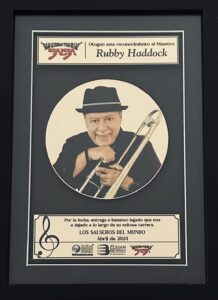
A very special thanks to Edgar Berrio and all the staff of Las Leyendas Vivas De La Salsa #8 for this great recognition, on behalf of Rubby Haddock and his family

Sources:

https://www.rubbyhaddock.com/news

pequi34 via Musica.com

Also Read: Jerry Ferrao says in salsa key: “My life is a drum”.

A party of dancers at the concert to celebrate Willie Rosario’s 100th birthday

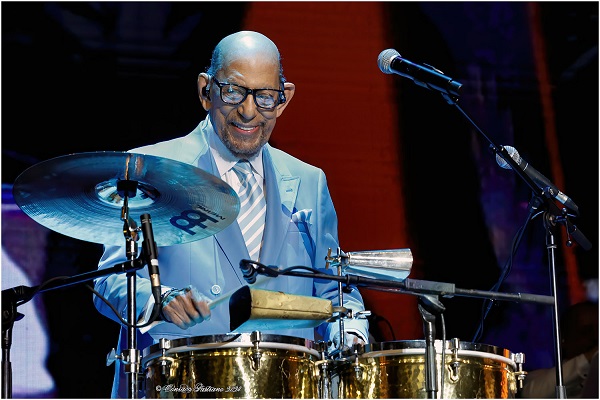
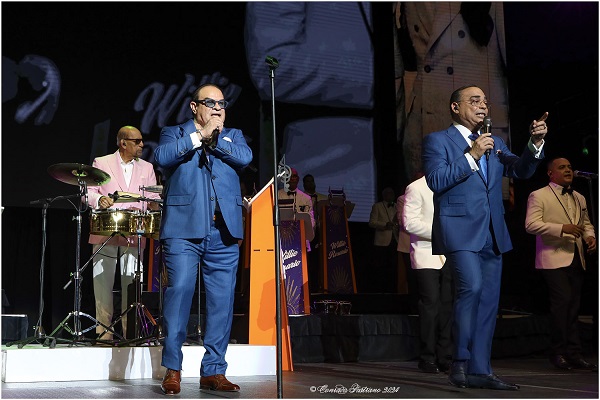
The now Doctor of Music Willie Rosario managed to fill a Puerto Rico Coliseum, with a capacity of 18,000 people, for the celebration of his 100th birthday. The production of the concert ensured that the musical proposal kept the audience dancing and singing along.  It was no surprise that the “Choliseo” turned into a gigantic dance floor.

Fiesta de bailadores el concierto para celebrar los 100 años de Willie Rosario

Vocalist “Chamaco” Rivera was in charge of the performance of Willie Rosario’s orchestra’s first hit.  Chamaco”‘s announcements alluded to the parallel of the Barrio Obrero, between our “santurcino” neighborhood of Borinquen and its namesake, located in Cali, Colombia.

Then came the current front of “the band that delights” to perform a selection of the group’s countless hits.  The first turn went to José Luis De Jesús “Papa Chú” with the impeccable interpretation of ‘Ojalá que te vaya bonito’. At one point, when the song called for a duet performance, José “Machete” Díaz was the accompanist.

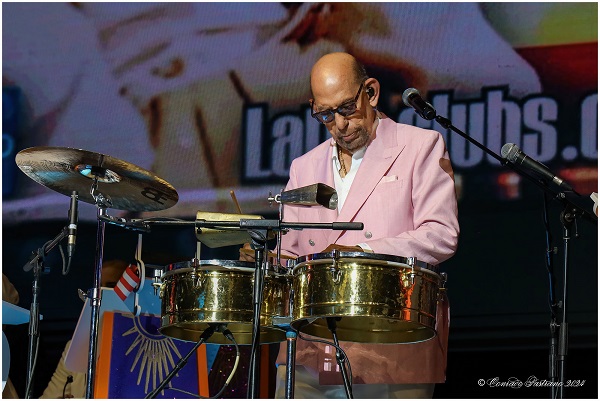
Smiling and with his voice cracking with emotion, Rosario greeted the audience, shortly before saying: “Thank you very much for coming this far” and giving entrance to “Manolito” Rodriguez, handing him the timbal. “Manolito” took the helm of Willie Rosario’s orchestra during several songs to which the young timbalero and musical director imparted his own tempo.

‘Anuncio Clasificado’ and ‘Cha-cha-ri-chá’ were heard in the voice of “Machete”, ‘Échame la culpa a mí’ and ‘El callejero’ in Erick Robles’ interpretation, and ‘Preparen candela’ with “Papa Chú” leading on vocals.  Juventud del presente’ was heard in the voice of Rodriguez himself, who showed off his skills as a timbalero, director and singer, while dancing in choreography with the members of the vocal front.

During the segment in which “Manolito” led, the child Gerardo Gabriel Rivas entered into an explosive duel of timbales, corresponding with who, at the time, was acting as director. Humberto Ramírez interpreted the song ‘Míster Afinque’, which he composed and arranged in 2023 in honor of Rosario and which is part of the production Better Days.

The 100 years of Willie Rosario

At about ten o’clock at night, the birthday boy took over the orchestra to “continue in afinque”. With the “afinque”, came the main course of the concert, for which “El Rey del ritmo” arrived on stage this time accompanied by the duo composed by Gilberto Santa Rosa and Tony Vega.

Gilberto looked impeccable both in his vocal role and in his staging as he performed ‘Babarabatiri’, ‘Obra sellada’, ‘La mitad’, ‘Me tendrán que aceptar’, ‘Botaron la pelota’ and ‘Changó ta’ bení’. During the delivery of this last song, Santa Rosa was accompanied by a corps of veteran dancers, among them the always remembered “Mike” Ramos, known within the Palladium Mambo Legends and within the Mambo Aces as “Mambo Mike”.

Tony Vega was in charge of the interpretation of ‘Mi amigo el payaso’, ‘Busca el ritmo’, ‘A toda Cuba le gusta’, ‘Arrepentíos pecadores’, ‘El flamboyán’ and ‘El timbal de Carlitos’. Gilberto and Tony were able to transport the audience back to the days when they shared the hits of maestro Rosario’s orchestra, singing ‘Gracias mundo’ and ‘Lluvia’ as a duet. The team that shaped the centennial celebration of the successful bandleader paid attention to every detail of the presentation to make it a historic, unforgettable and unrepeatable one.

Willie Rosario, Tony Vega y Gilberto Santarosa

The detail that “El Caballero de la salsa” imparts to each of his concerts, highlighting each of the artists in the audience also took place in this event. The list of colleagues invited to the concert included Choco Orta, Luisito Carrión, Domingo Quiñones, Moncho Rivera, Ismael Miranda, Bobby Valentín, Jerry Rivas and Chucho Avellanet.

Although it is known that it is impossible to include all the hits of such a great career in three hours of concert, the selection of the repertoire was accurate and forceful. At almost 100 years old, bandleader Willie Rosario proved once again that, with his usual affinque, he continues to lead the salsa dancer’s favorite orchestra.

Bella Martinez Puerto Rico

Also Read: Déjalo, the latest track by Pedro Conga y su Orquesta Internacional

Nahití Ortega. Dance is her Passion and Life

Latin America / Venezuela / Caracas

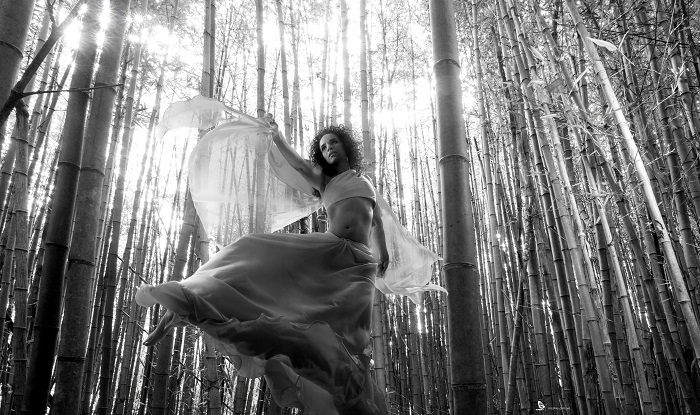
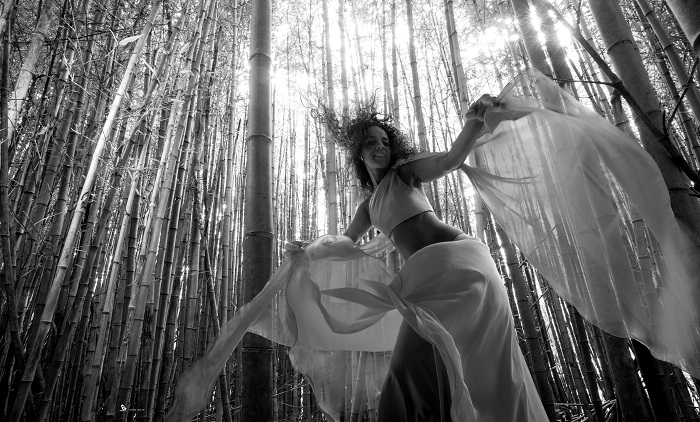
Nahiti Ortega, is a Venezuelan with exceptional talent, more than 25 years as a performer of traditional Venezuelan dances, this time International Salsa Magazine has the privilege of conversing with this artist of international stature.

She began her Dance studies in the Popular Culture workshops of the Bigott Foundation, taking classes in different regions of the country.

Nahiti Ortega
Nahiti Ortega

It also conducts courses in other international dances such as: African, Colombian, Cuban, Argentine, Dominican, Bolivian, Brazilian, Chilean, among others.

She expands her knowledge by taking other workshops on dance accessories, body expression, rhythm, dance analysis, theory of popular culture, anti-stress elements of music and singing, vocal technique, artistic makeup, stage costume design, organization of special events, corporate image, online tradition, training of teletrainers, pedagogical resources of a virtual classroom: moodle among others.

Augusto: What does dance mean to you personally?

Nahití: Dance is life…

Life begins with a dance, since we are conceived, we dance when a child is inside his mother’s womb, when the earth turns on its own axis, when the waves of the sea reach the shore, when the wind blows and moves the leaves of the trees… in all those movements a beautiful dance is produced, as well as life itself.

“The Dance is so important that the celestial heroes created the world with the power of the dance, and the whole earth is the magical work of the first dancers. The very existence of human beings is the result of the dance. Therefore, dancing is ensuring the continuation of existence” (Morela Maneiro)

For me, dance is a way of life that connects me with the depths of my being and allows me to undress and show myself as I am. My movements are the physical expression of everything intangible that happens to me. By moving I highlight the relationship I have with myself and with my surroundings.

Augusto : Is there or was there any guide that inspired you to this art?

Nahití : My father has always been my inspiration and my guide; Since I was little I always wanted to dance, one day he asked me, do you really want to dance? and I said yes, it was then he who took me by the hand to study dance and introduce me to this wonderful world.

Throughout my career I have had incredible teachers, which I must mention Professor Freddy Medina who, due to his discipline, demand and dedication, I learned to differentiate and perform a large part of our traditional dances and Omar Orozco who taught me that dance, beyond if interpreted, it serves us for life itself.

Augusto: Name me the best anecdote in your career, nationally and internationally

Nahiti: Hahaha… Woow! Throughout my career I have had many anecdotes, I can tell you a few:

One of the ones I remember right now was in a presentation with Master Cheo Hurtado where I had to show the difference in the execution of the Venezuelan Joropos, when I got to the dressing room and took out the costumes I realized that I had two shoes on the same foot, namely; I had two right shoes, you can imagine my frightened face, after this I had a fit of laughter and my friend Rossmary Rondón, also a dancer, seeing the situation and my reaction, asked me if I was crazy, why was I laughing?…

? and I replied “because I still have to solve it and I don’t do anything to bother myself”. Finally I danced with my two identical shoes and nobody noticed that detail, only she and I knew. And everything went well.

Another was on a long tour of Asia, we were in Korea and we did 3 shows a day, I remember that on the third of the day we did the monkey dance, in this piece we invited the public to join in, in the performance we threw ourselves on the ground and then we couldn’t stop quickly due to fatigue and it made us laugh a lot, the public had to act by imitation and since they didn’t know what was happening, they ended up getting our laughter.

Augusto : Was your father an influence on your work?

Nahití : Undoubtedly yes, I greatly admire my father, he is a great artist one of the best in his style, he has always been a reference in the musical field, I have learned that with discipline, perseverance, dedication and love for what you do you can achieve the proposed goals, my father currently has more than 50 years of uninterrupted artistic career, which shows that his formula works.

Augusto : Tell us a little about your career as a teacher

Nahití : In my classes I usually teach the origin of the dance to be worked on, the main body movements, basic steps and choreographic sequences, depending on the level, as well as breathing and physical preparation for each dance. I also introduce the student to the personal search so that he can achieve his own style and projection.

Augusto : We express, how was your work as Artistic Director of Vasallos de Venezuela?

Nahití : I like to stimulate the members mentally, we create a world together with some characteristics and rules. For me, each body has a story to tell, each one has particular movements acquired through their experiences that they can contribute, so I try to find ways in which the members can identify with the motivation, get involved and feel willing to propose. What I seek is to find during the process, movements that adapt to what I propose.

I also like to work a lot on muscle memory through repetition, to make the movements non-robotic. We work deeply, the gestures and the staging is important for each one to take out and project their personal style.

Nahiti Ortega
Nahiti Ortega

Augusto: Do ​​you have future projects?

Nahití: Many projects, tours, concert that I won’t tell you details for cabal hahaha…

Augusto : Explain your experience as manager of Coco y su Sabor Matancero

Nahití : It is really wonderful, seeing how successful my father’s career has been and now his Manager, it is a great commitment, all the years of experience in the artistic world made me worthy of this responsibility. In this short time we managed to record his new record production entitled “Con Todo” in which we managed to bring together great artists such as: Mariana “La Sonera”, Wilmer Lozano, Rodrigo Mendoza and El moreno Michael, and we have already visited several countries for its promotion. , United States, Chile, Peru and Panama, we have just performed a concert in one of the best venues in Venezuela, just as we performed its baptism.

Nahití Ortega, has a long history at the National and International level, has an extraordinary personality that transmits joy, good vibes, harmony, feeling for what she does that comes straight from the heart, taking into account her particularity and professionalism of the teachings of her dad.

He began his activities in the field of Popular Culture by participating in the Agrupación la Patria y su Gente led by Professor Freddy Medina for three years; In 1994, she participated as a special guest of the Agrupación Autochthono de la Vega in the “Barcelos Festival”, belonging to the CIOF – UNESCO circuit, in the countries of Portugal and Spain.

In 1995 he joined the group with Venezuela directed by Professor Oswaldo Lares in which he worked for four years, participating in the “Caribbean Festival 95” in the cities of Cancun, Cuzumel, Playa El Carmen, State of Quintana Roo – Mexico, in 1996, he carried out the Afro-Venezuelan percussion workshop in the Popular Culture workshops of the Bigott Foundation, dictated by Professor Jesús Paiva, with a duration of three years.

She participated as a dancer in the Oscar D´ León video clip “Mírala Como se Menea”, as well as in the Venezuelan film “Juegos Bajo la Luna”, directed by Mauricio Walerstein.

In 1995 he joined the group with Venezuela directed by Professor Oswaldo Lares in which he worked for four years, participating in the “Caribbean Festival 95” in the cities of Cancun, Cuzumel, Playa El Carmen, State of Quintana Roo – Mexico, in 1996, he carried out the Afro-Venezuelan percussion workshop in the Popular Culture workshops of the Bigott Foundation, dictated by Professor Jesús Paiva, with a duration of three years.

She participated as a dancer in the Oscar D´ León video clip “Mírala Como se Menea”, as well as in the Venezuelan film “Juegos Bajo la Luna”, directed by Mauricio Walerstein.

In the teaching area, he has taught traditional dance workshops at a national and international level.

As well as accessories for dance, body language, dance therapy, clothing, basic stage makeup, artistic makeup, staging, among others.

Among the institutions in which he has given workshops we can mention some such as: Popular Culture Workshops of the Bigott Foundation – Venezuela University of the Arts in Lima – Peru.

Simon Rodriguez University. Nucleus Barquisimeto -Venezuela

She has done work as a dancer, choreographer, image consultant and producer for various groups.

In 1993, he joined the group “Vasallos del Sol” of the Bigott Foundation under the direction of Professor Omar Orozco.

In 2000 she joined Danzas Itanera, as a dancer, costume designer and image consultant for the group.

He has shared the stage with artists such as: Serenata Guayanesa, Un Solo Pueblo, Francisco Pacheco y su pueblo, Simón Díaz, Cruz Tenepe, Vidal Colmenares, Cristóbal Jiménez, Gurrufio, El cuarteto, Caracas Youth Symphony Orchestra, Chamber Orchestra of the Armed Forces , Coco y Su Sabor Matancero, Oscar de León, Guaco, Invisible Friends, Aquiles Báez among others.

He has toured the entire national territory, appearing on countless stages with participation in international festivals. In 2009, she participated as a dancer and workshop facilitator at the X Meeting for the promotion and dissemination of the intangible heritage of Ibero-American countries “Fiestas and Rituals” in Lima, Peru. Currently Manager of Coco y Su Sabor Matancero and dance and artistic director of the Vasallos de Venezuela group.

Nahiti Ortega
Nahiti Ortega

Photos courtesy of Nahití Ortega

Health Benefits of Dance

Europe / Romania / Galati

Health Benefits of Dance

Studies show that dance can help to lose weight, stay flexible, reduce stress, make friends, and much more. Discover the advantages of health and DANCE!

Many love to dance and follow the rhythm of the music on the radio. Others enjoy watching others dance.

The truth is, that dancing really has many benefits for health and well-being. Adopting a lifestyle where there are music and dancing is definitely healthy. But why?

Learn about the health benefits of dancing

Let us show you!


1.-  Reduce stress

If you’re feeling stressed out or anxious, you perfectly might want to invite a partner, turn up the music, and Salsa! Researchers have found that partner dance and musical accompaniment can help bring about stress relief.


2.- Boost memory

According to studies, dancing may boost your memory and prevent you from developing dementia as you get older. Science reveals that aerobic exercise can reverse volume loss in the hippocampus, the part of the brain that controls memory. The hippocampus naturally shrinks during late adulthood, which often leads to impaired memory and sometimes dementia.


3.- Improve flexibility

Those plies and arabesques that ballet dancers practice aren’t just for aesthetics — they also increase flexibility and reduce stiffness. You can skip the ballet slippers and still reap the benefits of ballet by practicing some simple stretches at home. Increasing your flexibility will help ease joint pain and post-exercise soreness.


4.- Help your heart

Dance is a great activity for those at risk for cardiovascular disease. People with heart failure who took up waltzing improved their heart health, breathing, and quality of life significantly compared to those who biked or walked on a treadmill for exercise, noted an Italian study.


5.- Diminish depression

Dancing really does lift your spirits, according to a study that tested the effects of dancing on people with depression. Patients who participated in an upbeat group dance showed the fewest depression symptoms and the most vitality. Got the blues? Grab a friend and go out dancing tonight.


6.- Balance better

If you are nervous about falling as you get older, some dance lessons might help ease your worries. Dancing requires a lot of fast movement and good posture, so frequent dancing will help you stabilize and gain better control of your body.

With info a Salud Cotidiana.

  • « Go to Previous Page
  • Page 1
  • Interim pages omitted …
  • Page 6
  • Page 7
  • Page 8
  • Page 9
  • Page 10
  • Interim pages omitted …
  • Page 165
  • Go to Next Page »

International Salsa Magazine (ISM) is a monthly publication about Salsa activities around the world, that has been publishing since 2007. It is a world network of volunteers coordinated by ISM Magazine. We are working to strengthen all the events by working together.