• Skip to primary navigation
  • Skip to main content

International Salsa Magazine

  • HOME
  • Previous editions
    • 2026
      • ISM / March 2026
      • ISM / February 2026
      • ISM / January 2026
    • 2025
      • ISM / December 2025
      • ISM / November 2025
      • ISM / October 2025
      • ISM / September 2025
      • ISM / August 2025
      • ISM / July 2025
      • ISM / June 2025
      • ISM / May2025
      • ISM / April 2025
      • ISM / March 2025
      • ISM / February 2025
      • ISM / January 2025
    • 2024
      • ISM / December 2024
      • ISM / November 2024
      • ISM / October 2024
      • ISM / September 2024
      • ISM / August 2024
      • ISM / July 2024
      • ISM / June 2024
      • ISM / May 2024
      • ISM / April 2024
      • ISM / March 2024
      • ISM / February 2024
      • ISM / January 2024
    • 2023
      • ISM / December 2023
      • ISM / November 2023
      • ISM / October 2023
      • ISM – September 2023
      • ISM – August 2023
      • ISM July 2023
      • ISM Edition June 2023
      • ISM – May 2023
      • ISM April 2023
      • ISM March 2023
      • ISM February 2023
      • ISM January 2023
    • 2022
      • ISM December 2022
      • ISM November 2022
      • ISM October 2022
      • ISM September 2022
      • ISM August 2022
      • ISM July 2022
      • ISM June 2022
      • ISM May 2022
      • ISM February 2022
      • ISM January 2022
    • 2021
      • ISM December 2021
      • ISM November 2021
      • ISM October – 2021
      • ISM September 2021
      • ISM August 2021
      • ISM July 2021
      • ISM May 2021
      • ISM April 2021
      • ISM June 2021
      • ISM March 2021
      • ISM February 2021
      • ISM January 2021
    • 2020
      • ISM December 2020
      • ISM November 2020
      • ISM October 2020
      • ISM September 2020
      • ISM August 2020
      • ISM July 2020
      • ISM June 2020
      • ISM May 2020
      • ISM April 2020
      • ISM March 2020
      • ISM February 2020
      • ISM January 2020
    • 2019
      • ISM December 2019
      • ISM November 2019
      • ISM October 2019
      • ISM Septembre 2019
      • ISM August 2019
      • ISM July 2019
      • ISM June 2019
  • Spanish
  • Download Salsa App
    • Android
    • Apple

Search Results for: dancers

Damian Ballester and the transformations of Cuban Folk Dance

Latin America / Cuba
Photo 3- Damian Ballester on stage

The relationship of Africa within the musical and dance culture in Latin America is notorious when we see the cultural expressions of the peoples of this continent, it is easy to see how similar they are, the use of percussion is one of the most relevant topics, in itself a mixture of cultural customs, religion, musicality, dance, in itself all the elements of the black race.

America, one of the main destinations of the ships with black slaves from many areas of Africa, caused our culture to be armed with a bit of each custom, therefore, we can say that in America there is a bit of each African people, this relationship of variety of slaves focused on dividing the forces of the race so as not to make it powerful, divided languages, customs, words and religions only left the marginalized population to communicate through percussion, an element that made the system improve at times of understanding within the fences where they lived.

Due to the above, African religions and customs are born in Cuba but, adopted by those already existing on the island, this combination gives us a rich variant of movements from three continents, Europe through Spain and Africa in all its splendor.

To clarify some topics of the folklore of the Caribbean island and its current dance transformations, we had to contact a great teacher, Damian Ballester, director of Iya Aye, one of the best folklore groups on the island of Cuba, to speak with this professional of the dance is necessary if we want to obtain real information about Cuban traditions, a great teacher who has left his teachings in many Spanish-speaking countries, among which Venezuela, Colombia, Ecuador, Mexico and now in the United States stand out…

we begin by greeting him and opening a pleasant conversation, to which we got an original response “Greetings acere, what was it”, calling him opens up a range of questions on the subject in question, here is an extract of the most common doubts generated around the relationship with salsa, its festivals and diffusion in the world.

Greetings Prof. Damian, grateful for your receptivity, we want to give information to our readers about the relationship of Cuban folklore within our world, Salsa, to begin with, what is defined as Cuban Folkloric dances?

Grateful for the opportunity and sure, that if we report on the case, folk dances are nothing more than the set of cultural goods or phenomena that constitute a cultural complex with manifestations of all aspects of popular life. It is the sum of the manifestations acquired by experience, by inheritance, by tradition, by the satisfaction of biological or sociological needs, among other things. This lasts through several generations and almost always undergoes transformations.

They will get compound terms in the word folklore, which speaks of people or people, popular knowledge, together with the popular knowledge of the people. It is a very long topic, because I should talk about so many things about my culture, better let’s leave the definition until here and thus add flavor to the interview.

Much better, we continue then, do African dances have any impact on Cuban folk dances?

Yes, of course, it is the root, the exercise of dance has always characterized my land and has suffered the same processes of contagion and transculturation between the ways of dancing of the colonizer and the styles introduced by African ethnic groups since the 16th century, in fact, the colonizers brought romance, active in the Cuban countryside for several centuries, with its couplets and their ways of singing and founding alegrías, while the black slaves included their ancestral rites, their drums, and their particular sense of rhythm and movement. bodily.

Given this brief explanation, we can say that not only dances of African origin contributed or influenced Cuban folklore, we can say that there is also an incidence from Spain, France and the Caribbean, but its main axis was born from the Spanish and the African.

We know the extent of Cuban folklore, for how long should a person prepare to be called a professor in this branch?

First of all, to carry the name, whether it is a teacher or instructor of Cuban folklore genres, there are two factors that are very important, the first is study, since Cuban folklore is made up of a very wide range of genres divided into different styles, I could mention some examples: Peasant, popular, Afro-Cuban and Franco-Haitian folklore.

Within the styles of peasant folklore, examples could be given of the Cuban zapateo, the ripiado parakeet, the chidonga, the hawk, the caringa, the son montuno, among others.

Within the styles of popular folklore, the Complex of the rumba, the mambo, the chachachá, the danzón, the dance, the pilón, the congas and the comparsas, the casino can be mentioned, within the Afro-Cuban folklore the Bantú cycle can be mentioned, the Yorubas, the Arara, the Abakua, within Franco-Haitian folklore we can mention the French tomb, the Haitian merengue, the gaga, the vodu among others, if I continue we will not finish today. (laughs to close)

Of the folkloric dances, which are the most outstanding or spread worldwide?

It could be said that there are several, examples are the popular folkloric ones, one could say the casino, the mambo, the chachachá, the son, the rumba complex, that the latter people tend to say are African or Afro-Cuban dances, that have African influence does not mean that they are classified within Afro-Cuban dances because this genre emerged in Cuba, was used as an object of protest against the government of that time and was eradicated in the essence of Cuban. In the same way, the one that has had the most impact and remained in the whole world are the Yoruba dances or dances of the orishas.

Should we open another interview to just talk about the many genres that the island embraces, what institutions correctly form the folkloric traditions in Cuba?

There are many institutions in Cuba, from the community point of view what is named in Cuba as amateur dancer are the community projects and actions that are nothing more than groups created in the communities, all of these supervised technically and methodologically by specialists from the houses of culture of each area by provincial and national methodologists governed by the Ministry of Culture.

From a professional point of view, there are art schools such as the ENA (NATIONAL SCHOOL OF ART) and the ISA (SUPERIOR INSTITUTE OF ART) all governed by a logical curriculum organized by specialists and connoisseurs of the genres.

Photo 2- Damian Ballester on stage

Other institutions that could be mentioned, is the little school of the national folkloric group of Cuba with 56 years of creation in charge of rescuing and safeguarding the traditional Cuban musical and dance traditions.

Wao, Enough, Do you know if there is any similar institution in the world?

In the world there are countless schools that are training dancers with the Cuban style and technique, whether they are Cuban or foreign teachers, but nothing like the preparation of art schools in Cuba that work with a logical and well-prepared program, in some schools around the world it could be said that they do not work under a logical methodological program for the teaching of these genres due to the commercial and monetary part, unfortunately there are many dedicated to commerce, to money and not to the necessary dedication.

This dissemination has been achieved while respecting the roots and traditions of the farmers? The root? The original essence?

Unfortunately, it could be said that a good diffusion of Cuban genres worldwide has not been respected or achieved, of 100% of the performers, it could be said that only 10% are protecting Cuban traditions, it is sad to say, but trade and populism it is destroying the folklore of an entire country.

Have these changes in traditions positively or negatively impacted Cuban culture?

First of all, traditions do not change if they are not passed down from generation to generation. In terms of their impact, I see it negatively because the dissemination that is taking place is incorrect and worst of all, there is no organization, which was of Cuba, can follow up on the program that is being given to Cuban genres, in itself, many see the commercial and hence they do not care about the poor distribution of what is taught.

What is the reason that so many dancers seek to perform Cuban dances? It is notorious to see it at festivals and congresses.

There are two very important factors: 1 Cuban music, which has been evolving in an incredible way, fusing Cuban rhythms within its repertoire, and the other factor is not because I am from Cuba, Cuban folklore could be said to be the most complete genre available. world level from the point of view of dance, is that it has a history, virtuosity is varied, it could be said that it is well complemented, due to its complexity and interpretive difficulty, it is what attracts attention, additionally, salsa comes from us, from these roots is born what now wants to be denied.

Teacher and the Cubans? Have Cubans spread their dance correctly?

It could be said that the vast majority of Cubans have disseminated the genres well, why do I say that the vast majority?

Because there is another small group that deforms it, money changes everything, foreigners think that all Cubans They dance, it has happened that they say Cuban and quickly you think he is a dancer, he knows everything, he is good, and no, that is not reality, one thing must be clear about being an opportunist, not a dancer, being a dancer by hobby and another is being one by profession or for being a teacher.

There are Cuban teachers who are hurt by the deformation that is happening with what has been studied so much, but there are others who only care about getting paid and do not care if their students do it well or badly.

How has the interpretation of Cuban roots impacted the so-called Salsa Casino in the world? Has the original and real spread of traditions been respected?

Look, since Cuban music began to evolve inside the casino, it began to undergo a series of transformations from movements to choreography due to the musical style that Cuban orchestras began to spread, known as TIMBA, which was well accepted by the public, If we talk about the impact from the traditional point of view, it could be said that there is no original interpretation of the Cuban roots because they are not executing a specific traditional genre, but rather what they are using different styles of the traditional folk dances that all this could be called Variety.

Have Cuban music and dance festivals or congresses devoted time and effort to improving these transformations? Have they worried about minimizing the damage?

In most cases, very few, first of all, if it is a competitive event, the organizers make the mistake of hiring unqualified personnel to evaluate genres of Cuban origin, and that is where the serious faults come from. There have been cases where there are groups , couples or soloists who perform a good technique within normal limits and the jury evaluates for a taste problem if they see it as beautiful and give it less points, or disqualify it, it is not about beauty, it is about correctness, the organizers should be more careful about these things.

What recommendations would you give to our dancer readers on this controversial topic?

The dancer must be clear about four aspects that are fundamental to his artistic life and entire career: dedication, love of dance and, most importantly, study.

Do only what you love and you will be happy, the one who does what he loves is blessedly condemned to success, which will come when it should come, because everything that should be, will be, and will come naturally.

Photo 1- Damian Ballester on stage

Let’s spend time respecting the roots and cultures of peoples, and above all, let’s take a good look at who we entrust our desire to learn, there are thousands of ways to learn correctly, everything is in the research, knowing who we contact and why There are hundreds of excellent instructors in the world, not to mention the many means of learning today.

I invite you to learn a little about this and other topics, I have a virtual classroom where I teach a lot of the theoretical and practical content online, I do it through the son rumbero academy and its virtual classroom format, follow the @sonrumbero accounts on Instagram and Facebook.

Milonga’s contribution to Latin music in general

There are many Latin genres that have managed to find a place in the USA music scene thanks to the constancy of many of its great exponents, salsa being the genre we talk about the most. However, today we want to change the subject a little bit and analyze what is milonga and how popular it has become in recent years.

Malevo y su dama
Recreation of ”Malevo y Su Dama” in Buenos Aires, 1970

Definition of milonga

The milonga can be defined as a folkloric musical genre coming from the Rio de la Plata region, which is usually performed with a guitar accompaniment in 6/8 time. Usually, it is divided in two modalities that are the milonga campera (the genre in its purest form) and the city milonga (style subsequent to the milonga campera).

Etymology of ”milonga’’

Although the musical genre is known for being originally from Argentina, Uruguay and certain parts of Brazil, ”milonga” means ”word” in the Quimbundu language (a language of Angolan origin that corresponds in several expressions with Portuguese). It is important to mention that this is the language used by some tribes from Angola, which was a colony of Portugal, and that many of the slave population of those lands was transported to Brazil, Uruguay and Argentina.

According to information received from some scholars, after the defeat suffered by the Argentine founding father Juan Manuel de Rosas in Caseros at the hands of Entre Rios Governor Justo José de Urquiza, the Brazilian soldiers caught the porteños off guard while singing guajiras in mockery, at the same time that the porteños sang milongas.

In the ears of Brazilians, these songs sounded like gibberish they could not understand. In the end, as a result, the term had such an impact that locals began referring to their own creolized guajiras as milongas.

La milonga de buenos aires
Yanina Quiñones and Neri Piliu dancing “La milonga de Buenos Aires” at the 4th TangoLovers Festival 2018 in Athens, Greece

A little history of milonga

Milonga is known for its joy, speed and sensuality at the time of being performed by its dancers. Its binary rhythm is of great simplicity, so it is in stark contrast to the four beats of the guitar that gives the melody to the dance and is usually accompanied by lyrics occasionally.

It has always been closely related to paya and tango. In the case of paya, milonga used some of its elements specifically for the dance, while tango uses some details of the rhythm and the melody in milonga for its own dance. Today, the three genres are considered a very important part of the Rio de La Plata music scene and each of them has their own characteristics that distinguish one from another.

Milonga had much to do with the birth of tango, but at the same time, it evolved and maintained its independence. In fact, there is some sort of mix of the two called tango milonga that is almost extinct, although it is known that many musicians wanted to use it to give the rhythm of the tango more strength and sustainability. 

As for the places where milonga could be danced, the genre used to be found in neighborhood clubs, dance halls, tearooms and boites. The music used was usually recorded, although the venue owners hired small bands occasionally to change the modality. The popularity of these groups was so great that several of their musicians managed to join highly recognized orchestras at the time. 

Couples who went to milonga clubs to dance ballroom tango and outskirts tango. The first only consisted of beat and elegance, while the second had beat, elegance and figure. Among the most famous places to dance milonga that remain active to this today, we can mention El Barracas Central, Unidos en Pompeya, El Sunderland and many others.

Se dice de mi in milonga
Theddy Lizama and Pamela Ramos Aracena dancing ”Se dice de mí” in Santiago de Chile, November 2022. Source Fuente General de la Nación Argentina

Milonga at present

Today, milonga has become a genre of big importance for people eager to learn to dance things other than salsa, bachata or merengue. This genre offers them the opportunity to try something completely different thanks to which they can connect with others in ways they would not have imagined due to its peculiar rhythm and overflowing sensuality.

In addition to that, every day there are more and more events also called milongas, which consist of massive dances where couples show their best moves to the rhythm of various genres, such as milonga, tango, and vals criollo. In general, the scheduling of a milonga is divided into blocks of three, four or five dances that are separated by short pieces of light music. Apart from that, each block contains a sort of rhythm that is grouped by orchestra, singer or composer.

These events were very typical in Argentina, but have been gradually spreading throughout various parts of the world, including the United States. Nowadays, it is fairly common to find restaurants, night clubs and academies that offer this kind of entertainment to their attendees such as Alberto’s Night Club (San Francisco), The Tango Room (Los Angeles), Milonga La Paz Tango Club (San Francisco), Tango De Rey (San Diego), Tango La Nacional (New York), Fairmont Tango Club (Philadelphia), Dance Fire Studio (New York), and many more.

Read also: The best marimba band found in Los Angeles

Rumberos del Callejón

North America / USA

Rumberos del Callejón “Celebrando” The Salsera Culture

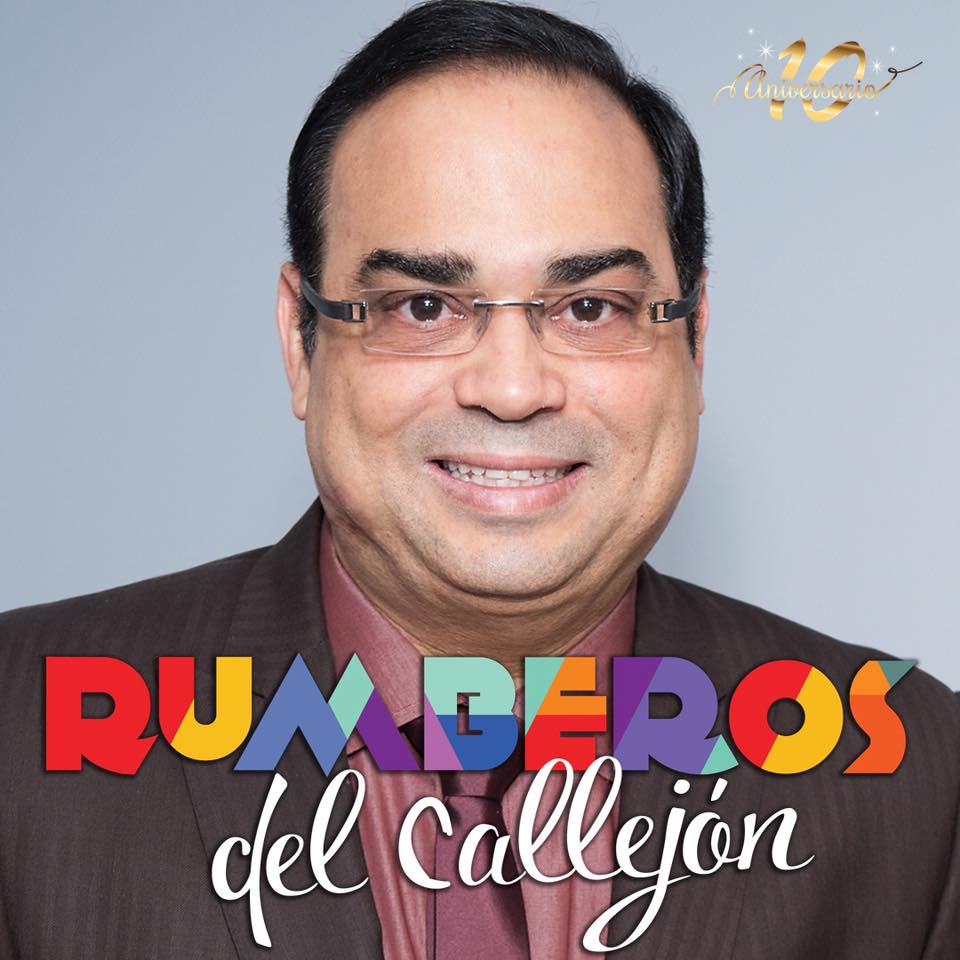
After 11 years of trajectory, Rumberos del Callejón return with their third record label “Celebrando” for Salseros lovers from all continents. An album that since its inception has gained great acceptance by the public knowledgeable of this Tropical genre.

Logo - Rumberos del Callejón
Logo – Rumberos del Callejón
Rumberos del Callejón with the saxohone artist

“Celebrando” will feature several unpublished tracks that highlight the evolution of this orchestra created in Caracas – Venezuela in 2007. These singles will be interpreted mostly by guest artists of the current movement, internationally recognized for their extensive and successful musical career.

Rumberos del Callejón

Celebrando will have a modern and emblematic sound effect, since it has the outstanding voices of: Tito Nieves, Maelo Ruiz, Gilberto Santa Rosa, Domingo Quiñonez, Sixto Yorente “El Indio”, Luis Fernando Borjas, Wilmer Lozano and with the already prestigious vocal harmonies, members of this musical group: Rodrigo Mendoza, Gonzalo Díaz, Angelito Vallenilla, Memo Arroyave and their new musical bet, the young singer, Veruzka Verdú.

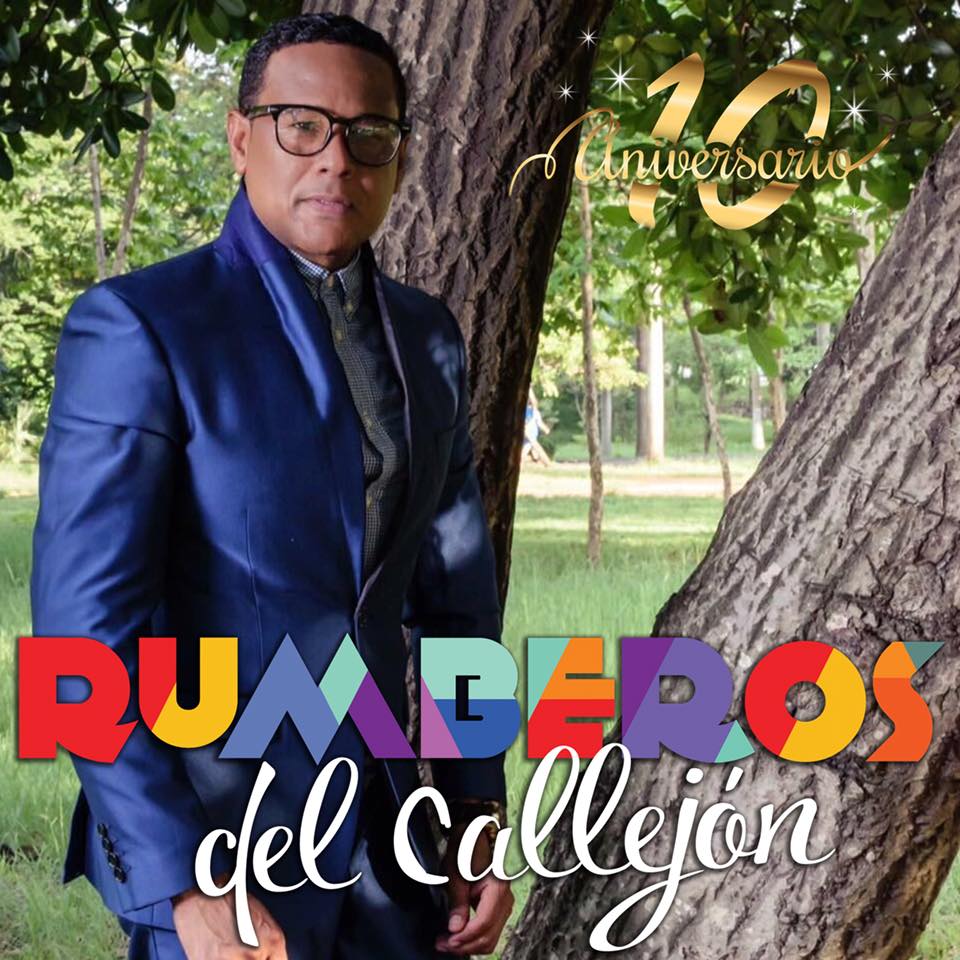
Wilmer - Rumberos del Callejón
Wilmer – Rumberos del Callejón

This group that owes its name to the San Pedro alley located in the popular Catia area, west of the Venezuelan Capital managed to obtain the collaboration of these international guest artists on their album not only thanks to the current avant-garde technology, but also to the printed constancy and always present in the director Carlitos Padrón, who took up the challenge with his father Carlos Padrón (founder of the orchestra) to produce “Celebrando”, which also had the privileged pens in the composition of the songs by Rodrigo Mendoza and Angelito Vallenilla.

Veruzca Verdu - Rumberos del Callejón
Veruzca Verdu – Rumberos del Callejón

“ For me Salsa is a way of life. It’s passion and culture. Carlitos Padrón “

This album with almost 4 years of production was recorded in the main cities of the American continent: Caracas, Santo Domingo, Cuba, Miami, Orlando and mainly in the recording studio “Chongo Records” belonging to the director, founder, composer and percussionist of the band, Carlitos Padrón, in New York.

Gilberto Santa Rosa - Rumberos del Callejón
Gilberto Santa Rosa – Rumberos del Callejón

“Celebrando” has the participation of important Venezuelan arrangers of the tropical genre, such as: Alberto Crespo and Willie Melo, who along with Carlitos Padrón took care of all the sound material of the production to get to the music market with a lot of “modernism and melao”, commented Carlitos Padrón. Currently, Celebrando is in the final phase of remastering and mixing so that dancers from the 5 continents are able to enjoy this new record proposal that Rumberos del Callejón will offer them soon.

“… We have international guests of great trajectory, which are a bit difficult to get but with the Grace of God, today, I think we have an Artwork”. Carlitos Padrón

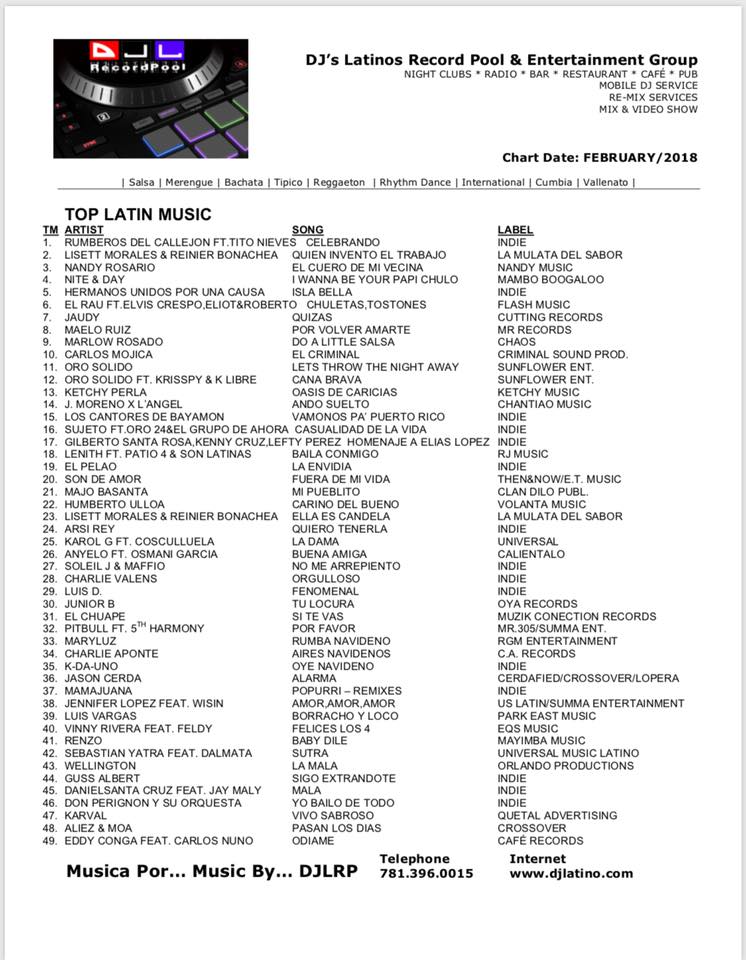
Check List - Rumberos del Callejón
Check List – Rumberos del Callejón

Recently, “Celebrando” whose name also titles the album, was the first single released by the group in November 2017 on all digital platforms and radio stations worldwide, and which last February managed to reach # 1 on the DJs chart.

The theme “Celebrando” has the participation of the Salsero Puerto Rican singer, Tito Nieves and the composition of the Venezuelan Angelito Vallenilla. The musical performance was in charge of the excellent Latin American musicians:

José Tabares (bass), Carlitos Padrón (Timbal), Alberto Crespo (piano), Marc Quiñones (conga), Bobby Allende (bongó), Manuel Maneco Ruiz (trumpets), Pablo Santaella (trombone), José Antonio Fariñas Gutiérrez (baritone), and in the choir: Rodrigo Mendoza, Leo Gruber, Wilmer Lozano and Angelito Vallenilla.

With this third record production product of the celebration of their 10th Anniversary, Rumberos del Callejón, hope to take their music to every corner on the planet and continue betting on the support and integration of new generations in salsa music.

Angelito Vallenilla - Rumberos del Callejón
Angelito Vallenilla – Rumberos del Callejón

“For me, the biggest success is to be able to say that I have in my production the biggest salsa singers of today, nationally and internationally.” Carlitos Padrón

Rumberos del Callejón’s Discography:

In order to rescue the golden age of Salsa in the 70s, 80s and 90s, the Orchestra Rumberos del Callejón was created with a total of 13 members at the beginning, currently, they are 12 members. Their great musical proposal was captured in their first record production titled “De la Nada” (2008) under the label Callejón Música. This album is composed of 11 songs, including: Aquí Se Puede, Pa ‘Lante Otra Vez, Chechere Guma by Justi Barreto, among many others.

Rumberos del Callejón - Se Acabo el Silencio
Rumberos del Callejón – Se Acabo el Silencio

After 4 years, they release their second album “Construyendo” (2012) with such emblematic songs as “Cuando te toque llorar” by Puerto Rican balladeer José Feliciano, likewise, the production of “Constuyendo” was in charge of the director, timbalero and composer, Carlitos Padrón with arrangements made by the renowned Puerto Rican producer, Ramón Sánchez.

Rumberos del Callejón - de la nada
Rumberos del Callejón – de la nada

And Finally, for the musical performance Padrón decided to gather the best musicians from the NY area: Isidro Infante (Piano), José Tabares (Bass), Pablo Santaella (Trombone), Ray Colón (Bongó), Nelsón Jaime “Gazú” (Trumpet) , Manuel Ruiz (Trumpet), Iván Renta (Saxo Baritone) and Robert Quintero (Congas).

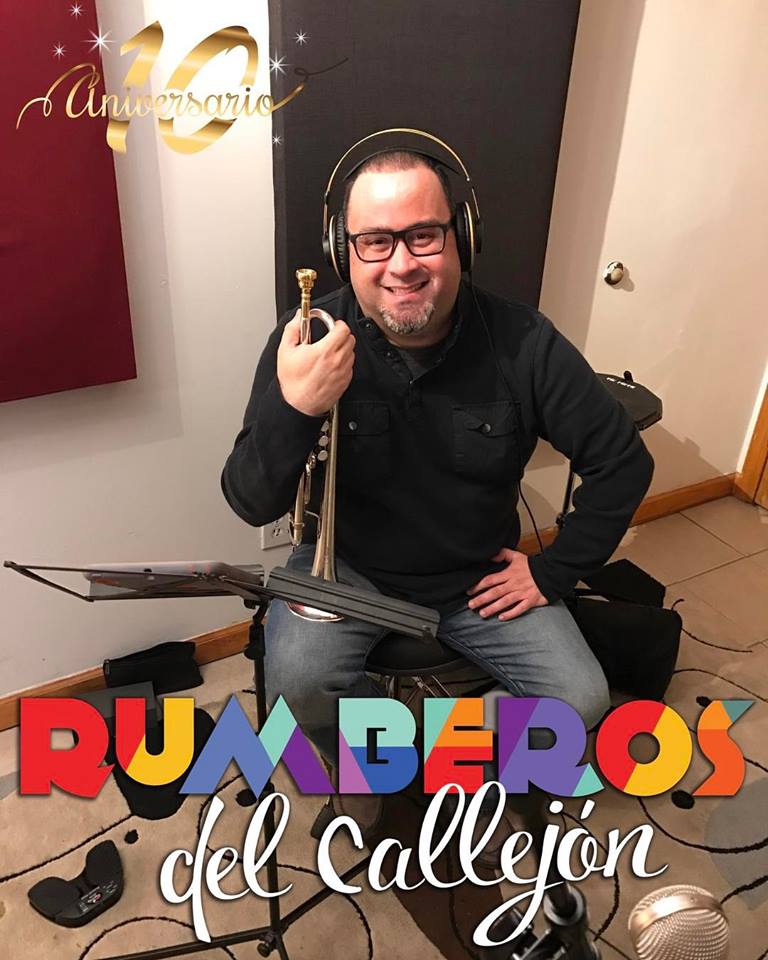
Trumpet Artist - Rumberos del Callejón
Trumpet Artist – Rumberos del Callejón

For more information, follow them at:

  • Facebook: https://www.facebook.com/pg/rumberosdelcallejon1
  • Instagram: @rumberos_del_callejon
  • The Official Accounts on YouTube and Soundcloud: Rumberos del Callejón.
Rumberos del Callejón

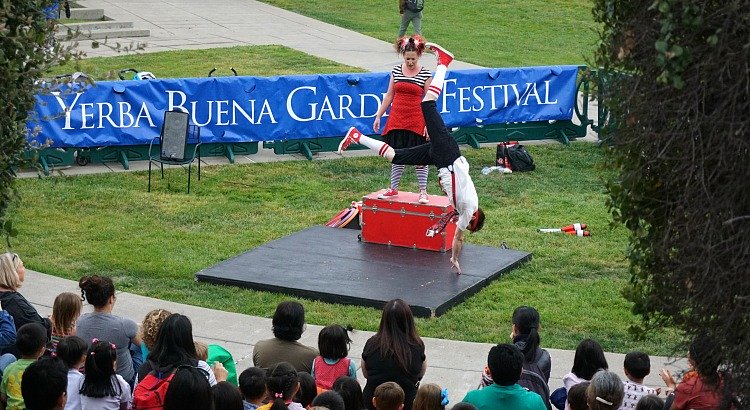
Yerba Buena Gardens Festival 2018 Begin this May in the heart of San Francisco

North America / USA / San Francisco

2018 Yerba Buena Gardens Festival (YBG Festival) proudly announces the lineup for its 18th Season.

The tradition continues to downtown in San Francisco! Hang out this new season with the first all-female mariachi ensemble, Mariachi Flor de Toloache + Mexican vocalist, composer, and guitarist Diana Gameros on Sunday, May 6 at 1:00pm, the first concert of this year’s 100 admission-free events.

2018 Yerba Buena Gardens Festival (YBG Festival)

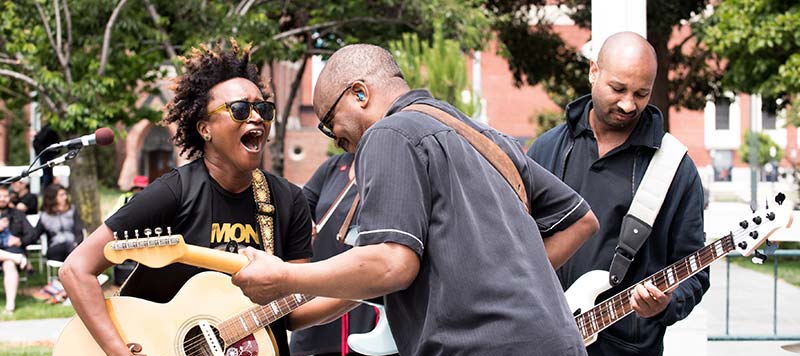
The very popular series Let’s Go Salsa@Jessie also will have the best Latin artists, such as: “New Mambo Retro Salsa” group Cabanijazz Project on May 17, the nine-piece combo Bululú led by Venezuelan-born percussion master and vocalist Lali Mejia on June 21, the Bay Area’s inventive Cuban band Pellejo Seco on July 19, among many others. YGB Festival offers you entertainment FREE completely: music, theater, circus, dance, poetry & culture programs to children and entire family with artists from the Bay Area and International guests.

Cabanijazz Project
Cabanijazz Project

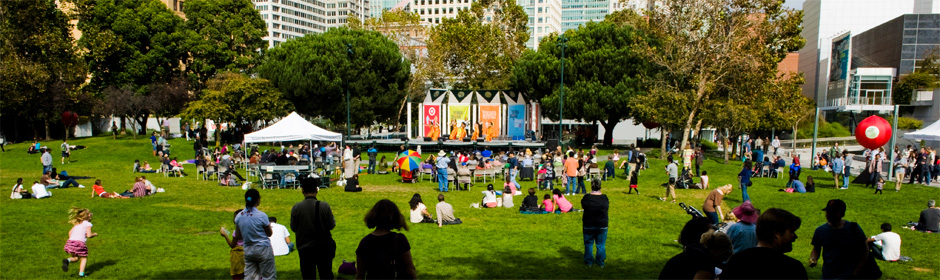
Named one of the Best Urban Green Spaces in North America by Local Medias, YGB Festival is a world-renowned cultural destination that offers three outdoor stages to performances for Bay Area residents, families, workers, and visitors alike. Yerba Buena Gardens Festival take place outdoors in Yerba Buena Gardens, off Mission Street between 3rd and 4th Streets, San Francisco.

Photo - Thursday lunch with various artists
Photo – Thursday lunch with various artists

YBG Festival Executive/Artistic Director Linda Lucero says, “Get inspired! Treat yourself and treat your family, friends, and co-workers to the most diverse performing arts experience in the Bay Area. Yerba Buena Gardens Festival is Free, Outdoors, and fresh!”

During these 6 months (May – October) YBG Festival includes the highly acclaimed Let’s Go Salsa@Jessie! Dance series, the family-friendly Children’s Garden Series, Poetic Tuesdays with Litquake, and Thursday Lunchtime Concerts.

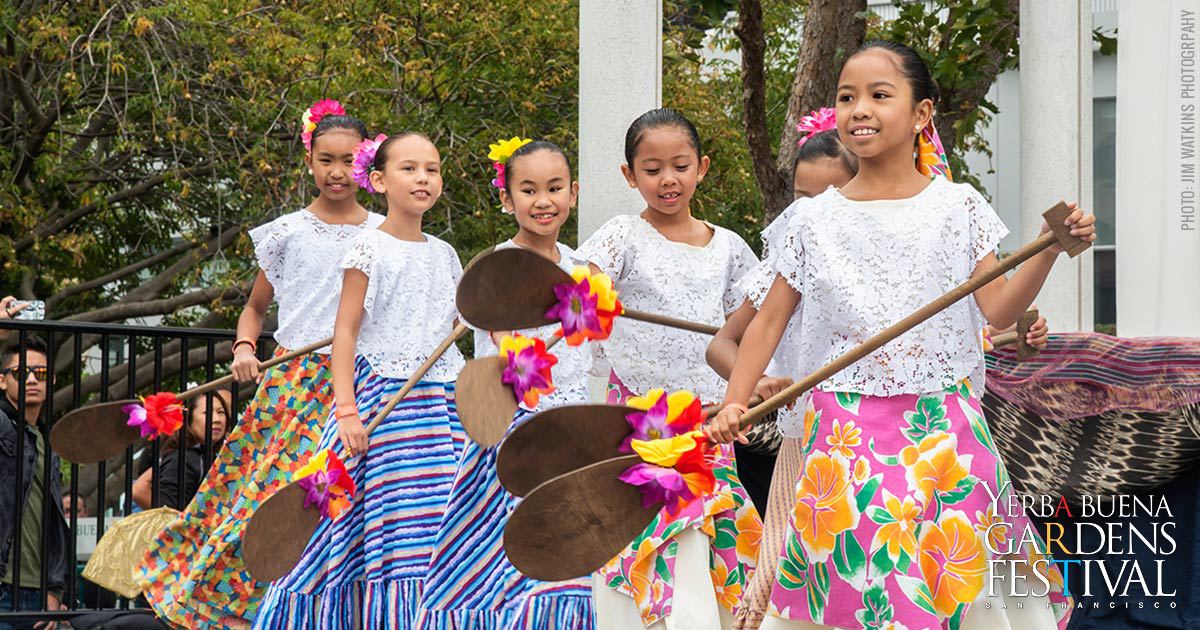
Pistahan Children at the Yerba Buena Gardens Festival

Each and every week and weekend, the Festival presents a curated lineup of musicians, dancers, poets, and artists from around the world including the Moroccan trance music of Innov Gnawa with Book of J on May 12, northwestern Indian dance with Garba in the Gardens on May 19, the 2nd Annual Yerba Buena Gardens ChoreoFest on June 2 and 3, the most celebrated gamelan ensemble outside of Bali, Gamelan Sekar Jaya.

On June 9, powerhouse Afro-Venezeulan vocalist Betsayda Machado y La Parranda El Clavo with VNote Ensemble on June 16, three performances from Festival favorites Circus Bella on June 22 and 23, the all-women klezmer group direct from New York City Isle of Klezbos with San Francisco’s Fanfare Zambaleta on July 7, Ukulenny and Cynthia Lin’s SF Uke Jam Summer Uke-Splosion! 

On July 14, Cuban saxophonist Yosvany Terry Sextet on July 28, the 40th Anniversary performance of the San Francisco Lesbian/Gay Freedom Band on July 29, one of Vietnam’s most celebrated traditional artists Vân Ánh Võ & The VA’V on August 25, Manila Disco Fever on September 1, and the Yerba Buena Gardens Festival commissioned piece from Marcus Shelby Orchestra – Blackball: The Negro League and the Blues on September 8. The Festival closes with the 18th Annual Halloween Hoopla on Sunday, October 28.

The Yerba Buena Gardens Festival Social (YBG Festival)

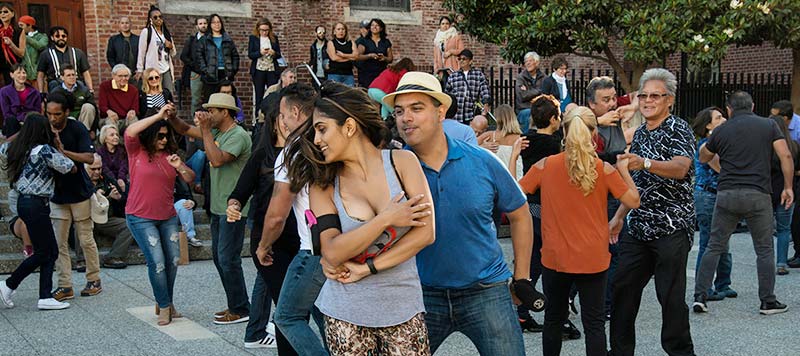
The popular series Let’s Go Salsa@Jessie!, the open-air salsa dance party in Jessie Square (near the Contemporary Jewish Museum), takes place on the third Thursday of each month from May to September from 6:00pm – 7:30pm.

Performers are the ‘New Mambo Retro Salsa’ group Cabanijazz Project on May 17, the nine-piece combo Bululú led byVenezuelan-born percussion master and vocalist Lali Mejia on June 21, the Bay Area’s inventive Cuban band Pellejo Seco on July 19, the U.S. State Department-sponsored Latin Jazz Ambassadors and the Mission’s own Annette A. Aguilar & StringBeans on August 16, and Los Mocosos vocalist and master salsero Manny Martinez y la Rebeldia on September 20.

This Festival brings the delightful Children’s Garden Series features interactive performances specially designed for kids and families every Friday from June to August in the Yerba Buena Children’s Garden at Fourth and Howard Streets.

The series presents performances by kid favorites: the 2018 Grammy-nominated Alphabet Rockers, Non Stop Bhangra,Māhealani Uchiyama, Parangal Dance Company, Circus Bella, Unique Derique, Caterpillar Puppets, Chelle! & Friends, Pi Clowns, Red Panda Acrobats, Venezuelan Music Project, Crosspulse, and Ka-Hon. The series ends with the wildly popular 18th Annual Halloween Hoopla on Sunday, October ­28.

Yerba Buena Gardens Festival San Francisco

Between these 100 free performances in YBG Festival are Thursday Lunchtime Concert Series that take place most Thursdays from 12:30pm to 1:30pm and is a favorite destination of downtown workers, shoppers, tourists, and students.

This year features the very best of local and international musicians including New World String Project on May 10, Community Music Center Older Adult Choirs on May 17, Dogon Lights on May 24, Kitty Pak on May 31, Latin Jazz Youth Ensemble of San Francisco on June 7, the Swedish Consulate’s Jenny Lind Concert on June 21, Dalia & the Big Violin on June 28, Manring Kassin Burr on July 5, Maikaze Daiko on July 12, Solate on July 19, Sol Development with Mino Yanci on August 2,

LINES Dance Center on August 9, Highest Ani on August 16, Faun Fables on August 23, La Patronal on August 30, John Brothers Piano Company on September 6, Daniel Riera: Future Flutist with Electric Ensemble on October 4, and Rice Kings on October 11.

CMC Older Adult Choirs

This amazing event also celebrates annually: the 21st Native Contemporary Arts Festival on June 17, the 18th Annual AfroSolo in the Gardens featuring a Tribute to Duke Ellington featuring Denise Perrier and Nina Causley with David Hardiman’s San Francisco All-Star Big Band on August 4, the 25th Annual Pistahan on August 11 and 12, and Brazil in the Gardens: Pragandaia with special guest Margareth Menezes on August 18.

Poetic Tuesdays on the second Tuesday of each month with Guest curated by Litquake, Poetic Tuesdays run from 12:30pm-1:30pm and feature an array of poets and music as well as three performances of a new one-ring circus from Circus Bella on June 22 and 23. Conceived and directed by Abigail Munn and Joel Baker for Circus Bella, the show includes static trapeze, rope walking, juggling, contortion, unicycle, original clowning, acrobatics, and more.

Free Outdoors Fresh
Free Outdoors Fresh

Let’s Go Salsa Series’ Schedule (Every Third Thursday of month from 6:00pm to 7:30pm):

  • May 17: Cabanijazz Project
  • June 21: Bululú
  • July 19: Pellejo Seco
  • August 16: Annette A. Aguilar & StringBeans
  • September 20: Manny Martinez y la Rebeldia

Venue: 760 Howard Street, San Francisco, CA 94103.

For more information and complete 18th Season Schedule, please visit www.ybgfestival.org

New Year’s Eve party 2024/2025

Ribbon IMG 2024

Catch One Club

New Year’s Eve 2025

Reggaeton Party in Los Angeles

Dec 31 (9 pm) / Jan 1, 2025 (2 am)

Catch One
4067 West Pico Boulevard
Los Angeles, CA 90019

New Year’s Eve Party 2024-25

Dec 31 (6 / 11:30 pm)

Maggie’s Pub
11900 Telegraph Road
Santa Fe Springs, CA 90670

Maggies
Cafe Sevilla 2024

New Year’s Eve Flamenco

Dinner Show Experience

Dec 31 (7 – 8:30 pm)

Cafe Sevilla of San Diego
353 Fifth Avenue
San Diego, CA 92101

QUEEN BEE’S
NEW YEARS EVENT

Dec 31 (6:30 pm) / Jan 1, 2025 (2 am)

Queen Bee’s Art and Cultural Center
3925 Ohio Street
San Diego, CA 92104

Queen Bee's Art & Cultural Center 2024
Lienzo Charro 2024

Salsa Cumbia New Year’s Eve Party

Dec 31 (7 pm) / Jan 1, 2025 (12:30 am)

Lienzo Charro Mexican Restaurant Bar & Grill
Old Town Front Street
Temecula, CA 92590

New Years Eve San Francisco 2025

Dec 31 (9 pm) – Jan 1, 2025 (1:30 am)

W Hotel San Francisco
181 3rd Street
San Francisco, CA 94103

Marriott W 2024
550 Dance Fridays 2024

Comfort & Joy Afterglow New Year

Dec 31 (10 pm) – Jan 1, 2025 (6 am)

Salsa and Bachata Dance at Dance Fridays
550 Barneveld
San Francisco, CA 94124

New Year’s Eve

Dec 31 (8 pm) / Jan 1, 2025 (2 am)

The Cigar Bar & Grill
850 Montgomery Street
San Francisco, CA 94133

Cigar Bar 2024
Sausalito Seahorse

NYE dinner and Dance Celebration

Dec 31 (7 pm)

Sausalito Seahorse
305 Harbor Dr
Sausalito, CA 94965

New Year’s Eve

With Pete Escovedo & Sons / Mystique

Dec 31 (5:30pm)

Signia by Hilton San Jose
170 South Market Street
San Jose, CA 95113

Signia by Hilton
 

IMG 2025

  • « Go to Previous Page
  • Page 1
  • Interim pages omitted …
  • Page 15
  • Page 16
  • Page 17
  • Page 18
  • Page 19
  • Interim pages omitted …
  • Page 53
  • Go to Next Page »

International Salsa Magazine (ISM) is a monthly publication about Salsa activities around the world, that has been publishing since 2007. It is a world network of volunteers coordinated by ISM Magazine. We are working to strengthen all the events by working together.