• Skip to primary navigation
  • Skip to main content

International Salsa Magazine

  • Home
  • Previous editions
    • 2025
      • ISM / November 2025
      • ISM / October 2025
      • ISM / September 2025
      • ISM / August 2025
      • ISM / July 2025
      • ISM / June 2025
      • ISM / May2025
      • ISM / April 2025
      • ISM / March 2025
      • ISM / February 2025
      • ISM / January 2025
    • 2024
      • ISM / December 2024
      • ISM / November 2024
      • ISM / October 2024
      • ISM / September 2024
      • ISM / August 2024
      • ISM / July 2024
      • ISM / June 2024
      • ISM / May 2024
      • ISM / April 2024
      • ISM / March 2024
      • ISM / February 2024
      • ISM / January 2024
    • 2023
      • ISM / December 2023
      • ISM / November 2023
      • ISM / October 2023
      • ISM – September 2023
      • ISM – August 2023
      • ISM July 2023
      • ISM Edition June 2023
      • ISM – May 2023
      • ISM April 2023
      • ISM March 2023
      • ISM February 2023
      • ISM January 2023
    • 2022
      • ISM December 2022
      • ISM November 2022
      • ISM October 2022
      • ISM September 2022
      • ISM August 2022
      • ISM July 2022
      • ISM June 2022
      • ISM May 2022
      • ISM February 2022
      • ISM January 2022
    • 2021
      • ISM December 2021
      • ISM November 2021
      • ISM October – 2021
      • ISM September 2021
      • ISM August 2021
      • ISM July 2021
      • ISM May 2021
      • ISM April 2021
      • ISM June 2021
      • ISM March 2021
      • ISM February 2021
      • ISM January 2021
    • 2020
      • ISM December 2020
      • ISM November 2020
      • ISM October 2020
      • ISM September 2020
      • ISM August 2020
      • ISM July 2020
      • ISM June 2020
      • ISM May 2020
      • ISM April 2020
      • ISM March 2020
      • ISM February 2020
      • ISM January 2020
    • 2019
      • ISM December 2019
      • ISM November 2019
      • ISM October 2019
      • ISM Septembre 2019
      • ISM August 2019
      • ISM July 2019
      • ISM June 2019
      • ISM May 2019
      • ISM April 2019
      • ISM March 2019
      • ISM February 2019
      • ISM January 2019
    • 2018
      • ISM December 2018
      • ISM November 2018
      • ISM October 2018
      • ISM September 2018
      • ISM August 2018
      • ISM July 2018
      • ISM June 2018
      • ISM May 2018
      • ISM April 2018
      • ISM March 2018
      • ISM February 2018
      • ISM January 2018
    • 2017
      • ISM December 2017
      • ISM November 2017
      • ISM October 2017
      • ISM September 2017
      • ISM August 2017
      • ISM July 2017
      • ISM June 2017
      • ISM May 2017
      • ISM April 2017
  • Download Salsa App
    • Android
    • Apple
  • Spanish

Search Results for: jazz club

Rolando Sanchez

USA / Hawaii / Honolulu

Rolando Sanchez: Percussionist, Singer, Composer, Producer and leader is the best selling Latin American artist in Hawaii
Rolando Sanchez
Rolando Sanchez

Rolando Sanchez Percussionist – Singer – Songwriter – Producer, leader of Hawaii’s Premiere, longest running, bestselling Latin recording artist from Hawaii.

In this Site you will experience the history and achievements of this musical Family called “SALSA HAWAII” for over 20-years, performing, recording, touring and just sharing the love and ALOHA of our Latin Music Wolrdwide.

With CDs sold Worldwide and the number of awards and accolades from press, government, musical organizations, community organizations, locally, nationally and Internationally.

HONOLULU TROPICAL

Celebrating 20 years of Latin Music in Hawaii Rolando Sanchez Salsa Hawaii Singer, Songwriter, Percussionist (timbales-congas-bongos-drums) Recording Artist, and Producer. Born in Masaya, Nicaragua, to a musical, artistic family; his father, an accomplished songwriter, pianist, and singer.

His mother also played piano and sang as with most of his immediate family. His musical influence began at a very young age playing drums with neighbourhood kids emanating the music of the time (i.e.: Beatles, Trini Lopez, Paul Anka, etc.).

In his early teens he began listening to  more Latin music styles, which formed the basis for his music today. The bands that influenced him at the time were Tito Puente, Celia Cruz, Billo’s Caracas Boys, Sonora Matanzera, Sonora Santanera, Daniel Santos, and a Nicaraguan band Los Satelites del Ritmo.
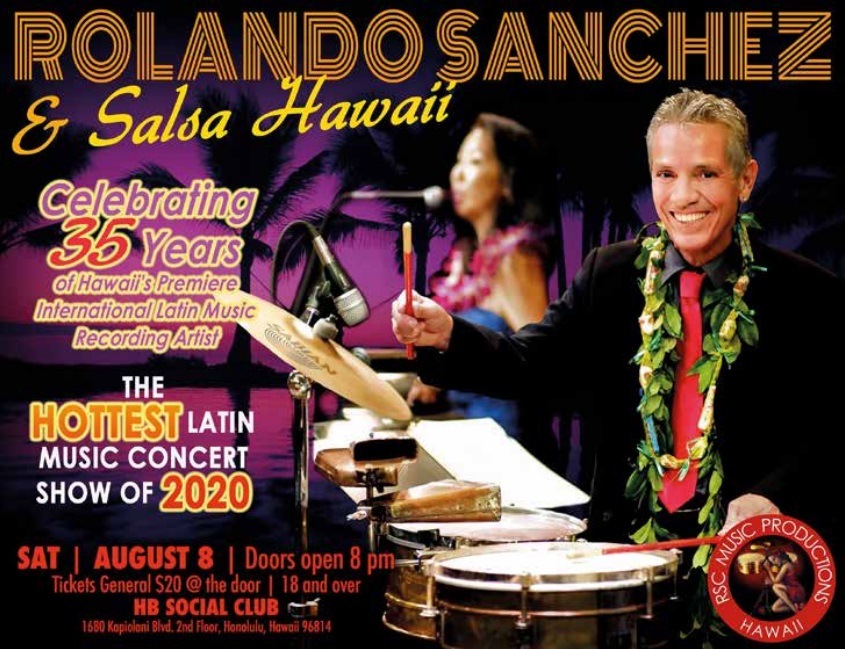
Rolando Sanchez playing drums in concert

In the late 60s, the family relocated to San Francisco, California where he grew up and truly realized that music was to be his life. The music scene in the Bay Area at this time was very diverse. He delved in all the different styles.

During that time, Latin music was beginning to blossom and all kinds of Latin-style bands such as The Aliens, Latin Bloods, Los Beamers, Bandido, Unidad 77, and Limbo began to play in and around the Bay Area.

Cesar’s Club was THE place to be to experience the best Latin musicians (Pete and Coke Escovedo, Roger Glenn, Luis Gazca, Pablo Telles, Victor Pantoja, performing live.

That’s when Rolando Sanchez realized his passion for Latin music and particularly Timbales. Then it happened! Santana Band came out and proved to be the biggest inspiration for all Latin musicians in the Bay Area (the world) including Rolando. It seemed that Latin bands were coming out of the woodwork: Azteca, Malo, Sapo, Dakila, and Salsa De Berkeley to name a few. He played with different bands in San Francisco’s Latin music scene and shortly thereafter, decided it was time to start his own band called SOLAR; they played a mixture of Latin rock and Latin jazz fusion

Rolando Sanchez and his brother Mario (still playing congas with Bay Area bands) were also some of the guys hanging out at Dolores Park in the Mission District playing congas and timbales along with such notables as Raul Rekow, Karl Perazzo, Chepito Areas, Carlos Badia, John Santos, and many other well-known Bay Area Latin percussion artists of today.

His band gained popularity and started playing the circuit where he met and befriended such artists as Pete and Sheila E. and Master Armando Peraza who helped develop his affinity for percussions.

While playing in the Bay Area, SOLAR was billed with bands like Azteca, Azuquita, Sapo, Cal Tjader, Cesar’s All-Star Band, Willie Bobo, and others.

After their break-up, he formed the band SUNSMOKE together with his uncle, Freddie Velasquez, who had just returned to the Bay Area from touring the country with the Phil Driscoll Band. SUNSMOKE quickly became well-known in the Bay Area and they toured the west coast and Canada where they opened for blues master B.B. King and performed at the Canadian Rock Festival with bands from all over the world.

After a couple of very busy years, including recording some demos for major record labels, they broke up and Rolando spent some time in Los Angeles checking out the music scene there. Upon returning to the Bay Area, he joined MESSIAH, one of the hottest Funk/Gospel/Rock/Disco bands. Their single, “Get up on Your Feet and Dance”, became a hit in the International disco scene. MESSIAH then went on to Japan where they enjoyed instant success and toured for 4 months. Shortly after their return, the band broke up and the Rolando Sanchez Band was born. Composing and writing his own material, Rolando released his ­first single cassette with two original songs, “She’s the Lady” and “Cold Hearted Woman”.
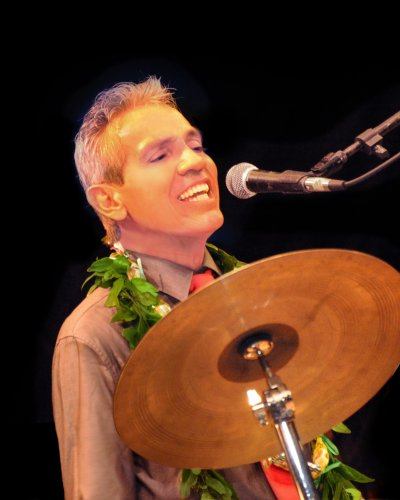
Rolando Sanchez
Rolando Sanchez singing

She’s the Lady” was made into a music video shown on local stations on both east and west coasts at  the very beginning of the MTV movement. It featured some of the Bay Area’s ­nest musicians including vocalist Jo Baker (Elvin Bishop Band). After being in the Bay Area for nearly 20 years, Rolando felt the need for a change of pace in his life. In 1984, he visited his sister in Hawaii and the rest, as they say, is history.

Not long after arriving in Honolulu, Rolando decided to make it his home and the place where he would throw his musical fate to the wind.

  1. His very ­first musical engagement in Honolulu was at the Waikiki

Shell with one of Hawaii’s hottest singer/songwriters of that year, Mr. Audy Kimura, in celebration of 25 Years of Statehood. This made it all the more clear to him that he was in the right place.

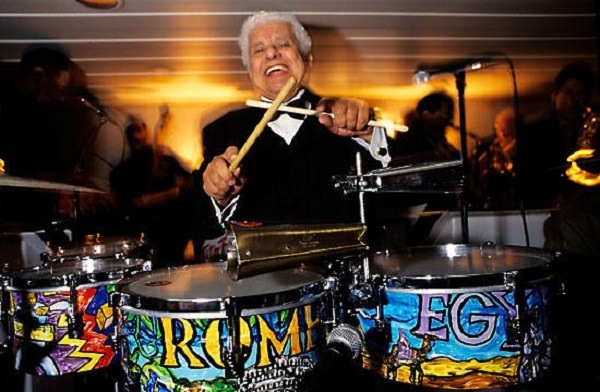
 

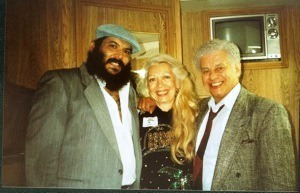
“Tito Puente: When the drums are dreaming” A biography of the King of Latin Percussion by Josephine Powell

North America – USA –CaliTifornia

This month we are sure that you will have time to enjoy an excellent reading at home. So we recommend this book by Josephine Powell. An interesting biography about the legendary Tito Puente, that takes us on a journey through the more than 60 years in which he performed.

Further the life of Tito Puente, you can know his insight into the Latin music industry. With many anecdotes of his encounters, racial discrimination while touring and how that impacted his relationship with other band members. There are also numerous insights into his personality, his temperament, and the many obstacles he had to overcome to achieve legendary status.

Josephine Powell’s book on Tito Puente and his contributions to Latin music and dance is a treasure trove of people, places, facts and history. Because of the author’s place in the history of Latin dance, she takes the reader with her through that fascinating maze of how artists like Puente changed the exposure and tastes of the American public and the world.

The Latin Ballroom world today reflects how we adore – and then neglect and forgets – the people who made us who we are. She mentioned many fascinating dance-related characters in this story that takes place in New York, Los Angeles, Miami, the Catskills and Havana.

It is also a much-needed history of great nightclubs and ballrooms, which are only dim memories for the young – but in their time, were the breeding grounds of Latin music and dance. Tito Puente’s percussion and passion are finally brought to life in a fascinating book.

To remember Tito Puente’s career as accurately as Josephine Powell has done makes this biography a worthwhile read. Tito Puente the man and Tito Puente the musician are blended into the tempo of the times during which the musical man lived. For young musicians seeking success Josephine Powell’s well-written commentary provides a glimpse of what can lie ahead in one’s career; so do read Powell’s take on Tito Puente’s life and perhaps capture a taste of how you too can climb the charts with a dash of spice in your style.

With over 100 albums, several Grammy nominations, 7 Grammys and posthumously awarded The Grammy Lifetime Achievement Award in 2003, his footprint in the world of music will forever be the standard of excellence that others will look to emulate.

Josephine Powell took on the monumental task of writing about his life, the forward was written by Tito Puente 2 months before he died.

Because of their lifelong friendship of many decades, Josephine was the one person who could create this book. Her talent and passion will pulled this off to perfection. He was a man who brought his music to the world, and put the Mambo on the map.

This book never could have been written without her dedication and perseverance and the personal moments she shares. From the very first chapter, the quality of her writing can be seen as she starts with the moments leading up to his death and continues for 16 more, giving you the history of Latin music from its inception to the music of today. Throughout her many archives of pictures from her private collection, your eyes will wide with wonder.

Josie Powell traces the evolution of Afro-Cuban, Puerto Rican and jazz forms from their generally recognized origins through the end of the twentieth century, focusing on Puente’s interactions with professional allies and constant rivals.

Powell documents musical events as an aficionado of the Latin genres, almost religiously avoiding disclosure of Puente’s family life. Those not yet born during the Big Band decades or Mambo mania can imagine the atmosphere from descriptive passages of Manhattan ballrooms, Havana dance halls, LA nightclubs.

About Tito Puente

Ernesto “Tito” Puente was born in 1923 in Spanish Harlem and grew up with the advent of radio and American swing bands. At 10 years old he aspired to be a dancer, like Fred Astaire. An ankle injury gave him the opportunity to explore his talent as a musician. At fourteen he won the coveted Benny Goodman, Gene Krupa drum contest. Tito became a master percussionist. His instrument was the timbales, a pair of cylindrical drums beat upon with sticks. When he joined the dynamic Machito Orchestra at seventeen he saw a promising future, but the Japanese attack on Pearl Harbor December 7, 1941 took him off to war.

He led a makeshift orchestra delivering lovable American wartime tunes when he was not fighting. He returned home wounded, weary and jobless. Puente’s tale should have been the story of every returning American GI, who went off to war, came home to his sweetheart, attended college, raised a family and settled down in an adorable house. Things were not that way.

After the war his obsession for Cuban music drove him to Havana. He attended secret meetings of Santería, an Afro-Cuban religious cult with its roots steeped in mysticism often referred to as black magic. With the lure of the sacred batá drum he discovered a world of rhythms never heard by a white man’s ear. He found himself inside the beat, and thoroughly possessed. Soon Tito became a devotee of Santería and used those drum patterns and calls, which were the mainstay and backbone of his music. Today this hot hypnotic music is known worldwide as Salsa.

About Josephine Powell

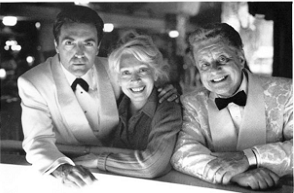
Author Josephine Powell – a music historian, lecturer, and consultant on ballroom music and dancing and Latin American music – was a consultant (music, history, and dance) on the motion pictures Salsa, Havana, and The Mambo Kings, and their soundtracks; The Mambo Kings track received a Grammy Nomination. She also consulted on two Golden Eagle television shows; two television documentaries, one Presidential Inaugural Ball, and two Grammy-winning record albums by her mentor Tito Puente.

In 1990, she obtained a star for her mentor on Hollywood’s Walk of Fame, orchestrated his associated live concert on the Boulevard, and organized a gala event at the Hollywood Roosevelt Hotel, with music industry executives, film producers, and celebrities.

Powell’s dance career took her to the South Pacific, the Philippines, Guam, Hong Kong, Thailand – where she performed for the Royal Family – and Vietnam, where she introduced mambo to the troops in a revue she wrote herself. A Gold Medal ballroom dancer, Powell was Tito Puente’s West coast mambo dance partner, and a cast member of the Broadway show Sketchbook in Las Vegas.

Through touring the country for over a decade with stage and lounge shows, along with work in the recording, television, and movie industries, Powell learned wardrobe design, writing, comedy, and choreography. Appeared at the Tropicana, El Rancho Vegas, Flamingo, and Nevada Club in Las Vegas; The Golden Hotel and Mapes Hotel in Reno; The Wagon Wheel in Lake Tahoe, and The President Hotel in Atlantic City, among others.

After an injury forced her to retire from dance, Powell became a real estate agent in Beverly Hills, where she became actively involved in political work with celebrities and later joined Connie Stevens’s organization Les Girls. Powell’s work and charitable activities afforded many opportunities to work with Hollywood producers, directors, writers, and luminaries.

Powell studied the history of ballroom music and dance, ethnomusicology, journalism, and Spanish at UCLA. A regularly featured musicologist on radio stations KXLU and KPFK, Powell receives many requests for lectures and consultations. She has been a presenter and judge at numerous dance competitions, including the Feather Awards and the U.S. Open National Swing Dance Competition. The Mormon Temple Genealogical Library in Los Angeles has made her its expert lecturer on French Colonial Maritime records. Since 1986, she has conducted ten research and study trips to Havana, where she is a curatorial consultant for El Museo Nacional de la Música Cubana.

With information from: https://josephinepowell.com
You can buy this wonderful book in Amazon: https://www.amazon.com/Tito-Puente-When-Drums-Dreaming/dp/1425981585

North America – June 2020

Miles Bould, Percussionist / Drummer

Europe / England / London 

Miles Bould is currently MD and drummer for Shaun Escoffery

Miles Bould was born in London took up Saxophone and Clarinet at a young age and was strongly musically influenced by his father, a producer who had worked with such Jazz luminaries as Gil Evans, Dizzy Gillespie, Stan Tracey and Tubby Hayes – many of these great musicians went on to be family friends.

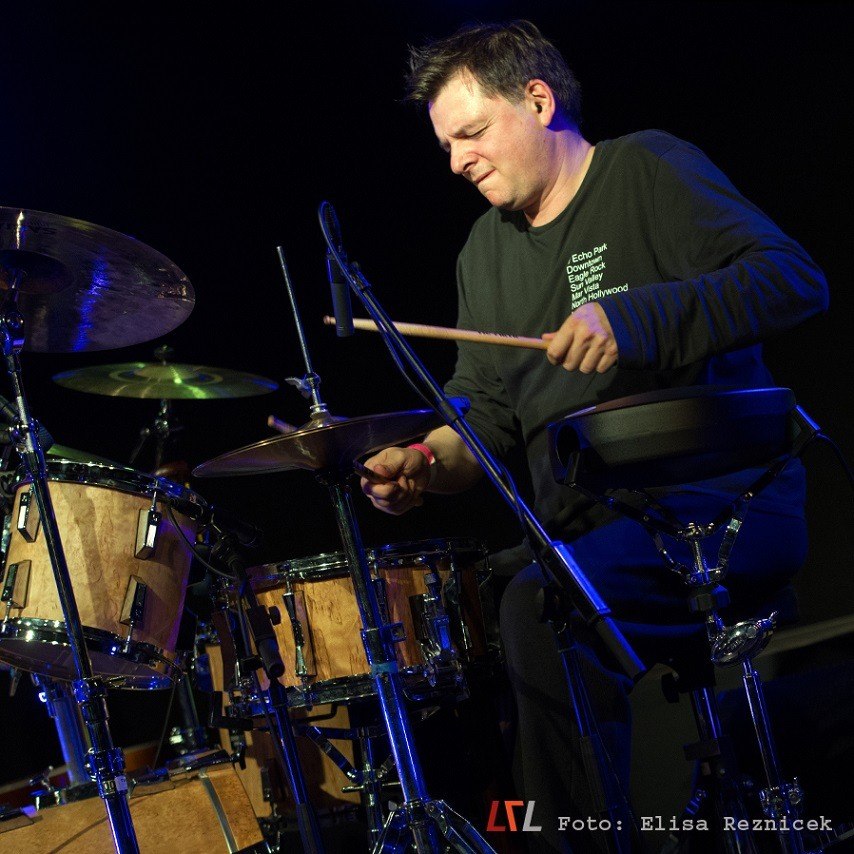
Miles Bould on stage

In particular Dizzy noticed Miles’ musical passion turn specifically to percussion at around 10 years old and set him on his path as a percussionist by giving him three of his touring congas.

At age 15 Miles was jamming and working in clubs playing various styles of music; predominantly Latin, Jazz, Funk and Reggae.

He then joined his first serious Funk band ‘Sava Jazz’. Through that followed a meeting with guitarist Dominic Miller (Sting).

Dominic took Miles under his wing and they toured and have done many sessions together over the years. He was also spotted by Robert Palmer who he then began recording and gigging with.

Miles Bould in concert

He then met Julia Fordham who was very instrumental in helping Miles get more connected in the session scene. She hired him to tour and eventually record with her.

He went on to record and tour extensively with a broad spectrum of artists, including Sting, Daryl Hall, Joe Cocker, Level 42, Cher, Eternal, The Lighthouse Family, Julia Fordham, Incognito, The Pasadenas, The Beloved, Suggs, Shara Nelson, Simply Red etc. as both a percussionist and drummer.

He also recorded a sample CD with fellow percussionist Danny Cummings called ‘The Rhythm of Life’ which has been used by artists including Pat Metheny, George Michael, Brownstone, NYPD Blue.

It has also been used by many film composers. This was followed by another 2 sample CDs, Audiovirus a loop break beat collaboration with Miles and Mike Westergaard called ‘Intravenous’ and another specific drum and percussion CD by Miles called ‘The Progression’.

He also gigged with his own bands ‘Goosebump’, a Funk Rock band signed to Warner Chappell, and ‘Peoplespeak’ A Fusion project – Steps Ahead used one of their compositions ‘Agitate the Gravel’ for their 1992 album Ying Yang. He toured extensively with Billy Ocean and went on to co-write the title song on his 2010 album “Because I Love You”

Miles Bould
Miles Bould

The next few years saw Miles recording albums and gigging with more artists including quite a broad spectrum of artists including Beyonce, Michael Jackson, Joan Armatrading, Jermaine Jackson, Valerie Etienne (Galliano) Desert Eagle Discs, Gerard Presencer, Shaun Escoffery, Brand New Heavies, Russell Watson, Morcheeba, Daniel Beddingfield, Dominic Miller, Nigel Kennedy etc.

His current band ‘USONiC’ were nominated for a MOBO award in 2011 for best jazz act with their album ‘EVOLUTION’, which features Scott Henderson and Scott Kinsey of Tribal Tech.

Miles has his own professional recording studio where he currently carries out drum and percussion sessions remotely (full equipment spec on request).

Miles Bould Tribute
Miles Bould Tribute

Miles is touring and has just recorded a duet album with Dominic Miller for ECM records called “Silent Light”.

Miles is currently MD and drummer for Shaun Escoffery.

Carlos David Suarez

North America - USA - Texas - Houston

Carlos David Suarez, Professional dancer, choreographer, instructor and musician

Art has been in his veins since he was born, and Carlos David Suarez has cultivated his artistic gift, going far and traveling the world teaching and learning

He was born in Caracas, Venezuela, and grew up in the west of the city in the 23 de Enero, a well-known area to give birth and raise artists, athletes and talented people.

Carlos knew from a very young age that he wanted to be a musician (timbalero) … At 7 or 8 years old, his parents took him to the house of one of the best percussionists in Venezuela and from that moment he began his career in the art world.

Later, his mother could not take him to music classes anymore and unfortunately had to leave them aside, and continue with his primary studies. Although in one way or another, he was always connected with the stage and the dance. At school, he was part of plays, acts, traditional dances and everything related to the arts.

Photo by Carlos David Suarez

Years later, he started playing soccer, and soon realized that he was in love with the sport, and began training hard to thrive within teams.

One of his main strengths is discipline, so he applied it to both: art and sport. He came to play on good teams and was seen himself playing professionally outside of his native country.

“Yes, I always saw myself outside Venezuela, not because of any specific situation, but because as a child I saw myself traveling the world with music, art, or sports.”

Years later, when he was 14, his older brother took him to Imagenes Latinas, an incredible artistic dance school where he trained, and the only one he attended for at least 8 years. There he studied ballet, contemporary dance, jazz, hip hop, funky, Latin genres and above all; Salsa.

“I had great teachers who gave me the opportunity, seeing that desire to be a better artist every day, especially Arelis Guevara, owner and choreographer of the company”

After many efforts, sacrifices, study and, above all, hours after hours of rehearsals, Carlos become the first dancer of the professional company for three consecutive years. He traveled with the company to many national and international events, conferences and TV shows … South America, USA, Europe and Asia.

After his stay in the company, he decided to take other roads, take his own path and do new things. It was part of a ballet where he made musicals and all kinds of varied shows. He learned a lot about other disciplines such as tap, flamenco, nationalist dance, tango; and even a little acting.

He was in the ranks of this ballet for two years and then took his path as a soloist. For the first time, he had the opportunity to travel outside his country; to Miami.

“I was working on famous nightclub shows; then I went to Los Angeles to work with another dance company that I was in for a short time and then I went to Panama. ”

He worked for a short time in Panama; he returned for a short time to Venezuela, and moved to Casablanca, Morocco, where he worked in Salsa and Bachata shows. After two years, and to continue evolving in his artistic career, he decided to go to Europe. He arrived to the city of Amsterdam, Holland, where he was doing shows and workshops at congresses as a soloist.

Soon, he moved to Germany to pursue his dance training … He lived in Germany for two years, worked at various dance schools, and began to expand his horizons, making himself known at Salsa conferences throughout Germany, Europe and Africa. Then after another job offer, and pursuing more dreams and learning, he moved to Milano, Italy, where he lived for a couple of years and the opportunities to go to conferences and festivals were multiplying, giving classes and workshops in Europe, Africa and the United States.

At the time of this interview, Carlos is based in the United States completing art projects with other companies.

Carlos David Suarez pose

“I have had the joy of playing as a musician, and working with excellent companies, dancers, famous awards and great artists such as Juan Luis Guerra, Gilberto Santa Rosa, Pitbull, Chino & Nacho, El Gran Combo de PR, Los Adolescentes, among others. .. ”

Carlos Suárez continues to study, train and learn more and more from this career, which in his opinion is infinite to learn. He continues to work as an instructor, choreographer and dancer, doing shows at many festivals, giving his best at every step, respecting his work, image, integrity and ethics.

Get to know Carlos David Suarez more closely

International Salsa Magazine (ISM): Define in 5 lines, who is Carlos Suarez?

Carlos Suarez (CS):

A person who respects everyone, considering that we are equal, and each one has a different knowledge, talent and strength. A person who aspired, fought and achieved his dream of being an artist, despite all the experiences. Lover to be able to help and teach everyone. Someone who always gives all the support and love to his family and friends. Very disciplined with himself and with his students.

ISM: What do you enjoy most about your profession?

CS: Being able to get to know many countries, cultures, new people, and above all, being able to inspire others to believe in a discipline such as art.

ISM On what platforms and upcoming events (face-to-face and virtual we will see you)?

CS: To see me on platforms or social media, you can go to my Instagram: @casu__ or my Facebook page: CaSu – Dance & Beats. On these two platforms I always leave all my videos of classes, shows, workshops, musicals, etc. Right now due to the pandemic I do not have specific information on where I will be presenting myself, but if you follow me on the social media, you will know just when I know it.

ISM: How do you see yourself in 5 years?

CS: Good question …

I still see myself exercising my career as an artist and dedicating myself much more to music, which is one of the things that I’m most passionate about, and I haven’t had the opportunity to dedicate myself 100%. I see myself as an even more trained person and with much more knowledge, I also see myself dedicating love to a family and above all … I see myself being happy without hurting anyone.

Carlos David Suarez
Carlos David Suarez

ISM: What is your advice for those young people who, like you, are fighting for their dreams in the dance world?

CS: My advice is to never let anyone make fun of your dreams, nor do you make fun of the dreams of others … I believed, I bet on myself, and I won … I am the artist I wanted to be and I still have a long way to go, but all this does not come alone … It is a process that costs a lot, studying, preparing, always staying mentally and physically fit, learning languages ​​so that they can defend themselves in the world and, above all, be people who love and respect their work … Art.

  • « Go to Previous Page
  • Page 1
  • Interim pages omitted …
  • Page 19
  • Page 20
  • Page 21
  • Page 22
  • Page 23
  • Interim pages omitted …
  • Page 34
  • Go to Next Page »

International Salsa Magazine (ISM) is a monthly publication about Salsa activities around the world, that has been publishing since 2007. It is a world network of volunteers coordinated by ISM Magazine. We are working to strengthen all the events by working together.