• Skip to primary navigation
  • Skip to main content

International Salsa Magazine

  • Home
  • Previous editions
    • 2025
      • ISM / November 2025
      • ISM / October 2025
      • ISM / September 2025
      • ISM / August 2025
      • ISM / July 2025
      • ISM / June 2025
      • ISM / May2025
      • ISM / April 2025
      • ISM / March 2025
      • ISM / February 2025
      • ISM / January 2025
    • 2024
      • ISM / December 2024
      • ISM / November 2024
      • ISM / October 2024
      • ISM / September 2024
      • ISM / August 2024
      • ISM / July 2024
      • ISM / June 2024
      • ISM / May 2024
      • ISM / April 2024
      • ISM / March 2024
      • ISM / February 2024
      • ISM / January 2024
    • 2023
      • ISM / December 2023
      • ISM / November 2023
      • ISM / October 2023
      • ISM – September 2023
      • ISM – August 2023
      • ISM July 2023
      • ISM Edition June 2023
      • ISM – May 2023
      • ISM April 2023
      • ISM March 2023
      • ISM February 2023
      • ISM January 2023
    • 2022
      • ISM December 2022
      • ISM November 2022
      • ISM October 2022
      • ISM September 2022
      • ISM August 2022
      • ISM July 2022
      • ISM June 2022
      • ISM May 2022
      • ISM February 2022
      • ISM January 2022
    • 2021
      • ISM December 2021
      • ISM November 2021
      • ISM October – 2021
      • ISM September 2021
      • ISM August 2021
      • ISM July 2021
      • ISM May 2021
      • ISM April 2021
      • ISM June 2021
      • ISM March 2021
      • ISM February 2021
      • ISM January 2021
    • 2020
      • ISM December 2020
      • ISM November 2020
      • ISM October 2020
      • ISM September 2020
      • ISM August 2020
      • ISM July 2020
      • ISM June 2020
      • ISM May 2020
      • ISM April 2020
      • ISM March 2020
      • ISM February 2020
      • ISM January 2020
    • 2019
      • ISM December 2019
      • ISM November 2019
      • ISM October 2019
      • ISM Septembre 2019
      • ISM August 2019
      • ISM July 2019
      • ISM June 2019
      • ISM May 2019
      • ISM April 2019
      • ISM March 2019
      • ISM February 2019
      • ISM January 2019
    • 2018
      • ISM December 2018
      • ISM November 2018
      • ISM October 2018
      • ISM September 2018
      • ISM August 2018
      • ISM July 2018
      • ISM June 2018
      • ISM May 2018
      • ISM April 2018
      • ISM March 2018
      • ISM February 2018
      • ISM January 2018
    • 2017
      • ISM December 2017
      • ISM November 2017
      • ISM October 2017
      • ISM September 2017
      • ISM August 2017
      • ISM July 2017
      • ISM June 2017
      • ISM May 2017
      • ISM April 2017
  • Download Salsa App
    • Android
    • Apple
  • Spanish

Search Results for: jazz club

Malia The Energy That Allows The Blues To Have A Soul, A Voice

Malia (born in 1978) is a singer from Malawi. She has released seven studio albums. Her mother is Malawian and her father is from the United Kingdom. She moved to London in her teens.

After finishing school, Malia dedicated herself to music. She worked as a waitress while organizing a backing band, singing ballads and classic jazz in London bars and clubs.

During a visit to New York, she heard a pop-jazz track sung in French by vocalist Liane Foly, produced by André Manoukian. She contacted Manoukian to ask for his help, and they began working on her 2002 debut album, Yellow Daffodils. Although the release included English lyrics, it achieved recognition in France and Germany.
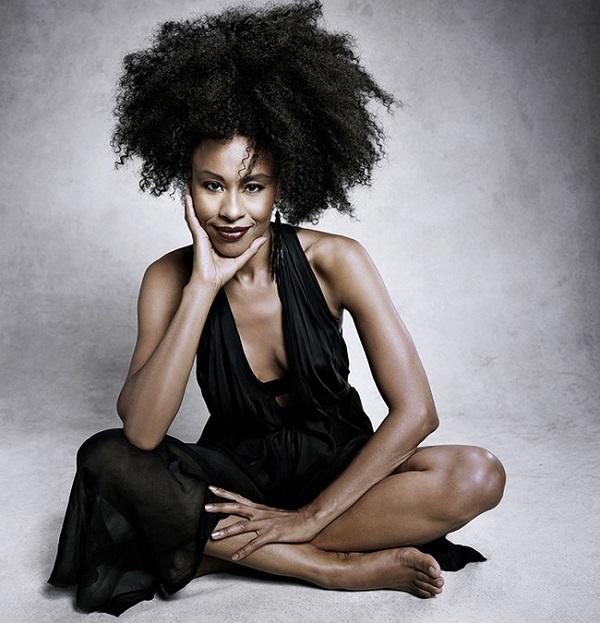
Malia (born in 1978) is a singer from Malawi

Her subsequent releases, Echoes of Dreams (2004) and Young Bones (2007), were highly acclaimed among jazz fans across Europe. Malia is known for her expressive voice. From the beginning, she found her way to the stage and her singing style flirted with sounds from the 1960s and 1970s.

Her role models include Billie Holiday, Sarah Vaughan, and Nina Simone. In 2013, she received the Echo Jazz Award for “International Female Vocalist of the Year.” She explored her African roots in the album Malawi Blues/Njira, released on MPS in 2016. In her 2018 release, Ripples (Echoes of Dreams), Malia offers another perspective on her previous album, Echoes of Dreams. Her latest release, The Garden of Eve, is dedicated to the blues.
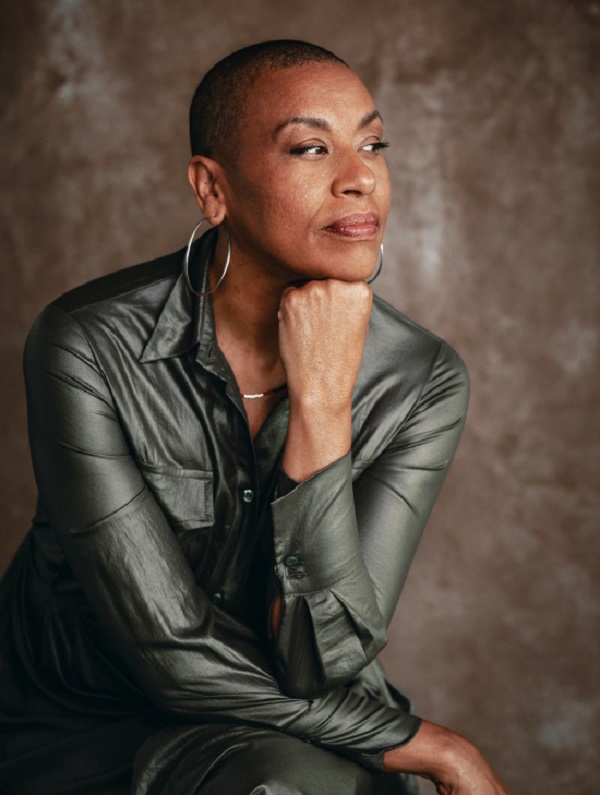
Malia is the energy that allows the blues to have a soul, a voice

“My heart beats for many things. I think that is because I come from a marriage of mixed heritage. I have never felt like I am one thing or the other; I am more of a fusion of both, and my music reflects that. I feel I am evolving as a human being, and although music is simply a medium for expression, I like the idea of resonating with it, if its rhythm suits me.

The blues has always been dear to my heart: it is a cathartic, precious, and profound experience, whether playing it or hearing it on the radio. When I first heard Billie Holiday sing ‘Blue Moon,’ I could feel it in every cell of my body.

She had a very powerful effect on me. Sentimental blues, originating in tragic situations, sometimes even reflecting my own experiences… No matter how bad family, friends, politics, lovers, governments, or society may be, they can never destroy the forces of good in this world.

And as time passes, I find more and more of the truth that is rooted in my soul. And I finally feel mature enough to understand this wonderful musical tradition, because the blues means life.”

And if the blues means life, Malia is the energy that allows the blues to have a soul, a voice. It has been a long time since a contemporary artist paid such a beautiful homage to the blues—a style that, in the year 2020, deserves to have the dust shaken off.

Marshall McLuhan’s once-futuristic idea of the “global village” became a reality long ago. Only now, in pop music, are we learning and experiencing, in many ways, what the legendary media theorist formulated in the early 60s. Thanks to digital technological advancements, most pop genres have acquired a global dimension.

Her mother is Malawian and her father is from the United Kingdom. She moved to London in her teens.

Hip-hop, blues, and jazz are evolving into hundreds of regional variants, far from their original roots. Malia’s music can undoubtedly be considered an impressive testament to this worldwide fusion.

After moving from the southern African republic of Malawi to London at age fourteen, the singer spent her adolescence in the UK capital (Note: the “Big Apple” is the nickname for New York, which contradicts having spent her adolescence in London. The original text was left, but the inconsistent use of the term is corrected).

Malia recorded three albums in France with André Manoukian: Yellow Daffodils (2002), Echoes of Dreams (2004), and Young Bones (2007), all created in Manoukian’s Parisian studio.

In 2010, she met Swiss producer Boris Blank, who, since the 80s as part of the avant-garde duo Yello (The Race, Bostich) with Dieter Meyer, has garnered great success. In 2012, Malia released a tribute to Nina Simone, Black Orchid, which won that year’s ECHO Jazz Award. In 2014, Boris Blank produced the eleven electronic-style songs for her album Convergence.

Malia’s sixth studio album, Malawi Blues/Njira, sees her clear, incisive voice amplified again in a soul-jazz context. “An album I’ve always wanted to make… I feel like the time is right now… I wanted songs that reflected my consciousness and my ancestry,” she summarizes the essence of the ten tracks on Malawi Blues/Njira.

The album features thoughtful, mostly slow-tempo original tracks, with sparsely orchestrated piano, accompanied by guitar and percussion, including an almost minimalist version of the classic ‘Moon River.’ From the outset, with Malawi Blues/Njira, Malia recalls the sound of her childhood.

The local vibes of the Kwela and Kwasa-Kwasa traditions are felt not only in the moving “Love Is Holding Both Our Hands.” “I humbly consider it my duty to pass on the rich traditions and stories, just as my ancestors did, as my grandparents and parents did when we would sit around the fire in the evenings in Malawi, eating nsima with pumpkin leaves and peanut sauce.” Of course, that is only one aspect of her rich work.

Her songs are characterized by artistic experiences and experiments, an amalgam that has shaped Malia’s life and a lasting effect of her time in the London club scene, where she was able to sharpen her sense of rhythm in small bars in front of reduced audiences. Here, she could always adjust her sets live, night after night.

This musical diversity now benefits her, when, in Chipadzuwa (a southern African colloquial term for a beautiful woman), she alternates between the regional language, Chichewa, and the universal language, English, with a mellifluous ease.

With the support of the virtuoso pianist Alex Wilson, a sound that is both fresh and warm emerges. Malia has arrived in a global musical world for which she works and fights. “To all the silent warriors in this world,” Malia concludes, “Malawi Blues/Njira is for you!” (mps-music)

Malia – Malawi Blues / Njira (2016)
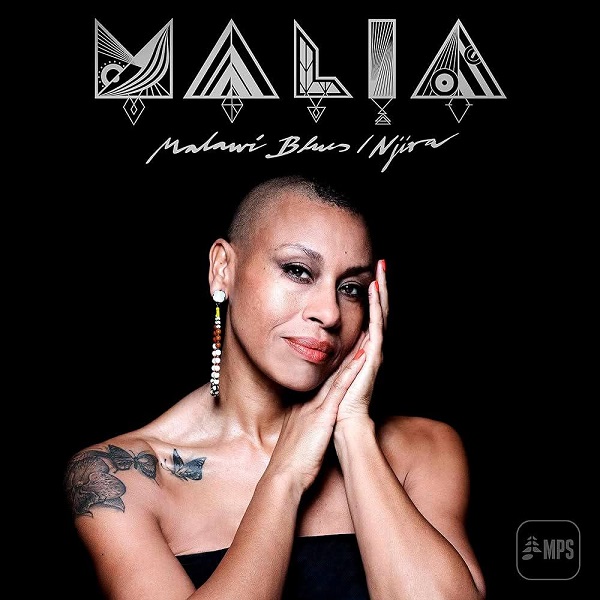
Malia - Malawi Blues Njira (2016)
Malia – Malawi Blues Njira (2016)

Tracks:

  1. Malawi Blues / Njira
  2. Love Is Holding Both Our Hands
  3. Chipadzuwa
  4. Let Me Breathe
  5. Disgrace
  6. The Seed
  7. Black Widow
  8. Moon River
  9. Friendship
  10. Wonder Of The World
  11. Let Me Breathe (bonus track)

Musicians:

  • Malia (Vocals)
  • Alex Wilson (Piano, Programming)
  • Dimitris Christopoulos (Double Bass)
  • Edwin Sanz (Drums, Percussion)
  • Ahmed Fofana (Guitar on track #2, Instruments on track #9)

About Malawi, The Warm Heart of Africa

Malawi, known as the “Warm Heart of Africa” for the kindness of its people, is a landlocked country located in southeastern Africa. It is famous for its stunning natural landscapes, highlands, and, above all, the vast Lake Malawi, which covers approximately 20% of its territory.

Culture and History

  • Culture: Malawi’s culture is rich and diverse, with various tribes such as the Maravi, Nyanja, and Tumbuka. Each contributes particular aspects to the traditional masks, dances, music, and clothing. The people are known for their friendly nature and relaxed pace of life.
  • History: The territory was a British protectorate called Nyasaland until its independence on July 6, 1964. Subsequently, it became a one-party state under the authoritarian rule of Dr. Hastings Kamuzu Banda for decades, until the transition to a multiparty democracy in the 1990s.

Tourism and Nature The main tourist attraction is Lake Malawi, the third-largest lake in Africa, known for harboring more fish species than any other lake in the world, including about 1,000 species of cichlids. The country offers an authentic travel experience and is considered one of the safest countries in Africa for visitors.

🎤 Personal Data on Malia

  • Birth Name: Not commonly used publicly; she is known simply as Malia.
  • Year of Birth: 1978.
  • Place of Birth: Malawi, East Africa.
  • Nationality: Malawian and British (United Kingdom).
  • Family Origin: Her mother is Malawian, and her father is from the United Kingdom.
  • Musical Career: She was exiled with her family to London when she was a teenager (around age 14) due to political reasons. It was there that she discovered jazz and was inspired by singers like Billie Holiday, Sarah Vaughan, and Nina Simone.
  • Genres: Jazz, Soul, Blues, Pop, with African influences.
  • Recognition: She won the Echo Jazz Award for “International Female Vocalist of the Year” in 2013 in Germany.
  • Notable Discography:
    • Yellow Daffodils (2002) – Her debut album.
    • Black Orchid (2012) – A tribute to Nina Simone.
    • Malawi Blues/Njira (2016) – An album where she explores her African roots.


Collaboration:
L’Òstia Latin Jazz

Dj. Augusto Felibertt.

Also Read: Dave Valentin considered one of the most important Latin Jazz flutists in history, thanks to his technique and rhythm.

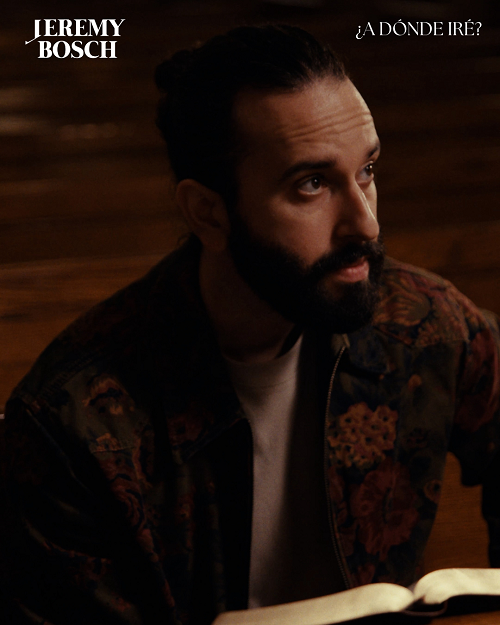
Jeremy Bosch Releases New Single “¿A dónde iré?”

The renowned musician, vocalist, composer, and arranger, Jeremy Bosch, has announced the release of his new single, “¿A dónde iré?” (Where Will I Go?). The song is the first promotional cut from his upcoming album, scheduled for release in October of this year.

“¿A dónde iré?” was written by Bosch, who is also a virtuoso flutist. For the lyrics, he drew inspiration from Psalm 139. In a press release, Jeremy commented on his inspiration, “This song was born from a moment of introspection and gratitude. I wanted to capture how God finds and accompanies us everywhere, even when we don’t perceive Him. I hope that those who listen can feel that closeness and trust in Him.”

The lyrics “combine biblical verses with Jeremy’s personal experience, intertwining his life’s testimony with the spiritual richness of scripture,” according to the artist’s team.

With this composition, the talented salsa artist whose work spans various musical genres seeks to invite listeners “to reflect on the presence of God (…) and the intimacy of a relationship with Him, through an authentic and moving musical expression.”

Jeremy Bosch lanza su nuevo sencillo “¿A dónde iré

Jeremy Bosch’s commitment to this production is evident. He is the composer of both the lyrics and melody, as well as the arranger, producer, vocalist, and background vocalist, in addition to playing the flute. The song features Álex “Apolo” Ayala on bass, interacting with Gabriel Chakarji on piano. Marcos Torres is on congas and minor percussion, and Marcos López is on timbales and bongos. The trumpets were handled by “Maneco” Ruiz and Jesús Ricardo. Doug Beavers played the trombone and Mario Castro the tenor saxophone. Edmar Castañeda is on harp, Roman Lajara on guitars and banjo, while Ali Bello played the violins, Samuel Marchan the violas, and Mara Navas the cellos.

About the Artist

Jeremy Bosch is a proud Puerto Rican. He was born in Ponce and raised in Las Piedras. He is a 2013 graduate of Berklee College of Music, with a degree in Jazz Composition.

Jeremy was the singer and flutist for the Spanish Harlem Orchestra from 2015, when director Óscar Hernández recruited him to replace Ray De La Paz, until early 2025, when he left SHO to focus on his solo career. In 2016, his compositions earned him recognition as a great writer, with the album Hecho a mano by Buena Vibra Sextet, released through Salsaneo Records. In 2020, while reviewing Pequeño Johnny Rivero’s album Golpe duro, I came across Jeremy’s credit as a background vocalist on the record. At that point, we already identified him as one of the new, promising salsa artists to watch. In Puerto Rico, in addition to his solo career, he is associated with the contemporary percussionist and orchestra director Pete Perignon, with whom he collaborated on the single ‘Sería una pena’ (2020).

Previously, Jeremy had the good sense to venture into a tribute to another notable Ponce native: Cheo Feliciano. The work, published under the title Prefacio, was recorded live at the Dizzy Club in New York. For this feat, he shared the stage with special guests such as Óscar Hernández, Johnny “Dandy” Rodríguez, and Nelson González. On that occasion, he stood out among compositions by Tite Curet Alonso, such as ‘Si por mí llueve,’ ‘Pa’ que afinquen,’ and ‘Los entierros’—to name a few—with arrangements by vibraphonist Felipe Fournier.

JB con flauta El reconocido músico, vocalista, compositor y arreglista Jeremy Bosch

Another notable production from his distinguished career allowed him to share the studio with Luis Enrique and Alain Pérez for the production of Prólogo hoy. This was followed by Epílogo, an Afro-Caribbean music album. Jeremy doesn’t want to be associated solely with salsa. In fact, his musical journey has been bold and varied, experimenting with “salsa mixed, produced, and arranged from a more synthesized and minimalist perspective,” as he described in an interview for the National Foundation for Popular Culture of Puerto Rico.

From his corner, this artist who has chosen to get to work—overcoming the temptation to complain—invites “a reconciliation between generations” for a healthy coexistence to enrich and diversify the contemporary musical talent pool.

Bella Martinez Puerto Rico


Also Read: Long live music! Repeat after me: “Long live the musicians so they can keep making it”. And I add: “Long live SALSA”.

Luis Conte: The Cuban-American percussionist who fuses Cuban son with global music

Luis Conte is a renowned Cuban-American percussionist who has left an indelible mark on the music industry. His talent and versatility have led him to collaborate with an impressive list of world-class artists.

Luis Conte, the percussionist who fuses Cuban son with global music.

Born in Santiago de Cuba, Conte emigrated to Los Angeles in 1967. Throughout his career, he has been honored multiple times as “Percussionist of the Year” by specialized magazines like Modern Drummer and Drum Magazine.

Luis Conte has been the percussionist for some of the biggest names in commercial music, including James Taylor, Phil Collins, Jackson Browne, Madonna, Sergio Mendes, Ray Charles, Pat Metheny, Beck, Shakira, Sade, and Herb Alpert.

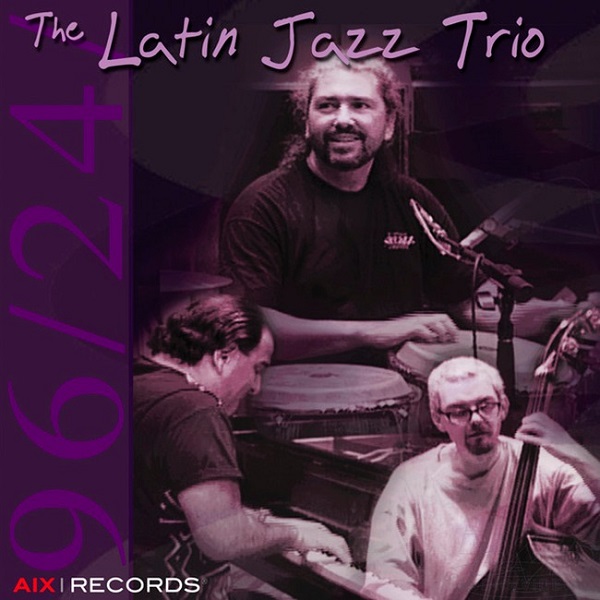
In this first HD-Audio Latin recording, his talent, along with that of pianist David Garfield and the recently deceased bassist Dave Carpenter, comes to life through the magic of 96 kHz/24-bit, 5.1 channel surround sound. The music is mixed to maximize individual musical lines and timbres. Bob Stuart, the founder and chairman of Meridian Audio, described the sound as “incredible,” adding that it was one of the best recordings he had ever heard.

The difference lies in the use of new technology, strict adherence to signal purity, and a willingness to experiment with instrument placement. Finally, you have the opportunity to hear authentic HD-Audio with performers who know how to create wonderful music.

Being a percussionist is like being a geographer. These instruments come from all over the world: Africa, Brazil, Colombia, the Middle East. I try to cover everything.

Luis spent the first 15 years of his life absorbing the rich musical heritage of son and carnaval. “Life in Cuba is about enjoying it, and music is fundamental to that lifestyle,” says Luis. “Music is almost like food for Cubans.” Immersed in the music of his native Cuba, Luis also developed a passion for rock & roll, R&B soul, jazz, and The Beatles.

At age 15, in search of freedom, Luis emigrated to Madrid, Spain. He soon had another opportunity to travel, this time to Hollywood. In California, Luis stayed with a cousin and attended Hollywood High School, where he played guitar in numerous rock bands during his teenage years.

After high school, Luis met John Monteallegre, who reconnected him with Cuban drumming at L.A. City College. By age 18, Luis had a strong interest in drumming and took every opportunity to play and learn, drawing inspiration from a deep well of rhythm he absorbed during his youth in Cuba.

David Garfield’s mission is “I make music.” And “make music” is what he does, as a world-renowned keyboardist, producer, and composer. Whether it’s jazz, rock, funk, or world beat, he is the creative force behind the production of numerous internationally acclaimed recordings.

Conte is a renowned Cuban-American percussionist

After studying music at Ohio State University, the late Dave Carpenter started his professional career playing with three jazz giants: Buddy Rich, Maynard Ferguson, and Woody Herman. More recently, Carpenter was part of drummer Peter Erskine’s trio, which also included pianist Alan Pasqua. A veteran of the Woody Herman and Bill Holman big bands, he also worked with Bill Perkins, Jack Nimitz, Herb Geller, Herbie Hancock, Jack Sheldon, Al Jarreau, Bill Cunliffe, Jan Lundgren, Terry Gibbs, Buddy DeFranco, and Richard Stoltzman, among others.

As sought-after in Los Angeles studios as he was in clubs, Carpenter has an extensive list of recording credits. He participated in more than 200 recordings and composed dozens of themes and scores for television and film.

Sadly, Dave passed away from a heart attack in June 2008. The music world lost a truly wonderful musician and person. The premium DVD-Audio/Video discs from AIX Records are two-sided: one side is an interactive DVD-Video disc, and the other is a DVD-Audio disc (which requires DVD-Audio compatible equipment for playback).

The sound of this recording brings these incredible instrumentalists into your listening space. The HD audio surround mixes immerse you in the musical interplay with a full-range frequency and dynamic response. Discover how good Latin jazz can sound! When I’m asked at trade shows what my favorite discs are, I always include The Latin Jazz Trio.

Dave Carpenter, Luis Conte & David Garfield – The Latin Jazz Trio (2002-R2018)

Dave Carpenter, Luis Conte & David Garfield - The Latin Jazz Trio
Dave Carpenter, Luis Conte & David Garfield – The Latin Jazz Trio

Tracks:

  1. Luisongo
  2. Doña Olga
  3. Memories Of Rio
  4. Mujaka
  5. Song For My Father
  6. Future Generations
  7. Pools
  8. Rumba Del Cielo
  9. Kumbisa / Cuba

Musicians:

  • Dave Carpenter (Bass)
  • Luis Conte (Percussion)
  • David Garfield (Piano)

Recorded at the Zipper Auditorium at The Colburn School of Performing Arts, 2000.

By: L’Òstia Latin Jazz

Dj. Augusto Felibertt

Also Read: Israel “Cachao” López, a Cuban musician and composer, has been hailed as “the Inventor of Mambo”

How Money Is Made Today: Recording Artists, Record Labels, and Digital Platforms

Carlos Navarro is a renowned multi-percussionist, producer, bandleader, and singer, known for leading the Orquesta Son y Clave. Here are some key details about him and his music:

  • Musical Style: He specializes in genres like salsa, mambo, merengue, and Latin jazz.

  • Orquesta Son y Clave: The band has gained popularity in recent years, even sharing the stage with world-class artists like The Rolling Stones.

  • Collaborations: He has worked with major talents in Latin music in Los Angeles, including Tito Nieves, Luis Barbarán, and others.

  • Family Connection: He is the brother of the famous singer Cherry Navarro.

    Carlos Navarro reconocido multi-percusionista, productor, bandleader y cantante, conocido por liderar la Orquesta Son y Clave
    Carlos Navarro reconocido multi-percusionista, productor, bandleader y cantante, conocido por liderar la Orquesta Son y Clave

1). What’s the current process for recording, music production, and royalty distribution?

The current process begins with recording, which can now be done in professional studios or in home studios equipped with high-quality technology. Next is music production, which includes editing, mixing, and mastering to ensure the material meets industry standards.

Once the final product is complete, it’s distributed digitally through aggregators or distributors who place it on platforms like Spotify, Apple Music, and YouTube, among others. As for royalties, these are mainly collected by collective management societies and the platforms themselves, who distribute the income based on streams, downloads, or licenses, assigning it to the author, performer, and producer as stipulated in their contracts.

2). What is the impact of digital platforms that artists use to release their music?

Digital platforms have transformed the music industry by democratizing access. Today, any artist, regardless of their fame or resources, can distribute their music globally. The biggest impact is visibility: a song can reach millions of listeners without the need for a traditional record label.

However, there is also the challenge of market saturation, which requires artists to accompany distribution with solid strategies for digital marketing, branding, and social media presence.

3). How are the revenues distributed once the product is complete?

Revenue distribution varies according to contractual agreements, but generally, it’s split between authors and composers (publishing royalties), performers and producers (master recording royalties), and the distribution company or label.

In the digital environment, streaming platforms pay a percentage for each stream, which first goes to the digital distributor and is then divided according to the percentages agreed upon in publishing and production contracts. This system makes good administrative management essential so that everyone involved receives what they’re owed.

At The Blind Tiger Super Club in Santa Barbara California. Son y Clave Orchestra Carlos Navarro. Great venue.

4). Name some current business models for producing a record.

  • Independent Digital Distribution: The artist pays a digital distributor (e.g., DistroKid, CD Baby, TuneCore) and keeps most of their rights.
  • Record Label Contract: The label invests in production and promotion in exchange for a percentage of royalties and even the master rights.
  • Licensing and Sync: Producing music geared toward films, commercials, and video games, generating income from usage licenses.
  • Crowdfunding: Fans support the funding of the album in exchange for exclusive rewards.
  • 360 Deal: The label or company handles not only production and distribution but also concerts, merchandise, and image rights, in exchange for a larger percentage.

5). What strategies can artists use to monetize their work in the digital environment?

  • Streaming and Digital Downloads: Maximizing presence on Spotify, Apple Music, Deezer, etc.
  • YouTube and Content ID: Monetizing through views, ads, and copyright control.
  • Digital and Physical Merchandise: T-shirts, vinyl records, NFTs, and exclusive products.
  • Social Media and Subscriptions: Platforms like Patreon or TikTok offer the possibility of direct income from fans.
  • Licensing and Sync: Offering music for TV series, films, video games, and advertising campaigns.
  • Virtual Concerts and Exclusive Experiences: Monetized live streams, digital meet-and-greets, or access to exclusive content.

6). What do you think about creating a digital platform among us, the Latin musicians, where the profits go to the artists?

I think that’s an extremely valuable and necessary proposal. A digital platform created by and for Latin musicians would have a direct impact on the independence and sustainability of our artistic projects. By eliminating traditional intermediaries and ensuring most of the profits go directly to the artists, it would foster a fairer and more equitable industry.

Furthermore, this kind of initiative would not only allow for a better distribution of income but also the creation of a strong community where we can support each other, give visibility to emerging talents, and preserve the cultural identity of our music. In a market dominated by global platforms that prioritize volume over quality, having our own space would be a strategic tool to strengthen our voice as Latin artists and give true value to our creative work.

Carlos Navarro
Carlos Navarro

Also Read: How Money is Made Today as a Recording Artist with Record Labels and Digital Platforms

Sheila E. A drummer with a Latin heart

European Union

Guided by the forces of family, faith, and music, Sheila E. has made a name for herself as one of the most talented musical icons over the decades. With a fearless nature and a passion for sharing her gifts with others, Sheila truly follows the beat of her own drum. She touches the lives of so many, with her dynamic music career at the heart of everything. Sheila’s eagerness to share her music, openness as an author, and fire for her ministry make her such a relatable, inspirational figure for people of all ages.

Sheila E.
Sheila E.

Born into a musical family, Sheila Escovedo (Sheila E.) has been driven by an inner rhythm her entire life. As a young girl, she was immersed in the diverse music scenes of the Bay Area-influenced and inspired by her percussionist father Pete Escovedo; musical uncles Coke Escovedo, Alejandro Escovedo, Mario Escovedo, and Javier Escovedo; and godfather Tito Puente. Growing up in the Escovedo household, musical instruments were for everyone. “Nobody cared as long as you could keep time (or have a good time),” she writes in her memoir, The Beat of My Own Drum.

“The idea to record another solo album was actually spawned while I was writing the autobiography”, recalls Sheila E. “I realized that some of the experiences I was writing about should be songs. That’s when I also began looking back at songs I’d written several years earlier and forgotten about, but whose themes needed to be talked about in the book. Both fed each other”.

As the musical half of Sheila E.’s storied life and career, Icon pulsates from start to finish with colorfull fusions of the pop, R&B, funk, rock, Latin and jazz influences that shaped her unique style.

“The 16-track set opens with the soaring “Butterfly,” the first of four interludes that subtly yet powerfully illuminate the versatile talent behind the music. “Butterfly” reflects part of the journey in my book,” explains Sheila E., nicknamed butterfly by a family friend. “It’s who I am as a person. I always wanted to fly, to be the first female astronaut on the moon. It’s me running track, running free. That’s how I play.” The album takes off from there, with most songs produced live, specifically solos, in one or two takes. “I’m used to playing live,” says Sheila E., who also produced the project. “Why would I punch in my soul?”

She unleashes that soul on feisty first single, “Mona Lisa.” Drawn from Sheila E.’s Latin roots, the track vibrantly chronicles a story about a woman who never lost sight of her dream: to perform. That’s just one of several potential singles on Icon. “Fiesta” opens with guest rapper B. Slade’s teasing declaration, “Just drop that beat on that.” T

Sheila E. Photo 1
Sheila E. Photo 1

hen the hot club jam powers up as Sheila E. drums out an infectious beat throbbing with intensity-“Can’t nobody rock a party like Sheila E.,” raps B. Slade-before closing with her coquettish laugh. A mid-tempo downshift yields the feel-good track “Lovely Day.” Its message about focusing on the bright side of life takes the song on a surprising turn as it morphs into a gospel/funk vibe reminiscent of Sly Stone.

Joining Sheila E. on her musical reverie are two singular storytellers in their own right: singer Ledisi and pioneering rapper MC Lyte. The latter’s signature edgy flow spices up the saucy themed “Nasty Thang,” while outlining the drama and glamour that often com 1 es with a life in the music industry. Ledisi adds a poignant touch to “Girl Like Me,” an honest, empowering message about surviving abuse.

An abuse survivor herself, Sheila E. originally penned the song to perform with her 2007 female band C.O.E.D. (Chronicles of Every Diva). Rounding out Icon is a new version of the funky tour de force “Leader of the Band.” The song features Sheila and the E Family (father Pete and brothers Juan and Peter Michael) as well as Prince, on piano. “I love playing this song,” says Sheila E., “so I re-recorded, while still leaving a little room for Prince. It’s about how I was influenced by my pops [the legendary Pete Escovedo] and [songwriter/producer/ musician] George Duke.

That a female can be in charge and bring it just as hard.” Icon ends as it begins with another moving interlude, “Now Is the Hour.” A duet featuring Sheila E. and her beloved “moms,” Escovedo matriarch Juanita, the clip dates back to Sheila E.’s childhood. Family, faith and music were guiding forces for Sheila E. growing up in the Bay Area. In addition to percussionist dad Pete, the Oakland, Calif. native counts former Santana member/Azteca founder Coke Escovedo, solo recording artist Alejandro Escovedo, The Dragons front man Mario Escovedo and from The Zeroes Javier Escovedo as uncles

Fellow Latin star Tito Puente was her godfather. In addition to being weaned on Latin jazz and Motown, Sheila E. was exposed to a diverse array of Bay Area acts and artists. Those influences ranged from the rock of Jefferson Airplane and the Grateful Dead to the R&B/pop of the Pointer 1 Sisters and the funk of Tower of Power and Sly & the Family Stone. “I used to sit on the corner outside of the local community center with Twinkies and 7-Up listening to Tower of Power, Sly and Larry Graham rehearse,” recalls Sheila E. “The sounds of the Bay Area molded me.”

Sheila E. Photo 2
Sheila E. Photo 2

So it’s no surprise that after such a music-immersive childhood, the gifted drummer/percussionist began amassing an impressive string of credits playing not only with her dad but also with pioneering talents like George Duke, Marvin Gaye, Lionel Richie and Herbie Hancock. Following a Bay Area gig in the late ’70s, Sheila E. met Prince backstage.

Their Purple Rain recording sessions-including her vocals on the 1984 classic “Erotic City”-morphed into launching her solo career that same year. Debut album The Glamorous Life spun off the Grammy Award-nominated top 10 hit of the same name plus a second top 40 single “The Belle of St. Mark.”

Between her ’80s tenure as drummer, songwriter and musical director for Prince’s backup band, Sheila E. released three more solo albums (Romance 1600, Sheila E. and Sex Cymbal) and scored two more classic hits with “A Love Bizarre” and “Hold Me” a romantic ballad. After taking some time away from the spotlight, she then decided to tap into her Latin Jazz roots and under the name E-Train, released (Writes of Passage and Heaven).

Sheila E.’s fierce, dynamic verve onstage has made her a major concert draw since the ’90s. Along the way, she has acted in several films (“Krush Groove,” “The Adventures of Ford Fairlane,” “Chasing Papi”) and launched various music projects (E Train, The E Family). Adding to her arsenal of credits such names as Ringo Starr (as a member of Ringo Starr’s All Star Band in 2001, 2003 and 2006), Gloria Estefan and Beyoncé as well as performing on the 2012 Academy Awards with pop hitmaker Pharrell Williams and composer Hans Zimmer.

Sheila E. in concert

She was the first female Music Director for a late night talk show (“The Magic Hour” with Magic Johnson) and received an Emmy® nomination as Musical Director for “Fiesta Latina – A Performance at The White House.” Sheila E. was recently among the rost 1 er of stars chosen to perform at the Kennedy Center Honors whose 2013 honorees included artists Herbie Hancock, Billy Joel and Carlos Santana. Away from the spotlight, music doubles as a source of healing and giving back for Sheila E. In tandem with the city of Oakland, she staged the first annual “Elevate Oakland” benefit concert in February of 2014.

A host of Bay Area artists and other acclaimed musicians performed at the city-donated Fox Theatre. The goal: to raise funds to improve student academic achievement and attendance through music and arts programming. But this isn’t Sheila E.’s first time giving back. Between gigs, she has also crisscrossed the country, speaking at schools and colleges, shelters, church organizations, music classes and clinics about music’s effect on her life and career. “Sharing music in any way I can is my ministry,” she 1 says. And that was part of the inspiration for penning the autobiography “The Beat of My Own Drum.” Several years ago Sheila E. publicly acknowledged she was an abuse survivor

“The book was the beginning of the healing,” says Sheila E. “I’d talked about the abuse in my ministry and addressed it in some of the song lyrics I’d written. But it was challenging to sit down and really write about it in detail for the book. But through pain comes realization, understanding and the opportunity to help others overcome those challenges.” After ringing in 2014 in concert with Sergio Mendes on New Year’s Eve at Disney Hall, Sheila E. is now ready for her Icon debut.

Sheila E. Icon
Sheila E. Icon

With no Google or YouTube artist script to follow back then, she says her career drive was propelled by one thing: “I just did it because I loved it. And that’s what Icon represents. I started all this as Sheila Escovedo then became this persona named Sheila E. Now Sheila E. and Sheila Escoved 1 o are the same person, still making music that comes from the heart.”

  • « Go to Previous Page
  • Page 1
  • Interim pages omitted …
  • Page 5
  • Page 6
  • Page 7
  • Page 8
  • Page 9
  • Interim pages omitted …
  • Page 34
  • Go to Next Page »

International Salsa Magazine (ISM) is a monthly publication about Salsa activities around the world, that has been publishing since 2007. It is a world network of volunteers coordinated by ISM Magazine. We are working to strengthen all the events by working together.