• Skip to primary navigation
  • Skip to main content

International Salsa Magazine

  • Home
  • Previous editions
    • 2025
      • ISM / November 2025
      • ISM / October 2025
      • ISM / September 2025
      • ISM / August 2025
      • ISM / July 2025
      • ISM / June 2025
      • ISM / May2025
      • ISM / April 2025
      • ISM / March 2025
      • ISM / February 2025
      • ISM / January 2025
    • 2024
      • ISM / December 2024
      • ISM / November 2024
      • ISM / October 2024
      • ISM / September 2024
      • ISM / August 2024
      • ISM / July 2024
      • ISM / June 2024
      • ISM / May 2024
      • ISM / April 2024
      • ISM / March 2024
      • ISM / February 2024
      • ISM / January 2024
    • 2023
      • ISM / December 2023
      • ISM / November 2023
      • ISM / October 2023
      • ISM – September 2023
      • ISM – August 2023
      • ISM July 2023
      • ISM Edition June 2023
      • ISM – May 2023
      • ISM April 2023
      • ISM March 2023
      • ISM February 2023
      • ISM January 2023
    • 2022
      • ISM December 2022
      • ISM November 2022
      • ISM October 2022
      • ISM September 2022
      • ISM August 2022
      • ISM July 2022
      • ISM June 2022
      • ISM May 2022
      • ISM February 2022
      • ISM January 2022
    • 2021
      • ISM December 2021
      • ISM November 2021
      • ISM October – 2021
      • ISM September 2021
      • ISM August 2021
      • ISM July 2021
      • ISM May 2021
      • ISM April 2021
      • ISM June 2021
      • ISM March 2021
      • ISM February 2021
      • ISM January 2021
    • 2020
      • ISM December 2020
      • ISM November 2020
      • ISM October 2020
      • ISM September 2020
      • ISM August 2020
      • ISM July 2020
      • ISM June 2020
      • ISM May 2020
      • ISM April 2020
      • ISM March 2020
      • ISM February 2020
      • ISM January 2020
    • 2019
      • ISM December 2019
      • ISM November 2019
      • ISM October 2019
      • ISM Septembre 2019
      • ISM August 2019
      • ISM July 2019
      • ISM June 2019
      • ISM May 2019
      • ISM April 2019
      • ISM March 2019
      • ISM February 2019
      • ISM January 2019
    • 2018
      • ISM December 2018
      • ISM November 2018
      • ISM October 2018
      • ISM September 2018
      • ISM August 2018
      • ISM July 2018
      • ISM June 2018
      • ISM May 2018
      • ISM April 2018
      • ISM March 2018
      • ISM February 2018
      • ISM January 2018
    • 2017
      • ISM December 2017
      • ISM November 2017
      • ISM October 2017
      • ISM September 2017
      • ISM August 2017
      • ISM July 2017
      • ISM June 2017
      • ISM May 2017
      • ISM April 2017
  • Download Salsa App
    • Android
    • Apple
  • Spanish

Search Results for: jazz club

Rudy Regalado. The legend of percussion

North America / USA / California

Rudy Regalado was a composer/ educator and one of the top Latin Rock Timbaleros based in the area of East Los Angeles, California during the 1970s and the second more famous Latin percussionist after Tito Puente. His legacy has been exceptional, 23 recorded albums, participated in big Festivals from USA and shared the best platforms with the best in the world. This artist was well known for his style, his contagious rhythm and eccentric presence.
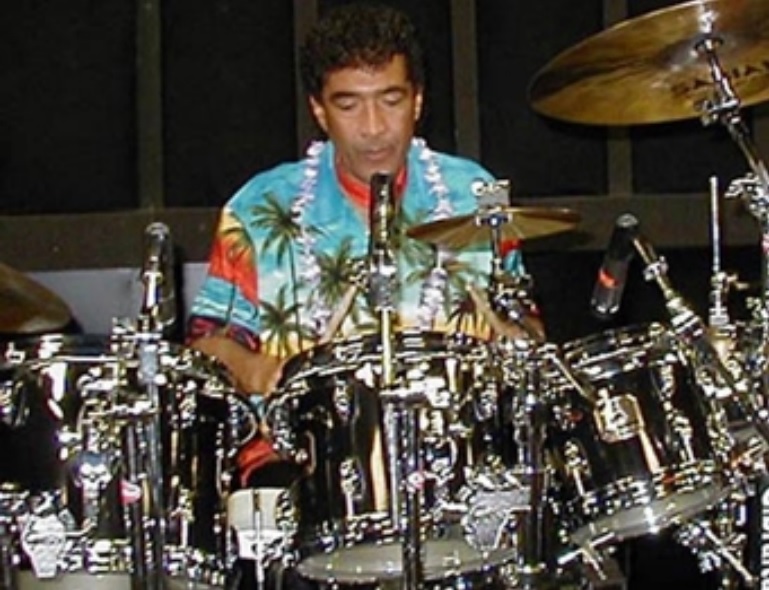
Photo 1: Rudy Regalado

Rudy Regalado was a genuine and outstanding timbales maestro; he was inspired as a child by big bands Machito and Tito Rodriguez, who were two of favorites he became interested in playing music and the Timbales.

His beginnings in this instrument go back at the end of the 1950s. During that period as s teenager, he learned to play the drum and timbales in home town (Caracas-Venezuela). For 1963 and with desire to eat the world with his music he moved to Puerto Rico and started playing in hotels and clubs in the San Juan area with Julio y su combo, the first house bands he played with in Puerto Rico’s at Hotel Caribe Hilton. They were the backup house band for all the famous musicians that performed in the Island in 1965; at the same time he studied harmony and percussion at Pablo Casals Conservatory of music.

Photo 2: Rudy Regalado

A decade later the restless Venezuelan timbalero migrated to Southern California, where he joined playing with local jazz and Latin groups before joining with the extremely popular Latin Rock Band called El Chicano.

The timbalero of timbaleros spent twelve years with El Chicano, singing and playing the timbales in 5 albums, which was included in Top 40 hits during the 1970s with the songs “Viva Tirado” and “Tell Her She’s Lovely”. El Chicano also created the theme song for the television series Baretta, which ran on ABC from 1975 to 1978.

After, Rudy formed his own Latin Jazz All-Star / Salsa Band in 1983, which included a selected group of musician from Los Angeles. Initially known as Todos Estrellas, the band eventually became known as Chévere (aan expression of Venezuelan popular slang) and appeared at the PlayBoy Jazz Festival, Disneyland and Fiesta Broadway, among other engagements. The band also performed overseas in summer festivals in Canada, Hong Kong, Indonesia, Kuala Lumpur, Malaysia, Singapore, Thailand and throughout the European continent.
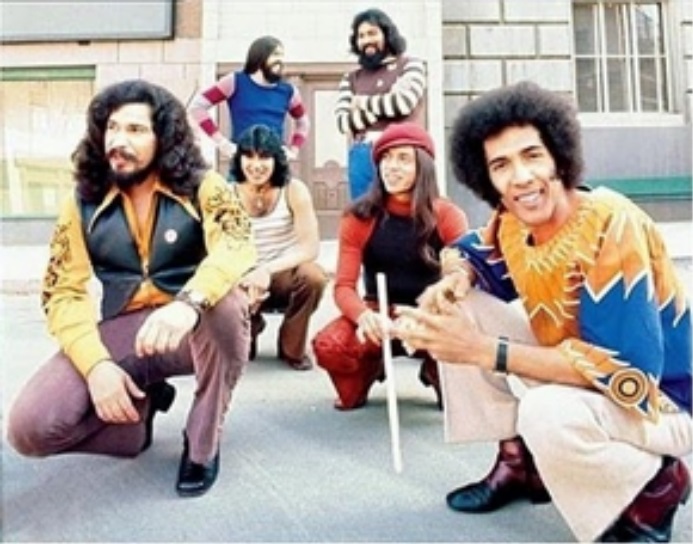
Photo 3: Rudy Regalado

As part of an El Chicano reunion in 2009, the Timbales maestro performed during the 40th anniversary of Woodstock festival at the Golden Gate Park Music Concourse in San Francisco, where the group actually celebrated their own 40th Anniversary, and last played with them at the Greek Theatre of Los Angeles in front of over a 100,000 screaming fans.

In addition, he participated in a variety of sessions with the Zawinul Syndicate, Quincy Jones, Alphonse Mouzon, Caravana Cubana.
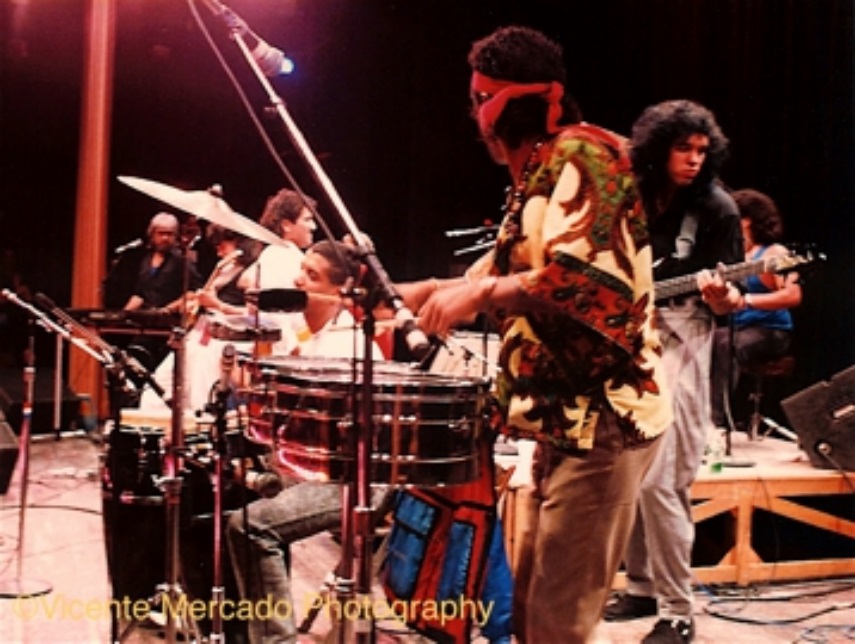
Photo 4: Rudy Regalado

Rudy also toured with Aretha Franklin in charge of her percussion section, was a drummer for Los Melódicos in its 1980 tour of United States, and performed on the Tonight Show, the Nancy Wilson Show and American Bandstand. His film credits include The Skeleton Key (2005), as well as the television series Pepe Plata (1990) and Clubhouse (2004).

Héctor José Regalado better known as Rudy Regalado passed away on November 4th, 2010, in Las Vegas – Nevada, where he died from complications of pneumonia at the age of 67.
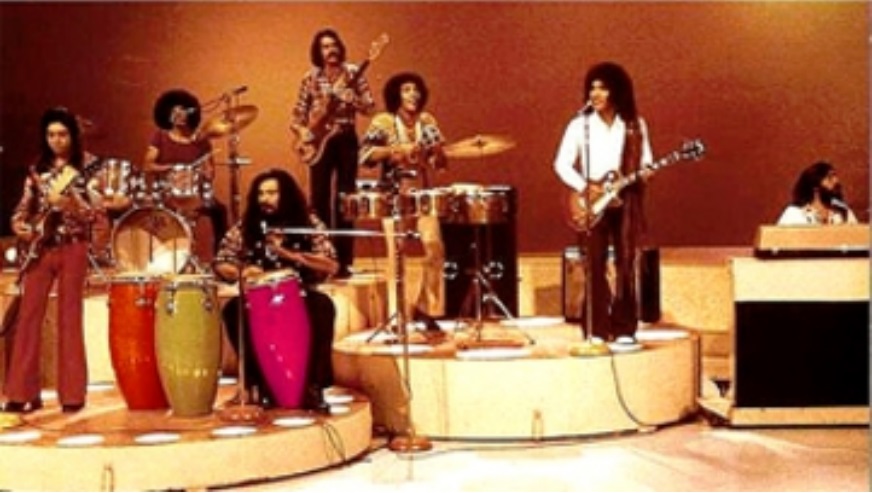
Photo 5: Rudy Regalado

Currently, his daughter Norka Tibisay Regalado founded in 2013, the Rudy Regalado Foundation. The goal of the foundation is to provide inner city music programs with instruments and financial support. “Let no child be left behind due to lack of funds”. In February, 2014, they donated over 2500 instruments and donated $2000.00 to help with cost for instructors. Her goal is to get financial support from big companies and the community in order to reach many more music programs; she is also working on bringing music programs inside children´s hospital to help the healing process to their mentally ill children and burned survivors.

Rudy Regalado will be forever remembered as one of the greatest Latin exponents of Salsa / Jazz sound of all time, undoubtedly, The Legend of Timbales (January 29, 1943 (Caracas – Venezuela) – Covember 4, 2010 (Las Vegas – Nevada).
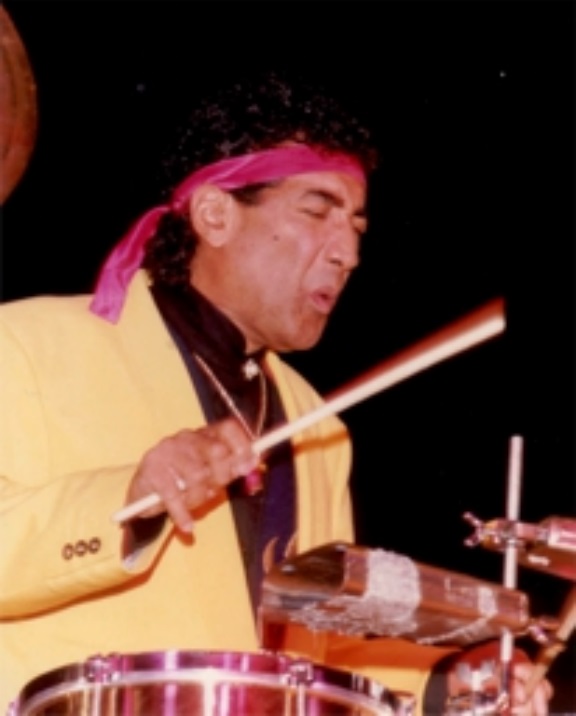
Photo 6: Rudy Regalado

For additional information or to make a donation, please contac Norka Regalado at 323.270.8176 or go to website www.rudysfoundation.org/


North America / October 2025

Tito Puente Jr 2025William cepeda 2025

Alberto Gonzalez and Hector LavoeAnia Bartelmus 2025PBSCanto Tropical 2025Luis Medina 2025Thumbnail about the salsa museum

Las Maracas promo

Martinez attorney

Directory of North American nightclubs

Canada flag
CANADA

Ontario, Canada
ONTARIO

Canada, Vancouver
VANCOUVER

United States flag
UNITED STATES
California US circular flag

CALIFORNIA

Florida circle flag
FLORIDA
Illinois circle flag

ILLINOIS

Michigan Circle flag

MICHIGAN

NJ circle flag

NEW JERSEY

New York Cicle flaga

NEW YORK

Ohio State
OHIO

Pennsylvania Circle Flag
PENNSYLVANIA

tEXAS CIRCULAR FLAG
TEXAS

Virginia Cirular Flag
VIRGINIA

Washington DC circle flag
WASHINGTON DC


The Albuquerque Latin Dance Festival

North America / USA /

The Albuquerque Latin Dance Festival, Aug 24-27, 2017

The Albuquerque Latin Dance Festival - 2017
The Albuquerque Latin Dance Festival – 2017

Performances films Lectures Dance Workshops

What better way to enjoy Albuquerque’s warm summer nights than with Latin dancing!

The Albuquerque Latin Dance Festival is three days of instruction, workshops lectures and dancing under the stars. Learn at multifaceted workshops the many Latin dance styles, or for beginners the Salsa Dance Bootcamp. Music’s and concerts make it an unforgettable event.

Know the directors!

John E. Mancini:

John E. Mancini
John E. Mancini

Music and Arts have been a part of Mr. Mancini’s life since a young age, Performing in Musicals such as The Sound of Music as Maximilian Detweiler, Bubble Trouble, and in Camelot with the Albuquerque Civic Light Opera now Musical Theater Southwest. Mr. Mancini has participated in choral singing again since his youth, from elementary school through high school and college and was a member of the New Mexi-cords, the Barbershop Chorus.

He also studied professional voice with David Majoros professional Baritone from New York City. Within the past 3 years Mr. Mancini began to study dance at the Arthur Murry Dance Studio in ABQ, including smooth and rhythm forms. Mr. Mancini was introduced to Latin Club dancing about 3 years and has become an avid enthusiast. As a result of this he became actively involved with the formation and operation of Guanabana Productions, Inc. DBA the Albuquerque Latin Dance Festival.

Julie Brovko (Treasurer and Volunteer Coordinator):

John E. Mancini
John E. Mancini

Julie began dancing as a child but did not discover Latin dance until her freshman year of college. After her first salsa class, she knew she was hooked. Julie moved to Albuquerque in 2009 to start a doctoral program in clinical psychology at the University of New Mexico and immediately sought out the dance community. Her work with the ABQ Latin Dance Festival started in 2010 when she volunteered to run he registration table and she has been increasingly involved ever since.

Wellington Guzman (Vice President):

Wellington Guzman
Wellington Guzman

Wellington hails from Santo Domingo, Dominican Republic. He loves music, dancing and people. He has been involved in multiple aspects of Latin music offering in Albuquerque and New Mexico. Since moving his family to New Mexico in 1995, he’s been promoting and producing salsa and merengue music events here for the love of the genre ever since. He is a well-known radio personality on KUNM and has been DJing for over 18 years. If you haven’t had the pleasure of meeting Wellington [yet], you will soon! He is just ½ a degree of separation from anyone and everyone here in New Mexico.

Kari Leiting (Secretary):

Kari Leiting
Kari Leiting

Kari began with vaious forms of dance at the age of four. This love of dance led to teaching in Chicago and Minnesota. While teaching dance, she discovered her interest in Latin dance. Kari moved to Albuquerque in 2009 to start the clinical psychology doctoral program at the University of New Mexico. She has enjoyed the fact that the Latin dance community is so much broader in Albuquerque than in the Midwest. Her work with the ABQ Latin Dance Festival started in 2010 when she volunteered to help monitor classes and her involvement has increased each year since.

Idalia Lechuga – Tena:

Idalia is in her second year volunteering with the ABQ Latin Dance Festival and focuses on the Marketing/PR and Government Affairs strategy. A few of Idalia’s passions are music, dance and art. She dances salsa, flamenco and Tango, which she believes are three of the most passionate dances.

She has degrees in Economics, Political Science and International Politics and is fluent in four languages: Spanish, French, Italian and English, and has traveled to fifty four countries around the world. She has studied in several countries such as Chihuahua-Mexico, Pamplona-Spain, Paris-France and at the University New Mexico, to name a few.

Idalia Lechuga - Tena
Idalia Lechuga – Tena

During her undergraduate career, she wrote an electronic academic research bool on “The Positive Effects of the Immigration Spectrumin the United States in the Economic and Political Sector, with a concentration in Latino immigration” which she has written in Spanish, French and English and has presented in coferences at Universities throughout the U.S.

Idalia loves classical music, opera, mariachi music and is an avid violinist. She has played with the Albuquerque Philharmonic when she is not too busy with the many organizations she is also a painter, mostly oil and she describes her art style as early DaVinci and late Picasso. She loves spending time with her family and her Chihuahua dog Kochinada.

Idalia is the owner of ILT International, LLC a consulting firm that offers services in Government and Political Affarirs and Marketing and PR in English, Spanish, French and Italian. She also started a winery in Chihuahua, Mexico in partnership with her father. Idalia currently serves as Communications Director with the State Programs. She has served in high level administrations and is heavily involved in local and statewide politics, international groups, and in her local community, she serves as president of her neighborhood association in the International District in Albuquerque.

Santiago Candelaria:

Santiago Candelaria sits on the board of directors of the Albuquerque Latin Dance Festival as a representative of the National Hispanic Cultural Center (NHCC).

Santiago Candelaria
Santiago Candelaria

He has been a very proud staff member of the NHCC’s Performing Arts program for more than 11 years-an organization he’s proud to serve, humbled to represent, and grateful to be a part of.  It is part of the NHCC’s work ethic and organizational culture to encourange staff to work with the community and with presenting partners in this capacity.

Service on other organizational boards by NHCC staff members in an important part of the Center’s work culture because it strengthens community bonds, continues to raise the bar for programming quality, and allows the Center to be of service to the community, both locally and at-large.

Santiago has an extensive history with social styles of dance. Previously, he was ballroom dance instructor at Strictly Dancing in Santa Fe, now the Dance Station. He worked as an instructor with High Altitude Swimg, teaching swimg and Lindy Hop and was a founding member of The Santa Fe Social Club, teaching salsa and training instructors. In Albuquerque Santiago has worked with Salsa Baby and Salsasana. He has choreographed for Fright Night, 5$ a Day, and Disco Gravy on film as well as for numerous theatrical performances.

Jessica Montoya (Director of Programming for Dancers/Performers)

Jessica is a native New Mexican born and raised in Taos, NM. She began dancing at the age of 4 years old at the Betty Winslow Dance Studio. At the age of 16, Jessica studied abroad in Valencia, Spain, where she studied Flamenco.

Jessica Montoya
Jessica Montoya

Upon returning, she performed dinner shows at the Historical Taos Inn and festivals around New Mexico. She also continued studying Flamenco with Maria Benitez summer programs in Santa Fe, and later with Eva Enciña & Pablo Rodarte at the University of NM. Continuing her education at UNM, she also studied Jazz (Contemporary and lyrical) and Hip Hop with the renowned Loren Fletcher Nickerson.

After graduating from UNM with a BA in Psychology / Communications and an endorsement in Performing Arts, she decided to get back into her Latin Roots and put her energy into Salsa, Bachata, Cha Cha Cha and Reggaeton.

You can also find Jessica teaching Salsa skills and drills classes at Defined Fitness (Riverside) and Maple Street Dance Studio in Albuquerque, NM.


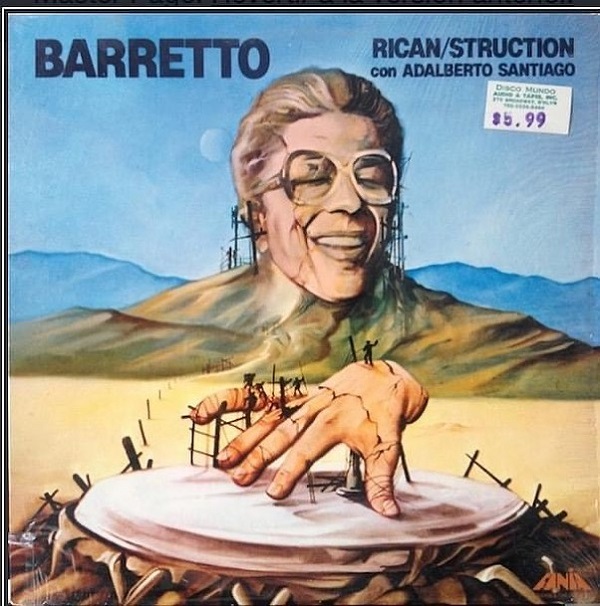
Ray Barretto: Rican/Struction of a Master for the year 1979

“Rican/Struction” is the most representative album of Ray Barretto’s career, not only for its innovative character but also for its immense personal significance.

RicanStruction is the most representative album production in Ray Barretto's career
RicanStruction is the most representative album production in Ray Barretto’s career

In 1978, Ray Barretto was struggling to cope with the poor reception of his recent album, “Can You Feel It?” (1978), which he had recorded a year earlier with Atlantic Records. Despite its quality, the album went largely unnoticed by the public, causing Barretto great frustration and disappointment.

For a few years, Barretto had been tired of playing the same old repertoire. To give his career a fresh start, his manager, Jerry Masucci, sold his contract to Atlantic, intending for him to record a more commercial jazz fusion and funk album. However, the plan didn’t work out as they had hoped. During this time, the percussionist spent his days feeling pensive and worried, convinced that signing with Atlantic had been a mistake because the label gave his last two albums very little promotion.

One morning, while driving and lost in thought, Barretto slammed on his brakes to avoid hitting a car that suddenly appeared. The abrupt maneuver caused another vehicle to rear-end him. The collision resulted in several injuries, the most serious being severe damage to the tendons connecting his thumb to the rest of his right arm. Doctors “gave up on him,” claiming he would never be able to play again.

The news plunged the musician into a deep depression. Doctors recommended surgery, but Barretto refused, fearing his hand would never be the same. He sought second opinions in Los Angeles and San Francisco, but every specialist gave him the same diagnosis and the same solution: surgery.

They say Barretto would visit clubs with a palpable sadness and bitterness because he couldn’t play. Many people in the industry said his career was over until one night, an old friend and fellow musician told him about the benefits of acupuncture, a traditional Chinese medicine that had helped several people with similar problems.

Barretto underwent a long and painful treatment for almost two years, gradually restoring movement to his right hand. Once he was nearly recovered, he decided it was time to return to music.

He broke his contract with Atlantic, sought out Adalberto Santiago (who had left his band in 1972 to form La Típica 73), and re-signed with Fania Records. With them, he produced the album “Rican/Struction” (1979), his most representative work, not only for how progressive it was but also for the immense personal value it held.

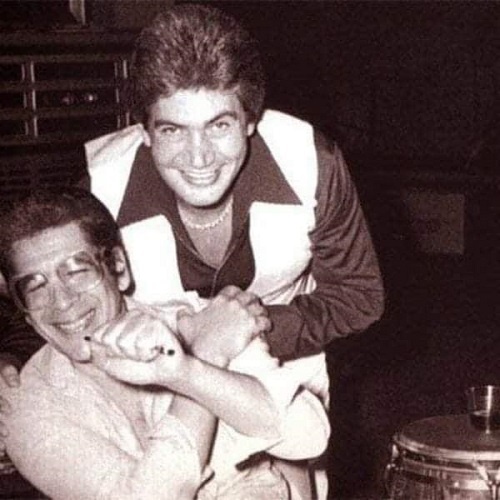
Adalberto Santiago y Ray Barretto

The production was a resounding success, and a year later, it earned him the titles of “Musician of the Year” from Latin New York magazine. In this way, the master Ray Barretto demonstrated his great strength and tenacity to the world.

Did you know…?

  • The song “Al Ver Sus Campos” from the album Rican/Struction is a tribute to the Puerto Rican patriot Pedro Albizu Campos. Composed by Johnny Ortiz and arranged by Oscar Hernández, the song, sung by Adalberto Santiago, captures the feeling of Albizu’s resistance as he fought to liberate his homeland from foreign invading forces.

  • Albizu Campos was a jibarito, a legend who existed under the burning Puerto Rican sun.
    Albizu Campos was a jibarito, a legend who existed under the burning Puerto Rican sun.
  • According to Adalberto Santiago, “the Rican/Struction album is a musical gem because, in New York, no musician buys records, and this one was bought by the entire salsa community.”

  • Dj. Augusto Felibertt y Adalberto Santiago
    Dj. Augusto Felibertt y Adalberto Santiago

Vocalists for Ray Barretto and La Típica 73

  • Adalberto Santiago was in Ray Barretto’s band from 1966 to 1972. When he left to join La Típica 73, he was replaced by Tito Allen, who recorded the album Indestructible with Barretto in 1973.
  • Tito Allen y Dj. Augusto Felibertt
    Tito Allen y Dj. Augusto Felibertt
  • When Adalberto Santiago left La Típica 73 to form Los Kimbos, his replacement in the group was once again Tito Allen. With them, Tito recorded the album Rumba Caliente (1976). Then, in 1977, La Típica 73’s vocalist was the late Camilo Azuquita for the album The Two Sides of Típica 73.

By:

Los Mejores Salseros del Mundo

Dj. Augusto Felerttib

Also Read: Raymundo “Ray” Barretto Pagan was born in Brooklyn, New York on April 29, 1929

Israel “Cachao” López, a Cuban musician and composer, has been hailed as “the Inventor of Mambo”

Born in Havana on September 14, 1918, and passing away in Coral Gables, Miami, on March 22, 2008, Israel “Cachao” López, often known simply as “Cachao,” was a Cuban musician and composer.

Israel Cachao López musico y compositor cubano, ha sido definido como el Inventor del Mambo

He became a legend in Cuban music with his masterful handling of the double bass and was renowned for his performances in mambo and Latin jazz.

His talent earned him two Grammy Awards (in 1995 and 2005), a Latin Grammy in 2003, an honorary doctorate from Berklee College of Music, and a star on the Hollywood Walk of Fame.

He has been described as “the inventor of mambo” and is considered a master of descarga (live improvisations).

He began by playing various instruments until he settled on the double bass, which allowed him, as a teenager, to join the Havana Philharmonic Orchestra, where his father and older brother also played.

“Cachao” left Cuba in 1962 with a long list of successes and stated in a 2007 interview that if it weren’t for his compatriot and colleague Dámaso Pérez Prado, “mambo would not have been heard worldwide.”

Israel Cachao López nacido en La Habana, un 14 de septiembre de 1918 y falleció en Coral Gables un 22 de marzo de 2008 en Miami

His first stop was Madrid, where he stayed for a year before emigrating to the United States. In the U.S., he resided in New York City, Las Vegas, and Miami.

López also played acoustic bass with his brother, the multi-instrumentalist Orestes López. They literally composed over 3,000 songs together and were highly influential in Cuban music from the 1930s to the 1950s.

They created the “nuevo ritmo” (new rhythm) in the late 1930s, which transformed the danzón by introducing African rhythms into Cuban music, ultimately leading to mambo.

He won several Grammy Awards for both his own work and his contributions to albums by Latin music stars, including Gloria Estefan. In 1995, he won a Grammy for Master Sessions Volume 1.

In 2003, he won a Latin Grammy for Best Traditional Tropical Latin Album alongside Bebo Valdés and Patato for El Arte Del Sabor. He won another Grammy in 2005 for his work ¡Ahora Sí!

His nephew, Orlando “Cachaíto” López, became one of the pillars of the famous Buena Vista Social Club.

Cachao performed with artists such as Tito Puente, and his music has been featured in films like The Birdcage and the soundtrack of the video game Grand Theft Auto: Vice City.

The Actor Andy Garcia produced a documentary titled Cachao… “Como Su Ritmo No Hay Dos” in 1993 about his music. He also shared stages with Celia Cruz and her husband Pedro Knight, as well as with trombonist Generoso Jiménez.

Leyendas de Nuestra Musica Latina Pacheco, Puente y Cachao

His last musical collaboration was with Gloria and Emilio Estefan on the singer’s album titled 90 Millas.

López passed away on the morning of March 22, 2008, in Coral Gables, Florida, at the age of 89, due to complications following kidney failure.

Cachao y Su Ritmo Caliente – Monte Adentro (2000)

Tracks:

  1. Monte Adentro (Cógele el golpe) (A. Castillo Jr.)
  2. Goza Mi Trompeta (O. Estivill)
  3. Guajeo de Saxos (E. Peñaver)
  4. Estudio en Trompeta (I. López)
  5. Gozar Timbero (O. Estivill)
  6. Trombón Criollo (O. Portillo)
  7. Malanga Amarilla (S. Contreras)
  8. Controversia de Metales (I. López)
  9. Descarga Cubana (O. Estivill)
  10. Pamparana (A. López)
  11. Sorpresa de Flauta (O. Estivill)
  12. Oye Mi Tres Montuno (A. Echevarria)
  13. La Floresta (O. López)
  14. Avance Juvenil (B. López)
  15. Redención (O. López)
  16. Descarga Mambo (D.P.) 

Musicians:

  • Israel López “Cachao” (Double Bass)
  • Guillermo Barreto (Timbales)
  • Tata Güines (Tumbadora)
  • Rojelio “Yeyo” Iglesias (Bongos)
  • Gustavo Tamayo (Güiro)
  • Alejandro “El Negro” Vivar (Trumpet)
  • Armando Armenteros (Trumpet)
  • Generoso “El Tojo” Jiménez (Trombone)
  • Oreste López (Piano)
  • Enemelio Jiménez (Alto Sax)
  • Emilio Peñalver (Tenor Sax)
  • Virgilio Lisama (Baritone Sax)
  • Richard Egües (Flute)
  • Niño Rivera (Tres)
  • Roliyo y Reyes (Chorus)

Recorded in Havana, 1957-1958

Cachao y Su Ritmo Caliente - Monte Adentro (2000)
Cachao y Su Ritmo Caliente – Monte Adentro (2000)


The tradition of being musicians comes from grandparents and great-grandparents, all the Cachaos are musicians.

By:

Dj. Augusto Felibertt

L’Òstia Latin Jazz

Also Read: Israel “Cachao” Lopez Sobrado in fame and respect in the seventies was dedicated to maintain the tradition at the highest level

  • « Go to Previous Page
  • Page 1
  • Interim pages omitted …
  • Page 6
  • Page 7
  • Page 8
  • Page 9
  • Page 10
  • Interim pages omitted …
  • Page 34
  • Go to Next Page »

International Salsa Magazine (ISM) is a monthly publication about Salsa activities around the world, that has been publishing since 2007. It is a world network of volunteers coordinated by ISM Magazine. We are working to strengthen all the events by working together.