• Skip to primary navigation
  • Skip to main content

International Salsa Magazine

  • HOME
  • Previous editions
    • 2026
      • ISM / March 2026
      • ISM / February 2026
      • ISM / January 2026
    • 2025
      • ISM / December 2025
      • ISM / November 2025
      • ISM / October 2025
      • ISM / September 2025
      • ISM / August 2025
      • ISM / July 2025
      • ISM / June 2025
      • ISM / May2025
      • ISM / April 2025
      • ISM / March 2025
      • ISM / February 2025
      • ISM / January 2025
    • 2024
      • ISM / December 2024
      • ISM / November 2024
      • ISM / October 2024
      • ISM / September 2024
      • ISM / August 2024
      • ISM / July 2024
      • ISM / June 2024
      • ISM / May 2024
      • ISM / April 2024
      • ISM / March 2024
      • ISM / February 2024
      • ISM / January 2024
    • 2023
      • ISM / December 2023
      • ISM / November 2023
      • ISM / October 2023
      • ISM – September 2023
      • ISM – August 2023
      • ISM July 2023
      • ISM Edition June 2023
      • ISM – May 2023
      • ISM April 2023
      • ISM March 2023
      • ISM February 2023
      • ISM January 2023
    • 2022
      • ISM December 2022
      • ISM November 2022
      • ISM October 2022
      • ISM September 2022
      • ISM August 2022
      • ISM July 2022
      • ISM June 2022
      • ISM May 2022
      • ISM February 2022
      • ISM January 2022
    • 2021
      • ISM December 2021
      • ISM November 2021
      • ISM October – 2021
      • ISM September 2021
      • ISM August 2021
      • ISM July 2021
      • ISM May 2021
      • ISM April 2021
      • ISM June 2021
      • ISM March 2021
      • ISM February 2021
      • ISM January 2021
    • 2020
      • ISM December 2020
      • ISM November 2020
      • ISM October 2020
      • ISM September 2020
      • ISM August 2020
      • ISM July 2020
      • ISM June 2020
      • ISM May 2020
      • ISM April 2020
      • ISM March 2020
      • ISM February 2020
      • ISM January 2020
    • 2019
      • ISM December 2019
      • ISM November 2019
      • ISM October 2019
      • ISM Septembre 2019
      • ISM August 2019
      • ISM July 2019
      • ISM June 2019
  • Download Salsa App
    • Android
    • Apple
  • Spanish

Search Results for: record company

Dámaso Pérez Prado and the Succession of the “Mambo King”

Dámaso Pérez Prado was a Cuban musician, composer, arranger, and orchestra conductor, known worldwide as the “Mambo King.”

On December 3, 1983, Pantaleón Pérez Prado, an excellent bass player and composer, passed away in Milan, Italy. He was born on December 27, 1926, in Matanzas, Cuba.

Pantaleón’s Beginnings and Career

Pantaleón followed in the footsteps of his famous older brother, Dámaso Pérez Prado. At age 18, he formed his first orchestra, which he left in 1950 to join Dámaso’s group as a double bassist, accompanying him for several years.

He also played for a short time in Havana with the Laito Castro Orchestra. In the mid-1950s, Pantaleón Pérez Prado went independent and traveled to Europe, where he led an orchestra of Cuban musicians. This group achieved great success performing the songs that Dámaso had popularized.
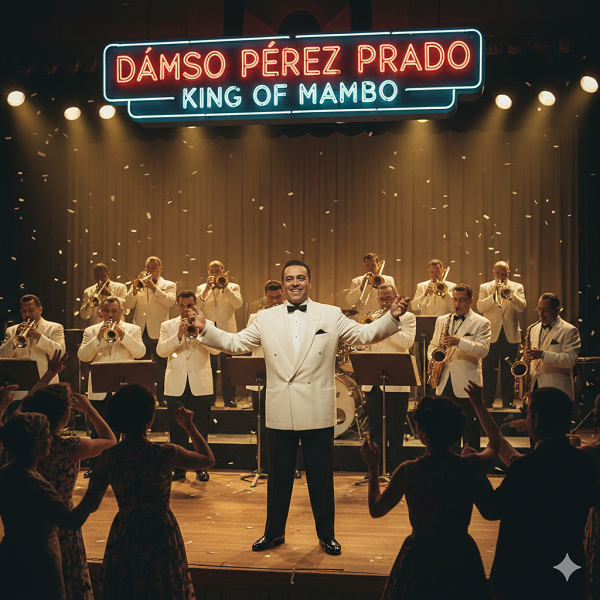
Dámaso Pérez Prado and the Succession of the King of Mambo

The Legal Dispute

In 1956, a dispute between Dámaso Pérez Prado and his younger brother, Pantaleón (1926–1983), led to an unusual legal conflict. Dámaso sued his brother for $500,000, accusing him of impersonation.

In Hispanic culture, it is common for children to receive both parents’ surnames. In this case, the brothers’ birth names were Dámaso Pérez Prado and Pantaleón Pérez Prado, respectively, with Pérez being the father’s surname and Prado the mother’s.

In Portugal, the song Pantaleón performed, “Mambo del Estudiante” (Student’s Mambo), became the “official anthem” of the University of Coimbra. He also succeeded in Spain, France, and Italy, where he was introduced as “Pérez Prado, Rey del Mambo” (King of Mambo), which produced intentional confusion with his brother Dámaso.

Dámaso initiated legal action that concluded with Pantaleón being prohibited from using the title “Mambo King,” while also being required to use his full name. Some suggest that, beyond the lawsuit, there was a tacit agreement between the two brothers, based on the fact that Dámaso visited Europe infrequently, focusing his activities in the Americas, while Pantaleón permanently settled in Milan.

Name Confusion and The Conflict’s Revival

Originally, RCA credited the recordings to Dámaso Pérez Prado. However, when his records began appearing in the US, the record company shortened his name to the more alliterative Pérez Prado. In 1955, Dámaso dropped his full name and legally changed it to Pérez Prado.

Around that time, Pantaleón, who played bass with his own group, appeared at the Alhambra theater in Paris under the name “Pérez Prado, el Rey del Mambo.” Pantaleón was subsequently restricted by court order from passing himself off as Pérez.

However, hostilities resumed when an angry French visitor called the Hollywood Palladium, where Pérez Prado was performing, and yelled at the management for featuring an “imposter,” claiming he had danced with the “real” Prado (actually Pantaleón) in Deauville a few weeks prior.
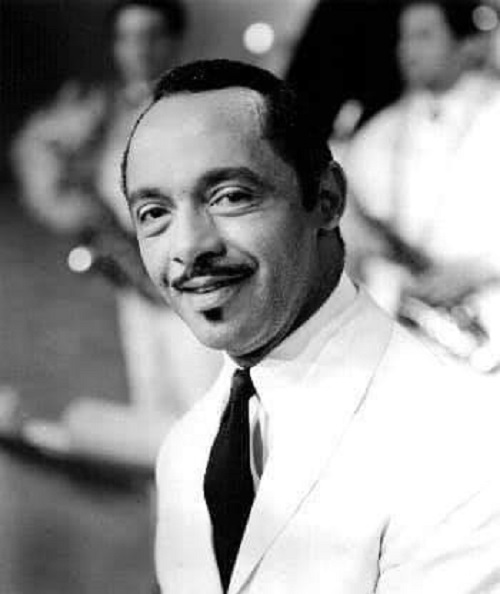
Dámaso Pérez Prado fue un músico, compositor, arreglista y director de orquesta cubano, conocido mundialmente como el Rey del Mambo.

The ensuing lawsuit effectively put Pantaleón out of commission, but the younger brother had a form of posthumous revenge. When Pantaleón died in 1983, a widely circulated obituary was headlined “Mambo King Dies in Milan,” leading many people to (erroneously) believe it was Dámaso who had passed away.

Pantaleón’s Career and Legacy

Pantaleón Pérez Prado performed in Greece and traveled to Iran at the invitation of the Shah himself and his wife, Princess Soraya. He remained active until shortly before his death in 1983.

Dámaso Pérez Prado’s Notable Hits

Dámaso Pérez Prado’s best-known songs include:

  • “Mambo No. 5”
  • “Qué rico el mambo” (also known as “Mambo Jambo”)
  • “Mambo No. 8”
  • “Cherry Pink and Apple Blossom White,” which was a number one hit in the United States.
  • “Patricia,” which was a worldwide hit and was included in Federico Fellini’s film La Dolce Vita.
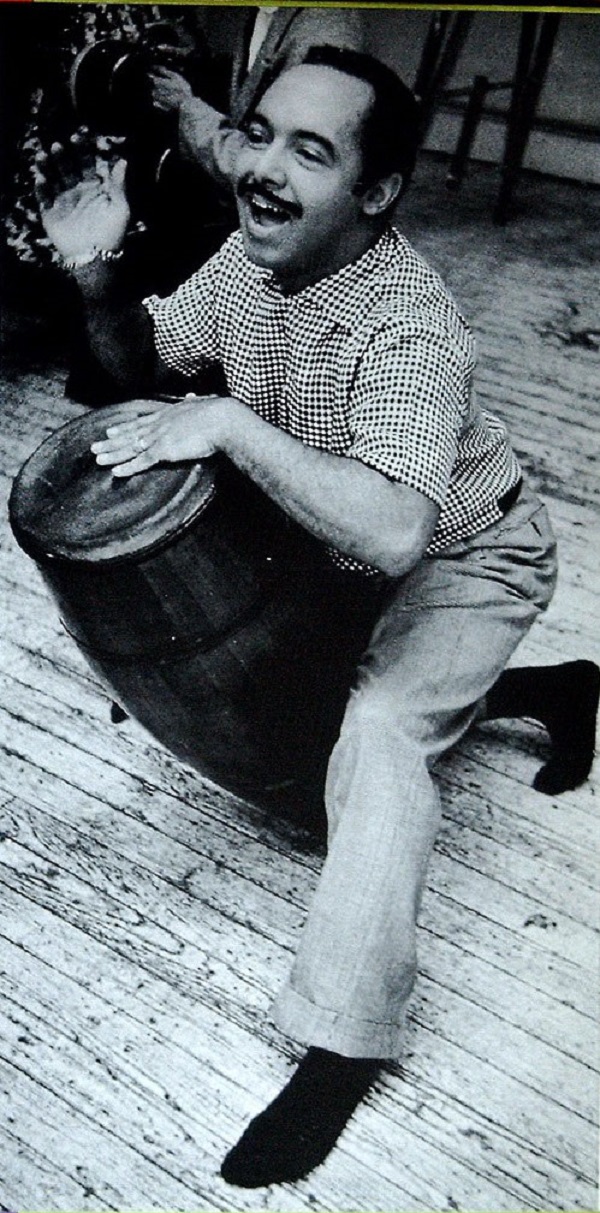
Dámaso Pérez Prado
Dámaso Pérez Prado

Legacy: In addition to his recordings, Dámaso Pérez Prado participated as an actor and musician in several Mexican films. His music was key to the international popularization of the mambo, and his style remains influential in Latin music and jazz.

Collaboration:

Los Mejores Salseros del Mundo 

Dj. Augusto Felibertt

Also Read: Israel “Cachao” López, a Cuban musician and composer, has been hailed as “the Inventor of Mambo
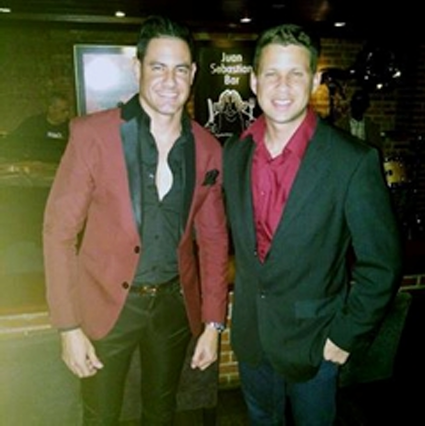

Pedrito Moya and Jhonatan Araque: A Tribute to Jerry Rivera

Latin America / Venezuela / Caracas

“There is a great variety of new artists who want to expand and promote their new talents to all lovers of salsa music. For this new edition, we present Jhonatan Araque, a Venezuelan born in Maracay, Aragua, on March 25, 1983. Since he was very young, he showed admiration and an inclination for music, especially singing. By the age of 14, he joined the Grupo Rumba Costeña for a year, performing as a soloist; later, he joined the quintet ‘Quinto Elemento,’ who interpret pop and ballad music. From that moment, he had the opportunity to perform at the ‘Forum’ of Valencia, his first experience performing in front of a significant audience.

He mentions that he began his studies at the ‘Tecnológico de Música de Valencia’ (Valencia Technological Institute of Music), where he graduated with a major in singing, obtaining excellent grades. By the age of 18, he decided to record his first solo demo, which opened the doors to his first record contract with the ‘Sonográfica’ record company, alongside the Moratinos brothers, forming part of a group called ‘Okey,’ experimenting with various genres on that album, such as ballads and pop with Latin and Spanish influences.

“Jhonatan Araque’s Orchestra is made up of very talented young Venezuelans.”

Pedrito Moya and Jhonatan Araque

After performing in various nightclubs, he decided to join the salsa orchestra ‘Los Latinos,’ where he became known in the cities of Caracas, Maracay, and Valencia, having the opportunity to share the stage with great national and international performers of the genre, including: Hernan Olivera, Marcial Istúriz, Wilmer Lozano, Edgar ‘Dolor’ Quijada, Hildemaro, Erick Franchesqui, Rodrigo Mendoza, Ángel Flores, and Mariana La Sonera.

Additionally, he spent six months as the singer for La Dimensión Latina, performing with them in different cities across the country; he also auditioned and became part of the ‘Simón Bolívar Latin Caribbean Orchestra,’ belonging to the National System of Youth and Children’s Orchestras and Choirs of Venezuela, with which he had great experiences in various projects under the direction of maestro Alberto Vergara Icaza.

With all these new experiences, new opportunities arose for him in various forms to become part of renowned orchestras within the national salsa genre, such as Rumberos del Callejón, Orquesta Puma Band, El Combo de Venezuela, and the recording of two tracks with Fidel and Julito Antillano. In 2013, he decided to retire from La Latino Caribeña and form his own orchestra to lead ‘The Tribute Project to Jerry Rivera and Rey Ruiz.’

Salsa singers Jerry Rivera (Puerto Rican) and Rey Ruiz (Cuban) are recognized in all Caribbean countries, and both have had a great impact in the Venezuelan salsa scene, where their recordings are widely known and have a large following.

Jhonatan Araque’s orchestra is made up of very talented young Venezuelans with specific studies for each of the instruments they use. They are dedicated to presenting the audience with the interpretations that have been highly successful throughout their careers, thus paying tribute to these two singers of great international renown.

The members of this great orchestra are:

Name Role
Jonathan Araque Solo Vocalist
Mauricio Marin Backing Vocalist
Luis Martínez Backing Vocalist
Angel Palma Piano
Edwin Garcia Bass
José “Puma” Reyna Timbales
Braimy Mijares Congas
Lukas Gomez Bongos
Jose Anahole Trumpet
William Rada Trumpet
Pedro Xavier Moya Trombone (Musical Director)
Leycester Licon Trombone
Pedrito Moya and Jhonatan Araque - TV
Pedrito Moya and Jhonatan Araque – TV

For more information, contact them at:

Contact Method

Phones

Jonathan Araque: +58 424-3443504 Pedro Xavier Moya: +58 416-3077868 0414-9276637

Facebook: https://www.facebook.com/ Bachology?hc_ref=SEARCH

Correo: [email protected]

YouTube: https://www.youtube.com/ channel/UCZP0snvp3tqkP24c X_fg1KQ

Twitter: @Bachology

Alfrid Valdez “The King of Steel Band”

Latin America / Venezuela / Sucre

Alfrid Valdez is a Venezuelan singer who was born in Guiria, Sucre State-Venezuela, and since he was very young he showed a great interest and taste for Afro-Antillean, tropical and Caribbean music, especially the Steel Band, calypso and soca genres. even getting to play all the instruments of the “Steel Band”, always in the hands of his father, the popular “Guapango”.

Alfrid Valdez "The King of Steel Band"
Alfrid Valdez “The King of Steel Band”

Already established in the city of Guayana, in 1990 he began his musical career as executor of the first Steel Band piano in musical groups that cultivated and spread the aforementioned rhythms; and as time passed he gained more experience, excelling in Soca and Calypso which were the main rhythms of “Alfrid y su banda Acero”.

During his day he presented his new record production in the salsa genre, entitled “Salvemos El Amor” which was born from his 2nd salsa work; His first production was made in 2004, presenting himself as “Alfrid El Salsero De Oriente”, with his songs “Sin tu Amor”, “Hasta arrival at the Sea” and “Stay by my side”, which were recognized by the International Organization ” Cacique de Oro” as “Salsa Revelation Singer of the Year”. And with his record work he toured his country (Venezuela) together with several artists in the celebration of the 25 years of artistic career of Salsero Manuel Guerra, creator of the famous group “Salserin”.

Photo - Alfrid Valdez
Photo – Alfrid Valdez

In this new production there are 10 songs of which Alfrid expresses his lyrics and arrangements in 3 songs: “Salvemos el Amor”, “Traicionera” and “Amor en la menor”, in addition to making some tributes to the great singers of the decade of the 80s such as the Great Héctor Lavoe and Ismael Rivera, Alfrid is currently in Lima – Peru where he will launch this salsa material with the support of the record company Col-Discos and the media of that country.

One of the salsa songs to be released soon to its public is “Dudas” that will be launched in Lima, Peru for all of Latin America, if you want to listen you can listen through https://soundcloud.com/pana music/alfrid-el-rey -del-steel-band-doubts

Alfrid Valdez on stage

For more information:

  • Email: [email protected]
  • Facebook: alfrid.valdez
  • Instagram: alfridvaldez
  • Twitter: AlfridValdez
  • Phones: +58 414-8695554 +58 414-8925467


El Cerrito Studio

North America / San Francisco / California

The Cuban sound, mixing and mastering engineer, winner and multiple times nominated for the Latin Grammy Award, Oscar Autie together with his wife, producer and composer, Kenya Autie gave life to the most ambitious project of their lives, they established in the area of San Francisco bay, CA, one of the best and most recognized recording studio, mixing, mastering and production, El Cerrito Studio.

A recording studio equipped with the most advanced technology and equipment, three rooms of recording and a control room completely isolated acoustically treated to achieve a quality work for all styles and musical genres.

El Cerrito Studio
El Cerrito Studio

Oscar Autie was born in La Habana, Cuba. Since 6 years old he played the acoustic guitar and his formal musical training began at 9 years old through private classes.

Oscar studied musical composition, arrangements and production at the National School of Arts of Cuba (ENA) where he graduated with a Degree in Guitar Interpretation. He also trained in drums and piano, and holds a degree in Electronics and Acoustics in a Technical School in La Habana.

When he was 20 years old and while living in Cuba, Oscar worked as a Recording Engineer at EGREM (main recording studio and music distributor in the capital at that time). He was also the Sound Engineer during the Tour of prestigious Cuban bands, such as: Isaac Delgado, Síntesis and Arte Vivo, and at the National Theater of Havana. He provided sound engineering for live shows by world-renowned artists such as: Oscar De Leon, Astor Piazzolla, Sierra Maestra and Silvio Rodriguez, among many others. In addition to all this, this wonderful musician recorded many albums during his stay in this AfroCaribbean country.

This voting member, engineer from the National Academy of Recording Arts and Sciences (Grammy) and the Latin Academy of Recording Arts and Sciences (Grammy Latino), a voting member of the P & E (Wing of Producers and Engineers), and member of the Audio Engineering Society moved to the US in 1992 in search of more advancement opportunities. Once installed in California, the talented Oscar Autie has been working on live performances, recording the mixes and mastering albums of a large number of industry musicians such as the nominees and winners of the Latin Grammy: Yalil Guerra, Mister G, Yosvany Terry, Diego El Cigala, Paco De Lucia, Fito Paez, and Mayito Rivera (Van Van) among other personalities of the artistic guild.

Integrants El Cerrito Studio - Photo
Integrants El Cerrito Studio – Photo

Also, he has been Technical Director and Sound Engineer for the prestigious Flamenco Festival of Bay Area since its inception in 2005. Oscar is currently recording and producing other albums for other artists.

In the other hand, the Cuban producer, Kenya Auntie studied guitar at the Conservatorio of Guanabacoa in La Habana and she was the first woman to play the guitar in a rock band on the island, being an inspiration figure for other women with the same musical interest. Kenya has participated in the production of projects such as: Arise Above Abuse, Clave:

Chamber Music, Vol. VI, Stand Before The Systems and Presidential Suite. Currently, this composer and co-owner of El Cerrito Studio continues to contribute her skills in projects with upcoming releases.

El Cerrito Studio operates under the label of El Cerrito Productions, a record company of licenses, promotions and publications. They make reservations to Artists from all over the world and from all styles of music.

They perform recording, mixing, mastering, production, composition, arrangement, transcripts, and promotion.

Integrants El Cerrito Studio

This studio represents the experience, creativity and professionalism that have made it stand out as one of the best recording studios in the San Francisco area. Prominent companies such as: Leap Frog, The Warner Brothers, Beyond Translations and Playsongs have made their recordings there. In addition, Deepak Chopra recorded and mixed his most recent album and book “Home” in this studio.

“I have been working as an engineer since my first 20 years. Engineering is a passion for me. I love music and being an engineer allows me to be part of many interesting and meaningful musical projects …” Oscar Auntie.

To more information, please visit http://www.elcerritostudio.com/ or like them on Facebook https://www.facebook.com/elcerritorecords/

Jose Bello, The Salsa Tycoon

North America / USA / New York

Jose Manuel Bello Suazo, better known as José Bello “El Cantautor”, a Dominican artist of international stature with several awards and achievements worldwide.

Jose Bello, born on April 6 in the city of Santo Domingo, who from an early age showed a deep love for music, making his first performances in kindergarten and elementary school. As a teenager, he moved to New York where he met Carlos Castillo, a member of internationally known bands such as Machito y su Orquesta, Joe Cuba y su Sexteto, Tito Rodríguez y su Orquesta. From that moment on, Bello formalized his start in the world of music by forming “El Sexteto Latino” together with Carlos Castillo.

Jose Bello
Jose Bello

Baila que Baila is known as his first musical recording with maestro Julio Gutiérrez, after that he recorded four record productions with the owners of LA CHARANGA AMERICA. His first full-length album emerged in the 70’s, with the record company “Lo mejor records” with songs of his own inspiration. But, it was in his third record production, where he decides to add songs with a title in another language, entitled “Blue Bossa”

José Bello manages to start his own record label in partnership with Mr. Aldemar Barona, who titled it “B&B Records Presents José Bello”, containing compositions by both members. In the fifth record production, which was established as the owner Jose Bello, El Cantautor, where only the La Salsa Magnate’s own productions are found.

After that, it was decided to record the first DVD recorded live in the city of Medellin, Colombia, becoming known around the world.

In the last 10 years, José Bello has taken his music to all parts of the world, receiving great acceptance from the European, American and Latin American public. Sharing the stage with great personalities such as Celia Cruz, Rubén Blades, Gilberto Santa Rosa, Oscar D’Leon, Marc Anthony, Tito Nieves, among many more.

Jose Bello Cover
Jose Bello Cover

At International Salsa Magazine, we were able to chat with this incredibly talented artist.


Below is the interview:


How was your first presentation? Did you know after that that music would be your passion?

In the kindergarten of the La miraculous school they had parties and they had a stage where I sang constantly and even had choirs that accompanied me and also acted, since I can remember, my passion is music.


How did you and Carlos Castillo meet? Did you know about his career before?

I met Carlos Castillo, because my mom lived in the house next to him and she talked to Carlos’s mom about me and they both agreed to introduce me, I had no idea who he was, until I met him.


What inspired you to compose those songs?

The experience of life and the gift that I always knew I had to compose, at any time.

Jose Bello CDs1
Jose Bello CDs1

Jose Bello CDs2
Jose Bello CDs2

Jose Bello CDs3
Jose Bello CDs3


Tell us a little about Aldemar Barona, what year did you decide to start with the label?

My great friend Aldemar Barona always went to my presentations and when the contract ended with the best record, we decided to make our own record label in the late 80s, early 90s.

Jose Bello - Photo
Jose Bello – Photo

Was this performance during a tour? What album were you promoting? Where could that DVD be purchased?

Exclusive record. He hired me to make that DVD in the mid 90s and you could get it online, or at the Musical 90 record store in Jackson Hghts Queens New York


All these artists are well known worldwide and having been able to share stages with them speaks volumes about your incredible talent and career. Which of these artists would you say is your greatest inspiration or example?

As I said before, my inspiration is a divine gift, I love all my colleagues very much, I respect and admire them, some started before me, others are from my generation and others became famous after my love, and I respect music, They have moderated me as I am and have led me to feel fulfilled in what I do, blessed and immensely happy.

Jose Bello in concert


Where would you like to present yourself in the next opportunity?

I would like to personally take my art to some countries that I have not visited to this day, such as Mexico, Peru, Panama, Canada, Japan, Chile, and Argentina.


What comes next in the life of José Bello, El Cantautor?

Make my new recording, already as JOSE BELLO EL MAGNATE DE LA SALSA 40 ANIVERSARIO and finish negotiating my next tours, to Central Europe and South America.


Where does his nickname El Magnate de La Salsa come from?

On July 23, 2017, I married the designer Patricia González on the largest luxury yacht in New York called “Infinity”, around 2000 people and with two orchestras. Tito Nieve with his orchestra and my orchestra. The ceremony was on the high seas.

Jose Bello, Jose Bello, The Salsa Tycoon
Jose Bello, The Salsa Tycoon

When in Mexico they found out about my marriage, they wrote to congratulate me and told me “Now you are the salsa magnate” I was surprised and asked them why? and they told me “Only Arab Magnates get married on the high seas on a luxury yacht” I liked the idea.

I always hear that in music there are kings, princes, knights, but there are no tycoons and I think that because of the explanation of the Mexicans, I am the tycoon of salsa.

  • « Go to Previous Page
  • Page 1
  • Page 2
  • Page 3
  • Page 4
  • Page 5
  • Interim pages omitted …
  • Page 42
  • Go to Next Page »

International Salsa Magazine (ISM) is a monthly publication about Salsa activities around the world, that has been publishing since 2007. It is a world network of volunteers coordinated by ISM Magazine. We are working to strengthen all the events by working together.