• Skip to primary navigation
  • Skip to main content

International Salsa Magazine

  • Home
  • Previous editions
    • 2026
      • ISM / January 2026
      • ISM / February 2026
    • 2025
      • ISM / December 2025
      • ISM / November 2025
      • ISM / October 2025
      • ISM / September 2025
      • ISM / August 2025
      • ISM / July 2025
      • ISM / June 2025
      • ISM / May2025
      • ISM / April 2025
      • ISM / March 2025
      • ISM / February 2025
      • ISM / January 2025
    • 2024
      • ISM / December 2024
      • ISM / November 2024
      • ISM / October 2024
      • ISM / September 2024
      • ISM / August 2024
      • ISM / July 2024
      • ISM / June 2024
      • ISM / May 2024
      • ISM / April 2024
      • ISM / March 2024
      • ISM / February 2024
      • ISM / January 2024
    • 2023
      • ISM / December 2023
      • ISM / November 2023
      • ISM / October 2023
      • ISM – September 2023
      • ISM – August 2023
      • ISM July 2023
      • ISM Edition June 2023
      • ISM – May 2023
      • ISM April 2023
      • ISM March 2023
      • ISM February 2023
      • ISM January 2023
    • 2022
      • ISM December 2022
      • ISM November 2022
      • ISM October 2022
      • ISM September 2022
      • ISM August 2022
      • ISM July 2022
      • ISM June 2022
      • ISM May 2022
      • ISM February 2022
      • ISM January 2022
    • 2021
      • ISM December 2021
      • ISM November 2021
      • ISM October – 2021
      • ISM September 2021
      • ISM August 2021
      • ISM July 2021
      • ISM May 2021
      • ISM April 2021
      • ISM June 2021
      • ISM March 2021
      • ISM February 2021
      • ISM January 2021
    • 2020
      • ISM December 2020
      • ISM November 2020
      • ISM October 2020
      • ISM September 2020
      • ISM August 2020
      • ISM July 2020
      • ISM June 2020
      • ISM May 2020
      • ISM April 2020
      • ISM March 2020
      • ISM February 2020
      • ISM January 2020
    • 2019
      • ISM December 2019
      • ISM November 2019
      • ISM October 2019
      • ISM Septembre 2019
      • ISM August 2019
      • ISM July 2019
      • ISM June 2019
      • ISM May 2019
      • ISM April 2019
      • ISM March 2019
      • ISM February 2019
      • ISM January 2019
    • 2018
      • ISM December 2018
      • ISM November 2018
      • ISM October 2018
      • ISM September 2018
      • ISM August 2018
      • ISM July 2018
      • ISM June 2018
      • ISM May 2018
      • ISM April 2018
      • ISM March 2018
      • ISM February 2018
      • ISM January 2018
    • 2017
      • ISM December 2017
      • ISM November 2017
      • ISM October 2017
      • ISM September 2017
      • ISM August 2017
      • ISM July 2017
      • ISM June 2017
      • ISM May 2017
      • ISM April 2017
      • ISM March 2017
      • ISM February 2017
  • Download Salsa App
    • Android
    • Apple
  • Spanish

Search Results for: salsa

Jerry Ferrao says in salsa key: “My life is a drum”.

With a lifetime dedicated to folk music, singer-songwriter Jerry Ferrao has been bringing us some good salsa for some time now. With seven recordings to his credit; Restauración, Esto sí es Navidad, Paisajes de mi Negrura, Puertorican Folkloric Jazz, Tiempo al Tiempo, De Guerreros y Batallas and Desafío, it is clear that the salsa path he decided to take a couple of years ago brought a lot of musical experience, and a very tasty one at that.

Jerry Ferrao afirma en clave de salsa “Mi vida es un tambor”

I invite you to listen to his latest single ‘Mi vida es un tambor’, also available on YouTube:

The track -whose musical arrangement is by Jerry Ferrao and John Rivera Rosa- features the participation of great recording studio musicians, such as: Efraín Hernández on bass; Juan Gómez on piano; Angie Machado, Jaimar Vázquez and Javier Meléndez on trumpets; Benny Marín, Víctor Román and Noel Abel on saxophones; Pedro Dueño on bongo; plus a parade of top-notch guests: Endel Dueño on timbal, Kachiro Thompson on tumbadoras and Luis Aquino, in a masterful trumpet solo.  Backing up Jerry Ferrao’s lead vocals, we hear the voices of Flor Angel Guilbe, Wiki Gonzalez and Nandy “El Sinsonte” on backing vocals.

“I do it first out of a desire to explore new horizons. I’ve been in the bomba and plena for many years. I was with La Familia Cepeda for more than 20 years and with Los Hermanos Ayala from the town of Loíza for six to seven years. I was a disciple of the great masters: Don Rafael Cepeda Atiles, Marcial Reyes Arvelo and Tomás Flores, among others. The time has come for me, I am a composer! I have composed songs for several orchestras and folklore groups, it was time to write for myself! I said to myself, I am a composer and singer and I am going to design my own music,” he said.

He lived in Buenos Aires, Argentina while studying cinematography. There, Ferrao sang with the salsa orchestra La Clave Genética. It may have been there that the definitive leap to salsa was conceived.

Following the scourge of Hurricane Maria in Puerto Rico (2017), Jerry dedicated a salsa track titled ‘Retoñando’ (available on YouTube) to the memory of all his compueblanos who left in the aftermath of the hurricane.

Jerry Ferrao relates that he began receiving suggestions for him to record salsa because his voice excelled in that sound. “That must be because I have been listening to salsa, enjoying and appreciating it since I was a child. I have a family of well-known musicians, particularly because they are percussionists, timbaleros, congueros, bongoseros,” he said.

Con toda una vida dedicada a la música folclórica, el cantautor Jerry Ferrao ha estado trayéndonos salsa de la buena

In 2012 he published what could be considered the most important documentary on the history of the Puerto Rican bomba, Ayeres de la Bomba. This document has been praised by prestigious ethnomusicologists, anthropologists, sociologists and researchers specializing in Puerto Rico’s black history. I add with certainty, that our Jerry Ferrao must be considered as the authority on our folkloric rhythms.

Since he was a child, he was influenced by the art of Afro-Antillean roots music, especially salsa and guaguancó. With uncles like percussionists Pedro Dueño, Ángel Dueño and Endel Dueño, nicknamed “Los Hermanos Dueño” in the popular artistic scene, who have been recognized in different parts of the world, mainly by salsa and Latin jazz lovers, it should come as no surprise that Ferrao has grown up immersed in the rhythm and flavor that continues to dictate his creativity.

Determined to focus on salsa, he affirms that his contribution to Borikua folklore was also his musical foundation. “Yes, it is something that lives with me and I will continue to cultivate it in some way. Who knows if in the future I will do my own little things for the public, that I will sneak in some bomba or plena between salsa and salsa. I have been in folklore since I was about eight years old”, Ferrao said shortly before affirming that with the album Desafío (2022), which contains 12 songs of his inspiration, he made his formal entry into salsa. Jerry Ferrao bets on salsa, and salsa fans bet on Jerry. His efforts have not gone unnoticed and as a salsa artist, the excellence with which he has produced his musical deliveries is striking. “I swear it was a tremendous challenge to do all this. For different reasons, the production took about three or four years. All the songs and arrangements are my own, and I don’t even play guitar, although I would love to!” he shared.

The images are by Kali Torres

Bella Martinez Puerto Rico


Also Read: ¡Attack Sergio! Unbreakable: A fun read because of the contradictory content

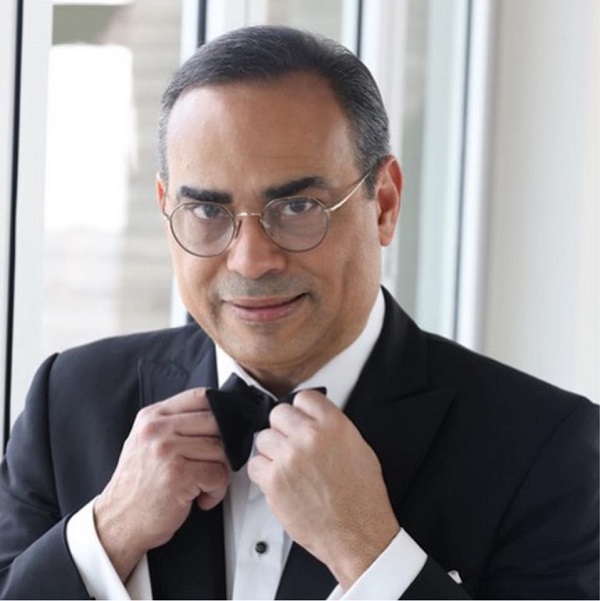
Gilberto Santa Rosa is a Puerto Rican singer, songwriter and sonero better known as “El Caballero de la Salsa” (The Gentleman of Salsa)

Gilberto Santa Rosa (born August 21, 1962) is a Puerto Rican singer, songwriter and also known as “El Caballero de la Salsa” from Carolina, Puerto Rico.

Growing up on the salsa music of the 50’s and 60’s, Rosa became interested in pursuing music during school, participating in her first concert in 1976 while still a tender teenager. After performing with the Mario Ortiz Orchestra.

Gilberto Santa Rosa ex-superior singer and sonero better known as "El Caballero de la Salsa" (The Gentleman of Salsa).
Gilberto Santa Rosa ex-superior singer and sonero better known as “El Caballero de la Salsa” (The Gentleman of Salsa).

Santa Rosa was recruited by La Grande Orchestra where she stayed for two years and met Elías López.

The 1980s brought a series of recordings for the singer with Orquesta Tommy Olivencia, El Gran Combo and the tribute album “Homenaje a Eddie Palmieri” with the Puerto Rican All Stars.

Gilberto Santa Rosa became a unique salsa improviser, walking the line between tropical and romantic styles of music, which contributed to his appreciation and popularity.

In 1986 Rosa signed with Combo Records and among others released the successful albums “Good Vibrations” featuring arrangements by Mario Ortiz, Ramon Sanchez and Tommy Villariny, “Keeping Cool! “and “De Amor y Salso”.

Due to the success of her fourth album entitled “Sala en Movimiento” released in 1989, Rosa signed with CBS Discos who could distribute her music internationally.

Teaming up with the young composer Omar Alfanno on the album “Punto de Vista” Rosa achieved consistent success with a series of hits including “Vivr sin Ella”, Perdoname” and De Cualquier”. The successor album “Perspectiva” released in 1991 was the Salsero’s biggest hit to date and included many of the same collaborators as its predecessor.

In 1990 Rosa was awarded the Billboard Lo Nuestro Award for Best Male Singer, recorded a live album at Carnegie Hall Theatre in New York, USA, the first tropical salsa artist to do so, and acted as Puerto Rican goodwill ambassador to Japan where he sang “De Cara al Viento” in Japanese.

Santa Rosa was recruited by La Grande Orchestra where she stayed for two years and met Elías López.

The singer generated a string of hits throughout the 1990s, always altering his particular sound and diversifying his music. From the orchestral “De Cara al Viento” (1994) and the energized “Esencia” (1996) to “De Corazón (1997) and “Expresión (1999).

At this point Rosa’s popularity and success had increased and the singer seemingly could do no wrong, with Rosa’s subsequent albums achieving both critical and commercial success, including 2002’s “Viceversa” which produced the hits “Por Más Que Intento” and “Un Montón de Estrellas”.

Santa Rosa ha sido honrada por Union City, New Jersey, USA con una llave de la ciudad y una estrella en su Paseo de la Fama, tiene el record de la mayor cantidad de álbumes número uno en la lista Billboard Tropical Albums, así como la mayor cantidad de nominaciones al Grammy por Mejor Salsa.

Canto y grabo varias producciones con el Maestro Mister “AFINQUE” Don Willie Rosario y ese fue el puente para grabar como solista.

En 1981, Gilberto Santa Rosa se unió a la banda Willie Rosario y su Orquesta, con la que grabó seis discos de larga duración. Su primera grabación se presentó en el álbum The Portrait Of a Salsa Man, en el sello Top Hits.

Canciones como “El Antifaz”, “La Mitad” y “El Condenado” se escuchan en la voz de Gilberto Santa Rosa, quien compartió la parte vocal con Tony Vega y Bobby Concepción en dicho álbum.

1982: Willie Rosario y su Orquesta graban el álbum Atízame el fogón para el sello Top Hits. Bobby Concepción, Tony Vega y Gilberto Santa Rosa participan como cantantes en este LP.

1983: El cantante santurcino participa en el álbum de Willie Rosario y su Orquesta, The Salsa Machine, en el sello Top Hits, de este álbum, canciones como “Amigo” y “Cuando Se Canta Bonito” son vocalizadas por Gilberto Santa Rosa.

Gilberto Santa Rosa (born August 21, 1962)

1984: Gilberto Santa Rosa comparte voz con Tony Vega en el álbum de Willie Rosario y su Orquesta llamado Nuevos Horizontes, publicado por Bronco Records, en ese álbum se grabó el tema “Lluvia”, uno de los primeros éxitos de nuestro caballero de la salsa. .

Willie Rosario celebrará 100 años de vida con un gran concierto en el Coliseo de Puerto Rico.

Para la celebración musical estará acompañado por sus amigos y colegas, Gilberto Santarosa y Tony Vega,

El legendario músico puertorriqueño Willie Rosario celebrará sus 100 años de vida en 2024 con un gran concierto en su tierra natal el próximo 27 de abril, junto a dos de los ilustres intérpretes que integraron su orquesta, Gilberto Santa Rosa y Tony Vega.

Willie Rosario celebrará 100 años de vida con un gran concierto en el Coliseo de Puerto Rico.

Source:

El Nuevo Dia

Also Read: The Royalty of our Latin Music Pete “El Conde” Rodríguez first singer signed by Fania Records label

Paquito D’Rivera supports the salsa museum

There have been many legends of whom we have spoken in this section of International Salsa Magazine and today it is the turn of the bandleader, composer, clarinetist, and saxophonist born in Havana, Cuba, Paquito D’Rivera.  

Today, we want to dedicate the following lines to one of the main references in Cuban music and everything he has contributed to the Latin music scene, which is growing every day in the United States.   

Paquito smiling
Paquito D’Rivera smiling for the camera

Paquito’s beginnings in music 

Francisco de Jesús Rivera Figueras, who is artistically known as Paquito D’Rivera, was born in the city of Havana, Cuba and is the son of orchestra director and saxophonist Tito D’Rivera, from whom he inherited his great artistic vein and love for music. 

At just five years old, Paquito began studying music formally and, two years later, he was already performing on stage in front of large audiences, which prepared him for what he would do as an adult. That same year, Selmer (a musical instrument company) hired him, which was a very important step in the boy’s path to becoming an artist. 

A few years later, he performed at the National Theater of La Habana, which was a very important moment for the young man, who shortly after began studying at the Havana Conservatory, where he specialized in areas of music such as clarinet, composition and harmony. 

His first media appearance was during his debut in the National Symphony Orchestra of Cuba, an event that was nationally televised so that the whole country could appreciate the talent of the young choir boys.  

A year later, when he was only 18 years old, Paquito and Chucho Valdés founded the Orquesta Cubana de Música Moderna, while working for the Orquesta Nacional and the Banda del Ejército Cubano. 

Paquito playing
Paquito D’Rivera playing the saxophone

Some time later, he founded the Orquesta de Música Moderna with some of his colleagues at the time, and then created the group Irakere, which integrated jazz, traditional Cuban music, classical music and rock in ways never seen before. Together with Irakere, he toured Europe and the United States and earned several Grammy Award nominations.   

Leaving Cuba 

Like so many Cubans, Paquito became tired of the situation experienced by the island and knew he had to make a final decision on the subject. He took advantage of a stop in Spain and sought asylum at the American embassy in the European country. Once in the United States, his process of adaptation to his new country of residence was not easy, but there were artists who gave him a lot of support such as Mario Bauza, Dizzy Gallespie, David Amram, among others. 

It did not take him too long before he earned the love and respect of many members of the jazz music community.  His place in the Latin music scene was consolidated thanks to his first two solo albums called ”Paquito Blowin” and ”Mariel”. His popularity was also benefited from a Time magazine article that talked about his great work and his appearance on the famous ”Sunday Morning” show.   

He also collaborated with artists such as Artur Sandoval, Michel Camilo, Bebo Valdés, Claudio Roditi, among others. He also participated in the founding of the United Nations Orchestra, Paquito D’Rivera Big Band, Paquito D’Rivera Quinquet and many other groups.  

More recently, in 2027, he was in Europe with the Orquesta de Valencia at the Palau de La Música promoting ”The Elephant and The Clown” of his own.   

Paquito and Johnny
President of the Spaha Harlem Salsa Museum Johnny Cruz and Paquito D’Rivera

Paquito and the Spaha Harlem Salsa Museum 

In December 2023, Paquito visited the Spaha Harlem Salsa Museum to see the huge collection of personal items belonging to world-renowned Latin artists and, once there, he expressed his surprise at the large number of items that both stars and their families have donated to the famous museum.   

In a post by Johnny Cruz, the museum’s president, on his Facebook account, Paquito said he was very impressed by all the items housed in the institution while supporting the work done by the museum’s staff and expressing his admiration for the effort devoted to the collection. 

Johnny Cru ISM corresponde in New York City


Read also: Poncho Sanchez visited us at the Salsa Museum 

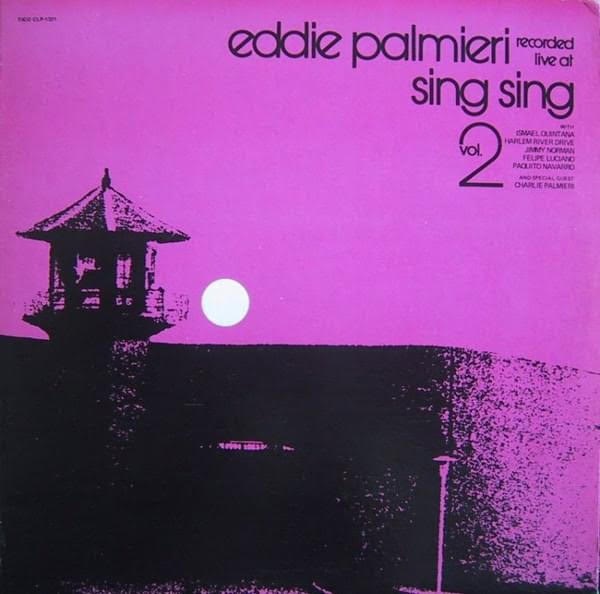
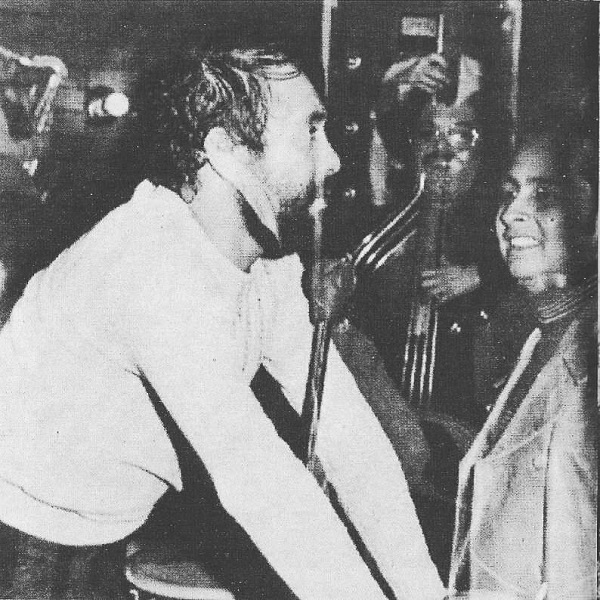
Eddie Palmieri brought salsa for the first time and live from Sing Sing Penitentiary in New York

In the early 1970s, the American social landscape was dominated by the Vietnam War and the birth of several protest movements advocating for equality, justice and the defense of human and civil rights, and from sing sing a historic concert.

In the midst of all that collective turbulence, Eddie Palmieri and his orchestra were giving free rein to their social rebellion with a sweeping musical proposal.

But Palmieri’s rebelliousness was not only reflected in his music, but also in his decision to take his group’s sound to atypical and controversial scenarios that would attract the attention of the authorities.

By the beginning of 1972, Eddie Palmieri had already performed in some correctional institutions, including the Louisville Correctional Facility and the Attica and Rikers Island prisons in New York, but the pianist wanted something more.

Eddie Palmieri brought salsa for the first time and live from Sing Sing Penitentiary in New York

In those days, a good friend of Eddie Palmieri was incarcerated in the sinister and historic Sing Sing Correctional Facility, also known as Sing Sing Prison, infamous for the reputation of its inmates and for its executions with electric chairs.

It was at that moment that the idea of an unprecedented performance at the facility was born.

Palmieri’s group was not only the orchestra of choice for Hispanics, it was also favored by the majority of African-Americans in the Latin dance world, and at that time the prison population at Sing Sing was composed mostly of Hispanics and African-Americans, so the stage was perfect.

However, it was not easy to perform a concert in a maximum security prison like the dreaded Sing Sing Prison.

However, at the request of Eddie Palmieri himself and with the coordination of Roulette Records and the prison administration, the performance took place on Wednesday, April 12, 1972.

By the beginning of 1972, Eddie Palmieri had already performed in some penitentiary institutions.

Sing Sing Correctional Facility is a New York State Department of Correctional Services prison in Ossining, New York State, United States. The name comes from the original name of the town of Ossining.

It was the third prison in New York State, built in 1825. The state legislature allocated $20,100 to purchase the Silver Mine farm. The prison was to be self-supporting and not require a state budget.

Elan Lynds, a jailer at Auburn Prison (New York’s second prison), brought 100 convicts from Auburn to the new prison and employed them for its construction.

Harris A. Smiler was the first person executed by electrocution at Sing Sing on July 7, 1891. From 1914 until 1971, only the electric chair at Sing Sing was used for executions.

On January 8, 1983, more than 600 inmates in B Block started a riot, taking 17 officers hostage; it ended 53 hours later.

Sing Sing in popular culture

Near the end of Herman Melville’s short story Bartleby, the Scribe, it is mentioned that Monroe Edwards died of tuberculosis in Sing Sing Prison.

There is a song called La cárcel de Sing Sing, written by Bienvenido Brens, which tells the story of a prisoner in this jail who was sentenced to death for killing his wife and her lover. The song was made famous by José Feliciano. It is also performed by Colombian singer-songwriter Alci Acosta.

Sing Sing Penitentiary in New York City

In addition, it was performed live by the band Corizonas (union of Arizona Baby and Los Coronas) in their live album “Dos bandas y un destino”.

There is a song by the salsa group Conjunto Clásico on the album El panadero released in 1986, called A los muchachos de Sing Sing, which has a message of encouragement to convicts.

There is a song by the French-Tunisian singer-songwriter (Michel) Laurent entitled Sing Sing Barbara, from 1971, which tells the story of an inmate who sends desperate messages of love to his wife from this prison.

There is a song by the Madrid group Los Nikis entitled Diez años en Sing Sing, which also gives title to the tribute album to that group.

There is a song by the Basque group Sorotan Bele titled Sing Singatiko Folk & Rolla.

In 1932 the film Twenty Thousand Years in Sing Sing was shot, directed by Michael Curtiz and starring Spencer Tracy and Bette Davis. The film is based on the book of the same name by Lewis E. Lawes.

In the film Constantine, and in the official Constantine comic book, John Constantine is seen to use the Sing Sing prison chair to connect to hell.

In the film Citizen Kane, protagonist Charles Kane threatens his political rival, Jim Gettys, to send him to Sing Sing, when Gettys informs Kane that he will publish his affair with Susan Alexander in the newspapers if he does not withdraw from the election.

In the film The Pilgrim, Charles Chaplin plays the role of a convict recently escaped from prison, who, when he is at the train station, moves his finger without looking over the board of destinations to choose one at random and falls on Sing Sing, so he repeats the process again when he realizes his unfortunate choice.

In the movie Breakfast at Tiffany’s, Holly Golightly periodically visits inmate Sally Tomato at this prison.

In the movie and musical The Producers, the main characters stop at the same prison and create a musical called Prisoners of Love.

In the video game Driver Parallel Lines, the protagonist spends 28 years in Sing Sing.

In the ABC television series Castle, Sing Sing is cited during an episode of the fourth, fifth and eighth seasons.

In the film noir movie Odds Against Tomorrow, Johnny, the character played by Harry Blafonte, says, “I know they changed his color when they rehabilitated him in Sing Sing.”

In the AMC television series Mad Men, Sing Sing is quoted during an episode of the third season.

In the series Breakout Kings, prisoners are transferred to Sing Sing for their help.

In the song Báilalo como tú quieras, by artist Tego Calderón, the phrase “If rapping was a crime, I’d be in Sing Sing!” appears.

In the horror movie saga Maniac Cop, cop Max Cortell is killed in Sing Sing prison by inmates and is resurrected in the form of a “maniac cop”.

In the Netflix series The Punisher, Arthur mentions to Billy Russo having been imprisoned 10 years in Sing Sing, in episode 4 of the second season.

In the novel “The Ppsychoanalyst” by John Katzenback published in 2002, the Sing Sing prison where a man served six months is named.

In Georges Simenon’s novel The Hound Dog starring Commissar Maigret, one of the characters spends several years in Sing Sing prison.

In the comics “Mortadelo y Filemón”, by cartoonist Francisco Ibáñez, when a character has done something barbaric, he is sentenced to Sing Sing prison and appears with the typical black and white striped prisoner’s suit, chopping stone with an iron ball chained to his leg.

In the series Law and Order the Sing Sing prison is constantly mentioned.

Also Read: Carlos “Nene” Quintero comes from a family of musical prodigies

Orquesta la Identidad is one of the most nationally and internationally recognized groups in the salsa genre

Winner Identidad Orchestra on several occasions of the Cali fair disc with songs such as MUJERES in 1987, QUIÉREME in 1991 and COMO YO TE AME, the most played song at a historical level in the different Latin FM stereo stations in 2003.

ORQUESTA LA IDENTIDAD

Among other works of recognition such as: LAS COSAS SON COMO SON, TU DESDÉN, GOLPE DE GRACIA, SI ELLA VOLVIERA, DESENGAÑOS, among others.

This group was founded by the Colombian composer and musician Carlos Enrique Navia in 1981 in the capital of salsa in the city of Cali – Colombia, which came to fame in 1987.

Following the release of his first album entitled LA IDENTIDAD, under the Codiscos label, musical production that includes the works, LAS COSAS SON COMO SON, Y ME QUIERES, PARA QUERERTE, CADA CUAL, POR SU LADO, LA FUMA, GENTE CORRIENTE, BRABAJE and MUJERES.

Work that was awarded as the official album of the Cali Fair and gave him the opportunity to make his first international tour of the United States, visiting the states of Florida, New York, California, Texas, Illinois, among others.

This group had a very important boom in Colombia and the whole world for being elected revelation orchestra of the year and gave him the participation in the most important events and fairs throughout the Colombian territory.

Thanks to the success and recognition, the orchestra recorded its second album called LA MÚSICA in 1989, album that expanded its audience in other countries such as: Mexico, Venezuela and Ecuador with the works TU DESDÉN, AMOR ETERNO, TE QUIERO TANTO, LA MÚSICA, SON SABORIONDO, SENTIMIENTOS POR TI and BOMBA NAVIDEÑA, work that occupied the first places in the FM radio stations, preselected as Cali’s fair disc and elected the second most important song of the fair.

Orquesta la Identidad is one of the most nationally and internationally recognized groups in the salsa genre

Identidad Orchestra in 1990 the orchestra recorded its third album entitled UN TOQUE DE MISTERIO, album produced by the renowned Venezuelan musician Cesar Monges “Albondiga” who has participated in countless productions of artists and orchestras of international recognition in the salsa genre.

After a long tour in the United States, the orchestra arrives in Colombia to record their fourth album entitled SALSA CON ENERGÍA, a product produced in the studios of Grupo Niche.

This production included songs such as: LA RETIRADA, ESE SOY YO, BOROJO, AGITACIÓN, SI ELLA VOLVIERA, LLEGASTE A MI VIDA, DESENGAÑOS and COMO YO TE AMÉ, one of the hits of preference of our listeners, occupying the first places and beating the record of the most played song in all salsa genre stations in Colombia, United States, Mexico, Venezuela, Ecuador, Peru, Spain, Italy and many more countries.

ORQUESTA LA IDENTIDAD is an orchestra that has been characterized by its perseverance.

Identidad Orchestra in 1992 they recorded their fifth album titled PROFESIÓN SALSA and ended their relationship with the record label Codiscos to start their independence as a brand under the direction of composer, singer and founder Carlos Enrique Navia to produce their works as an independent record label.

Orquesta la Identidad is one of the most nationally

This album included songs such as: GOLPE DE GRACIA, PECADORA, COCTEL DE AMOR, SI YO PUDIERA, SEÑORA CALI, MUJER AMADA, TE PILLÉ, NO IMPORTA, among others. This product was widely distributed in countries such as Ecuador, Venezuela, Mexico, Peru, United States, among others.

As a record label Identidad Producciones, ORQUESTA LA IDENTIDAD has recorded albums such as A TIEMPO, a production that has captivated the salsa public with songs like: CUANDO EL AMOR SE ACABA, MI NIÑA, LA ESQUINA DEL MOVIMIENTO, LE CANTO AL PACÍFICO, TE QUIERO Y TE AMO, TU DESDÉN, LA FUMA and singles such as: POR SIEMPRE ELLA, FRACASO, DICIEMBRE EN CALI, SON PA EL BAILADOR, COLOMBIA REAL, A MI PADRE, BENDICIÓN DE MADRE, MI GUAGUANCÓ, HOMENAJE A LA SONORA MATANCERA, GUAYAQUIL among others.

Works that are played on Latin radio stations and massively on digital platforms. Orquesta LA IDENTIDAD is a group that has participated in important Latin music events such as: SEBASTIÁN DE BELALCÁZAR awards on two occasions and nominated for best salsa genre orchestra, event organized by FALCON MANAGEMENT BOOKING & ENTERTAINMENT, INDEPENDENCE FESTIVAL OF GUAYAQUIL – ECUADOR, INDEPENDENCE FESTIVALS OF COLOMBIA IN THE UNITED STATES, WORLD SALSA FESTIVAL, BILLBOARD LATIN MUSIC, FESTIVAL OF ORCHESTRAS IN COLOMBIA AND FAIRS THROUGHOUT THE COLOMBIAN TERRITORY.

ORQUESTA LA IDENTIDAD is currently preparing the celebration of 40 years of artistic career, an album that will include the greatest hits such as MUJERES, QUIÉREME, GOLPE DE GRACIA, MUJER AMADA, LAS COSAS SON COMO COMO SON, TU DESDÉN, UN TOQUE DE MISTERIO, COMO YO TE AMÉ and DESENGAÑOS, which will have collaborations with national and international artists of recognition in the salsa genre and is preparing to make its next international tour of the United States year 2024.

CONTACT Carlos Enrique Navia General Manager Contact: 310 822 8068 – 317 642 1031 Email: [email protected]

ORQUESTA LA IDENTIDAD

Also Read: Colombia’s legendary Grupo Niche and its founder Jairo Varela

  • « Go to Previous Page
  • Page 1
  • Interim pages omitted …
  • Page 17
  • Page 18
  • Page 19
  • Page 20
  • Page 21
  • Interim pages omitted …
  • Page 392
  • Go to Next Page »

International Salsa Magazine (ISM) is a monthly publication about Salsa activities around the world, that has been publishing since 2007. It is a world network of volunteers coordinated by ISM Magazine. We are working to strengthen all the events by working together.