• Skip to primary navigation
  • Skip to main content

International Salsa Magazine

  • HOME
  • Previous editions
    • 2026
      • ISM / March 2026
      • ISM / February 2026
      • ISM / January 2026
    • 2025
      • ISM / December 2025
      • ISM / November 2025
      • ISM / October 2025
      • ISM / September 2025
      • ISM / August 2025
      • ISM / July 2025
      • ISM / June 2025
      • ISM / May2025
      • ISM / April 2025
      • ISM / March 2025
      • ISM / February 2025
      • ISM / January 2025
    • 2024
      • ISM / December 2024
      • ISM / November 2024
      • ISM / October 2024
      • ISM / September 2024
      • ISM / August 2024
      • ISM / July 2024
      • ISM / June 2024
      • ISM / May 2024
      • ISM / April 2024
      • ISM / March 2024
      • ISM / February 2024
      • ISM / January 2024
    • 2023
      • ISM / December 2023
      • ISM / November 2023
      • ISM / October 2023
      • ISM – September 2023
      • ISM – August 2023
      • ISM July 2023
      • ISM Edition June 2023
      • ISM – May 2023
      • ISM April 2023
      • ISM March 2023
      • ISM February 2023
      • ISM January 2023
    • 2022
      • ISM December 2022
      • ISM November 2022
      • ISM October 2022
      • ISM September 2022
      • ISM August 2022
      • ISM July 2022
      • ISM June 2022
      • ISM May 2022
      • ISM February 2022
      • ISM January 2022
    • 2021
      • ISM December 2021
      • ISM November 2021
      • ISM October – 2021
      • ISM September 2021
      • ISM August 2021
      • ISM July 2021
      • ISM May 2021
      • ISM April 2021
      • ISM June 2021
      • ISM March 2021
      • ISM February 2021
      • ISM January 2021
    • 2020
      • ISM December 2020
      • ISM November 2020
      • ISM October 2020
      • ISM September 2020
      • ISM August 2020
      • ISM July 2020
      • ISM June 2020
      • ISM May 2020
      • ISM April 2020
      • ISM March 2020
      • ISM February 2020
      • ISM January 2020
    • 2019
      • ISM December 2019
      • ISM November 2019
      • ISM October 2019
      • ISM Septembre 2019
      • ISM August 2019
      • ISM July 2019
      • ISM June 2019
  • Spanish
  • Download Salsa App
    • Android
    • Apple

Search Results for: salsa in venezuela

Omar Negron and his song “Pruebame”

North America / USA/ Florida / Tampa

Omar Negron released his most recent Salsa single “Pruebame”

Enjoy the new hit of this Salsa Fina solist

Omar Negron, Salsa Romántica’s exponent, former singer of El Conjunto del Amor, Chaney and Willie Rosario and his Orchestra, launched their new tune “Pruébame” on March 5th, 2019. This emblematic song by internationally renowned singer José José with arrangements by Victor Gamez was recorded between Venezuela and Paris Studios in Tampa, FL.

Omar Negron - Pruebame
Omar Negron – Pruebame

Genre: Salsa

Lyric by Rafael Pérez Botija

Arrangements by Victor Gamez

Release: 2019


Available:
https://store.cdbaby.com/cd/omarnegron6

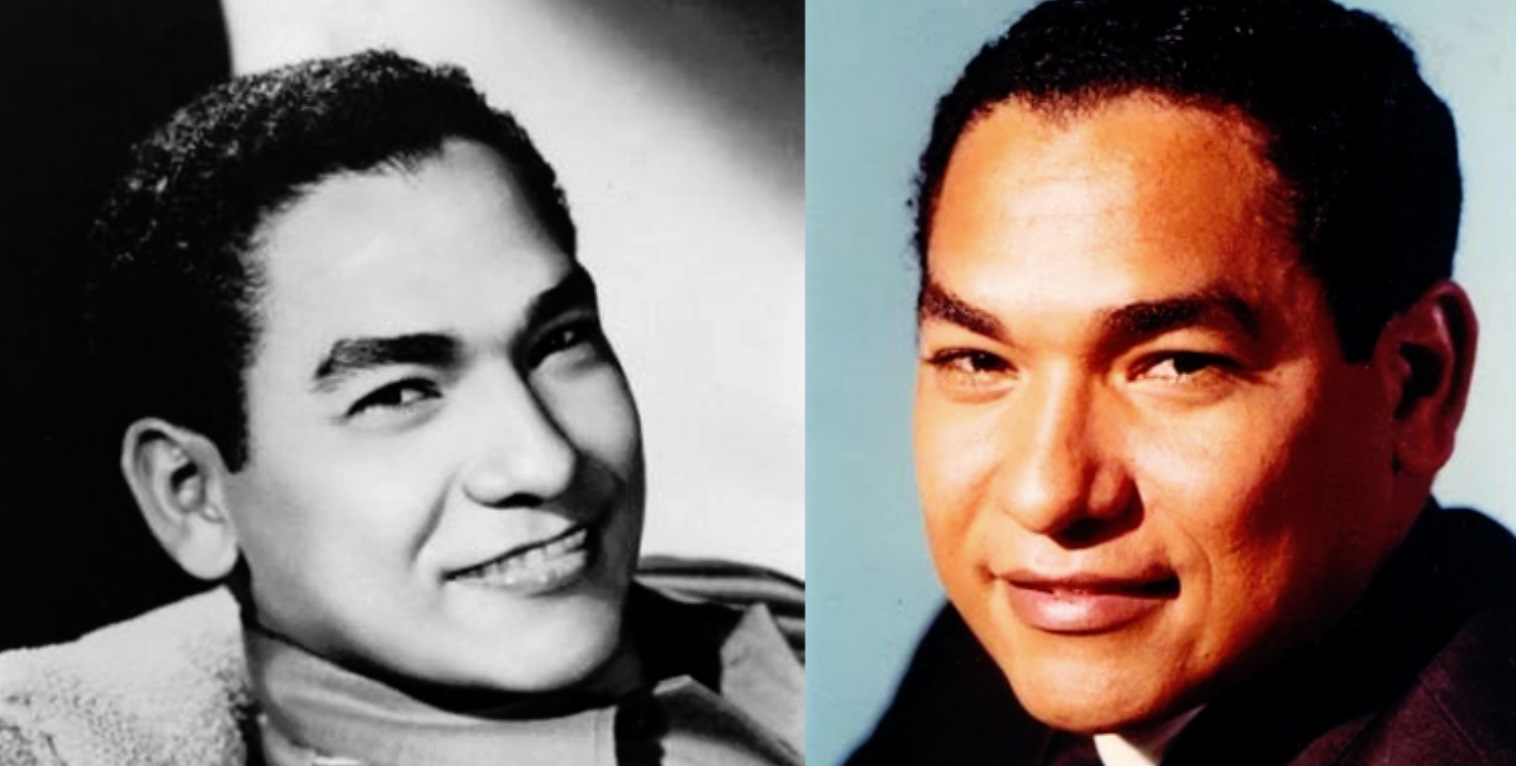
Felipe Pirela | The Bolero of America

North America / USA / New York

Felipe Pirela:

En mi barrio el empedrao
Parroquia Santa Lucia
Había una barbería
Que era muy populachera
Te lavaban en ponchera
La silla se reclinaba
Y Luis el perro pelaba
Al son de una periquera

Felipe Pirela
Felipe Pirela

This is the sound of the tasty gaita performed by the group Sabor Gaitero and Los Gaiteros de Pillopo. It refers to a barbershop in a picturesque neighbourhood of Maracaibo in the Venezuelan state of Zulia. It was in this popular neighbourhood of Maracaibo, El Empedrao, that Felipe Antonio Pirela Morón was born in 1941. It was probably in this popular barbershop that he got his first haircut, and it was certainly in some corner of the neighbourhood that he took his first steps as a singer, perhaps interpreting gaitas or some other popular genre. The young Felipe was far from imagining that he would become “El Bolerista de América” (The Bolero of America).

The son of a bricklayer, Felipe Pirela Monsalve, and a housewife – an artist at heart – Lucia Morón de Pirela, the boy began his musical career as a child, supported by his mother, in small radio singing competitions. Incredibly, at the age of 13, together with some boys from the neighbourhood and his two brothers, he founded the group Los Happy Boys, which performed in various venues in Maracaibo, without even imagining that he would later become the main star of Billo’s Caracas Boys, a group that, upon arriving in Venezuela, debuted under the same name, Billo’s Happy Boys, directed by the Dominican maestro Billo Frometa.

At the beginning of his singing career, Felipe specialized as a bolerista, performing songs by prominent singers such as the Chilean Lucho Gatica, the Cuban bolerista Olga Gillot and Venezuela’s favorite tenor Alfredo Sadel.

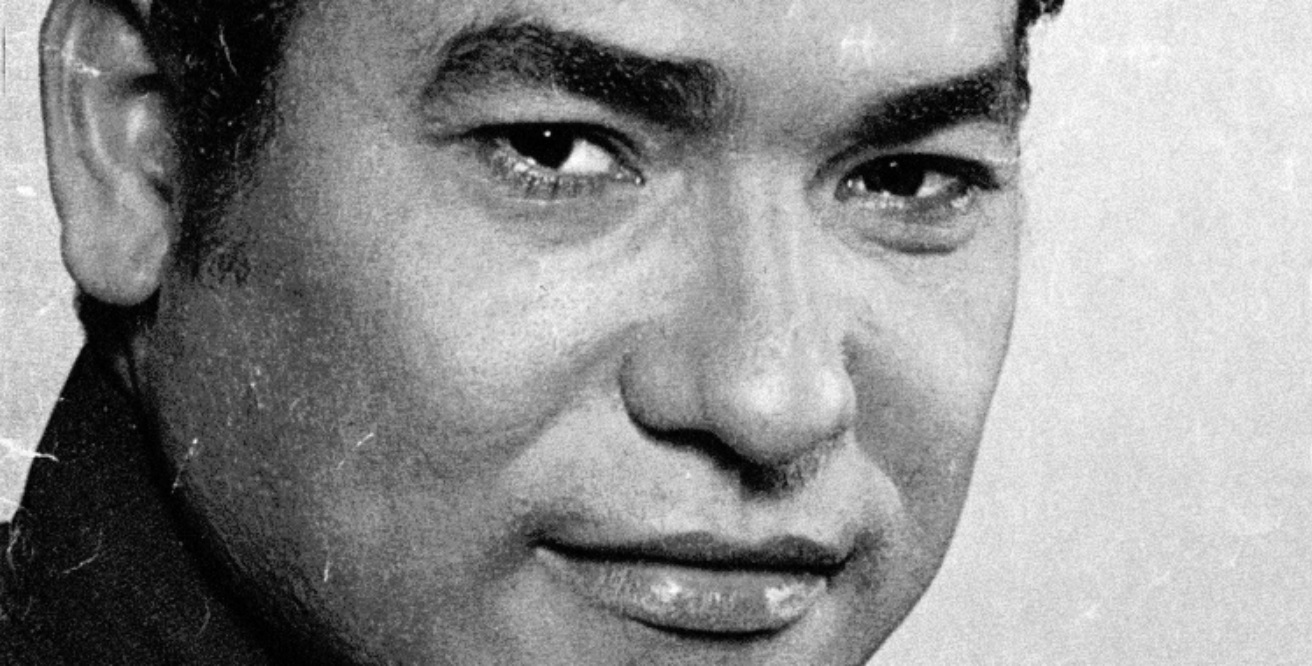
Felipe Pirela
Felipe Pirela

Radio Caracas Television had the honor of making Felipe’s image public for the first time in 1957, through an amateur program in which Felipe placed third. Unfortunately, there were no video recording systems in those days, so there is no record of this historic achievement. Later, the now defunct and legendary Venezuelan regional television station from Maracaibo, Ondas del Lago, served as a springboard for Felipe, who was one of its founding artists.

These performances allowed him to sign a contract with the station in 1958, after which he moved to Caracas, where he performed on Radio Caracas and in various nightclubs.

Shortly thereafter, he returned to Maracaibo to join the orchestra Los Peniques, with whom he recorded his first album in 1960 and began his professional career.

Like most of the artists, baseball players and boxers from Maracaibo, Felipe was a man of humble origins, pobre del pobre, with limited economic resources, who for a time missed opportunities to be noticed despite his immense talent.

Felipe Pirela
Felipe Pirela

Fortune smiled on him when Maestro Billo Frometa heard him sing, at a time when the arranger, director and musician from Quisqueyano was preparing to restructure his band, Billo’s Caracas Boys, and at the same time hired another singer from Maracaibo, the remarkable José “Cheo” García. This hiring gave an enormous boost to the already famous Billo’s Caracas Boys; the band acquired great international prestige, performing throughout America and Europe, popularizing the immortal mosaics that for many years enlivened the parties and were the favorites of the Venezuelan public.

Not for nothing, Billo’s Caracas Boys Orchestra has been called the most popular in Venezuela, the Caracas and Venezuelan clubs, Latin American countries and even the European continent (Tenerife, Spain) showed full houses during the band’s performances. In these performances, the acclaim for Felipe Pirela was total. Huge demonstrations of support, full houses and legions of fans followed the “crooner” on his tours.

When Venezuela’s favorite tenor, Alfredo Sadel, left the popular genre and his country to devote himself to opera, Pirela almost immediately replaced him in the favorite place of Venezuelans.

In 1961, “El Bolerista de América” recorded with a string orchestra conducted by Billo, the long playing Canciones de Ayer, including old songs and songs of that time, a recording that marked his resignation and departure to Mexico, where he also had memorable successes.

Felipe Pirela boleros with guitars

In 1964 he married Mariela Montiel, a marriage that resulted in the birth of a daughter, Lennys, and in which La Retirada was quickly marked by the fact that Amor se Escribe con Llanto (Love is Written with Crying) and that it probably does not last a lifetime.

Canada and Mexico witnessed his successes in ’67 and his return to Venezuela. Successful performances in Miami that same year motivated him to reside in the United States, where he tried to structure his own record company, a project that came to nothing and he was deeply disillusioned and returned to Venezuela, later residing in Puerto Rico, where he was taking La Última Copa when he was tragically assassinated in 1972.

For some, his career was marked by Sombras Nada Más, but for the vast majority, “El Bolerista de America” remains in the memory as one of the most unique stars of Latin American music of all time.


For Mario Cabrera Bello

Mario Cabrera Bello


bella marrtinez

Cerro del Avila
Cerro Avila Sala Show
Av. Urdaneta con Av Fuerzas Armadas
Caracas, Venezuela

El Marchante
El Marchante
Av. Alameda, San Bernardinos
Caracas, Venezuela
+58 424-1890654

Latinos
Latino’s Disco & Pool
C.C. Chacaito, Nivel Sotano Local 9 y 10, Chacao
Caracas, Venezuela
+58 212 9535083

Bahia Caribe
Bar Bahía Caribe
Av Ventuari Edificio Tosca. Valle Abajo
Caracas 1041, Venezuela
+58 424 2823693

Juan Sabastian bar
Juan Sabastian Bar
Avenida Venezuela, El Rosal
Caracas 1050, Venezuela
+58 0212 9513750

Camaleon
Camaleón Gastro Bar
Avenida Venezuela, Torre América PB
Caracas 1050, Venezuela
+58 0412 9981264

Cito Bar Live
Citobar Restaurant
Avenida José Casanova Godoy
Maracay 2101, Aragua, Venezuela
+58 243 2326441


North America – December 2020

Singer and manager of Cambalache Pancho Chavez

Peru continues to give much to talk about with regards to salsa and the guest we have this time is clear proof of that. We are talking about the talented singer and backup singer Francisco ”Pancho” Chávez, who has been kind enough to talk to us to reveal unpublished details of his life and career in his native country and, of course, in the United States. 

Pancho, who currently serves as vocalist and manager of the Orchestra Cambalache, has a very long career in the U.S. Latin music scene, to the point that his group has established itself as one of the top salsa bands in the northwestern United States. It is a great honor for us to have an artist of this stature in this January 2024 edition.  

Pancho from Cambalache
Francisco ”Pancho” Chavez, manager and lead singer of Cambalache

Pancho’s Musical beginnings 

Pancho’s first contact with music happened thanks to his mother’s family, many of whom were musicians. Although the young man never go into business in his country, he was able to see how to handle things thanks to his relatives until moving to the United States in 1997. 

One or two years later, someone gave him a double album by El Gran Combo de Puerto Rico that, he says, he played a million times because he really liked it. This material was one of his great inspirations to dedicate himself to salsa as a genre and nobody could change his mind.   

It was in Seattle that he started making music with college friends when he was already living in the United States, implying that he was not yet formally dedicated to music. In fact, Pancho was studying business at the time and was looking for a small musical group with other young college students he met around 1999.   

This group turned out to be Cambalache, which he founded along with Colombian musician Camilo Suarez. This would be the first and only group to which the Peruvian has belonged, so everything he knows about music and the industry was learned with this same project.   

He always stood out for his talent to sing and do vocals, but he also learned to play some instruments such as the congas, timbales, bongos, cowbells, among others. He also learned a bit of sound engineering and can work a little in this area, although he recognizes that he is not yet an expert.   

Pancho and Maelo
Puerto Rican salsa singer Maelo Ruiz and Pancho Chavez

Recruiting talent for Cambalache   

Pancho says that there were not many Latinos at the university back then, so he and Camilo forged a strong friendship and shared many common interests, especially music. 

At the time, both were facing the economic problems typical of a college student and saw music as an opportunity to make a little extra money during their summer vacation. Camilo knew other musicians, so he contacted them and proposed them to join the orchestra they were creating. 

Pancho and Camilo had thought of a group of five or six people, but there were so many interested in joining the orchestra that the first rehearsals included about 13 people. In the end, solely for economic reasons, they only accepted nine members, of which only he remains.   

All these members, including Camilo himself, ended up working with other artists and groups and obtaining new opportunities in the musical field.   

Clasiqueando 

Cambalache’s first album was ”Clasiqueando”, which was released almost 20 years ago. Pancho assures that the acceptance to the material was very nice, even though the details are not so refined and worked.   

The success they had was a surprise for Pancho and the rest of the group, since the scope they expected was local. “We were surprised that people called us from many countries saying they had heard the album and loved it. There were even companies in countries like Japan and Italy that wanted to buy us songs for distribution” Pancho said on the issue. 

It was a great start for everything that came next for the group in the years to come.   

Pancho and Porfi
Pancho Chavez and Venezuelan arranger, producer, and musician Porfi Baloa

Why choose Seattle 

Pancho and his musicians chose Seattle as their base of operations because he and all the members of Cambalache have lived there for many years. That is exactly the city the Peruvian chose to make his living there and he never left it. 

It is also in Seattle where they all have their jobs and occupations outside of music and where they meet to rehearse and deal with all the affairs related to the orchestra. 

In the beginning, it was very hard for them because the Latino audience was not very large when they created the project. However, that has been changing, and today, many Latinos live in the city and maintain their Latino customs, including music.   

Other tasks besides music 

In addition to being the vocalist and manager of the orchestra Cambalache, Pancho is also a business administrator and manages his own event company whose main element is, of course, music. In this company, Pancho and his staff are in charge of hiring artists and bands for private events. Of course, Cambalache is involved in the operation of this project. 

The event center managed by the Peruvian singer has a capacity for 500 people and has its own stage. He rents it to hold events there and has all types of clients waiting.   

They have hired artists such as Gilberto Santa Rosa, Tito Nieves, El Gran Combo de Puerto Rico, Willie González, Conjunto Bahía, Frecuencia Latina, among others. 

Read also: Producer and saxophonist Martin Franco talks about his passion for music 

  • « Go to Previous Page
  • Page 1
  • Interim pages omitted …
  • Page 52
  • Page 53
  • Page 54
  • Page 55
  • Page 56
  • Interim pages omitted …
  • Page 94
  • Go to Next Page »

International Salsa Magazine (ISM) is a monthly publication about Salsa activities around the world, that has been publishing since 2007. It is a world network of volunteers coordinated by ISM Magazine. We are working to strengthen all the events by working together.