North America / USA / New York
William Anthony Colón Román, better known as Willie Colon, was born in New York (USA) on April 28, 1950.
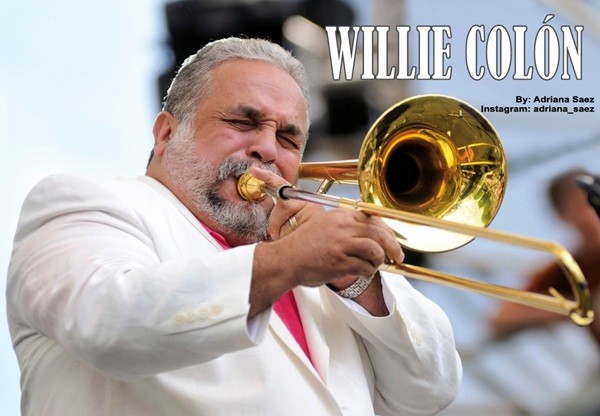
This American musician of Puerto Rican descent. Master trombone and fusion of various Caribbean, African rhythms and urban music, formed with vocalist Hector Lavoe one of the most important couples in Latin music of the seventies, and is considered, one of the pioneers in the development genuine salsero movement in the late sixties and early seventies.
Grandson of Puerto Rican immigrants, Colón grew in the Latin Quarter district of the Bronx, a fact that has marked much of his personal and artistic career, which implies rebellion and transgression of the rules. After studying trumpet and clarinet, his admiration for Mon Rivera led him to opt for the trombone at age fourteen, thus initiating his professional career playing in community centers with fellow high school.
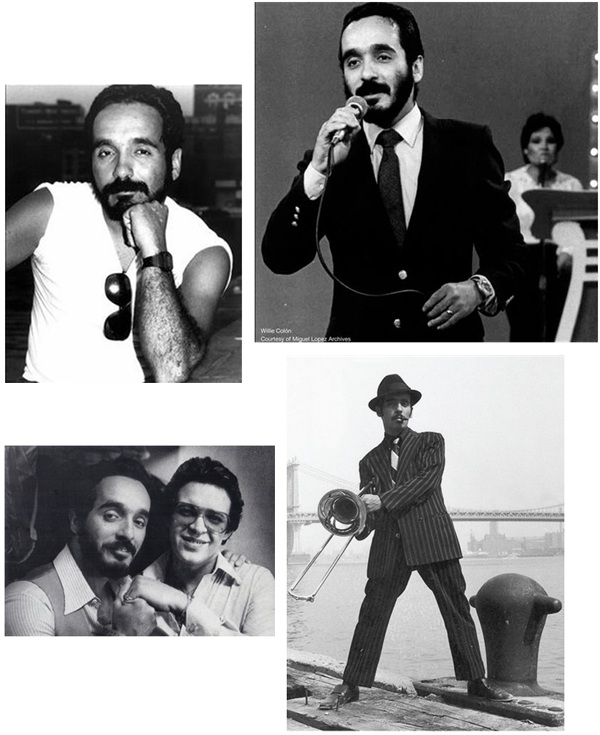
A year later when he was 15 years old, he signed a contract with the Fania record label. Two later, in 1966, he recorded his first album with the significant title of El Malo, which sold 300,000 copies.
In this first work already he had the unmistakable voice of Hector Lavoe and introduced elements of Puerto Rican folk music, especially the pump, mixed with own hurtful and harsh rhythms of the trombone, what were good examples topics as successful as Jazzy and I wish I had watermelon.
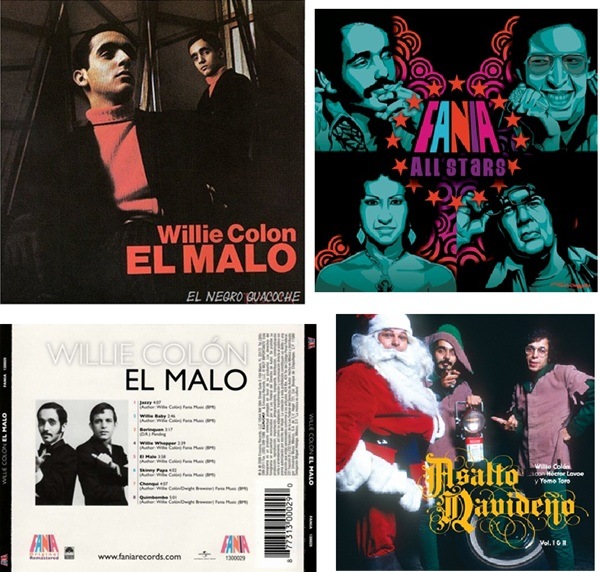
Along with other prominent musicians of Caribbean origin as Ray Barretto, Bobby Valentin, Reynaldo Jorge and self-Héctor Lavoe, he participated in 1971 in the concert recording of the FANIA All Stars, considered the event that launched the salsa movement in New York.
That same year, his masterful rendition of Piranha, consisting of Tite Curet Alonso, he shot to fame and became one of the icons of the musical movement.
Under this record label and with Hector Lavoe recorded over a dozen albums until 1975, among which were Guisando (1969), Cosa Nostra, El Juicio and Asaltos Navideños (1972), in this last album this expert and risky arranger, combined rhythms and styles to help create music that would be known today as the sauce. He incorporated elements of Puerto Rican Jibaro and thus created hit singles that became popular among Puerto Rican listeners.
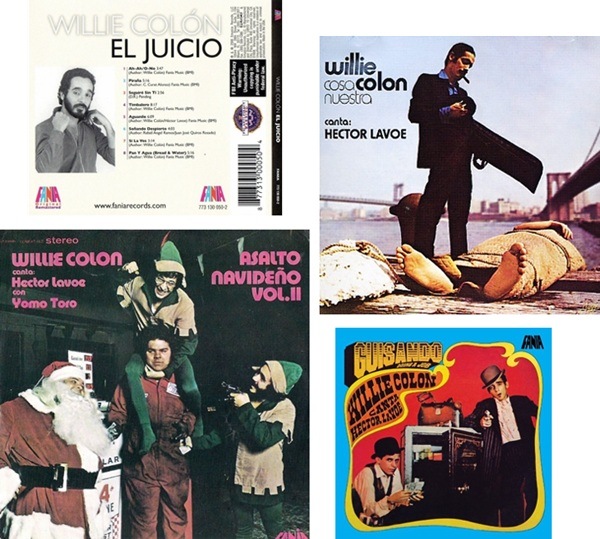
In 1975 he recorded The Good, the Bad, the Ugly. All their albums show genuine urban or what came to be known as “sounds of the neighborhood,” the most faithful sample of Puerto Rican immigrant feeling in the great metropolis New York salsa. After his work with Fania his fame spread among the Hispanic community in the US and much of Latin America; in 1975 he had the opportunity to play alongside his idol Mon Rivera.
In the late seventies, his rebellious spirit led him to develop along the Panamanian singer Ruben Blades what became known as salsa awareness, songs denouncing the political and social situation in Latin America and the Caribbean; conjunction with Blades was especially fortunate, with high quality work as Metiendo Mano (1977) and Siembra (1978). Canciones del Solar de los Aburridos album in 1982 was awarded a Grammy.
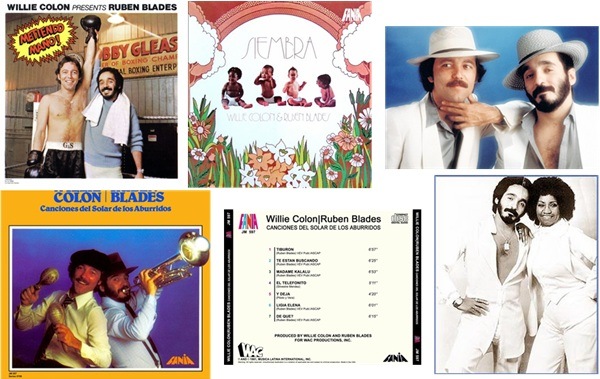
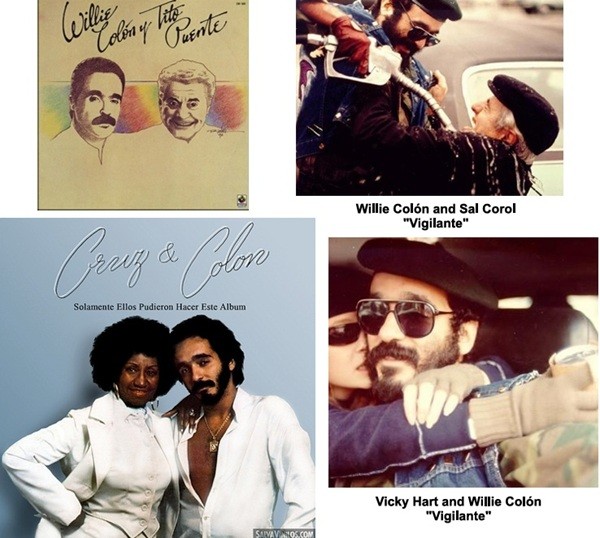
Willie Colón has worked throughout his career, in addition to those already mentioned, with artists like Celia Cruz, Tito Puente and David Byrne, and played some roles in Mexican television such as: Demasiado Corazón, La Intrusa y Corazón Partido. Furthermore, it could also be seen in the films “Vigilante”, “The Last Flight” and “It Could Happen to You”.
From the nineties his artistic side gave way to intense activity in social life and American politics, according to its commitment to the Hispanic community: thus, in 1966 Willie Colón was named by Hispanic Business Magazine as one of the 100 most influential Hispanics in the US; in 1993 it was presented to the primaries in the State of New York; in 1995 he became the first Hispanic ASCAP entered in the National Council; and in 1999 he was part of the delegation was received at the Vatican by Pope with the Jubilee 2000, in addition to regularly collaborate with humanitarian organizations like the United Nations and Amnesty International.
As a musician, it has been characterized by the fusion of rhythms such as son, mambo, guaracha, cha cha cha, guajira, Colombian cumbia, rumba and Venezuelan joropo, among others.
His music, which has been a big influence on the modern Latin Jazz, reflects a traditional lyric rhythm, and goodbye and hope forced to leave their land to settle in the US generates.
In his 42 year career, Columbus has released more than 45 albums, among which we can mention “Crime Pays”, “The Baquine of Angelitos Negros”, “49 Minutes”, “Solo”, “Fantasmas”, “The Last Fight”, “Contrabando Especial No. 5”, “Honra y Cultura”, “Tras la Tormenta”, “Demasiado Corazón”, “Idilio” y “El Malo 2”, this latest album which was released in 2008.
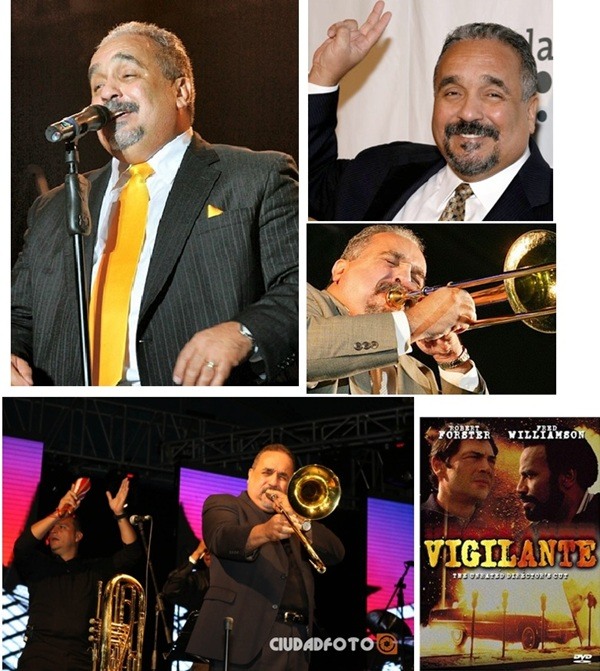
In his career, Willy took 11 nominations for the Grammy Awards and received 15 gold records and 5 platinum.

- The Brazilian spirit finds its expression in the samba. What is samba? - September 26, 2026
- Odessa International Dance Festival 2016 - September 19, 2026
- Mambo City Congress – 28 Apr 2017 01 May 2017 - September 19, 2026