• Skip to primary navigation
  • Skip to main content

International Salsa Magazine

  • Home
  • Previous editions
    • 2025
      • ISM / November 2025
      • ISM / October 2025
      • ISM / September 2025
      • ISM / August 2025
      • ISM / July 2025
      • ISM / June 2025
      • ISM / May2025
      • ISM / April 2025
      • ISM / March 2025
      • ISM / February 2025
      • ISM / January 2025
    • 2024
      • ISM / December 2024
      • ISM / November 2024
      • ISM / October 2024
      • ISM / September 2024
      • ISM / August 2024
      • ISM / July 2024
      • ISM / June 2024
      • ISM / May 2024
      • ISM / April 2024
      • ISM / March 2024
      • ISM / February 2024
      • ISM / January 2024
    • 2023
      • ISM / December 2023
      • ISM / November 2023
      • ISM / October 2023
      • ISM – September 2023
      • ISM – August 2023
      • ISM July 2023
      • ISM Edition June 2023
      • ISM – May 2023
      • ISM April 2023
      • ISM March 2023
      • ISM February 2023
      • ISM January 2023
    • 2022
      • ISM December 2022
      • ISM November 2022
      • ISM October 2022
      • ISM September 2022
      • ISM August 2022
      • ISM July 2022
      • ISM June 2022
      • ISM May 2022
      • ISM February 2022
      • ISM January 2022
    • 2021
      • ISM December 2021
      • ISM November 2021
      • ISM October – 2021
      • ISM September 2021
      • ISM August 2021
      • ISM July 2021
      • ISM May 2021
      • ISM April 2021
      • ISM June 2021
      • ISM March 2021
      • ISM February 2021
      • ISM January 2021
    • 2020
      • ISM December 2020
      • ISM November 2020
      • ISM October 2020
      • ISM September 2020
      • ISM August 2020
      • ISM July 2020
      • ISM June 2020
      • ISM May 2020
      • ISM April 2020
      • ISM March 2020
      • ISM February 2020
      • ISM January 2020
    • 2019
      • ISM December 2019
      • ISM November 2019
      • ISM October 2019
      • ISM Septembre 2019
      • ISM August 2019
      • ISM July 2019
      • ISM June 2019
      • ISM May 2019
      • ISM April 2019
      • ISM March 2019
      • ISM February 2019
      • ISM January 2019
    • 2018
      • ISM December 2018
      • ISM November 2018
      • ISM October 2018
      • ISM September 2018
      • ISM August 2018
      • ISM July 2018
      • ISM June 2018
      • ISM May 2018
      • ISM April 2018
      • ISM March 2018
      • ISM February 2018
      • ISM January 2018
    • 2017
      • ISM December 2017
      • ISM November 2017
      • ISM October 2017
      • ISM September 2017
      • ISM August 2017
      • ISM July 2017
      • ISM June 2017
      • ISM May 2017
      • ISM April 2017
  • Download Salsa App
    • Android
    • Apple
  • Spanish

Latin Jazz

Dave Valentín is considered one of the most important Latin jazz flautists in history, thanks to his technique and rhythm

Valentín: The Master of the Flute in Latin Jazz.

Dave Valentín is considered one of the most important flutists in the history of Latin jazz, thanks to his technique, rhythm, and vast musical knowledge.
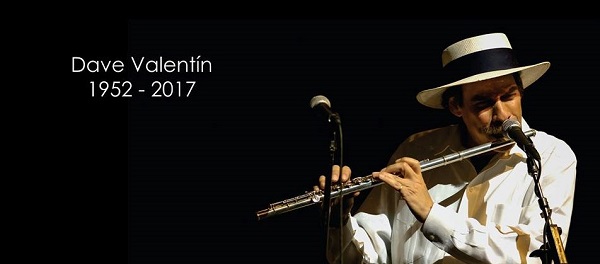
Dave Valentín is considered one of the most important Latin jazz flutists in history, thanks to his technique and rhythm

Born in the Bronx, New York, on April 29, 1952, to Puerto Rican parents from Mayagüez, Valentín grew up in a home filled with music. From the sounds of Tito Rodríguez and Tito Puente to Machito, the musical culture that surrounded him as a child was a major influence. Although he loved the bongos and congas, he joined a Latin group as a timbalero during his teenage years. He played in the “cuchifrito” circuit and in working-class dance halls in New York.

Dave Valentín’s life largely reflects the story of the children of Puerto Rican immigrants in New York who forged their own destiny through hard work, dedication, talent, and family support. In fact, the musician, composer, and arranger himself liked to say that “each person creates their own reality.”

A Legacy-Filled Career

  • GRP Records Pioneer: Valentín was the first artist to sign with the influential GRP record label, which allowed him to consolidate his career and spread jazz fusion and Latin jazz to a wider audience. He recorded 16 albums with the label, including titles like Legends, The Hawk, Land of the Third Eye, Pied Piper, In Love’s Time, Flute Juice, Kalahari, and Red Sun, among others. These works combine the intensity of Latin cadences with influences from pop, R&B, Brazilian music, and smooth jazz. For the musician, being signed by this multinational company represented “the opportunity of a lifetime.”
  • Notable Collaborations: Throughout his career, he worked with major figures in jazz and Latin music such as Tito Puente, Manny Oquendo, Cano Estremera, Eddie Palmieri, Ricardo Marrero, Dave Grusin, and Patti Austin.
  • Awards and Recognitions:
    • He earned a Grammy nomination in 1985.
    • He won a Grammy Award in 2003 for his work on the album Caribbean Jazz Project, alongside vibraphonist Dave Samuels.
    • He was chosen as the top jazz flutist by readers of Jazziz magazine for seven consecutive years.

Come Fly with Me (2006)
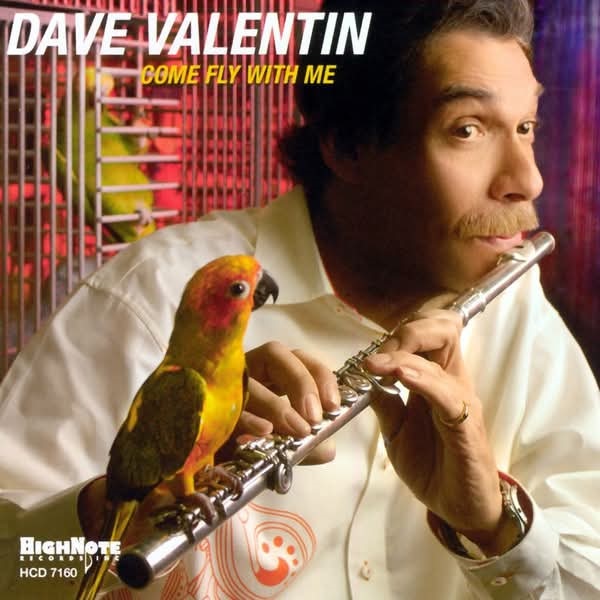
Dave Valentin - Come Fly With Me
Dave Valentin – Come Fly With Me

Dave Valentín always moved in the realm of fusion. His incorporation of smooth jazz elements, Latin influences, and the sensitivity of modern jazz made him a difficult artist to pigeonhole. Come Fly with Me is one of his most notable albums, as it focuses on a direct approach to Latin jazz. The majority of the songs are Afro-Cuban with a New York flair, without including funk or samba rhythms.

Driven by a formidable rhythm section that includes Robert Ameen on drums, Milton Cardona and Richie Flores on percussion, Luques Curtis on bass, and his friend Bill O’Connell on piano, the album overflows with power and elegance. Trombonist and arranger Papo Vázquez also participates on several tracks. The group’s rhythm is profound and the solos are filled with inspiration. Despite some less successful moments, Valentín’s innate sense of taste and melody shines brightly.

Album Credits

Musicians:

  • Dave Valentín (Flute)
  • Bill O’Connell (Piano)
  • Luques Curtis (Acoustic Bass)
  • Papo Vázquez (Trombone)
  • Chris Barretto (Tenor Sax #1)
  • Robert Ameen (Drums)
  • Milton Cardona (Percussion)
  • Richie Flores (Percussion)

Tracks:

  • Come Fly with Me
  • Twinkle Toes
  • Enciendido
  • Mind Games
  • If You Could See Me Now
  • Easy Street
  • Tu Pañuelo
  • House of the Sun
  • Song for My Brothers

Sadly, Dave Valentín suffered a stroke in 2012 that forced him to step away from music. He passed away in 2017. Despite his passing, his musical legacy remains a fundamental reference for flutists and lovers of Latin jazz.
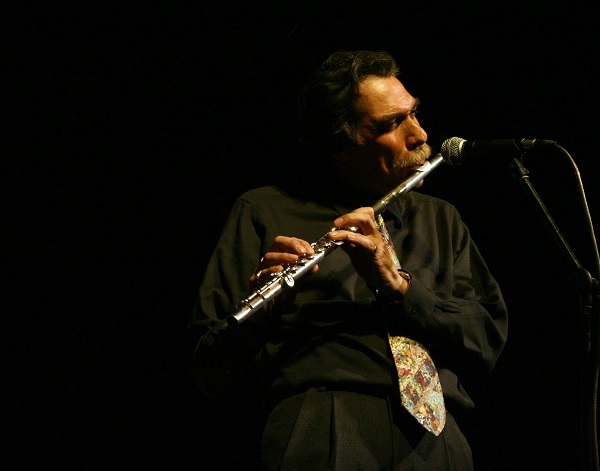
Valentín El maestro de la flauta en el jazz latino

By:

L’Òstia Latin Jazz

Rafael Vega Curry for the National Foundation for Popular Culture

Dj. Augusto Felibertt

Also Read: Pamir Guánchez, brilliant Venezuelan singer, flutist, saxophonist and arranger.
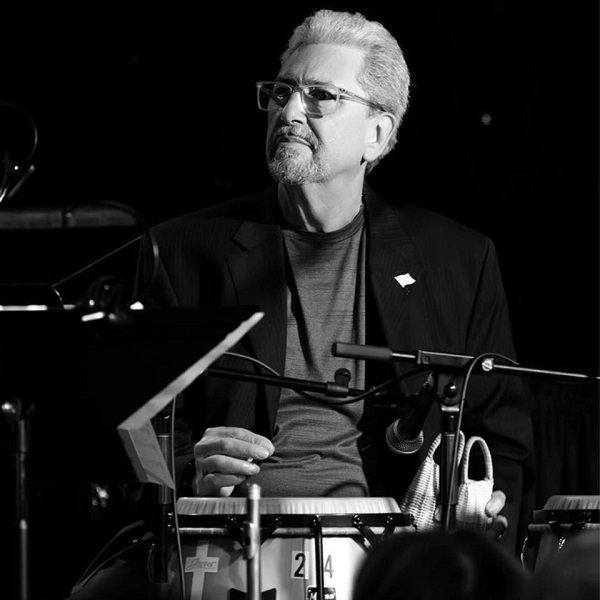
Luis Conte: The Cuban-American percussionist who fuses Cuban son with global music

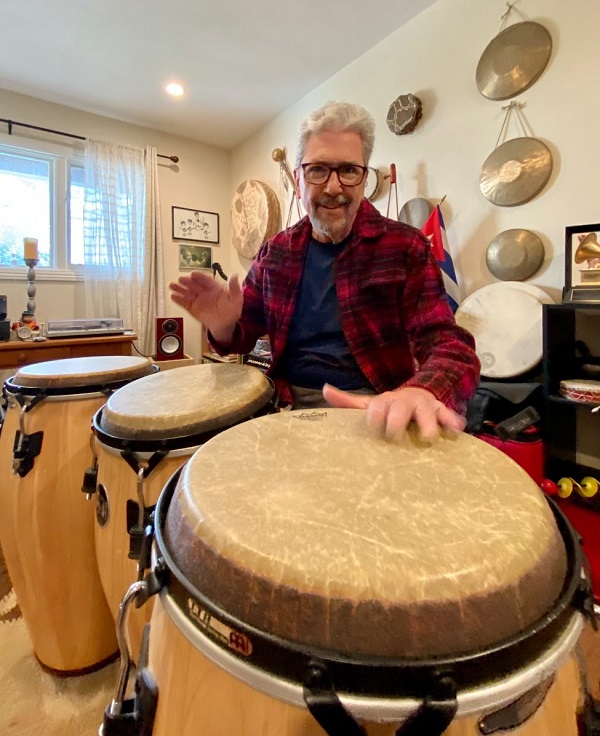
Luis Conte is a renowned Cuban-American percussionist who has left an indelible mark on the music industry. His talent and versatility have led him to collaborate with an impressive list of world-class artists.

Luis Conte, the percussionist who fuses Cuban son with global music.

Born in Santiago de Cuba, Conte emigrated to Los Angeles in 1967. Throughout his career, he has been honored multiple times as “Percussionist of the Year” by specialized magazines like Modern Drummer and Drum Magazine.

Luis Conte has been the percussionist for some of the biggest names in commercial music, including James Taylor, Phil Collins, Jackson Browne, Madonna, Sergio Mendes, Ray Charles, Pat Metheny, Beck, Shakira, Sade, and Herb Alpert.

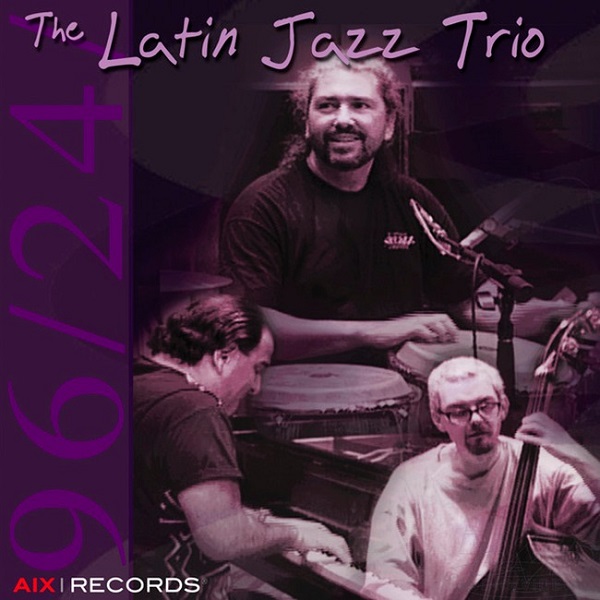
In this first HD-Audio Latin recording, his talent, along with that of pianist David Garfield and the recently deceased bassist Dave Carpenter, comes to life through the magic of 96 kHz/24-bit, 5.1 channel surround sound. The music is mixed to maximize individual musical lines and timbres. Bob Stuart, the founder and chairman of Meridian Audio, described the sound as “incredible,” adding that it was one of the best recordings he had ever heard.

The difference lies in the use of new technology, strict adherence to signal purity, and a willingness to experiment with instrument placement. Finally, you have the opportunity to hear authentic HD-Audio with performers who know how to create wonderful music.

Being a percussionist is like being a geographer. These instruments come from all over the world: Africa, Brazil, Colombia, the Middle East. I try to cover everything.

Luis spent the first 15 years of his life absorbing the rich musical heritage of son and carnaval. “Life in Cuba is about enjoying it, and music is fundamental to that lifestyle,” says Luis. “Music is almost like food for Cubans.” Immersed in the music of his native Cuba, Luis also developed a passion for rock & roll, R&B soul, jazz, and The Beatles.

At age 15, in search of freedom, Luis emigrated to Madrid, Spain. He soon had another opportunity to travel, this time to Hollywood. In California, Luis stayed with a cousin and attended Hollywood High School, where he played guitar in numerous rock bands during his teenage years.

After high school, Luis met John Monteallegre, who reconnected him with Cuban drumming at L.A. City College. By age 18, Luis had a strong interest in drumming and took every opportunity to play and learn, drawing inspiration from a deep well of rhythm he absorbed during his youth in Cuba.

David Garfield’s mission is “I make music.” And “make music” is what he does, as a world-renowned keyboardist, producer, and composer. Whether it’s jazz, rock, funk, or world beat, he is the creative force behind the production of numerous internationally acclaimed recordings.

Conte is a renowned Cuban-American percussionist

After studying music at Ohio State University, the late Dave Carpenter started his professional career playing with three jazz giants: Buddy Rich, Maynard Ferguson, and Woody Herman. More recently, Carpenter was part of drummer Peter Erskine’s trio, which also included pianist Alan Pasqua. A veteran of the Woody Herman and Bill Holman big bands, he also worked with Bill Perkins, Jack Nimitz, Herb Geller, Herbie Hancock, Jack Sheldon, Al Jarreau, Bill Cunliffe, Jan Lundgren, Terry Gibbs, Buddy DeFranco, and Richard Stoltzman, among others.

As sought-after in Los Angeles studios as he was in clubs, Carpenter has an extensive list of recording credits. He participated in more than 200 recordings and composed dozens of themes and scores for television and film.

Sadly, Dave passed away from a heart attack in June 2008. The music world lost a truly wonderful musician and person. The premium DVD-Audio/Video discs from AIX Records are two-sided: one side is an interactive DVD-Video disc, and the other is a DVD-Audio disc (which requires DVD-Audio compatible equipment for playback).

The sound of this recording brings these incredible instrumentalists into your listening space. The HD audio surround mixes immerse you in the musical interplay with a full-range frequency and dynamic response. Discover how good Latin jazz can sound! When I’m asked at trade shows what my favorite discs are, I always include The Latin Jazz Trio.

Dave Carpenter, Luis Conte & David Garfield – The Latin Jazz Trio (2002-R2018)

Dave Carpenter, Luis Conte & David Garfield - The Latin Jazz Trio
Dave Carpenter, Luis Conte & David Garfield – The Latin Jazz Trio

Tracks:

  1. Luisongo
  2. Doña Olga
  3. Memories Of Rio
  4. Mujaka
  5. Song For My Father
  6. Future Generations
  7. Pools
  8. Rumba Del Cielo
  9. Kumbisa / Cuba

Musicians:

  • Dave Carpenter (Bass)
  • Luis Conte (Percussion)
  • David Garfield (Piano)

Recorded at the Zipper Auditorium at The Colburn School of Performing Arts, 2000.

By: L’Òstia Latin Jazz

Dj. Augusto Felibertt

Also Read: Israel “Cachao” López, a Cuban musician and composer, has been hailed as “the Inventor of Mambo”

How Money Is Made Today: Recording Artists, Record Labels, and Digital Platforms

Carlos Navarro is a renowned multi-percussionist, producer, bandleader, and singer, known for leading the Orquesta Son y Clave. Here are some key details about him and his music:

  • Musical Style: He specializes in genres like salsa, mambo, merengue, and Latin jazz.

  • Orquesta Son y Clave: The band has gained popularity in recent years, even sharing the stage with world-class artists like The Rolling Stones.

  • Collaborations: He has worked with major talents in Latin music in Los Angeles, including Tito Nieves, Luis Barbarán, and others.

  • Family Connection: He is the brother of the famous singer Cherry Navarro.

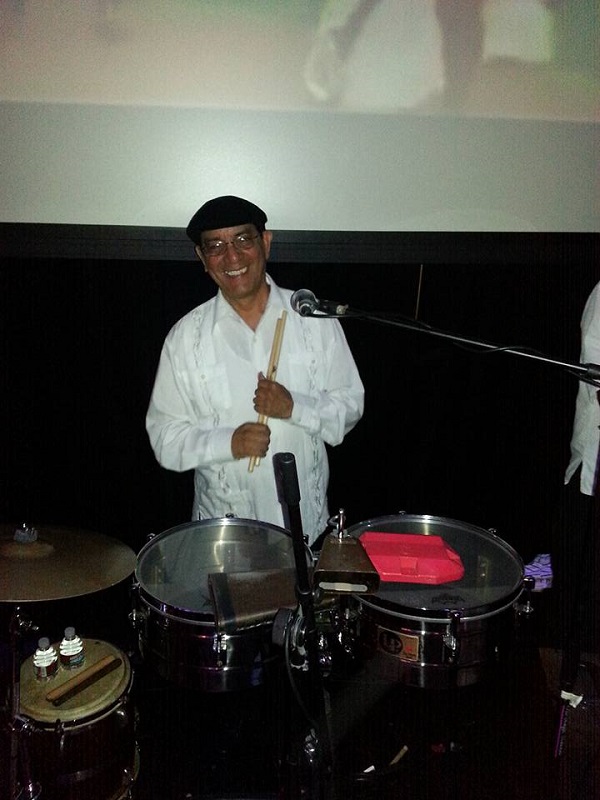
    Carlos Navarro reconocido multi-percusionista, productor, bandleader y cantante, conocido por liderar la Orquesta Son y Clave
    Carlos Navarro reconocido multi-percusionista, productor, bandleader y cantante, conocido por liderar la Orquesta Son y Clave

1). What’s the current process for recording, music production, and royalty distribution?

The current process begins with recording, which can now be done in professional studios or in home studios equipped with high-quality technology. Next is music production, which includes editing, mixing, and mastering to ensure the material meets industry standards.

Once the final product is complete, it’s distributed digitally through aggregators or distributors who place it on platforms like Spotify, Apple Music, and YouTube, among others. As for royalties, these are mainly collected by collective management societies and the platforms themselves, who distribute the income based on streams, downloads, or licenses, assigning it to the author, performer, and producer as stipulated in their contracts.

2). What is the impact of digital platforms that artists use to release their music?

Digital platforms have transformed the music industry by democratizing access. Today, any artist, regardless of their fame or resources, can distribute their music globally. The biggest impact is visibility: a song can reach millions of listeners without the need for a traditional record label.

However, there is also the challenge of market saturation, which requires artists to accompany distribution with solid strategies for digital marketing, branding, and social media presence.

3). How are the revenues distributed once the product is complete?

Revenue distribution varies according to contractual agreements, but generally, it’s split between authors and composers (publishing royalties), performers and producers (master recording royalties), and the distribution company or label.

In the digital environment, streaming platforms pay a percentage for each stream, which first goes to the digital distributor and is then divided according to the percentages agreed upon in publishing and production contracts. This system makes good administrative management essential so that everyone involved receives what they’re owed.

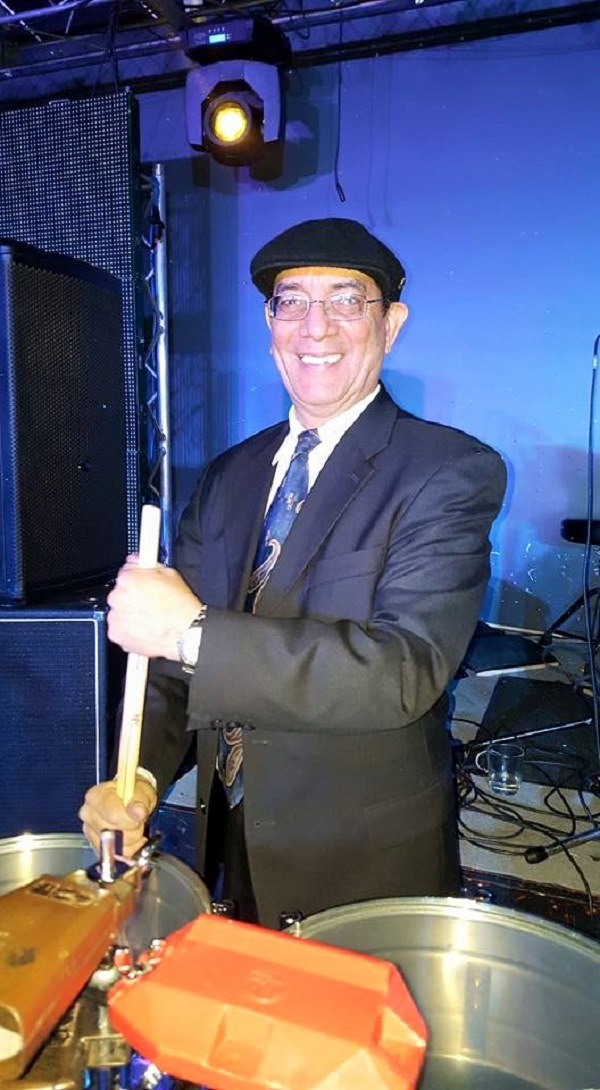
At The Blind Tiger Super Club in Santa Barbara California. Son y Clave Orchestra Carlos Navarro. Great venue.

4). Name some current business models for producing a record.

  • Independent Digital Distribution: The artist pays a digital distributor (e.g., DistroKid, CD Baby, TuneCore) and keeps most of their rights.
  • Record Label Contract: The label invests in production and promotion in exchange for a percentage of royalties and even the master rights.
  • Licensing and Sync: Producing music geared toward films, commercials, and video games, generating income from usage licenses.
  • Crowdfunding: Fans support the funding of the album in exchange for exclusive rewards.
  • 360 Deal: The label or company handles not only production and distribution but also concerts, merchandise, and image rights, in exchange for a larger percentage.

5). What strategies can artists use to monetize their work in the digital environment?

  • Streaming and Digital Downloads: Maximizing presence on Spotify, Apple Music, Deezer, etc.
  • YouTube and Content ID: Monetizing through views, ads, and copyright control.
  • Digital and Physical Merchandise: T-shirts, vinyl records, NFTs, and exclusive products.
  • Social Media and Subscriptions: Platforms like Patreon or TikTok offer the possibility of direct income from fans.
  • Licensing and Sync: Offering music for TV series, films, video games, and advertising campaigns.
  • Virtual Concerts and Exclusive Experiences: Monetized live streams, digital meet-and-greets, or access to exclusive content.

6). What do you think about creating a digital platform among us, the Latin musicians, where the profits go to the artists?

I think that’s an extremely valuable and necessary proposal. A digital platform created by and for Latin musicians would have a direct impact on the independence and sustainability of our artistic projects. By eliminating traditional intermediaries and ensuring most of the profits go directly to the artists, it would foster a fairer and more equitable industry.

Furthermore, this kind of initiative would not only allow for a better distribution of income but also the creation of a strong community where we can support each other, give visibility to emerging talents, and preserve the cultural identity of our music. In a market dominated by global platforms that prioritize volume over quality, having our own space would be a strategic tool to strengthen our voice as Latin artists and give true value to our creative work.

Carlos Navarro
Carlos Navarro

Also Read: How Money is Made Today as a Recording Artist with Record Labels and Digital Platforms

Creator of Afro-Rican Jazz William Cepeda talks about this subgenre

When we talk about the best characteristics of Puerto Rican artists, innovation is definitely one of them, and our guest is an excellent example of this. Grammy nominee and composer William Cepeda was born and raised in Loiza, known as the heart of “Little Africa” in Puerto Rico, so we can sense that this had much to do with his later artistic inclinations. We will talk about this and other things in the next paragraphs of this gripping story. 

Musician William Cepeda
This is Puerto Rican Grammy nominee, composer, and musician William Cepeda

What got William interested in music

The environment in which William grew up had everything to do with his interest in music as a serious profession. In Loiza, Puerto Rican bomba was one of the most listened genres by the community, and cultural events based on it were passed down through generations. It was there that a very young William began attending the colloquially known as “bombazos” and connecting with this music from an early age.

Practically the whole town was involved in these traditions, including his family, so he could not escape all these activities carried out year after year. In fact, his grandparents and some of his uncles and cousins were musicians, so it was common for the young boy to see them play their instruments and know what that was about.

When he turned 14, he finally began seriously studying music, especially the theory part. Although one of his options to study was accounting, this career would never overcome his enormous taste for music, so he never materialized this interest.

How William got started professionally in music 

While still an inexperienced teenage musician, William started playing percussion with some local groups, one of them being La Orquesta Zodiac, composed of a group of salsa veterans with more than 50 years of professional experience. Although these gigs were already paid, the young man still saw music as a side hobby. 

However, long time later, he would completely change his mind after noticing that his skills and opportunities could take him further than he thought possible.

William Cepeda at the festival
William Cepeda at the Luminato Festival in Toronto

Afro-Rican Jazz

Having already a more or less consolidated career, William was part of the invention of Afro-Rican Jazz, which can be defined as a concept that celebrates Puerto Rico’s heritage and its African roots while offering a new version of the jazz that everyone knew, giving it a touch of modern flavor that was absolutely innovative for the time. 

Growing up in an environment where traditional Puerto Rican music was so present and having experience only with local groups, he still had a long way to go as an artist. His outlook started to broaden by going to study at Berklee in Boston and then to do a master’s degree in New York, which in turn led him to play with American groups and musicians such as Dizzy Gillespie, James Brown, Miriam Makeba, and many other famous jazz musicians.

Gillespie became one of his biggest mentors when playing with him and his group The United Nations Orchestra, which included Cuban, Colombian, Dominican, Panamanian, and Brazilian musicians. It was precisely because of this great diversity of nationalities and influences that the orchestra received this name. However, there were no Puerto Rican musicians or music, so Gillespie gave William the opportunity to become the youngest member and create a subgenre product of a mixture of jazz and some styles from his place of origin. 

William told us that many Boricuan musicians used to play Latin jazz based on Cuban music, but none of them had ever ventured to create a subgenre of jazz with a Puerto Rican base. That was when the artist realized that something had to be done about it, so he chose to fuse jazz with Puerto Rican music and later named his group Afro-Rican Jazz.

He also continued to experiment with genres until he found something he called “Plena jazz,” the name he used for one of his albums and the result of mixing plena, another traditional genre born in the neighborhoods of Puerto Rico, and jazz. He also made a symphonic rumba album at the time. 

William Cepeda and his doctorate
William Cepeda receiving his honorary doctorate from Berklee College of Music

Dizzy Gillespie’s protégé

Although William was influenced by a number of artists, when we check out his story his history, there is no denying that the South Carolinian trumpeter was the greatest influence and role model for the young man. 

With respect to this stage of his life, William recalls with affection that Dizzy was always very attentive to his development within the group, to the point that he came to see him as an artistic father. As we said before, he knew nothing about jazz or American music when he left Puerto Rico, but Dizzy and his musicians were “a second university” where he learned what no educational institution could teach him, something he thanks to them.

“Dizzy saw talent in me, so he always pushed me to be better every day. He encouraged me, protected me, and guided me in my development as a musician,” he said of his teacher.

Artists he has collaborated with

William has collaborated with countless great Latin artists such as Celia Cruz, Rubén Blades, Eddie Palmieri, Tito Puente, Marc Anthony, Oscar D’León, and many others. Most of these contacts came about thanks to references of acquaintances, combined with the percussionist becoming known to the public for some time, which generated many recommendations. 

All the above artists also influenced him to a certain extent, but he also says that he liked and still likes other genres such as classical music, jazz, the folklore of other countries, and many others.

Read also: Argentine tango bassist and Latin Grammy winner Pedro Giraudo returned to his roots

Tito Puente Jr.: perpetuating a legacy with its own rhythm

In International Salsa Magazine, we cannot contain our joy for the conversation we had with the son of one of the greatest legends of Latin music, who is now writing his own story of grandeur thanks to the education he has received practically since birth. This is none other than New York producer, composer, and percussionist Tito Puente Jr., who shared about 40 minutes of his time to answer some questions exclusively for Augusto Felibertt and yours truly, Karina Garcia. 

Tito puente jr. smiling
Producer, composer, and timbalero Tito Puente Jr. smiling for the camera

The burden of Tito Puente’s iconic legacy

Having a successful father is a great blessing, but sometimes, it can become a veritable martyrdom for a son who wants to follow his path, as comparisons between them will always be inevitable. Being able to share with Tito Puente Jr., son of the legendary King Of Timbales Tito Puente, gives us the opportunity to get his perspective on this interesting and important subject. 

Fortunately, the artist does not see this legacy as a burden, but quite the opposite. Although he admits that his father is one of the greatest masters and ambassadors Latin music and our culture in general have ever had, and that it is not easy to fill his shoes, he proudly bears his father’s surname and promotes his music.

Moreover, he sees the surname “Puente,” as well as the Spanish word implies, as a union among several generations because many young people this day do not know Tito Puente, Celia Cruz, and many other exponents of that salsa’s golden era. Tito Jr. wants to be part of that “bridge” between generations so that people of all ages can learn about these prodigies, including, of course, his father.

Childhood with Tito Puente as his father

Regarding his childhood and adolescence, Tito emphasized that he always saw his father play all types of instruments such as timbales, marimba, saxophone, percussion, and many others, which inspired him and made him want to imitate him from the beginning. Today, his career is largely influenced by everything he saw at home, and he plays his father’s arrangements and compositions, which are divided between a total of 186 albums. 

Everything learned within his family has taken him so far professionally, to the point that he now has seven Latin Grammys and 14 nominations, all thanks to the legacy he carries. 

Tito Puente and Tito Puente Jr.
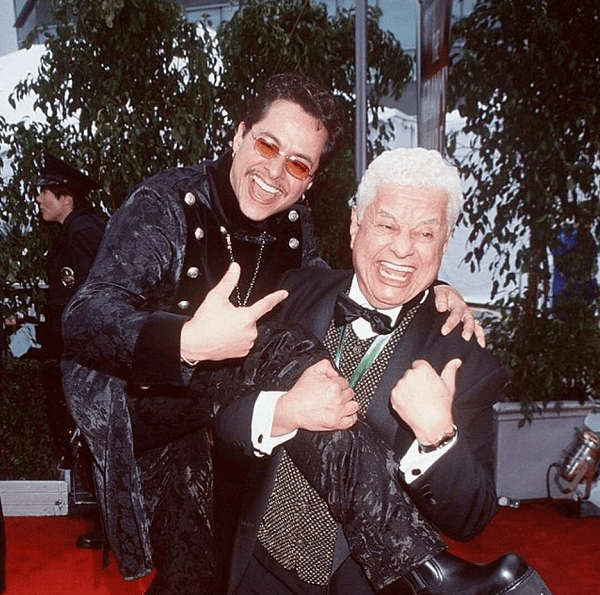
Tito Puente Jr. and his father Tito Puente on the 1998 Grammy Awards red carpet

The Puente family today

On the more personal side, Tito is the youngest of his brothers, among whom he is the only one who works on music as a profession. To some extent, this has made him take upon his shoulders Tito Puente’s legacy through his own art.

The musician currently resides in southern Florida, specifically in Miami, although he works with orchestras from different cities and countries. He is married and has two children who are Miranda, 18, and Tito Puente Jr. Jr., 17. Miranda studies marine biology at university, while her younger brother is in high school but travels constantly with his father and enjoys composing and playing the guitar.

He also told us a little about his wife, who loves salsa but is not in music. On the other hand, he spoke lovingly of “the boss,” his mother Margarita Puente, who is currently in charge of royalties, record labels, publicity, and the documentary on Tito Puente’s life.

He also has two siblings: Audrey Puente, 55, who is a television meteorologist, and Rony Puente, 77, who is also a musician like his father and younger brother. 

Other musical influences besides that of his father

In addition to salsa, mambo, and guaguancó, Tito really enjoys English rock and several bands such as Metallica, Slayer, Iron Maiden, Black Sabbath, and others into this style. These tastes of his have led him to the idea of, at some point, blending heavy metal with mambo to see which result he gets.

As well as he can really enjoy the music of Bon Jovi and Ozzy Osbourne, he is also fascinated by El Gran Combo de Puerto Rico, which he finds to be a very interesting mixture of genres that he would like to experiment with someday. 

He also said laughing that his father did not share his musical tastes and that the only rock band he liked was Santana, and that was because they did their own version of the hit “Oye Cómo Va” in psychedelic rock and Latin rock. 

Tito Puente holding his son
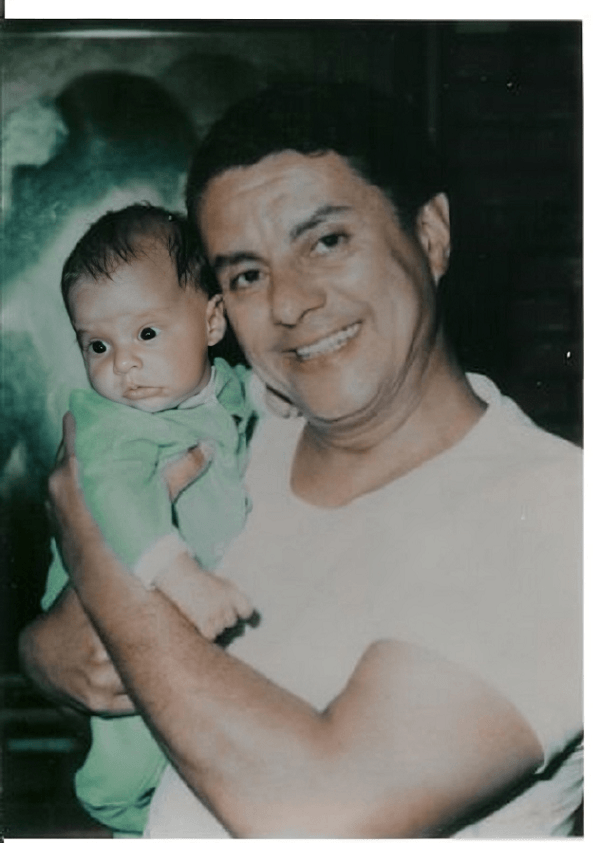
Tito Puente carrying his son Tito Puente Jr.

Current singers

Today, Tito works with various singers, including Aymee Nuviola, Lucrecia, Yolanda Duque, and his great friend, “La Princesa de La Salsa” La India. His father worked with great vocalists such as Tony Vega, Michael Stuart, Oscar D’León, José Alberto “El Canario,” Miguel Ángel Barcasnegras Díaz “Meñique,” and many more. 

Tito’s latest album, “The King And I,” also features other big voices such as Domingo Quiñones, Frankie Negrón, José Alberto “El Canario,” Tony Vega, Sheila E., Pete Escovedo, and many other salsa superstars of today and yesterday. 

The timbalero has worked with many figures who also worked with his father in the past, so it is clear that they see him and respect him as the continuation of his musical legacy.

Tito’s views on academic training in music

On the important issue of academic training in music, Tito pointed out that there are not enough educational programs aimed at teaching Afro-Cuban music in schools and universities, which in his view needs to change as soon as possible.

In fact, he noted the importance of promoting programs in educational institutions around the world so that their students learn much more than just symphonic music and become more rounded professionals. Although he recognizes the importance of knowing Beethoven and Tchaikovsky, he also believes that aspiring musicians should know about Eddie Palmieri, Charlie Palmieri, Larry Harlow, Pupi Campo, and other artists in this style. 

The artist believes that the above mentioned artists and many others related to jazz and salsa are part of a very important era of music in the world, which is why he believes that teachers must take them into account during their classes. For him, it is a mission to promote both his father’s music and that of other exponents of his kind in the academic field.

Tito Jr. and his family
Audrey, Margarita, Tito, and Tito Jr.

Upcoming tours

For our research, we could notice that Tito has several performances and tours scheduled for the rest of the year, more specifically for November. In this regard, he told us that in the first week of September, he went to play his father’s music on his weekly show Mambo Mondays, which is held to delight dancers eager to keep enjoying Tito Puente’s music.

About international tours, he plans to go to Germany in February next year and Spain next summer. He is also close to release a documentary in 2026 and a new album with the Los Angeles Symphony Orchestra, which has 77 musicians and instruments such as violins, violas, harps, bagpipes, flutes, French horns, among others.

Tito Puente Jr. and his son
Tito Puente III and his father Tito Puente Jr.

Final comment

We still cannot believe we had this great conversation with the talented Tito Puente Jr. and it has been a great pleasure to share this time with him. Those who wish to contact him can do so through his social media channels, which are as follows:


Facebook: https://www.facebook.com/TitoPuenteJr/

Instagram: https://www.instagram.com/titopuentejr/

X: https://twitter.com/titopuentejr

Tik Tok: https://www.tiktok.com/tag/titopuentejr 

Spotify: https://open.spotify.com/intl-es/artist/2ROkqvVDXj5JgmN6z2uFrM

Read also: Venezuela violinist and former musician in El Sistema Ali Bello has many interesting things to say

  • « Go to Previous Page
  • Page 1
  • Page 2
  • Page 3
  • Page 4
  • Page 5
  • Page 6
  • Interim pages omitted …
  • Page 12
  • Go to Next Page »

International Salsa Magazine (ISM) is a monthly publication about Salsa activities around the world, that has been publishing since 2007. It is a world network of volunteers coordinated by ISM Magazine. We are working to strengthen all the events by working together.