• Skip to primary navigation
  • Skip to main content

International Salsa Magazine

  • HOME
  • Previous editions
    • 2026
      • ISM / September 2026
      • ISM / August 2026
      • ISM / July 2026
      • ISM / June 2026
      • ISM / May 2026
      • ISM / April 2026
      • ISM / March 2026
      • ISM / February 2026
      • ISM / January 2026
    • 2025
      • ISM / December 2025
      • ISM / November 2025
      • ISM / October 2025
      • ISM / September 2025
      • ISM / August 2025
      • ISM / July 2025
      • ISM / June 2025
      • ISM / May2025
      • ISM / April 2025
      • ISM / March 2025
      • ISM / February 2025
      • ISM / January 2025
    • 2024
      • ISM / December 2024
      • ISM / November 2024
      • ISM / October 2024
      • ISM / September 2024
      • ISM / August 2024
      • ISM / July 2024
      • ISM / June 2024
      • ISM / May 2024
      • ISM / April 2024
      • ISM / March 2024
      • ISM / February 2024
      • ISM / January 2024
    • 2023
      • ISM / December 2023
      • ISM / November 2023
      • ISM / October 2023
      • ISM – September 2023
      • ISM – August 2023
      • ISM July 2023
      • ISM Edition June 2023
      • ISM – May 2023
      • ISM April 2023
      • ISM March 2023
      • ISM February 2023
      • ISM January 2023
    • 2022
      • ISM December 2022
      • ISM November 2022
      • ISM October 2022
      • ISM September 2022
      • ISM August 2022
      • ISM July 2022
      • ISM June 2022
      • ISM May 2022
      • ISM February 2022
      • ISM January 2022
    • 2021
      • ISM December 2021
      • ISM November 2021
      • ISM October – 2021
      • ISM September 2021
      • ISM August 2021
      • ISM July 2021
      • ISM May 2021
      • ISM April 2021
      • ISM June 2021
      • ISM March 2021
      • ISM February 2021
      • ISM January 2021
    • 2020
      • ISM December 2020
      • ISM November 2020
      • ISM October 2020
      • ISM September 2020
      • ISM August 2020
      • ISM July 2020
      • ISM June 2020
      • ISM May 2020
      • ISM April 2020
      • ISM March 2020
      • ISM February 2020
      • ISM January 2020
    • 2019
      • ISM December 2019
      • ISM November 2019
      • ISM October 2019
      • ISM Septembre 2019
      • ISM August 2019
      • ISM July 2019
      • ISM June 2019
      • ISM May 2019
      • ISM April 2019
      • ISM March 2019
      • ISM February 2019
      • ISM January 2019
    • 2018
      • ISM December 2018
      • ISM November 2018
      • ISM October 2018
      • ISM September 2018
      • ISM August 2018
      • ISM July 2018
      • ISM June 2018
      • ISM May 2018
      • ISM April 2018
      • ISM March 2018
      • ISM February 2018
      • ISM January 2018
    • 2017
      • ISM December 2017
      • ISM November 2017
      • ISM October 2017
      • ISM September 2017
      • ISM August 2017
      • ISM July 2017
      • ISM June 2017
      • ISM May 2017
      • ISM April 2017
      • ISM March 2017
      • ISM February 2017
      • ISM January 2017
    • 2016
      • ISM December 2016
      • ISM November 2016
      • ISM October 2016
      • ISM September 2016
      • ISM August 2016
  • Spanish
  • Download Salsa App
    • Android
    • Apple

October

The 8th edition of the Frankie Ruiz Salsa Festival in Mayagüez honored “The Father of Salsa” across three days of live concerts

A Star-Studded Lineup in Mayagüez to Celebrate Frankie Ruiz

The eighth edition of the Frankie Ruiz Festival welcomed die-hard salseros to the “Sultana of the Caribbean,” nonplussed by the rainfall. Held at the Frankie Ruiz Shell Ampitheater, the festival paid tribute to Roberto “Bola” Rivera the bassist, bandleader, and creator of La Solución. The musical showcase kept salsa fans captivated all weekend long, defying the bad weather that tried to dampen attendance.
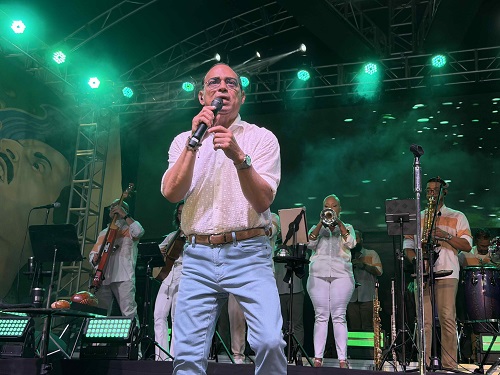
El Caballero de la Salsa

On Friday, July 28, the opening night kicked off with Los Guardiola, led by Josh, with Willy on vocals delivering tracks like “Ruleta,” “Cuadro roto,” “Es tiempo,” and “Al son que me tocan bailo.” The brothers’ energy set the stage ablaze for the rest of the weekend. Up next was “El Mulato Rumbero,” Michael Stuart, who brought maximum energy as he performed the biggest hits from his fruitful career. The crowd danced and sang at the top of their lungs to “Amor a primera vista,” “Sueño,” “Imaginando tu amor,” “Te amo,” “Me enamoré,” “Niña bella,” “Me siento vivo,” “Gitana,” and “Será que no me amas.” Attendees also got to enjoy the live premiere of his new single, “Ya lo sé.”

Closing out the night to great acclaim was the “orchestra of eternal youth,” Mulenze, led by bassist and director Edwin Morales, playing the fan-favorite tracks salseros have made timeless. They served up “A mí me huele,” “Te amo en silencio,” “Mi negrita,” “Toco madera,” “Yo prometo,” “Por él,” “Me dejaste en pausa,” and “Anoche aprendí.”
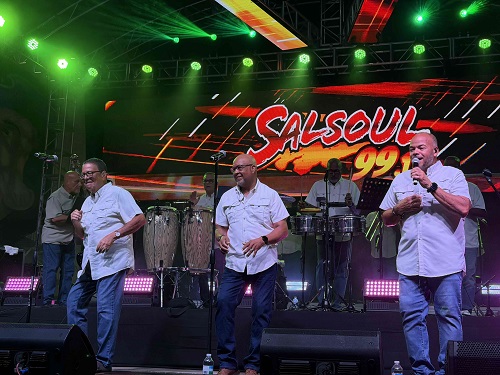
Orquesta Mulenze
Orquesta Mulenze

Saturday’s lineup on July 29 kicked off with Roberto Rivera’s Orquesta La Solución. The second act brought solo artist Willie González to the stage, who delivered emotional performances of “Seda,” “En la intimidad,” “Pequeñas cosas,” “No podrás escapar de mí,” “Quiero morir en tu piel,” “Doble vida,” “Paso la vida pensando,” “Hazme olvidarla,” “Amor pirata,” and “No es casualidad.” Closing out the second day was Sonora Ponceña. “The Giants of the South” brought their signature high voltage to tracks such as “Bombacarambomba,” “Sola vaya,” “Juana Bayona,” “Date cuenta,” “Canto al amor,” and “Rumba en el patio,” among others.

The crowd drew delegations from Colombia, Peru, Panama, and Ecuador, alongside local Puerto Ricans from across the island and members of the diaspora returning home to celebrate their Puerto Rican pride.

The third and final day of the 2026 edition of this salsa event organized alongside Judith Ruiz, widow of “El Tártaro de la Salsa” was presented in partnership with Mayagüez Mayor Jorge Luis Ramos Ruiz, the Salsoul team programmed by Ricardo Padilla-Núñez, and produced by Madera Events. The team elevated Puerto Rico’s salsa scene and its artists while delivering a lineup that’s hard to beat. Meanwhile, salsa continues to evolve, and the Mayagüez festival paved the way for new talent, signaling a bright future for the musical movement in which Puerto Rico has always led the charge.
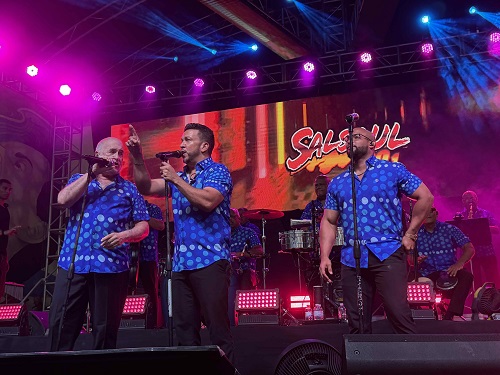
El Gran Combo de Puerto Rico

Sunday opened with rising singer Wendy Luna. The second set belonged to Giro, who, after singing “El pasajero,” “Mi forma de sentir,” “El centro de mi corazón,” “Me enamoré,” “Ave María,” and “Si tú supieras,” shared the stage with an up-and-coming talent to watch. Young singer Keydriel Tirado commanded the stage during “Amor lunático”—a moment that surely took Giro back to his own beginnings with the youth group Los Chicos.

The third set showcased the enduring legacy of the late Tommy Olivencia, performed by the orchestra of timbalero and director Tommy Olivencia Jr., featuring Viti Ruiz as a special guest. The repertoire by “La Escuelita”—so nicknamed for serving as a training ground for several of our greatest soneros included “Luna lunera,” “Lo dudo,” “Pan Cuco,” “Vuelve Pan Cuco,” “Te ví,” “Aléjate de mí,” “Amargos recuerdos,” “Cómo lo hacen,” “Que se mueran de envidia,” “Primero fui yo,” and “La suplicante.”
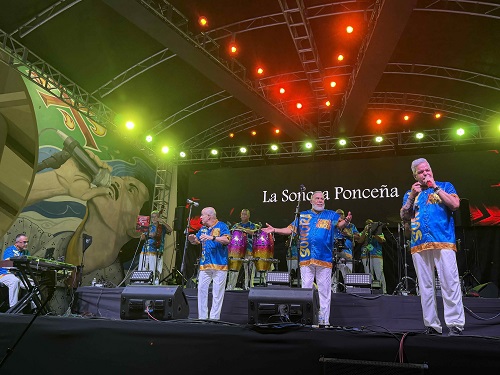
La Sonora Ponceña
La Sonora Ponceña

The fourth slot welcomed Maelo Ruiz, who kept kids involved in the show by featuring Samuel André Ramírez Camuñas as presenter and 10-year-old up-and-coming timbalero Matías Adriel Ramírez Camuñas, who proved he is poised to be part of the next generation of salsa. The orchestra continues under the musical direction of conguero Jean Carlos Camuñas, joined by Juan Picorelli on timbales, Carmelo Álvarez on bongo, Jorge Rivera on bass, Reynaldo Burgos on piano, Víctor Ambert and Rolando Alejandro on trumpets, Lester Pérez, César Javier Ayala, and Julio Dipiní on trombones, alongside backing vocalists Jorge Yadiel, David Carrero, and Urayoán Lizardi. Maelo Ruiz kept fans singing along passionately to medleys of hits like “Ladrona de amor,” “Atrévete,” “Me niegas tanto amor,” and “Te quiero amor”; followed by “Yo soy el malo,” “A mí no me da igual,” a medley of hits made famous by Frankie Ruiz, and another medley featuring “Sé que no soy un santo,” “Por favor señora,” “La propuesta,” “Vicio,” “No te quites la ropa,” and “Si supieras.” His set wrapped with “Solo tú,” “Regálame una noche,” “Quien te enamoró,” “Llegó el amor,” and “Te va a doler,” which Maelo performed as a duet with 12-year-old Cabo Rojo native Keydriel Tirado, who proved he possesses the talent, discipline, and charisma required to build a promising career.
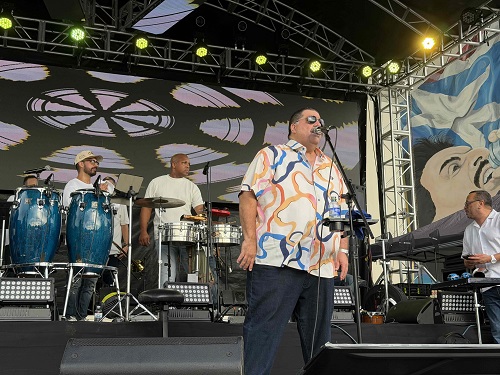
Maelo Ruiz
Maelo Ruiz

The municipal government of Mayagüez formally recognized the musical legacy of Roberto “Bola” Rivera, crediting him with giving Frankie Ruiz his very first professional break.

The performance by El Gran Combo de Puerto Rico featured all-time hits from “The University of Salsa,” including “Pico, pico,” “El swing,” “Aniversario,” “Las hojas blancas,” “Que me lo den en vida,” “El caballo pelotero,” “Amor brutal,” “Adela,” and “El carbonerito”—which included a special performance by Aniel Rosario honoring his late father, Papo Rosario—as well as “El matrimonio” and “Ponme el alcolado Juana.”

The festival’s grand finale was helmed by “El Caballero de la Salsa,” Gilberto Santa Rosa, and his orchestra. The setlist featured classics spanning the legendary career of one of salsa’s most prominent solo artists: “Consciencia,” “Montón de estrellas,” “Cartas sobre la mesa,” “Sin un amor,” “Lluvia” (from his era with the Willie Rosario Orchestra), “Tú,” “El camionero” (a tribute to Frankie Ruiz), “Impaciencia” (featuring a conga showcase alongside Gerardo Rivas, Gilbertito himself, and Pete Perignon), “La agarro bajando,” “Conteo regresivo,” “Amor mío no te vayas,” “Vivir sin ella,” “No quiero na’ regala’o,” and “Perdóname,” among others.
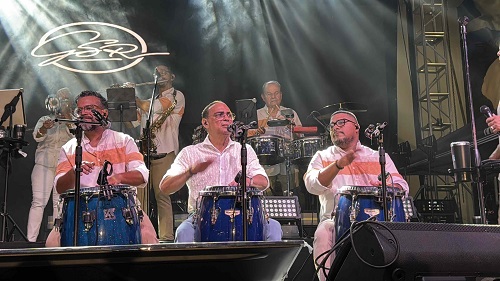
Gilberto Santa Rosa junto a Gerardo Rivas y Pete Perignon

Carmencita DJ, the official Salsoul DJ, kept the music spinning in theme with the event, keeping Frankie Ruiz’s music playing all weekend long.

Bella Martinez Puerto Rico

Also Read: Don Perignon Y La Puertorriqueña releases his new album ‘‘Classique et Savoureux’’

Zach Phillips brings us the latest news on The NAMM Show

After several attempts, we finally had the honor of speaking with NAMM’s Director of Member Services, Zach Phillips, who made room in his schedule to chat about all the work he and his team have been doing for NAMM, the educational part of the organization, and their annual event, The NAMM Show.

Zach Phillips from NAMM
NAMM’s Director of Member Services, Zach Phillips posing for the camera

Zach’s Experience as a musician 

Before Zach shared everything related to NAMM, we wanted to learn a bit about his previous career as a musician. He made it very clear that he was a songwriter, multi-instrumentalist, and singer. Even though he now devotes most of his time to NAMM, he keeps writing songs, recording music, and releasing albums.

With regard to his favorite genres, he loves hip-hop, but the types of music he usually plays are Americana and folk rock—which, in his own words, are not quite as interesting or complex as salsa.

He was also part of a band called Zach and The Walkins, but the music he releases today is under his own name and distributed on Spotify and other streaming services.

The Origins of The NAMM Show and Its Mission 

On the subject of NAMM, Zach began by explaining that NAMM is a non-profit organization at the service of the music, the sound, and the entertainment industry. Its primary mission has been to strengthen the industry and promote music-making since its founding in 1901, meaning that it has celebrated its 125 years of having been created.

Zach playing the guitar at the NAMM Show
Zach Phillips singing and playing the guitar during The NAMM Show

The organization was created by a group of piano retailers, and its first trade show took place in 1909. While the founders are no longer living, they left a legacy that is still carried on the shoulders of those who are taking the project forward today.

The association provides many services for its members, the largest being The NAMM Show. The 2026 edition had an attendance of more than 60,000 people, more than 1,600 exhibitors and nearly 5,500 brands. In essence, NAMM remains an association passionate about music and the strengthening of the industry, something Zach does not see much to change.

One of the key things The NAMM Show continues to promote is the opportunity to network and stimulate innovation in the industry. It is a platform to offer new products and help brands expand their market presence. It also features a very important educational component containing around 250 sessions and panels covering ideas, strategies, and practices aimed at improving attendees’ performance.

Why Zach Decided to join NAMM 

The reason why Zach decided to join NAMM was the mission it offered. Strengthening the industry and promoting music are two vital causes for the artist, who joined NAMM in 2012. Before that, Zach worked as a trade journal editor, which led him to connect with NAMM to lead professional development and educational programs. Since then, his role has evolved. Today, he oversees member programs that include networking, music industry history, and career management within the industry, among other areas.

The association provides education 365 days per year. One such tool is NAMM U Online, where those interested can access classes and articles on how to get better and better in the business. Similarly, it has sessions focused on teaching everything about music store inventory and using social media to promote the music business and brand marketing.

Green Say at The NAMM Show
Green Day at The NAMM Show on January 22 2026

Another program is TEC TRACKS, where students can learn everything they need to know about mixing and audio engineering directly from prominent producers and artists who share their expertise.

The NAMM Show 

The 2027 NAMM Show will take place in four months, specifically, from January 26 to 30 next year. For this upcoming edition, Zach and the rest of the NAMM team have begun to meet into at the organization’s offices a month ago, but the funny thing is that they are already working on the 2028 edition 16 months in advance.

In other words, they are not only preparing for the upcoming show throughout the previous year, but they are also working on the next two trade shows simultaneously. On this subject, Zach stated the following:

“The planning process includes everything from engaging the brands to make the most of, of the show platform, to, you know, building out the education program by, by finding the most talented speakers and thought leaders, and also planning hundreds of events at the NAMM Show. It’s, it’s, it’s… It is more than a year-round effort. it’s a tremendous feat that we do. NAMM staff’s only about 45 people, but we’re working on this year-round because it’s a big event.”

Zach also told us that, from 2027, the Bass Magazine Awards will move to The NAMM Show and be hosted in the Convention Center Arena. NAMM is also collaborating with a group called Backline Talk, which will present its own awards at the show as well.

Obviously live music could not miss. The Bands At NAMM program gives groups and singers the opportunity to submit their applications to the association to be selected to perform during the event. The lineup for next year’s show has not been announced yet, so we will be waiting for those names.

The NAM Show at the Convertion Center
The NAMM Show will be held at The Anaheim Convention Center in 2027

Read also: Pablo Antonio Y La Firma gets the Maryland-Washington DC-Virginia area to dance

Teresa Carreño: The Walkyrie of the Piano Who Conquered the World

From Venezuelan prodigy to an indispensable figure in classical music: the story of a virtuoso who defied her era.

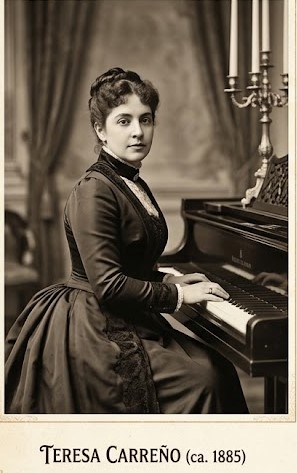
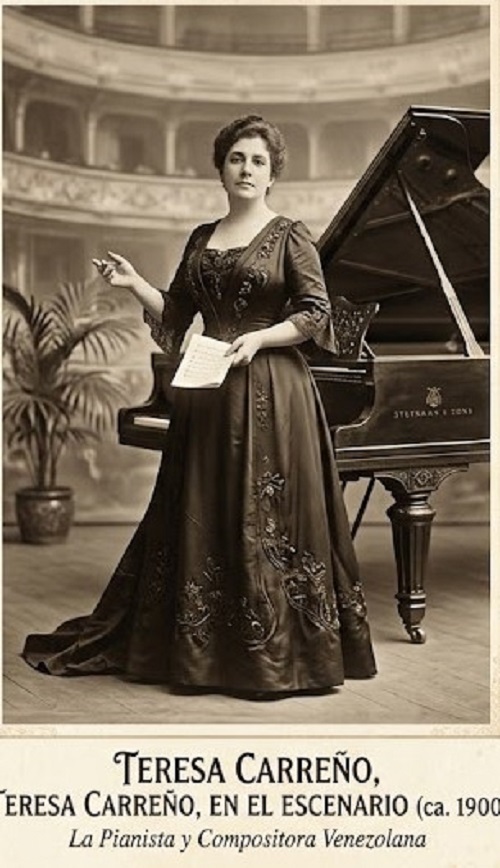
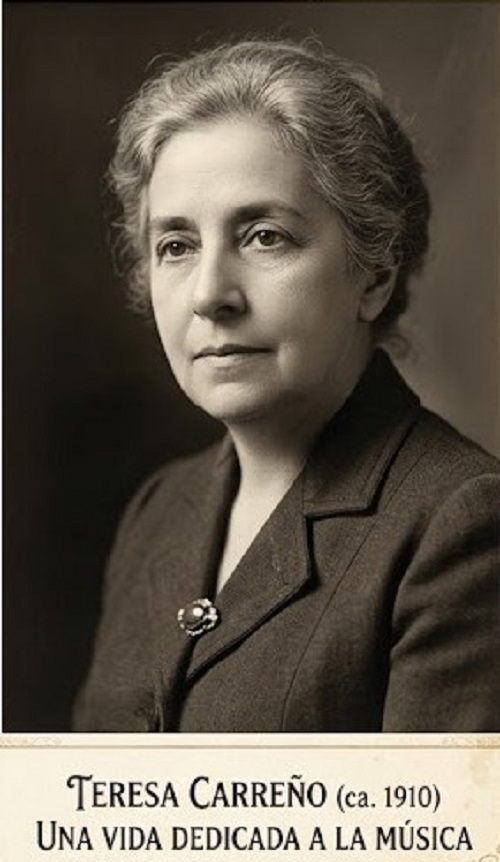
Teresa Carreño (Caracas, 1853 – New York, 1917) was not only Latin America’s most prodigious pianist and composer, but also one of the most influential virtuosos in the history of classical music.

Nicknamed the “Walkyrie of the Piano” for her extraordinary technical power and overwhelming passion, Carreño shattered the stereotypes of her time and dominated the major concert halls of Europe and the Americas for over five decades.

Teresa Carreño La Walkiria del piano que conquistó el mundo

Education and International Stature

Born into a family with deep intellectual and musical roots—her grandfather Cayetano Carreño was a chapel master, and the famed educator Simón Rodríguez was close to the family circle—she displayed precocious talent under the tutelage of her father, Manuel Antonio Carreño.

Following her family’s emigration to New York in 1862 due to political instability in Venezuela, she made her international debut at just nine years old.

De prodigio venezolano a figura imprescindible de la música universal la historia de una virtuosa que desafió su época
  • Historic Encounters: In the United States, she gave a private recital at the White House for President Abraham Lincoln. Later, in Paris and Berlin, she refined her technique under the guidance of masters like Louis Moreau Gottschalk and earned high praise from legends such as Franz Liszt, Anton Rubinstein, Johannes Brahms, and Edvard Grieg.
  • European Acclaim: In 1889, she sealed her international standing with a historic debut alongside the Berlin Philharmonic.

A Multifaceted Career and Musical Legacy

Beyond being a top-tier concert artist, Teresa Carreño was a prolific composer, opera singer (mezzosoprano), conductor, and music educator.

Teresa Carreño (Caracas, 1853 – Nueva York, 1917) no solo fue la pianista y compositora más prodigiosa de América Latina
Field Key Details
Composition Wrote over 70 works for piano, orchestra, and chamber ensembles. Her most iconic piece is the Mi Teresita Waltz, dedicated to her daughter.
Chamber Music Notable works include her String Quartet in B minor and Serenade for String Orchestra, both showcasing remarkable stylistic maturity.
Pedagogy Developed groundbreaking teaching methods centered on muscular relaxation and cultivating a critical approach to performance.

Immortal Legacy

Teresa Carreño’s legacy extends far beyond her performances preserved on player piano rolls. In 1977, her remains were interred in the National Pantheon in Caracas.

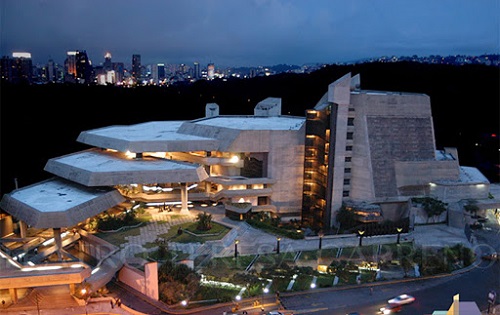
In her honor, the Teresa Carreño Cultural Complex—inaugurated in 1983—remains the epicenter of the performing arts in Venezuela, ensuring that the impact of this classical music pioneer endures for generations to come.

Key Highlights & Historical Context

  • The Abraham Lincoln Incident: How an out-of-tune piano at the White House didn’t stop her from mesmerizing the U.S. President.
  • Her Roles as Conductor and Singer: How she stepped up to conduct the orchestra and sing roles on short notice during her opera tour in Venezuela (1885–1887).
  • Pedagogical Impact: How her techniques on arm weight and posture revolutionized modern piano instruction.

Important Note:

The Teresa Carreño Theater, located in the Los Caobos neighborhood of Caracas, is one of the most iconic cultural complexes in Venezuela and Latin America. It is distinguished by its Brutalist reinforced concrete architecture, which integrates large geometric volumes with open spaces and incorporated artworks.

El Teatro Teresa Carreño, ubicado en la urbanización Los Caobos en Caracas

Location Details:Address: Paseo Colón, between Plaza Morelos and Luis María Campos Park (Los Caobos Park), Bellas Artes, Caracas. Nearby Access: Bellas Artes Metro Station (Line 1)

Also Read: Chick Corea Pianist, composer, arranger, producer, teacher. Acoustic and Electric

 By: Dj. Augusto Felibertt

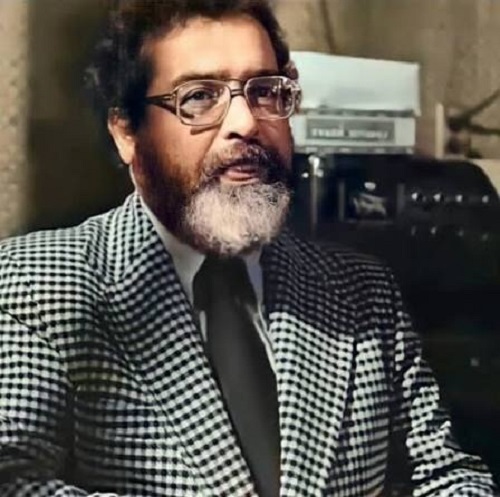
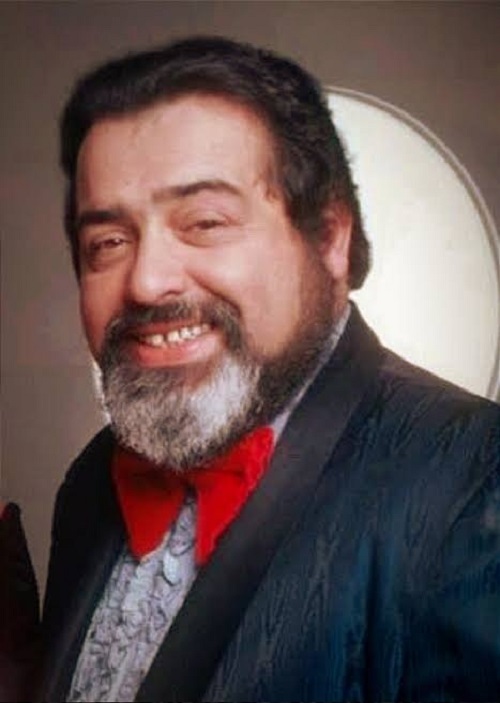
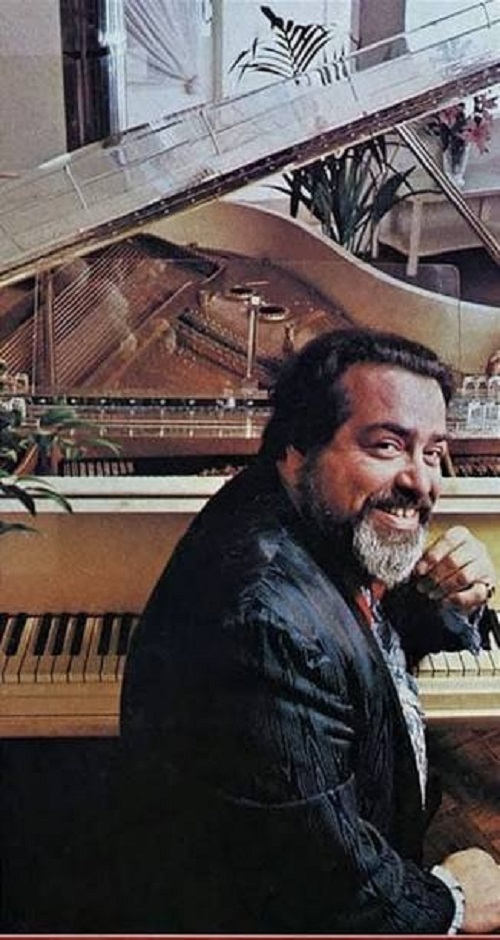
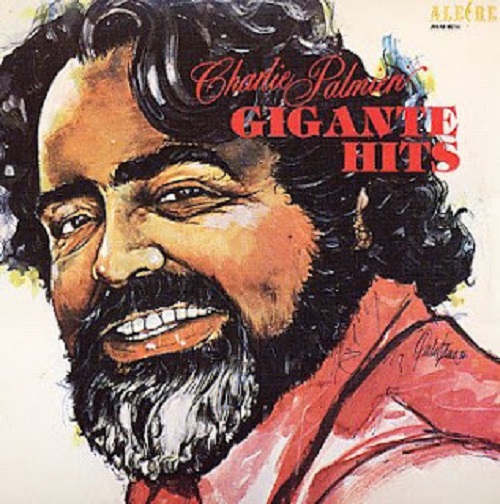
Charlie Palmieri The Giant of the Blancas y las Negras

Immortal Legacy of the Pioneer Who Transformed the Piano, Pachanga, and Latin Jazz.

On September 12, 1988, Carlos Manuel Palmieri Maldonado known to the artistic world as “Charlie Palmieri” and affectionately nicknamed “The Giant of the Keys” passed away in New York.

A virtuoso pianist, arranger, composer, producer, and bandleader, Palmieri established himself over more than six decades as one of the most influential figures in the evolution of Latin music.

Born in Manhattan to Puerto Rican parents a father from Florentino and a mother from Ponce Charlie was the pioneer of the Palmieri dynasty in tropical music. He paved the way for his younger brother, Eddie Palmieri, to achieve his own triumphs years later and become another colossal legend of Latin music history.

Un 12 de septiembre de 1988 falleció en Nueva York Carlos Manuel Palmieri Maldonado

From a very young age, he displayed exceptional brilliance. His career spanned from rumba, guaracha, and mambo to cha-cha-chá, pachanga, and Latin jazz.

Throughout his life, he brought extraordinary talent to traditional folk rhythms and the rise of the descarga jam sessions, demonstrating a technical mastery that ranked him among the greatest rhythmic pianists of the genre.

In 1943, during World War II, he joined Pupi Campo’s orchestra and briefly served as the musical director for the band on the famous Jack Paar Show.

Over the course of his career, he recorded more than 50 full-length LP albums and collaborated with icons of the genre such as Tito Puente, Noro Morales, Xavier Cugat, Rafael Muñoz, and Moncho Usera.

El Legado inmortal del pionero que transformó el piano, la pachanga y el jazz latino

One of his greatest contributions came on New Year’s Day in 1959, when he debuted Charanga Duboney, a Cuban-style lineup featuring flute and violins. Joined by the outstanding Dominican flutist Johnny Pacheco, Duboney revitalized the traditional sound of groups like Orquesta Aragón and sparked a massive musical craze in New York during the early 1960s, performing up to four times a night.

In addition, it reintroduced key figures such as José Fajardo, Pupi Legarreta, Belisario López, and Alberto Socarrás to the New York scene.

In 1961, he took over as musical director of the Alegre All-Stars, a collective of Cuban, Puerto Rican, and Nuyorican musicians who blended mambo with extended jazz solos.

In his acclaimed book The Latin Tinge, music historian John Storm Roberts described those recording sessions as “an almost perfect balance between jazz and Latin elements,” noting that they spawned countless imitations and established Palmieri as an undisputed leader of the movement.

Virtuoso pianista, arreglista, compositor, productor y director musical, Palmieri

Beyond his work as a performer, Charlie Palmieri was a devoted champion of education and folklore. He firmly argued that every musician must understand their country’s roots in order to modernize them with fresh perspectives.

During his teaching years in Brooklyn, he required his students to rigorously study danzas, baquiné, plena, and other Caribbean rhythms as the essential foundation for their artistic growth.

After suffering a heart attack, he lived in Puerto Rico for a time before ultimately returning to New York, where he settled in the Bronx and formed El Combo Gigante alongside vocalist Jimmy Sabater.

Although doctors warned him that he would never regain full use of his hands, his perseverance brought him back to the stage and the studio to record his acclaimed album A Giant Step.

Maestro Palmieri passed away at Jacobi Hospital in the Bronx at the age of 60, just before embarking on an international tour of Great Britain and Japan alongside the famous Cuban conguero Ramón “Mongo” Santamaría.

Charlie Palmieri El Gigante de las Blancas y las Negras

His immense musical legacy and exceptional character endure as an indelible benchmark in the history of Latin music.

Also Read: Eddie Palmieri brought salsa for the first time and live from Sing Sing Penitentiary in New York

By: DJ Augusto Felibertt

Ray Barretto: The Unshakable Beat of Latin Jazz and Salsa

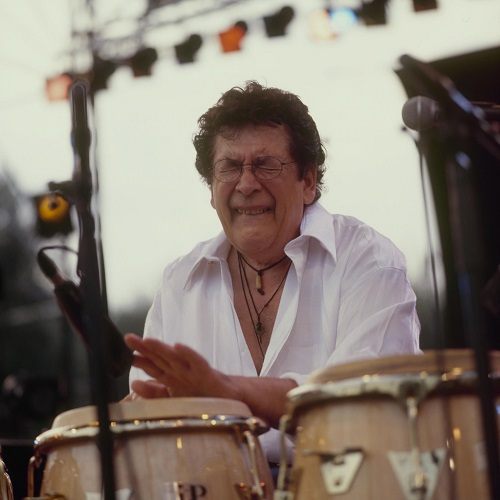
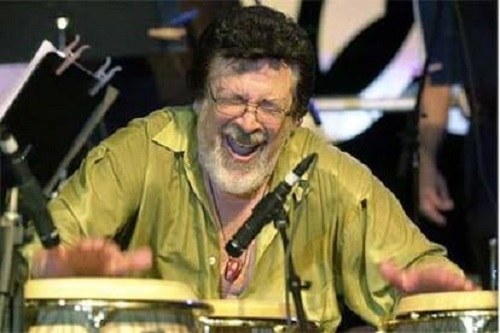
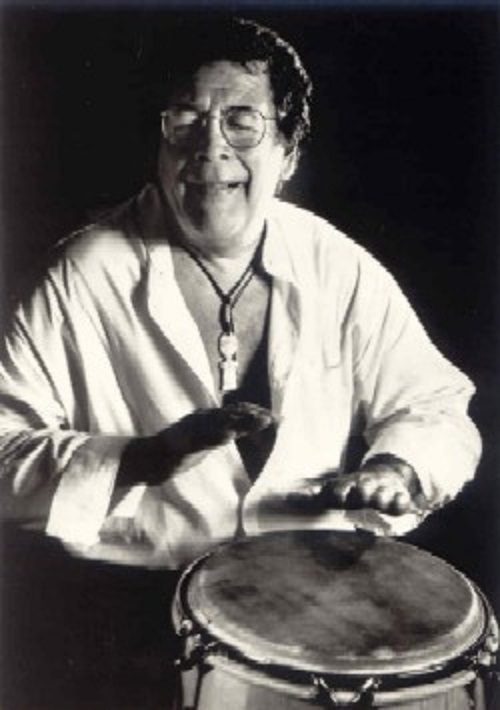
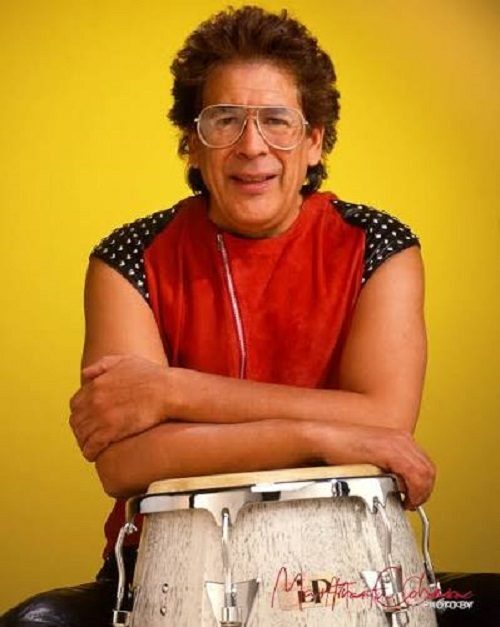
Conguero, orchestra director, composer, arranger and producer. These are some of the roles Ray Barretto has played in his more than 35-year musical career.

Ray Barretto El latido inquebrantable del jazz latino y la salsa

The journey of the virtuoso conguero who transformed Caribbean percussion, enshrined the Fania sound, and shattered the boundaries of Afro-American rhythm.

Few musicians have left as profound and instantly recognizable a mark on Latin music as Ray Barretto. Known universally as “Hard Hands” (“Manos Duras”), Barretto was not merely a master of the drumhead; he was a visionary who understood percussion as the backbone of a sonic revolution.

Barreto Conguero, director de orquesta, compositor, arreglista y productor

Across a prolific career spanning over four decades, this legendary New York-born musician of Puerto Rican descent elevated the status of the conga on the international stage, building unbreakable bridges between American jazz and the rhythmic richness of Afro-Cuban music.

Caribbean Roots and the Bebop Revelation

Born in Brooklyn in 1929 and raised in Spanish Harlem, Barretto grew up immersed in two parallel musical universes. While at home his mother’s voice kept their Puerto Rican heritage alive, the radio broadcasted the rise of bebop from musicians like Dizzy Gillespie and Charlie Parker. It was precisely during his military service in post-war Germany that he heard “Manteca,” Gillespie’s track recorded alongside the legendary conguero Chano Pozo.

That revelation defined his life’s purpose: to prove that congas were not a mere folkloric ornament, but a rhythmic and harmonic instrument capable of engaging in complex dialogues with jazz.

From Boogaloo to Salsa Stardom

Upon returning to New York in the late 1950s, Barretto replaced Mongo Santamaría in Tito Puente’s orchestra, quickly cementing his reputation as an impetuous, precise, and tireless percussionist.

La trayectoria del virtuoso conguero que transformó la percusión caribeña, consagró el sonido de Fania All Stars

By 1962, he recorded the monumental hit “El Watusi.” This track not only became the first pachanga and charanga record to break into the Top 20 on the U.S. pop charts, but it also fueled the boogaloo era a catchy fusion of rhythm and blues, soul, and Latin rhythms that captivated the urban youth of the era.

However, Barretto’s genius refused to be pigeonholed by passing trends. In the 1970s, as a bandleader and star figure for the iconic label Fania Records, he played a pivotal role in the birth of salsa.

Barretto was the rhythmic engine and on-stage musical director for the landmark Fania All Stars. His presence in historical concerts from the Cheetah Lounge to Yankee Stadium brought a technical rigor and an overwhelming power that catapulted salsa into a global phenomenon.

Essential albums like Indestructible (1973) not only demonstrated his resilience after several band members departed, but they also became definitive anthems of Caribbean pride and perseverance.

Pocos músicos han dejado una huella tan profunda y reconocible en la música latina como Ray Barretto

Return to Jazz and an Everlasting Legacy

Despite his massive success in salsa, Ray Barretto never forgot his first love. In the final chapter of his life, he formed the group New World Spirit, a project through which he explored modern Latin jazz in a sophisticated manner, mentoring young talent and showing that Afro-Cuban percussion could harmoniously coexist with the most abstract improvisation.

The legacy of “Hard Hands” extends far beyond the physical strength his nickname suggested.

His true power lay in his musical intellect, his ear for the perfect arrangement, and his steadfast belief that music is a universal language transcending genres and identities.

Ray Barretto passed away in 2006, but the echo of his drums continues to reverberate as an indestructible force in the history of global music.

By: Dj, Augusto Felibertt

Also Read: Eddie Montalvo Iron Hands: “I’m in love with Venezuela”

  • Page 1
  • Page 2
  • Page 3
  • Interim pages omitted …
  • Page 19
  • Go to Next Page »

International Salsa Magazine (ISM) is a monthly publication covering salsa activities around the world and has been publishing since 2007. It is a worldwide network of volunteers coordinated by ISM Magazine. Together, we work to strengthen salsa events around the world.