• Skip to primary navigation
  • Skip to main content

International Salsa Magazine

  • HOME
  • Previous editions
    • 2026
      • ISM / May 2026
      • ISM / April 2026
      • ISM / March 2026
      • ISM / February 2026
      • ISM / January 2026
    • 2025
      • ISM / December 2025
      • ISM / November 2025
      • ISM / October 2025
      • ISM / September 2025
      • ISM / August 2025
      • ISM / July 2025
      • ISM / June 2025
      • ISM / May2025
      • ISM / April 2025
      • ISM / March 2025
      • ISM / February 2025
      • ISM / January 2025
    • 2024
      • ISM / December 2024
      • ISM / November 2024
      • ISM / October 2024
      • ISM / September 2024
      • ISM / August 2024
      • ISM / July 2024
      • ISM / June 2024
      • ISM / May 2024
      • ISM / April 2024
      • ISM / March 2024
      • ISM / February 2024
      • ISM / January 2024
    • 2023
      • ISM / December 2023
      • ISM / November 2023
      • ISM / October 2023
      • ISM – September 2023
      • ISM – August 2023
      • ISM July 2023
      • ISM Edition June 2023
      • ISM – May 2023
      • ISM April 2023
      • ISM March 2023
      • ISM February 2023
      • ISM January 2023
    • 2022
      • ISM December 2022
      • ISM November 2022
      • ISM October 2022
      • ISM September 2022
      • ISM August 2022
      • ISM July 2022
      • ISM June 2022
      • ISM May 2022
      • ISM February 2022
      • ISM January 2022
    • 2021
      • ISM December 2021
      • ISM November 2021
      • ISM October – 2021
      • ISM September 2021
      • ISM August 2021
      • ISM July 2021
      • ISM May 2021
      • ISM April 2021
      • ISM June 2021
      • ISM March 2021
      • ISM February 2021
      • ISM January 2021
    • 2020
      • ISM December 2020
      • ISM November 2020
      • ISM October 2020
      • ISM September 2020
      • ISM August 2020
      • ISM July 2020
      • ISM June 2020
      • ISM May 2020
      • ISM April 2020
      • ISM March 2020
      • ISM February 2020
      • ISM January 2020
    • 2019
      • ISM December 2019
      • ISM November 2019
      • ISM October 2019
      • ISM Septembre 2019
      • ISM August 2019
      • ISM July 2019
      • ISM June 2019
    • 2016
      • ISM December 2016
      • ISM November 2016
  • Spanish
  • Download Salsa App
    • Android
    • Apple

September

Remembering Domingo ”Tito” Gutiérrez’s career

Domingo ”Tito” Gutiérrez  

Domingo ”Tito” Gutiérrez is one of those names that can never be missing when talking about Latin music in the United States, since the contribution made by this musician has been invaluable. That is why we found this to be a good opportunity to look back on the trajectory of this great artist, who has demonstrated again and again that the language of music is universal and crosses borders.  

Domingo with bongos
Domingo ”Tito” Gutiérrez posing with his bongos

Childhood and musical beginnings 

Tito Gutiérrez was born in Guánica southwest of the ”island of Enchantment”, Puerto Rico on August 16, 1957 into the heart of a culturally Latin family, especially in the case of music. However, he moved with his parents to New York City when he was about 11 years old. 

Given that little Domingo had to start making friends again after the move, he took every opportunity to interact with other children of the same age, which led him to meet a group of kids enthusiastically playing instruments in a park.  

The boy had never played an instrument before in his life, so he felt a little intimidated at first, but that did not stop him from approaching them and saying he wanted to play with them. When asked him what instrument he played, he replied that he played the bongo, since he noticed that the improvised band did not have one.   

This is how Domingo joined them, started playing the bongo and continued playing it until he became a professional of this instrument.   

Domingo on stage
Domingo ”Tito” Gutiérrez performing on stage

Professional life in music 

In 1972, he finally ventured into music at a professional level with the same instrument with which he began in this world during his childhood and it was the group El Son De Hoy that gave him his first job opportunity. 

Not much time would pass before he became a musical director and founder of an orchestra when he created his own group called Orquesta Borinqueya. At the same time, he was also working with the Orquesta Alianza Boricua, with which he was recording a studio album.   

For a period of approximately five or six years, the artist has been recording with countless local orchestras with which he has continued to make a career and expand his musical curriculum, such as Orquesta La Crítica, Orquesta Nelson Feliciano, Orquesta Crisis, Orquesta Guainía, among others.  

In 1978, he went to live in New York and did his thing with the bongo along with some groups such as Grupo Melao, Conjunto Avicú and Peter Brown Jazz Cuartet.   

Domingo with a cowbell
Domingo ”Tito” Gutiérrez playing a Puerto Rican cowbell designed by his own line of instruments

In the late 90’s, his fame had grown so much that he has had the opportunity to work in orchestras of international stature such as Orquesta La Terrífica, Orquesta Costa Brava, Orquesta de Simón Pérez, Orquesta de Roberto Ortiz and more. He has also shared the stage with Ismael Miranda, José Alberto ”El Canario”, Andy Montañez, Cano Estremera, among others. 

Today, he plays for La Sonora Ponceña of Puerto Rico, ”45 Aniversario” being the first project he recorded with the group and has participated in a number of albums with this great team. 

While on tour with the different orchestras to which he has belonged, he was able to visit a large number of countries such as Venezuela, Ecuador, Mexico, Colombia, Costa Rica, Peru, Panama, Spain, France, Italy, among others. 

Parallel to all this, Domingo has his own line of bongos which he named ”Tito Gutierrez Bongo Series”. This line is part of an initiative of the Reyes Family, who are a group of Colombian artisans who are dedicated to designing bongos of different colors and sizes. 

Read also: Jerry Rivas, career, and support for the Spaha Salsa Gallery Museum 


Johnny Cruz Correspondent for ISM in New York City

North America Directory – September 2023


Canada flagCANADA

United States flagUNITED STATES


Asia Festival – September 2023

Cyprus

Salsa Jam In Cyprus

Sep 21 2023 – Sep 25 2023
http://www.salsajamcyprus.com/
https://www.facebook.com/SalsaJamInCyprus

The Olive Tree Hotel

Inonu Caddesi, Kyrenia, Cyprus, 8099

Description

The 16th edition of Salsa Jam In Cyprus includes workshops for all levels, shows & non-stop parties with international performers, instructors and djs.

Cost from € 70

Georgia


Tbilisi International Dance Festival

Sep 22 2023 – Sep 24 2023

https://www.facebook.com/events/764132295441860

Caliente SDF Dance Studio

61 Agmashenebeli Ave, Tbilisi, Georgia

Description

The 5th edition of Tbilisi International Dance Festival offers master classes by leading specialists from many countries & dance parties for 3 nights (Bachata, Cha Cha, Reggaeton, Salsa, Semba)

Cost: N.A

India

ConRi Sensual Aura


Sep 21 2023 – Sep 25 2023
https://www.facebook.com/events/1618553358658723

Park Regis Goa Hotel

Saqwadi, Arpora, Bardez, Goa, India

Description

The second edition of ConRi Sensual Aura offers workshops, shows, socials & parties with local & Bachata, Kizomba international instructors, performers & Dj’s playing: York & Snakes

Cost: N.A

Israel

Caramelo Festival

Sep 07 2023 – Sep 10 2023

https://en.caramelo.co.il/
https://www.facebook.com/caramelofestival

‎Leonardo Club Eilat

Kampen St, Eila, Israel

Description

Caramelo Festival offers Bachata, Salsa, Brazilian Zouk shows, workshops and parties with international & local instructors, performers & Dj’s playing: Alejandro, Paco, Matias & Charlie.

Cost: N.A

Japan

Japan Bachata Festival

Sep 22 2023 – Sep 24 2023

https://www.facebook.com/events/3576655205900497

Hotel Lungwood

Higashi Nippori 5-50-5 B2F, Arakawa City Tokyo, Japan, 116-0014

Description

The 11th edition of Japan Bachata Festival offers parties, workshops, performances, competition with national and international instructors, performers and dj’s.

Cost: Full Pass: ¥15,000

South Korea

Seoul Kizomba Competition

Sep 14 2023 – Sep 16 2023

https://www.facebook.com/events/872624597087640

Kyungsunghall

30, Sinchon-ro 16-gil, Mapo-gu, Seoul, South Korea

Description

The 4th edition of Seoul Kizomba Competition offers 13 hours of workshops, 3 night of parties and competitions with international performers, instructors and dj Blvck Skyle

Cost: Full Pass: €198

Meet and learn the Venezuelan Salsa

Latin America / Venezuela / Caracas

Meet and learn the Venezuelan Salsa

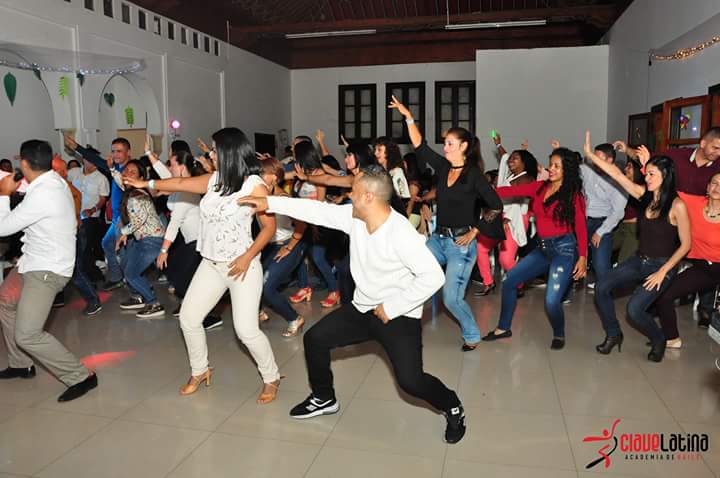
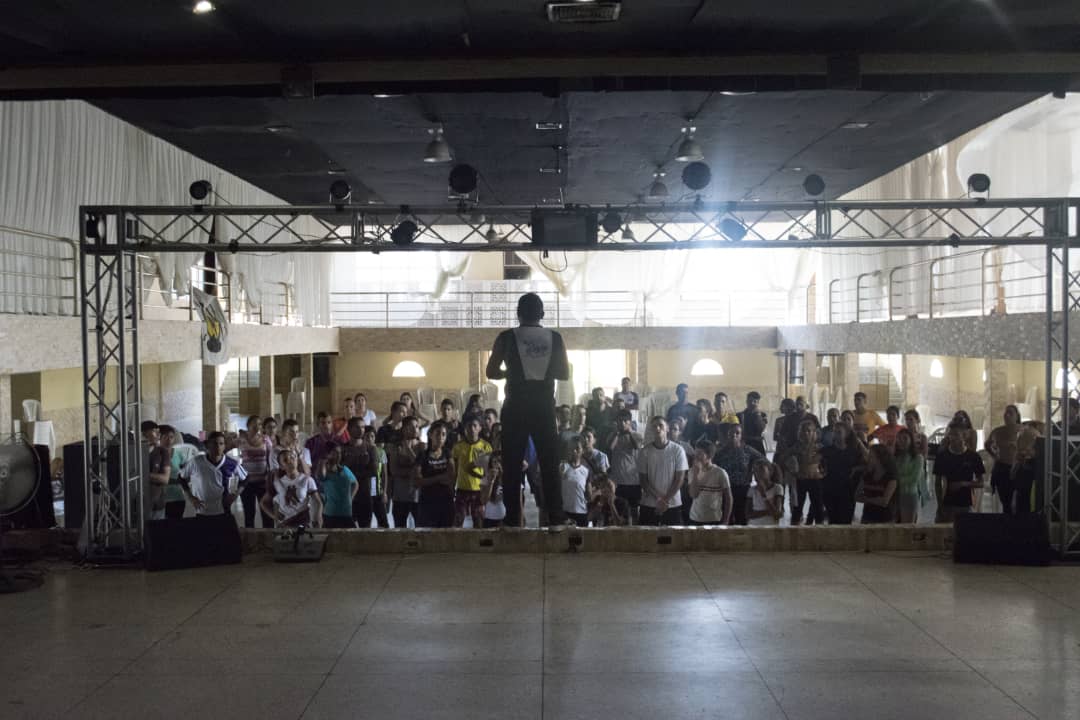
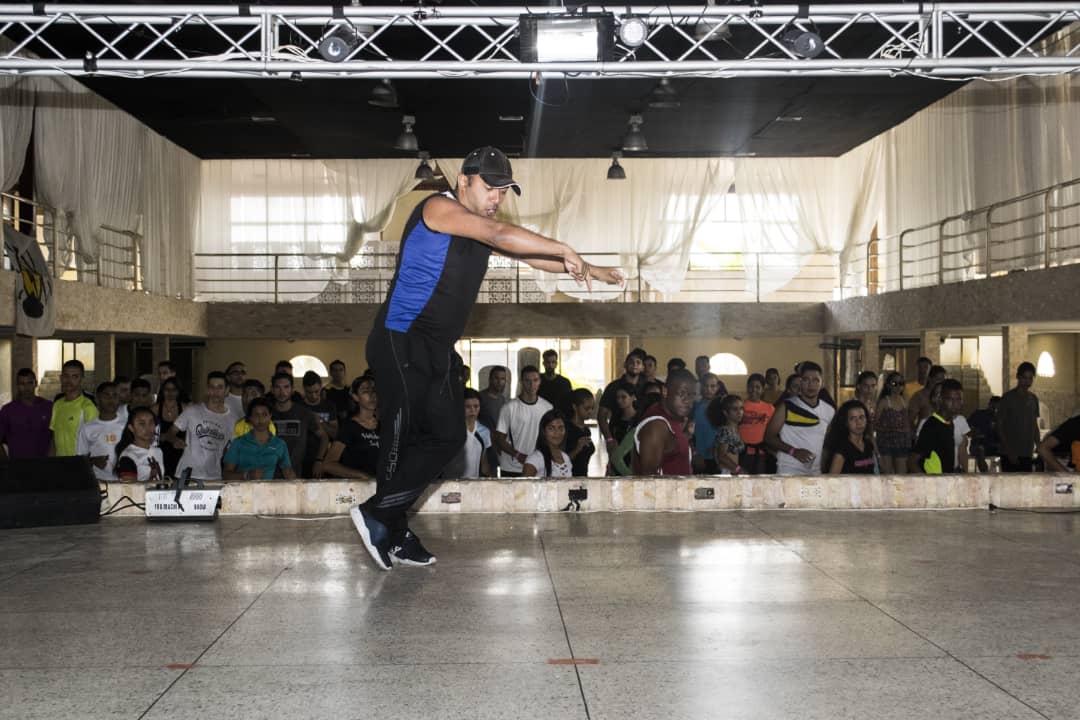
Did you know that in Venezuela the basic traditional Salsa is known as “Salsa Cero”, where the only thing anyone needs is “Not knowing how to dance”, knowing the basic steps of salsa, hearing and feeling the rhythm of the music and the musicalization.

The basic steps of the sauce are:

  1. Paso de lateral and/or lateral: This basic step consists of three steps that are executed on the first three beats of the bar. The fourth beat of the measure is a pause where no step is performed. The three steps are repeated in reverse in a second measure to complete a sequence of the step.
  2. Cruzado o cross: en este paso los pies se mueven de la siguiente manera: En el golpe 1, el pide derecho da un paso por delante del pie izquierdo, de manera que lo cruza. En el golpe 2, el pie izquierdo cruza al pie derecho, y así sucesivamente.
  1. Gait: It is a very similar step to the side, but this time it consists of taking two “2” steps forward and two “2” backwards, advancing in short steps and repeating the cycle. With this step the dancer can execute it alone or with a partner, the latter is not performed and is usually executed in a couple but not face to face, since the two people cannot perform the march at the same time.     
  1. Turns: The turns in both the man and the woman can be done with any of the steps mentioned above. The turn is usually done in step 1 where the man invites the woman to perform her basic step to turn, everything will depend on the entry made by the couple. There are different types of laps, we mention the basic ones on this occasion:
a.   Return of the woman/man.

b.   Back in Croos.

c.   Return of the man.

d.   Right left.

e.   The butterfly.

f.    The Bridge.

g.    The 70.

h.     Sixty.

Did you know that Salsa Cero is not just for learning to dance?

Many people who practice or learn “Salsa Casino” take the workshop and/or zero salsa classes to learn to “count” the music that is being danced since musical counting is the fundamental basis of any dance.

One of the characteristics of this rhythm is the corporal expression, since there are details or corporal messages that make the couple understand how to move or what turn they are going to perform and these details can be known with the look, position of the hands and the body. before and during the return to perform. These details are very important especially in the man who is the one who controls and/or manipulates the woman so that she dances to the beat.

Among the different styles of salsa, Venezuelan salsa has a very special and interesting detail and that is that it is a very sensual style, in which the dancers make thousands of turns and constantly hug each other, showing their potential, emotion and feelings at the moment.

Redames (Randy) Plaza

Latino America / Puerto Rico / Carolina

Redames Randy Plaza. Salsa Legacy

“It is salsa from yesterday and today for the dancer and the romantic salsero”.

Randy Plaza, a native of Carolina, Puerto Rico, is the producer, composer, publisher and independent label of Legacía de la Salsa. Created in 2007, LS arises under a constant concern of seeing and feeling how the salsa genre has been musically devalued over the years.

Legacy of Salsa is an invention, a concept, a movement, an experiment, which tries firstly to raise the musical quality of salsa to another level, to keep the tradition alive, to demonstrate that if we work together and without interest, everything can be achieved. and proclaim to everyone that the sauce is not over.

That it is not in extinction, that it has not gone out of fashion, nor has it lost its style.

“That all these are tales of the boring.”

Legacy of Salsa is the legacy and teaching received from the great masters of salsa, who have captivated us in various ways and to whom we owe everything that was the development and fusion of this genre to the point of establishing it as a root in the heart of every Latino.

“It is salsa from yesterday and today for the dancer and the romantic salsero”.

Legacy of Salsa manages to incorporate the feeling of some of the greatest salsa institutions in this project, whether it be for the musical sound, for the style, for the arrangements, for the romantic, the singers, etc.

Randy Plaza
Randy Plaza

In this way we can recover a little of what has been lost today, please the entire salsa market, and fill that empty space; orphan of style and rhythm, and musically instructing and educating the disoriented and those who got lost along the way.

“The essence of yesterday in today’s day, traditional sauce without monotony and without fillers. For you salsero, cocolo, rumbero, with flavor and feeling”.

The unexpected, unfortunate and tragic death of Humberto Gómez leaves a huge void in the formation of Legacía de la Salsa.

A week before leaving Tito Gómez was already part of this musical concept.

Due to such loss, it was decided to cancel the first Legacía de la Salsa concert in New York City on July 21, 2007, where he would have participated as a guest star.

At that moment we entered the recording studio insecure and with the enormous concern of wanting to do the best possible on his behalf, never forgetting the person he was and will continue to be for us and without leaving aside his musical legacy.

Randy Plaza - Legacia de la Salsa
Randy Plaza – Legacia de la Salsa

https://www.legaciadelasalsa.com/

  • « Go to Previous Page
  • Page 1
  • Interim pages omitted …
  • Page 9
  • Page 10
  • Page 11
  • Page 12
  • Page 13
  • Interim pages omitted …
  • Page 15
  • Go to Next Page »

International Salsa Magazine (ISM) is a monthly publication about Salsa activities around the world, that has been publishing since 2007. It is a world network of volunteers coordinated by ISM Magazine. We are working to strengthen all the events by working together.