The Journey of a Pioneer Between Piano, Vinyl, and Musical “Madness”
Ray Pérez is, indisputably, one of the primary architects of Salsa in Venezuela. Born in Barcelona, Anzoátegui, on April 7, 1937, Ray stands as one of the most disruptive and essential figures in the genre’s history.
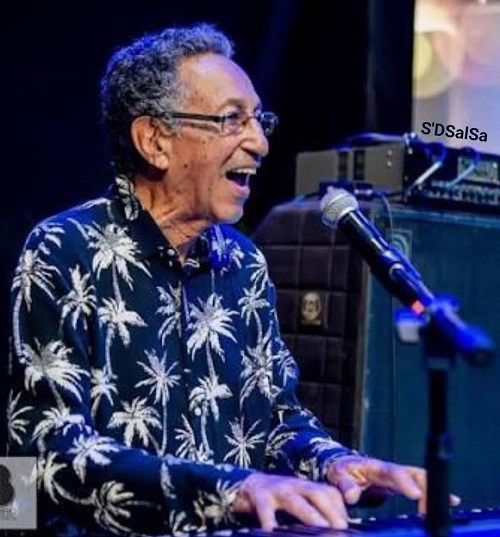
His nickname, “El Genio” (The Genius), isn’t just hyperbole; he earned it through his multifaceted mastery as a pianist, arranger, and composer. Above all, he was a visionary who possessed the rare ability to capture the raw “sound of the streets.”
Historical Note: While his official records cite 1937, a fire that destroyed original birth registries has led to speculation that his true birth date may be December 25, 1938.
Music was in his DNA. Ray inherited a deep artistic vein from his father a singer, trumpeter, pianist, and musical director. Ray’s journey began at age twelve playing the tuba in the San Juan Bosco youth band under his father’s tutelage.
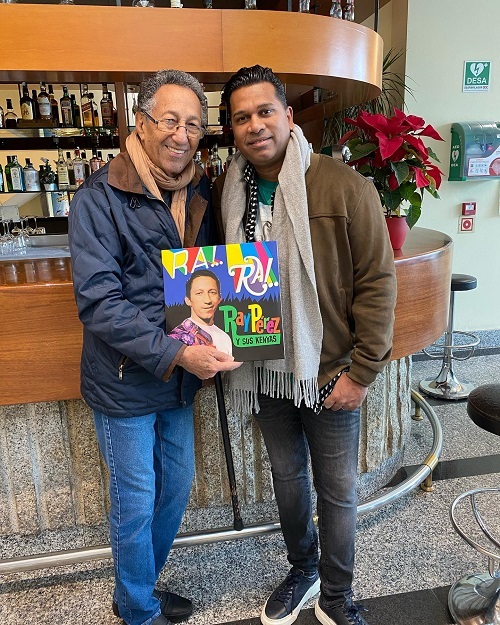
By seventeen, he had mastered the guitar, the cuatro, and the piano. Following his father’s passing, he balanced work and academics before ultimately deciding to commit his life entirely to his musical passion.
Formative Years and First Steps
Between 1962 and 1965, Ray studied at the Maracaibo Conservatory. His recording debut came via RCA Víctor under the artistic direction of Aldemaro Romero, recording the track “Marcianita” with the Trío Cristal.
After stints with the Trio Hambay and the group Los Bobos del Twist, he officially dove into Caribbean rhythms in 1965 with the creation of Ray Pérez y Su Charanga in the Zulian capital.
The Golden Era: Los Dementes, Los Kenya, and Los Calvos
Throughout his vast career, Ray launched three pivotal projects that secured his place in the Hall of Fame:
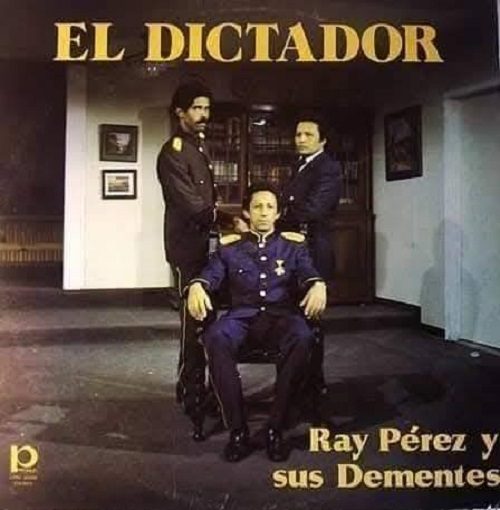
- Los Dementes (1965): Their debut, Alerta Mundo, Llegaron Los Locos / The Crazy Men (1966), signaled the start of a new era. Under this moniker, he recorded nearly 25 albums for labels like Velvet, Fania, and his own imprint, Pyraphon Records, founded in 1967.
- Los Kenya: Alongside the legendary voices of Carlos Yanes “Calavén” and Carlín Rodríguez, Ray innovated the sound by replacing traditional timbales with a full drum set. This project produced iconic albums like Ronda del Guaguancó, Rai Rai, and Nuevo Día.
- Los Calvos: A bold experiment, again featuring “Calavén,” which resulted in two essential productions for RCA Víctor: Estos son los Calvos and Los Calvos… y qué Calvos.
-
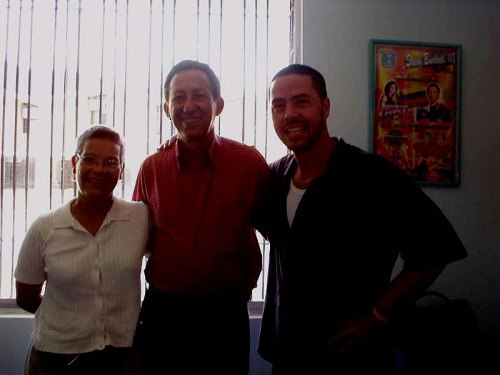
La periodista y crítica musical venezolana Lili Rodríguez, el músico Ray Pérez y Roberto Ernesto Gyemant
The New York Chapters and The Return
In 1969, Ray moved to New York City. There, he played piano for Francisco Ángel Bastar “Kako,” collaborated with Rafael Cortijo and Pedro “Rudy” Calzado’s Charanga, and arranged for the “King of Boogaloo,” Pete Rodríguez, composing hits like “Bossa Triste” and “Dame Felicidad.”
Upon returning to Venezuela in 1971, he founded Ray Pérez y su Orquesta, releasing a string of hits such as Aquí estoy de nuevo, Perucho y el loco Ray, and Yo soy el Rey de la Salsa. In 1974, he struck gold again with Grupo Casabe, recording three albums under the CBS label.
An Everlasting Legacy
Ray’s prolific career includes collaborations with immortal voices like Perucho Torcat, Nano Grant, Teo Hernández, and Nelson Navas. He has shared the stage with titans such as “El Pavo” Frank Hernández, Alfredo Padilla, Alberto Naranjo, and César Monge.
From his massive repertoire, we remember the anthems of the barrios:
- “No salgas de tu barrio”
- “Emae Mae”
- “Pa’ l 23”
- “Así mueren los valientes”
- “Guaguancó en New York”
- “La montaña”
Colaboración: Fotografías de ©Roberto Ernesto Gyemant