North America / USA / California

Salsa fitness includes all the elements of an effective aerobic workout while performing movements related to the hot style of Salsa. Salsa is actually a dance style created specifically for Salsa music.
In general, salsa dance is oriented as a partner dance style, however, Salsa is often performed solo as well and has become increasingly popular throughout the health and fitness industry. Salsa dance movements are similar to those of the Mambo style of dance.
TYPES OF MOVEMENTS

Salsa dance style always consists of three weight changes (steps). The three weight changes, or steps, are performed in a four-beat measure. If there is no weight change, there may be a tap or kick. A break step may be performed, which is slightly longer than the previously mentioned steps.
The movements require the participant’s upper body to remain level and unaltered throughout the various weight changes, which is ideal for core training and conditioning. The hips move quite vigorously, allowing the gluteals and the hip flexors to achieve a phenomenal workout. Your arms will also receive a solid workout while they help to communicate the leads in the Salsa dance movements.
The arms will typically be in an open position, and with a partner will be continuously used during movements that include turns, twirls, and for moving one another in unison across the dance floor. However, solo Salsa dancing requires less arm movement, thus providing less of an arm and upper body workout.
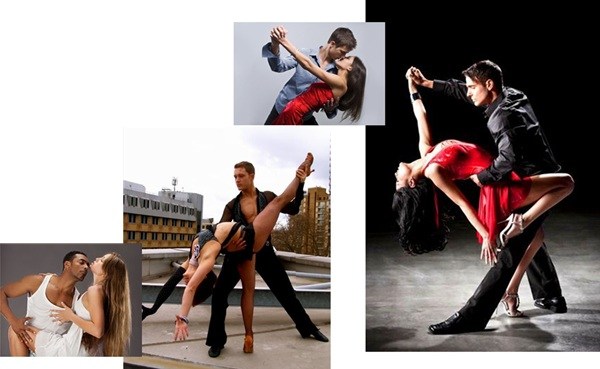
While it is true that it will require some time to proficiently learn the various steps and movements associated with Salsa, the process of learning the movements and performing the dance routines will provide a fairly high rate of caloric expenditureand tone most major muscle groups at the same time.
SALSA DANCE CLASSES

Many fitness centers offer Salsa dance-oriented aerobic classes. Individuals without a partner can team up with another participant or perform the movements by themselves.
Typically, the classes are offered in three separate experience levels: beginner, intermediate and expert. This format allows anyone to choose their personal experience and fitness level and participate at their own pace.
Beginner Salsa classes tends to focus more on the actual steps and the process of keeping your body in the correct form. Individuals that have never participated in a Salsa dance style may find that it is tougher than it first appears, as you will have to keep your upper body level and in the correct form throughout the entire routine.
Intermediate Salsa classes focus more on putting the steps together with the dance. There are slight risks associated with learning Latin and Salsa movements, as coordination and balance are required to keep from falling. It is recommended that you perform some type of warm-up and stretching routine first to allow your muscles to properly ready them before you actually perform the dance routine. As always, consult your medical professional prior to beginning any aerobic fitness routine, especially if you suffer from any type of chronic condition.
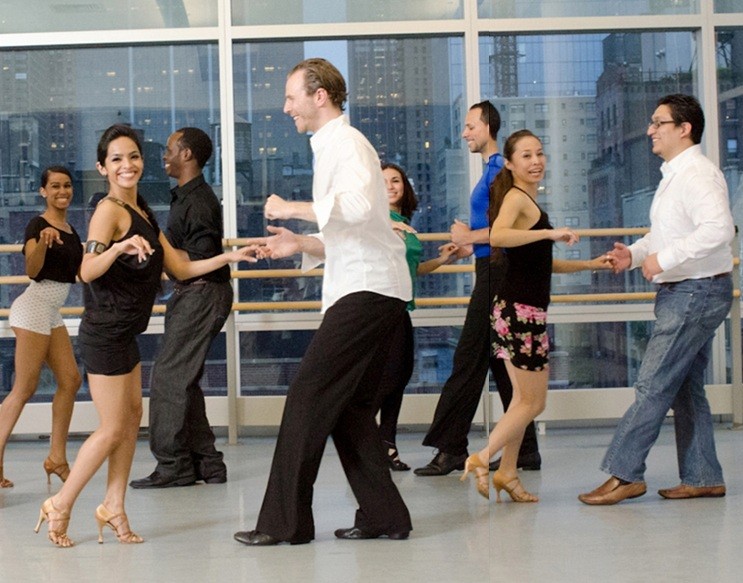
Expert Salsa classes consist mostly of dancing and moving at a much faster pace. No matter what skill level you choose, every class offers a workout that will prove to be very effective at burning calories, improving cardiovascular endurance, increasing muscle tone and improving balance and coordination.
TARGETED MUSCLES
Salsa classes focus on exercising virtually all major muscle groups, including the heart. The gluteals, hamstrings, quadriceps, calves and core area will be exercised relatively aggressively in order to perform the various step sequences.
The upper body and arms must maintain specific positions, so they will receive a workout as well, albeit to a lesser degree.
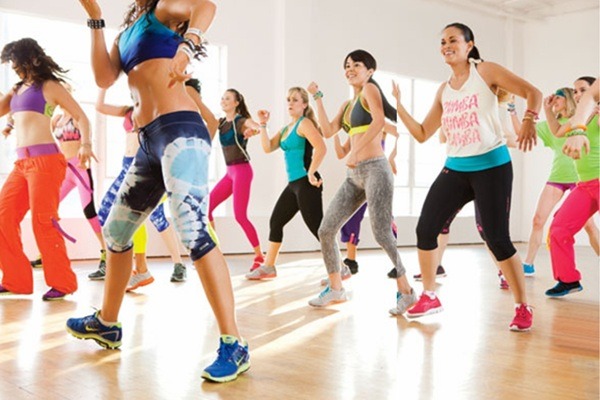
The types of movements associated with the various Latin and Salsa dance styles will also improve flexibility, balance and coordination. Increases in flexibility will promote improvements in blood and oxygen flow into the muscle tissue and the flushing of toxins, essentially helping to cleanse your body.
Gains in balance and coordination are beneficial in performing daily tasks and other physical activities with less effort and a reduced probability of injury.
AEROBIC EFFECT
One of the greatest health benefits associated with performing Salsa dance classes is the improvement to the cardiovascular system. Most individuals will achieve an aerobic effect rather quickly while performing a Salsa dance class. More specifically, you will achieve your target heart rate and maintain that level for a minimum of 20 consecutive minutes. By doing so, you will have achieved an aerobic effect.
Required Equipment
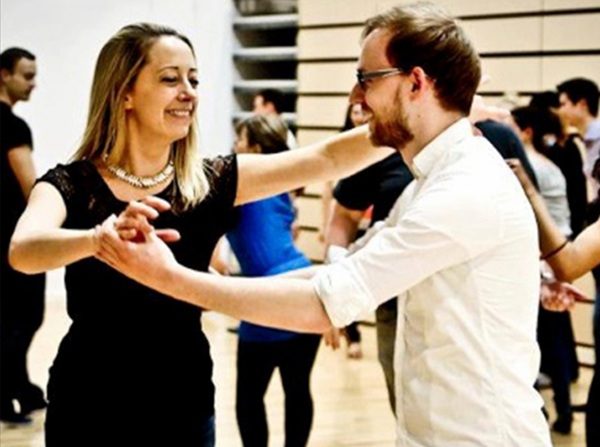
The only equipment required to successfully perform Salsa classes are the appropriate footwear and dress attire. In addition, always remember to bring a water bottle to ensure adequate hydration and a towel to wipe off the sweat throughout the exercise class.
BENEFITS
As previously stated, the main health and fitness benefits associated with regularly performing a Salsa dance-oriented class are improved cardiovascular endurance, increases in muscular tone, reductions in excess body weight and improvements in coordination and balance.
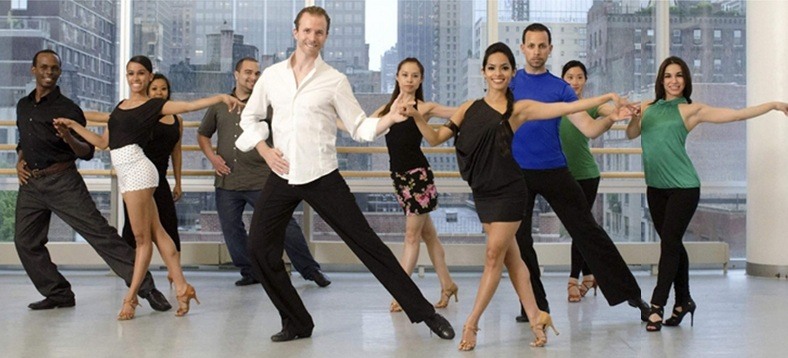
Salsa dance classes provide an excellent means for increasing your caloric expenditure. More specifically, creating a caloric deficit of 3,500 calories will eliminate 1 pound of excess body weight. A typical individual weighing 150 pounds can expect to burn between 175 and 250 calories per every 30 minutes of performing a Salsa dance-oriented routine.
In addition, you will increase your overall body strength and sculpt and tone your muscles. If you combine aerobic exercise with anaerobic exercise, which means exercising faster and with a greater level of intensity (gasping for air is a good indication), you will achieve an excellent workout.
The continuous movement of Salsa is what promotes improvements in cardiovascular endurance, increases in muscular tone, improvements in structural bone strength and density, and the elimination of excess body weight.

Typical Salsa dance classes last approximately 60 minutes, with classes open to all levels of participants. In introductory and intermediate classes, the classes are instructor intense as the instructor will interact with each of the participants to assist them in understanding and perfecting the various dance movements.
Salsa dance-oriented aerobic classes can sometimes be difficult to keep up with the pace of the class. With a little persistence, you will likely come to master the moves, enjoy the classes and improve your overall fitness level at the same time.

- Vida Salsera The Salsa’s Website - September 19, 2026
- Néstor Bonfiglio: “My passion is the Salsa” - September 19, 2026
- Mango Bar & Grill - September 17, 2026