• Skip to primary navigation
  • Skip to main content

International Salsa Magazine

  • HOME
  • Previous editions
    • 2026
      • ISM / March 2026
      • ISM / February 2026
      • ISM / January 2026
    • 2025
      • ISM / December 2025
      • ISM / November 2025
      • ISM / October 2025
      • ISM / September 2025
      • ISM / August 2025
      • ISM / July 2025
      • ISM / June 2025
      • ISM / May2025
      • ISM / April 2025
      • ISM / March 2025
      • ISM / February 2025
      • ISM / January 2025
    • 2024
      • ISM / December 2024
      • ISM / November 2024
      • ISM / October 2024
      • ISM / September 2024
      • ISM / August 2024
      • ISM / July 2024
      • ISM / June 2024
      • ISM / May 2024
      • ISM / April 2024
      • ISM / March 2024
      • ISM / February 2024
      • ISM / January 2024
    • 2023
      • ISM / December 2023
      • ISM / November 2023
      • ISM / October 2023
      • ISM – September 2023
      • ISM – August 2023
      • ISM July 2023
      • ISM Edition June 2023
      • ISM – May 2023
      • ISM April 2023
      • ISM March 2023
      • ISM February 2023
      • ISM January 2023
    • 2022
      • ISM December 2022
      • ISM November 2022
      • ISM October 2022
      • ISM September 2022
      • ISM August 2022
      • ISM July 2022
      • ISM June 2022
      • ISM May 2022
      • ISM February 2022
      • ISM January 2022
    • 2021
      • ISM December 2021
      • ISM November 2021
      • ISM October – 2021
      • ISM September 2021
      • ISM August 2021
      • ISM July 2021
      • ISM May 2021
      • ISM April 2021
      • ISM June 2021
      • ISM March 2021
      • ISM February 2021
      • ISM January 2021
    • 2020
      • ISM December 2020
      • ISM November 2020
      • ISM October 2020
      • ISM September 2020
      • ISM August 2020
      • ISM July 2020
      • ISM June 2020
      • ISM May 2020
      • ISM April 2020
      • ISM March 2020
      • ISM February 2020
      • ISM January 2020
    • 2019
      • ISM December 2019
      • ISM November 2019
      • ISM October 2019
      • ISM Septembre 2019
      • ISM August 2019
      • ISM July 2019
      • ISM June 2019
  • Download Salsa App
    • Android
    • Apple
  • Spanish

Search Results for: All Stars

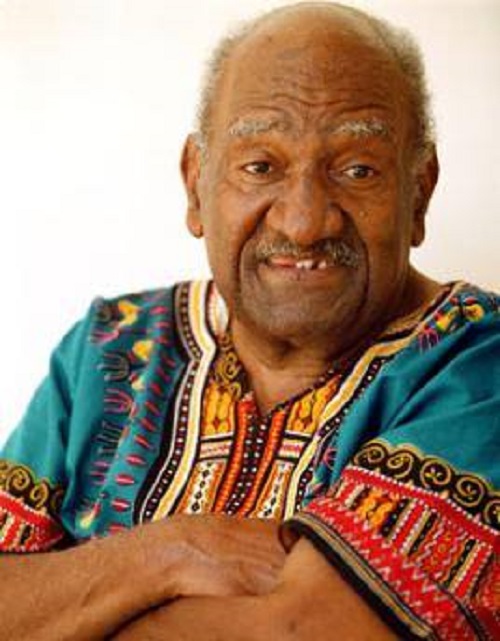
On March 19, 1928, in Guaynabo, Puerto Rico, Rafael Viera Figueroa was born.

Excellent Music Promoter. Remembered for promoting the LP Siembra by W Colón and R Blades. He founded Viera Discos, “Cathedral of Latin Music”.

He was considered one of the main disseminators of salsa in Puerto Rico, Rafael Viera, also creator of Viera Discos, one of the most important points of the movement until 2016, year in which it was closed.

Viera Figueroa was, from the late sixties to the eighties, Fania’s representative on the island. Why? He was the one who brought the music of the label founded by Pacheco and Masucci to the land of Ismael Rivera, when it was mainly distributed in the United States.

He was the promoter of the first Fania All Stars concert in Puerto Rico in 1973 and was in charge of bringing to Puerto Rico the films ‘Our Latin Thing’ and ‘Salsa’, which packed the local theaters in the seventies. According to Primera Hora, he was the one who inaugurated the Roberto Clemente Coliseum in San Juan.
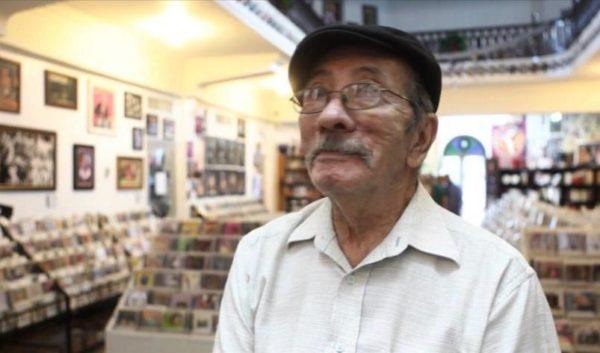
In 2014 Viera suffered a stroke that kept him in intensive care. On that occasion his son, Richie Viera, gave these words to the aforementioned media: “I am a man of faith, and in God I trust that Dad will recover and will be able to continue with us for many more years, offering us his wisdom, his anecdotes and promoting and collaborating so that new talents will have a place in Latin music”.

Viera was known for the famous Casa del Coleccionista store, which he ran for more than 60 years in Santurce, for Viera Discos and for the Catedral de la Música.

He was also one of the driving forces behind the salsa boom at the time of Fania Records, where he worked as producer and promotion manager of the conglomerate of record labels; Fania Records, Vaya Records, Tico Records, Alegre Records, Cotique Records, Éxito Records, International Records and Música Latina, among others.

He was also involved in the success of the careers of artists such as Willie Colón, Larry Harlow, Cheo Feliciano, Richie Ray and Bobby Cruz, Celia Cruz, Ismael Miranda, Sandro, Sabú, Willie Rosario, Miki Vimari, Sonora Ponceña, Tommy Olivencia, La Lupe, Tito Puente, Eddie Palmieri, Ismael Quintana, Justo Betancourt, Héctor Lavoe, Tito Rojas, Frankie Ruiz, Corporación Latina, Junior Toledo, Viti Ruiz, Guillo Rivera, Ray Barreto, Willie Rosario, Orquesta La Terrífica, Roberto Roena y su Apollo Sound, Johnny Pacheco, Pete “El Conde” Rodríguez, Impacto Crea, Ismael Rivera, Raphael, Wilkins, Trio Los Condes, Joan Manuel Serrat and the most important conglomerate of musicians in the history of Latin music known as Fania All Stars, among others. In 1973, he was the promoter of the first Fania All Stars concert in Puerto Rico, which inaugurated the Roberto Clemente Coliseum in San Juan.

In the field of cinema, Viera brought to Puerto Rico the film “Our Latin Thing” and Salsa, films that crowded the local movie theaters.

He passed away on January 13, 2019 in Puerto Rico, may he rest in peace and eternal glory to Rafael Viera!
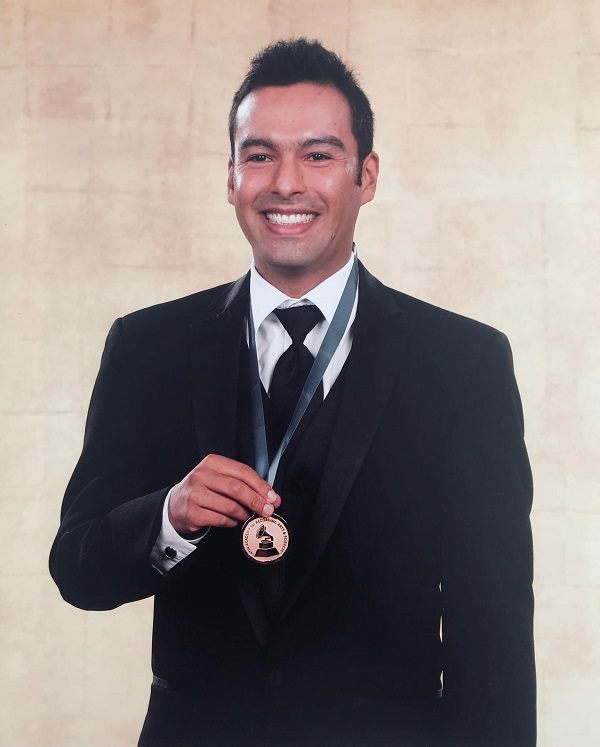
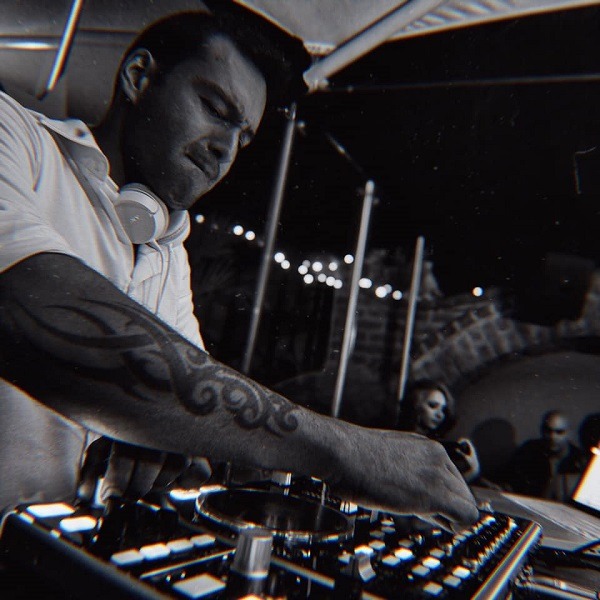
Sr Ortegón is a big success in Hollywood

Our nice talk

Good afternoon, we have here José Miguel Ortegón. He is a music producer, composer, DJ and violinist. Pleasure to meet you, Mr. Ortegón, how are you feeling?

I’m fine. Thank you very much for the invitation.

Your name is José Miguel Ortegón, but you are known as Sr Ortegón in artistic circles. Why?

I think that is a cultural tradition in the Hispanic world. Men are always called by their last name. That was natural and came spontaneously. Taking advantage of that señor is a Latin cliché, it was perfect for the work I was doing.

José Miguel Ortegón at the Latin Grammys

What was your first approach to the entertainment world?

I started recording with Guayacán, which is a salsa orchestra from Cali, Colombia. I received a lot of help from maestro Zumaque, who is a musician that does contemporary and classical fusion with Latin American rhythms. This was during my teens.

Then, you ventured into other facets, correct?

That’s correct. I started studying music at the conservatory when I was five years old and was in some rock bands. You know that our culture is divided into two musical styles in Latin America, which are classical and popular music. My first professional recordings came with the first computer we had at home as well as most of my generation. When the first computers came to our homes, the concept of music also changed.

How did you go from playing rock and classical rhythms to boogaloo and urban rhythms? How was that transition?

Cali has always been very linked to pachanga, boogaloo and charanga. Rock comes from blues and boogaloo is more or less part of the same trend, so it’s not uncommon for rockers to want to experiment with those rhythms I mentioned at the beginning. I also had teachers at the conservatory who taught classical music during the day, but played with professional orchestras at night. For me, that transition is inevitable.

Sr Ortegón doing his job as a DJ

You have created music for series, movies, digital platforms, Disney, Netflix, animated series, etc. Did you think your career would go that far?

Thank you for your words. I make music. I have the same worry since I started in this world, I think I still have a lot to learn and maturing ideas, The truth is I never imagined it. I simply took the opportunity before me in Europe, where I was studying musicology at the Sorbonne. It is true that Latin music is very exotic there because there are not many Latin composers and producers.

At university, I got a chance to make music for a television channel. Subsequently, there was a snowball effect, a colleague who is now working in Hollywood contacted me for one of those jobs and that was my big opportunity. When I got the script, it was a Dominican series, which made me immediately discard salsa and mariachis. I thought about using bachata or something that really belonged to the Dominican Republic.

When you talk about Hollywood, it should be emphasized that there are several generations of Latinos born in the United States of any origin. A Cuban knows that a ranchera is not Cuban but from Mexico. Such a thing happenned a lot in the industry in previous years. The same rhythms and mixes were always used regardless of the Latin country involved in a production like, for example, West Side Story. I love that movie and think it’s excellent, but the music they used doesn’t sound Puerto Rican at all. That’s why I thought I should take this opportunity to respect the rhythms and traditions of each country. I know we all speak Spanish but each country has its own identity, so I respectfully take each rhythm and use it to make it authentic.

Latin music in Hollywood

When you did music for any series or film, were you given parameters to follow or did you have to be free to experiment with your music?

That’s one of the best questions I’ve ever been asked because the vast majority of producers are American and not connected with Latin culture, so salsa and merengue are the same for them. I just tell them to trust me, send me some samples to guide me, we analyze everything and move on. If the director or the editor doesn’t like what I did, we reach an agreement. Nowadays, this process is easier because there is more musical and cultural education on the part of the producers in the United States.

Sr Ortegón at the party in the Jetset Magazine

You were nominated for a Latin Grammy thanks to a mix of boogaloo and urban rhythms that you made. How did you think of it?

I’m 40 years old, so I spent my adolescence at the time when Californian hip hop was in full swing. Cali is one of the most Americanized cities in Colombia, so you were always listening to all those American groups and songs. Mixing all those rhythms with boogaloo has always seemed very interesting to me and I had no idea how to do that until I learned.

Since a mix between hip hop and Latin music is complex to make, a lot of people gsurrended and opted for reggaeton as culture. There are other groups such as Control Machete that have done an excellent job, but I felt they were lacking something. That’s how I started to learn, but it took me a long time because of lack of resources, since I didn’t have the right elements to respect the codes. So, I did a boogaloo song and a hip hop beat to mix them, which made me realize that they are sister rhythms. This work was very popular and even appeared in series and movies.

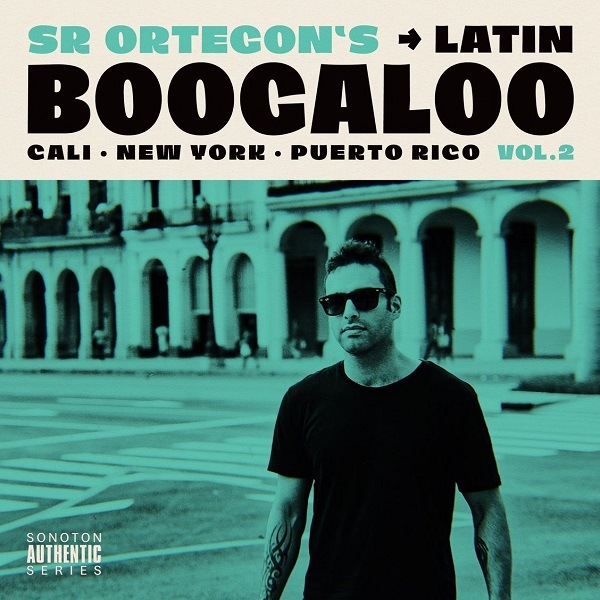
In fact, I heard about you from an email that included your new album entitled Latin Boogaloo Volume 2. I also listened to Volumen 1 and noticed the difference. What is the main difference between one volume and the other?

Volume 1 includes what I called Boogaflow, which is boogaloo with flow. Volume 2 is pure boogaloo. I tell you this because, for example, salsa is a term, but it’s really Afro-Cuban music made by Nuyoricans in New York if we go back to basics. Prior to that New York sound known as salsa, there was that phenomenon called boogaloo, shingaling or Latin soul.

I had to listen to disco to get to those rhythms because nobody teaches you anything about those genres. Unfortunately, those who created those rhythms are already dead or doing other things like Joe Cuba, Jimmy Sabater, the people from Sexta All Stars, Eddie Pamieri, Ray Barreto and many others. That fashion lasted about six or seven years and that was that. Every time I go to create a boogaloo, I have to listen very well because there are no scores or models to follow. Poncho Sanchez is one of the few who brings up the torch of that sound, although he is inclined more to Latin jazz.

I wanted to do a boogaflow, but my editor David Santiago proposed to me that we make two versions, one boogaloo version and the a little more acoustic one. What we were looking for was to please both audiences, the one who wants something urban and the one that wants something classic.

Which of the two volumes was more successful?

I know you have the answer (laughs). Volume 2 was the most successful. Number one has put me in touch with my salsa friends, but I didn’t want to tell them that I was going to make a volume two because boogaloo is not a very common rhythm.

Cover of the album Latin Boogaloo Vol. 2

Catalino “Tite” Curet Alonso, the most important composer in the history of Latin music.

(Guayama, 1927 – Baltimore, United States, 2003) Puerto Rican composer considered the most important author of salsa music in his country and one of the most outstanding Latin American composers of the second half of the 20th century.

His songs, produced throughout a fertile creative career that gave birth to more than two thousand pieces, were brought to fame by the most famous interpreters of the genre (Rubén Blades, Tito Rodríguez, Celia Cruz, Cheo Feliciano or Willie Colón, among others).

The son of an orchestra musician and a seamstress, Tite grew up in a working class neighborhood in Santurce, where he remained after his parents separated.

He studied music theory and solfeggio with professor Jorge Rubián, and in 1965 he wrote his first melodies for Joe Quijano, one of the best pachangueros of the time.

Are the 100 most listened to songs by Catalino “Tite Curet” Alonso in alphabetical order.


1.Adelante siempre voy :Ray Barreto con Adalberto Santiago

2.Anacaona :Cheo Feliciano

3.Adios Adiós :Pedro Arroyo

4.Apelo:(tema brasilero adaptado al Español por Tite para Roberto Roena)

5.Aquella mujer: Bobby Valentín y Marvin Santiago

6.Aqui estoy yo con mi son: Frankie Hernández

7.Aqui se puede :Airto Moreira /versión Ray Barreto

8.Babaila :Pete Conde Rodríguez

9.Barra limpia: Sonora Ponceña y Tonito Ledee

10.Barrunto: Willie Colon y Héctor Lavoe

11.Bandolera :Héctor Lavoe

12.Boca mentirosa(Andy Montañez)

13.Buen Corazón:(adaptación de Tite para Bobby Valentín/Cano Estremera

14.Cha cha ri cha :Willie Rosario/Guillo Rivera

15.CAONABO:(canta TITE CURET/arreglo Jorge Millet)

16.Candilejas:(Versión en Español de Tite para Wilkins/o Graciela)

17.Cabellos Blancos: Orquesta Mulenze y Pedro Brull

18.Callejon :Arabella (para la película Retén de Catia/Venezuela)

19.Camaron :Justo Betancourt /& versión Marvin Santiago

20.Cenizas:Milly Quezada con Perico Ortiz

21.Con los Pobres Estoy :Roberto Roena y Apollo Sound

22.Con mi viejo amigo: Larry Harlow e Ismael Miranda

23.De todas maneras rosas :Ismael Rivera y Los Cachimbos

24.Distinto y Diferente: Justo Betancourt y Borincuba

25.Don Fulano: Tito Rodríguez

26.Efectivamente: Joe Quijano

27.El eco de un tambor Dimensión Latina con Andy Montañez

28.El hijo de Obátala :Ray Barreto con Tito Allen

29.Ella está en otra rumba ;Justo Betancourt

30.Ellos se juntan: Cortijo y su combo con Maelo

31.Escucha una voz latina: Conexión Latina de Alemania

32.Estaca de guayacán: Marvin Santiago

33.Estampa Marina :Cheo Feliciano

34.El antifaz:Willie Rosario con Gilberto Santa Rosa

35.El cantar de los pinales: Pacheco y Pete Conde

36.El verdadero aniversario :El combo del ayer

37.Felicitaciones: Cheo Feliciano

38.Flor de los lindos campos Ray Barreto y Adalberto Santiago

39.Galera 3:Ismael Miranda

40.Guaguanco del Adiós :Roberto Roena y Apollo Sound

41.Hace furo: Cheo Feliciano

42.Hermano Héctor: La 2013 canta: Van Lester

43.Huracan:Bobby Valentín con Frankie Hernández

44.Isadora: Celia Cruz y Estrellas de Fania

45.Juan Albañil: Cheo Feliciano

46.Juanito Alimaña: Héctor Lavoe y Willie Colon

47.La Cura: Frankie Ruiz

48.La esencia del guaguancó (Pacheco/Pete Conde/primer versión Willie Rosario con Meñique)

49.La Oportunidad :Ismael Miranda con Larry Harlow

50.La Oportunidad: Ismael Rivera

51.La palabra Adiós: Ruben Blades con Estrellas de Fania

52.La Perla: Ismael Rivera

53.La Tirana: La Lupe

54.Lamento de Concepción: Roberto Roena y Apollo Sound

55.Las Caras Lindas: Ismael Rivera

56.Las mujeres son de Azúcar: Sonora Ponceña y Luigui Texidor

57.Los Entierros: Cheo Feliciano

58.Luz Negra: Sonora Ponceña y Miguel Ortiz

59.Llevame: Adalberto Santiago

60.Marejada feliz: Roberto Roena y Apollo Sound

61.Me pongo yo: La Descarga Boricua de Frank Ferrer

62.Morejon: Frankie Hernández

63.Mi música: Ismael Rivera

64.Mi triste problema: Cheo Feliciano

65:Nabori:Cheo Feliciano

66.Noche como boca ‘e lobo: Sonora Ponceña y Luigui Texidor

67.Pa’ Colombia: Willie Colon y Héctor Lavoe

68.Pa’ los ponceños: Sonora Ponceña y Tito Gómez

69.Pa’ que afinquen: Cheo Feliciano

70.Part time lover:(tema de Stevie Wonder traducido al español por  Tite para Bobby Valentín)

71.Pase la noche fumando: Willie Colon y Héctor Lavoe

72.Pedregal:Justo Betancourt

73.Penas de amor: Bobby Rodríguez y la Compañía

74.Periodico de Ayer: Héctor Lavoe

75.Piano Man: Ismael Quintana y Estrellas de Fania

76.Pirana:Willie Colon y Hector Lavoe

77.Plantacion Adentro: Willie Colon y Rubén Blades

78.Por que adore :Markolino y Chivirico Dávila/Versión Truco &

Zaperoko

79.Plante bandera: Tommy Olivencia canta: Chamaco Ramirez

80:Presencia:Justo Betancourt y Borincuba

81.Primoroso cantar: Pacheco y Pete Conde

82.Profesion esperanza: Ismael Rivera

83.Pueblo latino: Pete Conde con las Estrellas de Fania

84.Punto Bare: Pete Conde Rodríguez

85.Primer Montuno: Andy Harlow con Johnny Vásquez

86.Puro teatro: La Lupe

87.Que me lo den en vida: Roberto Roena y Apollo Sound

88.Reunion en la cima: Andy Montanez con la Puerto Rico All Stars

89.Sali porque sali: Cheo Feliciano

90.Salome:Cheo Feliciano

91.Salsaludando:Cheo Feliciano

92.Saborea:Los Hermanos Lebrón

93.Sobre una tumba humilde: Cheo Feliciano

94.Susana:Jose Feliciano

95.temes:Vitin Avilés

96.Tiemblas:Tito Rodríguez

97.Tomatero: Kim de los Santos

98.tu loco, loco y yo tranquilo: Roberto Roena y Apollo Sound

99.Vale más un guaguancó: Ray Barreto y Rubén Blades

100.Vete y Pregona: Justo Betancourt

Curet Alonso, the most important composer in the history of Latin music.


The Tempo Latino Festival is Back

The major European festival of Latin and Afro-Cuban music will present Los Van Van, Pacific Mambo Orquestra, Interactivo, and Minyo Crusaders (H2)

The benchmark Festival of Latin and Afro-Cuban music in Europe, Tempo Latino, resumes its activities after the forced cessation of its activities for two years due to the Pandemic.

From Thursday, July 28th to Sunday, July 31st, on the main stage Les Arènes, the whole family, heterogeneous public, and inveterate traveler will enjoy the performances of Los Van Van, Pacific Mambo Orquestra, and Interactivo, as well as an exceptional set & exclusive presentation on Saturday, July 30th  at 11 PM of “Con Tumbao All Stars” with the winners of Best Traditional Tropical Album at the Latin Grammy 2021 for their album “Chachachá…Homenaje a lo Tradicional”, Issac Delgado and Alain Pérez, as well as Oscar Hernández, Robby Ameen, Tony Succar, and many more.

Minyo Crusaders rediscovered the songs associated with the working classes.

The festival to be held in Vic-Fezensac, the heart of the Gers de Gascony department (France), will open its doors on Thursday, July 28th, with Tempo Latino Social Club on the stage of its satellite “Geo-rhythmic” Conga with a special performance by the Tokyo band, Minyo Crusaders.

This Cumbia band with a Japanese identity aims to make reversals between the traditional and foreign rhythms. Guitarist Katsumi Tanaka was in charge of bringing together the twelve musicians to perform these magnificent melodies with a fusion of the Caribbean (Reggae, Cumbia, and Cuban Salsa), Africa (Afro-Blues, Afro-Funk, Ethiopian rhythm), and Asia (Thai Pop) after of the Fukushima accident in 2011. The ticket for this show costs €15.80, and the opening is at 6 PM.

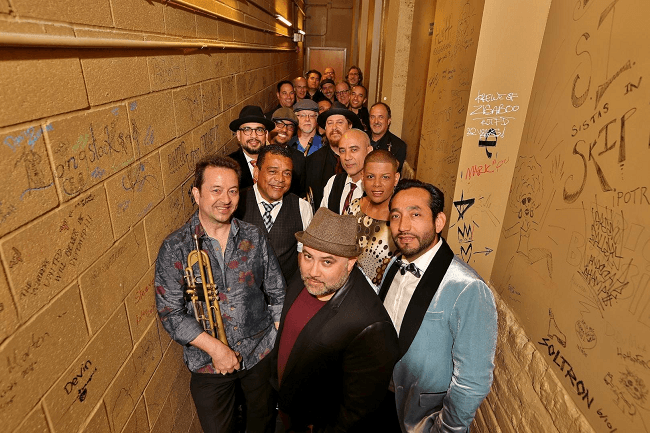
Pacific Mambo Orchestra is the only active Latin Big Band on the West Coast of the United States.

Continue on Friday, July 29th with the concerts of the Pacific Mambo Orchestra and Los Van Van together with the Cuban trumpeter, composer, singer, and leader of the band Havana D’Primera, Alexander Abreu.

The first orchestra to perform at the festival in its twenty-eighth edition at 9 PM will be the Pacific Mambo Orchestra. This North American band, a winner of the Grammy Award in the category “Best Tropical Album” in 2014, is the revival of the Latin sound of the Big Bands of the 40s with the combination of Mambo, Pop, Cha Cha, Timba, and Bolero. Pacific Mambo Orchestra founded 12 years ago by the Mexican pianist Christian Tumalan and the German trumpeter Steffen Kuehn has collaborated with renowned artists such as Carlos Santana, Poncho Sánchez, Pete Escovedo, and Arturo Sandoval.

Currently, this Latin Big Band performs on the West Coast of the United States with elite musicians from the Bay Area, and their repertoire is in English and Spanish. Their third album “The III Side” (2020) fuses the traditions of the Mambo of the 50s with the musicality of the moment. This Latin Big Ban considered one of the best in the United States will also is at the prestigious San Francisco Annual Jazz Festival on Wednesday, June 8th from 7:30 PM to 9 PM. Address: Miner Auditorium, 201 Franklin Street, San Francisco (EEUU).

“Legado” is an album in homage to the legacy left by maestro Samuel Formell.

The second orchestra is to take the stage on Friday at 11 PM and will be Los Van Van with their special guest Alexander Abreu. The emblematic Cuban music orchestra will celebrate its more than 5 decades of history.

Los Van Van known by many as the “Rolling Stones of Salsa” was founded in 1969 by bassist and composer Juan Formell, a legend of Cuban music, who accompanied by José Luis Quintana, known as “Changuito” and César “Pupy ” Pedroso, invented the “Songo”, a Cuban rhythm predecessor of the “Timba” or “Salsa Cubana”, which generated the “Salsa – Son” with a Cuban sound that has made generations dance.

In 2018, they recorded their first record production “Legado” since the physical departure of Juan Formell in 2014. This tribute album has 14 songs with 3 new versions of the international singles Te extraño, Por qué lo haces y Amiga mía.

On the third day of the Festival, Saturday, July 30th, the Latin sound will be awakened by the performances of the Interactivo group and the exclusive presentation of “Con Tumbao All Stars”. On Sunday, July 31st, Tempo Latino will close its doors on the Les Arènes stage with London Afrobeat Collective and Alain Pérez & La Orquesta Bassiste.

Most of the members of Interactive are representatives of currents such as Nueva Trova, son, and Cuban jazz.

The avant-garde collective, Interactivo, is one of the most representative bands of the current Cuban generation and will take to the Tempo Latino stage at 9 PM.

This emerging orchestra of international stages brings together the most brilliant and eclectic composers and producers in Havana. Each member contributes their specialty: Timba, Funk, Jazz, Hip Hop, Rock, Rumba, traditional Cuban music, and Soul for a result of great richness, where individual originality, musical creativity, and avant-garde ideas enrich the group.

London Afrobeat Collective has hypnotic flashes and powerful percussive beats.

Similarly, the addictive London Afrobeat Collective has been offering festive music based on Jazz, Funk, Rock, Dumb, and African Vibes for ten years. Its international DNA made up of nine members from England, Italy, France, Congo, Argentina, and New Zealand with the powerful voice of the Congolese singer Juanita Euka has made its rhythm addictive music with powerful and committed messages. The London-based band will open the night of concerts on Sunday, July 31st at 9 PM.

Alain Perez and the Bassiste Orchestra will offer a mixed show of Salsa, Son, Timba, and Latin Jazz

This musical evening ends with Alain Perez, bassist, singer, arranger, and who composes his orchestra of 13 young musicians on stage to offer a mixed show of contemporary Cuban Salsa, Timba, and Latin Jazz. His talent has given him wonderful experiences with internationally famous orchestras and musicians such as Los Van Van, Irakere, Issac Delgado, Paquito D’Rivera, and Celia Cruz. Always accompanied by his elephant-headed cane, in homage to Cuban musician Benny Moré, Alain has been influenced by flamenco through his work with Cuban artist Paco de Lucía.

The versatile artist born in Havana was twice-nominated for the Latin Grammy Awards in the category of Best Traditional Tropical Music Album with “El alma del Son, tribute to Matamoros” (2015) and “ADN” as Best Salsa Album. (2017).

El Cuento de la Buena Pipa (2020) is his most recent record production, and you can enjoy it on the main stage of the festival at 11 PM.

You can get the tickets for Tempo Latino 2022 on their official site http://www.tempo-latino.com/ for a four-beat tempo. The Tickets for the four nights of concerts are €86.70.

And while you wait for the Tempo Latino Festival (28th edition) you can enjoy its free predecessor event Clutcho at La Grainerie this May 4th. This place is emblematic of the circus and itinerant disciplines that take place with a large space that involves a large open-air square, and a performance hall with a capacity for 230 people through an “interior street” that serves for creative studios and workshops.

Néstor Sánchez “El Albino Divino”. With the Greatest Elegance the Golden Voice of Salsa

Néstor Sánchez “Maestro de Soneros¨.

Born in 1950 in New York, of Puerto Rican origin, he is considered by critics as one of the soneros with the best vocal technique.

Néstor Sánchez “El Albino Divino”.

In 1968 he began his musical career at the age of 19 in New York with the orchestra of Ray Rodriguez, Ray was the brother of the late Bobby Rodriguez, the recording was entitled “Introducing Ray Rodriguez and his Orchestra”, he was also with the Tonny Pabon Orchestra, and the Conjunto Candela.

1976 Nestor Sanchez joined the orchestra of the wonderful Jew, Larry Harlow, replacing Junior Gonzalez as lead vocalist and became a member of the Fania label stars, at that time,

Harlow was recording the album “La Raza Latina” for which Sanchez performed one song and the rest was in charge of the Panamanian Ruben Blades where he musically created the history of Nuestra Raza, from the Amerindians, the Spanish conquest, and the arrival of the black African slave.

The album, “El Albino Divino”, was one of his official presentations with the orchestra, with the Harlow Orchestra he spent almost ten years and recorded seven albums, among these: Rumbambola, Dulce aroma del éxito, Soy Latino.

1979 Harlow disbanded his orchestra, Sanchez also recorded with Tito Puente’s orchestra the song “Bonito y Sabroso” in the LP “Homenaje a Beny Moré” which won a Grammy award for Puente.

In 1984 he recorded the production Julio Castro y La Masacre, in 1990 he was released as a soloist in the romantic wave with the album Como Nunca.

Nestor Sanchez "El Albino Divino". With the Greatest Elegance the Golden Voice of Salsa
Néstor Sánchez “Maestro de Soneros¨

In the year 2000 he was invited by the King of Bass Mr. Bobby Valentin to participate in the album La Gran Reunión, and in all the recordings where he participated as the first voice in the chorus.

This talented man, whom we consider one of the most outstanding voices in our music, and sonero of soneros, never had the recognition he truly deserved. As a tribute and vindication, the February 2017 Salsero of our page is dedicated to him in a heartfelt and sincere way.

As a singer, Néstor Sánchez loved Cuban music and considered himself an admirer of Abelardo Barroso, Beny Moré and Miguelito Cuni, and from La Isla del Encanto his favorites were Tito Rodríguez and Ismael Rivera, in whom he was most likely inspired to create his own style.

His musical career began at the age of 19 in New York in 1968 with Ray Rodríguez’s orchestra. His first recording was the same year and was entitled Introducing Ray Rodriguez and his Orchestra; the second, in 1969 and with this same orchestra, was called Delusion, these two musical works were made for Al Santiago’s label “Alegre Records”.

In 1970, Néstor Sánchez joined Tony Pabón’s orchestra with which he recorded six albums in LP format, these musical productions are: in 1970, Tony Pabon And His All-Stars and La Protesta With Tony Pabón: Free; in 1972, On The Right Track; in 1973, Introducing Néstor Sánchez; in 1974, Tony Pabón & La Protesta Featuring Néstor Sánchez – El Capitán; and in 1976, Tony Pabón Y La Nueva Protesta – Fango – Pura Salsa, Puro Disco.

After his time with La Protesta, El Albino Divino joined Conjunto Candela, with whom he produced an LP entitled Conjunto Candela.

In 1976, he joined the orchestra of “El Judío Maravilloso” Larry Harlow as lead vocalist, replacing the Puerto Rican singer Junior González. With that, he became one of the stars of the Fania label. Between 1977 and 1984 he recorded the albums La Raza Latina – A Salsa Suite, El Albino Divino, Rumbambola; Larry Harlow & Junior González – Our Latin Feeling / Nuestro Sentimiento Latino; El dulce aroma del éxito; Larry Harlow, Canta: Gary Carrión / Así Soy Yo; Larry Harlow – Yo Soy Latino and Larry Harlow / Señor Salsa, featuring the young singer Ray Pérez.

Between 1968 and 1984, Néstor Sánchez was not only part of the orchestras of Ray Rodríguez, Tony Pabón, Conjunto Candela and Larry Harlow. He also recorded with King Nando, Orchestra Colon, Los Hermanos López, Yambú, Andy Harlow, Adalberto Santiago, Charlie Palmieri, Ismael Rivera, Tito Puente, Willie Colón, El Conjunto Libre, Azuquita y Su Melao, Fania All Stars and Louie Ramírez.

Throughout the eighties, Néstor Sánchez’s career had a second stage, in which he participated in musical works as a singer and backing vocalist for other great stars of our musical firmament, such as Héctor Lavoe, Típica 73, Ray Barretto, Julio Castro y La Masacre, Rubén Blades y Seis del Solar, Cheo Feliciano, Ismael Miranda, Oscar D’ León, Celia Cruz and Bobby Valentín.

It is presumed that in his more than three decades of music he participated in some two hundred musical works, about half of which are presented in our “Discography” section, available on our web page. Her voice was also recorded in many musical works of the so-called salsa romántica.

Among the songs that the beautiful voice of our great Albino Divino left us, we highlight numbers such as: “Amor pa’ qué”, “Averigua”, “Bobo tú te quedarás”, “Bonito y sabroso”, “Compay, póngase Duro”, “Con la mayor elegancia”, “El bobito”, “El diablo viene”, “Madre”, “Mentiroso”, “Quasimodo”, “Suena La Quija”, “Va llover”, “Guaguancó para los soneros” and “Vamos a gozar”. Our great sonero also recorded some songs in English.

Finally, we repeat that the present investigative work on the musical life of the great singer, chorister, arranger and composer Néstor Sánchez, “El Albino Divino”, is a tribute to his musical legacy with which the section “El salsero del mes” of our web page www.latinastereo.com wants to remember and keep all his work in force. Néstor Sánchez will remain forever in the hearts of the salseros of the world.

On September 2, 2003, Néstor Sánchez passed away at the age of 54 at his home in Bronx County, New York, after losing a battle with lung cancer.

Born in 1950 in New York, of Puerto Rican origin, he is considered by critics as one of the soneros with the best vocal technique. Nestor Sanchez "El Albino Divino".
Born in 1950 in New York, of Puerto Rican origin, he is considered by critics as one of the soneros with the best vocal technique.
Nestor Sanchez “El Albino Divino”.

Main source:

By: Sergio A. Rendón Ángel

To: www.latinastereo.com

Medellín, Colombia

Article of Interest: Raymundo “Ray” Barretto Pagan was born in Brooklyn, New York on April 29, 1929

  • « Go to Previous Page
  • Page 1
  • Interim pages omitted …
  • Page 20
  • Page 21
  • Page 22
  • Page 23
  • Page 24
  • Interim pages omitted …
  • Page 58
  • Go to Next Page »

International Salsa Magazine (ISM) is a monthly publication about Salsa activities around the world, that has been publishing since 2007. It is a world network of volunteers coordinated by ISM Magazine. We are working to strengthen all the events by working together.