• Skip to primary navigation
  • Skip to main content

International Salsa Magazine

  • HOME
  • Previous editions
    • 2026
      • ISM / March 2026
      • ISM / February 2026
      • ISM / January 2026
    • 2025
      • ISM / December 2025
      • ISM / November 2025
      • ISM / October 2025
      • ISM / September 2025
      • ISM / August 2025
      • ISM / July 2025
      • ISM / June 2025
      • ISM / May2025
      • ISM / April 2025
      • ISM / March 2025
      • ISM / February 2025
      • ISM / January 2025
    • 2024
      • ISM / December 2024
      • ISM / November 2024
      • ISM / October 2024
      • ISM / September 2024
      • ISM / August 2024
      • ISM / July 2024
      • ISM / June 2024
      • ISM / May 2024
      • ISM / April 2024
      • ISM / March 2024
      • ISM / February 2024
      • ISM / January 2024
    • 2023
      • ISM / December 2023
      • ISM / November 2023
      • ISM / October 2023
      • ISM – September 2023
      • ISM – August 2023
      • ISM July 2023
      • ISM Edition June 2023
      • ISM – May 2023
      • ISM April 2023
      • ISM March 2023
      • ISM February 2023
      • ISM January 2023
    • 2022
      • ISM December 2022
      • ISM November 2022
      • ISM October 2022
      • ISM September 2022
      • ISM August 2022
      • ISM July 2022
      • ISM June 2022
      • ISM May 2022
      • ISM February 2022
      • ISM January 2022
    • 2021
      • ISM December 2021
      • ISM November 2021
      • ISM October – 2021
      • ISM September 2021
      • ISM August 2021
      • ISM July 2021
      • ISM May 2021
      • ISM April 2021
      • ISM June 2021
      • ISM March 2021
      • ISM February 2021
      • ISM January 2021
    • 2020
      • ISM December 2020
      • ISM November 2020
      • ISM October 2020
      • ISM September 2020
      • ISM August 2020
      • ISM July 2020
      • ISM June 2020
      • ISM May 2020
      • ISM April 2020
      • ISM March 2020
      • ISM February 2020
      • ISM January 2020
    • 2019
      • ISM December 2019
      • ISM November 2019
      • ISM October 2019
      • ISM Septembre 2019
      • ISM August 2019
      • ISM July 2019
      • ISM June 2019
  • Download Salsa App
    • Android
    • Apple
  • Spanish

Search Results for: Argentina

Meet Richard “Saoco” Rodríguez

Latin America / Venezuela / Caracas

Venezuelan Richard “Saoco” Rodríguez

There is a great variety of countries in Latin America that are incredible, but none as varied, dynamic and beautiful as Venezuela, a country that is known for having beautiful and varied landscapes, a great variety of climates and fauna, and Venezuelans are very pleasant, respectful and mostly partygoers. On this occasion we have the pleasure of meeting the young salsa singer, Richard “Saoco” Rodríguez who sees the light in the city of Guarenas, the neighboring town of the great city of Caracas, Venezuela.
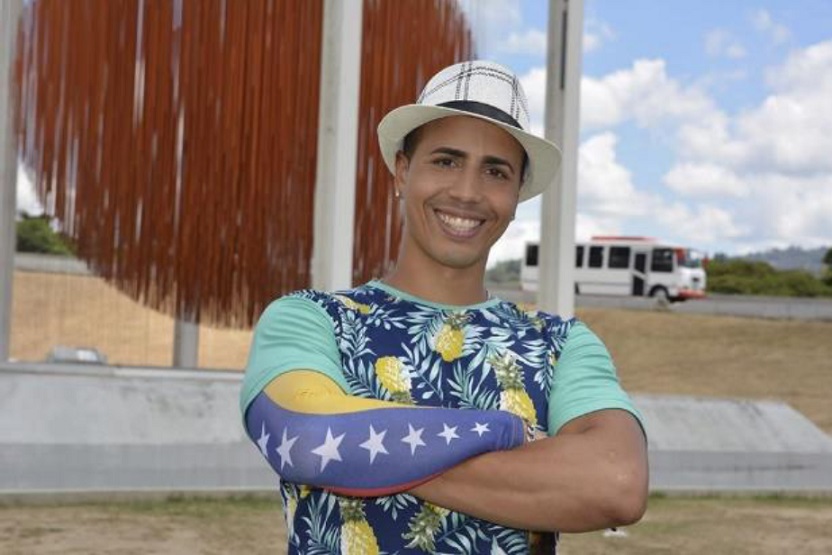
Richard “Saoco” Rodríguez

Since he was very young, he has stood out as a vocalist in local salsa genre groups, he was driven by recommendations from family and friends, he decided to compose his own songs and make contact with two great and renowned musical arrangers such as José “Tuky” Torres and Héctor “Chispa Hurtado, the latter is the one who takes the reins as music producer and arranger of his orchestra.

Richard “Saoco” Rodríguez has the ability to compose songs in a very contagious way, he takes up the essence of Son, Mambo and Guaguancó.

He has received 4 important awards from the Music Industry such as the Popular Vote of the Singing Festival at the Teatro Principal in 2016, the Compas de Oro Award for International Salsa in 2017, Salsa Revelation Figure of the Year in 2017, Yara Awards The Best Salsa Singer with International Projection in 2018.
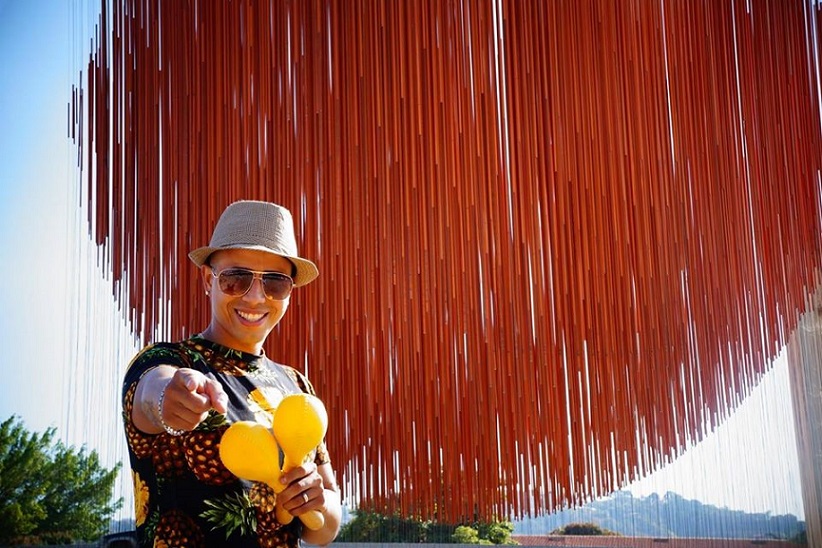
Richard “Saoco” Rodríguez

Today he presents a musical proposal with the launch of his new song titled “Soon you will return”, where he incorporates the Harp which is an emblematic instrument of Venezuela that resounds in the musical sound that maestro Héctor “Chispa” Hurtado gives it.

Consequently, Richard gets emotional when he tells us about this song, telling us that it all started one day watching the planes leave the Simón Bolívar Airport.

“I went to accompany a great friend who was going to Argentina and on the way home I thought about how hard it is to leave our land, leave our loved ones to undertake new challenges in another country. When I got home, the muse and nation came up with this beautiful song “Soon You Will Be Back” where I remind my Venezuelan brothers of our customs, the importance of sharing with the family, reminding them that we are a happy, pachanguero country.”

Richard “Saoco” Rodriguez.

Richard “Saoco” Rodríguez - Pronto Volveras
Richard “Saoco” Rodríguez – Pronto Volveras

Definitely Richard “Saoco” Rodríguez came with his talent, style and originality to be the difference, thus demonstrating that he is part of the relief generation in the Salsa Industry.
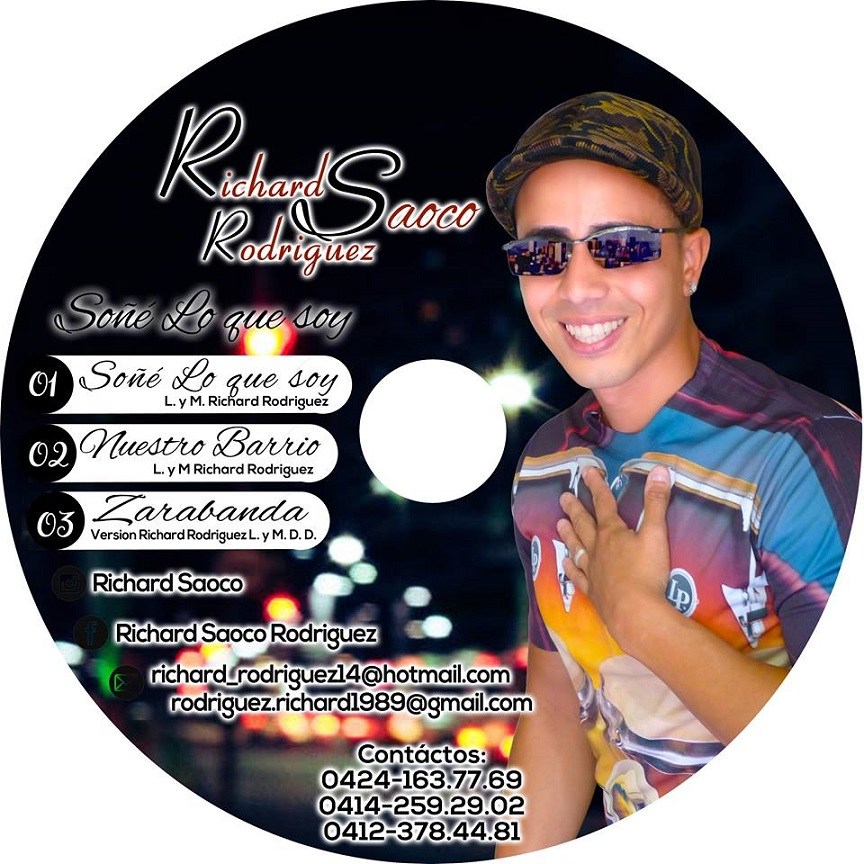
CD by Richard “Saoco” Rodríguez

For more information:

  • Facebook: https://www.facebook.com/people/Richard-Saoco-Rodriguez/100021840700541
  • Twitter: https://twitter.com/richardsaoco
  • Instagram: https://www.instagram.com/richardsaoco/?hl=es-la
  • YouTube: https://www.youtube.com/channel/UCI7Bt6vQsfKYEazwDNdty_Q

Shoemaker and shoe designer Carlo Farroni

We talked with shoemaker and shoe designer Carlo Farroni

In entertainment, singers, musicians and dancers are always the ones who show their faces to the audience, so they usually take the credit that comes from the final result, but there are many other professionals who also do their part so that a stage performance can be carried out, but unfortunately they do not get the recognition they deserve from the mass media.

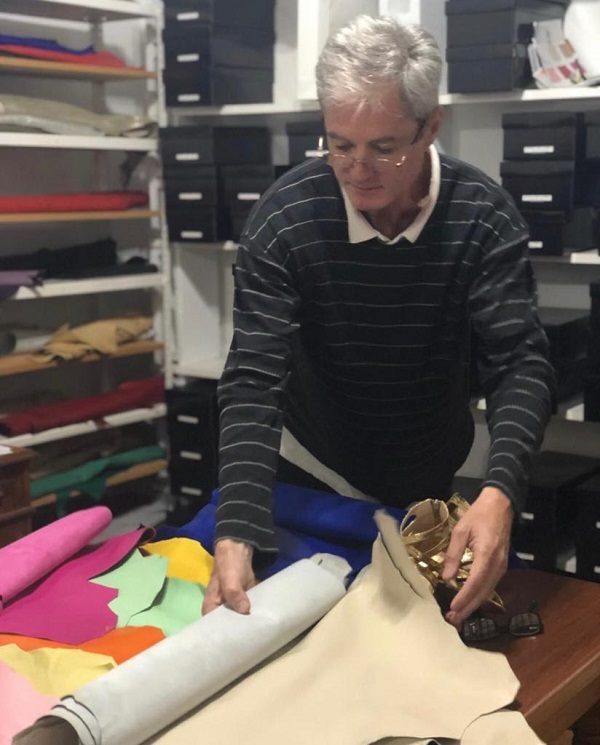
Carlo Farroni checking his materials for shoes

Some of those professionals are shoemakers and shoe modelists, who offer absolute comfort and elegance to artists during their shows, especially when it comes to dancers. Today, we are going to bring the story of Mr. Carlos Farroni, who kindly agreed to talk to us and told us how he began in this interesting and important occupation.

How did you start your career as a shoemaker and shoe designer? (título 3)

Carlos Farroni tells us that he started his apprenticeship at the age of 20, namely more than four decades ago. All this training took place at the shoemaking institute in Buenos Aires, Argentina, Farroni’s native country, but it was not the only place responsible for teaching this man everything he knows today. He also combined his studies with certain tasks in an artisan footwear workshop, something that would be a great support to the knowledge gained within the field of formal education.

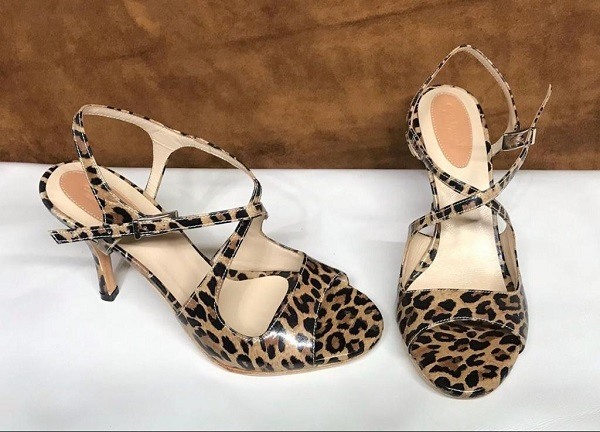
Dancing shoes for women made by Carlo Farroni

A few years later, he enbarked on a trip to Italy, where he worked in various areas of the creation of shoes, such as design and subsequent manufacturing, which was also extremely important for the Argentinean to continue learning how to navigate the world that has made him so well known.

Asked why he dedicates himself to the creation of special shoes to dance, he replied that he was carrying out exclusive footwear for theatre plays for many years, during this time his work started to become known in many parts of the world. After the quality of his products made news in many countries, many dancers started contacting Farroni to design exclusive shoes for them. It can be said that this is how he started the famous brand we know today.

More dancing shoes for women made by Carlo Farroni

How is your working methodology? (título3)

Regarding the production process, Mr. Farroni has revealed to us that everything is hand-made, which means that the tailoring, design, choice of materials, cutting, sewing, assembly and finished are handmade. In the same way, he ensures that the materials used for his products (most of the shoes are made of leather) are of excellent quality both in tanning and in thickness. This whole process is what makes the shoes look so professional and, at the same time, so comfortable and light as to allow the wearer to move freely.

It is also important to underline that the shoes handmade by Mr. Farroni’s brand can be used to dance every kind of musical genre without an problem. Obviously, tango dancers are the ones who most often seek out and promote these products, but there is no limit with regard to this detail. Anyone who wants the greatest elegance, sophistication and comfort at the moment of dance anything can contact Carlo Farroni, who will be happy to assist them and offer them the best of his work.

Dancing shoes for men made by Carlo Farroni

Read also: Omar Ledezma Jr talks about his experience at the Tempo Latino Festival

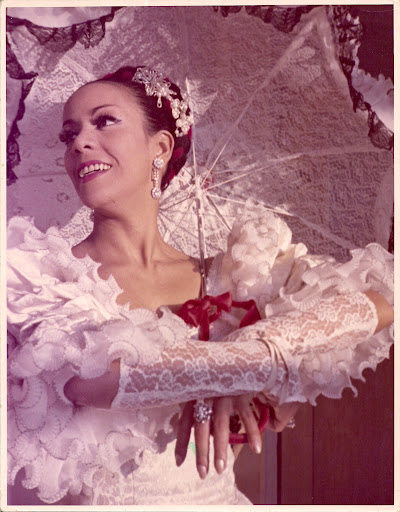
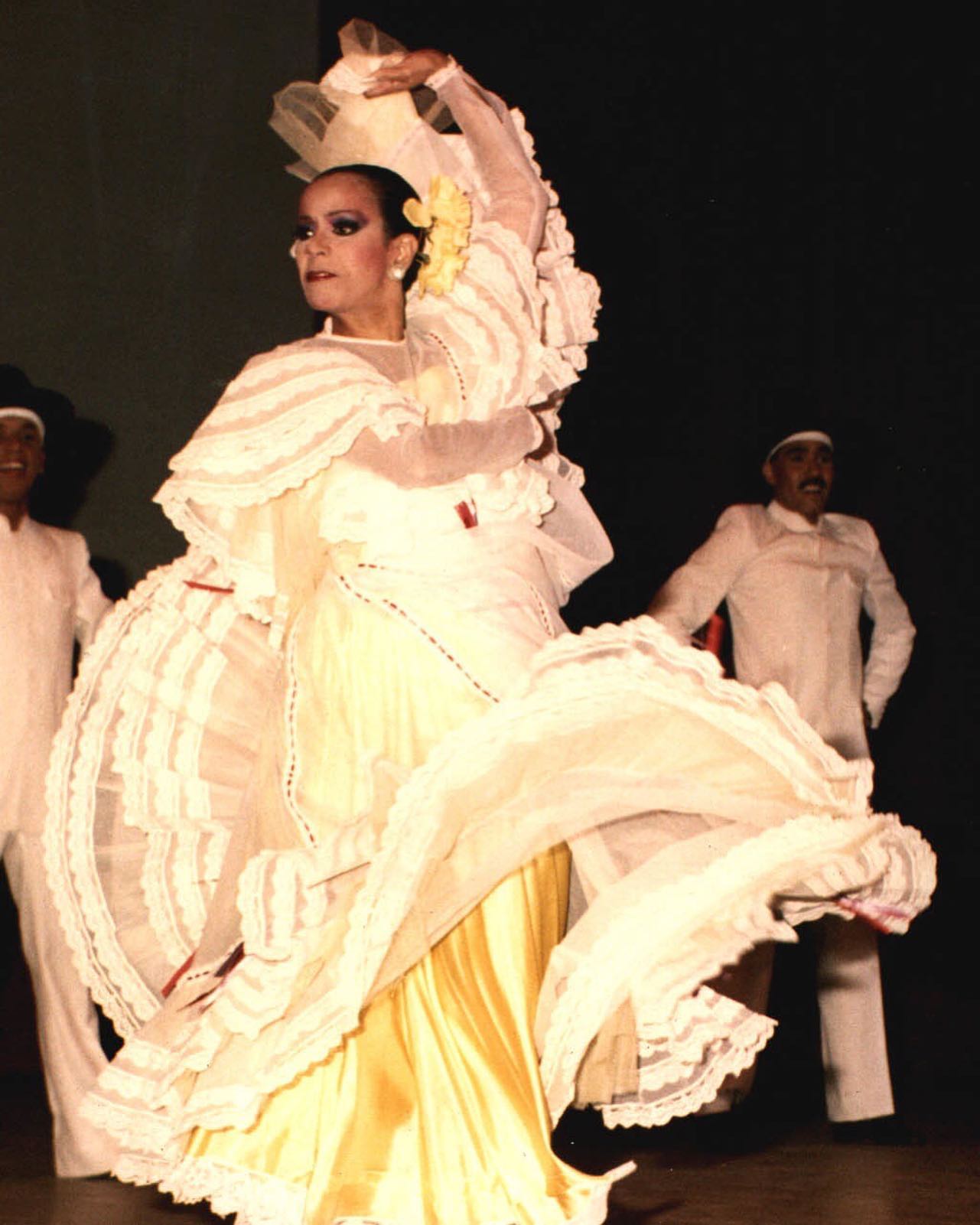
Yolanda Moreno “the People’s Dancer”

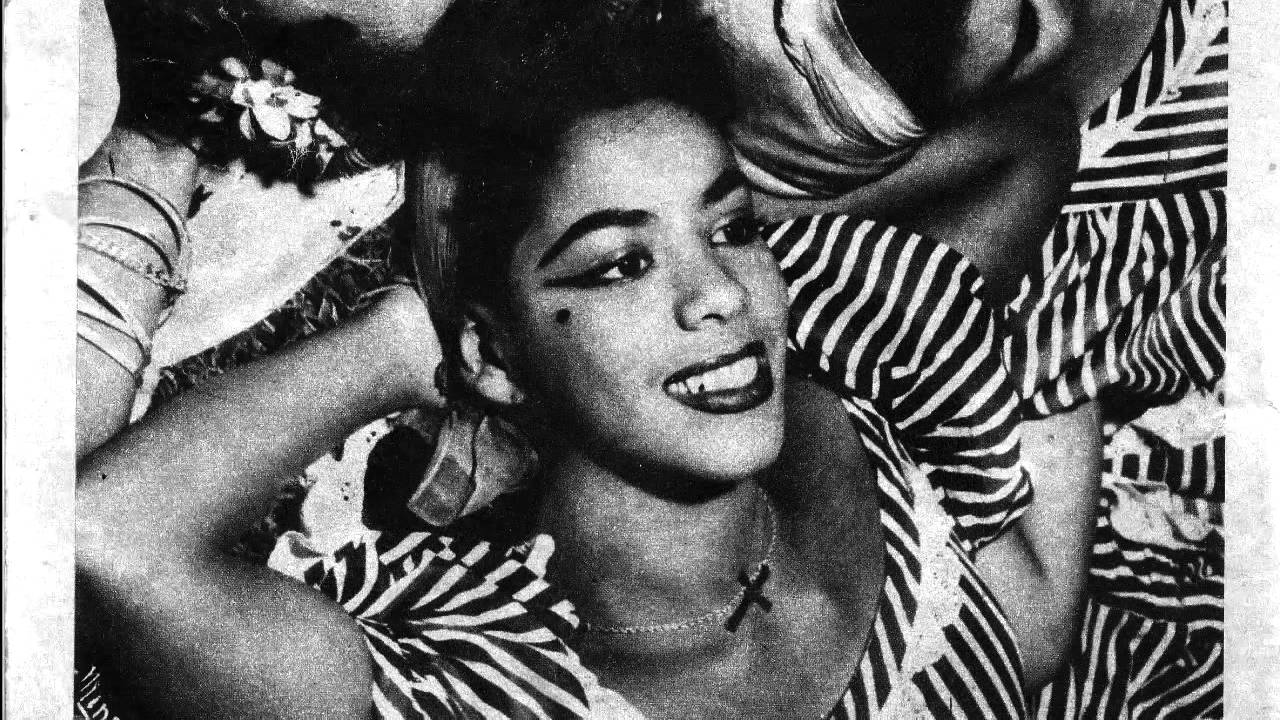
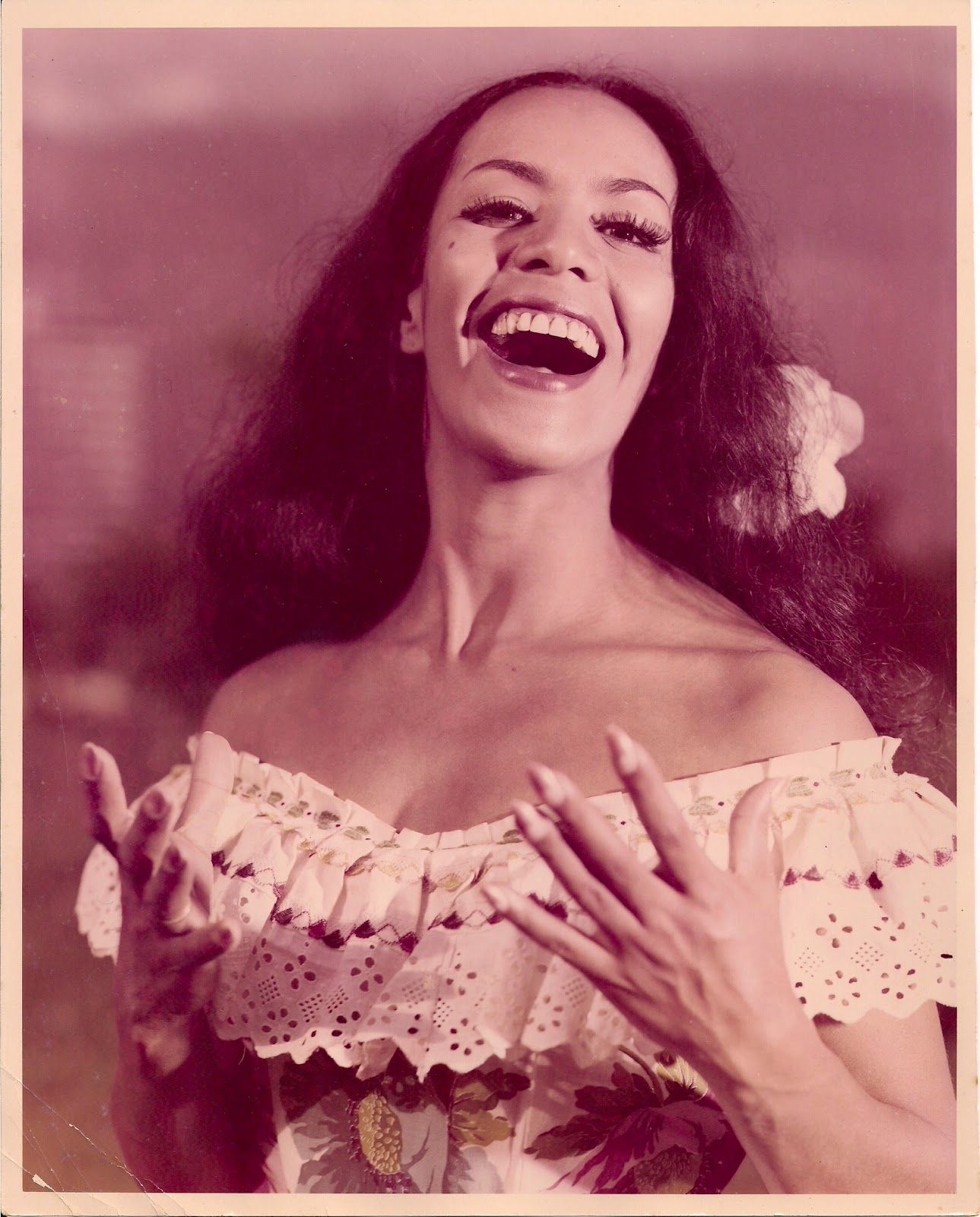
Venezuela has been a Caribbean and South American country that has always shown artistic tendencies among its inhabitants. Dance is no exception here, and one of the great representatives of typical Venezuelan dance is Sixta Yolanda Moreno de Rodríguez, better known as Yolanda Moreno the People’s Dancer” In this article we will talk more about her, keep reading.

The beginnings of Yolanda Moreno’s Career

This great Venezuelan dancer was born on August 6, 1936, in El Guarataro neighborhood of San Juan parish, in Caracas. Her parents named her Sixta Yolanda, a fact that few know unless her life is investigated, but she considered that Yolanda was easier to say and pronounce.

She grew up in a low-income family, but that didn’t stop her from pursuing her passion for singing and dancing. At the age of 13, she joined as a chorister in the musical group “Retablo de Maravillas” created by the Ministry of Labor. In this group she demonstrated her talent for music and a wonderful voice, in addition to fulfilling a childhood dream: «As a child I wanted to be a flamenco singer, I listened to the «Gitana de Color». With this group she met her first mentor, the Austrian dancer Margarita Brenner.

During this stage Yolanda met the one who will be the love of her life, her husband Manuel Rodríguez Cárdenas. To whom she also thanks all the support he has given her throughout her career, to the point of assuring that she would not be the dancer and woman she is today without his total trust and company. Although their relationship was a surprise since the marriage took place when she was only 16 years old.

The foundation of “Danzas Venezuela”

Another of her great achievements with her husband Manuel, is the founding of the group “Danzas Venezuela” in 1962. With it Yolanda manages to modernize the dance and folklore of the country, by changing the image of the dancers with very wide skirts and hair collected, that way they look more refined; she also changed the footwear to give more force to the zapateado.

Although at first these changes were not well received, Moreno with her husband achieved public acceptance, and also captivated the international public. Among the places they managed to visit are: China, Japan, Korea, Hawaii, San Francisco, Washington, New York, Canada, the Soviet Union and Latin America, from Mexico to Argentina. One of her special places was Puerto Rico, where she was given her nickname: “La Bailarina del Pueblo” (the People’s Dancer).

She also has great memories of China, especially when she was amazed by the respect for elders and the large number of artistic expressions that exist in this country. «Dance is a permanent job, very pleasant. I work until I am asleep. I got used to hard work, although it hurt, I danced» her words sum up her love for dance and art.

And Yolanda Moreno’s retirement came

Despite the fact that she will always be “The dancer of the Venezuelan people”, Yolanda has accepted that her days on stage are over, this of course does not mean that she won’t continue directing dancers and giving her advice with contributions in choreography. But Yolanda no longer actively follows her career, her big farewell was in 2008 with two performances at the Casa del Artista.

Of course, she has had special appearances like the one she presented in the posthumous tribute to Joaquín Riviera, which was part of the pre-opening of Miss Venezuela 2013. There have been other special events, but none as splendidly as the golden years of his career.

It is more than understandable that Moreno would withdraw from it, at 86 years old she is a woman who since she was a child has given everything to the art and folklore of her country. She also had to bravely face the farewell of her husband Manuel, which occurred in 1991 accompanied by her two sons Manuel Rodrigo and Fernán. It only remains to hope to be able to enjoy a few more years of her great ideas for the preservation, as well as modernization, of the typical dance of Venezuela.

We interviewed IndiviDúo singers Tiffany Joy and Maqui Reyes

How it all started

Today we are going to talk with Tiffany Joy and Maqui Reyes from IndiviDúo, which is a famous and successful musical duo. Great to be with you. How are you?

Tiffany: super! Very well, thank you very much.

Tiffany Joy singing on stage

You two met in 2010 in Buenos Aires while both were recording your respective musical productions separately. How was that first meeting and conversation about music?

Tiffany: you are very well informed, Karina, I love it. We met at a musical party for Colombians living in Buenos Aires. We were introduced by a mutual friend, who is also from the US, but she was living in Buenos Aires at the time. Maqui had invited me to that event through Facebook, so I went with my guitar and a liter of beer. There was a moment when he started singing ohis riginal music and I do the same later. I think that’s where a connection and mutual respect began to be created, which led to us singing together later that night.

He sang Tabaco y Chanel by Bacilos and since I knew it by heart, I started singing the harmonies. The time when our voices found each other was very magical and everyone at the party thought something beautiful was happening there. Really, since that night we haven’t stopped singing and composing music together.

What did you see in each other to form a musical duo?

Tiffany: I think Maqui has a special sensitivity towards lyrics and I admire his role as a poet. In addition, he also has a musicality related to my tastes, so it is very common for us to be on the same page about some melodies with the guitar. Melodically, I feel that we get along very well.

Obviously we don’t agree on everything all the time, but I do think we have very similar taste in music, which makes us be attracted each other musically. Personally, my partner has a very powerful energy in terms of positivity, light, pushing forward and making everyone feel special.

Maqui Reyes singing and playing the guitar on stage

What has been the biggest disagreement that you’ve had musically?

Tiffany: generally speaking, I tend to fall in love with ideas so fast. If I hear a chord, progression, melodic line or lyrics that I like, I don’t want us to change them. On the other hand, Maqui is super thoughtful and likes to try a lot of things before going back to the first thing and even make it better, but I think my anxiety about finishing it and singing it sets us at odds. He is very slow in terms of his process and that makes us different.

Considering that Maqui is Colombian and you are Californian, how did this influenced your musical styles?

Tiffany: Maqui is from Bogota while I am from right here in the Bay Area. I grew up listening to James Taylor, Kenny Loggins and the great singer-songwriters in blues, jazz and other typically American genres. I also did musical theater for many years, which led me to listen to the great Broadway plays. My love for Latin music began much later when I started listening to pop artists like Juanes, Shakira, Rocky Martin, Bacilos, among others. Then, I entered into the world of Latin music and started composing in Spanish. To that I must add that I loved dancing salsa and tango since I was really little.

On the side of Maqui, he comes from a completely different music background where he listened to salsa, bambuco, cumbia, merengue and many other Latin genres. Later, he moved to Argentina where he lived for 13 years and traveled throughout the country to learn to play chamame, samba and other Argentinean rhythms. This made him have a huge range of Latin American music, which we incorporate into our music. That is why our repertoire includes reggae, bolero, pop, salsa, rock, bossa-nova and much more.

Tiffany Joy and Maqui Reyes performing together

How do you connect with your audience?

Your music talks about many positive and reflection messages. It talks a lot about all the important things we humans put aside because we are way too concerned with superficial things. In that sense, what kind of connection are you looking for with the audience?

Maqui: among the responsibilities of a singer-songwriter or a musician, we have to say some important things, so we believe and live the music like that. The subject treated in a song has always been important to us.

I think we have managed to connect with ourselves and people like you who, for some reason, get to listen to one of our songs and identify with it. Songs like Pelea invite you to fight against your own vices, your own demons and your own problems. It is a song that people of any age can identify with, which leads us to have a connection with them beyond music.

What are the age ranges of the people who listen to your music the most?

Tiffany: I would venture to say that those who listen to us the most are people between 25 to 55 years old.

Maqui: However, I must say that we get along very well with children. When we play in theaters or places suitable for minors, there are many families with children. In fact, we don’t rule out recording an album focused exclusively on them. Of course, we know that children don’t like the more traditional genres that we used to listen to and reggaeton is the current trend. Same way, we would include some traditional music so that little ones have the opportunity to listen to it in a fun way.

Tiffany Joy and Maqui Reyes during pregnancy

On that issue, a young salsa singer told me that what he does is a mix of rhythms, while still getting the essence of salsa. Do you plan to add urban genres to your music?

Tiffany: We don’t reject the idea of incorporating urban rhythms to our music because they are good to dance to, easy to defend live and attractive for a generic and large audience. We haven’t yet, but we are open to the possibility.

Maqui: this is a great question because everything has become polarized so much that just listening to the rhythm makes us qualify it as urban, but that’s not necessarily true. What I qualify as urban is attitude and lyrics, things that we know we will never adopt for ourselves.

It’s not our style, although we’ve got nothing against these rhythms. We would like to play them in a more elegant and familiar way.

Tiffany Joy, Maqui Reyes, and their daughter Melody

You have been part of the soundtracks of several soap operas such as La Ley del Corazón and Si Dejo de Creer. How did this help you advance your careers?

Tiffany: It helped us get a little more exposure on Spotify, YouTube and other music platforms. It also gave us the opportunity to be much better known, as many people started to see what else we’ve done and listen to other pieces of ours.

What did you do during the pandemic?

Tiffany: because all the shows being cancelled, we dedicated ourselves to hosting a Facebook Live every Friday afternoon. At the beginning, it was very difficult because we didn’t know how to connect, but when we finally learned how to do it, we had a lot of people listening to us. We played original music, did a lot of covers, had a drinkie and toasted people from time to time.

During this time, we also found out we were pregnant, which was a surprise for us because we never thought about having children. We were composing at the time, so we ended up including a song for the baby on our album. Right when Melody (our daughter’s name) was born we did the official album release.

Read also: Story of achievement and dedication of Yoshie Akiba

Versatile multi-instrumentalist, producer and arranger, Taylor Aranguren

In Barquisimeto, a city catalogued as the musical capital of Venezuela, there are musicians of excellent quality and one of them is the versatile multi-instrumentalist, producer and arranger, Taylor Eduardo Aranguren García, a young man born in the aforementioned city on August 2, 1991.

Taylor plays piano, bass and trumpet to perfection. His musical beginnings were in 2003 and in 2005 he had the great honor of joining the Lara State Symphony Orchestra, accompanying the “Sonero del mundo” Oscar D’León in a concert held at the “Coliseo Hípico” of the twilight city of the country.

Then in 2005, he makes artistic life in Puerto la Cruz, Anzoátegui state; in 2007 he moves to Colombia, in 2009 he returns to Caracas as a member of the Staff of the television program “Súper Sábado Sensacional”; then in 2010 he travels to Beijing to perform musical works, later in 2012 he accompanies Maelo Ruiz on a tour of Venezuela, later he is contacted by the Band of Benjamin Rausseo, humorist known as “Er Conde del Guácharo”.

In 2014 he joins Óscar Arriaga and Néstor Rivero ex-vocalists of “Los Adolescentes”, directing them as musician and arranger and additionally they record with the musicians: Diego Galé, Ytúrvides Vìlchez, Franco Lemus and Freddy González, achieving successful concerts in countries such as: Dominican Republic, Peru, Colombia, Chile, Ecuador, Panama, United States, Mexico, Italy, Germany and Spain.

And with this preamble of his artistic career, consequent readers, we welcome again, to the column “Salsa Escrita” to one of the best musicians of our country.

Greetings Taylor, it is an honor to have you as a special guest in International Salsa Magazine, “the Only Salsa Magazine in the World”.

Thank you Professor Carlos, for giving me the opportunity to be in your well read column “Salsa Escrita”, through this prestigious media and to be able to interact with all readers nationally and worldwide, making known my projects and part of my artistic life.

Taylor to begin with, we want you to tell us about your role as an arranger and to which artists you have done your musical works?

Ok my friend Carlos, let me tell you that I was arranger and musician in the production “Quintero Salsa Proyect” with the Quintero brothers (Luisito and Roberto Quintero) on that occasion with the song “Chamito Candela”, performed by Gustavo Aguado and Luis Fernando Borjas of Guaco, I also had the pleasure of arranging the song “No lo Beses” in the voice of my uncle Jorge Luis Suarez (former singer of Oscar D’Leon), also the song “Chismoso” by Marcial Isturiz; “Te Quedas” interpreted by José Alberto “El Canario”, in the same way “Te amo y punto” with Óscar Arriaga, I also made arrangements for the last movie of “Er Conde del Guácharo” and many more that at the moment do not come to my memory.

Very good Taylor, Congratulations, but we are curious to know in which facet you feel better, as a musician or as an arranger?

Professor, it is different to feel as an arranger, it is cool because it is a work or a child that comes out of your guts, it is something that you create, it comes from you and you enjoy it a lot, but playing live is a feeling in the moment, you know, enjoy the stage, the musicians, but I like the recording more, both for me are super important.

Excellent, now which singer, arranger and percussionist would you like to record and play live with?

Well, as a singer would be Oscar Arriaga, in percussion, Luisito Quintero and arranger I would like to share with Oscar Ivan Lozano, a great brother from Colombia, director and arranger of “Grupo Niche”.

Taylor, can you tell us about the work you have been doing with the ex-vocalists of Adolescentes Orquesta?

Actually I am working sporadically with some of them and right now I am in alliance with former teenagers from Venezuela who are currently based in Bogota and God willing at the end of July we will be touring throughout Colombia.

My friend Taylor, do you have planned this year some shows where you accompany as a musician to some recognized artist?

Well yes brother, in mid-July I will be accompanying Andy Montañez and Maelo Ruiz in Buenos Aires – Argentina and then I’m going to Uruguay with my project Taylor Aranguren to a concert in the city of Montevideo.

And in relation to the recording of the video, “Taylor Aranguren and his Venezuelan salsa” which would be captured for DVD format and would be recorded in Barquisimeto and where they would be invited figures such as: Luisito Quintero, Roberto Quintero, Edward Montoya, (Willie Colón’s trombonist), Rónald Borjas, Rónald Gómez, Jorge Luis Suárez, Wilmer Lozano, Toñito León “El Bebé Salsero”, Marcial Istúriz, Hildemaro, Mariana “La Sonera de Venezuela”, among others; it is still standing? Tell us:

Let me tell you professor Carlos that for reasons of the pandemic everything was suspended and thanks to God I already have almost certain date between November and December of this year 2022 and we will record it in the city of Sol Miami – Florida and the reason for the change of city is because of the ease that almost all the artists and musicians are there and the logistics and sponsorship is broader, many producers have been interested and for that reason, it is less expensive and after that recording I am committed to do a concert with them in the city of Barquisimeto.

My friend Carlos, I take this opportunity to tell you that in August I have a tour in Europe with Maelo Ruiz and David Pabon but I am waiting for the confirmation of my friend also from Lara, Yomar “Caballito” Mendez and for my album that will be released with God’s favor at the end of the year, Rónald Borjas has already recorded, Óscar Arriaga, Néstor Rivero, Benjamín Rausseo, Erick Franchesky, Luis Matheus from Colombia, Rodrigo Mendoza, Sócrates and soon Oscar D’León, and I am also making some arrangements for Luis Fernando Borjas ex Guaco.

Excellent Taylor, we would like to know your social networks and also wish you the best of success and many blessings for exalting and putting up the name of our country outside our borders, demonstrating your quality as a musician; you know that you always have our support in all projects you undertake in your artistic career.


Thanks a thousand, my friend Professor Carlos Colmenárez and INTERNATIONAL SALSA MAGAZINE through www.SalsaGoogle.com for giving me the support not only to my person, but also to many artists of Venezuela that day by day we work for our Latin music, also on behalf of this server Taylor Aranguren, I wish you the greatest success in your work and continue to make us known worldwide, to finish you can follow me through @Taylorarangurenpiano.

Hasta la próxima y sigamos salseando!

Article by Correspondent: Carlos Colmenarez

  • « Go to Previous Page
  • Page 1
  • Interim pages omitted …
  • Page 18
  • Page 19
  • Page 20
  • Page 21
  • Page 22
  • Interim pages omitted …
  • Page 27
  • Go to Next Page »

International Salsa Magazine (ISM) is a monthly publication about Salsa activities around the world, that has been publishing since 2007. It is a world network of volunteers coordinated by ISM Magazine. We are working to strengthen all the events by working together.