• Skip to primary navigation
  • Skip to main content

International Salsa Magazine

  • Home
  • Previous editions
    • 2025
      • ISM / November 2025
      • ISM / October 2025
      • ISM / September 2025
      • ISM / August 2025
      • ISM / July 2025
      • ISM / June 2025
      • ISM / May2025
      • ISM / April 2025
      • ISM / March 2025
      • ISM / February 2025
      • ISM / January 2025
    • 2024
      • ISM / December 2024
      • ISM / November 2024
      • ISM / October 2024
      • ISM / September 2024
      • ISM / August 2024
      • ISM / July 2024
      • ISM / June 2024
      • ISM / May 2024
      • ISM / April 2024
      • ISM / March 2024
      • ISM / February 2024
      • ISM / January 2024
    • 2023
      • ISM / December 2023
      • ISM / November 2023
      • ISM / October 2023
      • ISM – September 2023
      • ISM – August 2023
      • ISM July 2023
      • ISM Edition June 2023
      • ISM – May 2023
      • ISM April 2023
      • ISM March 2023
      • ISM February 2023
      • ISM January 2023
    • 2022
      • ISM December 2022
      • ISM November 2022
      • ISM October 2022
      • ISM September 2022
      • ISM August 2022
      • ISM July 2022
      • ISM June 2022
      • ISM May 2022
      • ISM February 2022
      • ISM January 2022
    • 2021
      • ISM December 2021
      • ISM November 2021
      • ISM October – 2021
      • ISM September 2021
      • ISM August 2021
      • ISM July 2021
      • ISM May 2021
      • ISM April 2021
      • ISM June 2021
      • ISM March 2021
      • ISM February 2021
      • ISM January 2021
    • 2020
      • ISM December 2020
      • ISM November 2020
      • ISM October 2020
      • ISM September 2020
      • ISM August 2020
      • ISM July 2020
      • ISM June 2020
      • ISM May 2020
      • ISM April 2020
      • ISM March 2020
      • ISM February 2020
      • ISM January 2020
    • 2019
      • ISM December 2019
      • ISM November 2019
      • ISM October 2019
      • ISM Septembre 2019
      • ISM August 2019
      • ISM July 2019
      • ISM June 2019
      • ISM May 2019
      • ISM April 2019
      • ISM March 2019
      • ISM February 2019
      • ISM January 2019
    • 2018
      • ISM December 2018
      • ISM November 2018
      • ISM October 2018
      • ISM September 2018
      • ISM August 2018
      • ISM July 2018
      • ISM June 2018
      • ISM May 2018
      • ISM April 2018
      • ISM March 2018
      • ISM February 2018
      • ISM January 2018
    • 2017
      • ISM December 2017
      • ISM November 2017
      • ISM October 2017
      • ISM September 2017
      • ISM August 2017
      • ISM July 2017
      • ISM June 2017
      • ISM May 2017
      • ISM April 2017
  • Download Salsa App
    • Android
    • Apple
  • Spanish

Search Results for: Awards 2020

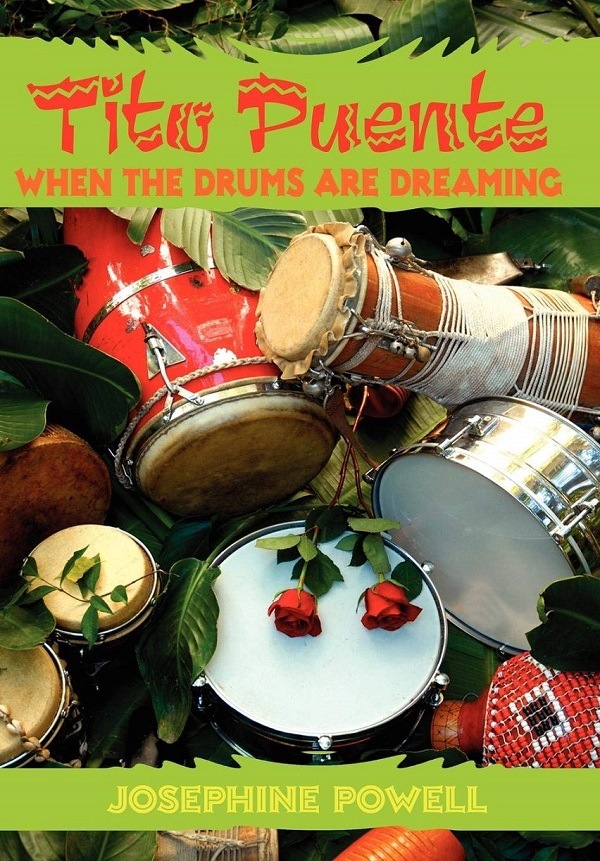
“Tito Puente: When the drums are dreaming” A biography of the King of Latin Percussion by Josephine Powell

North America – USA –CaliTifornia

This month we are sure that you will have time to enjoy an excellent reading at home. So we recommend this book by Josephine Powell. An interesting biography about the legendary Tito Puente, that takes us on a journey through the more than 60 years in which he performed.
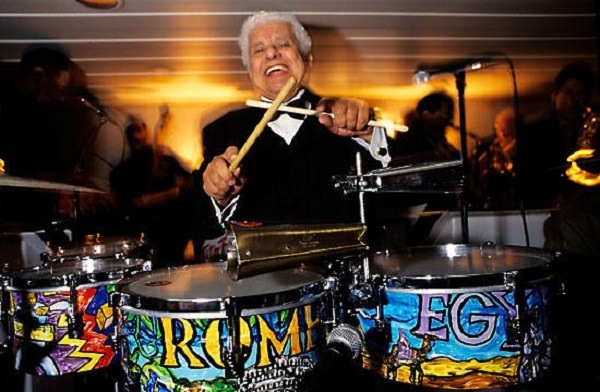
Further the life of Tito Puente, you can know his insight into the Latin music industry. With many anecdotes of his encounters, racial discrimination while touring and how that impacted his relationship with other band members. There are also numerous insights into his personality, his temperament, and the many obstacles he had to overcome to achieve legendary status.

Josephine Powell’s book on Tito Puente and his contributions to Latin music and dance is a treasure trove of people, places, facts and history. Because of the author’s place in the history of Latin dance, she takes the reader with her through that fascinating maze of how artists like Puente changed the exposure and tastes of the American public and the world.

The Latin Ballroom world today reflects how we adore – and then neglect and forgets – the people who made us who we are. She mentioned many fascinating dance-related characters in this story that takes place in New York, Los Angeles, Miami, the Catskills and Havana.

It is also a much-needed history of great nightclubs and ballrooms, which are only dim memories for the young – but in their time, were the breeding grounds of Latin music and dance. Tito Puente’s percussion and passion are finally brought to life in a fascinating book.
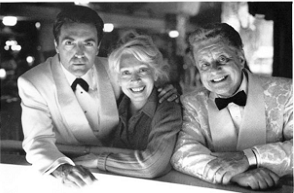
To remember Tito Puente’s career as accurately as Josephine Powell has done makes this biography a worthwhile read. Tito Puente the man and Tito Puente the musician are blended into the tempo of the times during which the musical man lived. For young musicians seeking success Josephine Powell’s well-written commentary provides a glimpse of what can lie ahead in one’s career; so do read Powell’s take on Tito Puente’s life and perhaps capture a taste of how you too can climb the charts with a dash of spice in your style.
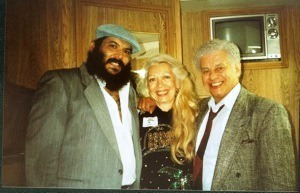
With over 100 albums, several Grammy nominations, 7 Grammys and posthumously awarded The Grammy Lifetime Achievement Award in 2003, his footprint in the world of music will forever be the standard of excellence that others will look to emulate.

Josephine Powell took on the monumental task of writing about his life, the forward was written by Tito Puente 2 months before he died.

Because of their lifelong friendship of many decades, Josephine was the one person who could create this book. Her talent and passion will pulled this off to perfection. He was a man who brought his music to the world, and put the Mambo on the map.

This book never could have been written without her dedication and perseverance and the personal moments she shares. From the very first chapter, the quality of her writing can be seen as she starts with the moments leading up to his death and continues for 16 more, giving you the history of Latin music from its inception to the music of today. Throughout her many archives of pictures from her private collection, your eyes will wide with wonder.

Josie Powell traces the evolution of Afro-Cuban, Puerto Rican and jazz forms from their generally recognized origins through the end of the twentieth century, focusing on Puente’s interactions with professional allies and constant rivals.

Powell documents musical events as an aficionado of the Latin genres, almost religiously avoiding disclosure of Puente’s family life. Those not yet born during the Big Band decades or Mambo mania can imagine the atmosphere from descriptive passages of Manhattan ballrooms, Havana dance halls, LA nightclubs.

About Tito Puente

Ernesto “Tito” Puente was born in 1923 in Spanish Harlem and grew up with the advent of radio and American swing bands. At 10 years old he aspired to be a dancer, like Fred Astaire. An ankle injury gave him the opportunity to explore his talent as a musician. At fourteen he won the coveted Benny Goodman, Gene Krupa drum contest. Tito became a master percussionist. His instrument was the timbales, a pair of cylindrical drums beat upon with sticks. When he joined the dynamic Machito Orchestra at seventeen he saw a promising future, but the Japanese attack on Pearl Harbor December 7, 1941 took him off to war.

He led a makeshift orchestra delivering lovable American wartime tunes when he was not fighting. He returned home wounded, weary and jobless. Puente’s tale should have been the story of every returning American GI, who went off to war, came home to his sweetheart, attended college, raised a family and settled down in an adorable house. Things were not that way.

After the war his obsession for Cuban music drove him to Havana. He attended secret meetings of Santería, an Afro-Cuban religious cult with its roots steeped in mysticism often referred to as black magic. With the lure of the sacred batá drum he discovered a world of rhythms never heard by a white man’s ear. He found himself inside the beat, and thoroughly possessed. Soon Tito became a devotee of Santería and used those drum patterns and calls, which were the mainstay and backbone of his music. Today this hot hypnotic music is known worldwide as Salsa.

About Josephine Powell

Author Josephine Powell – a music historian, lecturer, and consultant on ballroom music and dancing and Latin American music – was a consultant (music, history, and dance) on the motion pictures Salsa, Havana, and The Mambo Kings, and their soundtracks; The Mambo Kings track received a Grammy Nomination. She also consulted on two Golden Eagle television shows; two television documentaries, one Presidential Inaugural Ball, and two Grammy-winning record albums by her mentor Tito Puente.

In 1990, she obtained a star for her mentor on Hollywood’s Walk of Fame, orchestrated his associated live concert on the Boulevard, and organized a gala event at the Hollywood Roosevelt Hotel, with music industry executives, film producers, and celebrities.

Powell’s dance career took her to the South Pacific, the Philippines, Guam, Hong Kong, Thailand – where she performed for the Royal Family – and Vietnam, where she introduced mambo to the troops in a revue she wrote herself. A Gold Medal ballroom dancer, Powell was Tito Puente’s West coast mambo dance partner, and a cast member of the Broadway show Sketchbook in Las Vegas.

Through touring the country for over a decade with stage and lounge shows, along with work in the recording, television, and movie industries, Powell learned wardrobe design, writing, comedy, and choreography. Appeared at the Tropicana, El Rancho Vegas, Flamingo, and Nevada Club in Las Vegas; The Golden Hotel and Mapes Hotel in Reno; The Wagon Wheel in Lake Tahoe, and The President Hotel in Atlantic City, among others.

After an injury forced her to retire from dance, Powell became a real estate agent in Beverly Hills, where she became actively involved in political work with celebrities and later joined Connie Stevens’s organization Les Girls. Powell’s work and charitable activities afforded many opportunities to work with Hollywood producers, directors, writers, and luminaries.

Powell studied the history of ballroom music and dance, ethnomusicology, journalism, and Spanish at UCLA. A regularly featured musicologist on radio stations KXLU and KPFK, Powell receives many requests for lectures and consultations. She has been a presenter and judge at numerous dance competitions, including the Feather Awards and the U.S. Open National Swing Dance Competition. The Mormon Temple Genealogical Library in Los Angeles has made her its expert lecturer on French Colonial Maritime records. Since 1986, she has conducted ten research and study trips to Havana, where she is a curatorial consultant for El Museo Nacional de la Música Cubana.
With information from: https://josephinepowell.com
You can buy this wonderful book in Amazon: https://www.amazon.com/Tito-Puente-When-Drums-Dreaming/dp/1425981585


Jay Ruiz, singer-songwriter, From the Sultana del Oeste, Mayagüez – Puerto Rico

North American / Puerto Rico / Puerto Rico 

Jay Ruiz is the stage name of Jonathan Camacho Ruiz, a singer-songwriter born in La Sultana del Oeste, Mayagüez, but raised in the Pueblo de Rincón neighborhood, the westernmost municipality of La Isla Del Encanto.

Jay Ruiz Photo
Jay Ruiz Photo

Among his ancestors, Jay Ruiz, highlights his paternal grandfather Antonio Camacho who was a musician and troubadour, in his native Rincón.

Jay Ruiz’s musical beginnings date back to his short 5 years, when he sang in the choir of the Presbyterian church he attended. However, he would later become involved in sports, which would keep him away from music until he was 11 years old, when at the middle school where he was studying, the teacher promoted him as a soloist in a 24-member choir group.

Jay Ruiz and his team

He also stands out as a percussionist, performing skillfully on the bongo, the congas and the drums; instruments that he would learn to play by ear when he was 8 years old.

When he turned 12, the guitar and the bass would be the instruments that would captivate him and to which he would dedicate his time.

When he turned 15, he decided to form his own Christian music group: this is how the New Creation group was born, in which he developed as a drummer and singer.

A year later, while he was a member of the baseball team that represented Puerto Rico, he was about to be signed by the University of Cleveland, but in the process he was diagnosed with neck and throat cancer.

Jay Ruiz photo
Jay Ruiz photo

He traveled to Maryland to undergo exhaustive examinations at the John Hopkins Hospital, the same ones that would determine that he would undergo six months of chemotherapy and subsequent radiotherapy, treatments that he would receive at the San Jorge Children’s Hospital (Santurce, Puerto Rico).

Before the radiation treatment he was warned that he would lose 85% of his vocal abilities, however, the story was different: August 12, 2001, he would finish the treatment for his illness and five days later, for his birthday, he meets in his town -Rincón- to the entire community in a musical activity in which he would play, sing and give testimony of his case.

Jay Ruiz
Jay Ruiz

Thinking about his future, he studies at the Interamerican University, San Germán Campus, where he obtains a bachelor’s degree as a Physical Education teacher for children with disabilities.

The illness of his father, who lived in New York, forces him to cross the pond to take care of him, until his death, five years later.

In 2011 he returned to Puerto Rico, and enrolled in the Ponce Paramedical College at the Mayagüez Medical Center, to continue studying Physiotherapy, however, he became involved again in music participating in the famous franchise IDOL PUERTO RICO, ranking among the 32 last finalists. He continues his academic life and at the same time, works as a chef in a restaurant, a situation that would lead him to serve a musical entrepreneur based in New Jersey (United States) who was visiting the island, and with whom he would start a friendly relationship first, that would turn into work a few months later, when the businessman invited him for an audition in the neighboring municipality of Cabo Rojo.

Jay Ruiz boards the flight

After that meeting, in 2014, Jay Ruiz would pack his bags again to settle in Newark (New Jersey, USA) from where he would launch his career as a performer of the bachata genre, and that he would have on the songs “Ven A Mí , Girl” and “Culpables” two singles of wide diffusion and consideration in the international radio circuits, to the point of having disputed with the last mentioned cut, the category of Favorite Tropical Song of the Latin American Music Awards between great personalities of the music like Víctor Manuelle, Prince Royce and Gente de Zona (feat. Marc Anthony).

Jay Ruiz
Jay Ruiz

In 2017 he becomes independent, returns to Puerto Rico and decides to promote his career, but this time as a salsero, recording the single “Lo Sé”, of his own, under the production of maestro Nino Segarra.

Two years later, he brings us this new single, of which he is also the author, both of the lyrics and the melody.

Jay Ruiz
Jay Ruiz

The following staff participate in this single:

Lyrics, Melody & Interpretation: Jay Ruiz

Arrangement: Ceferino Caban

Complete Percussion: Rafael “Tito” de Gracia

Bass: Alexis Perez

Trumpets: Luis Aquino

Trombones: Jorge Dobal

Choirs: Norberto Vélez Curbelo, David Carrero & Ceferino Caban

Piano & Keyboards: Ceferino Caban

Mastering: Esteban Piñero

Jay Ruiz
Jay Ruiz

Luis Conte: A great percussionist respected all around the world

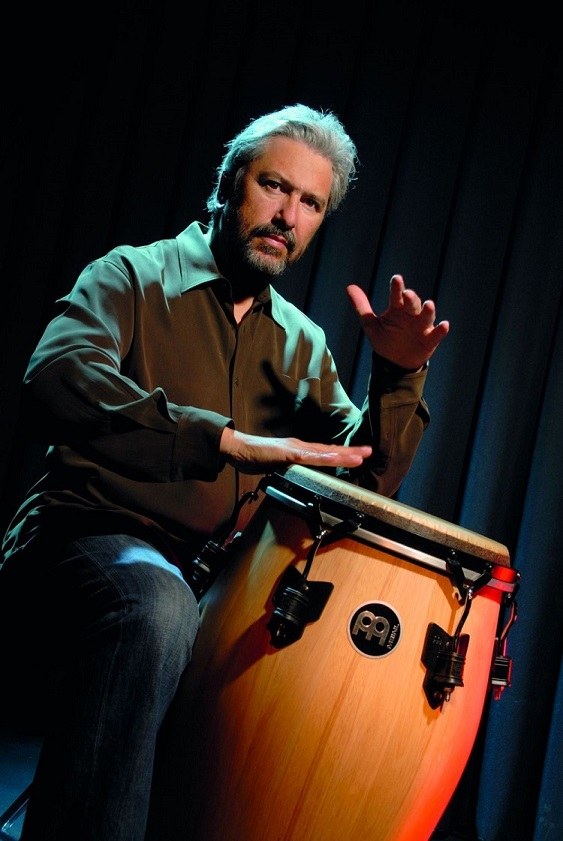
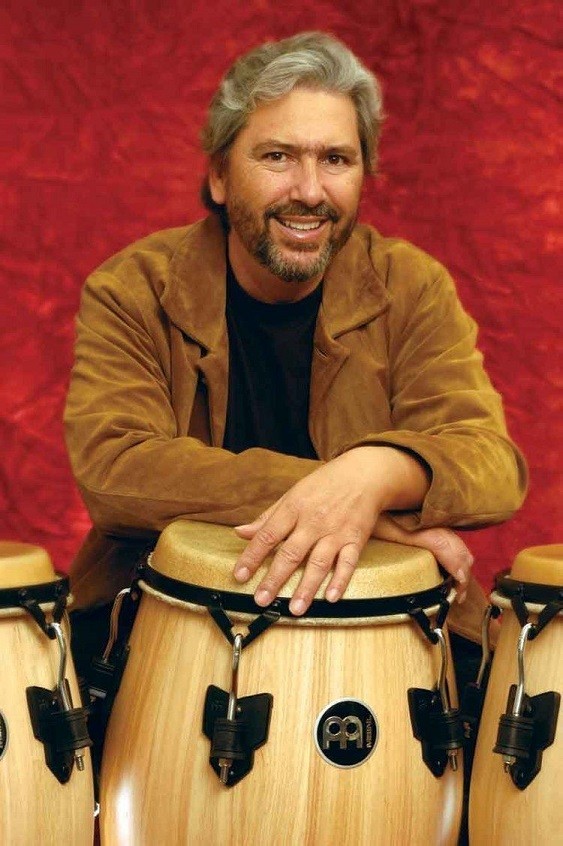
Luis Conte is recognized as one of the most respected and prolific percussionists in contemporary music. Famous and respected around the world, this Cuban artist has backed acts such as James Taylor, Madonna, Eric Clapton, Carlos Santana, Phil Collins, Rod Stewart, Shakira, Aretha Franklin, Céline Dion, Selena and hundreds more.

The Grammy winning musician Luis Conte known for flawless technique and an unparalleled ability to seamlessly incorporate Latin percussion and world drumming into popular music. He is a master of percussion instruments such as the cajon, congas, timbales, bongos, clave, cowbell, shakers, maracas, pandeiros, and guiro. In addition to Latin and World rhythms, Luis teaches Hip-Hop, Electronica, Jazz, Reggae and many other styles.

Luis Conte playing the drum

Conte is originally from Santiago de Cuba, where he grew up surrounded by the most authentic traditions of traditional popular music and the strong rhythmic presence of the music from Santiago. Living in Santiago he could see and hear the Santiago conga, the carnivals, the street rumbas. His father took him to events. He also remembers the Santiago trova. There was always music in his house and his father’s troubadour friends played. To all this he attributes a lot of his way of playing and interpreting all forms and styles of music.

Very young he emigrated to Spain and then to the United States, there he settled in Los Angeles. In this city he began his musical career as a guitarist in various rock groups. Later he developed his talent on drums and percussion at Los Angeles City College, he quickly became one of the most respected percussionists internationally.

Conte proved himself versatile musically, at the age of 18 he began to move in the musical circle, and by 1973, he was playing regularly in local clubs. He quickly became a busy studio musician, and throughout the 1970s, he played in the Latin Jazz band Caldera. His first tour was in 1974 with The Hues Corporation, they had a hit titled “Rock the Boat”. From there everything continued, always making new contacts and relationships with musicians and, since then, he has worked with countless artists and recorded on more than 2,000 albums.

Some of Luis’ musical influences :

  1. All the drummers that play in Carnival in Santiago
  2. Tata Guines
  3. Mongo Santa Maria
  4. Papin
  5. Patato Valdez
  6. Armando Peraza
  7. Francisco Aguabella
  8. Airto Moreira

His live performance and touring career took off when he joined Madonna’s touring band in the 1980s. To date, Conte has built an extremely successful career including a run composing and playing in ABC TV’s Dancing with the Stars band, among dozens or hundreds of other tv and film projects.

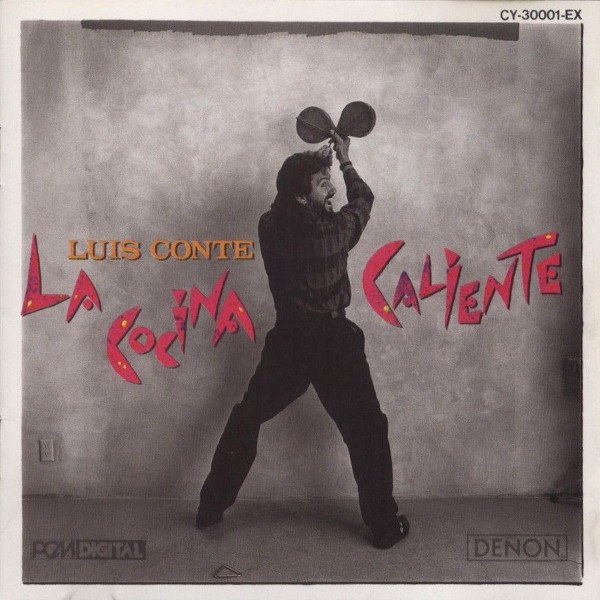
His debut as a bandleader came in 1987, when he released La Cocina Caliente, which included a Latinized version of Chopin’s “Susarasa”. Conte also played percussion on the Pat Metheny Group release ‘We Live Here’, in 1995, on the Pat Metheny ‘From This Place’, in 2020 as well as I Mother Earth’s first two albums Dig (1993) and Scenery and Fish (1996).

Conte has toured as part of James Taylor’s “Band of Legends.” He has also played alongside such famed musicians as Alex Acuña, Jaguares, Larry Klimas, and David Garfield, both as a bandleader and a sideman.

Luis Conte was part of Phil Collins 1997 “Dance into the Light” tour and 2004 “First Farewell Tour”, performing in both of them Afro-Cuban percussion and adding more depth into the concert songs. He also performed during The Phil Collins Big Band tours in 1996 and 1998 and again during the Phil Collins Not Dead Yet tours 2017/2018. In 1999 Conte collaborated in Maná MTV Unplugged project.

The cinema has also had the collaboration of this great artist who has participated in the recording of the soundtracks of well-known titles of contemporary filmography such as Transformers (1 and 2), The Lost City (Andy García), Hankock, Rain Man, Mission: Impossible, The Italian Job, among others.

Photo of Luis Conte on stage

He transmits his knowledge

Knowledge is nothing if it is not shared so that more people can progress and grow music, and Luis Conte knows it. For this reason he began the following initiatives.

Luis Conte has created an extensive repository of world percussion lessons. Students in the percussion course have unlimited access to a collection of guided, high quality percussion lessons and an extensive library of play-along tracks.

In addition, it has its own line of drumsticks and instruments supported by Meinl Percussion and the company of instruments of Zildjian. Has launched its line of congas, drums and shakers that was unveiled at the NAMM Show (2005).

Conte has the Guide to Latin Percussion Vol. I in its 2nd Edition, with the aim to help you become a well-equipped percussionist capable of performing comfortably in the most common musical situations within the Afro-Caribbean/Brazilian spectrum.

Proud to be Cuban

Luis Conte and Phil Collins

Luis Conte has always shown a deep love for his country. He carries his name with pride wherever he goes. In 2009 he had the opportunity to return to Cuba and it was a dream come true.

In an interview he stated: “When I returned to Cuba I realized that it had not been complete, my heart was missing something and that was to be back in Cuba, I am already whole.”

Conte listens and always tries to be aware of what is happening musically in Cuba. Cuba is a source of music.

He eagerly awaits the opportunity to travel to Cuba and be able to play with the great interpreters of the island.

For him, the Cuban is in the field with its royal palms, the sea breeze, the beaches, the mountains of the East, cane, tobacco and rum… the rumba, the changüí, the danzón, the mambo, the son, the tres guitar, the tomb, the bongo and the harpsichord… the maracas and the güiro. Always affirms: “Cuba is Cuba!”

Luis Conte’s Discography

In addition to having participated in countless albums for various artists, many of them worldwide success, Luis Conte has his own discography, among which is:

  • La Cocina Caliente, Denon Records (1988)
  • Black Forest, Luis Conte, Denon Records (1978, Realización 1989)
  • The Road, Luis Conte (1995)
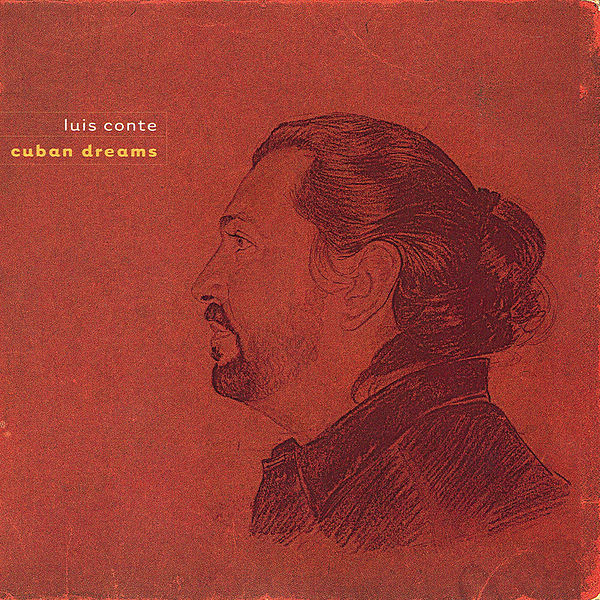
  • Cuban Dreams, Luis Conte, Rounder Records (2000)
  • Dvd Luis Conte Signature Congas, Meinl
  • Dvd Live At Pas, Luis Conte
  • Dvd Studio Percussionist, Luis Conte (2003)
  • Dvd The Latin Jazz Trio, Luis Conte, David Garfield, David Carpenter.
  • A Coat Of Many Colors, Wolds Drummers Ensemble, Summerfold (2006)
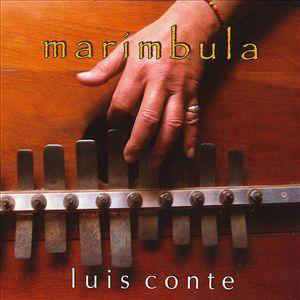
  • Marímbula, Luis Conte, (2007)
  • Dvd The Ultimate Drummers Weekend, 10th Anniversary, Dave Weckl Band (2010)
  • En Casa De Luis, Luis Conte Bmf Jazz (2011)
  • Our World in Song, Wu Man, Luis Conte Y Daniel Ho. Wind Music International (2014)
Luis Conte La Cocina Caliente
Luis Conte Marímbula
Luis Conte Cuban Dreams

Deserved awards

Luis Conte’s genius stems from his ability to integrate the powerful rhythms of his native Cuba with the American necessities of American pop music. His long and varied career has included numerous awards.

“Percussionist of the Year” – Modern Drummer Reader’s Poll (2009, 2010, 2011, 2012)

“Percussionist of the Year” – Drum Magazine (2007, 2008, 2009)

“Studio Percussionist of the Year” – Drum Magazine (2007, 2008, 2009)

Nominated for the 2015 Grammy Awards in the category of “Best Music Album in the World” for Our World in Song, Wind Music International (2014).

From 2018, is the Cultural Ambassador of Instituto Latino de la Música (ILM).

New plans are coming

For this 2020, Conte had a tour scheduled with James Taylor, but the dates have been  postponed and are being rescheduled to 2021, so no one will be left wanting to see his magnificent presentation

” I really don’t know how I got started playing. As far back as my memory will go, I owned a drum. It’s like asking someone how long they’ve been breathing.”

Luis Conte
Luis Conte

A walk through the history of Latin music in the United States

Latin music has been of great in­fluence for singers in training and, without a doubt, marked the lives of its pioneers. Some born in Spanish-speaking countries and others with descent from these lands have not been able to put aside the ­flavor that has been inherited to them. There are those who affirm that these tropical and Caribbean rhythms are carried in the veins and it is very difficult to get rid of these roots.

The arrival of Latinos in the United States also implied the arrival of their customs and culture. Latin music is considered to be a large number of genres, including: salsa, merengue, bachata, bolero, bossa nova, reggaeton, rumba, ranchera, cumbia, tango, among others.

Photo of Latinamerican Festival at Nagoya in Golden Week

Latinamerican Festival at Nagoya in Golden Week

How did Latin music begin to enter the United States?

Latin American music has in­fluenced American music, starting from jazz to country music. Many bands added congas, percussion, or maracas to their instruments as they were drawn to the result these elements brought.

Starting in 1940, the music of Latin America, which still did not have a specific term, covered a greater number of audiences in the United States; international radio networks broadcast different themes of the time. In addition, they featured different Mexican bolero musicians such as Alfredo Antonini, Néstor Mesta Chayres, Eva Garza and Juan Arvizu. In the 1940s the US also heard the “Calypso” with great acceptance.

It was not until the 1950s that the term “Latin music” became popular, seeking to establish a difference between Afro-American and Afro-Latin American rhythms. Some artists marked this musical fusion to a greater extent, making the best of Latin music known on American soil. During the 1950s, music brought to the north from the island of Cuba, such as mambo, cha-cha, and rumba, was very popular. As well as the famous Mexican songs: rancheras and mariachis.

Some Latino artists who marked the history of Latin music in the United States Tito Puente was an American percussionist with Dominican origins remembered for his participation in worldwide jazz, Cuban music and salsa. In 1950 he helped promote the genre of mambo and cha-cha. His album “Dance Manía” was considered the most famous by the artist, it was one of the most heard among the Latino community in the US The album also set a precedent by being recorded in Spanish, generally, Latin albums were in English or with instrumental songs. It was Tito Puente who broke with this tradition.

At the beginning of the 20th century, tango touched American soil. Then, in the 70s, the Argentine Astor Piazzolla gave something to talk about by demonstrating his passion for the genre and revolutionizing what was known until that moment. Piazzolla was born in Mar de Plata but lived in New York from a very young age. It definitely changed the way of looking at music that was long marginalized, it was considered the music of the working class. The singer made mixtures between tango, jazz and contemporary classical music. His songs were a great success and were famous in bars of the time.

It was not until the late 1960s and early 1970s that the term “salsa” began to become known. Afro-Caribbean musicians mixed Cuban dance with infl­uences from jazz, Caribbean music, and American rhythms. Although in previous decades it had already had its beginnings, it was in the streets of New York where it was consolidated as a commercial success.

Photo by Celia Cruz and Tito Puente

Celia Cruz and Tito Puente – Latin music

Salsa launched artists who are now legends to stardom, such as: Celia Cruz, Willie Colón, Héctor Lavoe, Rubén Blades, Johnny Pacheco, among others.

Between the 1970s and 1990s, Dominican immigrants to the United States continued, especially to New York City, and promoted genres such as merengue and bachata. Juan Luis Guerra was one of the great exponents of both styles.

In the 90s, Selena mixed the Texan aesthetic with pop, giving her the title of the highest representative of the genre.

Entering the 2000s

In this decade, Latin rhythms continued to set the trend. Singers like Rubén Blades returned with songs that promised to be hits in the country.

At the end of 1999 Marc Anthony surprised his followers with an album of the same name. Although he was already known in the salsa genre, he decided to try other styles. With the intention of reaching the Anglo market, he is encouraged to sing in English. “I Need To Know” is a cha-cha song that quickly became popular in the United States. For eleven weeks it remained in the top North American positions, ranking in the Top 10 on the Billboard. The Spanish version won the Grammy for the best Latin song of the year 2000.

Marc Anthony was one of the artists who marked this decade in the US That same year a compilation of his best salsa songs went on sale, which he called: “Desde el principio”. With these successes to his credit within this country, he set out to make an important tour of the United States. Canada and Central America. Madison Square Garden in New York was over­flowing with fans who wanted to hear this American singer but who positioned himself as the leader of a Latin genre.

Photo by Marc Anthony

Marc Anthony

The opening of “I Need To Know” appeared in the Nissan Versa commercial in the United States and in 2009 it also featured in an American Dad chapter, an American television series; thus giving greater projection to this genre throughout the North American territory.

During this decade, salsa and Latin music in general ended up positioning themselves in the United States.

In 2002 Blades launched his album “Mundo”, becoming one of the most popular in the United States. In fact, it won a Grammy. The album contained a mix of various rhythms and instruments. The artist wanted to create a fusion of cultures and musicians from different countries. “Estampa” was a subject with great acceptance as it evoked the Afro-Cuban infl­uence in New York music.

By the year 2000, there were already music channels and with them the projection of emerging talents who in many cases did not speak the English language. The dynamics of these channels focused on the public, who chose which songs and videos were to be played, giving the opportunity to many young, little-known artists. They were also considered a springboard for the singers of the season and the Latin movement in general.

A movement that is here to stay

Latin music had come to continue making history and it was time to give it greater merit within the American spectacle.

Today, Latin singers, songwriters, and bands are innumerable. Latin music continues to gain space in the United States and more and more artists are achieving success within its borders. In addition, the endless awards that enhance their work in the industry.

Ruben Blades - Mundo

Ruben Blades – Mundo

The consumption of these musical rhythms has increased throughout the American territory. Latinos and followers of this genre have gained space over the years; they can enjoy nightspots, live music, festivals, concerts and much more. Long live Latin America and its people! Long live the United States and the countries that have opened their doors to Latin music

Five Latin – Caribbean artists who triumph in Canada

Canada is another of the countries that has been influenced by the arrival of Latin music. Its beginnings are attributed to the immigration of Latin Americans to their lands.

Canada's map
Canada’s map

By sharing borders, the United States and Canada tend to have similarities in the musical field. In the 90s, Latin music was present in Canada. However, Spanish pop singers such as Julio Iglesias and Gloria Estefan, as well as Lydia Mendoza, an interpreter of Tejano music, were already known.

Having Latin Americans started a kind of Latino roots, allowing Latin music to gain more ground on Canadian soil. Singers like Celia Cruz, Willie Colón and Rubén González made their songs sound in Canada. However, the beginnings of Latin music in the country are attributed to Ferdinand Morton, known in the artistic field as Jelly Roll Morton, an American jazz pianist.

Starting in 1999, Latin music had a greater growth, beginning to be heard on radio stations, events, festivals and national television stations. By that time singers like Ricky Martin were already being heard in other parts of the world.

Selena, Buena Vista Social Club and Jennifer López. Arriving in Canadian lands was no exception. In fact, Buena Vista Social Club’s album broke a record by becoming the highest-selling Latin album in Canada.

Surprisingly, Canadian artists were also captivated by the benefits of Hispanic countries, by the Caribbean flavor and the warmth of its people. Nelly Furtado, singer, songwriter and producer born in Canada was inspired by the island of Cuba for her album “Mi Plan”. Furtado recorded what would be his fourth album entirely in Spanish. It featured the participation of renowned Latin artists such as Juan Luis Guerra, Alejandro Fernández and the Latin American Julieta Venegas.

“I think this album has several of my first true love songs. They are not complicated. They were not over-thought and I discovered that it is liberating to be able to sing in a Latin language and express my Latin soul,” he said.

Mi Plan obtained great merits and was positioned as the album in Spanish with the highest sales numbers recorded by a Canadian singer. Undoubtedly, a suitable place for many Latino musicians of birth or descent who have wanted to try their luck outside their borders. Some have succeeded and today are among the most loved in Canada.

Some representatives of Latin music in Canada

Hilario Durán, Cuba

Photo by Hilario Duran

Hilario Durán

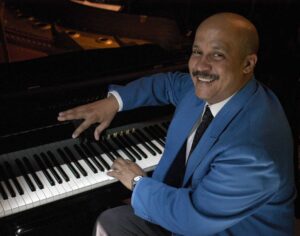
Hilario was born in Havana in 1953. He moved to Canada in the late 90’s, after touring the world with his band “Perspectiva”. He is a famous jazz pianist who fell in love with Canada and decided to live on its streets. He joined the Afro-Cuban jazz band “Spirit of Havana” belonging to Jane Bunnet, a Canadian lover of Cuban culture. In fact, Bunnet regularly travels to Havana to perform with Cuban musicians.

Hilario Durán has become known in Canada and other parts of the world thanks to his orchestra (Big Band), where together with his friend Roberto Occhipinti, a Canadian musician, they bring together Cuban and Canadian musicians. Leaving Latin jazz high. In 2007 he was nominated for a Grammy for his album “From the Heart”, along with Roberto D’Rivera. In addition, it obtained three Juno Awards and different awards in Canada.

Amanda Martínez, Mexico

Photo - Amanda Martínez in concert

Amanda Martinez in concert

Amanda Martínez was born in Toronto, Canada with Latino blood. His father is Mexican. Martínez studied biology and business administration but decided to take a course in his life and dedicate himself to what he really loved: music. The artist was not wrong in her decision. He has left his roots high by venturing into Latin jazz.

In 2007 and then in 2009 she was nominated for the Latin Jazz Artist of the Year Award at the National Jazz Awards in Canada. He has three albums to his credit and his first album “Sola” won the Best World Music award, selling around 6,000 copies.

Martínez has performed on famous stages and renowned events; she sang at the Winter Garden Theater, at the Koerner Hall in Toronto, the Festival Centro Histórico de México, at the Montreal Jazz Festival

Ogguere, Cuba

Ogguere's photo

Ogguere

Aka Edrei Riveri, is a Cuban singer and songwriter who resides in Canada. It has become famous for its musical fusions. He walks through rap, hip hop, jazz and la chacuba. A mix of cha-cha and rap. It is registered as the first mix between both styles.

Ogguere has two solo albums, “Solar” released in 2011 which earned two nominations for a Cubadisco award and “Raíces”. He moved to Toronto in 2010 and has since become an immediate reference in jazz and hip hop.

Natasha Roldán, Colombia

Photo by Natasha Roldan
Natasha Roldán

Born in Colombia and based in Toronto, Canada, Natasha Roldán breaks stereotypes in the musical field. She walks between jazz and bossa.

The artist has a fair complexion and very light eyes. From what anyone would believe, she is a native Canadian singer. However, her Colombian roots run deep in her career.

For Natasha it is important that the musical boundaries collapse. It promotes pattern-free Latin music.

“I think that above all I break many stereotypes because people in Canada whenever they think of Latin music, identify it directly with salsa or bachata. Well, and now reggaeton (laughs). And everything is linked to a super sexy image of the Latin woman, who dresses spectacularly and clearly I am not like that.

Therefore, it is very gratifying to share another type of music that people do not know such as bambuco, cumbia, Argentine zamba, Brazilian music aside from bossa nova … and whenever I talk to someone and they discover that I am always Colombian They ask me why I don’t play such music or dance this.

Suddenly I break with the stereotype but not because it is a bad stereotype but because other things have to be shown as well ”, she expressed in an interview for the Hispano Phone portal.

Her music has allowed many Canadians to have access to the Latin culture and to experience sounds with different influences.

Henry Vivel, Colombia

Photo by Henry Vivel

Henry Vivel

Henry was born in Colombia but moved to New York and later to Toronto. In New York he had the opportunity to study music with Enrique Gil, musician and composer. After his arrival in Toronto, he worked in Sky’s Banda, a group that performed at weddings and different events. He sang Latin music.

In 2009 he became the leader of the Tropicanada Orquesta. Pioneer Latin Orchestra in Toronto. They have participated in different salsa festivals and radio stations. Henry and the band have also been a part of different charities in Canada and other countries. In the same way, Henry has joined social causes for the inclusion of immigrants, he has taught them English and part of Canadian culture.

In 2013 he was nominated for the Oye Awards and 10 Most Influential Latinos in Canada. The singer is very pleased with the affection of the Canadian public.

“The chemistry is so great, especially with those who don’t understand my songs in Spanish, which makes the language barriers dissolve into enjoying themselves, dancing and having a good time. With the orchestra I have been able to witness how people enjoy the beauty of Latin music and it makes me very happy to be a Colombian who sings to Canadians and who puts up our musical roots ”, he commented

Toronto has been a city with great Latin influence. Canada has received mixtures of different cultures and they have formed a variety of styles that locals and visitors enjoy. It has been one of the countries that receive the foreign musicians as part of a great family and give them the opportunity to present their work. They have a great affection for Caribbean music.

  • « Go to Previous Page
  • Page 1
  • Page 2
  • Page 3
  • Page 4
  • Page 5
  • Page 6
  • Interim pages omitted …
  • Page 10
  • Go to Next Page »

International Salsa Magazine (ISM) is a monthly publication about Salsa activities around the world, that has been publishing since 2007. It is a world network of volunteers coordinated by ISM Magazine. We are working to strengthen all the events by working together.