

• Skip to primary navigation
  • Skip to main content

International Salsa Magazine

  • HOME
  • Previous editions
    • 2026
      • ISM / March 2026
      • ISM / February 2026
      • ISM / January 2026
    • 2025
      • ISM / December 2025
      • ISM / November 2025
      • ISM / October 2025
      • ISM / September 2025
      • ISM / August 2025
      • ISM / July 2025
      • ISM / June 2025
      • ISM / May2025
      • ISM / April 2025
      • ISM / March 2025
      • ISM / February 2025
      • ISM / January 2025
    • 2024
      • ISM / December 2024
      • ISM / November 2024
      • ISM / October 2024
      • ISM / September 2024
      • ISM / August 2024
      • ISM / July 2024
      • ISM / June 2024
      • ISM / May 2024
      • ISM / April 2024
      • ISM / March 2024
      • ISM / February 2024
      • ISM / January 2024
    • 2023
      • ISM / December 2023
      • ISM / November 2023
      • ISM / October 2023
      • ISM – September 2023
      • ISM – August 2023
      • ISM July 2023
      • ISM Edition June 2023
      • ISM – May 2023
      • ISM April 2023
      • ISM March 2023
      • ISM February 2023
      • ISM January 2023
    • 2022
      • ISM December 2022
      • ISM November 2022
      • ISM October 2022
      • ISM September 2022
      • ISM August 2022
      • ISM July 2022
      • ISM June 2022
      • ISM May 2022
      • ISM February 2022
      • ISM January 2022
    • 2021
      • ISM December 2021
      • ISM November 2021
      • ISM October – 2021
      • ISM September 2021
      • ISM August 2021
      • ISM July 2021
      • ISM May 2021
      • ISM April 2021
      • ISM June 2021
      • ISM March 2021
      • ISM February 2021
      • ISM January 2021
    • 2020
      • ISM December 2020
      • ISM November 2020
      • ISM October 2020
      • ISM September 2020
      • ISM August 2020
      • ISM July 2020
      • ISM June 2020
      • ISM May 2020
      • ISM April 2020
      • ISM March 2020
      • ISM February 2020
      • ISM January 2020
    • 2019
      • ISM December 2019
      • ISM November 2019
      • ISM October 2019
      • ISM Septembre 2019
      • ISM August 2019
      • ISM July 2019
      • ISM June 2019
  • Download Salsa App
    • Android
    • Apple
  • Spanish

Search Results for: Bar

North America / July 2024

Patrón Latin Rhythms

Ivan camblor FROM pellejo seco

Irma Kaché

Edwin Ortiz la mafia del guaguancó

PBS

Thumbnail about the salsa museum

Las Maracas promo

Martinez attorney

Canada flag

CANADA

DIRECTORY OF NIGHTCLUBS

Dirty Martini
Dirty Martini Oakville
2075 Winston Park Dr
Oakville, OntarioN, Canada L6H 6P5
+1 905 829-8400

El Rancho
El Rancho
430 College St
Toronto, Ontario, Canada M5T 1T3
+1 416 921-2752

LULA LOUNGE
Lula
1585 Dundas West
Toronto, Ontario, Canada M6K1T9
+1 416 588-0307

Marlowe Restaurant & Bar
55 York Blvd
Richmond Hill, Ontario, Canada L4B 3B4
+1 905-771-8645

Sahara
Sahara
1855 Dundas St E
Mississauga Ontario L4X 1M1
+1 905 282-0316

Smokeshow BBQ & Brew
744 Mt Pleasant Rd
Toronto, Ontario, Canada M4S 2N6
+1 416 901-7469

Mangos Kitchen Bar
Mangos Kitchen Bar
1180 Howe Street
Vancouver, BC, Canada V6Z 1R2
+1 604 559-5533

Baza
Baza Dance Studios
1304 Seymour Street
Vancouver, BC, Canada V6Z 1R2
+1 778-379-2292

Studio Nightclub
Studio Nightclub
919 Granville street
Vancouver, BC, Canada V6Z 1L3
+1 604 620-6604


United States flag

UNITED STATES

DIRECTORY OF NIGHTCLUBS

CALIFORNIA FLORIDA  ILLINOIS
MICHIGAN NEW JERSEY NEW YORK
OHIO PENNSYLVANIA TEXAS
VIRGINIA WASHINGTON
JULY 2024 FESTIVALS

Nevada circular Flag
NEVADA, US
Las vegas super congress 2024

Las Vegas  Super Congress

Jul 03 / 08 2024

3801 Las Vegas Blvd
Las Vegas, NV 89102

Washington DC circle flag
WASHINGTON DC
Sawa 2024

SAWA SAWA Kizomba

Jul 04 / 07 2024

400 New Jersey Ave NorthWest
Washington, DC 20001

Florida circle flag
FLORIDA
MSC 2024

Miami Salsa Congress

Jul 17 / 22 2024

100 Chopin Plaza
Miami, FL 33131

California US circular flag
CALIFORNIA
SFIBF 2024

San Francisco International Bachata

Jul 19 / 22 2024

1001 Broadway
Oakland, CA 94607

Escape 2024

Escape

The Hottest Bachata & Salsa

Jul 19 / 22 2024

67967 Vista Chino Cathedral City
Palm Springs, CA 92234

SFBF 2024

Hello Bachata Fest

Jul 26 / 29 2024

1333 Old Bayshore Hwy
Burlingame, CA 94010

Oxnard Salsa fest 2024

Oxnard Salsa Festival

Jul 27 / 28 2024

325 W 5th St
Oxnard, CA 93030

Exclusive with tres player Iván Camblor from the group Pellejo Seco

Cuban musicians have always found the way to stand out in the entertainment world thanks to their talent and commitment and one of those examples is Ivan Camblor, tres player and vocalist with whom we have had the privilege to talk about his career and what was achieved with the group led by him right now, which is Pellejo Seco. 

During the conversation, the artist elaborated on a few topics we found relevant to discuss and we were pleased to hear some of the most important data of one of the most important Cuban son groups in the Bay Area today.   

Ivan playing the tres
Cuban musician Iván Camblor playing the Cuban tres live

Iván Camblor’s beginnings in music   

As is the case of many other artists of his kind, Ivan showed a very early interest in music, specifically since he was at school in his hometown, Havana, Cuba. He defines himself as a self-taught composer who began his musical learning on the street, while he attended classes like any child his age.   

From a very young age, many veteran musicians saw in him the enormous potential he had for music, so they began teaching him all they knew, leading him to the path of Cuban son and traditional Cuban music. Today, these genres is still his north after so many decades. 

The Felix Varela School of Music 

When he was old enough, Iván attended the Félix Varela School of Music, where he studied music appreciation theory, but unfortunately the island’s economic situation affected that part of his learning. Over time, the conditions of the institute started to worsen, making many teachers resign and leave students without chances to continue their studies, including Ivan, who could not see the classes he wanted because of the lack of staff. 

Being unable to study what he wanted, Ivan decided to continue learning on his own with the musical groups he had contact with and that is how it continued until today. 

His singing, composition and ability to play the Cuban tres came with the experience he acquired on the street and with friends who knew more about music than he did. He refers to guitarist and tres player Octavio Sánchez ”Cotán” and El Niño Rivera as his greatest teachers and influences.   

With the experience gained, he had the opportunity to go through all the Cuban music companies, since there were not many tres players at that time and tres teaching was very new.  

Ivan with Chucho Valdez
Pellejo Seco vocalist Sulkary Valverde, Cuban pianist Chucho Valdez, and Iván Camblor

Music composed by Iván for films 

Just as Iván was in several groups, he also had the opportunity to compose original music for films and such was the case of the film ”Hacerse El Sueco” directed by his great friend Edesio Alejandro, who contacted him to support him in the musical part of the production.   

It is then when he proposed him to write four or five original tracks to be used for the film, but Ivan did not mind getting credit, but helping his great friend with his project, so all the material is under his label Orula Music.    

However, he is grateful for the experience and the opportunity to help a good friend who needed his talent at that moment.   

Ivan’s coming to the United States   

Ivan remembers his coming to the United States as one of the most difficult things he had to do, since it is not easy to leave his roots and everything he knows to seek a different kind of future in other lands.   

At first, Ivan was not at all convinced of this decision, but his then partner and mother of his only son made him see that it was the best for them to leave Cuba and go to the United States to try their luck, to which the artist finally agreed.    

For many years, the tres player thought the worst of his host country because of the ideas the he grew up with in Cuba, but upon arrival, he found that the reality was very different from the propaganda he was bombarded with in his childhood and youth.   

Once he was there, he started working on the area of music that he liked most since he was in Cuba, composition. It was then that the idea of forming his own musical group started going round his head.    

Iván creó el Pellejo Seco
Iván Camblor conceived Pellejo Seco as a Cuban son and traditional Cuban music group

How the group Pellejo Seco was created   

Ivan conceived Pellejo Seco as a project in which he would pay homage to the Cuban community, so he tried to find the best musicians for the task. One of them was Cuban trumpeter Marcos Diaz, Puerto Rican Hector Lugo, trumpeter Mario Silva, Liban Montoya, Mexican singer Rogelio Maya and singer German Donatien. This is the original group with which the artist started his band, but others have already joined other orchestras or have started something on their own.   

That was more than 20 years ago and, today, Pellejo Seco has managed to consolidate itself as one of the main Cuban music groups in the Bay Area. Now, it is the most required traditional Cuban music sextet in the area. 

As for the name of the band, Ivan chose the name ”Pellejo Seco” as a tribute to the Cuban peasants whose skin is hard and dry as leather due to the sun and the working conditions that they are exposed to. 

Read also: Israel Tanenbaum from The Latinbaum Jazz Ensemble in ISM 

Marimba is the name given in Spanish to a very old musical instrument that, over time, has gained visibility and importance in many countries.

The marimba is a musical percussion instrument with a rich history that spans continents and cultures.

Although its exact origin is debated, it is believed that the marimba has its roots in Africa and was developed by different African cultures such as the Bantu and the Marimberos.

The term “marimba” comes from the Bantu “marimba” or “malimba”, meaning “single bar xylophone”.

In America, historical records indicate that diatonic xylophones, precursors of the modern marimba, were introduced in Central America between the XVI and XVII centuries.

The first known marimba in America dates from 1545 in the Santa Lucia hacienda, in the municipality of Jiquipilas, Chiapas, Mexico. In Guatemala, historian Domingo Juarros documented in 1680 the use of marimbas with gourd resonators by Mayan musicians.

Musical Duo of a Guitarist and a Marimba player in Guanacaste in Costa Rica dates back to 1888

Throughout the 17th to 19th centuries, the marimba spread throughout most of the Americas and became a typical element of Mayan and Ladino ensembles.

Today, the marimba is considered a patriotic symbol of Guatemala and Costa Rica, and its music, along with the traditional songs and dances of Colombia’s South Pacific region and Ecuador’s Esmeraldas province, was inscribed in 2010 on UNESCO’s Representative List of the Intangible Cultural Heritage of Humanity.

The modern marimba, like the one seen in the image provided, consists of a series of wooden slats of different sizes, arranged from largest to smallest, each with a different sound pitch.

They are struck with mallets to produce musical notes, and each key has its own soundboard.

The development of the modern chromatic marimba was established in Chiapas, Mexico, around 1890.

This instrument has been integrated into a variety of musical genres, from traditional Latin American music to academic concerts, jazz and martial bands.

The marimba remains a vital instrument that celebrates the cultural heritage and musical creativity of the regions where it is loved and played.

Image of a musical duet between a guitarist and a marimba player dated Guanacaste, 1888.

Learning about the materials and components of the marimba, being aware of the playing techniques and learning about the existing varieties helps to broaden cultural knowledge and to discover a wonderful universe of particular sounds.

Marimba Moderna
Marimba Moderna

It is enriching to know, among other things, that a series of woods of multiple sizes arranged from longest to shortest are essential to assemble the keyboard. For the soundboard, on the other hand, it is necessary to work on the tuning so that each wood of this structure is in tune with each key.

As for playing procedures, the four-stick technique and the art of glissando appear as alternatives to keep in mind. Of course, the most advisable thing to do is to attend a marimba workshop in order to master the techniques correctly.

Nor should we forget that, since ancient times, many types of marimbas have been made and used and have contributed their characteristic sounds to multiple musical genres and styles.

Thanks to those who dare to experiment with instruments and musical compositions without being conditioned by prejudices, for example, the folk marimba and the midi marimba can coexist in harmony, to cite two specific cases.

Marimba Antonko-AMC12

Saurce: Recuperando la historia en Guanacaste

Also Read: Son Cubano is one of the most popular musical styles in Cuba and Kiki Valera is one of its leading exponents

Toñito Laya

Latin America / Venezuela / Caracas

On this occasion we have the privilege of meeting the new Venezuelan talent Toñito Laya (singer), son of Maestro Antonio “20 DEDOS” Laya, who was one of the most significant conga players in the Venezuelan salsa movement in the 1980s, director of the “ Banbankere Orchestra” of Petare with two musical productions; giving him more than enough reason to grow in Latin music, such as “el Son”, “la Rumba”, “la Guaracha”, “el Danzón“, “Boogaloo”, “la Timba” and “la Salsa” being This is the beginning of his artistic and musical career.

Starting in the 90s, he entered the Bigott Foundation where he had the opportunity not only to learn the various rhythms in Afro-Venezuelan percussion, but also developed as a dancer in one of the most important groups in Venezuela when it comes to popular traditions. “Vasallos del Sol”, eventually becoming “Vasallos de Venezuela” in 2016, where he had 16 concerts, productions, albums and national and international tours; Colombia, Mexico, United States, South Korea and Japan, among others.

In 2006, a project called “Comprehensive School of Latin Tradition Dance 100% Tumbao” began, where many dancers were trained in the Cuban Salsa Casino genre, combining this training with Venezuelan traditions, making them understand that traditions come first. Venezuelans. Then they participated in the most important events and competitions in Venezuela, they even became Latin American Champions of “CUBAMEMUCHO 2009” in the city of Caracas-Venezuela, thus managing to represent the country in the grand final to be held in the city of Munich-Germany, 2010 .

Toñito Laya
Toñito Laya

He also tells us that in 2009, they were invited to participate in a new project but this time not to dance, but to “sing” in a group that by then had no name but a particular genre such as “Son Cubano” . From that moment Toñito began his musical career to develop in a somewhat unexpected way, he was a founder and assumed the commitment of being in charge of this group as one of its leading singers for more than 7 years, where the themes arose:

To me that, La Ruñidera, Bilongo, El Jamaiquino, I hear a drum, among others; They were part of his first musical repertoire. With two record productions together with the already structured band “La Séptima Bohemia” he consolidated his musical career as a singer, going through a training process with different teachers and vocal coaches such as:

Ronald González, Fanny Olano, Gustavo Gerardo and Marcial Istúriz, among others. others, who would help him develop in the middle of music. National tours, award nominations and concerts allowed him to share the stage alongside large-scale national and international groups such as:

Francisco Pacheco, Canelita Medina, Alexander Abre y su Habana de Primera, Manolito y su Trabuco, El Septeto Santiaguero, José Alberto “El Canario” to mention a few. Toñito records for the year 2012, the song “She takes me”, a song that in turn would be the title of the second album becoming an icon of parties, dances and social events not only in Venezuela but in many salsa and salsa dancing countries. casino in the world.

In the year 2016 Toñito Laya arrives in Aztec land to embark on a new path, he begins by residing in the city of Cancun-Mexico to sing in some local groups and participate in various projects such as: Los Panas.com, La Formula Perfecta, Grupo Swing Latin among others.

This new stage as an artist prompts him to consider a new musical challenge but this time as a solo singer with a well-defined and focused vision, his pleasant experience as a dancer motivates him to dedicate his first promotional single “ABRE QUE VOY”, this being the complement of an orchestra, for the musicians and their singers “EL BAILADOR”.

“ABRE QUE VOY” is the result of the work of talented and renowned Venezuelan musicians who give an important plus to this Musical production of “Maurice Melo”, this first single is created, performed by Toñito Laya, in the company of the Venezuelan talent of the following musicians:

  • Piano and arrangement: Joel Uriola.
  • Bass: Jesús Torres “Mandinga”
  • Percussion: Yomar Méndez “Caballo”
  • Trombone: Jhonal Rivero.
  • Trumpet: Edward Platter.
  • Baritone sax: Michel Peña.
  • Choirs: William “Wywy” Buznego, Carlos Guzmán and Ramfis Fajardo.
  • Recorded in the studio: A Tempo Records by Heyzer Cabrera.
  • Mixing and Mastering: Heyzer Cabrera.

Caracas – Venezuela 2018

If you want to meet or contact Toñito, you can follow him through:

●      E-mail: [email protected]

  • Facebook: https://www.facebook.com/tonito.laya
  • YouTube: https://www.youtube.com/channel/UCUkjU7SFnPc_W-XJDlMMzRg
  • Twitter: https://twitter.com/negrolaya


19va Entrega Anual de los Latin Grammy

North America / USA / Las Vegas

19th Annual Latin Grammy Awards. The most important award ceremony of the Latin American Music Industry will be held for the fourth time in Las Vegas, Nevada

The main international event in Spanish that brings together the best of Spanish-speaking music reaches its nineteenth live broadcast, from the MGM Grand Garden Arena in Las Vegas, Nevada for the fourth time, to reward and honor the achievements of professionals of music throughout the year. The ceremony of the 19th Latin Grammy Awards is here, and on November 15 you will be able to enjoy it through the Univisión signal for the United States and with the #LatinGrammy you will be able to follow it minute by minute during its three hours of transmission by all social networks.

19 Latin Grammy Nominaciones
The most important night of Latin music 19 Latin Grammy
Congratulations Latin Grammy Nominees

Each year the Latin Recording Academy awards recognition to Latin music in 49 categories for work recorded in two languages: Spanish and Portuguese. This prestigious institution also endorses musical genres, identifies new talent, recognizes legendary living artists, and preserves and archives both recordings and videos in order to preserve the valuable Latin American musical culture.

The global impact that Spanish-language recordings have caused this 2017-2018 has proven once again that this year each category will be close to its maximum exponential, which shows that MUSIC made by Latinos has an enormous export capacity, and further evidence that the Latin Grammy awards continue to be one of the specials with the largest audience in the country, as it integrates the largest audience of diverse generations united to witness the annual event with the greatest presence of artistic talent gathered in the same show.

FOR THIS 19TH AWARD OF THE LATIN GRAMMYS, THE NOMINEES ARE:

BEST SALSA ALBUM

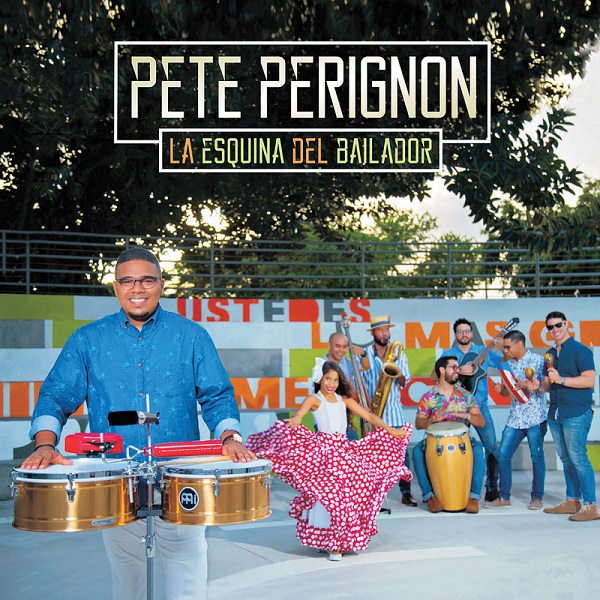
  1. Dancer’s Corner

Pete perignon

Record Label: Pete Perignon Music

“La Esquina Del Bailador” is the second production by musical director and master percussionist, Pete Perignon. This album contains five unreleased singles and five re-interpretations of classics. “Gotita Falling in Key” was his first promotional theme. This album released in 2017 has versions of classics with modern arrangements such as: “De Mi Para Ti” (Bossa recorded by Tito Puente and Santos Colón), “El Beso Discreto” original from the Cuban songbook Trio Matamoros, among many other original songs and versioned

Pete Perignon
Pete Perignon
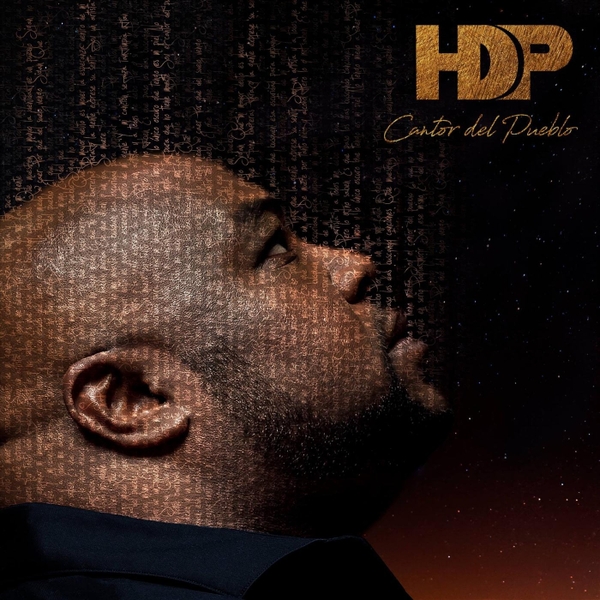
  1. Village Singer

Alexander Abreu and Havana D’ Primera

Record Label: Páfata Productions

Alexander Havana D Primera - Cantor del Pueblo
Alexander Havana D Primera – Cantor del Pueblo
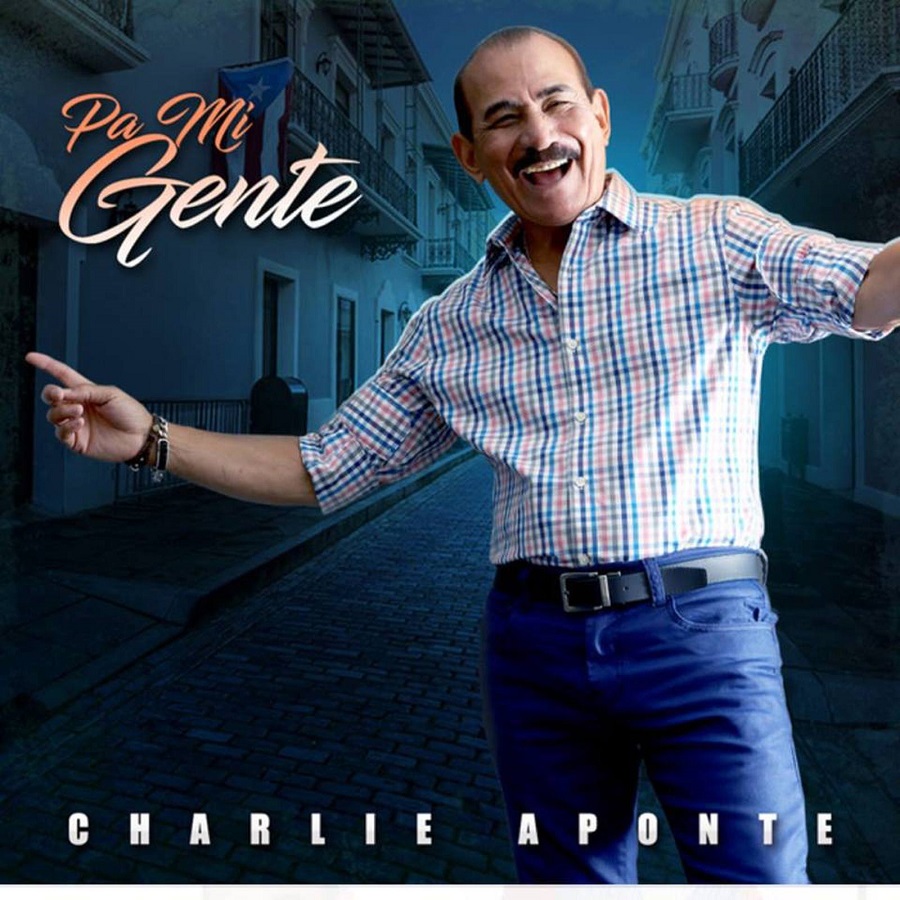
  1. For My People

Charlie aponte

Record Label: CA Records Inc.

Charlie Aponte
Charlie Aponte
  1. The Sound Makers

Chiquito Team Band

Record Label: Planet Records

Chiquito Team Band - Los Creadores
Chiquito Team Band – Los Creadores
  1. 7/25

Victor Manuelle

Record Label: Sony Music Latin

Victor Manuelle y Juan Luis Guerra

BEST TRADITIONAL TROPICAL ALBUM

  1. To Me What – Tribute To The Cuban Classics

José Alberto El Canario & The Santiaguero Septet

Record Label: Los Canarios Music

In this category, the Septeto Santiaguero, originally from Cuba, is nominated for its fourth album “A Mí Qué- Tributo A Los Clásicos Cubanos”. This ensemble founded in 1995 recorded this production in the company of the Dominican interpreter José Alberto “El Canario” and other music stars. This record material has 13 Tracks and was released on May 25, 2018.

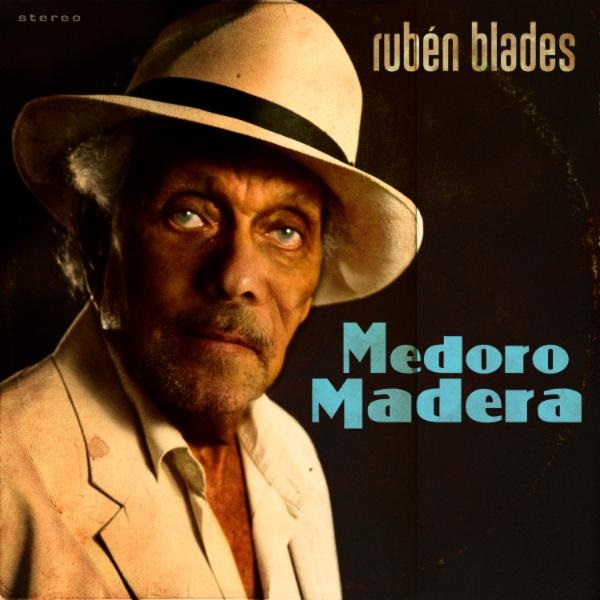
  1. Medoro Madera

Rubén Blades With Roberto Delgado and Orchestra

Record Label: Ruben Blades Productions

Medoro Madera
Medoro Madera
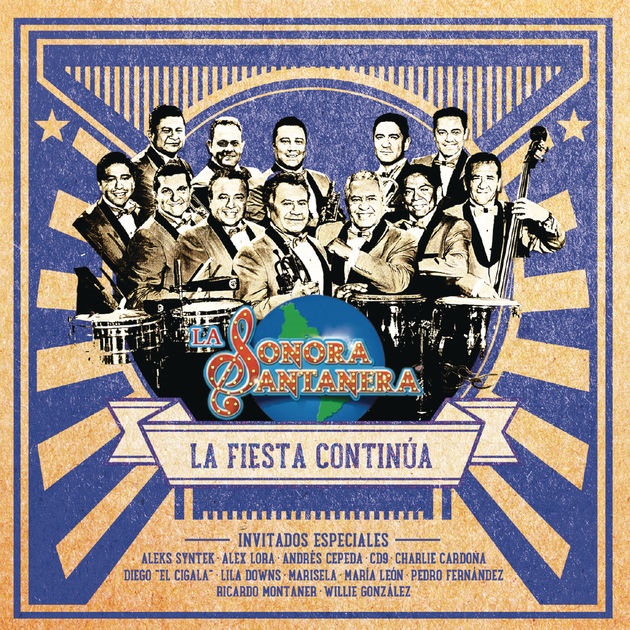
  1. The Party Continues

The Sonora Santanera

Record Label: Sony Music

Sonora Santanera
Sonora Santanera
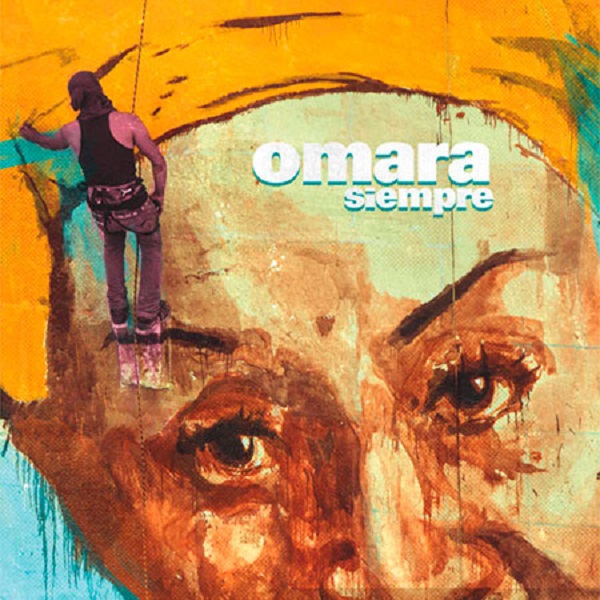
  1. Omara Always

Omara Portuondo

Record Label: Egrem

Omara
Omara
  1. Reasons

Maria Rivas

Record Label: Angel Falls Artists Inc.

Maria Rivas
Maria Rivas

BEST TROPICAL SONG

  1. I want time

Juan Carlos Luces & Víctor Manuelle, songwriters (Víctor Manuelle Featuring Juan Luis Guerra)

Cut off: 7/25

Record Label: Sony Music Latin

Victor Manuelle 25/7

The prominent Puerto Rican singer-songwriter and producer, Víctor Manuelle, began his professional career in 1993, and to date has sold millions of records worldwide. He has earned 16 LATIN GRAMMY and GRAMMY nominations, thus establishing himself as one of the most admired artists of his generation. He has placed 46 singles on Billboard’s weekly Hot Latin Songs chart. Eleven of his albums have reached the place of honor in the Salsa genre for sales in the United States and Puerto Rico.

His hit “Imaginar” (2016) as a duo with urban artist Yandel, broke records, reaching #1 on the tropical charts thanks to his fusions of salsa with urban rhythms. In addition, it was named the most popular tropical song of that year, marking the third time that Víctor has obtained this important recognition, after his hits “Me Da Lo Mismo” and “ Tengo Ganas”.

Tonny Succar
Tonny Succar

In this 2018, Víctor celebrates his silver anniversary as a professional artist with his new record label “25/7” under the Sony Music Latin label. This album nominated for best Salsa album features collaborations with international artists, such as: Wisin, Bad Bunny, Juan Luis Guerra, Gilberto Santa Rosa and Glenn Monroig. The single “Quiero Tiempo” taken from this production is designated as one of the candidates to win the award in this important category.

  1. Marry Me

Silvestre Dangond, Nicky Jam, Juan Medina, Mauricio Rengifo & Andrés Torres, songwriters (Silvestre Dangond Featuring Nicky Jam)

Record Label: Sony Music Entertainment US Latin

Marry Me Silvestre Dangond ft Nicky Jam
  1. Fall in love dancing

Jorge Luis Piloto, songwriter (Reynier Pérez y Su Septeto Acarey Featuring Gilberto Santa Rosa)

Cut from: Fall in Love Dancing

Record Label: Independent

SEPTETO ACAREY
SEPTETO ACAREY
  1. I fall more in love with you

Jorge Luis Piloto, Jean Rodríguez & Tony Succar, songwriters (Tony Succar Featuring Jean Rodríguez)

Record Label: Unity Entertainment

  1. Simple Hearts

Fonseca, Mauricio Rengifo & Andrés Torres, songwriters (Fonseca)

Record Label: Sony Music Latin


BEST LATIN JAZZ/JAZZ ALBUM

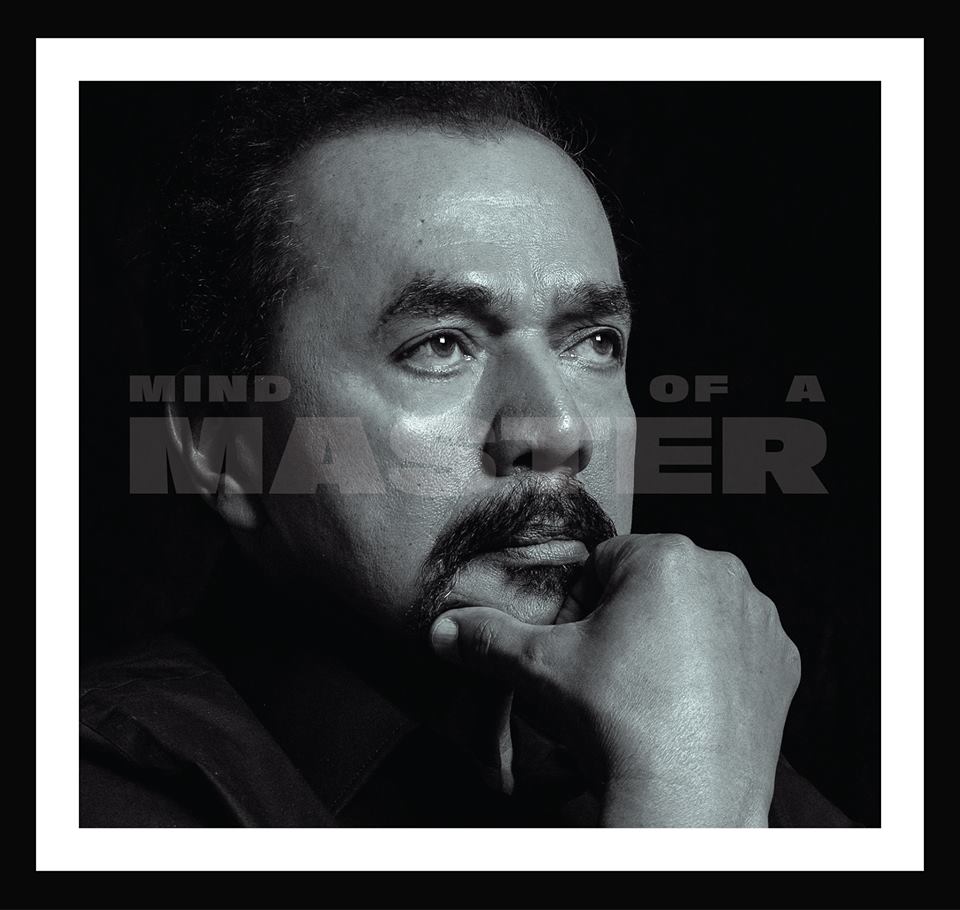
  1. Mind of a Master

Bobby Valentin & The Latin Jazzists

Record Label: Bronco Records

Bobby Valentin
Bobby Valentin
Tracks:
1. De Nuevo a la Carga 7.El Cumbanchero
2. Latin Gravy 8.Mellow Funk
3.Orocoa 9. Endless Love
4.Smooth Ride 10.Freedom
5.Blast Off 11. God Bless the Child
6. Coco Seco  


Roberto Valentin, better known as Bobby Valentin, was born on June 9, 1941 in the town of Orocovis on the island of Puerto Rico. At a very young age, Bobby learned to play the guitar thanks to the teachings of his father. At just 11 years old, he formed his first musical trio with which he won his first prize, after participating in a local competition. In 1963 Bobby Valentin joined the Tito Rodríguez orchestra traveling to Venezuela twice.

This phenomenal bass player and arranger belonged to the Fania All Stars for 20 years and also arranged music at the same time for celebrities such as: Charlie Palmieri, Joe Quijano, Willie Rosario and Ray Barretto.

In 1975 he formed his own record label “Bronco Records” and released the album, “Va a la Cárcel” Vol. 1 and Vol. 2, among others.

Over the years, Bobby has made collaborations on recordings for great artists of international fame, such as: Larry Harlow, Ismael Miranda, Roberto Roena, Cheo Feliciano and the always remembered, Celia Cruz.

Likewise, Valentin has taken over the stages performing live in the United States during this year, and more recently launched his new production “Mind of a Master”, on April 14, 2018, with which he is nominated. for this important award.

  1. The House Of A Jazz Pianist

Adrian Iaies Trio

Record Label: DBN

  1. Universal Nature

Hermeto Pascoal & Big Band

Record Label: Scubidu Music

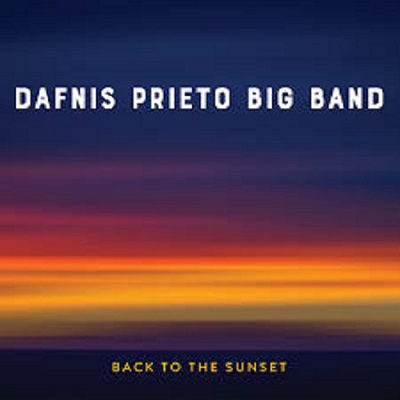
  1. Back To The Sunset

Dafnis Prieto Big Band

Record Label: Dafnison Music

PRIETO
PRIETO
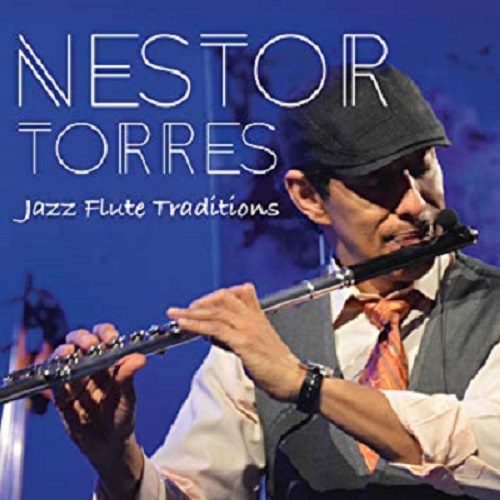
  1. Jazz Flute Traditions

Nestor Torres

Record Label: Alfi Records

Nestor Torres
Nestor Torres

For more information visit the official website of the Latin Recording Academy:

https://www.latingrammy.com/en

  • « Go to Previous Page
  • Page 1
  • Interim pages omitted …
  • Page 55
  • Page 56
  • Page 57
  • Page 58
  • Page 59
  • Interim pages omitted …
  • Page 165
  • Go to Next Page »

International Salsa Magazine (ISM) is a monthly publication about Salsa activities around the world, that has been publishing since 2007. It is a world network of volunteers coordinated by ISM Magazine. We are working to strengthen all the events by working together.