• Skip to primary navigation
  • Skip to main content

International Salsa Magazine

  • Home
  • Previous editions
    • 2025
      • ISM / November 2025
      • ISM / October 2025
      • ISM / September 2025
      • ISM / August 2025
      • ISM / July 2025
      • ISM / June 2025
      • ISM / May2025
      • ISM / April 2025
      • ISM / March 2025
      • ISM / February 2025
      • ISM / January 2025
    • 2024
      • ISM / December 2024
      • ISM / November 2024
      • ISM / October 2024
      • ISM / September 2024
      • ISM / August 2024
      • ISM / July 2024
      • ISM / June 2024
      • ISM / May 2024
      • ISM / April 2024
      • ISM / March 2024
      • ISM / February 2024
      • ISM / January 2024
    • 2023
      • ISM / December 2023
      • ISM / November 2023
      • ISM / October 2023
      • ISM – September 2023
      • ISM – August 2023
      • ISM July 2023
      • ISM Edition June 2023
      • ISM – May 2023
      • ISM April 2023
      • ISM March 2023
      • ISM February 2023
      • ISM January 2023
    • 2022
      • ISM December 2022
      • ISM November 2022
      • ISM October 2022
      • ISM September 2022
      • ISM August 2022
      • ISM July 2022
      • ISM June 2022
      • ISM May 2022
      • ISM February 2022
      • ISM January 2022
    • 2021
      • ISM December 2021
      • ISM November 2021
      • ISM October – 2021
      • ISM September 2021
      • ISM August 2021
      • ISM July 2021
      • ISM May 2021
      • ISM April 2021
      • ISM June 2021
      • ISM March 2021
      • ISM February 2021
      • ISM January 2021
    • 2020
      • ISM December 2020
      • ISM November 2020
      • ISM October 2020
      • ISM September 2020
      • ISM August 2020
      • ISM July 2020
      • ISM June 2020
      • ISM May 2020
      • ISM April 2020
      • ISM March 2020
      • ISM February 2020
      • ISM January 2020
    • 2019
      • ISM December 2019
      • ISM November 2019
      • ISM October 2019
      • ISM Septembre 2019
      • ISM August 2019
      • ISM July 2019
      • ISM June 2019
      • ISM May 2019
      • ISM April 2019
      • ISM March 2019
      • ISM February 2019
      • ISM January 2019
    • 2018
      • ISM December 2018
      • ISM November 2018
      • ISM October 2018
      • ISM September 2018
      • ISM August 2018
      • ISM July 2018
      • ISM June 2018
      • ISM May 2018
      • ISM April 2018
      • ISM March 2018
      • ISM February 2018
      • ISM January 2018
    • 2017
      • ISM December 2017
      • ISM November 2017
      • ISM October 2017
      • ISM September 2017
      • ISM August 2017
      • ISM July 2017
      • ISM June 2017
      • ISM May 2017
      • ISM April 2017
  • Download Salsa App
    • Android
    • Apple
  • Spanish

Search Results for: Cali

Los Surik is a musical group formed in Victoria, Las Tunas, in eastern Cuba

Los Surik, a musical group from Las Tunas a province known for orchestras recognized both nationally and internationally has distinguished itself in the Cuban music scene for its excellence.

Los Surik is a group that was created in Victoria Las Tunas, in eastern Cuba.

This group of fifteen musicians (four of whom are vocalists) was established in Victoria, Las Tunas, in eastern Cuba.

They began their professional careers in 1982, focusing on harmonious arrangements through the use of complex structures, all in service of preserving the authenticity of the genres they perform, such as son, guaracha, merengue, song, and bolero, among others.

Los Surik used to rehearse at the home of José Luis Borrel, across from the old La Gran Señora store (at the intersection of Lucas Ortiz and Julián Santana streets). Later, they moved their instruments to Benny Revuelta’s house, on Gonzalo de Quesada street, at the corner of Lucas Ortiz.

This orchestra has stood out in the world of music in Cuba for its excellence.

Los Surik’s repertoire included, among other pieces, classic Spanish and American pop songs, and instrumentals that Benny would recreate with his saxophone. Pablín (now deceased) was an excellent singer, later a finalist on the TV show Todo el mundo canta. Paco Mesa also shone as a vocalist. Catalá was comfortable on the drums, as was Omarito on the bass. The speakers in the photo were designed by José Luis Borrell, who, in addition to being a musician, was a great electronics enthusiast.

In 1994, the group released an album titled Alma Musical (CD (Magic Music 0003-3)). Some of the songs from this album were number one in Cuba at that time.

Los Surik holds an interesting first in their career: its members ushered in the era of discography in Las Tunas, by recording the first long-play record in the territory in 1985. The album features 12 tracks, most of which were authored by group members, and it was recorded at Siboney studios in Santiago de Cuba. Due to its foundational nature, the album is an invaluable piece for the cultural heritage of Las Tunas.

Group Photo and Member

This photo was taken in the 1980s at the home of actress and promoter Blanquita Becerra (center), during the time when this once very popular and distinguished lady of Cuban lyrical theater resided in Las Tunas.

Among other members of the musical collective pictured are Arturo Gooden, Alberto Bada, Benny Revuelta, Gerardo Leyva, Raúl Cáceres, Héctor Aguilar, and Rafael Diez.

At that time, Los Surik was composed of the following musicians:

  • Julián Galbán Cruz – Bass
  • Fernando E. Quintana – Saxophone
  • Herminio García Rodríguez – Trombone
  • Gastón H. Allen Binhan – Trumpet
  • Rolando Portillo Cedeño – Trumpet
  • Arnaldo García Estrada – Keyboards
  • Eldo A. González Mantilla – Piano
  • Pablo S. Machado Palmero – Congas
  • Edilberto Machado Alba – Timbales
  • Luis Alfonso Guerra Ramírez – Bongos
  • José Eugenio Marín Tejeda – Vocals
  • Virginia Iznaga Cantero – Vocals
  • José Manuel Arnedo Rodríguez – Vocals
  • Francisco G. Mesa Marrero – Vocals

Lost Treasures and Alma Musical

Los Surik - Alma Musical (1994)
Los Surik – Alma Musical (1994)

Almost all the orchestra members were composers of the songs they performed. Sadly, many of these songs were never recorded on any album, so we cannot enjoy the high quality of the tracks they created. Only a lucky few had the chance to enjoy them live in concerts they gave outside of Cuba.

Los Surik – Alma Musical (1994)

Tracks:

  1. Dame Un Traguito (Son)
  2. Estoy Romántica (Ballad son)
  3. Amor De Película (Son montuno)
  4. El Cantante Enamorado (Son)
  5. Lo Que Cae Es Candela (Son)
  6. A Ese Le Llaman Parejero (Son montuno)
  7. La Fuerza Del Amor (Merengue)
  8. Juanita Morey (Merengue)
  9. La Luna Compartir (Ballad son)
  10. Voz Universal (Son)
  11. La Noche Junto A Ti (Bolero)

Musicians:

  • Julián Galbán Cruz (Bass)
  • Fernando E. Quintana (Saxophone)
  • Herminio García Rodríguez (Trombone)
  • Gastón H. Allen Binhan (Trumpet)
  • Rolando Portillo Cedeño (Trumpet)
  • Arnaldo García Estrada (Keyboards)
  • Eldo A. González Mantilla (Piano)
  • Pablo S. Machado Palmero (Congas)
  • Edilberto Machado Alba (Timbales)
  • Luis Alfonso Guerra Ramírez (Bongos)
  • José Eugenio Marín Tejeda (Vocals)
  • Virginia Iznaga Cantero (Vocals)
  • José Manuel Arnedo Rodríguez (Vocals)
  • Francisco G. Mesa Marrero (Vocals)

By:

L’Òstia Latin Jazz

Dj. Augusto Felibertt

EcuRed

Also Read: Septeto Nacional de Ignacio Piñero has played an important role in Cuban music for over seven decades.

The composer and singer Carlos Xavier reveals unpublished details of his career

The composer and singer with Nicaraguan roots Carlos Xavier is a very good friend of the house due to his collaboration with the Editor of International Salsa Magazine Eduardo Guilarte and we are extremely pleased to have invited him to this edition and to know him in a more personal way. The artist born in San Francisco talked to us about his musical career, his facet as a composer, his great inspirations, among other relevant topics.

Carlos Xavier is a friend
Composer and singer Carlos Xavier is a great friend of the house

Carlos’ beginnings in music

From a very young age, Carlos was already in close contact with music thanks to his father and older brother, since they always sang, played the radio or listened to records they bought. At home, he listened to all kinds of music in both English and Spanish, but it was not until he was 16 years old that he became really interested in singing in a more serious way. He was not accompanied by a teacher to tell him exactly what to do, so he had to start practicing alone and be guided by what he saw in professional singers like Christian Castro, Luis Miguel and Marc Anthony when it was his turn.

As for his musical debut, in 1999, Carlos ventured to look for an orchestra to sing with once he felt ready to prove his vocal skills on stage in front of a crowd. Then, he found Orquesta Caché, which had just been created and was looking for a singer, a post for which he was finally selected and made his first performance with the group that same year. This concert took place at the well known Café Cocomo and, since then, the artist has not stopped. 

Interest in Latin music

Although Carlos states that he likes English music and has recorded several songs in English, he also clarifies that his focus is and always has been Latin music. He has worked on other people’s projects in which English is the base, but whenever he releases something of his, he always tries to base it on Latin or salsa music and always in Spanish. It’s a matter of preference.

This is partially thanks to his parents, who always made sure that their children had as much contact as possible with their Nicaraguan roots through the rest of his family, music, food and Nicaraguan culture in general.

In addition, most of his family also went to live in the United States, so he always spent time with them, which helped Carlos to know much more about Nicaragua and the way of life in that country. They always instilled in him the pride of being Latino and he still keeps that feeling intact. 

Carlos Xavier singing
Carlos Xavier singing live

Solo debut

Although Carlos spent many, many years playing with orchestras, he says that becoming a soloist at some point was always his greatest goal. That moment came in 2010 when the singer released his first single as a soloist called ‘’Mientes’’, which was the piece that gave him the confidence to know he could have a solo career and write his own music. 

When we wanted to know the biggest challenges faced by him, he replied that he never thought of his solo career that way, but that he was working for a purpose, drawing inspiration from his greatest idols who had already achieved what he wanted. He simply saw his goal as something he had to achieve at some point, not as a challenge that would make the path more difficult for him. 

Vive Todo Ahora

‘’Vive Todo Ahora’’ was the representation of the dream of Carlos, who always wanted to be able to release an album of the same quality as those of Marc Anthony, La India, and Frankie Negrón. The fact that it was his first album did not mean that the singer was going to let his first album reveal his inexperience in this field, so he hit the deck and contacted producer Efrain Davila. At that time, Davila was working with Victor Manuelle, Marc Anthony and Carlos Vives, so Carlos decided to send him a message and show him his song ‘’Mientes’’ to cover it in salsa. 

The producer responded enthusiastically that he liked the song and accepted the proposal, leading ‘’Mientes’’ to be released as a single in 2014 and the rest of the album was made and released in the same way. Fortunately, Carlos succeeded in including some of Marc Anthony’s musicians such as bassist Ruben Rodriguez, percussionist Luisito Quintero, backing vocalist Guianko Gomez, among others.

Carlos Xavier and Luis Enrique
Luis Enrique and Carlos Xavier posing for the camera

His facet as a composer

Another facet that has been of vital importance to Carlos’ growth as an artist has been composition and, of course, he has his own creative process, although it is not extremely complex. He simply sits down at the piano and looks for the most beautiful melody he can think of, but it is a creation that is born from the inside of him.

n the year 2000, together with the Orquesta Caché, he had the opportunity to record a cover in Peru, but he told the members of the group that he wanted to write that song in his own hand and they agreed. That is when he created ‘‘Marchate’’ and it was the material they recorded in the aforementioned country.

Even then Carlos showed that he wanted to be original and follow his own ideas, which he finally achieved thanks to his perseverance.

Clubs where he currently plays

As mentioned above, Carlos worked closely with Eduardo Guilarte at Charley’s LG Club in Los Gatos, California for some time a few years ago. Of that time, Carlos recalls that Guilarte was one of the few people who truly praised him for his talent on stage, which he appreciated today. He mentioned that he always offered him nice words and advice regarding the way the industry works, so he has the best memories of his collaboration with the editor of International Salsa Magazine.

For the time being, he keeps playing at other clubs such as Building 43, Vino Godfather Winery, The Dawn Club, among others.

Carlos and Viviana
Carlos Xavier during an interview with Viviana Paez and Brian Lozado on Univision

Read also: Eduardo Ron and his Fondo Blanco Band liven up great events in Miami

Oscar D’León’s La Crítica was founded in Caracas in 1978

La Critica by Oscar D’León

We had just returned from New York when “Chiquitín,” Oscar D’León’s longtime secretary, called us at the office to let us know there was a commotion in the “Faraón de la Salsa’s” office.

Oscar D'León's La Crítica was founded in Caracas in 1978
Oscar D’León’s La Crítica was founded in Caracas in 1978

It was about the defection of some musicians from the Orquesta La Salsa Mayor. Indeed, Leo Pacheco, Felipe Blanco, and other musicians had decided to leave for financial reasons.

The news caused a stir; Oscar had already achieved a very special sound. He had moved away from the trombones that characterized his style and had incorporated a brass section with trumpets that made a difference. Suddenly, he was without his powerful machinery. Leo and his group formed what was called Nuestra Orquesta La Salsa Mayor, and Oscar, without a second thought, reassembled his group alongside Enrique “Culebra” Iriarte.

La Crítica

No one should doubt that Oscar had a tough time, but the prestige he had gained and the popularity of the sonero allowed him to come out on top.

Paul González, the son of “El Guajiro” González, a veteran guarachero and who at the time served as manager for the now-called “Sonero del Mundo,” devised the orchestra known today as La Crítica to avoid future setbacks and to have an orchestra on hand to alternate in scheduled dances.


La Critica de Oscar D’ León

The project’s formation brought together pianist and arranger Mauricio Silva, percussionist Radamés Pimentel, and Teo Hernández, who would serve as vocalist.

Since 1978, La Crítica emerged as an exceptional group. The jazz influences infused by Mauricio Silva from the very beginning were crucial for the public to accept the band as a favorite. In that “beginning,” other significant names included “Cheo” Navarro and Gustavo Quinto, who were already known from their time with Grupo Mango.

It could be said that Teo Hernández was the newest to the scene, as he had only been “toiling” in the world of salsa for five years, although he already had a “summa cum laude” after recording with maestro Ray Pérez and his Dementes. A female voice would debut with the orchestra: Gladys Torres.

40 Years of La Crítica

There have been many setbacks and successes over 40 years.

The musicality of this successful group is to be celebrated this Saturday, June 16, at the BOD Cultural Center. The event is at 5:00 in the afternoon, when the salsa public will gather en masse.

La musicalidad de esta exitosa agrupación ha de ser celebrada este sábado 16 de junio en las instalaciones del Centro Cultural BOD.

Jorge Collazo, who was Oscar D’León’s press chief and now is La Crítica’s on their return, tells us that a spectacular night is being prepared, “an evening to remember, a show that no salsero should miss.

The original singers will be there: the sonero Teo Hernández and Gladys Torres, who will take the stage accompanied by top-tier musicians and luxury guests to celebrate, dance, and sing the well-known hits of the moment, we are talking about ‘Se necesita rumbero,’ ‘Amada ven,’ ‘La merenguita,’ ‘Madre,’ ‘Rumba rumbero,’ ‘No lloraré,’ ‘A él,’ and ‘Cruel desilusión,’ among others.”

La musicalidad de esta exitosa agrupación ha de ser celebrada este sábado 16 de junio en las instalaciones del Centro Cultural BOD.

The prestige gained by La Crítica allowed it to accompany great international soneros such as Justo Betancourt, Héctor Lavoe, Ismael Miranda, Ray de la Paz, Daniel Santos, and the legendary Celia Cruz.

This is part of La Crítica.

Also Read: Cheo Linares is a Singer, Composer, Sonero, Poet and Caraqueño

Steps Dance Studio Inc.

North America / Canada /  Toronto

Steps Dance Studio

Steps offers a complete curriculum of Salsa, Bachata, Hustle and Latin Dance for all skill levels. Working from a comprehensive dance syllabus designed by Jennifer Aucoin and refined by 20 years of Salsa teaching experience, their professionally trained instructors are patient, dedicated and passionate about their craft. Want you to leave your class and the dancefloor feeling great. The program is designed to allow students to begin anytime! Start any week, even absolute beginners. And come as often as your schedule allows. Steps Dance Studio has classes every night and on weekends, and most levels are offered twice a week or more.

Dancers teachers - Steps Dance Studio Inc.
Dancers teachers – Steps Dance Studio Inc.

Located just a few minutes walk from Bloor & Wellesley subway stations. 819 Yonge St. 3rd floor. Toronto, ON M4W 2G9 SE corner of Yonge St. & Davenport, north of Bloor St.

Meet Jennifer Aucoin, Founder, Executive Director and Instructor.

A full-time salsa instructor, choreographer and event organizer. She is co-artistic director for Steps Dance Company & co-founder of the Women’s Salsa Retreat. As a trained adjudicator, Jennifer has judged competitions in Puerto Rico, Ecuador, New York, Las Vegas, Orlando, Miami, Detroit, Ottawa, Montreal and Toronto. She has also represented Canada on the judging panel for the World Salsa Championships televised on ESPN.

Jennifer Aucoin
Jennifer Aucoin

She is on the judging panel for the prestigious Global Salsa Championships at the World Salsa Summit. Jennifer was also the first instructor in Canada to be certified to teach Latin Hustle by the IHDA. Jennifer is the founder and organizer of the annual Canada Salsa & Bachata Congress, an international salsa festival that takes place in Toronto every October.

This 4-day extravaganza, now in its thirteenth year, is the largest salsa event in Canada and features nightly performances by over 60 dance companies from all over the world and daily salsa workshops given by worldrenowned instructors. The Canadian Salsa Championships, part of the Canada Salsa & Bachata Congress weekend, is the largest and most widely recognized Salsa & Bachata competition in Canada.

Classes offered in Steps Dance Studio

Salsa

  • Salsa Level 1: No previous dance (or salsa) experience required. Start this class at any time. Each class starts with an explanation and review of the basic Salsa step and the timing and rhythm of Salsa music, followed by a new beginner level turn.
  • Salsa Level 2: Geared to those who are comfortable with the basic Salsa step, basic right and left turns and Cross Body Lead. Build on Level 1 material and learn new turns and combinations, add footwork (i.e. Salsa shines) and reinforce your timing and partnering skills. Learn proper posture, frame, weight transfer and connection.
  • Salsa Level 3: Cross body lead patterns, traveling turns, back breaks, checks and different hand hold variations will be linked into fun turn pattern combinations. Start developing a flow of motion between the moves that will make you feel good and look good on the dancefloor.
  • Salsa Level 4: This course will focus on high intermediate level turns and turn pattern combinations, how to maintain balance and connection with your partner while incorporating directional changes & intricate moves, improving musicality, how to remember shines and turn patterns and use them in different combinations, tips on how to be a better leader and follower, adding styling to your dancing – in short, how to be a more complete dancer!
  • Salsa Level 5: This course focuses on taking your dancing to the next level. Advanced level turn patterns, technique and skill development. Execute double spins, multiple turns and variations, intricate choreography, advanced level syncopations and sexy styling. Adapt and combine your moves to suit the level of your partner.

Bachata

  • Bachata Level 1: Bachata is a seductive and flirtatious dance that originated in the Dominican Republic and is played in all Salsa nightclubs. Learn the basic Bachata footwork and how to lead and follow some fun and simple Bachata turns and turn pattern combinations.
  • Bachata Level 2: Learn new turns and turn pattern combinations while focusing on the correct connection, tension and movement of Bachata dancing. Learn body isolation exercises and drills to help make this dance look smooth and sexy.
  • Bachata Level 3: Learn more intricate and complex Bachata turn pattern combinations. Learn how to execute syncopated Dominican style footwork. Learn body isolation exercises and drills to help you to incorporate the sensuous Bachata body movement needed to make this dance look effortless.
  • Bachata Level 4: Learn more intricate and sexy Bachata turn patterns. Add syncopated Dominican style footwork into your partner dancing. Learn how to incorporate the sensuous Bachata body movement needed to make this dance look effortless. Refine your leading & following technique in order to build a connection with each dance partner. And much more… For more information about schedules, classes, lessons, workshops and contacts, visit
Flyer Hustle Foundations

https://www.stepsdance studio.com/

Orange County (OC) Salsa with Esteban Conde

North America / USA / California

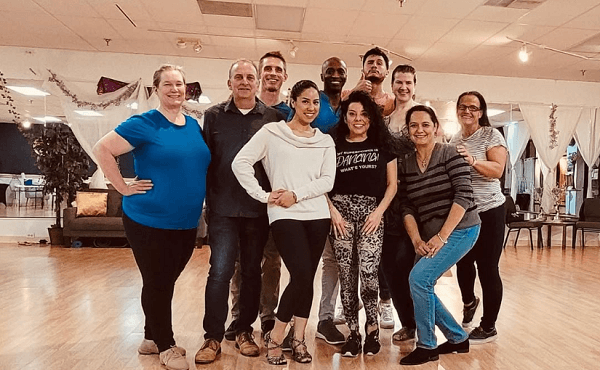
Salsa dance classes in Orange County by Esteban Conde, no partner or experience needed. Weekly and weekend Salsa and Bachata classes at the Costa Mesa dance studio. Salsa classes and dance instruction will give you the tools to learn how to dance salsa in no time.

Photo 1 - Salsa dance classes in Orange County
Photo 1 – Salsa dance classes in Orange County

The goal is to help you go from classes to dancing fast! And you will not only learn how to dance, but make great friends, increase your confidence and add joy to your life. Come give these salsa and bachata classes a try!

Salsa, Bachata, Salsa Parties and Events

  • Saturday Salsa Class: Every Sat 4:40pm-5:30pm Come and learn how to dance SALSA and have fun! This class teaches the basics and new moves each week. Don’t miss it Beginner level, no partner needed at 2980 Mcclintock way ste a and b, Costa Mesa, 92626. $15


  • Monday & Thursday Salsa: Class Every Monday and Thursday evening are the nights for Salsa classes. No partner or experience needed. Fun and Friendly atmosphere! Class starts at 8pm. No reservation needed. Each class is $15, with discounted prices for packages and monthly membership options. Come check us out!


  • Monday and Thursday Bachata Class: OC Salsa Studio, 2980 McClintock way, Costa Mesa. Bachata Class 7-8 every Monday and Thursday, rain or shine. Beginner level class, no partner, registration or experience needed. $15, this class covers basics and steps and specializes for those with 0 experience and new to dancing altogether.
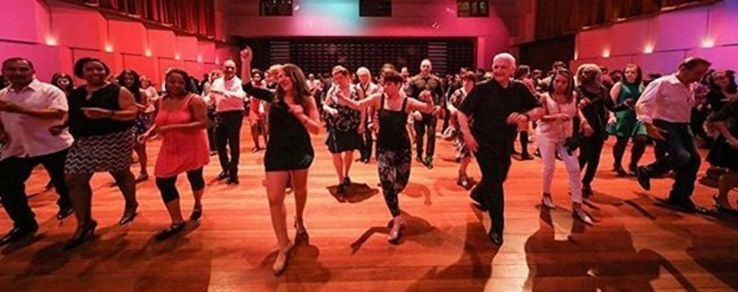
Photo 2 - Salsa dance classes in Orange County
Photo 2 – Salsa dance classes in Orange County

“I’ve always loved latin music and wished I could dance. Deciding to give it a try, i tried a free class with Esteban and crew at OC SALSA. What a pleasant surprise to feel so comfortable and welcome with a group I didn’t know, doing something I had never done. It was fun, great exercise, and I couldn’t wait for the next session. I was hooked because the instructors and atmosphere make it so easy to learn, you get plenty of personal attention, and can learn at your own pace”.

“Nice people, high quality instruction, and very reasonable cost. If you want to try, improve, or perfect latin dance, this is the place for you!” Student Testimonial

OC Salsa at 2980 McClintock way # A & B, Costa Mesa, 92626 2980 McClintock Way, Costa Mesa, CA 92626, EE. UU. Call On: 949-813-0412 [email protected] http://estebanconde.com

  • « Go to Previous Page
  • Page 1
  • Interim pages omitted …
  • Page 23
  • Page 24
  • Page 25
  • Page 26
  • Page 27
  • Interim pages omitted …
  • Page 132
  • Go to Next Page »

International Salsa Magazine (ISM) is a monthly publication about Salsa activities around the world, that has been publishing since 2007. It is a world network of volunteers coordinated by ISM Magazine. We are working to strengthen all the events by working together.